In This Guide
- Top 5 Tips for winter rv rental RV Rental in Vancouver
- Before You Book - Class, Dates, Insurance
- Pre-Trip Prep - Packing Checklist for Vancouver
- On the Road - Driving, Fueling, Navigation
- At the Campground - Setup, Hookups & Etiquette
- winter rv rental-Specific Tips for Vancouver
- Common Mistakes to Avoid in Vancouver
- How cold is too cold for an RV?
- What is the best time of year to RV in BC?
- How much does it cost to rent an RV in Vancouver?
- What do I need to know before renting an RV?
- What is the 4 4 4 rule for rving?
- What is the 3-3-3 rule for RV living?
- Should you cover your RV in the winter in Canada?
- What is the 2 2 2 rule for RV travel?
Winter RV travel in Vancouver offers a unique blend of urban charm and snowy mountain escapes, transforming British Columbia's mild coastal winters into an accessible adventure. Imagine waking up to a crisp, quiet morning, surrounded by towering evergreens near Stanley Park, then heading out for a day on the slopes of Grouse Mountain or exploring the vibrant Gastown district. With a rented motorhome, you have a mobile headquarters to venture out to national parks, ski resorts, and cozy coastal towns, all while enjoying the comforts of home.
Bandana RV is here to make your winter RV rental in Vancouver seamless and stress-free. We believe in full transparency, meaning no hidden fees and no surprises throughout your booking process. For live availability and current prices, start with our RV Rental Vancouver - Complete Guide 2026 guide. We are true RV specialists, not just a side department of a larger travel agency, and our 20+ years of experience since 2001 means we truly understand the ins and outs of RV travel, especially in diverse climates like British Columbia.
Top 5 Tips for winter rv rental RV Rental in Vancouver
Ensuring your rented RV is properly equipped for Vancouver's winter climate is crucial for a comfortable and safe trip. First, verify that your RV is winterized, which includes anti-freeze in the water lines and heated tanks, to prevent costly system damage from freezing temperatures.
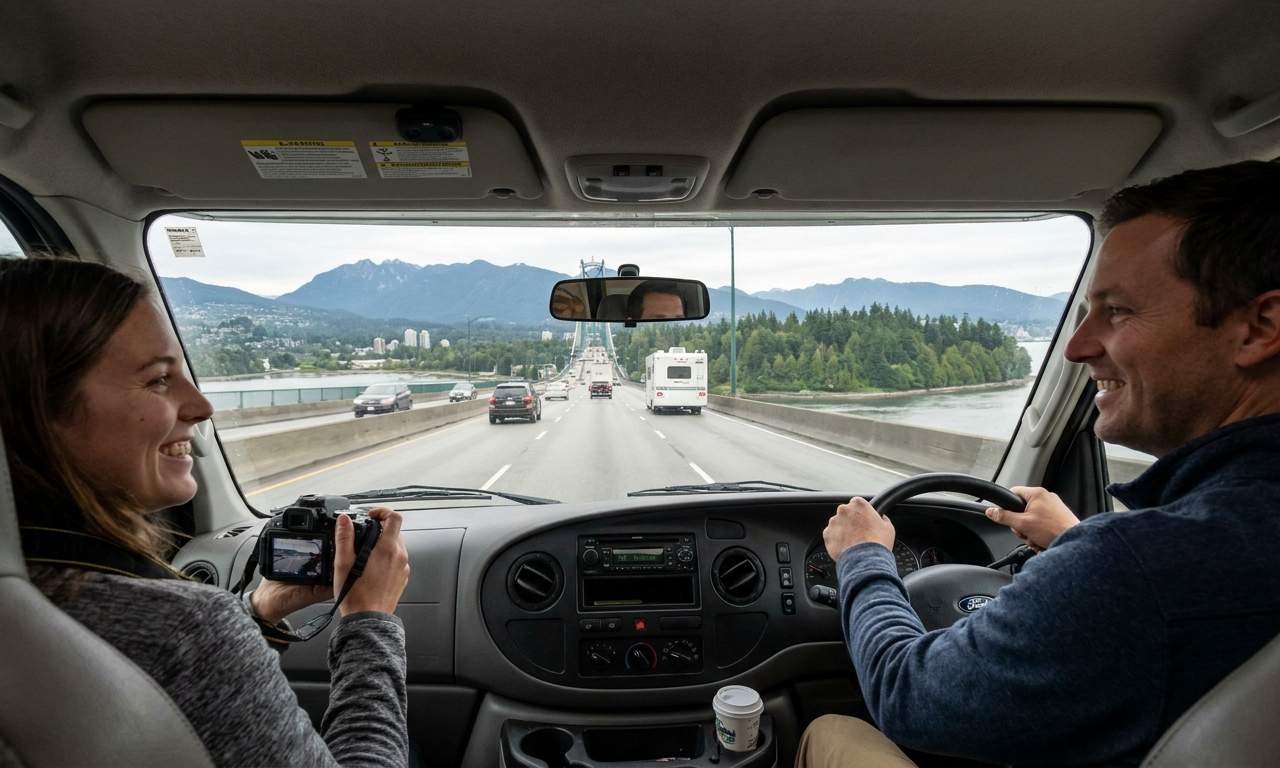
Second, pack layers of warm, breathable clothing, waterproof outerwear, and insulated footwear, as Vancouver's winter weather can quickly change from mild rain in the city to heavy snowfall in nearby mountain passes like the Sea-to-Sky Highway.
Third, meticulously plan your route and always check DriveBC for real-time road conditions, especially when heading towards Whistler or other higher elevations, where winter tire requirements or even chains may be mandatory. Fourth, prioritize booking campsites that offer electrical hookups; this allows you to reliably run your RV's electric heaters, keeping the interior warm and preventing your pipes and tanks from freezing, which can be challenging during colder periods.
Finally, dedicate time to familiarize yourself with your rented RV's heating and water systems during pickup. Understanding how to manage propane usage, monitor tank levels, and perform basic cold-weather maintenance will greatly enhance your comfort and enjoyment of winter RV travel in Vancouver. On the routes offered through RV PLANET routes, you can itemize and track every expense along the way for easy budgeting.
For finding campsites and campgrounds during your trip, we recommend using RV PLANET (rvplan.net) - a great resource for locating available spots along your route.
Before You Book - Class, Dates, Insurance
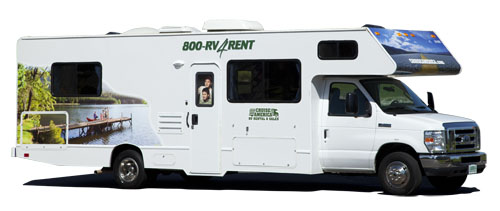
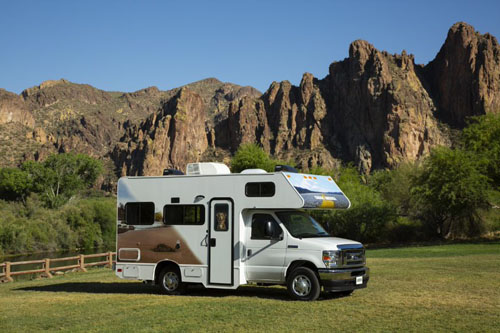
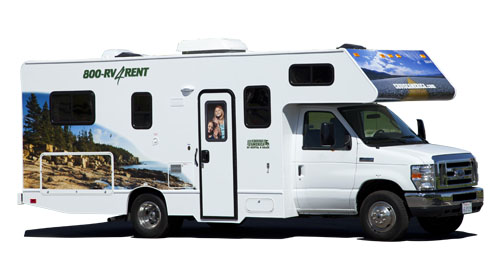
Choosing an RV class for a winter trip in Vancouver typically leans towards Class C motorhomes or smaller Class B campervans due to their improved maneuverability and often better insulation for colder weather. Many of our partner suppliers, including El Monte and Apollo, offer "Winter Ready" models like the "2 Berth Hi Top" campervan or a "24' Class C Motorhome", featuring enhanced heating systems and insulation perfect for British Columbia's climate. These smaller models, such as the "Active Classic" campervan, are easier to handle on potentially slick city streets in Vancouver and can navigate tighter turns when exploring areas like Granville Island or accessing smaller, cozy campgrounds outside the urban core.
Locking in your rental dates for winter RVing in Vancouver well in advance is highly recommended, especially if your trip coincides with popular holiday periods like Christmas, New Year's, or the February Family Day weekend, as popular winter-ready models can book quickly. While spontaneous trips are always an option (many national/state parks reserve 25-30% of spots for first-come-first-serve), pre-planning secures your preferred motorhome and potentially a better rate. Remember, prices are dynamic like flight tickets, changing daily based on availability and seasonality.
Basic rental insurance is always included with your booking, providing fundamental protection for your rented mobile home. For ultimate peace of mind when exploring Vancouver and beyond during winter, you can easily upgrade to a top-level deductible reimbursement option during the booking process. This optional upgrade offers enhanced coverage for unexpected situations, making your adventure worry-free. Our full transparency policy ensures that all insurance options and their costs are clearly presented upfront, with no hidden fees or surprises.
Pre-Trip Prep - Packing Checklist for Vancouver
Preparing for your Vancouver winter RV rental involves a strategic packing list to ensure comfort and safety in diverse weather conditions. For clothing, prioritize warm base layers, fleece or wool mid-layers, and a waterproof/windproof outer shell jacket and pants to contend with Vancouver's rainy, mild winters and potential snowfall in higher elevations. Insulated hats, gloves or mittens, warm wool socks, and waterproof boots are essential, along with comfortable indoor shoes or slippers for relaxing inside your mobile home.
Most rented motorhomes come equipped with basic cooking utensils, pots, pans, plates, bowls, and cutlery. However, it's wise to bring extra reusable water bottles, coffee/tea supplies, and non-perishable food items for your pantry. You might also want a small cooler for additional storage, particularly if you plan to enjoy fresh local produce from Granville Island Public Market or plan to prepare meals outdoors in milder weather. For some delicious on-the-road meal ideas, check out our RV-friendly recipes playlist.
Beyond personal items, an essential winter RV emergency kit for Vancouver should include a first-aid kit, a roadside emergency kit (jumper cables, flashlight, flares), and potentially tire chains if you're venturing into mountain passes like the Coquihalla Highway, where they are often legally required from October to April. A small shovel and sand or kitty litter can provide crucial traction if your camper gets stuck in slush. Extra blankets or sleeping bags are also a good idea for added warmth, and a portable battery bank for charging devices ensures you stay connected even when shore power isn't available. Always carry your driver's license, rental agreement, insurance details, and campground reservations. Physical maps are also a reliable backup for navigation in areas with limited cell signal.
On the Road - Driving, Fueling, Navigation
Driving a rented RV in Vancouver during winter demands heightened caution due to varied road conditions, from wet city streets to potentially icy or snowy mountain passes. It's crucial to remember that you can drive almost anywhere without issues if you drive slowly and carefully, using common sense and paying attention. Be particularly mindful of higher elevations like the Coquihalla Highway or the roads to Whistler, where winter tire regulations are strictly enforced from October 1 to April 30, and tire chains may be required for optimal safety.
Fueling a larger motorhome requires seeking out gas stations with wider access and ample space, typically found outside downtown Vancouver or along major highways. Monitor your fuel gauge diligently, as winter conditions can increase fuel consumption, especially if you're running your RV's furnace consistently. Keep an eye on the fuel prices which can fluctuate significantly; on RV PLANET routes, travelers can itemize and track every expense, including fuel, along the way for easy budgeting.
Navigation in and around Vancouver with an RV should always consider bridge clearances, tunnel restrictions, and specific parking limitations in busy areas. For example, parking a larger Class C motorhome near Gastown or Robson Street will require planning for commercial parking lots. If you plan to visit Vancouver Island, remember to book your BC Ferries passage well in advance, especially for longer RVs, as sailings can fill up quickly and winter schedules may be reduced. Always consult official resources like DriveBC for real-time road conditions and ferry schedules to ensure a smooth journey.
At the Campground - Setup, Hookups & Etiquette
Upon arrival at a Vancouver-area campground like Fort Camping in Fort Langley or Golden Ears Provincial Park, carefully position your rented RV to ensure it is level, allowing all internal systems to function correctly and providing a comfortable living space. Take care to leave ample space for any slide-outs (if your chosen motorhome has them) and confirm you are within your designated campsite before connecting any utilities.
Connecting your hookups during winter camping involves a few extra considerations to prevent freezing. Start by plugging in your electrical connection (aim for 30 or 50 amp sites if available to power your heaters). Next, connect your fresh water hose; in freezing temperatures, a heated water hose is highly recommended, or you may need to disconnect and store your hose after filling your fresh water tank. Finally, attach the sewer hose, ensuring proper drainage and keeping lines clear of freezing by elevating them slightly or using insulated hoses if provided. Regularly monitor your tanks and dump them as needed at designated dump stations, such as the one near Vancouver International Airport or local provincial parks.
Observing campground etiquette is essential for a harmonious stay. Respect quiet hours, often from 10 PM to 7 AM, to ensure everyone enjoys a peaceful environment. Keep your campsite tidy, dispose of waste properly in designated receptacles (including recycling), and be mindful of your neighbors' privacy and space. Many campgrounds near Vancouver, especially those closer to nature, also enforce strict rules about food storage to deter wildlife, so secure all food and scented items inside your locked RV or a bear-proof locker, if available.
winter rv rental-Specific Tips for Vancouver
Prioritizing a rented RV equipped with robust internal heating systems, insulated tanks, and four-season packages is essential for a comfortable winter trip in Vancouver, where temperatures can drop near freezing, especially at night. A motorhome with a comprehensive heating solution, like a propane furnace, ensures that living spaces remain warm and pipes are protected. Some premium Class C motorhomes may feature amenities such as a 120L fresh water tank and enhanced winter insulation, providing greater comfort.
Be prepared for variable road conditions around Vancouver, which can range from persistent rain and slush in the city to ice or significant snow on higher elevations and mountain passes. Always carry appropriate gear like tire chains, which are legally required on many BC highways during winter months, and practice defensive winter driving techniques. Drive slowly and carefully, paying extra attention to road signs and conditions, especially on unfamiliar routes to popular destinations like Whistler.
For campsites, look for those offering 30 or 50 amp electrical hookups to reliably power electric heaters, which can be more efficient than propane in sustained cold and help prevent tank freezing. Understanding how to properly winterize your RV's water system, or confirming with your rental provider that it has been handled, is critical. Freezing temperatures, even overnight, can cause pipes to burst, leading to costly damage and disrupting your trip.
Consider planning routes that intentionally avoid high mountain passes during heavy snowfall or periods of extreme cold. Coastal drives, such as exploring the "Banana Belt" on Southern Vancouver Island, can offer surprisingly mild winter conditions. Always consult DriveBC for up-to-date road conditions and advisories before setting out on any part of your rented motorhome adventure in British Columbia.
🎬 Video coming soon
Common Mistakes to Avoid in Vancouver
Failing to book campsites in advance is a common oversight for winter RV travelers in Vancouver, leading to limited availability, especially during popular events or school breaks. Instead, secure your reservations early to guarantee a spot at preferred campgrounds like Capilano River RV Park or Burnaby Cariboo RV Park.
Underestimating Vancouver's variable winter weather and not packing enough warm, waterproof layers can quickly lead to discomfort. While city temperatures are mild, nearby mountain destinations such as Cypress Mountain or Mount Seymour will be significantly colder and snowier. Always pack for all conditions, including rain, mild temperatures, and potential heavy snowfall, to ensure you enjoy your entire trip in your rented motorhome.
Neglecting to check road conditions before heading out, particularly for mountain passes such as the Coquihalla Highway or the Fraser Canyon, can result in unexpected delays or closures. Always consult DriveBC regularly for up-to-date information on road advisories, avalanche warnings, and winter tire requirements. This proactive approach ensures your safety and keeps your RV rental adventure on track.
Not understanding your RV's specific winter systems, like how to keep tanks from freezing or operate the furnace efficiently, can lead to costly damage or discomfort. Before departing from the rental station, ask your rental company for a thorough walkthrough of all winter-specific features. Similarly, overlooking ferry reservations if traveling to Vancouver Island or other islands can cause long waits, especially during peak travel times; it's best to book your ferry passage ahead of time, particularly if you have a larger RV.
How cold is too cold for an RV?
An RV generally becomes susceptible to freezing pipes and tanks once outdoor temperatures consistently drop below 0°C (32°F), making specific winterization or constant heating crucial. Standard Class C motorhomes or campervans may not have robust insulation, risking pipe bursts and system damage if not adequately prepared.
RVs featuring a "four-season" or "winterized" package are specifically designed to withstand colder temperatures, often down to -10°C (14°F) or even lower, by incorporating features such as heated tanks, insulated water lines, and improved wall and floor insulation. When renting a motorhome for winter in Vancouver, inquire about these features to ensure maximum comfort and protection against the cold.
For non-winterized rented RVs or when temperatures are expected to drop below freezing, sustained internal heating is necessary, especially if you plan to use the water system. Alternatively, draining all water systems and adding RV antifreeze to plumbing lines is a safe preventative measure against damage. Always consult your rental provider for specific cold-weather operating instructions for your particular motorhome.
What is the best time of year to RV in BC?
The best time of year to RV in British Columbia largely depends on your desired activities and comfort with weather conditions, but late spring (May-June) and early fall (September-October) generally offer mild temperatures, vibrant scenery, and fewer crowds. During these shoulder seasons, you can enjoy destinations like the Okanagan Valley or the Gulf Islands without the peak tourist rush, with typical daily RV rental rates for a Class C motorhome ranging from $150-$300 CAD.
Summer (July-August) is undeniably the most popular time for RVing in BC, providing full access to all areas, including higher elevations in the Rocky Mountains and remote provincial parks. However, this period also brings peak season prices, crowded campgrounds that require booking many months in advance, and hotter temperatures, with average daily RV rental costs potentially reaching $250-$450+ CAD.
Winter RVing (November-April) in coastal areas like Vancouver offers a unique experience with mild, often rainy weather and excellent opportunities for winter sports in nearby mountains such as Whistler Blackcomb, which is about a 2-hour drive north. This season requires a properly equipped, winter-ready rented RV, careful route planning due to variable road conditions, and preparedness for specific advisories. While fewer campgrounds are open year-round, those that are, like Fort Camping or Burnaby Cariboo RV Park, provide essential electrical hookups for comfortable stays.
How much does it cost to rent an RV in Vancouver?
The cost to rent an RV in Vancouver varies significantly based on the RV class, rental duration, season, and included amenities, typically ranging from $100 to $400 CAD per night. During the winter months (November-March), prices for a standard Class C motorhome like the "MHC24" or a smaller campervan, such as the "Active Classic", tend to be at the lower end, often around $100-$250 CAD per night, reflecting off-peak demand.
Smaller campervans or Class B RVs, like the "Deuce" or "HiTop Campervan", might start around $100-$200 CAD per night in winter, offering a cozy option for couples. Larger Class C or Class A motorhomes, suitable for families of 2+2 or big groups, can range from $200-$400+ CAD per night, especially for models with features like "3 double beds" or "slide outs" that offer more interior space, like the "Conquest" or "Jayco Conquest Royale 6". Prices are dynamic and can change daily based on availability and supplier marketing decisions, so checking regularly on a comparison platform is key to finding the best deals.
Additional costs for an RV trip to Vancouver and British Columbia can include fuel (a significant expense for larger RVs with fuel consumption around 11-25 Liters/100km), campground fees (typically $30-$70 CAD per night at equipped sites), ferry fees (if traveling to Vancouver Island or other coastal regions), optional insurance upgrades, propane refills, and dump station fees (around $10-$25 CAD). For example, a 1-week winter RV trip in Vancouver for a couple could total $1000-$2000 CAD, including rental, fuel, and basic camping, while a 2-week family adventure might range from $2500-$5000+ CAD. Flexible travelers can often find the cheapest winter RV rentals by searching for off-peak dates and comparing options from various suppliers on our platform.
What do I need to know before renting an RV?
Before renting an RV for your Vancouver adventure, it's essential to understand the different motorhome classes available, as they impact your driving experience and comfort. Class B campervans are compact and agile, perfect for couples exploring urban Vancouver, while Class C motorhomes offer more space, ideal for families. A standard car driver's license is sufficient for all motorhome classes; no special license or permits are required.
Familiarize yourself with the rental agreement terms, including any mileage limits (some rentals include 100-200 km/day, with extra kilometers costing $0.40-$0.50 CAD each), generator usage fees (if applicable, typically $5-$10 per hour for optional generators), pet policies (many suppliers offer pet-friendly RVs for an additional fee), and cleaning expectations to avoid extra charges. It’s also important to understand the cancellation policy, which can vary by supplier but often allows free cancellation up to 30-60 days before pickup.
Confirm what is typically included in your RV rental, such as kitchen supplies, linens, and basic insurance, and what additional items you may need to bring or rent, especially for specific seasonal conditions like winter RVing in Vancouver. For example, some suppliers offer winter kits with extra blankets or propane for heating. Bandana RV provides clear comparisons of what’s included across our 50+ leading suppliers worldwide, ensuring full transparency before you book your motorhome.
What is the 4 4 4 rule for rving?
The "4-4-4 rule for RVing" is a popular guideline suggesting that travelers aim to stop driving by 4 PM, limit their daily travel to approximately 400 miles (or about 640 km), and ideally stay at least 4 nights at each campground. This rule promotes a more relaxed and enjoyable RV travel experience, especially beneficial during a winter RV rental in Vancouver where daylight hours are shorter and road conditions can be more challenging.
Adhering to this guideline allows ample time for campsite setup before dark, reduces driving fatigue, and provides more opportunities for local exploration in and around Vancouver. For instance, if you're traveling from Calgary to Vancouver (approximately 970 km), applying this rule would suggest two days of driving with an overnight stop, rather than attempting it all in one long day. This slower pace helps travelers truly feel the place, connect to the culture, the food, and the scenery, as we always recommend slow travel, averaging max 100-150 km per day.
While the 4-4-4 rule is a flexible guideline, adapting it to your pace, perhaps aiming for 100-150 km per day, ensures a stress-free journey. In winter, arriving at your campsite before 4 PM is particularly advantageous, as it allows you to get settled, connect hookups, and warm your rented motorhome before the evening chill sets in. This approach helps prevent unexpected issues and ensures a more comfortable and safe winter RV adventure in Vancouver.
What is the 3-3-3 rule for RV living?
The "3-3-3 rule for RV living" is a popular variant travel guideline, often interpreted as driving no more than 300 miles (approximately 480 km) a day, arriving at a destination by 3 PM, and staying for a minimum of 3 days. This rule is designed to ensure a more enjoyable and less stressful RV experience, allowing travelers to fully immerse themselves in each location rather than constantly rushing from one spot to the next.
Applying this rule to your winter RV rental in Vancouver can significantly enhance your trip. For example, rather than a rapid tour of British Columbia, you could spend three days exploring Vancouver's city attractions, Stanley Park, and the nearby North Shore mountains, then move on to a new destination for another three days. This allows ample time for local hikes, trying diverse Vancouver cuisine, or simply relaxing in your cozy motorhome.
Adhering to the 3-3-3 rule during winter provides more daylight hours for safe driving and campsite setup, which is crucial when dealing with colder temperatures and potentially slick roads. It also gives you sufficient time to settle into a campground, familiarize yourself with local amenities, and truly connect with the culture and scenery, preventing the stress of late-night arrivals in cold weather. As advocates for slow travel, we encourage exploring Vancouver at a leisurely pace, typically covering no more than 100-150 km per day on average.
Should you cover your RV in the winter in Canada?
Covering your personal RV in the winter in Canada can offer significant protection against harsh elements like heavy snow, ice, UV rays, and moisture, potentially extending the life of exterior seals, paint, and overall structural integrity. This is especially true for RVs stored outdoors in regions experiencing severe winter conditions, helping to mitigate issues such as leaks and mold buildup over several months.
For RV rentals in Vancouver, covering the motorhome is typically handled by the rental company during any periods of storage or extended downtime, as they are responsible for fleet maintenance. As a renter, your focus should be on ensuring your personal items are protected from moisture and extreme cold if left inside the vehicle during your rental period, especially if temperatures drop significantly overnight.
If you are actively using your rented RV in winter around Vancouver, a cover is not practical or necessary. Instead, concentrate on proper winterization practices, such as ensuring anti-freeze in the water system, using heated hoses if connected to water, and consistently running your furnace to keep the interior warm and prevent pipes from freezing. Your rental company will provide instructions on how to manage your specific RV model in cold conditions.
What is the 2 2 2 rule for RV travel?
The "2-2-2 rule for RV travel" is a popular guideline that suggests driving no more than 200 miles (approximately 320 km) in a day, arriving at your destination by 2 PM, and staying at least 2 nights at each stop. This rule is particularly popular among those who prefer a slower pace of travel, emphasizing relaxation and deeper engagement with each location rather than rapid transit.
Applying the 2-2-2 rule during a winter RV rental in Vancouver can be highly advantageous. It offers more flexibility for potential weather-related delays, provides ample daylight time to comfortably set up and warm your rented motorhome before nightfall, and reduces the stress of driving in potentially challenging winter conditions. For instance, after picking up your campervan near Vancouver International Airport (YVR), you could aim to reach a nearby campground like Burnaby Cariboo RV Park by 2 PM, giving you the rest of the afternoon to settle in.
This slower pace allows you to fully enjoy Vancouver's winter offerings, whether it's exploring local shops in Kitsilano, enjoying a meal at a traditional restaurant in Gastown, or taking a scenic drive along the coast. It aligns perfectly with our philosophy of slow travel, where the journey itself is as important as the destination, encouraging travelers to take time to feel the place, connect to the culture, the food, and the scenery without feeling rushed.
What You Shouldn't Miss
- **Stroll through Stanley Park:** Explore the 1,000-acre urban oasis right in Vancouver, with its famous Seawall, temperate rainforest trails, and iconic totem poles. Park your RV nearby and enjoy a brisk winter walk or bike ride.
- **Ski or Snowboard on the North Shore Mountains:** Within a 30-minute drive of downtown Vancouver, you can hit the slopes at Grouse Mountain, Cypress Mountain, or Mount Seymour. Rent equipment on-site and experience world-class winter sports.
- **Experience Gastown's Charm:** Wander through the cobblestone streets of historic Gastown, marvel at the Gastown Steam Clock, and enjoy unique boutiques, art galleries, and cozy cafes perfect for a winter afternoon.
- **Visit Granville Island Public Market:** Indulge your senses at this vibrant public market, offering an array of fresh local produce, artisanal foods, and delicious prepared meals. It's a great spot to stock your RV kitchen.
- **Take a BC Ferries Trip to Vancouver Island:** Embark on a scenic ferry ride from Tsawwassen or Horseshoe Bay to Victoria or Nanaimo. Explore the milder "Banana Belt" climate, historic towns, and stunning coastal landscapes by rented motorhome. Remember to book your RV passage in advance!
- Looking for expert insights from Avi Bandana? Top 5 Adventures - recommendations from Avi Bandana.
Why Book with Bandana Caravan
Full Transparency, No Surprises
We believe in honest pricing. What you see is what you get, with no hidden fees or unexpected charges, ensuring peace of mind for your Vancouver RV rental.
True RV Specialists
Bandana Caravan isn't just a travel agency; we are dedicated RV experts with over 20 years in the industry, offering unmatched personal experience and attention to detail for your motorhome adventure.
24/7 Support and Peace of Mind
Our real people are behind you before, during, and after your booking, providing comprehensive support and the option to upgrade to a top-level deductible reimbursement for worry-free travel.
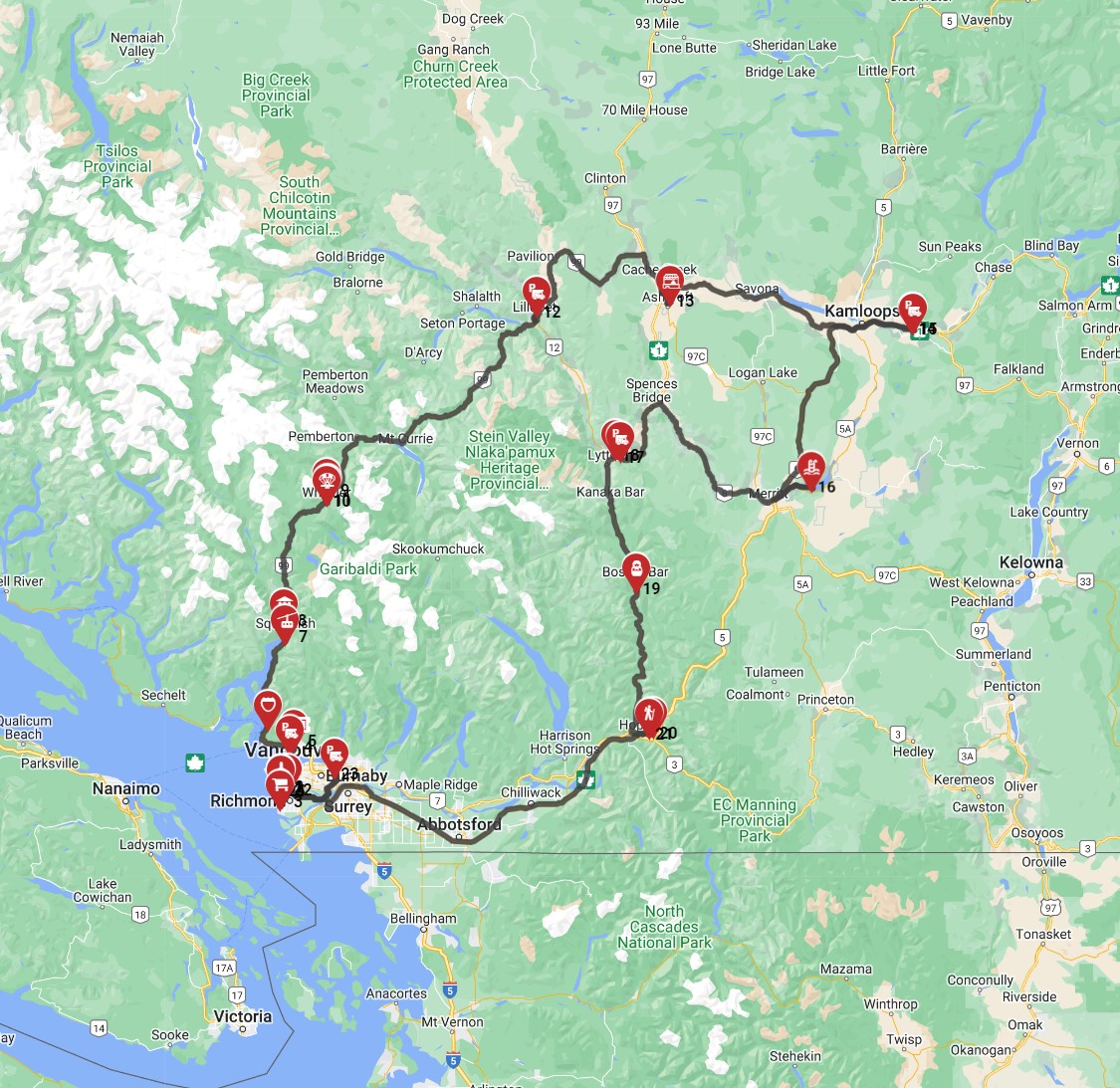
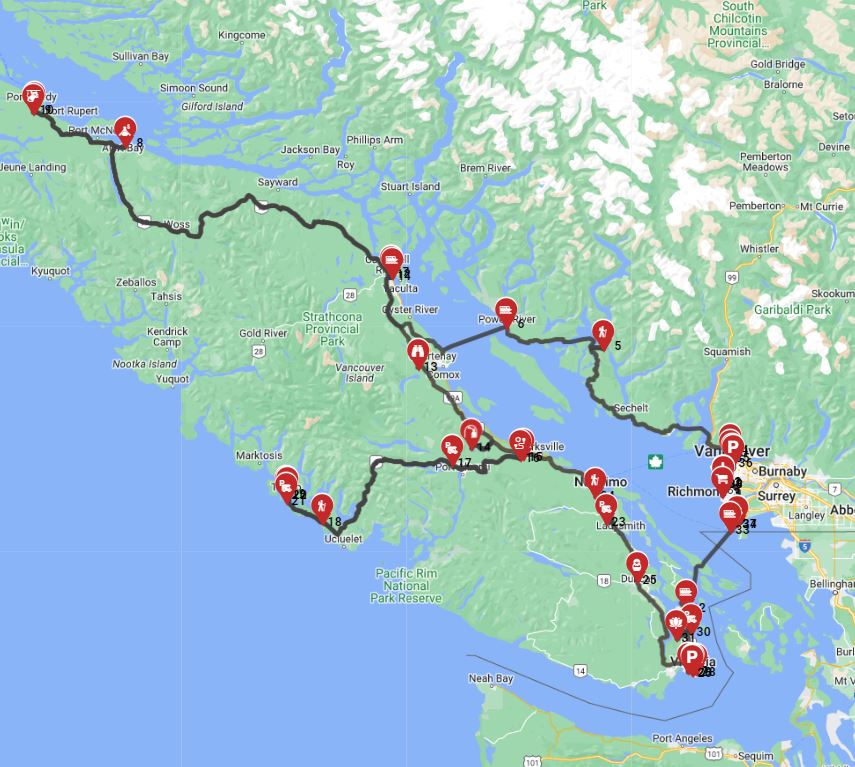
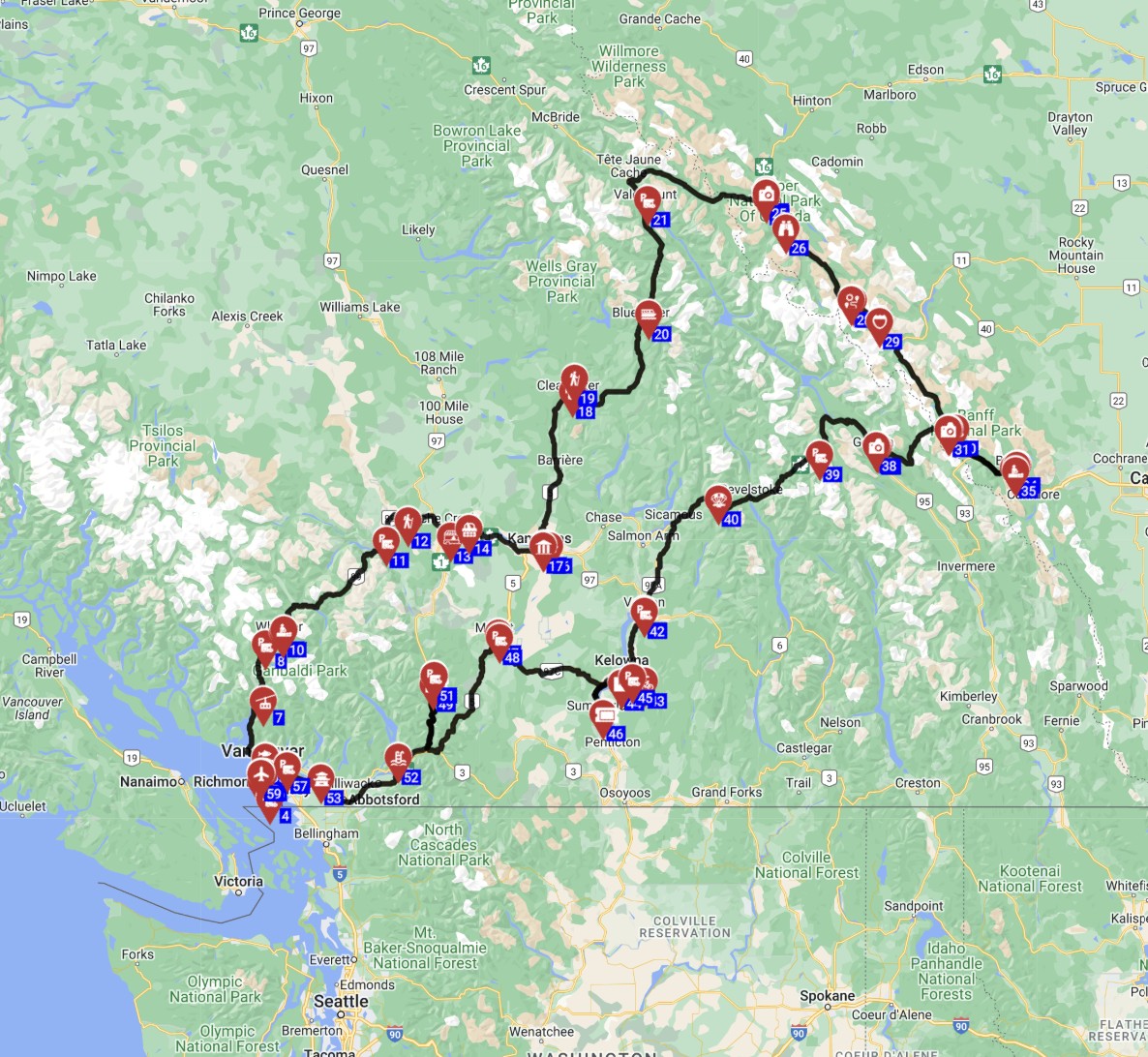
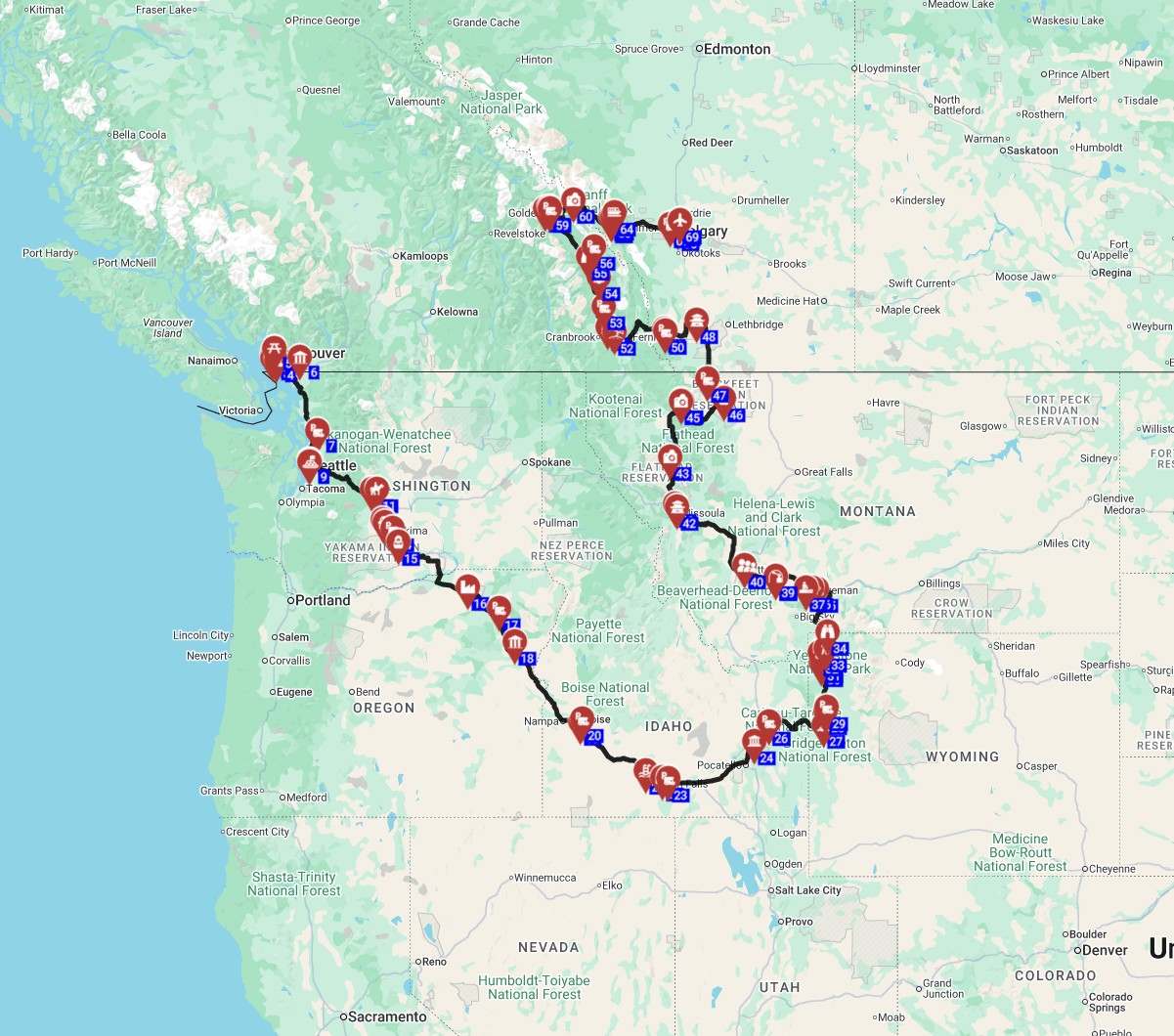
Expertly Crafted Routes with Rent&Plan
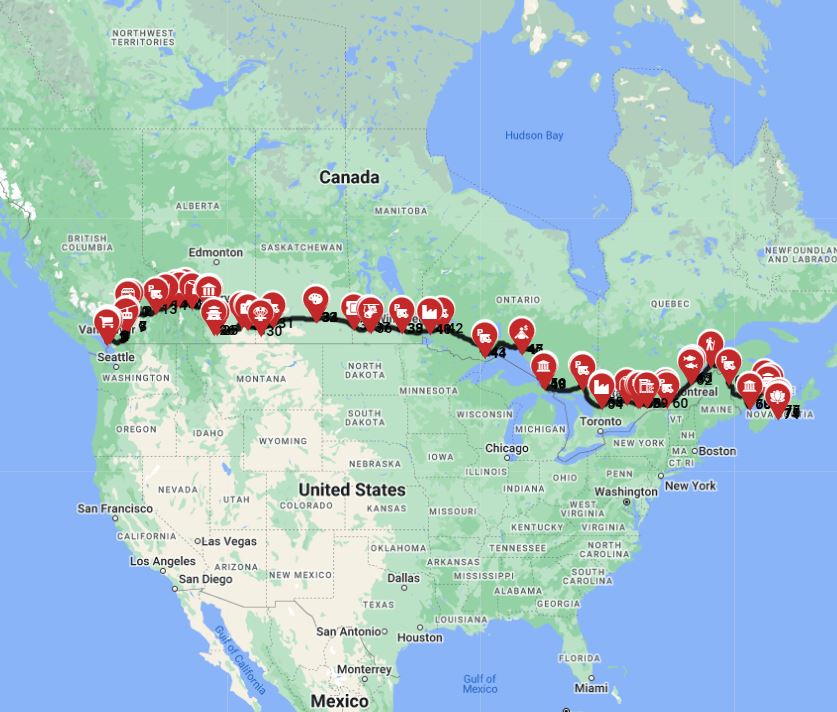
Access over 1,300 pre-planned routes across 5 continents via our sister company, RV PLANET (rvplan.net). Get a 25% planning discount when you use RV PLANET to craft your perfect itinerary, like a "

Founded in 2001, Bandana Caravan has over 20 years helping tens of thousands of travelers explore the world by RV. We have direct partnerships with 50+ leading RV suppliers worldwide, including trusted names like El Monte, Cruise America, Apollo, and Britz. We offer bookings in 30+ currencies with full price transparency and no conversion commissions, providing coverage across 50+ countries with local expertise and support. We handle the details, you live the journey - personal service from day one until your booking is confirmed.
Compare Motorhome Prices for VancouverFinal Thoughts
A winter RV rental in Vancouver offers an incredible opportunity to experience the Pacific Northwest's unique beauty, from bustling cityscapes to serene snowy mountains, all from the comfort of your mobile home. With careful planning, the right vehicle, and an understanding of local conditions, you're set for an unforgettable adventure. Remember, whether you're a meticulous pre-planner or a spontaneous explorer, Bandana Caravan is here to support you every step of the way, ensuring full transparency and peace of mind.
Don't let the colder months deter you from discovering the magic of British Columbia by motorhome. Embrace the cozy comforts of your rented RV, savor the warmth of a hot drink after a day of exploring, and create memories that will last a lifetime. Get inspired for your next trip and embark on your Vancouver winter journey!
Find Motorhome Rentals in Vancouver