In This Guide
- Top 5 Tips for winter rv rental RV Rental in Tokyo
- Before You Book - Class, Dates, Insurance
- Pre-Trip Prep - Packing Checklist for Tokyo
- On the Road - Driving, Fueling, Navigation
- At the Campground - Setup, Hookups & Etiquette
- Winter RV Rental-Specific Tips for Tokyo
- Common Mistakes to Avoid in Tokyo
- What is the optimal RV size for navigating Tokyo?
- How do you navigate Tokyo in an RV and find parking?
- How can Michi-no-Eki be used to explore Tokyo by RV?
- How can RV travel be combined with Tokyo's public transportation?
- What cultural etiquette should RVers observe in Japan, especially in Tokyo?
- Can you boondock or free camp with an RV in Tokyo?
- What are some unique RV itineraries or day trips from Tokyo?
Winter in Tokyo might not be the first thing that comes to mind for a motorhome adventure, but imagine yourself exploring bustling cityscapes and serene natural escapes, all from the comfort of your rented RV. Japan, and particularly the Kanto region around Tokyo, offers a unique winter RV experience, blending vibrant city life with stunning snowy landscapes just a short drive away. With Bandana Caravan, your journey is transparent and supported, ensuring a smooth trip with no hidden fees or surprises. For live availability and current prices, start with our RV Rental Tokyo - Complete Guide 2026 guide.
Top 5 Tips for winter rv rental RV Rental in Tokyo
For a successful winter RV rental in Tokyo, prioritizing a compact motorhome is essential for easy navigation through its narrow city streets and limited parking. You'll find that a smaller Class B campervan or a nimble Class C motorhome, ideally under 6 meters in length, offers the best balance of comfort and maneuverability. Booking your preferred model well in advance, especially for winter holidays like New Year's (which can see booking spikes 3-6 months prior), will secure your ideal home-on-wheels. Before your adventure, familiarize yourself with Japan's unique left-hand driving and road signs; a little preparation goes a long way. Make the most of Japan's Michi-no-Eki (roadside stations) for convenient overnight stays and access to amenities, as many national and prefectural parks may have reduced winter services. Lastly, leverage Tokyo's incredibly efficient public transportation by parking your rented motorhome on the city outskirts and taking a train or subway into the core for stress-free exploration.
Before You Book - Class, Dates, Insurance
Selecting the right RV class for your winter journey in Tokyo involves a thoughtful balance between interior comfort and external maneuverability. For navigating Tokyo's distinctive infrastructure, a compact campervan (Class B) or a small Class C motorhome is generally recommended due to their superior handling in urban settings and efficient heating systems. Many Bandana partner suppliers, including El Monte and Apollo, offer excellent compact options perfect for winter travel, ensuring you find the right fit. Regarding booking dates, securing your rental as early as possible, ideally 3-6 months ahead, is crucial, especially if your trip coincides with popular winter festivals or the bustling New Year period in 2026, which can see demand for available rentals increase by up to 25%. While basic insurance is typically included with your rental, we highly advise upgrading to comprehensive coverage for complete peace of mind, especially when driving on unfamiliar winter roads. Bandana Caravan offers full transparency with its pricing, so you'll never encounter hidden fees, and you can easily compare final prices across suppliers to see all relevant insurance options.
Pre-Trip Prep - Packing Checklist for Tokyo
A comprehensive packing checklist for a winter RV trip to Tokyo ensures comfort and readiness for various conditions, where temperatures can drop to 0°C (32°F) and surrounding areas might experience snow. Essential items include warm, waterproof clothing layers (thermal underwear, fleece, waterproof jackets), suitable kitchen supplies for preparing warm meals on your RV's stove, and vital safety gear like a first-aid kit and emergency roadside triangle. Always carry all necessary travel documents, including your passport, visa (if required), and an International Driving Permit (IDP) alongside your standard driver's license (which is sufficient for all motorhome classes). Considering Tokyo's mild but sometimes chilly winters and the potential for snow in nearby mountainous regions, insulated boots, hats, and gloves are particularly useful. Don't forget a multi-adapter for Japan's 100V outlets and any personal medications. For cooking inspiration, check out our RV-friendly recipes playlist.
On the Road - Driving, Fueling, Navigation
Driving a rented RV in Tokyo requires familiarity with local traffic laws, advanced navigation systems, and specific fueling practices. Japan drives on the left, and navigating Tokyo's dense urban environment necessitates careful attention to often narrow streets and frequent lane changes. The best approach is to drive slowly and carefully; you can drive almost anywhere without issues, just use common sense and pay attention. A GPS system with height and width restrictions for RVs, such as those often integrated into Bandana partner vehicles, is highly beneficial for avoiding problematic routes. Fueling stations are widespread, but many are self-service; learning basic Japanese phrases for fuel types (regular/レギュラー, high-octane/ハイオク, diesel/軽油) or using visual cues can be very helpful. Toll roads are common, especially on expressways leading into and out of Tokyo, like the Shuto Expressway system. An Electronic Toll Collection (ETC) card, often available with your rental, significantly simplifies toll payments and helps navigate the sometimes narrow toll booths. Remember to factor in these ancillary trip costs, including fuel and tolls; RV PLANET routes allow you to itemize and track every expense for easy budgeting. On the routes offered through RV PLANET routes, you can itemize and track every expense along the way for easy budgeting.
At the Campground - Setup, Hookups & Etiquette
Setting up at a Japanese RV park or campground involves specific steps for hookups and strict adherence to local etiquette. Upon arrival, typically park first, then connect electricity (100V, often a specific Japanese plug type, so ensure you have an adapter), followed by fresh water (if available), and finally, wastewater disposal. It's crucial to ensure tanks are properly managed to prevent freezing in winter, especially if temperatures drop significantly. Campground etiquette in Japan places a high emphasis on quiet hours (often from 9 PM to 7 AM), maintaining exceptional cleanliness, and respecting privacy. This means keeping noise levels low, avoiding loud conversations or music after dark, and meticulously sorting trash into designated bins (often separated into combustible, non-combustible, plastics, and recyclables). Many popular RV sites and Michi-no-Eki, especially those near Tokyo, require booking in advance, particularly during peak seasons or weekends. For finding campsites and campgrounds during your trip, we recommend using RV PLANET (rvplan.net) - a great resource for locating available spots along your route.
Winter RV Rental-Specific Tips for Tokyo
Navigating Tokyo by rented RV during winter requires specific considerations for comfort, safety, and vehicle readiness. Ensure your rented motorhome is equipped with suitable all-season tires; while winter tires aren't always mandatory within central Tokyo, they are highly recommended if you plan to venture into mountainous regions like the Japan Alps or even areas just outside the city that receive snowfall. Utilize your RV's heating system effectively to maintain a comfortable interior temperature, but remember to keep windows slightly cracked for ventilation to prevent condensation and mold buildup in colder temperatures. Plan routes carefully to avoid elevated expressways during heavy snowfall, as these can be more prone to closures or slippery conditions. It's also wise to keep a supply of anti-freeze for your water tanks and hoses, and be mindful of draining your systems if temperatures are expected to drop significantly overnight at parking spots without full hookups. Travel slowly, max 100-150 km per day on average, to account for potentially slick roads and enjoy the winter scenery at a relaxed pace.
Common Mistakes to Avoid in Tokyo
Avoiding common pitfalls can significantly enhance a winter RV rental experience in Tokyo. A frequent mistake is attempting to drive a large RV directly into central Tokyo, which is often characterized by narrow streets, heavy traffic, and extremely limited suitable parking for larger vehicles. Instead, consider parking your rented campervan on the outskirts of Tokyo, perhaps at a convenient Michi-no-Eki or a large suburban parking lot, and utilizing the city's renowned public transportation system for seamless urban exploration. Another common error is underestimating winter temperatures, particularly at night or outside the city, where it can be surprisingly cold. Always pack adequate warm clothing and verify your RV's heating system functionality before you set off. Neglecting to book campsites or Michi-no-Eki in advance, especially during holidays or popular winter periods like those covered in RV Rental Deals in Tokyo - Latest Offers 2026, can lead to scrambling for overnight spots. We also see travelers ignoring local waste disposal rules, which are notably strict in Japan; diligently sort your trash according to local guidelines found at campgrounds or Michi-no-Eki to show respect for the local environment and culture.
What is the optimal RV size for navigating Tokyo?
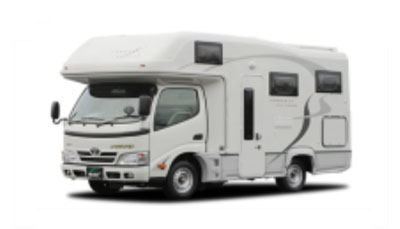
The optimal rented RV size for navigating Tokyo is generally a compact campervan (Class B) or a small Class C motorhome, typically less than 5.5 meters (18 feet) in length and 2.2 meters (7.2 feet) in width. These smaller vehicles offer significantly better maneuverability on Tokyo's often narrow urban streets and are far more likely to fit into standard parking spaces, which are usually designed for smaller Japanese cars. Larger RVs, exceeding 6 meters (20 feet) in length, can find navigating residential areas challenging and may face severe restrictions in multi-story car parks due to height and length limitations. A compact RV also benefits from easier access to smaller toll gates and presents a less intimidating presence on bustling city roads, aligning well with Japanese infrastructure and driving customs. If you're looking for a Cheap RV Rental in Tokyo - Budget Guide 2026, smaller vehicles are often more economical too.
How do you navigate Tokyo in an RV and find parking?
Navigating Tokyo in a rented RV primarily involves utilizing precise GPS systems, understanding local road signs, and strategically planning parking outside the immediate city center. For practical routes, it's often best to stick to major arterial roads and expressways, consciously avoiding the densest core areas where streets are narrow and congestion is high; consider using navigation apps that can filter for RV-friendly routes to bypass height or weight restrictions. Toll gate complexities for larger RVs often involve selecting wider lanes or those specifically marked for larger vehicles, and an Electronic Toll Collection (ETC) card simplifies payment immensely on these routes. Designated RV parking in central areas of Tokyo is extremely limited and rarely available for anything larger than a compact campervan. Therefore, viable options often include larger shopping center car parks on the city's periphery (always check height/length restrictions in advance), or dedicated RV parks and Michi-no-Eki (roadside stations) located in surrounding prefectures like Chiba or Saitama, which often have good public transport connections into Tokyo. Drive slowly and carefully, and you can drive almost anywhere without issues. No need to stress - just use common sense and pay attention.
How can Michi-no-Eki be used to explore Tokyo by RV?
Michi-no-Eki (roadside stations) in the Kanto region serve as strategic, comfortable bases for exploring Tokyo by rented RV, offering essential amenities and often public transport access. Detailed strategies involve selecting Michi-no-Eki located within a reasonable commuting distance to Tokyo, such as those found in Chiba, Saitama, or Kanagawa prefectures, which typically allow overnight parking and provide clean restrooms, local product shops, and sometimes dining options. Specific recommendations include Michi-no-Eki that are explicitly marked with good public transport connections, like those near train stations that offer direct lines into central Tokyo, enabling RVers to park their motorhome safely and explore the city by train or subway. Utilizing Michi-no-Eki minimizes the stress of urban RV parking while still keeping Tokyo's vibrant attractions accessible. Remember that while overnight parking is generally permitted, it is primarily for rest, and extensive camping setups (awnings, chairs) are usually not allowed out of respect for local customs. For more detailed insights into planning, consult our RV Travel Guide to Tokyo - Tips and Top Spots 2026.
How can RV travel be combined with Tokyo's public transportation?
Combining RV travel with Tokyo's extensive public transportation system is an exceptionally effective strategy for exploring the city without the inherent challenges of urban RV driving and parking. Strategies for this approach focus on parking your rented motorhome outside Tokyo's bustling core, typically at a Michi-no-Eki or a large suburban parking facility that offers long-term parking options and is well-connected. Identifying suitable parking locations near major train lines, such as those connecting to the JR Yamanote Line or other key subway lines, allows for exceptionally easy access to central attractions like Shibuya, Shinjuku, Ueno, and Tokyo Station. For example, parking at a Michi-no-Eki in a neighboring prefecture and taking a 30-60 minute train ride into the city center is a common and stress-free method. This smart approach leverages the comfort and flexibility of your RV for exploring scenic surrounding regions (as highlighted in RV Rental Japan - Complete Guide 2026), while Tokyo's public transport provides efficient, stress-free access to its dynamic urban landscape. Bandana RV specialists are always here to offer pre-booking advice and coordination support to help you plan this integration seamlessly.
What cultural etiquette should RVers observe in Japan, especially in Tokyo?
RVers in Japan, particularly around Tokyo, should observe specific cultural etiquette to ensure respectful local interaction and harmonious travel experiences. Practices for trash disposal are notably strict; diligently separate your waste into combustible, non-combustible, plastics, and recyclables, as specified at campgrounds, Michi-no-Eki, or local collection points, avoiding roadside dumping entirely. Noise levels should be kept minimal, especially during designated quiet hours at Michi-no-Eki and campgrounds (typically 9 PM to 7 AM), out of deep respect for local communities and fellow travelers seeking peace. When considering overnight stays at Michi-no-Eki, understand that while parking is often permitted for rest, it is culturally considered poor form to set up a full camping experience by extending awnings, placing chairs, or having large outdoor gatherings. Always be mindful of privacy, maintain impeccable cleanliness in and around your rented camper, and show gratitude when interacting with locals or using public facilities. A simple "Arigato gozaimasu" (thank you very much) goes a long way!
Can you boondock or free camp with an RV in Tokyo?
Boondocking or 'free camping' with a rented RV in Tokyo, as understood in Western contexts, is largely not a viable or legally permissible option. Myths about widespread free camping in Japan often stem from misunderstandings of Michi-no-Eki, which are designated rest stops allowing overnight parking for weary travelers, but not intended for traditional camping setups or extended stays. Legal limitations include strict private property laws and local ordinances against overnight parking in public spaces not designated for such use, making genuine boondocking difficult and potentially illegal within Tokyo's metropolitan area. Instead of attempting to free camp, which could lead to fines or negative interactions, viable, safe, and respectful alternatives for overnight parking include dedicated RV parks, paid campgrounds in surrounding prefectures (like those in Chiba, Kanagawa, or Saitama), and the aforementioned Michi-no-Eki, all of which offer a secure place to rest without violating local customs or laws. Remember, you'll find a spot. If not at the first campground, then the next one; just call ahead before driving.
What are some unique RV itineraries or day trips from Tokyo?
Unique Tokyo RV itineraries and day trips leverage the flexibility of a rented motorhome to explore attractions and experiences beyond typical public transport routes. Specific routes could include a scenic winter drive to Hakone (approximately 90 minutes from Tokyo) for rejuvenating hot springs and breathtaking views of Mount Fuji, or a trip to the Izu Peninsula (2-3 hours drive) for its stunning coastal scenery, fresh seafood, and mild winter climate. RV travel uniquely enables access to authentic local food experiences in rural towns, like visiting family-run ramen shops or sake breweries that are wonderfully off the main tourist path, especially as explored in RV Rental in Tokyo - Prices and Best Deals 2026. Natural areas such as the Fuji Five Lakes region or the Chichibu-Tama-Kai National Park become more accessible for winter hiking, gentle snow activities, or simply enjoying serene snow-dusted landscapes, offering a stark and refreshing contrast to Tokyo's urban intensity. For those planning an extended route, consider our Rent&Plan service, which provides professionally pre-planned routes; using rvplan.net for your planning can also give you a 25% planning discount.
Final Thoughts
A winter RV rental in Tokyo offers a truly unique way to experience Japan, combining the vibrancy of one of the world's greatest cities with the tranquility of nearby natural wonders. By choosing a compact motorhome or campervan, understanding local driving customs, and leveraging the excellent Michi-no-Eki system, you're set for an unforgettable adventure. With Bandana Caravan's commitment to full transparency and dedicated support, you can focus on the joy of discovery without worrying about unexpected costs or complex logistics.
Embrace the freedom of the open road and the warmth of your cozy rental RV as you explore everything from Tokyo's glowing winter illuminations to the snowy peaks of Mount Fuji. Our expertise ensures you’re well-prepared for any cold-weather journey. So, why wait? Discover top destinations, planning tips, all in one place and plan a trip itinerary in advance with minimal effort and maximum enjoyment.
Find Motorhome Rentals in Tokyo