In This Guide
- Top 5 Tips for winter rv rental RV Rental in South America
- Before You Book - Class, Dates, Insurance
- Pre-Trip Prep - Packing Checklist for South America
- On the Road - Driving, Fueling, Navigation
- At the Campground - Setup, Hookups & Etiquette
- winter rv rental-Specific Tips for South America
- Common Mistakes to Avoid in South America
- What is the 3-3-3 rule for RV travel?
- What is the 444 rule for RV?
- What are some tips for winter RV camping?
- How cold is too cold for RV camping?
- Is it cheaper to rent an RV or stay in a hotel?
- How much would it cost to rent an RV for 1 month?
- Is renting an RV cheaper than flying?
- What are the drawbacks of renting an RV?
- What is the 333 rule for campervan?
- What is the 2 2 2 rule for RV travel?
Imagine yourself traversing majestic Andean passes, exploring the rugged beauty of Patagonia, or waking up to a serene sunrise over a vast salt flat – all from the comfort of your own rented motorhome. A winter RV adventure in South America offers an unparalleled sense of freedom and discovery. For live availability and current prices, start with our RV Rental South America - Complete Guide 2026 guide.
Top 5 Tips for winter rv rental RV Rental in South America
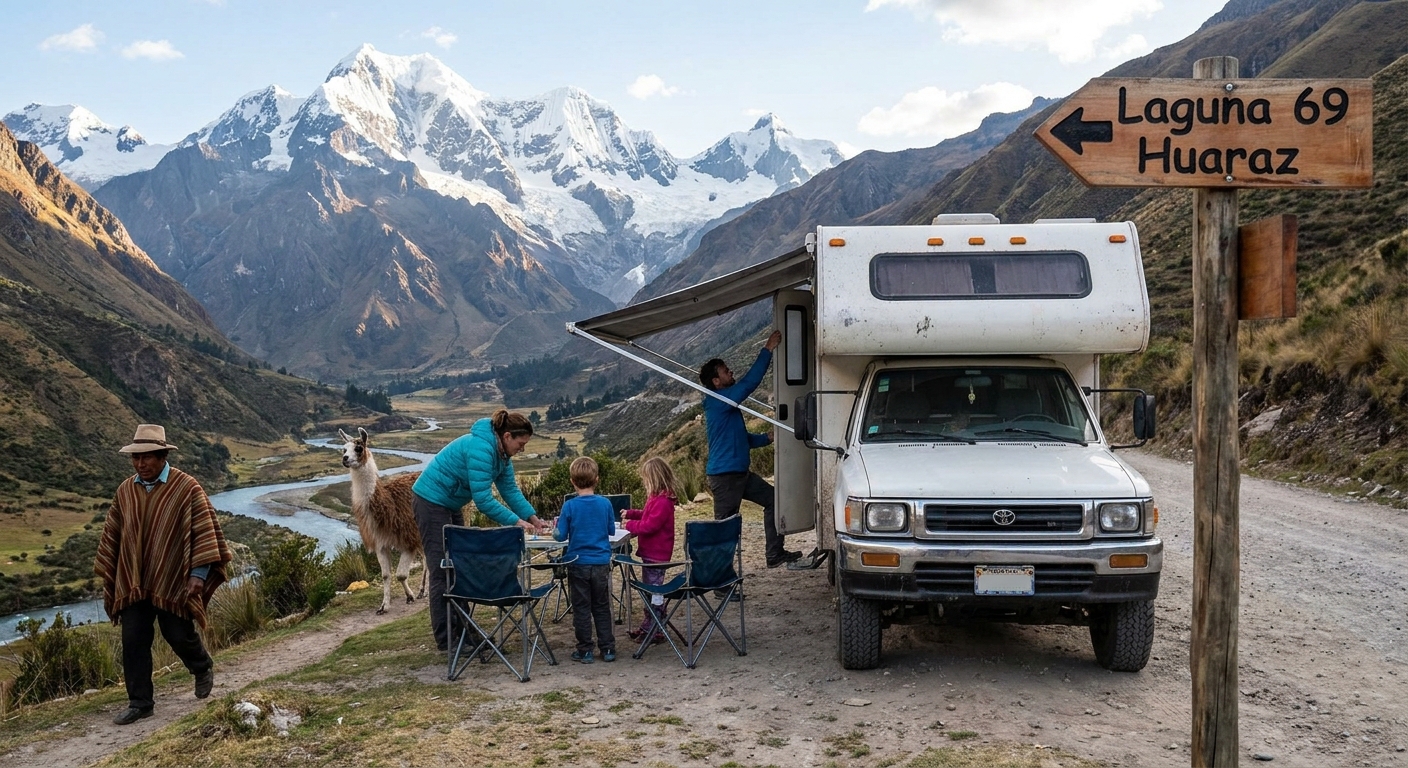
Preparing for a winter RV rental in South America requires specific considerations to ensure a safe and enjoyable journey. Prioritize renting a 4x4 or high-clearance RV, such as a "Patagonia Camper 4x4 double cab" from our selection, as South America's diverse terrain, from Andean passes to Patagonian dirt roads, often requires enhanced ground clearance and potentially 4x4 capabilities, especially in winter conditions with mud or snow.
Secondly, prepare for varied fuel quality and availability by researching diesel versus gasoline availability for your specific rented motorhome and carrying a good quality fuel filter, as fuel quality can vary significantly between regions and may require specific filters for your vehicle. Thirdly, mastering cross-border bureaucracy is crucial; obtain all necessary documents like a Carnet de Passage (if required for your nationality/vehicle and the countries you plan to visit) and understand specific insurance requirements and customs procedures for each country you plan to visit. Our true RV specialists understand these nuances and can offer guidance during the booking process.
Fourthly, investing in robust cold-weather gear and vehicle winterization is essential; beyond generic winter tips, specific anti-freeze appropriate for extreme cold, diesel fuel additives for high altitudes, and snow chains may be essential for mountain passes in winter. Finally, develop a comprehensive communication and safety plan: carry offline maps, a local SIM card, and consider a satellite communication device for remote areas where cellular service is non-existent, alongside a well-stocked first-aid kit including altitude sickness medication.
For more insights on planning your expedition, explore our comprehensive RV PLANET routes, which allow you to itemize and track every expense, making budgeting effortless. On the routes offered through RV PLANET routes, you can itemize and track every expense along the way for easy budgeting.
Before You Book - Class, Dates, Insurance
Choosing the right RV class for your winter RV rental in South America involves balancing maneuverability with comfort. Opt for a smaller, more nimble Class B campervan or a compact Class C motorhome with good ground clearance and, if possible, 4x4 capabilities; these are easier to navigate on varied terrain and often more fuel-efficient, offering features like "Living Room Heating: yes" which is crucial for cold climates.
Locking in your rental dates well in advance is advisable, especially if traveling during peak winter tourist seasons (July-September in some regions, or for specific events like Patagonian hiking seasons). Early booking often secures better rates and a wider selection of vehicles tailored for colder conditions, potentially saving you money, as detailed in our "Cheap RV Rental in South America - Budget Guide 2026".
Understanding insurance options is paramount before your trip. Basic insurance is always included with your rental, but to see prices including the most comprehensive coverage, select that option during your search; then all relevant insurance options will be shown. Be sure to clarify what is covered for cross-border travel, theft, and damage in remote areas, and consider additional travel insurance that includes medical evacuation for South American adventures. Remember, Bandana RV prides itself on full transparency with no hidden fees or surprises.
🎬 Video coming soon
Pre-Trip Prep - Packing Checklist for South America
A thorough packing checklist is essential for any winter RV adventure in South America, ensuring you're prepared for diverse conditions.
Clothing:
- Layered clothing (base, mid, outer)
- Waterproof and windproof jacket & pants
- Warm hat, gloves, and scarf
- Thermal underwear
- Wool or synthetic socks
- Waterproof hiking boots
- Comfortable shoes for driving/campground
Kitchen:
For those planning to prepare meals in their rented campervan or motorhome, having a well-stocked kitchen is key. Explore our RV-friendly recipes playlist for inspiration!
- Reusable water bottles/filter
- Basic cooking utensils & pots (often included with rentals like the "rv rentals example Comfort Class" which typically has a "Gas Stove: 3 Burnners" and a "Refrigerator: 90 liter -12V / 240V")
- Non-perishable food items
- Coffee/tea supplies
- Biodegradable soap
Safety & Health:
- Comprehensive first-aid kit (including altitude sickness medication)
- Prescription medications with copies of prescriptions
- Vaccinations up to date (e.g., Yellow Fever for certain areas)
- Emergency communication device (satellite messenger for remote areas)
- Headlamp/flashlight with extra batteries
- GPS device with offline maps
- Tire repair kit and appropriate spare tires
- Snow chains (for mountain passes in winter)
- High-visibility vest and warning triangle
Documents & Navigation:
- Passport & visas (if required)
- International Driving Permit (IDP) - recommended for non-English speaking visitors but not mandatory for a standard car driver's license.
- RV rental agreement & insurance documents
- Copies of all important documents (digital & physical)
- Local currency and small bills
- Offline maps (e.g., Maps.me, iOverlander)
- List of emergency contacts
- Carnet de Passage (if applicable for your vehicle/nationality, especially for longer journeys that might be covered in a "Long-Term RV Rental in South America - Monthly Rates 2026")
On the Road - Driving, Fueling, Navigation
Driving a rented RV in South America means being prepared for varied road conditions, from well-maintained highways to unpaved, winding mountain roads, which can make a "hire campervan example Paradise S/T" or similar nimble campervan a great choice. Drive slowly and carefully, and you can drive almost anywhere without issues; there's no need to stress – just use common sense and pay attention. Watch out for potholes, wandering livestock, and aggressive drivers, always driving defensively, and consider utilizing a dashcam for added security.
Fueling your RV requires diligent planning, as stations can be sparse in remote areas; consistently monitor your fuel gauge and plan refills accordingly. Diesel is generally more common, but always confirm the correct fuel type for your rental and be aware of varying fuel prices by region and country, carrying extra fuel filters as local fuel quality can sometimes be lower than expected. In some countries, different prices apply for locals vs. foreigners; politely inquire.
For navigation and communication, rely on multiple methods, including a GPS device with offline maps (like Maps.me or iOverlander), and a physical map. Cellular service can be unreliable in rural and mountainous areas, so consider purchasing a local SIM card (e.g., Claro, Movistar, Entel) upon arrival and bringing a satellite communication device for emergencies. Always inform someone of your planned route, ensuring you're supported throughout your journey, a key part of our commitment to transparency and support.
At the Campground - Setup, Hookups & Etiquette
Upon reaching your campsite with a rented motorhome, first assess the site for levelness and obstacles to ensure a smooth setup. Position your RV, then stabilize it using leveling blocks if necessary, and extend slide-outs if applicable, ensuring proper clearance. Connect to shore power (electrical hookup) if available, then fresh water, and finally the sewer hose, always testing all connections for leaks.
The correct hookup order and procedure are crucial for safe and hygienic RV camping. Always connect electrical first to ensure power is stable, then water, and finally the sewer line. When disconnecting, reverse the order: disconnect sewer, then water, and finally electrical. Always wear gloves when handling sewer connections and ensure hoses are properly sealed to prevent spills and odors; for water, consider using a potable water filter. For finding campsites and campgrounds during your trip, we recommend using RV PLANET (rvplan.net) - a great resource for locating available spots along your route.
Observing campground etiquette ensures a pleasant experience for everyone. Respect quiet hours, typically from 10 PM to 7 AM, and keep noise levels down. Be mindful of your neighbors' space, avoid cutting through other campsites, and keep pets leashed and clean up after them. Dispose of trash responsibly, using designated bins, and conserve water and electricity. In South America, campgrounds range from basic to full-service; always inquire about facilities like potable water and waste disposal. Remember, many national and state parks reserve only 25-30% of their spots, with the rest being first-come, first-served – you will find a spot, if not at the first campground, then the next one, so call ahead before driving.
winter rv rental-Specific Tips for South America
Traveling with a rented RV during winter in South America requires unique preparedness, especially concerning the continent's diverse high-altitude and extreme conditions. Altitude sickness preparedness is critical when traveling through the Andes; acclimatize gradually, stay hydrated, avoid alcohol and heavy meals, and carry medication like Diamox (with a doctor's consultation) and coca leaves or tea, a local remedy.
Vehicle winterization for extreme cold is essential; ensure your rented RV's water system is properly winterized with appropriate antifreeze, especially if traveling to high-altitude areas like the Bolivian Altiplano or Chilean Patagonia where temperatures drop significantly below freezing. Confirm your diesel vehicle, such as a "cruise america rv rental example Explorer" with its "2.5 Liter Turbo diesel" engine, has anti-gel additives for cold-weather operation, ensuring reliable performance.
Managing water and waste in remote areas can be challenging due to limited infrastructure; plan your route to include towns with services, carry extra water, and familiarize yourself with responsible grey/black water disposal practices to minimize environmental impact. Security and safe parking are vital; inquire locally about safe overnight parking options, utilize secure campgrounds when possible, and if wild camping, choose discreet, well-trafficked spots or ask local businesses for permission. Enhance vehicle security with alarm systems and visual deterrents.
Navigating local bureaucracy and potential scams requires patience and politeness at border crossings and police checkpoints; always have all documents organized and easily accessible. Be aware of common local scams (e.g., unofficial 'guides' at borders) and always use official channels; a basic understanding of Spanish or Portuguese is highly beneficial for smooth interactions and to avoid issues that might be discussed in a "Last-Minute RV Rental in South America - What to Expect 2026" guide.
Common Mistakes to Avoid in South America
Underestimating travel times and distances is a frequent oversight for first-time RV renters in South America. The vast landscapes mean longer travel times due to varying road conditions, frequent border crossings, and mountain passes, often extending driving significantly beyond what appears on a map. Instead, embrace our recommendation to travel slowly, averaging a maximum of 100-150 km per day, allowing ample time to feel the place, connect to the culture, the food, and the scenery.
Ignoring vehicle specifics for terrain is another common mistake. Renting an RV without considering ground clearance or whether it has 4x4 capabilities for unpaved roads and potential winter conditions can lead to difficulties. Instead, research your route thoroughly and choose a vehicle specifically equipped for South America's diverse terrain, like a "4x4 Jimny" campervan or another robust option with "4 Wheel Drive" capability.
Failing to plan for fuel and water in remote areas where services are scarce can quickly turn an adventure into a challenge. Instead, consistently monitor your gauges and refill whenever possible, carrying extra water and a filtration system to ensure self-sufficiency. Budgeting for these ancillary costs is easy when you plan with RV PLANET routes, where every expense can be tracked.
Neglecting comprehensive insurance and documentation can result in significant issues. Overlooking the need for specialized travel insurance (including medical evacuation) or failing to secure all necessary vehicle documents like a Carnet de Passage is a critical error. Instead, thoroughly research and acquire all required insurance and an International Driving Permit before departure; a standard car driver's license is sufficient for all motorhome classes, but an IDP is recommended for visitors from non-English speaking countries.
Disregarding local safety and security advice, or not taking precautions for vehicle and personal safety, can also be problematic. Instead, always seek local advice, use secure parking, and remain vigilant, especially in unfamiliar urban environments or remote camping spots. Our dedication to supporting travelers from pre-booking to post-booking coordination means you'll have access to expert advice throughout your planning.
What is the 3-3-3 rule for RV travel?
The 3-3-3 rule for RV travel recommends driving no more than 300 miles (approximately 480 km), stopping by 3 PM, or staying for at least 3 nights. This guideline promotes a relaxed travel pace across South America, allowing ample time for sightseeing and avoiding stressful long-haul drives. It also helps minimize driving fatigue, enhancing safety on the road, which is crucial given the varied conditions.
What is the 444 rule for RV?
The 4-4-4 rule for RV travel is a variation of common road trip planning advice, suggesting driving no more than 400 miles (approximately 640 km), stopping by 4 PM, or staying for a minimum of 4 nights. Similar to the 3-3-3 rule, it aims to prevent driver exhaustion and provide ample time to set up camp and explore your surroundings in South America. This rule offers a slightly longer daily driving allowance compared to the 3-3-3 rule, suitable for those who prefer to cover more ground while still maintaining a leisurely pace.
What are some tips for winter RV camping?
Effective winter RV camping in South America involves thorough vehicle preparation, ensuring adequate heating, smart packing, and careful campsite selection. Vehicle winterization is paramount: drain and blow out water lines, add non-toxic RV antifreeze, and insulate exposed pipes to prevent freezing, which is especially important for South American high altitudes. For example, a vehicle like the "2 Berth Hi Top" often has a "Winter Ready" feature, making it suitable for colder conditions.
Ensuring efficient heating is next; confirm your rented RV's furnace is functioning optimally, carry supplemental heaters (propane or electric if hookups are available), and insulate windows with thermal covers. For clothing and gear, pack multiple layers of warm clothing, waterproof outer shells, thermal socks, and insulated footwear, not forgetting sleeping bags rated for cold temperatures. Finally, for campsite selection, choose locations that offer electrical hookups for heaters and are somewhat sheltered from strong winds, which are common in regions like Patagonia.
How cold is too cold for RV camping in South America?
While modern RVs can withstand temperatures down to freezing (0°C or 32°F) with proper winterization, sustained temperatures significantly below this (e.g., -6°C or 20°F and lower) can pose risks to plumbing and require more robust heating solutions for RV camping in South America. Without adequate insulation and heating, interior temperatures can drop rapidly, potentially leading to burst pipes and uncomfortable living conditions.
For extremely cold South American environments, such as high Andean plateaus, ensure your rented motorhome has a four-season package, heated tanks, and consider adding skirt insulation to protect undercarriage components. Always confirm the specific winterization features and recommendations from your supplier, as found when comparing options through "Luxury RV Rental in South America - Premium Prices 2026".
Is it cheaper to rent an RV or stay in a hotel in South America?
Whether renting an RV is cheaper than staying in a hotel in South America depends on factors such as trip duration, total mileage, fuel costs, campsite fees, and the specific amenities desired. For shorter trips or solo travelers covering limited distances, hotels might be more economical due to higher RV rental rates, significant fuel consumption (a Class C motorhome like the "cruise america rv rental example Explorer" has a "Fuel Consumption: 11 Liter / 100 Km."), and variable campsite fees across the continent.
However, for families or groups on longer trips, an RV can offer significant savings on accommodation, dining out (as you can cook meals like those in our RV-friendly recipes playlist in your onboard kitchen), and the flexibility to explore without multiple hotel bookings. In South America, budgeting for an RV trip must factor in variable fuel prices, frequent tolls, and potential unexpected vehicle repairs, which can all be tracked using RV PLANET routes for better financial oversight.
How much would it cost to rent an RV for 1 month in South America?
The cost to rent an RV for one month in South America typically ranges from $2,000 to $6,000 USD or more, varying significantly based on the RV class, rental season, specific country, and included amenities or insurance packages. Factors influencing the monthly cost include the size and luxury of the RV, with campervans like the "rv rental denver example Category Van" generally being more affordable than larger Class C motorhomes. Winter in South America can sometimes be off-peak in certain regions, potentially offering better deals, but popular routes like Patagonia remain busy, impacting prices, as seen in "RV Rental Deals in South America - Latest Offers 2026".
Additional costs like mileage fees, comprehensive insurance upgrades (like our top-level deductible reimbursement), and one-way rental charges can also add to the total. Budgeting for a month-long trip in South America should also account for high fuel costs (e.g., a "MH-A" motorhome might consume "25 Liter / 100Km."), potential tolls, campsite fees (which vary greatly), and provisions for unexpected maintenance or border crossing permits.
Is renting an RV cheaper than flying in South America?
Renting an RV can be cheaper than flying and staying in hotels for certain types of trips in South America, especially for families or groups embarking on extended road trips with multiple destinations. When comparing costs, it's essential to factor in the cumulative expense of flights, airport transfers, car rentals at each destination, and multiple hotel nights for flying, versus the single cost of an RV rental, fuel, and campsite fees.
For a comprehensive South American adventure, a rented motorhome offers immense flexibility and can be more cost-effective for exploring multiple regions without the hassle and expense of numerous domestic flights. Our 25% planning discount for utilizing rvplan.net can further enhance the cost-effectiveness of your journey, making a well-planned RV trip a smart financial choice over multiple flights and hotel stays.
What are the drawbacks of renting an RV in South America?
Key drawbacks of renting an RV in South America can include higher fuel consumption, complex maintenance requirements, limited maneuverability in urban areas, and potential hidden costs like mileage fees or extensive insurance, although Bandana ensures full transparency with no hidden fees. RVs are generally less fuel-efficient than cars, leading to higher operational costs, especially with fluctuating fuel prices across the continent.
Larger RVs, even the comfortable "Euro Deluxe" Class C motorhome, can be challenging to drive and park in South American cities with narrow streets and dense traffic. However, drive slowly and carefully, and you can drive almost anywhere without issues – no need to stress, just use common sense and pay attention. RVs can also experience mechanical issues, and finding specialized repair services in remote parts of South America can be difficult and costly.
Navigating cross-border permits, local vehicle insurance, and dealing with officials can add significant logistical challenges and potential delays. Additionally, concerns about vehicle theft, finding safe overnight parking, and navigating local scams require careful planning and vigilance. Lastly, limited infrastructure in some areas means planning for potable water refills and responsible grey/black water disposal is crucial for self-sufficiency and environmental impact.
What is the 333 rule for campervan?
The 3-3-3 rule for campervan travel is identical to the RV rule, advising drivers in South America to limit daily travel to 300 miles (approximately 480 km), aim to stop driving by 3 PM, or plan to stay at least 3 nights in one location. This rule is particularly suitable for campervan travelers, often in smaller units like an "rv rental denver example Category Van", who seek a more immersive and unhurried travel experience, focusing on local exploration rather than rapid transit.
It helps conserve fuel, reduces wear and tear on the vehicle, and enhances the overall enjoyment of the journey by preventing rushed itineraries, allowing travelers to truly absorb the culture and scenery. This approach aligns perfectly with our recommendation for slow travel, allowing for deeper connections to the places you visit.
What is the 2 2 2 rule for RV travel?
The 2-2-2 rule for RV travel suggests driving no more than 200 miles (approximately 320 km) per day, stopping by 2 PM, or staying for at least 2 nights in each location, promoting an even more relaxed pace. This rule is ideal for those exploring South America who prioritize a slow, deliberate exploration, allowing ample time for sightseeing, hiking, or simply relaxing at the campsite. It minimizes stress and maximizes the experience of each destination, making it perfect for travelers aiming for deep cultural immersion or extensive outdoor activities, especially during a winter RV trip where conditions might warrant extra caution and time.
What You Shouldn't Miss
- **Explore Patagonia's Glaciers:** Drive your rented motorhome along Argentina's Ruta 40 or Chile's Carretera Austral to witness stunning glaciers like Perito Moreno, accessible even in winter for a truly unforgettable experience.
- **Visit the Atacama Desert in Winter:** Experience the unique magic of the Atacama Desert in Chile, where winter brings clear skies, fewer crowds, and stunning star-gazing opportunities from your RV, with day temperatures around 20°C (68°F).
- **Journey through the Bolivian Altiplano:** Embark on an adventurous RV trip across the high-altitude Altiplano, stopping at colorful lagoons and geysers, a challenging but rewarding winter destination for a robust, rented 4x4 camper.
- **Discover the Wine Regions of Mendoza, Argentina:** Combine winter sports in the nearby Andes with a relaxing RV stay in Mendoza's wine country, enjoying world-class Malbec and hearty local cuisine in your rented campervan.
- **Witness Iguazu Falls in the Off-Season:** While technically sub-tropical, visiting Iguazu Falls during the South American winter (June-August) means cooler temperatures and fewer tourists, offering a more intimate experience of this natural wonder.
- Looking for expert insights from Avi Bandana? Top 5 Adventures - recommendations from Avi Bandana.
Final Thoughts
Embarking on a winter RV rental in South America is more than just a trip; it's an opportunity for an immersive, deeply personal adventure. With the right preparation, a reliable rented motorhome or campervan, and our transparent support, you’re set to discover landscapes and cultures that will leave a lasting impression. Remember to embrace the slow travel philosophy – average 100-150 km per day – to truly soak in the unique beauty of every destination.
Whether you're marveling at the glaciers of Patagonia or navigating the stunning Altiplano, your mobile home provides the perfect base for exploration. We're here to ensure every detail is handled, so you can focus on living the journey and creating incredible memories. Plan a trip itinerary in advance with minimal effort and maximum enjoyment by starting your search with us today.
Discover top destinations, planning tips, all in one place! Find winter RV rentals in South America with Bandana Caravan and let your epic journey begin.