In This Guide
- Top 5 Tips for RV Rental in Pisa
- Before You Book - Class, Dates, Insurance
- Pre-Trip Prep - Packing Checklist for Pisa
- On the Road - Driving, Fueling, Navigation
- At the Campground - Setup, Hookups & Etiquette
- RV Rental-Specific Tips for Pisa
- Common Mistakes to Avoid in Pisa
- Is 3 days in Pisa too much?
- What is the rule of 3 with an RV?
- What is the 3-3-3 rule for RVs and campers?
- What are the motorhome rules in Italy?
- What questions to ask when renting an RV?
- What do I need to know about renting an RV?
- What You Shouldn't Miss
- Why Book with Bandana Caravan
- Final Thoughts
- Frequently Asked Questions
Top 5 Tips for RV Rental in Pisa
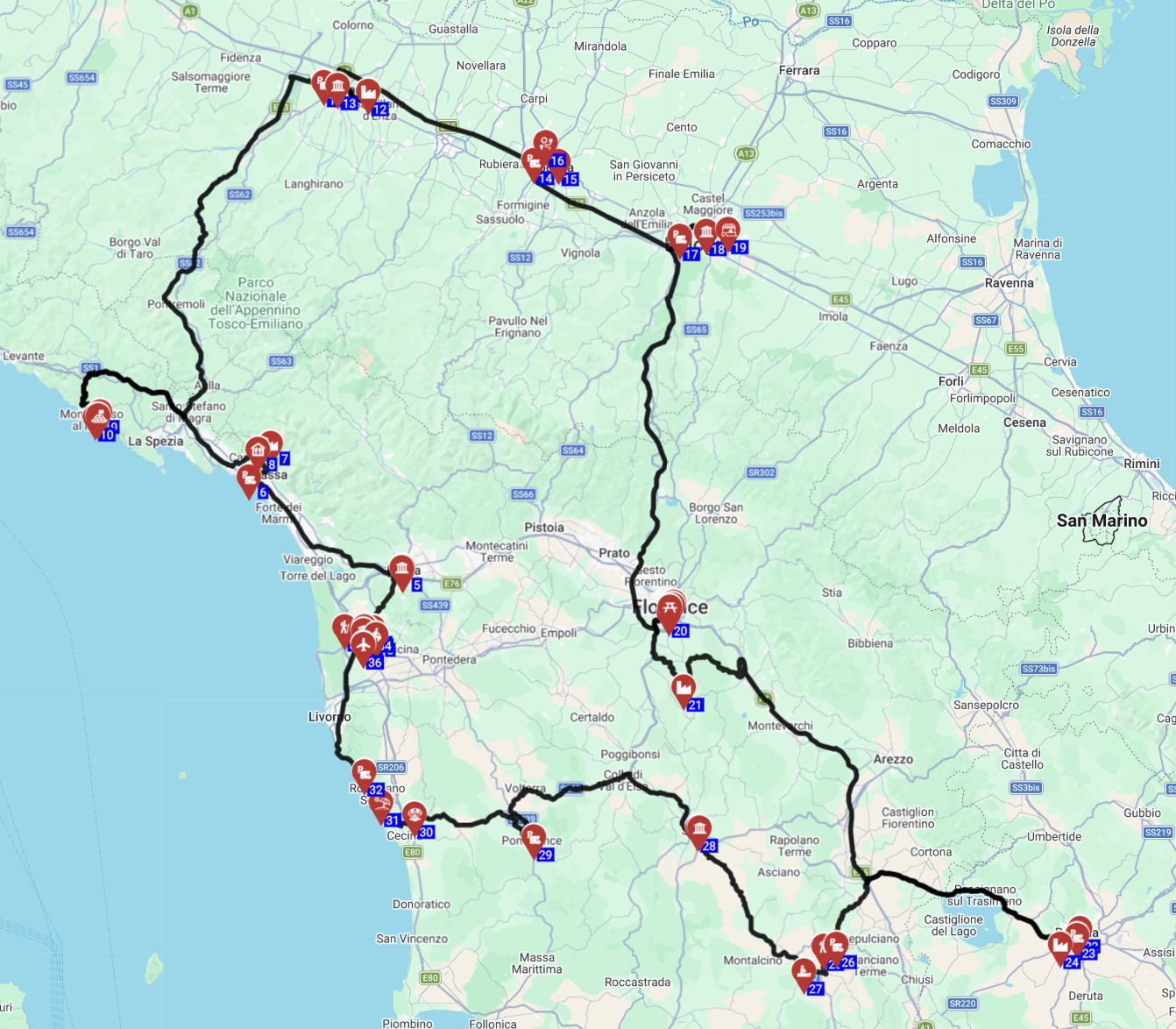
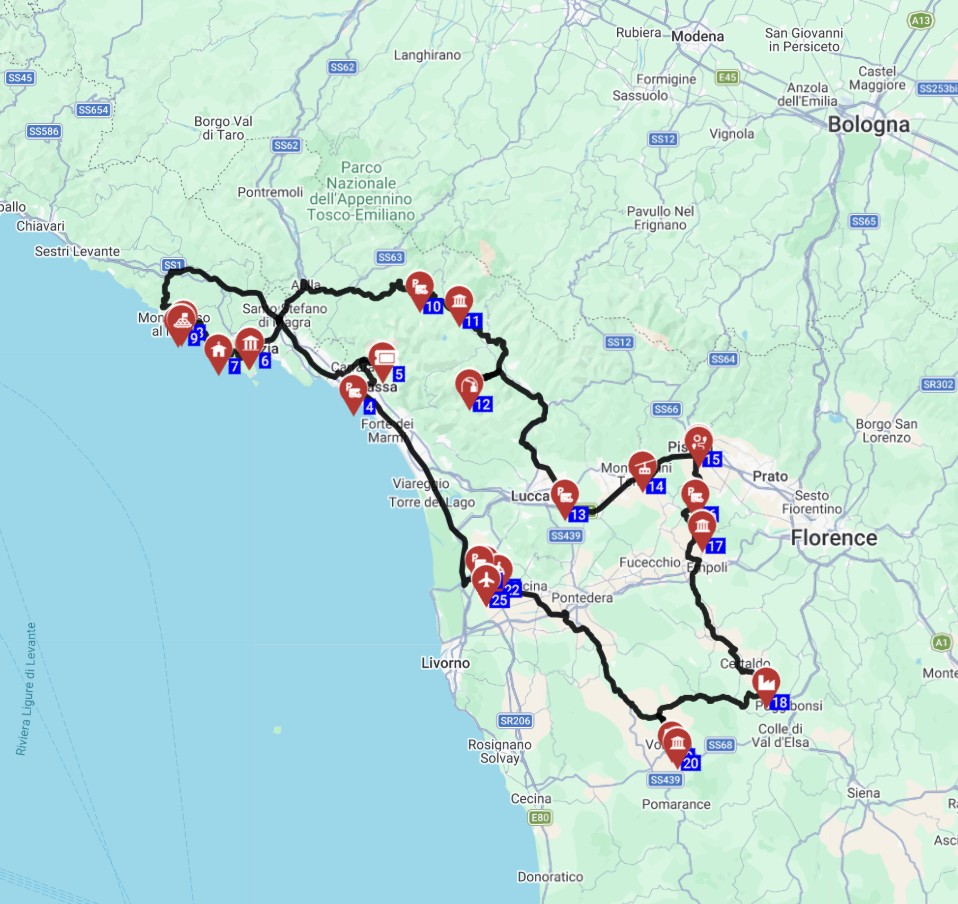
Booking your RV rental well in advance, especially for popular seasons like late autumn or early spring, can secure better rates and a wider selection of vehicles in Pisa. It's wise to plan ahead if you have specific preferences, but even spontaneous travelers will find options, as many campgrounds reserve 25-30% of spots for first-come, first-serve arrivals. Familiarizing yourself with Italian driving rules, particularly ZTL zones and toll roads around Pisa, will ensure a smooth journey and help you avoid unexpected fines. Always plan your overnight stops by booking campsites ahead of time, as wild camping is generally restricted across Italy. Remember to budget for additional costs like fuel, highway tolls, and campground fees; for easy expense tracking, explore RV PLANET routes, which allow you to itemize every cost along the way. Lastly, pack adaptable clothing layers for varying Tuscan weather and keep all essential documents, including an International Driving Permit (IDP) if needed, handy for international travel. For those new to RV adventures in this region, our RV Rental in Pisa for Beginners - Pricing 2026 guide offers further insights.Before You Book - Class, Dates, Insurance
Selecting an RV class that comfortably accommodates your group size and preferences is crucial for an enjoyable trip to Pisa. For couples, a compact campervan like the "rv rental denver example Category Van" with its front air conditioning and toilet, or a "Patagonia Camper 4x4 double cab" for those seeking adventure, might be ideal. Families with 2 adults and 2 children might prefer a Class C motorhome like the "rv rentals example Comfort Class" which offers multiple sleeping areas and a shower. While exploring Italy's picturesque roads, even larger Class A motorhomes can be driven without issues- just drive slowly and carefully, paying attention to signage. Secure your rental dates early, especially if traveling during popular Italian holidays or the warmer months, to ensure availability and potentially better rates. Prices are dynamic, similar to flight tickets, changing daily based on demand and availability. Basic insurance is always included with your rental. For comprehensive coverage and extra peace of mind, you can upgrade to a top-level deductible for your RV rental in Pisa during the booking process. We believe in full transparency, so what you see is what you pay, with no surprise fees at pickup. This commitment ensures you can compare final prices across suppliers confidently.Pre-Trip Prep - Packing Checklist for Pisa
A thoughtfully prepared packing list ensures a comfortable RV trip in Pisa, regardless of the season. Essential clothing includes versatile layers, comfortable walking shoes for city exploration, and a waterproof jacket. Even in winter, temperatures can fluctuate in Tuscany, so a hat and sunglasses are also useful. For your RV kitchen, bring reusable water bottles, small cooking essentials like olive oil or your favorite spices, and grocery bags. Many RVs, such as the "cruise america rv rental example Explorer", come equipped with a 4-burner gas stove and a 90-liter refrigerator, perfect for preparing delicious meals. If you plan to cook regularly, consider our RV-friendly recipes playlist for inspiration. Safety gear is mandatory in Italy: always carry a first-aid kit, high-visibility vests for all occupants, a warning triangle, and a European plug adapter. Don't forget crucial documents: your valid driving license (an International Driving Permit is recommended for non-EU citizens), passport, RV rental agreement, and emergency contact numbers. Packing efficiently maximizes your living space, allowing for a more comfortable journey.At the Campground - Setup, Hookups & Etiquette
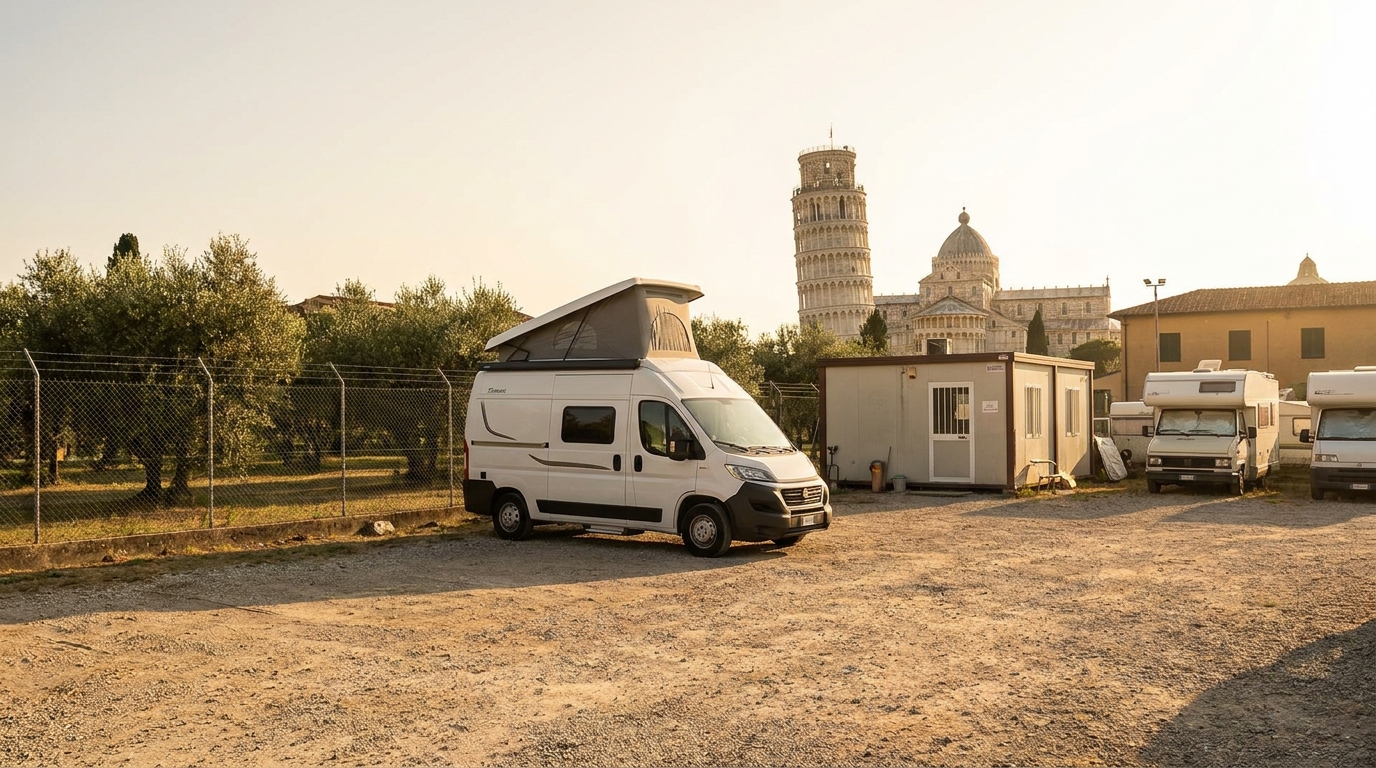
Upon arrival at a campsite near Pisa, such as Camping Torre Pendente located conveniently close to the city center, check in at reception, collect your site number, and inquire about any specific campground rules, especially regarding waste disposal or quiet hours. Position your rented RV carefully on the designated pitch, ensuring the ground is level for comfortable living and that you have easy access to utility hookups. Connect your utilities in the recommended order: first electricity to stabilize power, then fresh water for your supply (many Class C motorhomes like the "cruise america rv rental example Explorer" have an 82-liter fresh water tank), and finally the waste hose for grey and black water disposal. Observe quiet hours, typically from late evening until early morning, to respect fellow travelers, and minimize noise from generators or outdoor activities. Always respect shared facilities, keep your pitch tidy, and diligently follow local recycling and waste disposal guidelines provided by the campground. For finding campsites and campgrounds during your trip, we recommend using RV PLANET (rvplan.net) - a great resource for locating available spots along your route.RV Rental-Specific Tips for Pisa
Pisa welcomes all types of RV adventurers, with specific considerations for each. For families, look for campgrounds near Pisa, like Area Camper L'Ultimo Campeggio, that offer amenities such as playgrounds or swimming pools, and plan your drives around nap times for younger children to maintain harmony in a 6-berth motorhome like the "MIC" model from one of our partner suppliers. Seniors seeking comfort should consider a compact, easy-to-maneuver campervan (e.g., an "Active Classic" or "Aero") with lower entry steps, and prioritize rentals offering automatic transmission. For budget travelers, research free or low-cost 'soste' (rest areas) that permit overnight parking for RVs on the outskirts of Pisa, alongside budget-friendly campgrounds, always checking local regulations before settling. Luxury seekers might explore RVs with premium amenities from suppliers like El Monte or Apollo, such as a "Luxury Small" with a 100-liter fresh water tank, and consider add-ons like Wi-Fi or bike racks for enhanced experiences around Pisa and the scenic Tuscan hills, allowing you to cycle along the Arno River paths. Remember, Bandana Caravan partners with over 50 leading RV suppliers worldwide, ensuring a wide selection for every traveler.Common Mistakes to Avoid in Pisa
Avoiding common mistakes can significantly enhance your RV rental experience in Pisa. A frequent oversight is ignoring ZTL Zones; instead, research ZTL boundaries in central Pisa, park your motorhome outside these restricted areas, perhaps near Pisa San Rossore train station, and use public transport or walk into the historic city. Underestimating driving times is another common error; instead, allow ample time for travel between destinations, accounting for Italy's narrower roads, potential traffic in towns like Lucca or Livorno, and planned stops to savor the scenery. It's often recommended to travel slowly, averaging a maximum of 100-150 km per day. Not booking campsites in advance, especially during peak season, can lead to stress; instead, reserve your campsites, as spontaneous parking can be difficult and wild camping is generally prohibited in Italy. However, don't stress if you haven't booked every night; many national and state parks only reserve 25-30% of spots, leaving the rest for first-come-first-serve travelers. You'll find a spot- if not at the first campground, then the next one, but call ahead before driving. Forgetting essential documents is a critical mistake; double-check you have your passport, national driver's license (with an IDP if you're from a non-English speaking country), and your RV rental agreement readily accessible. Finally, avoid overpacking; pack light and efficiently, as RV storage space is limited, and most campgrounds offer laundry facilities. Our "RV Rental in Pisa for Beginners - Pricing 2026" guide offers more detailed advice for first-time renters.Is 3 days in Pisa too much?
Three days in Pisa is generally not too much, as while the city center's main attractions can be seen in a day or two, an RV allows for exploring the surrounding Tuscan countryside and coast without constantly changing accommodation. Dedicate one day to Pisa's iconic sights like the Leaning Tower, Duomo, and Baptistery at the Piazza dei Miracoli, ensuring you park your rented motorhome outside the ZTL near Via Cammeo. Use the remaining two days to take your RV to nearby attractions such as the walled city of Lucca (a 30-minute drive via SS12), the charming coastal town of Livorno (a 25-minute drive via SS1), or the vineyards of the Colline Pisane for a delightful wine-tasting experience. RV travel provides the flexibility to discover hidden gems like the thermal springs of Casciana Terme (a 40-minute drive southeast) or the pristine beaches along the Etruscan Coast, making three days an ideal duration for a blend of city and regional exploration at a relaxed pace, averaging under 100 km of driving per day. For extended adventures, consider our "Weekly RV Rental in Pisa - Pricing 2026" guide.What is the rule of 3 with an RV?
The 'rule of 3' for RV travel is a widely adopted guideline for a more relaxed and enjoyable trip, suggesting you drive no more than 300 miles (or roughly 300-350 kilometers in Europe) in a day, arrive at your destination by 3 PM, and stay for a minimum of 3 nights. This practical rule helps prevent driver fatigue, allows for leisurely setup at campsites, and provides ample time to explore each location without constant rushing. For an RV rental in Pisa, adapting the 300-350 kilometer daily limit is particularly practical given Italy's diverse landscapes and the desire to truly enjoy the journey, perhaps exploring the Ligurian coast to the north or rolling Chianti hills to the east. Arriving by 3 PM ensures you have sufficient daylight for navigating to your pitch at a campground like Camping Village Torre Pendente, setting up your RV, and familiarizing yourself with the amenities before dark. Staying 3 nights minimizes the repetitive tasks of packing and unpacking, offering a deeper immersion into the Tuscan experience and time to connect to the culture, food, and scenery.What is the 3-3-3 rule for RVs and campers?
The 3-3-3 rule for RVs and campers is a popular guideline for trip planning, advocating for a pace that involves driving a maximum of 300 miles (approximately 480 km, though often adapted to 300-350 km for European travel) per day, arriving at your campsite by 3 PM, and staying at least 3 nights at each stop. This rule's primary purpose is to promote safety by avoiding long driving days, reduce stress by allowing early camp setup, and enhance the travel experience by providing sufficient time to explore the surroundings. When applied to an RV trip in and around Pisa, adhering to the 300-350 km daily limit helps manage travel on Italy's varying road conditions, which can include both swift autostrade (like A11 from Pisa to Florence) and winding regional roads, allowing for scenic detours. An arrival time of 3 PM is crucial for securing preferred spots, connecting hookups like electricity and fresh water at busy Italian campgrounds, and relaxing before preparing dinner in your rented motorhome. A minimum 3-night stay at locations near Pisa allows for thorough exploration of the city, day trips to nearby Tuscan towns like San Gimignano or Volterra, and genuine relaxation at the campground.What are the motorhome rules in Italy?
Motorhome rules in Italy include adherence to Zona a Traffico Limitato (ZTL) restrictions in historic centers, strict requirements for on-board safety equipment, and regulations regarding wild camping and parking. ZTLs are prevalent in Italian towns like Pisa; entering these areas without a permit can result in significant fines, so always park your rented RV outside these zones and use public transport or walk. By Italian law, RVs must carry a reflective safety vest for each occupant and a warning triangle, which must be used in case of a breakdown on any road, including the A12 motorway near Pisa. Wild camping is generally prohibited across Italy; it is advisable to use official campsites ('aree di sosta' or 'campeggi') for overnight stays to avoid legal issues and ensure access to facilities like dump stations. Parking for larger motorhomes and campervans can be challenging in historic areas; always look for designated RV parking zones or large car parks on the outskirts of towns, such as those found near Pisa airport. Speed limits for motorhomes typically range from 90 km/h (56 mph) on main roads to 100 km/h (62 mph) on motorways, but always check local signage. For comprehensive planning, consult our "RV Rental Italy - Complete Guide 2026" for broader context.What questions to ask when renting an RV?
When renting an RV for your Pisa adventure, it is crucial to ask about insurance coverage details, breakdown procedures, included mileage, and any specific driving requirements for Italy. Clarify what is included in the base rental price, such as linens or kitchenware, and specifically review the insurance policy, including deductible amounts and options for additional coverage; you can upgrade to a top-level deductible for extra peace of mind. Inquire about the exact procedure for roadside assistance and mechanical breakdowns, including international contact numbers and what steps to take if an issue arises outside of regular business hours. Confirm the mileage allowance and any associated costs for exceeding it, as well as the fuel type (e.g., Gasolio for Diesel) and average consumption of your chosen vehicle, like a "Paradise Camper 4x4 double cab" or a larger "Euro Deluxe" model. Ask about the precise pick-up and drop-off times and locations, potential fees for late returns, and the refuelling/cleaning policy; we believe in full transparency, so you'll always know these details upfront. Finally, verify if an International Driving Permit (IDP) is recommended in addition to your national driving license for Italy, especially for non-EU citizens.What do I need to know about renting an RV?
Understanding your driver's license requirements, insurance options, the vehicle's size and amenities, and planning your itinerary are crucial aspects of renting an RV, especially for an international trip to Pisa. Ensure your standard car driver's license is valid for the motorhome class you intend to rent; a minimum driver age of 21 applies, with no young driver surcharges and no vehicle class restrictions based on age. Obtain an International Driving Permit if recommended for Italy, particularly for non-English-speaking countries, although it's not mandatory in most cases. Familiarize yourself with the various RV classes- from compact campervans like a "Patagonia Camper 4x4 double cab" perfect for a couple, to spacious Class C motorhomes suitable for a family of 2+2 such as the "rv rentals example Comfort Class"- and choose one that best fits your group size, comfort needs, and driving experience. Thoroughly review the rental agreement for details on mileage limits, fuel policies, cleaning fees, and what constitutes normal wear and tear versus chargeable damage; Bandana Caravan offers full transparency, ensuring no hidden fees or surprises. Plan your route and research campsites in advance using resources like rvplan.net, as spontaneous parking is often restricted in Italy and popular sites can book up quickly. Always budget for all ancillary costs, including the rental fee, insurance, fuel, tolls, campsite fees, and potential deposits, to avoid unexpected expenses. Remember, we are true RV specialists, not a travel agency side department, offering unparalleled personal experience and attention to the smallest details, from day one until your booking is confirmed.🎬 Video coming soon
What You Shouldn't Miss
- Explore Piazza dei Miracoli: Beyond the Leaning Tower, dedicate time to marvel at the Duomo, Baptistery, and Campo Santo in Pisa. Arrive early in the morning to beat the crowds, or consider a stunning sunset visit for unique photos.
- Wander Along the Arno River: Take a leisurely stroll or bike ride along the Lungarni (Arno riverbanks) in Pisa. Admire the colorful palazzi, cross the Ponte di Mezzo, and discover charming cafes for a refreshing espresso.
- Day Trip to Lucca by RV: Drive your RV about 30 minutes north to the enchanting walled city of Lucca. Park outside the historic walls and rent bikes to cycle along the ancient ramparts, enjoying panoramic views of the city.
- Savor Pisan Cuisine: Indulge in local specialties beyond pizza and pasta. Seek out *cecina* (chickpea pancake), *bordatino* (corn and vegetable soup), or fresh seafood at one of Pisa's trattorias. For an RV-friendly cooking experience, consider bringing local ingredients back to your campervan.
- Relax at San Giuliano Terme: Just a 15-minute drive from Pisa, escape to the thermal baths of San Giuliano Terme. Enjoy a rejuvenating soak in the natural hot springs or indulge in a spa treatment, a perfect way to unwind during your RV adventure.
- Looking for expert insights from Avi Bandana? Top 5 Adventures - recommendations from Avi Bandana
Final Thoughts
Venturing into Pisa and its enchanting surroundings by a rented RV during winter is an experience unlike any other, offering serenity and a unique perspective away from the peak season bustle. From navigating the charming local roads with care to settling into a cozy campground after a day of discovery, your motorhome becomes a home-away-from-home, granting you the freedom to explore at your own pace.Remember our tips: plan smart, pack light, and embrace the local culture, whether it's sampling Pisan delicacies or soaking in nearby thermal baths. With Bandana Caravan, you're never alone in your planning; our commitment to full transparency and dedicated support ensures you embark on your adventure with confidence and peace of mind. Life is now- so why wait to discover the magic of winter in Tuscany?
Find Motorhome Rentals in PisaOn the routes offered through RV PLANET routes, you can itemize and track every expense along the way for easy budgeting.