In This Guide
- Top 5 Tips for RV Rental in Philadelphia
- Before You Book - Class, Dates, Insurance
- Pre-Trip Prep - Packing Checklist for Philadelphia
- On the Road - Driving, Fueling, Navigation
- At the Campground - Setup, Hookups and Etiquette
- RV Rental-Specific Tips for Philadelphia
- Common Mistakes to Avoid in Philadelphia
- What to consider when renting an RV?
- How much does it cost to rent an RV in Philadelphia?
- What is the 3-3-3 rule for RV travel?
- What is the 4 4 4 rule for RVing?
- What is the 2 2 2 rule for RV travel?
- Where to park an RV in Philadelphia?
- What is the rule of 3 with an RV?
Exploring Philadelphia and its rich history with a rented motorhome or campervan opens up a world of flexibility and adventure. This vibrant city, a cornerstone of American history, is surrounded by natural beauty and charming towns perfect for RV exploration. For live availability and current prices, start with our RV Rental Philadelphia - Complete Guide 2026 guide.
Top 5 Tips for RV Rental in Philadelphia
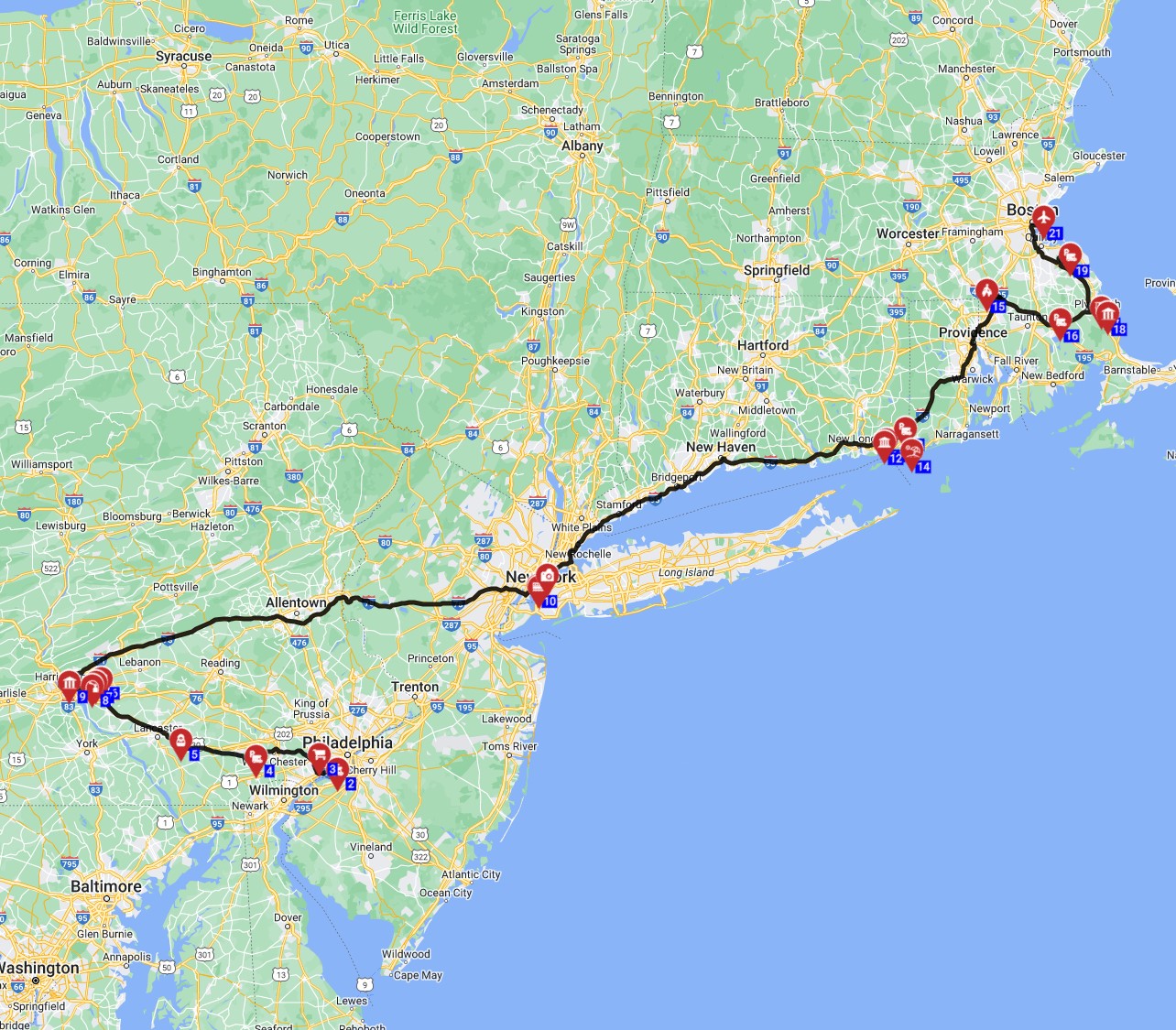
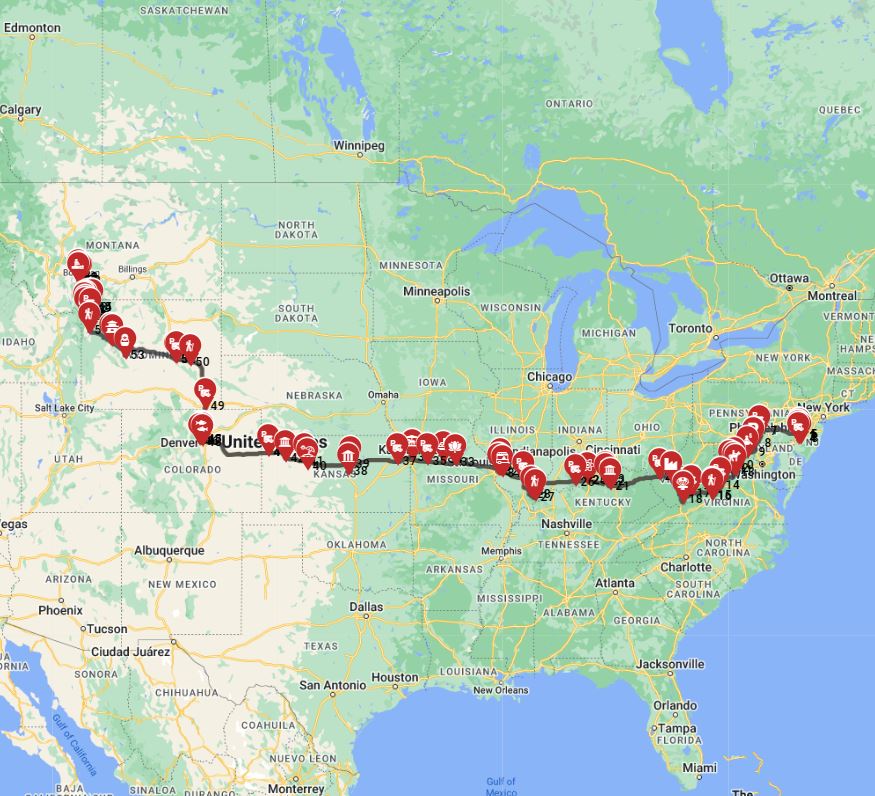
To maximize your RV adventure in Philadelphia, choosing the right-sized RV, like a Class B campervan or a smaller Class C motorhome, is key for easier navigation near urban areas. Planning your routes meticulously will account for Philadelphia's specific traffic patterns and toll roads, such as the Pennsylvania Turnpike and I-95, which are often congested. RV travelers should book RV parks well in advance, focusing on locations just outside the city center with good public transport access, like the Philadelphia / West Chester KOA or Colonial Woods Family Camping Resort. Familiarize yourself with local driving nuances, including the narrow streets in historic districts and one-way systems, but remember you can drive almost anywhere slowly and carefully without issues. Lastly, leverage Philadelphia's public transportation (SEPTA) for stress-free city exploration once your rented RV is safely parked at your chosen campground. On the routes offered through RV PLANET routes, you can itemize and track every expense along the way for easy budgeting.
Before You Book - Class, Dates, Insurance
RV class selection is critical for a Philadelphia trip, with Class B campervans or smaller Class C motorhomes being ideal for better maneuverability on roads leading to Philadelphia and easier parking at suburban campgrounds. Optimal booking dates typically require securing your RV rental and campground reservations several months in advance, especially for peak seasons like spring, summer, and fall foliage, though last-minute availability is always a possibility. Basic insurance is always included with your rental, but to see prices including the most comprehensive coverage, select that option during your search on Bandana RV; this allows you to understand your coverage limits and consider supplemental protection for extra peace of mind. As true RV specialists, we ensure full transparency: what you see is what you pay, with no surprise fees at pickup, which sets us apart from generic travel agencies.
Pre-Trip Prep - Packing Checklist for Philadelphia
A comprehensive packing checklist for your Philadelphia RV trip will ensure comfort and readiness for varied conditions. For clothing, layers are essential for Philadelphia's unpredictable weather shifts, along with comfortable walking shoes for city exploration, and light rain gear like a jacket or umbrella. Kitchen essentials should include compact cooking utensils and basic pantry items for preparing meals in your rented motorhome, reusable water bottles, coffee cups, and a cooler for day trips into the city, making cooking RV-friendly recipes easy. Safety and maintenance items include a first-aid kit, a basic RV tool kit, emergency roadside assistance contacts, a flashlight or headlamp, and a tire pressure gauge for routine checks. For documents and navigation, bring your RV rental agreement, insurance paperwork, driver's license (a standard car license is sufficient for all motorhome classes), passport/ID, campground reservations, and an E-ZPass transponder for tolls on the PA/NJ Turnpike, I-95, and various bridges; an RV-specific GPS or navigation app that accounts for vehicle dimensions is also highly recommended.
🎬 Video coming soon
For more meal ideas, check out our RV-friendly recipes playlist.
On the Road - Driving, Fueling, Navigation
When driving your rented motorhome or campervan, be prepared for dense traffic when navigating city approaches in Philadelphia, especially on major arteries like I-95 and the 'Schuylkill Crawl' (I-76) during rush hour. Planning your travel for off-peak times can significantly reduce stress and travel duration. Familiarize yourself with toll roads and bridges, including the Pennsylvania Turnpike, New Jersey Turnpike, and various Delaware River bridges; an E-ZPass transponder is highly recommended to avoid cash lanes and potentially higher fees, and RV PLANET routes can help itemize and track these expenses, assisting with budgeting. Always be aware of your RV's height and length, especially when approaching older bridges or driving on less-traveled suburban roads, as Philadelphia's historic core has very narrow streets unsuited for larger RVs. Plan fueling strategies by locating larger truck stops or gas stations off major highways, as many city and suburban stations have limited space for bigger vehicles. Utilizing an RV-specific GPS system or app designed for RVs is highly beneficial to help avoid low clearances, weight-restricted roads, and tight turns unsuited for larger vehicles, ensuring a smooth journey for your motorhome rental in Philadelphia.
To help manage all your expenses, remember that RV PLANET routes allow travelers to itemize and track every cost along the way.
At the Campground - Setup, Hookups and Etiquette
Upon arrival at a Philadelphia-area campground, follow a consistent site setup order: level your rented RV using blocks or an automatic leveling system first, then connect shore power, followed by freshwater, and finally the sewer hose. Ensure all hookup connections are secure and functional, using a water pressure regulator for your freshwater hose to protect your RV's plumbing. Be mindful of water and electricity usage as a general conservation practice, especially at campgrounds with limited resources. Adhere strictly to campground quiet hours, typically from late evening to early morning, respecting your neighbors' peace. Always use designated dump stations for grey and black water tanks, and dispose of trash in appropriate receptacles to maintain a clean and enjoyable environment for everyone. If you're staying at the Philadelphia / West Chester KOA, they have 100+ sites with full hookups, making setup straightforward.
RV Rental-Specific Tips for Philadelphia
For families with kids renting a motorhome in Philadelphia, choose RV parks with playgrounds or pools; consider Class C RVs like the Cruise America Explorer (a 7.1m vehicle with a 82L fresh water tank) for extra sleeping space with 4 berths. Plan day trips to RV-accessible attractions like the Philadelphia Zoo or Sesame Place (near Langhorne), which offer ample parking for larger vehicles. Seniors should opt for an RV with easy entry/exit and comfortable amenities, such as a Class B campervan like the "2 Berth Hi Top" which features an automatic transmission and "Winter Ready" capabilities for year-round comfort. Select campgrounds with accessible facilities and reliable public transport links into the city. Budget travelers can look for RV rentals outside peak season (avoiding summer and fall) and utilize less expensive state park campgrounds or explore free overnight parking options (where permitted, e.g., certain Walmart locations) on the outskirts of the city. Maximizing the use of SEPTA for city transit will also save on parking fees. Luxury travelers may explore premium RV resorts offering full amenities and concierge services, considering add-ons like outdoor kitchens or advanced entertainment systems to their rental. For unique experiences, from your RV base, plan scenic drives to Valley Forge National Historical Park or the Brandywine Valley, which offer RV-friendly parking and historical exploration within a 50-kilometer radius of the city center.
Common Mistakes to Avoid in Philadelphia
Trying to drive your rented RV into Center City Philadelphia is a common mistake; instead, park your motorhome at a suburban campground like Colonial Woods Family Camping Resort and use Philadelphia's extensive public transportation system (SEPTA) for stress-free access to downtown attractions. Underestimating traffic is another pitfall, as Philadelphia's traffic, especially during rush hour and around major sports events on I-95 and I-76, can be intense; planning your driving times to avoid peak congestion or allocating extra time is crucial. Ignoring tolls is ill-advised, as many major roads and bridges around Philadelphia are tolled, and failing to have an E-ZPass transponder or sufficient cash can lead to delays or higher pay-by-mail fees. Not booking ahead is a frequent error, as RV parks near Philadelphia, particularly popular ones, fill up quickly, making advance reservations essential. Finally, avoid overpacking; rented RVs have weight limits and limited storage, so pack smart and light, focusing on essentials suitable for a city-centric trip, as recommended by our "Pre-Trip Prep - Packing Checklist for Philadelphia" guide. Travel slowly, max 100-150 km per day on average. Take time to feel the place, connect to the culture, the food, and the scenery.
What to consider when renting an RV?
When renting an RV for your Philadelphia adventure, it is essential to consider the purpose and duration of your trip, ensuring it aligns with the 1-week or longer rental options. The size and class of RV best suited for your needs, whether a compact campervan (e.g., "Active Bunk Auto," a Class B with automatic transmission) or a larger motorhome (e.g., "MHC24," a 7.3m Class C with a 150L fresh water tank), is crucial for navigating local conditions. Your budget, including ancillary trip costs like fuel, tolls, and campground fees (often $40-$80+ per night), should be carefully assessed. Understanding your insurance options and considering a top-level deductible reimbursement for extra peace of mind is always recommended. For a Philadelphia trip, evaluating the RV's maneuverability, fuel efficiency (e.g., a "MH-A" Class C with 208L fuel tank can offer approximately 25L/100km consumption), and ease of parking at suburban campgrounds should be high priorities. Assess your comfort level with driving a larger vehicle, remembering that a standard car driver's license is sufficient for all motorhome classes, and plan your itinerary to align with the rented RV's capabilities and any applicable RV travel rules.
How much does it cost to rent an RV in Philadelphia?
The cost to rent an RV in Philadelphia typically ranges from $100 per night for smaller campervans (Class B) to over $300 per night for larger motorhomes (Class A), with Class C models like a "29′ Class C Motorhome" (a 9.1m vehicle with a 208L fuel tank) falling in between. A comprehensive RV trip budget for Philadelphia should include the daily rental rate, fuel expenses (RVs consume more fuel, often 15-25 liters per 100 km), highway tolls (e.g., PA Turnpike, I-95, Delaware River bridges), campground fees (usually $40-$80+ per night), potential parking fees outside the city, public transportation fares for city access, attraction tickets, groceries (which can be cooked in your RV kitchen), and a contingency fund for unforeseen expenses. Seasonality significantly impacts pricing, with summer and fall foliage seasons generally being more expensive, while off-peak months like late fall or early spring may offer better deals and availability, even for last-minute bookings. As true RV specialists, Bandana Caravan offers full price transparency in 30+ currencies, comparing final prices across 50+ suppliers so you don't have to worry about hidden fees.
What is the 3-3-3 rule for RV travel?
The 3-3-3 rule for RV travel recommends driving no more than 300 miles (approximately 480 km) a day, arriving at your campground by 3 PM, and staying at least 3 nights at each destination. Applying the 3-3-3 rule to an RV trip focused on Philadelphia encourages a more relaxed pace, preventing driver fatigue and allowing ample time for setting up camp and exploring the city's 300+ historical landmarks. While 300 miles might be more than needed for a short hop to a Philadelphia-area campground, the 'arrive by 3 PM' and 'stay 3 nights' components are particularly beneficial for securing a good site, especially during busy seasons, and having a stable base for multiple days of city sightseeing. Remember, many national and state parks only reserve 25-30% of spots, leaving the rest for first-come, first-serve campers.
What is the 4 4 4 rule for RVing?
The 4-4-4 rule for RVing suggests driving no more than 400 miles (approximately 640 km) in a single day, arriving at your destination by 4 PM, and staying a minimum of 4 nights at each campground. This rule is a variation of the 3-3-3 principle, offering slightly longer driving days for those more comfortable with extended periods behind the wheel of a rented motorhome, such as a Class A RV like the "Class A - Thor ACE 30" (a 9.37m vehicle with a 302L fuel tank). For an RV trip to Philadelphia, adhering to the 'stay 4 nights' aspect can be highly advantageous, providing sufficient time to fully immerse yourself in the city's history, culture, and attractions without the constant need to relocate your RV. This allows for slower travel, averaging 100-150 km per day, connecting more deeply with the local culture and scenery, and utilizing pre-planned routes from RV PLANET to optimize your journey.
What is the 2 2 2 rule for RV travel?
The 2-2-2 rule for RV travel recommends driving no more than 200 miles (approximately 320 km) a day, arriving at your destination by 2 PM, and staying at least 2 nights at each stop. This rule is particularly well-suited for RV trips focused on visiting a dense urban area like Philadelphia, as it minimizes driving stress and maximizes time for city exploration. Following the 2-2-2 rule allows RVers to arrive at their chosen suburban campground early, providing ample time to set up their rented motorhome and then utilize public transportation (SEPTA trains or buses) for a relaxed visit to Philadelphia's attractions. This approach helps reduce the overall cost of your trip by limiting fuel consumption and avoiding parking fees within the city, aligning with our expertise in helping tens of thousands of travelers plan efficient RV adventures since 2001.
Where to park an RV in Philadelphia?
Directly parking a rented RV within historic Center City Philadelphia is extremely challenging and generally not recommended due to narrow streets, limited parking, and residential restrictions. The best strategy for RV parking in Philadelphia is to utilize dedicated RV parks and campgrounds located in the surrounding suburban areas, such as the Philadelphia / West Chester KOA in Coatesville (approximately 60 km from downtown) or Colonial Woods Family Camping Resort in Bucks County (about 45 km north). From these suburban campgrounds, you can typically access Philadelphia's city center efficiently via public transportation (SEPTA regional rail lines or buses) or by using park-and-ride facilities outside the immediate urban core, such as the Warminster, Lansdale, or Marcus Hook SEPTA stations. While some larger venues or shopping centers on the outskirts might have sizable parking lots, it is crucial to confirm in advance if RV parking is permitted and if there are any restrictions, especially for overnight stays, to avoid any issues.
What is the rule of 3 with an RV?
The 'rule of 3' with an RV most commonly refers to the 3-3-3 rule, which advises driving no more than 300 miles (approximately 480 km) per day, arriving at your campground by 3 PM, and staying for a minimum of 3 nights. This principle promotes a more relaxed and enjoyable RV experience, reducing driver fatigue and allowing ample time for setup, relaxation, and exploring your destination. When planning an RV trip to Philadelphia, adopting this rule helps ensure you have a stable base at a suburban campground, making day trips into the city more manageable and enhancing your overall vacation experience. This allows you to truly connect to the culture, food, and scenery of the region without feeling rushed. Remember, Bandana RV specializes in motorhome rentals and route planning services, providing support before, during, and after your booking to make your journey seamless.
What You Shouldn't Miss
- **Independence Hall & Liberty Bell:** Immerse yourself in American history right in the heart of Philadelphia. Park your RV at a suburban lot and take SEPTA into the city for a stress-free visit.
- **Reading Terminal Market:** Sample incredible local food and connect to Philadelphia's culinary culture at this historic indoor market, easily accessible by public transport from your RV campground.
- **Valley Forge National Historical Park:** Just 30 km northwest of Philadelphia, this expansive park offers RV-friendly parking and serene hiking trails, allowing you to reflect on pivotal moments in American history.
- **Brandywine Valley Scenic Byway:** Take a scenic drive in your rented motorhome through the picturesque countryside southwest of Philadelphia, famous for its rolling hills, historic estates, and charming small towns, perfect for slow travel.
- **Philadelphia Museum of Art Steps & Boathouse Row:** Run up the "Rocky Steps" for iconic city views, then explore Boathouse Row's historic Victorian boathouses along the Schuylkill River. Use public transport to avoid city driving.
Looking for expert insights from Avi Bandana? Top 5 Adventures - recommendations from Avi Bandana
Final Thoughts
Embarking on a motorhome rental adventure in Philadelphia is an incredible way to experience both the vibrant city and the scenic surrounding regions. With careful planning, choosing the right campervan or motorhome, and leveraging local tips for navigation and parking, your journey through this historic area will be smooth and enjoyable. Remember, Bandana Caravan is your trusted partner, offering transparent pricing, extensive choices from top suppliers, and expert advice every step of the way.
Whether you’re a family looking for extra space in a Class C, a couple seeking the flexibility of a compact Class B campervan, or a group wanting the amenities of a larger Class A, Philadelphia offers countless opportunities for exploration. Don't let the details overwhelm you; we're here to support you before, during, and after your booking, ensuring your trip is everything you dreamed of. Discover top destinations, planning tips, all in one place!
So, go ahead, imagine yourself discovering the Liberty Bell, tasting authentic cheesesteaks, and then retreating to the comfort of your own rented mobile home. Your unforgettable Philadelphia RV journey awaits!
Find Motorhome Rentals in Philadelphia