In This Guide
- Top 5 Tips for Winter RV Rental in North Europe
- Before You Book - Class, Dates, Insurance for North Europe
- Pre-Trip Prep - Packing Checklist for North Europe
- On the Road - Driving, Fueling, Navigation in North Europe
- At the Campground - Setup, Hookups & Etiquette in North Europe
- Winter RV Rental-Specific Tips for North Europe
- Common Mistakes to Avoid in North Europe
- What is the 3-3-3 rule for RV travel?
- What is the 333 rule for campervan?
- What is the 444 rule for RV?
- How cold is too cold for RV camping?
- How much does it cost to rent an RV in Europe?
- Is it cheaper to rent an RV or stay in hotels?
- Is Europe RV friendly?
- Can you sleep anywhere in a campervan in Europe?
- What is the 2-2-2 rule for RV travel?
- What is the 4-4-4 rule for RV travel?
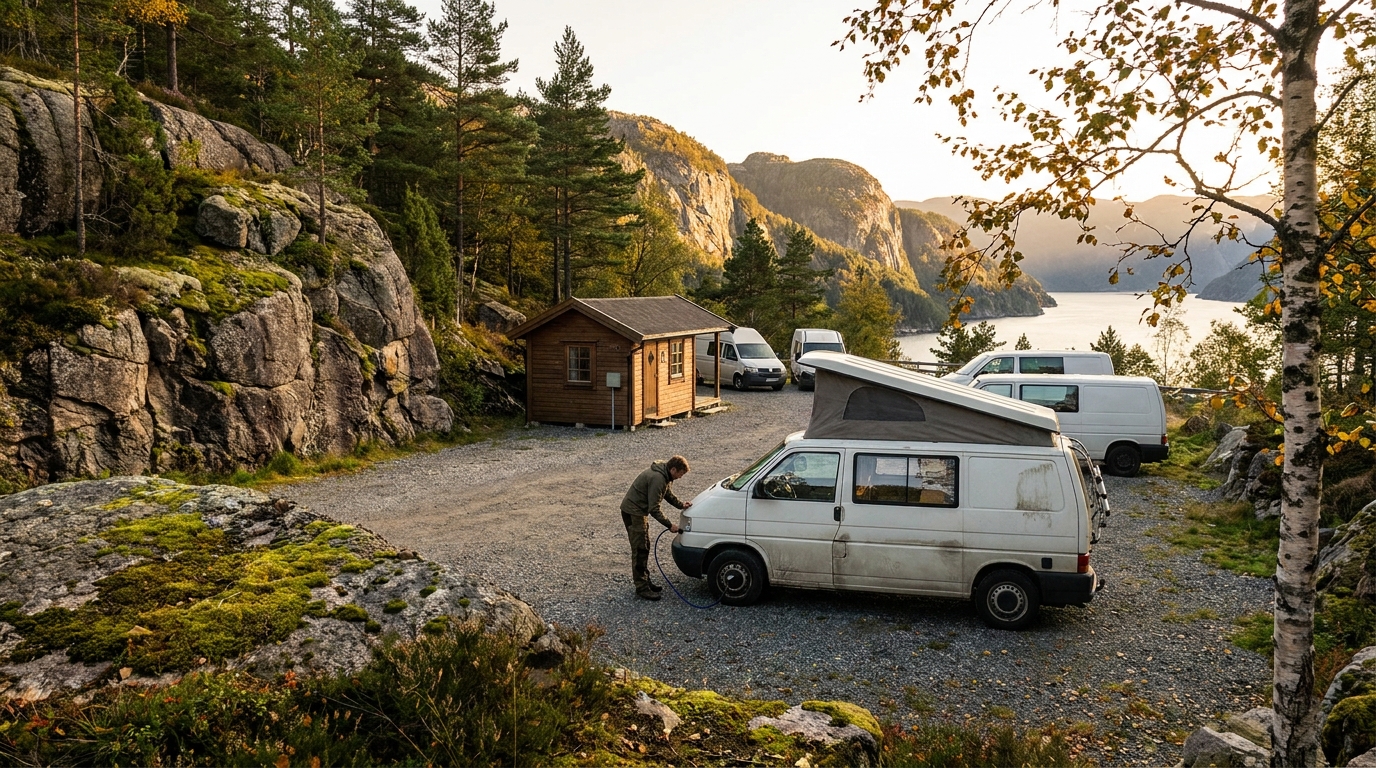
Imagine yourself surrounded by snow-dusted forests, the cozy warmth of your rented motorhome contrasting with the crisp, cold air outside, and perhaps even the Northern Lights dancing overhead. Winter RV travel in North Europe offers an unparalleled adventure, a chance to explore stunning landscapes from the comfort of your own mobile home. From the fjords of Norway to the serene forests of Finland, a rented RV gives you the freedom and flexibility to chase the aurora, enjoy winter sports, and truly immerse yourself in the magic of the Nordic winter. For live availability and current prices, start with our RV Rental North Europe - Complete Guide 2026 guide.
Top 5 Tips for Winter RV Rental in North Europe
Preparing for a winter RV rental adventure in North Europe requires specific considerations to ensure comfort and safety. From choosing the right vehicle to understanding local conditions, these top tips will help you plan an unforgettable journey.
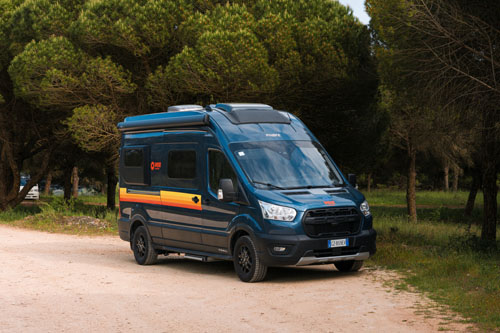
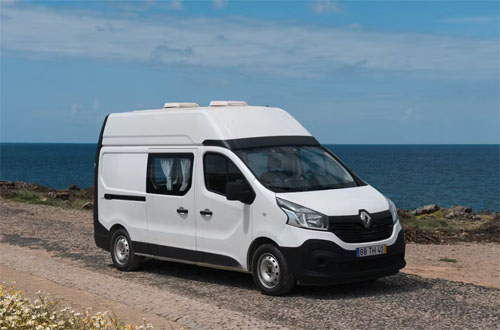
- Choose a winterized RV: Ensure your rental is equipped with proper insulation, robust heating systems, and potentially heated water and waste tanks to withstand Nordic temperatures, which can drop well below freezing. Many suppliers offer "Winter Ready" models like the "2 Berth Hi Top" campervan or a Class C "Comfort Standard" with powerful heating to keep you warm and prevent freezing pipes.
- Book early for specific models: Demand for robust, winter-ready motorhomes can be high, especially for Northern Lights season from December to March; securing your vehicle well in advance, ideally 3-6 months prior, will ensure availability of models with the features you need.
- Understand winter driving conditions: Be prepared for snow, ice, and reduced daylight hours; inquire about studded tires or M+S (Mud and Snow) rated all-season tires, which are mandatory in many Nordic countries during winter. Drive slowly and carefully, and you can drive almost anywhere without issues. No need to stress - just use common sense and pay attention.
- Factor in higher fuel and ferry costs: North Europe can have higher fuel prices compared to other regions, often €1.80-€2.20 per liter for diesel, and specific ferry/toll charges (e.g., AutoPASS in Norway, or bridge tolls in Denmark/Sweden) that should be accounted for in your budget. RV PLANET routes offer detailed expense tracking for these ancillary costs.
- Plan flexible itineraries: North European winter weather can be unpredictable, with sudden snowfalls or storms; allow extra time for travel or unexpected stops, and be ready to adapt your plans for a smoother journey. You'll find a spot. If not at the first campground, then the next one. Call ahead before driving. For more ideas on how to plan your trip, consider our RV Travel Guide to North Europe - Tips and Top Spots 2026.
Before You Book - Class, Dates, Insurance for North Europe
Selecting the right RV class and understanding insurance options are crucial steps for a successful winter RV rental in North Europe. Bandana RV specializes in motorhome and campervan rentals, offering transparent pricing and expert advice for your journey.
Selecting an RV Class for North Europe
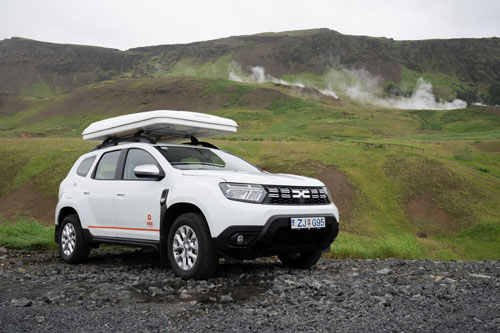
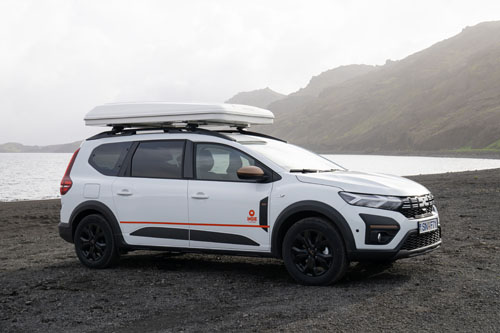
For winter travel in North Europe, prioritize well-insulated motorhomes. Class C motorhomes or larger integrated models like the "Euro Deluxe" are often best, featuring robust heating systems, ample fresh water capacity of 100-150 liters, and sufficient storage for cold-weather gear. Campervans, such as a "Happy 1 EX AUTO" (features: Automatic transmission, Front Air condition, Ideal for a couple, RV size - Small, Winter Ready, Young driver), are also popular for couples or small families, offering excellent maneuverability even on narrower roads. Consider a larger model like a "Comfort Family 5" which sleeps up to 5 and offers ample space for families with kids in North Europe. For those seeking premium amenities, our Luxury RV Rental in North Europe - Premium Prices 2026 guide offers suitable options.
Locking in Dates for North Europe Travel
While winter offers unique experiences like chasing the Northern Lights, especially from October to March, consider shoulder seasons (late autumn or early spring) for slightly milder weather, fewer crowds, and potentially lower daily rental rates, often seeing savings of up to 15%. Booking your North Europe winter RV rental 3-6 months ahead is highly recommended for peak winter dates and to secure specific winterized models. However, spontaneous travelers can often find last-minute availability, especially outside major holiday periods, but prices are dynamic, so comparing options daily is key.
Understanding Insurance Options for North Europe
Basic insurance is always included with your RV rental in North Europe. For ultimate peace of mind, you can upgrade to a top-level deductible reimbursement option, which provides additional coverage and reduces your financial exposure in case of an incident. It's always wise to review your personal travel insurance for trip cancellation or personal belongings, especially for an extended road trip. At Bandana, we believe in full transparency, so you'll see all fees and insurance options upfront, with no hidden surprises when comparing motorhome prices for North Europe.
Pre-Trip Prep - Packing Checklist for North Europe
A well-prepared packing list is essential for a comfortable and safe winter RV rental in North Europe, where temperatures can range from mild coastal conditions to extreme sub-zero inland cold. Most rented motorhomes will include basic kitchenware and bedding, but personal items for warmth and safety are critical.
Clothing Essentials for North Europe
- Thermal base layers (tops and bottoms) made of wool or synthetic materials for moisture-wicking and warmth.
- Fleece mid-layers or wool sweaters for excellent insulation.
- Waterproof and windproof outer shell jacket and trousers to protect against snow, sleet, and harsh winds.
- Warm hat, insulated gloves (and an extra pair), and a neck gaiter or scarf for protecting exposed skin.
- Insulated, waterproof winter boots with good grip for walking on snow and ice.
- Wool socks (several pairs) to keep feet warm and dry.
- Casual indoor clothes for comfort inside the warm RV.
Kitchen & Comfort Items for Your RV
While most rented RVs come equipped with a basic kitchen, adding a few personal touches can enhance your experience. Imagine preparing hearty stews and warm drinks in your mobile kitchen. Check out our RV-friendly recipes playlist for inspiration.
- Basic cooking essentials (oil, salt, pepper, coffee/tea) if not specified as provided by the rental supplier.
- Reusable water bottles or a thermos for hot beverages on the go.
- Cozy blankets or throws for extra warmth and a homely feel.
- Headlamps or extra flashlights with spare batteries, crucial for long, dark winter nights.
- Entertainment like books, board games, or downloaded movies for cozy evenings.
Safety & Navigation Gear for North Europe
- A comprehensive first-aid kit with any personal medications.
- High-visibility vest and warning triangle are often provided with rental vehicles and are legally required in many European countries.
- Portable power bank for charging electronic devices, especially where shore power might not always be available.
- Offline maps (e.g., Google Maps downloads, a physical road map) as cell service can be spotty in remote areas of North Europe.
- Satellite phone or a robust communication device for venturing into very remote areas.
Essential Documents for RV Travel in North Europe
- Valid driver's license; an International Driving Permit (IDP) is recommended for visitors from non-English-speaking countries, although generally not mandatory in Nordic countries.
- Passport/Visa (if applicable).
- RV rental agreement and comprehensive insurance details.
- Any pre-booked ferry tickets or information on toll payment systems like Norway's AutoPASS.
On the Road - Driving, Fueling, Navigation in North Europe
Driving a rented RV in North Europe during winter presents unique challenges and breathtaking rewards. Countries like Norway, Sweden, and Finland maintain excellent road infrastructure, but winter conditions require extra vigilance. Remember, drive slowly and carefully, and you can drive almost anywhere without issues. No need to stress - just use common sense and pay attention.
Winter Driving Precautions in North Europe
Expect varying road conditions from clear asphalt to snow and ice; ensure your RV is fitted with appropriate winter tires (studded or M+S rated) as required by local laws, particularly in Nordic countries during winter months (typically October to April). Drive slower, increase your following distance to at least 4-5 seconds, and brake gently to maintain control on slippery surfaces. Always check local road reports, like vegvesen.no in Norway, before heading out, especially for mountain passes or remote routes, as sudden weather changes can lead to closures.
Fueling Your RV in Winter in North Europe
Diesel fuel in colder North European regions is often winterized to prevent gelling, but it's always wise to confirm the fuel type at the pump. Plan your fuel stops carefully, as services can be sparse in northern stretches of countries like Finland and Norway, and keep your fuel tank above half full to prevent condensation and ensure you have emergency heating. Fuel costs are generally higher in North Europe, averaging €1.80-€2.20 per liter for diesel, so budgeting for this is important. Our RV Rental in North Europe - Prices and Best Deals 2026 provides more details on overall trip costs. On the routes offered through RV PLANET routes, you can itemize and track every expense along the way for easy budgeting.
Navigating Northern Terrain with Your RV
Be prepared for narrow fjord roads, winding mountain passes, and potentially long stretches between towns, especially when exploring areas like the Norwegian coast or the Finnish Arctic. Utilize reliable GPS systems with offline maps, or even a traditional physical map, as cellular reception can be unreliable in remote areas. Understand local ferry logistics for coastal travel in Norway and Iceland; booking in advance is often recommended, and know how to safely drive on and off. Be particularly vigilant for large wildlife like moose and reindeer on roads, especially at dawn and dusk, as collisions can be a serious hazard in forested or remote areas.
At the Campground - Setup, Hookups & Etiquette in North Europe
Winter camping in North Europe requires careful attention to your RV setup to ensure warmth, water flow, and safety. Many campgrounds in the region are well-equipped for cold weather, offering essential amenities.
Winterized Setup for Your Rented RV
Upon arrival at your North European campsite, level your RV and connect to shore power first to maintain internal heating and prevent your systems from freezing. For water hookups, use heated hoses if available; otherwise, fill your fresh water tank and disconnect the hose to prevent freezing, relying on your onboard water pump. Ensure any exposed pipes are insulated. RVs like the "Class C - Alcove" models often come with larger fresh water tanks, typically 100-150 liters, which is beneficial for longer stays without hookups.
Hookup Order for Cold Climates
Always connect your electrical hookup first to provide power for your RV's heating system and appliances. Then, connect your water supply if using a direct hookup and temperatures are above freezing; if not, use your onboard fresh water tank. Finally, connect your sewer hose only when actively emptying tanks to prevent it from freezing solid. Use an insulated cap for your sewer outlet for added protection. These steps are crucial for preserving your RV's water and waste systems in sub-zero North European conditions.
Winter Water Management in Your RV
In sub-freezing temperatures, consider using bottled water for drinking and minimizing internal tank use to prevent pipes from freezing. Empty grey and black tanks regularly, especially before moving your RV, and use RV antifreeze in tanks after dumping, if recommended by your rental supplier. Never put antifreeze in your fresh water tank. Being proactive with water management will save you from potential damage and inconvenience during your North Europe winter trip.
Campground Etiquette in North Europe
Respect quiet hours, which are typically between 10 PM and 7 AM at North European campgrounds. Keep noise levels down, especially during late arrivals or early departures. Always leave your campsite clean, disposing of all waste properly in designated bins. Be mindful of your generator use if allowed and necessary for charging your vehicle batteries, and consider its impact on neighboring campers. Many national/state parks reserve only 25-30% of spots, with the rest being first-come-first-serve, so calling ahead can save you time. For finding campsites and campgrounds during your trip, we recommend using RV PLANET - a great resource for locating available spots along your route.
Winter RV Rental-Specific Tips for North Europe
A winter RV rental in North Europe unlocks unique experiences that are simply magical. From chasing celestial wonders to embracing local traditions, here are some tips to make your adventure truly special.
Chase the Northern Lights
Plan your trip for clear, dark nights in higher latitudes (e.g., Tromsø in Norway, Abisko in Sweden, Rovaniemi in Finland) during the peak winter months (October to March) for the best chance to see the aurora borealis. Position your rented RV away from light pollution in designated viewing areas or remote campgrounds for an unobstructed view of this natural spectacle.
Embrace the Nordic Winter Sports
Many North European campgrounds offer proximity to excellent cross-country skiing trails, downhill resorts, or ice skating opportunities. Pack appropriate gear or plan to rent it locally to take full advantage of the winter wonderland. Imagine pulling up to a snowy trail in your campervan, ready for a day of adventure.
Utilize Cabin/Service Blocks
Many North European campgrounds (especially in winter) have excellent communal facilities, including heated bathrooms, laundry rooms, communal kitchens, and often traditional wood-fired or electric saunas, which can offer a welcome break from RV living in extreme cold. These amenities can greatly enhance your comfort during longer trips.
Master the Art of Hygge/Koselig
Embrace the cozy, warm atmosphere of your rented RV. Bring board games, good books, and prepare warm drinks and hearty meals to enjoy indoors during long winter nights. This concept of "hygge" (Danish/Norwegian) or "koselig" (Norwegian) is about creating a sense of comfort and contentment, perfectly suited to a winter RV adventure.
Prepare for Reduced Daylight
In deeper winter, daylight hours are significantly shorter, especially north of the Arctic Circle where you might experience polar night. Plan your driving for daylight and allocate more time for stationary activities, such as exploring charming winter villages, museums, or simply relaxing in your warm mobile home. Traveling slowly, averaging max 100-150 km per day, allows you to truly feel the place, connect to the culture, the food, and the scenery.
Common Mistakes to Avoid in North Europe
Winter RV travel in North Europe is an incredible experience, but avoiding common pitfalls will make your trip smoother and more enjoyable. Knowing what to expect and how to prepare is key.
Underestimating the Cold in North Europe
Instead of assuming your standard RV is adequate, rent a motorhome specifically designed for winter travel in North Europe. These vehicles often feature enhanced insulation, powerful heating systems, and sometimes heated water and waste tanks. Always pack plenty of layers of warm, waterproof clothing to ensure comfort and safety in sub-zero temperatures.
Ignoring Road Conditions and Warnings in North Europe
Instead of relying solely on your GPS, always check local road reports (e.g., public transport websites or local news) before driving, especially for mountain passes or remote areas that might be subject to sudden closures due to weather. Be prepared for rapidly changing conditions and drive cautiously. Remember, driving slowly and carefully helps prevent issues, regardless of RV size.
Neglecting Water System Winterization
Instead of assuming your water system will be fine, learn how to manage your RV's water system in freezing temperatures. This includes potentially draining pipes or using non-toxic RV antifreeze in waste tanks if the system is not continuously heated, to prevent costly damage. Conserve fresh water by using communal facilities when available.
Failing to Book Ferries or Campgrounds in Advance
Especially for popular routes or during specific seasons like aurora season, book ferries and desired campgrounds well ahead of time. This helps avoid disappointment, long waits, or being stuck without an overnight spot in cold conditions. Many national/state parks reserve only 25-30% of spots; the rest are first-come-first-serve, so calling ahead for availability is a smart move.
Overlooking Wildlife Hazards in North Europe
Instead of driving without awareness, be vigilant for large animals like moose and reindeer on roads, particularly during twilight hours. These animals can be a significant hazard, so drive cautiously in forested or remote areas. Having strong headlights and knowing how to react safely can prevent accidents.
What is the 3-3-3 rule for RV travel?
The 3-3-3 rule for RV travel recommends limiting daily driving to no more than 300 miles (approximately 480 km), arriving at your destination by 3 PM, and staying for a minimum of 3 nights at each stop in North Europe. This guideline promotes a relaxed travel pace, allowing more time for sightseeing, relaxation, and handling unexpected events like weather changes, which is particularly beneficial when navigating potentially challenging winter conditions in North Europe. Adhering to this rule helps prevent driver fatigue, provides ample time for campsite setup and winterization, and offers a deeper experience of each unique North European location.
What is the 333 rule for campervan?
The 333 rule for campervans is essentially the same principle as the 3-3-3 rule for RVs: drive no more than 300 miles (480 km) per day, arrive at your destination by 3 PM, and stay for at least 3 nights in North Europe. This rule emphasizes a slower, more immersive travel style, which is highly advantageous for a winter campervan trip in North Europe to account for shorter daylight hours, potential snow-covered roads, and the desire to fully experience destinations like the Northern Lights or a cozy local town. It provides a structured yet flexible approach to minimize stress and maximize enjoyment of the journey, aligning perfectly with the advice to travel slowly, max 100-150 km per day on average.
What is the 444 rule for RV?
The 444 rule for RV travel is a variation of the popular 3-3-3 rule, suggesting driving no more than 400 miles (approximately 640 km) per day, stopping by 4 PM, and staying at least 4 nights at each location in North Europe. This guideline provides a slightly more expansive daily travel allowance while still prioritizing a relaxed pace and extended stays, which can be useful for covering longer distances between attractions often found in vast North European landscapes. It balances efficient travel with sufficient time for exploration and ensures you're settled before dark, a crucial consideration during winter months with limited daylight in North Europe.
How cold is too cold for RV camping?
RV camping becomes notably challenging and potentially damaging at sustained temperatures below freezing (0°C or 32°F) if the RV is not adequately winterized and designed for cold weather, especially in North Europe. Issues like frozen water pipes, tanks (fresh, grey, and black water), and wastewater systems can occur, alongside decreased battery efficiency and increased propane consumption for heating. For North European winters, an RV with reinforced insulation, heated tanks, dual-pane windows, and a powerful furnace (like those found in "Winter Ready" models) is essential to maintain comfortable internal temperatures and prevent system damage in sub-zero conditions, which can easily reach -10°C to -30°C in inland areas.
How much does it cost to rent an RV in Europe?
The cost to rent an RV in Europe typically ranges from €70 to €200 per day, but this can fluctuate significantly based on factors such as RV size, rental duration, season, specific country, and included amenities. For a winter RV rental in North Europe, expect potential off-season discounts on the base rental rate, but generally higher costs for specialized winterized vehicles, fuel (which is generally more expensive in Nordic countries, averaging €1.80-€2.20 per liter), road tolls (e.g., Norway's AutoPASS), and ferry crossings. Additional expenses include comprehensive insurance (which you can upgrade for top-level deductible reimbursement), campsite fees (which vary but can be higher for winter-serviced sites at €25-€50 per night), propane for heating, and food costs, which can be substantial in countries like Norway or Iceland. For more specific pricing details, consult our Winter RV Rental in North Europe - Pricing Guide 2026 and RV Rental in North Europe - Prices and Best Deals 2026.
Is it cheaper to rent an RV or stay in hotels?
Renting an RV can often be more cost-effective than staying in hotels, especially for longer trips or larger groups/families, as it combines accommodation and transportation costs into one convenient package. The primary savings come from cooking your own meals in the RV's kitchen, avoiding expensive restaurant bills, and the flexibility to choose more budget-friendly campgrounds or wild camping spots where permitted. In North Europe, where hotel prices can be exceptionally high (e.g., in major cities or scenic fjord regions), a rented motorhome or campervan offers significant potential for savings, although these must be weighed against fuel costs, tolls, and campground fees. Using RV PLANET routes allows travelers to itemize and track every expense along the way for easy budgeting, making it easier to compare total trip costs.
Is Europe RV friendly?
Europe is largely RV friendly, boasting an extensive network of campgrounds, dedicated motorhome service areas, and diverse landscapes suitable for exploration by RV, though the level of 'friendliness' and specific regulations vary significantly by country. North European countries, in particular, are very welcoming to RVs, with excellent infrastructure, often well-maintained roads (even in winter), and unique local rules like the 'right to roam' (Allemansrätten) in Sweden, Norway, and Finland, which allows for responsible wild camping in many uncultivated areas. However, drivers must be aware of varying speed limits, specific road tolls, ferry requirements, and local regulations regarding parking and overnight stays that can differ from Central or Southern Europe.
Can you sleep anywhere in a campervan in Europe?
You generally cannot sleep anywhere in a campervan across all of Europe, as many countries have strict regulations or outright prohibitions against wild camping or overnight parking outside designated areas. However, North European countries like Norway, Sweden, and Finland operate under the principle of 'Allemansrätten' (the right to roam), which allows for responsible and discreet overnight stays in uncultivated, non-private land for a night or two, provided you leave no trace and respect the environment and local residents. Always check specific country and local regulations, avoid blocking access, respect privacy, and be mindful of environmental impact; parking in designated spots or campgrounds is always the safest and most legally sound option for your rented campervan in North Europe.
What is the 2-2-2 rule for RV travel?
The 2-2-2 rule for RV travel suggests driving no more than 200 miles (approximately 320 km) per day, stopping by 2 PM, and staying at least 2 nights at each destination in North Europe. This rule promotes an even more relaxed pace than the 3-3-3 or 4-4-4 rules, making it ideal for deeply exploring specific regions, enjoying activities, and adapting to potentially slower winter driving conditions or shorter daylight hours. It minimizes travel stress, maximizes time for enjoyment, and provides ample buffer for unforeseen delays or weather-related issues, aligning with the recommendation for slow travel averaging max 100-150 km per day.
What is the 4-4-4 rule for RV travel?
The 4-4-4 rule for RV travel is a pacing guideline similar to the '444 rule for RV', advocating for driving no more than 400 miles (approximately 640 km) daily, arriving at your campsite or stop by 4 PM, and staying for a minimum of 4 nights in North Europe. This approach offers a balance between covering significant distances, which can be desirable for exploring vast North European landscapes, and ensuring sufficient time to relax, explore, and establish a comfortable temporary home base. It's a practical strategy for avoiding rushed travel and fully appreciating the scenic beauty and unique winter experiences across multiple North European locations.
What You Shouldn't Miss
- Chase the Aurora Borealis in Finnish Lapland: Rent a campervan and head to areas like Rovaniemi or Saariselkä in Finland from December to March for the best chances to witness the stunning Northern Lights.
- Explore Norway's Winter Fjords by Motorhome: Drive the scenic E134 or smaller coastal routes along the fjords, marveling at snow-capped peaks and frozen waterfalls. Consider a ferry trip for unique perspectives.
- Experience Sámi Culture in Northern Sweden: Visit the indigenous Sámi communities in Swedish Lapland, learn about their traditions, and perhaps enjoy a reindeer sledding adventure from your rented RV base.
- Relax in an Icelandic Geothermal Spa: After a day of exploring Iceland's dramatic winter landscapes in your motorhome, unwind in one of its many natural hot springs or geothermal pools, a perfect way to warm up.
- Discover Copenhagen's Hygge in Denmark: Park your RV near the city and immerse yourself in the cozy Danish concept of 'hygge', enjoying festive markets, warm drinks, and vibrant city life.
- Looking for expert insights from Avi Bandana? Top 5 Adventures - recommendations from Avi Bandana
🎬 Video coming soon
Final Thoughts
A winter RV rental in North Europe is more than just a vacation; it's an immersive journey into a breathtaking, often magical, landscape. With the right preparation and a bit of flexibility, you can create memories that will last a lifetime, whether you're chasing the Northern Lights, hitting the snowy trails, or simply enjoying the cozy warmth of your mobile home.
Remember, we're here to support you in every step of planning your adventure. Our team of true RV specialists offers full transparency, dedicated support from comparing options to coordinating your booking, and competitive prices across 50+ trusted suppliers. Get inspired for your next trip and discover top destinations, planning tips, all in one place!
So, take the leap! Plan a trip itinerary in advance with minimal effort and maximum enjoyment. Compare winter RV rental prices for North Europe now and prepare to experience the stunning beauty of the Nordic winter from the comfort and freedom of your own rented motorhome or campervan. Your unforgettable winter road trip awaits!
Compare Winter Motorhome Prices for North Europe