For live availability and current prices, start with our RV Rental Iceland - Complete Guide 2026 guide.
In This Guide
- Top 5 Tips for winter rv rental RV Rental in Iceland
- Before You Book - Class, Dates, Insurance
- Pre-Trip Prep - Packing Checklist for Iceland
- On the Road - Driving, Fueling, Navigation
- At the Campground - Setup, Hookups & Etiquette
- Winter RV Rental-Specific Tips for Iceland
- Common Mistakes to Avoid in Iceland
- Is it safe to rent an RV in Iceland in winter
- What is the best month to RV in Iceland
- How much does it cost to rent an RV in Iceland
- Can you wild camp in Iceland in winter
- Is Iceland worth visiting in winter
- Do you need a 4x4 for Iceland in winter
- What You Shouldn't Miss
- Why Book with Bandana Caravan
- Final Thoughts
- Frequently Asked Questions
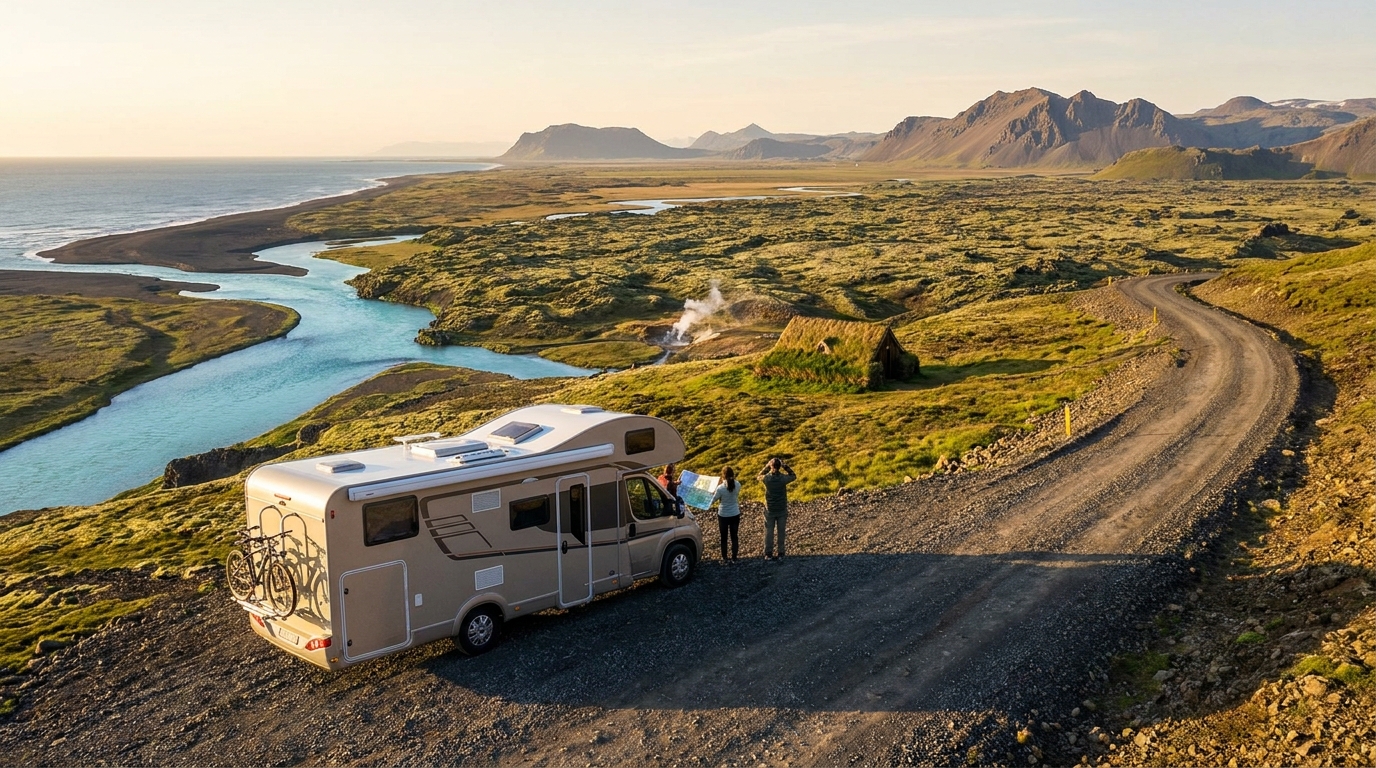
Embarking on a winter RV adventure in Iceland offers an unparalleled experience, from chasing the Northern Lights to exploring ice caves and geothermal wonders blanketed in snow. With a rented motorhome or campervan, you unlock the freedom to explore at your own pace, creating a cozy mobile base for your adventures. At Bandana, we believe in full transparency and honest advice, guiding you every step of the way to ensure your winter RV trip in Iceland is truly unforgettable.
For live availability and current prices, start with our RV Rental Iceland - Complete Guide 2024 guide. We've been helping tens of thousands of travelers explore the world by RV since 2001, and our dedication to being true RV specialists means you get expert insights, not just a booking service. Imagine yourself waking up to a pristine snowy landscape, brewing coffee in your rented RV, and setting out for another day of exploration; that's the magic of winter RV travel in Iceland. We handle the details, so you can truly live the journey.
Top 5 Tips for winter rv rental RV Rental in Iceland
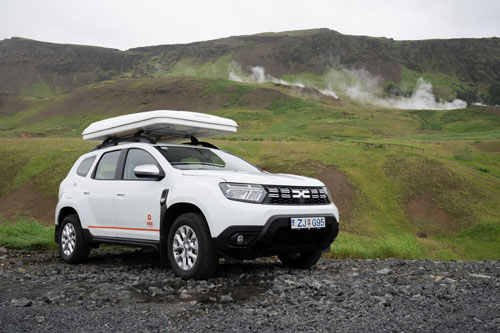
Navigating Iceland's winter landscape with a rented RV requires careful planning, ensuring both safety and enjoyment throughout your extended road trip. Prioritizing a 4x4 or All-Wheel Drive (AWD) RV, such as the "4x4 Camper B - THOR" with its turbo diesel engine, is highly recommended for handling winter road conditions, including icy patches and snow-covered routes, especially when departing from pickup locations like Reykjavik or Keflavík. Booking your preferred campervan or motorhome well in advance, particularly for popular winter periods like Christmas or prime Northern Lights viewing season (October to March), is crucial to secure availability and often results in better rates, potentially saving up to 25% for bookings made 90+ days out.
Always ensure your chosen rental includes robust winter tires, ideally studded, and that the heating system has been thoroughly pre-checked and is fully functional before you depart. Packing smart is another critical element: focus on insulating layers, waterproof and windproof outerwear, and essential safety equipment like a headlamp, a reflective vest, and a portable power bank for your devices. Finally, plan flexible itineraries, understanding that shorter daylight hours (often only 4-5 hours in December) and potential weather-related road closures are common in Iceland's dynamic winter climate. Drive slowly and carefully, and you can drive almost anywhere without issues. No need to stress - just use common sense and pay attention.
Before You Book - Class, Dates, Insurance
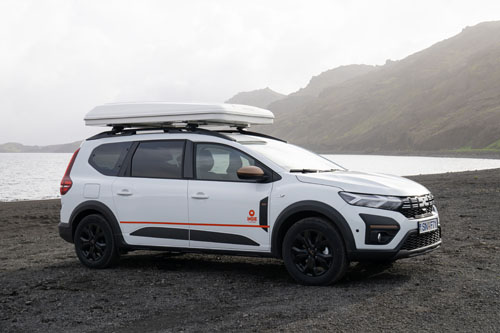
Selecting the right RV class for a winter adventure in Iceland often means prioritizing robust heating, superior insulation, and frequently, 4x4 or All-Wheel Drive (AWD) capabilities for navigating potentially icy or snowy roads. For couples, a compact campervan like the "Active Bunk Auto" might offer sufficient warmth and maneuverability, while families of 2+2 or larger groups might prefer a Class C motorhome such as the "4 Berth Deluxe" for more space and comfort. It's vital to confirm that your chosen rental is explicitly rated for winter use, typically featuring adequate insulation for temperatures often below freezing (0°C/32°F) and antifreeze protection for water systems.
Lock in your rental dates as early as possible, especially if traveling during peak winter events like the Northern Lights season or holidays, to secure availability and potentially better daily rates, which can fluctuate dynamically like flight tickets. When it comes to insurance for your rented camper in Iceland, understanding the various options is paramount. While basic insurance is always included, comprehensive coverage often includes specific protection against prevalent Icelandic hazards such as gravel damage, sand and ash damage (SAAP), and theft waivers. You can easily select options for the most comprehensive coverage during your search on Bandana to see all relevant insurance packages and ensure peace of mind. For a broader perspective on planning your RV trip, refer to our "RV Rental Europe - Complete Guide 2024".
🎬 Video coming soon
Pre-Trip Prep - Packing Checklist for Iceland
A comprehensive packing checklist is crucial for a comfortable and safe winter RV trip in Iceland, ensuring you are prepared for the country's notoriously changeable weather. For clothing, focus on layering: start with thermal base layers (tops and bottoms), add mid-layers like fleece or a down jacket, and finish with waterproof and windproof outer layers (jacket and pants). Don't forget warm hats, gloves or mittens, a scarf, and several pairs of wool or synthetic socks to keep your extremities warm. Waterproof hiking boots are essential for exploring the snowy and icy terrains around sites like the Golden Circle or the Reykjanes Peninsula, where you might be picking up your rental RV from Keflavík or Reykjavik.
For your rented camper's kitchen, stock up on non-perishable food items such as oats, pasta, rice, and coffee, along with basic cooking oil, salt, and pepper. Consider making some of your meals on board, which is an excellent way to save on ancillary costs; check out our RV-friendly recipes playlist for inspiration. Remember to bring a reusable water bottle, as Iceland's tap water is famously pure and delicious. Safety gear is non-negotiable for remote travel: pack a headlamp or flashlight with spare batteries, a comprehensive first-aid kit, an emergency roadside kit (including jump cables and basic tools), and a high-visibility vest. Always have your physical driver's license (a standard car license is sufficient for all motorhomes, but an International Driving Permit is recommended for non-English speakers), passport/ID, and all rental and insurance documents readily accessible. Credit cards and some local currency are also important, especially in smaller towns outside of larger cities like Kópavogur or Hafnarfjörður. On the routes offered through RV PLANET routes, you can itemize and track every expense along the way for easy budgeting.
On the Road - Driving, Fueling, Navigation
Driving a rented motorhome in Iceland during winter requires heightened awareness of rapidly changing road and weather conditions, including ice, snow, and strong winds that can impact vehicle stability. Always check road.is for current road conditions and closures before setting out each day, especially when planning routes through mountainous or remote areas. It's common for parts of the Ring Road (Route 1) to be affected, so flexibility in your itinerary is key. Speed limits are generally 90 km/h on paved rural roads and 80 km/h on gravel roads, but always adjust to conditions. Drive slowly and carefully, and you can drive almost anywhere without issues. No need to stress - just use common sense and pay attention, particularly for sudden gusts of wind.
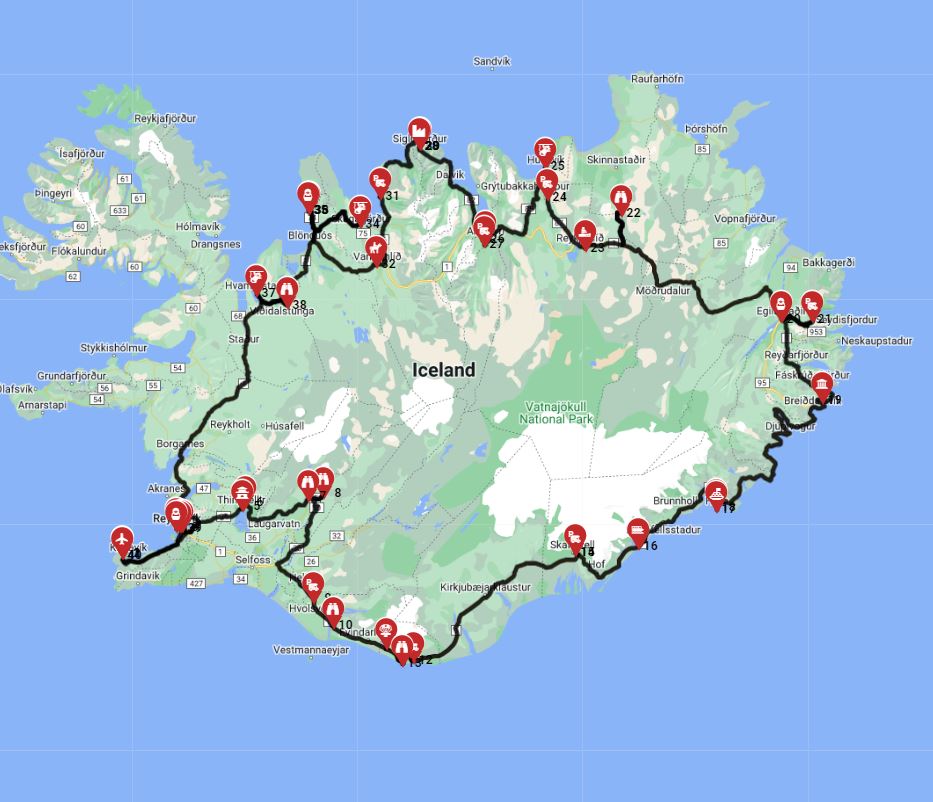
Ensure your fuel tank is consistently full, as gas stations can be sparse in rural areas and may have limited winter hours. Diesel is the primary fuel type for most RVs and motorhomes. Iceland has no toll roads, but certain tunnels or ferry services may incur fees. While GPS navigation is highly effective (many rentals include it or you can use your smartphone with a local SIM card), also carry a physical map as a backup, as cellular signal can be lost in remote regions. When encountering single-lane bridges, remember the "first to the bridge" rule: the vehicle closest or already on the bridge has the right of way. Being mindful of these local driving customs in areas like Reykjanesbær or near Keflavík - Airport will ensure a smoother and safer journey. For more detailed winter driving guidance, our "Winter RV Driving in Iceland - Safety Guide 2024" is an excellent resource.
At the Campground - Setup, Hookups & Etiquette
Setting up your rented RV at an Icelandic campground involves selecting a level spot, connecting to available power and water hookups, and properly managing waste, which is particularly important during winter. Most official campsites in Iceland, like the one in Reykjavik, remain open year-round and offer essential facilities including electrical hookups (typically 220V) and grey and black water disposal points. The typical hookup order begins with securing the RV on level ground, then connecting the electrical cord, followed by the fresh water hose (if available and not frozen), and finally the waste disposal hose. Many newer rental RVs, like the "EcoLine 2" or "F2", come with adequate freshwater tanks (e.g., 122 liters for the EcoLine 2) and heated waste tanks, but always double-check with your supplier.
Responsible RV travel is paramount in Iceland; always adhere strictly to 'Leave No Trace' principles. This means packing out all trash and disposing of grey and black water only at designated dump stations, never in natural areas. Locate these facilities upon arrival to ensure responsible waste management throughout your stay. It is illegal to wild camp with motor vehicles in Iceland, reinforcing the importance of planning your overnight stays at official campsites. These campgrounds are well-maintained, often feature heated restrooms, and offer a safe, reliable environment. Observe campground quiet hours, generally between 11 PM and 7 AM, by minimizing noise and respecting other campers' space. For finding campsites and campgrounds during your trip, we recommend using RV PLANET (rvplan.net) – a great resource for locating available spots along your route. You'll find a spot; if not at the first campground, then the next one. Call ahead before driving to confirm availability and winter services.
Winter RV Rental-Specific Tips for Iceland
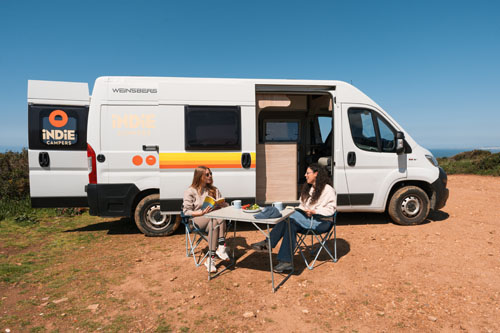
Tailoring your winter RV rental in Iceland to your group's specific needs ensures a more comfortable and enjoyable adventure. For families with young children, choosing a Class C motorhome like the "Family Sleeper (FS)" or "Conquest" offers ample space for indoor play, comfortable sleeping arrangements (often featuring bunk beds or convertible dinettes), and a private bathroom, minimizing cold outdoor excursions. Planning shorter driving days, ideally max 100-150 km per day, allows for more frequent stops for children's needs and accounts for reduced daylight hours. Imagine cooking a warm family meal inside your cozy motorhome, perhaps using one of the 3-burner gas stoves found in many rentals, after a day of exploring near Kópavogur or a scenic spot in the south.
Seniors may prefer RV classes with easier access, such as a semi-integrated Class SI motorhome like the "Euro Quest" which often features permanent beds and ergonomic controls, minimizing physical strain. Prioritizing models with robust heating systems and generous water tank capacities (e.g., 140 liters fresh water) ensures greater comfort and independence. Budget-conscious travelers can maximize savings by selecting smaller campervans like the "Happy 1" or "Hi5 Camper," which offer good fuel efficiency (typically 10-12 liters/100 km). Utilizing campground kitchens and cooking meals on board significantly reduces food expenses, and researching more affordable campsites or 'pay and park' options, especially outside major hubs like Reykjavik, can cut down on ancillary costs. For luxury seekers, larger Class A integrated motorhomes (though less common in Iceland winter) or premium Class C models, such as the "Euro Deluxe" with its spacious interior and integrated entertainment system, can provide enhanced amenities for maximum comfort amidst Iceland's stunning winter landscapes. Remember, RV PLANET routes allow you to itemize and track every expense, making budgeting effortless.
Common Mistakes to Avoid in Iceland
Avoiding common pitfalls will significantly enhance your winter RV rental experience in Iceland. Do not underestimate Iceland's rapidly changing winter weather; instead, check the forecast regularly, sometimes hourly, on sites like en.vedur.is and be prepared for sudden blizzards, strong winds (potentially exceeding 100 mph), and icy roads. Always respect and heed road closure signs and official warnings, even if the weather seems clear at your current location, and be prepared to alter your plans for safety. Disregarding these signs can lead to dangerous situations, fines, and potentially void your insurance.
A frequent mistake is assuming all campsites are open year-round; instead, research and book winter-operational campgrounds in advance, especially when planning a route around the Golden Circle or a more extended "
Is it safe to rent an RV in Iceland in winter
Renting an RV in Iceland during winter can be a safe and incredibly rewarding experience with proper preparation and adherence to local guidelines. While challenging weather conditions, such as icy roads, strong winds, and shorter daylight hours (often just 4-5 hours in December), are inherent to Icelandic winters, these risks are manageable with the right approach. Safety largely depends on selecting an appropriate RV; a 4x4 or AWD campervan, like the "5 Person 4WD Camper" is highly recommended for superior traction and control on unpredictable road surfaces. Monitoring daily road and weather conditions via official sources like road.is is crucial, allowing you to adjust your itinerary as needed to avoid hazardous areas.
Practicing cautious winter driving techniques, such as reduced speeds and increased following distances, further enhances safety. Being well-prepared with emergency supplies, ensuring your rented motorhome has adequate heating and insulation, and purchasing comprehensive insurance packages (which can cover gravel and sand/ash damage) significantly mitigates potential risks. Bandana is committed to honesty and transparency, ensuring you understand all insurance options and vehicle capabilities. With smart planning and a respectful attitude toward the elements, your winter RV adventure in Iceland can be an exceptionally safe and unforgettable journey, offering dramatic scenery and opportunities to witness the Northern Lights from the comfort of your mobile home.
What is the best month to RV in Iceland
The "best" month to RV in Iceland largely depends on your travel preferences, as both summer and winter offer distinct experiences. For summer-like conditions with extensive daylight (up to 24 hours in June) and maximum access to most F-roads, June, July, and August are ideal, providing mild weather averaging 10-13°C (50-55°F) for exploring the entire Ring Road. However, these months also bring larger crowds and higher prices for RV rentals and campsites.
For a unique winter RV adventure, focusing on iconic experiences like the Northern Lights (visible from late September to March), exploring glittering ice caves, and enjoying snow-covered landscapes with fewer tourists, late September to March are prime. While these months bring colder temperatures (averaging -1 to 2°C, or 30-35°F), shorter days, and potential road closures, they offer an ethereal beauty. Many travelers find September and October, or April and May, to be excellent shoulder seasons. These months offer a balance of fewer crowds, some chance of Northern Lights sightings, and improving or more manageable road conditions. Whether you choose the midnight sun or the aurora borealis, Bandana, with over two decades of expertise, helps you find the perfect rented camper to match your Icelandic dream trip.
How much does it cost to rent an RV in Iceland
The cost of renting an RV in Iceland varies significantly based on factors such as the vehicle's size and class, the season of travel, rental duration, and the level of insurance chosen. Winter rentals (October to March) typically range from €100-€300 per day for smaller campervans like the "Hi5 Camper" or "Happy 2", while larger, more robust motorhomes or luxury Class C models such as the "6 Berth Deluxe" can exceed €400 per day. These prices are dynamic, changing daily based on availability and seasonality, similar to flight tickets. The final price is always set at the actual booking time, with Bandana committed to full transparency and no hidden fees.
Ancillary costs significantly impact the total trip budget. Comprehensive insurance packages, which often include specific gravel, sand, and ash protection crucial for Iceland's environment, can add €20-€50 per day. Fuel is expensive in Iceland, with diesel prices around €2.00 per liter (approx. $8.00 per gallon), and many RVs consume 10-15 liters/100 km. Campground fees average €20-€40 per night, varying by location and facilities. Other potential expenses include propane for heating/cooking, dump fees (if not included at campsites), and tolls (though rare in Iceland). To help with budgeting, many RV PLANET routes allow travelers to itemize and track every expense along the way, making financial planning for your Icelandic adventure easier. Bandana provides personal service from day one, helping you compare final prices across 50+ suppliers to find the most affordable option.
Can you wild camp in Iceland in winter
Wild camping with a rented RV or campervan in Iceland is generally restricted and not recommended, especially in winter, due to strict regulations and practical challenges. Icelandic law strictly prohibits overnight parking of motorhomes and campervans outside of designated campsites or private land with explicit, prior permission from the landowner, making traditional 'wild camping' illegal for motorized vehicles in most areas. This regulation is enforced to protect Iceland's fragile ecosystem and ensure responsible tourism.
In winter, finding safe, level spots for unauthorized overnight parking is even more difficult due to snow, ice, and limited visibility, increasing safety risks. Furthermore, access to essential services like waste disposal and fresh water becomes scarce outside of official campgrounds. It is always best and often legally required to stay in official campsites, many of which remain open year-round and offer vital facilities such as electrical hookups, heated restrooms, and dump stations. Planning your itinerary around these designated facilities, which can be found via RV PLANET (rvplan.net), ensures a legal, safe, and more comfortable winter RV experience. Bandana supports responsible travel practices and provides transparent information to help you plan accordingly.
Is Iceland worth visiting in winter
Iceland is absolutely worth visiting in winter for travelers seeking unique natural phenomena, fewer crowds, and a distinct atmosphere not found in other seasons. Winter (late September to March) is the prime season for viewing the spectacular Northern Lights (Aurora Borealis), often dancing vibrantly across the dark skies. It is also the ideal time to explore glittering ice caves, which are typically only accessible during the colder months, and to witness Iceland's dramatic landscapes transformed by snow and ice, creating breathtaking photographic opportunities.
While challenges like shorter daylight hours, colder temperatures (averaging -1 to 2°C, or 30-35°F), and potential road closures exist, these are often offset by opportunities for cozy RV travel and the ethereal beauty of the season. Many popular attractions, including the Golden Circle route, the South Coast waterfalls, and the Blue Lagoon, remain accessible, with specialized winter RVs providing warmth and comfort. Imagine sipping hot chocolate inside your rented motorhome after a day of exploring a frozen waterfall, then stepping out to watch the aurora. This magic, combined with significantly fewer tourist crowds than in summer, makes Iceland an exceptionally rewarding winter destination for an extended road trip. We encourage slow travel, max 100-150 km per day, to truly feel the place and connect with its winter wonders.
Do you need a 4x4 for Iceland in winter
While not strictly mandatory for driving the main Ring Road (Route 1) if conditions are clear and well-maintained, a 4x4 or All-Wheel Drive (AWD) vehicle is highly recommended for RV travel in Iceland during winter. A 4x4, like the "4x4 Camper B - THOR" or "4x4 Jimny," provides superior traction and control on icy, snowy, or gravel roads, which are common outside of major towns such as Reykjavik or Akureyri, and along less-traveled scenic routes. These vehicles offer enhanced safety and stability, crucial for navigating the unpredictable winter conditions and strong winds that can sweep across the island.
Many rental companies offer 4x4 or AWD campervans and motorhomes specifically equipped for winter conditions, often including studded winter tires, which can significantly enhance safety and provide greater access to sights. For venturing onto F-roads (mountain roads), which are typically closed in winter anyway, a 4x4 is legally required when they are open, though it's rare to find these accessible by RV in winter. Even on paved main roads, snow and ice can appear suddenly, making the extra capability of a 4x4 invaluable for peace of mind. Bandana, as true RV specialists, helps you compare and select appropriate winter-ready vehicles to ensure a confident and secure journey.
What You Shouldn't Miss
Iceland's winter offers breathtaking spectacles best experienced from the comfort and flexibility of your rented motorhome. Don't miss these incredible journeys and sights:
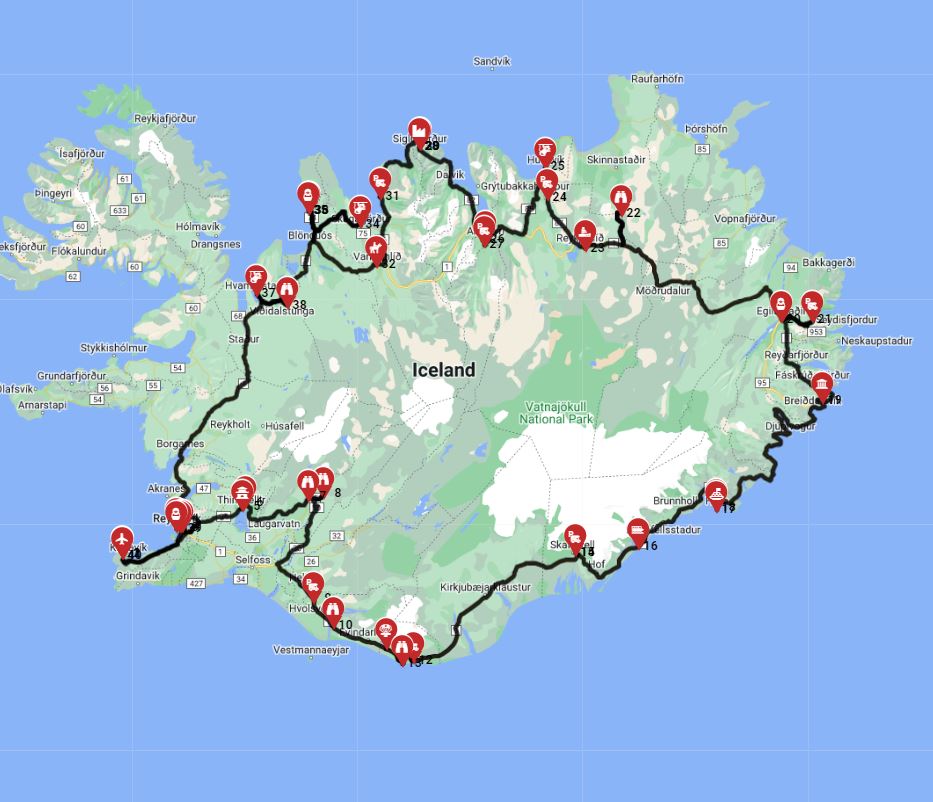
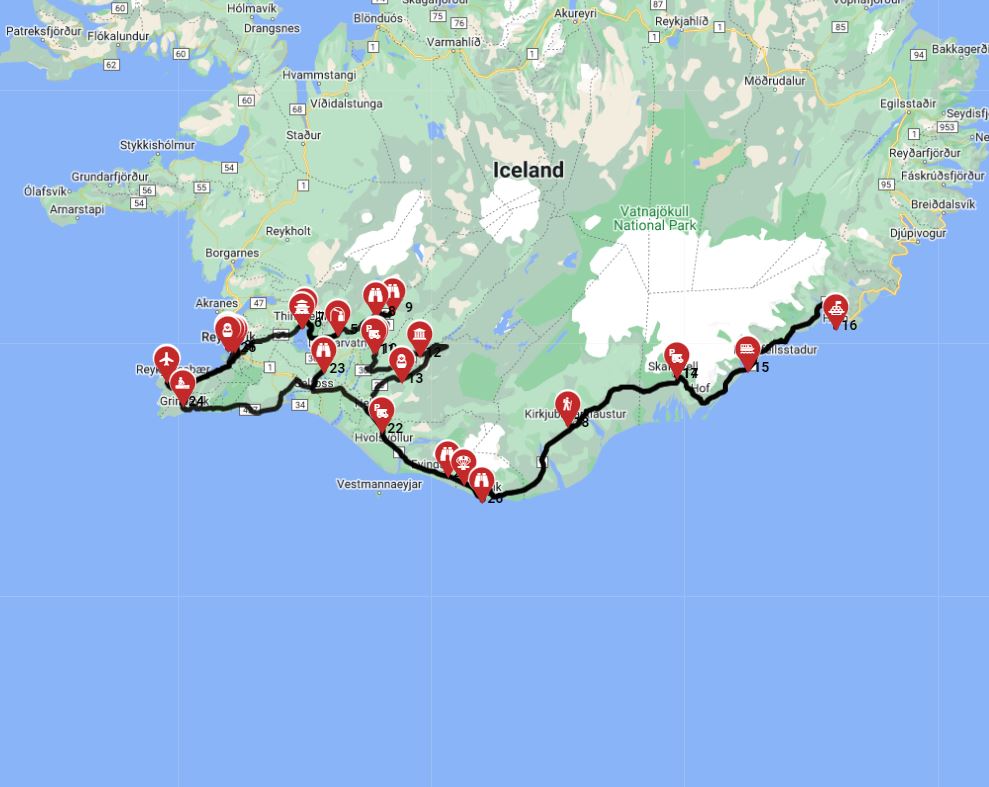
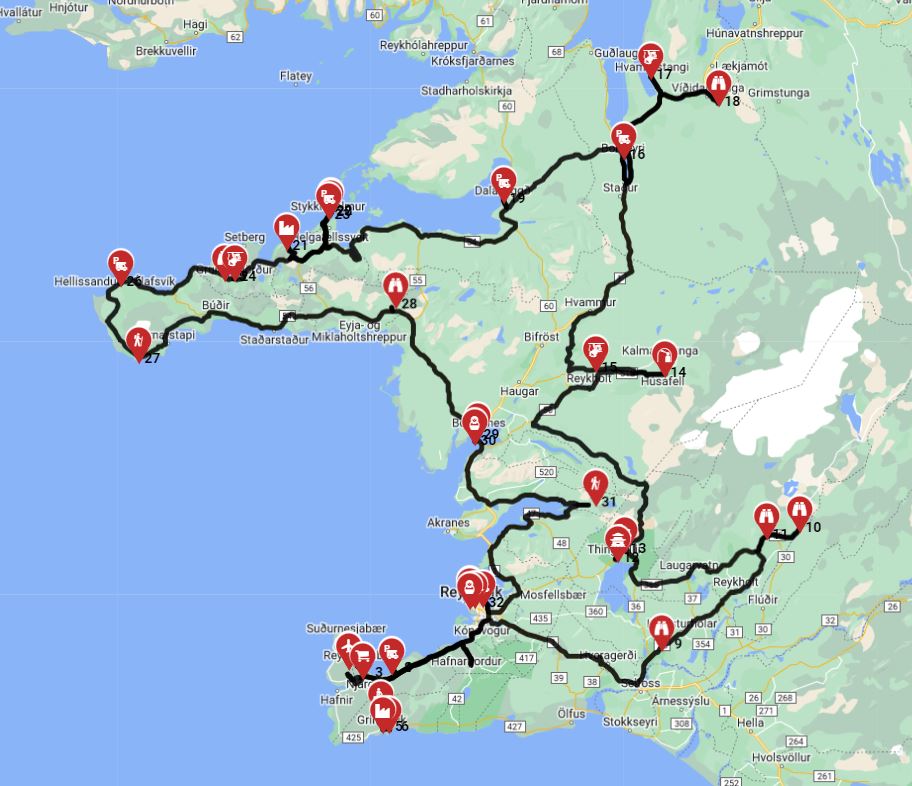
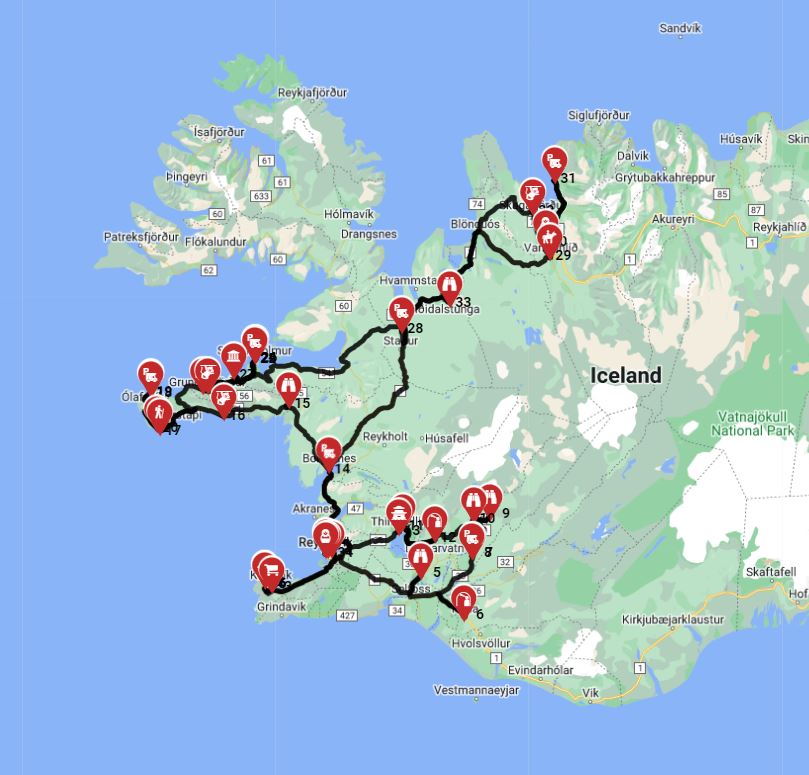
- **The Golden Circle in Winter**: This classic route is even more magical under a blanket of snow. Witness the powerful Gullfoss waterfall in its icy splendor, the erupting Strokkur geyser, and the historic Þingvellir National Park. Consider our "
2024" route plan for a curated experience, including a family activity and two spa visits perfect for unwinding in the cold.
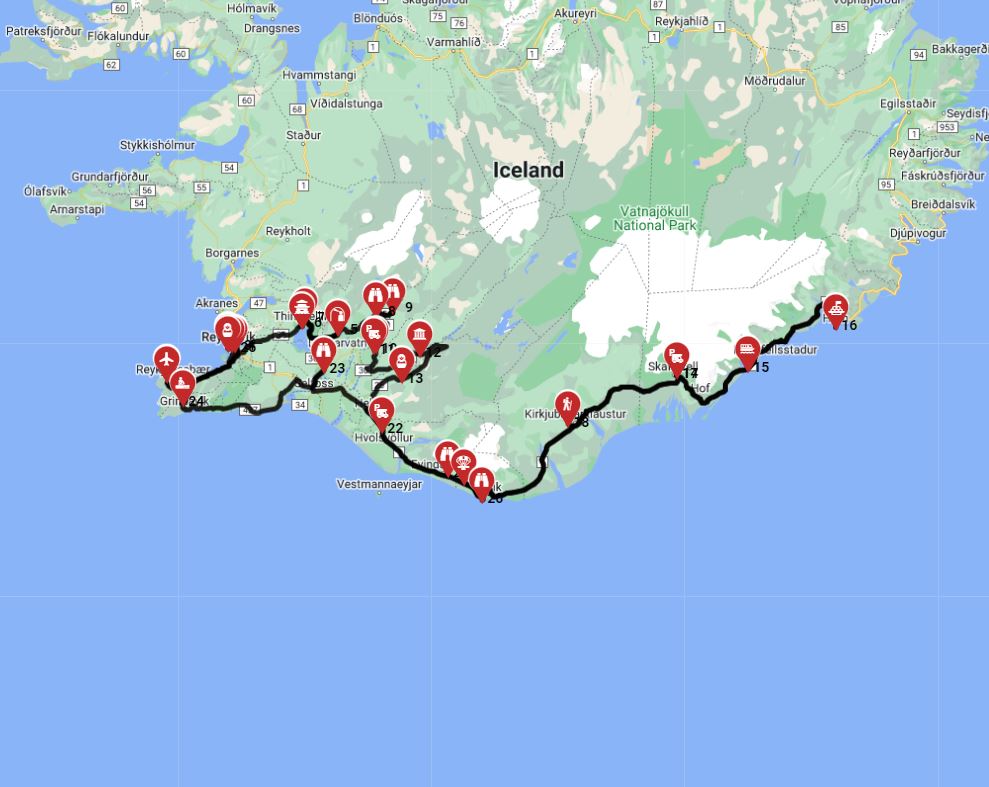 Iceland Golden Circle - South West
 - **South Coast Wonders**: Drive along the stunning South Coast to see the black sand beaches of Reynisfjara, the basalt columns, and the majestic Skógafoss and Seljalandsfoss waterfalls, often partially frozen. Keep an eye out for the Northern Lights dancing above these iconic landmarks.
- **Ice Cave Exploration**: A truly unique winter activity. Join a guided tour to venture into the stunning blue ice caves beneath Vatnajökull glacier, an unforgettable natural feature. This is typically available from October to March.
- **Northern Lights Hunting**: With dark skies and often clear conditions in winter, Iceland is one of the best places on Earth to witness the Aurora Borealis. Your rented RV gives you the freedom to chase clear skies away from city lights (like those of Hafnarfjörður or Reykjavik) for the best viewing opportunities.
- **Blue Lagoon or Secret Lagoon**: Indulge in Iceland’s geothermal wonders. Soaking in the warm, mineral-rich waters of the Blue Lagoon or the more intimate Secret Lagoon is an absolute must after a day of exploring the cold.
Looking for expert insights from Avi Bandana? Top 5 Adventures - recommendations from Avi Bandana
Final Thoughts
A winter RV rental in Iceland promises an adventure unlike any other, offering a unique blend of stunning natural beauty, the thrill of chasing the Northern Lights, and the comfort of your own mobile home. While the season presents its own set of challenges, with careful planning, the right vehicle choice, and an adventurous spirit, these become part of the unforgettable experience. Remember to prioritize safety, embrace flexibility, and immerse yourself in the raw, majestic beauty of this incredible country.
Bandana is here to support you in every aspect of planning your dream winter RV trip to Iceland. From transparent pricing to expert route plans from RV PLANET (rvplan.net) and dedicated support, we ensure your journey is seamless and joyful. So, pack your warmest layers, get ready for breathtaking landscapes, and prepare to create memories that will last a lifetime.
Get inspired for your next trip! Discover top destinations and planning tips, all in one place with Bandana. Compare Winter RV Rental Prices for Iceland now and embark on your incredible Icelandic adventure!