In This Guide
- Top 5 Tips for winter rv rental RV Rental in East Europe
- Before You Book - Class, Dates, Insurance
- Pre-Trip Prep - Packing Checklist for East Europe
- On the Road - Driving, Fueling, Navigation
- At the Campground - Setup, Hookups & Etiquette
- winter rv rental-Specific Tips for East Europe
- Common Mistakes to Avoid in East Europe
- What is the 3-3-3 rule for RV travel?
- What is the 4-4-4 rule for RV travel?
- Is Europe RV friendly?
- How much does it cost to rent an RV in Europe?
- Is it cheaper to rent an RV or stay in a hotel?
- Can you sleep anywhere in a campervan in Europe?
- What is the 333 rule for campervan?
- What is the 2-2-2 rule for RV travel?
- How to pack for 3 weeks in Europe in winter?
- What is the 444 rule for RV?
- What You Shouldn't Miss
- Why Book with Bandana Caravan
- Final Thoughts
- Frequently Asked Questions
Embarking on a winter RV adventure in East Europe offers a truly unique way to experience snow-dusted landscapes, charming Christmas markets, and cozy thermal spas. While it might seem daunting, with the right preparation and knowledge, renting a motorhome for a cold-weather journey can be incredibly rewarding. We're here to help you navigate every step, ensuring your winter RV rental in East Europe is smooth, comfortable, and unforgettable. For live availability and current prices, start with our RV Rental East Europe - Complete Guide 2026 guide.
Top 5 Tips for winter rv rental RV Rental in East Europe
Preparing for a winter RV rental in East Europe requires specific attention to detail to ensure warmth and safety on your journey. First, always prioritize an RV with excellent insulation and a robust heating system, which is critical for East Europe's winter temperatures, often dropping below freezing.
Second, research country-specific winter driving regulations in East Europe, including requirements for snow tires or chains in mountainous regions. Many countries mandate these from November to April, and compliance is essential for both safety and legal reasons.
Third, pre-book campsites, especially near popular winter attractions or thermal spas, as availability can be limited in colder months, even though winter is generally considered off-peak. This ensures you have a warm, safe spot waiting for your rented motorhome at the end of each day.
Fourth, factor in slower travel times due to potential snowy or icy road conditions and shorter daylight hours, particularly from December to February. We always recommend slow travel, averaging a maximum of 100-150 km per day, allowing ample time to feel the place, connect to the culture, the food, and the scenery.
Fifth, prepare for varying fuel availability and types, particularly in more rural East European areas; carrying extra fuel filters for diesel vehicles can be wise, as some diesel may have higher paraffin content, potentially gelling in extreme cold. Always choose winter-grade diesel when available.
Before You Book - Class, Dates, Insurance
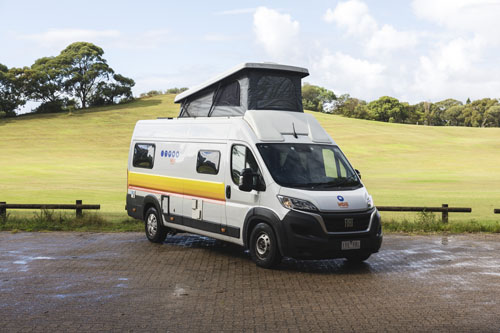
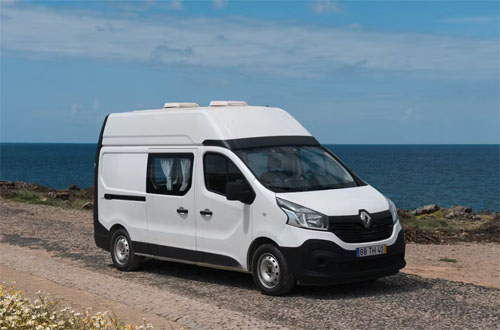
Choosing an RV class for winter in East Europe means prioritizing insulation and robust heating; Class C motorhomes or insulated campervans are often good choices for comfort and maneuverability. For example, a "Category Van" or "Active Classic" campervan, ideal for a couple, offers compact size for city driving, while a "MHC24" Class C motorhome, accommodating up to 6 people, provides more space and larger tanks like a 150-liter fresh water tank. Remember, a standard car driver's license is sufficient for all motorhome classes in East Europe, so there's no need for special permits.
Lock in your rental dates for a winter RV trip well in advance, especially if targeting popular holiday periods or specific winter festivals, to ensure vehicle availability and potentially better rates. While spontaneous travel can be fun, many national and state parks reserve only 25-30% of their spots, leaving the rest for first-come-first-serve; so you'll always find a spot, if not at the first campground, then at the next. Call ahead before driving to confirm availability, especially in winter.
Insurance options typically start with basic coverage included with your rental. However, for comprehensive protection against winter-specific risks like road incidents or freezing damage, consider upgrading your policy. You can upgrade to a top-level deductible for extra peace of mind, ensuring you're covered for unexpected situations. Our full transparency means you compare final prices across suppliers, seeing exactly what you pay with no surprise fees at pickup.
Pre-Trip Prep - Packing Checklist for East Europe
A comprehensive packing checklist for a winter RV trip in East Europe should include layered clothing, essential kitchen items for self-catering, crucial safety gear, and all necessary travel documents. Winter temperatures in countries like Poland, Czechia, and Romania can drop significantly, so adequate preparation is key to a comfortable journey.
Winter clothing should focus on thermal base layers, a waterproof and windproof mid-layer, warm hats, gloves, scarves, and sturdy, waterproof boots with good grip for snow and ice. Remember, layers are always better than one thick item, allowing you to adapt to changing indoor and outdoor temperatures.
Essential kitchen items for a rented RV trip include basic cooking utensils, durable dinnerware, reusable bags for groceries, and a small stock of non-perishable food. Cooking some meals in your motorhome, such as warming stews or hot beverages, can significantly enhance your comfort and save on dining expenses. For inspiration, check out our RV-friendly recipes playlist. On the routes offered through RV PLANET routes, you can itemize and track every expense along the way for easy budgeting.
Safety and navigation essentials for East Europe include a first-aid kit, a reflective vest (mandated in many European countries), a warning triangle, spare fuses, and a reliable GPS with offline maps. Physical maps are also a valuable backup, especially in remote areas where connectivity might be spotty. Consider mentioning our RV Travel Guide to East Europe - Tips and Top Spots 2026 for additional practical advice.
Crucial documents for RV travel in East Europe are a valid driver's license (an International Driving Permit is often recommended for visitors from non-English-speaking countries but is not mandatory in most cases), vehicle registration, insurance papers, passports/visas, and any rental agreements. Always keep copies of important documents separate from the originals.
At the Campground - Setup, Hookups & Etiquette
Setting up your rented RV at a campground involves specific steps to ensure comfort and safety, especially important in colder winter conditions to prevent issues like frozen pipes. Many winter-ready motorhomes, such as the "2 Berth Rover" or "24' Class C Motorhome", have features like heated tanks to mitigate this risk.
Connecting hookups typically follows a sequential order: first electric power (ensuring your RV's heating is fully operational), then fresh water (if available and not frozen), and finally sewer, ensuring proper waste management. In freezing temperatures, it's often advisable to use fresh water from your onboard tank and disconnect the external hose between uses to prevent it from freezing solid.
Adhering to campground etiquette, such as observing quiet hours and respecting fellow campers' space, contributes to a pleasant experience for everyone. Be mindful of noise levels, dispose of trash properly, and keep your site tidy. Many campgrounds will also have specific rules for winter operations, so check in upon arrival.
For winter camping, ensure your water hose is insulated or disconnect it between uses to prevent freezing, and regularly check your RV's heating system to ensure it's functioning optimally. Having extra propane for heating is always a good idea. Consider looking at our Luxury RV Rental in East Europe - Premium Prices 2026 to find rentals with enhanced insulation for maximum comfort.
winter rv rental-Specific Tips for East Europe
For families embarking on a winter RV adventure in East Europe, choosing a motorhome with ample living space and entertainment options for cozy evenings is essential, ensuring kid-friendly stops are planned for shorter winter daylight hours. A larger Class C or A motorhome, like a "6 Berth Deluxe" with beds measuring 150/210cm and 120/190cm, provides comfortable sleeping arrangements for 4-6 people.
Senior travelers might prioritize an RV class with easy maneuverability, comfortable sleeping arrangements, and readily accessible facilities to enhance their winter journey. Campervans or smaller Class C vehicles, such as the "Active Classic" with its compact size, can offer a good balance of comfort and ease of driving on potentially narrow winter roads. Check out Cheap RV Rental in East Europe - Budget Guide 2026 for more economical options.
Budget-conscious travelers can save money by utilizing free overnight parking spots where legally permitted, cooking most meals in their rented RV, and seeking out off-season campground deals. Remember that fuel, campground fees, and groceries contribute significantly to the total trip cost, and on RV PLANET routes, travelers can itemize and track every expense along the way for easy budgeting.
Luxury travelers can enhance their winter experience with premium RV add-ons like enhanced heating, larger water tanks (e.g., the "MHLUX" Class A motorhome has a 260-liter fresh water tank), and integrated entertainment systems, alongside pre-booked gourmet experiences. Many high-end motorhome rentals come with features designed for maximum comfort in colder climates. For more information on premium options, see Luxury RV Rental in East Europe - Premium Prices 2026.
Common Mistakes to Avoid in East Europe
Assuming all European road rules are identical across countries can lead to fines; instead, research country-specific regulations, especially for tolls (vignettes) and mandatory winter tire requirements in East Europe. These requirements can vary significantly, with fines for non-compliance often exceeding €100.
Underestimating the impact of shorter daylight hours and colder temperatures in winter can affect travel plans; instead, plan for fewer miles per day and longer stops to truly enjoy the destinations. Slow travel, averaging 100-150 km per day, is highly recommended to appreciate the unique winter beauty of East Europe.
Failing to carry local currency or understand payment methods can be an issue in East Europe; instead, have some local cash for smaller vendors and inquire about card acceptance, especially in rural areas. While major cities usually accept cards, smaller towns may still rely heavily on cash for transactions.
Ignoring the importance of a robust heating system and proper insulation for winter camping is a common mistake; instead, verify your RV's winterization features before departure. Many modern rental motorhomes are equipped with efficient heating systems and insulated tanks, crucial for comfort when temperatures drop.
Not considering language barriers for roadside assistance is another pitfall; instead, learn a few basic phrases in the local language or have a translation app ready. This can significantly ease communication in an emergency, although Bandana RV is with you before, during, and after your booking to assist with coordination and support.
What is the 3-3-3 rule for RV travel?
The 3-3-3 rule for RV travel suggests limiting driving to no more than 300 miles a day, aiming to stop by 3 PM, and staying at least 3 days in each location. This guideline promotes a relaxed pace, reduces driver fatigue, and allows ample time to explore destinations, which is especially beneficial in East Europe's diverse winter landscapes. Applying this rule during winter in East Europe helps account for slower driving conditions due to snow or ice, shorter daylight hours, and the desire to fully experience local winter markets or activities, ensuring a more enjoyable and less stressful trip.
What is the 4-4-4 rule for RV travel?
The 4-4-4 rule for RV travel advises drivers to aim to arrive at their destination by 4 PM, limit driving to 4 hours per day, and stay for a minimum of 4 nights at each stop. This guideline prioritizes slower, more immersive travel, providing significant time for relaxation, exploration, and avoiding the rush often associated with quick road trips. For winter RV travel in East Europe, following the 4-4-4 rule can mitigate challenges such as reduced visibility and slippery roads by ensuring driving occurs predominantly during daylight hours and allowing for longer, more comfortable stays, fostering deeper cultural immersion and enjoyment of winter activities.
Is Europe RV friendly?
Europe is generally RV friendly, offering a vast network of campgrounds and scenic routes, though friendliness varies significantly between Western and Eastern European countries and regions. In East Europe, RV friendliness is growing, with an increasing number of designated campsites and services; however, infrastructure might be less developed than in Western Europe, and road quality can differ. Many East European countries have specific regulations regarding vignettes (road tolls), mandatory safety equipment (like reflective vests and first-aid kits), and winter tire requirements, which RVers must adhere to. Driving slowly and carefully means you can drive almost anywhere without issues, even in older city centers which can be challenging due to narrow streets and parking restrictions, making smaller, more maneuverable campervans often preferable for urban exploration.
How much does it cost to rent an RV in Europe?
The cost to rent an RV in Europe varies significantly, typically ranging from €50-€150 per day for smaller campervans in the low season to €200-€300+ per day for larger motorhomes in peak season. Factors influencing rental cost include the size and class of the RV (e.g., a "Compact Plus" campervan vs. a "Glamys 265" Class C motorhome), the rental duration (longer rentals often have lower daily rates), the season (winter being generally cheaper than summer), and the specific country of rental. In East Europe, rental prices can sometimes be more competitive than in Western Europe, offering budget-friendly options for explorers. Beyond the daily rental fee, travelers must budget for additional expenses such as insurance upgrades (like the optional top-level deductible), one-way fees (from €150-€500), cleaning fees, fuel, tolls, campsite fees, and potential winterization packages. For comprehensive budgeting assistance, remember that on RV PLANET routes, you can itemize and track every expense.
Is it cheaper to rent an RV or stay in a hotel?
Whether renting an RV is cheaper than staying in a hotel largely depends on the length of the trip, the number of travelers, and your travel style, with RVs often becoming more cost-effective for longer journeys and larger groups. A rented motorhome combines accommodation and transportation costs into one, potentially offering significant savings, especially when factoring in the ability to cook your own meals, which reduces dining expenses dramatically. For short trips or solo travelers, hotels can sometimes be more economical, but for families or extended explorations across multiple destinations in East Europe, a rented RV typically provides better value. To make a realistic comparison, consider all costs: RV rental fees, fuel, campground fees, food, and insurance versus hotel nightly rates, transport (car rental, public transit), and restaurant meals. With tools on RVPLAN.net, you can compare costs for your specific itinerary, like a Weekly RV Rental in East Europe - Pricing 2026.
Can you sleep anywhere in a campervan in Europe?
You generally cannot sleep anywhere in a campervan in Europe; wild camping or 'free camping' regulations vary drastically by country and even by local municipality, with some areas strictly prohibiting it and others permitting it with certain restrictions. In many East European countries, wild camping outside of designated campsites is often restricted, especially in national parks, protected areas, or private land, due to environmental protection and safety concerns. Responsible wild camping, where permitted, involves leaving no trace, respecting local communities, and ensuring you are not blocking access or causing a nuisance. Utilize apps and resources like Park4Night or local tourist information to identify legal overnight parking spots, designated 'stellplatze' (motorhome parking areas), or budget-friendly campsites, which are readily available even in winter. Remember that you'll find a spot; if not at the first campground, then the next one. Call ahead before driving.
What is the 333 rule for campervan?
The 333 rule for campervan travel is identical to the 3-3-3 rule for RV travel, recommending driving no more than 300 miles, stopping by 3 PM, and staying for at least 3 days in one location. This rule, whether for a motorhome or a campervan, promotes a more leisurely and less stressful travel pace, allowing for greater enjoyment of destinations and reducing the risk of fatigue. For detailed guidance on applying this rule to your winter East Europe adventure, please refer to the section 'What is the 3-3-3 rule for RV travel?' above.
What is the 2-2-2 rule for RV travel?
The 2-2-2 rule for RV travel suggests arriving at your destination by 2 PM, limiting driving to no more than 200 miles a day, and staying for at least 2 nights at each stop. This rule is an even slower-paced variation of other RV travel guidelines, emphasizing maximum relaxation, thorough exploration of sites, and minimal stress on travel days. It is particularly well-suited for winter RVing in East Europe, where shorter daylight hours and potentially challenging road conditions make slower travel a safer and more enjoyable option. Adopting the 2-2-2 rule allows more time to set up camp, warm the RV, explore local winter activities like Christmas markets or thermal baths, and simply unwind without constant rushing.
How to pack for 3 weeks in Europe in winter?
Packing for 3 weeks in Europe during winter, especially when RVing, requires a focus on versatile layers, cold-weather essentials, and items that maximize comfort and utility in a compact living space. Key items include thermal underwear, waterproof and windproof outerwear, warm hats, gloves, scarves, and insulated boots suitable for snow and ice. For a comprehensive packing strategy tailored to winter RV travel in East Europe, including specific recommendations for clothing, kitchen, safety, and documents, please refer to the 'Pre-Trip Prep - Packing Checklist for East Europe' section earlier in this article. You might also find valuable tips in our RV Rental Deals in East Europe - Latest Offers 2026 for optimizing your travel budget.
What is the 444 rule for RV?
The 444 rule for RV travel is the same as the 4-4-4 rule, which recommends arriving by 4 PM, limiting daily driving to 4 hours, and staying for a minimum of 4 nights at each location. This approach is ideal for deep exploration and reducing travel fatigue, offering a more relaxed journey across East Europe's winter landscapes. It allows time to truly immerse yourself in the culture and attractions of places like Hungary's thermal baths or Romania's historic towns. For a full explanation of how this rule can enhance your rented RV experience, particularly during winter months, please refer to the section 'What is the 4-4-4 rule for RV travel?' above.
What You Shouldn't Miss
- Budapest's Thermal Baths (Hungary): Imagine soaking in the historic Széchenyi Thermal Bath or Gellért Thermal Bath while it snows around you - a truly magical winter RV experience.
- Christmas Markets in Krakow (Poland): Experience the enchanting Old Town Square transformed by festive stalls, traditional crafts, and mulled wine, easily accessible with a rented campervan.
- Skiing in the Carpathian Mountains (Romania/Slovakia): Park your motorhome near resorts like Poiana Brașov or Jasná for convenient access to winter sports, often offering dedicated RV parking.
- Exploring Transylvania's Castles (Romania): Visit Bran Castle (Dracula's Castle) and Peleș Castle, which are especially dramatic and picturesque under a blanket of snow.
- Visiting Cesky Krumlov (Czech Republic): This UNESCO World Heritage site is a fairytale town that becomes even more charming and less crowded in winter, perfect for slow travel in your RV.
🎬 Video coming soon
Looking for expert insights from Avi Bandana? Top 5 Adventures - recommendations from Avi Bandana
Avi Bandana, our founder, is a true expert in RV travel. He recommends focusing on the unique cultural experiences and natural beauty that truly shine in East Europe during winter. "Don't rush through these incredible countries," Avi advises. "Take your time, enjoy the local hospitality, and allow yourself to be surprised by the hidden gems you find off the main routes." He particularly loves the contrast of bustling city Christmas markets with the serene quiet of snow-covered national parks. His extensive personal experience across 5 continents means his recommendations are genuinely invaluable for discovering the best of your destination with a rented RV.
Final Thoughts
A winter RV rental in East Europe is more than just a trip-it's an invitation to a magical adventure, wrapped in snow and steeped in culture. From the festive glow of city markets to the serene silence of national parks, your rented motorhome or campervan offers the freedom and flexibility to explore at your own pace. With Bandana Caravan, you're choosing a partner who understands the nuances of cold-weather travel and is dedicated to making your experience seamless and enjoyable.
So, embrace the crisp air, the breathtaking scenery, and the warmth of a cozy RV. Imagine sharing warm meals with your loved ones, waking up to snow-covered vistas, and discovering charming towns away from the summer crowds. Get inspired for your next trip and plan a winter itinerary in East Europe with minimal effort and maximum enjoyment. Your East European winter wonderland awaits!
Ready to discover the winter beauty of East Europe by RV? Compare Motorhome Prices for East Europe today and start planning your unforgettable adventure.