In This Guide
- Top 5 Tips for Winter RV Rental in Denver
- Before You Book — Class, Dates, Insurance for a Winter Trip
- Pre-Trip Prep — Winter Packing Checklist for Denver
- On the Road — Winter Driving, Fueling, and Navigation in Denver
- At the Campground — Winter Setup, Hookups & Etiquette
- RV Rental-Specific Tips for a Denver Winter Trip
- Common Winter Mistakes to Avoid in Denver
- What to know before renting an RV for a Denver winter?
- How much to rent an RV for a week in Colorado during winter?
Imagine yourself waking up in a warm, cozy motorhome, pulling back the curtains to reveal a breathtaking view of the snow-dusted Rocky Mountains. With a rented RV in Denver, this isn't a dream; it's your mobile basecamp for a winter adventure unlike any other. The Mile High City is the perfect gateway to world-class ski resorts, serene national forests, and the crisp, invigorating air of a Colorado winter. Forget the hassle of booking multiple hotels—your home on wheels takes you wherever the snowy path leads.
Here at Bandana RV, we're true RV specialists, not some travel agency side department. Since 2001, we've helped tens of thousands of travelers experience the magic of the open road. We believe in full transparency, which means the price you see is the price you get, with no surprises. Let's dive into everything you need to know to plan an unforgettable cold-weather road trip from Denver.
Top 5 Tips for Winter RV Rental in Denver
Successfully planning a winter RV rental adventure from Denver involves five key considerations: ensuring your vehicle is winter-ready, choosing the right layout, preparing for altitude and cold, researching winter-specific logistics, and exploring diverse camping options. Following these tips will set you up for a safe and memorable journey through Colorado's winter wonderland. Get inspired for your next trip!
- Insist on a Winterized RV: When you rent a motorhome in Denver between October and April, it should be "winterized." This process involves adding non-toxic antifreeze to the plumbing system to prevent pipes from bursting. This means you might not have running water on board, but you can still use the toilet with RV antifreeze. Always confirm the winterization status with your supplier.
- Choose Your Class for Comfort: While a nimble Class B campervan is great for navigating city streets, a larger Class C or Class A motorhome often provides better insulation and more powerful heating systems for cold nights. That said, any class of motorhome can be a great winter vehicle. Just drive slowly and carefully, and you can go almost anywhere without issues.
- Prepare for Altitude and Cold: Denver is a mile high, and you'll only go up from there. The combination of high altitude and cold temperatures can affect both you and your vehicle. Pack warm layers, stay hydrated, and be aware that your rented RV's engine may feel less powerful on steep mountain climbs.
- Research Winter Road and Campground Status: Many mountain passes and national park roads close for the season. Major routes like I-70 are kept clear but are subject to Colorado's Traction Law. Additionally, not all campgrounds are open year-round. Plan your route around accessible roads and book sites at year-round parks like Cherry Creek State Park or private RV resorts near your destinations.
- Think Beyond Skiing: While Denver is a gateway to epic skiing, a winter RV trip offers so much more. Explore lower-elevation state parks for serene winter hiking, visit charming mountain towns like Idaho Springs or Georgetown, or simply find a scenic spot to park and enjoy the quiet beauty of the snow-covered landscape.
Before You Book — Class, Dates, Insurance for a Winter Trip
Before you finalize your booking, it's crucial to select the right motorhome class for winter conditions, consider the timing of your trip, and understand your insurance options. Choosing a vehicle with adequate heating, booking during less crowded periods, and ensuring you have proper coverage are foundational steps for a stress-free Denver winter adventure.
🎬 Video coming soon
Choosing Your Winter Motorhome Class
Your choice of a rented RV can enhance your winter experience. As true RV specialists, we can guide you through the options available from our partners like Cruise America and El Monte.
- Class C Motorhomes: These are the most popular choice for a reason. They offer a great balance of living space, sleeping capacity for families, and robust heating systems. The overhead bunk provides excellent extra storage for bulky winter gear.
- Class B Campervans: Ideal for couples or solo travelers, these vans are easier to drive and park, especially in potentially snowy conditions. Their compact size means they heat up quickly, but they offer less interior space for waiting out a snowstorm.
- Class A Motorhomes: The largest and most luxurious option. These mobile homes provide unparalleled space and comfort, often featuring superior insulation, larger water tanks, and powerful furnaces perfect for extended winter trips. Remember, a standard car driver's license is all you need for any class of rental motorhome.
Booking Dates and Insurance
Winter is generally considered the off-peak season for RV rentals in Denver, which means you can often find great deals. Prices are dynamic, like airline tickets, so booking a few months in advance is wise, but last-minute availability is common. While you can be spontaneous, remember that many state and national parks reserve only 25-30% of their spots, leaving the rest for first-come-first-serve arrivals. In winter, it's always best to call a campground ahead of time to confirm they are open and have space.
Every rental includes basic insurance, but winter driving presents unique challenges. For complete travel confidence, you can upgrade to a top-level deductible. This optional coverage provides extra peace of mind, letting you focus on the beauty of the Rockies, not the "what-ifs."
Pre-Trip Prep — Winter Packing Checklist for Denver
Preparing for a winter RV trip from Denver involves strategic packing for extreme temperature fluctuations, high altitude, and cozy evenings in your mobile home. Beyond clothing, your checklist should include vehicle essentials for cold weather and kitchen supplies for hearty meals on the road. A well-packed caravan is your best defense against the Colorado cold.
The beauty of renting a motorhome is having a full kitchen at your disposal. Waking up to the smell of coffee and cooking a warm breakfast before hitting the slopes is a simple luxury you'll love. For some great meal ideas, check out our RV-friendly recipes playlist.
- Clothing: Multiple thermal base layers, fleece mid-layers, waterproof and insulated outer layers (ski jacket/pants), wool socks, insulated winter boots, warm hat, gloves, and a neck gaiter or balaclava.
- For the RV: Extra blankets or a sub-zero sleeping bag, a small shovel, ice scraper, and a bag of cat litter or sand for traction if you get stuck. A heated water hose is essential if you plan to use city water hookups in freezing temperatures.
- Safety & Comfort: A well-stocked first-aid kit, emergency road flares, a headlamp, hand and foot warmers, sunglasses (snow glare is intense), and sunscreen (the high-altitude sun is strong).
- Kitchen: Ingredients for simple, hearty meals like chili or stew, a thermos for hot drinks, and non-perishable snacks.
On the Road — Winter Driving, Fueling, and Navigation in Denver
Navigating Denver and the surrounding mountains in a rented motorhome during winter requires a mindful approach to driving, fueling, and route planning. Adhering to Colorado's Traction Law, maintaining adequate fuel levels, and using reliable navigation to monitor road closures are key to a safe and smooth journey. Remember, the journey is part of the adventure, so travel slowly and savor the views.
Driving any size RV in the city or mountains is manageable. There's no need to stress—just use common sense, drive slowly, and pay close attention to your surroundings. Take wider turns and be aware of your vehicle's height and length.
Winter Driving and the Traction Law
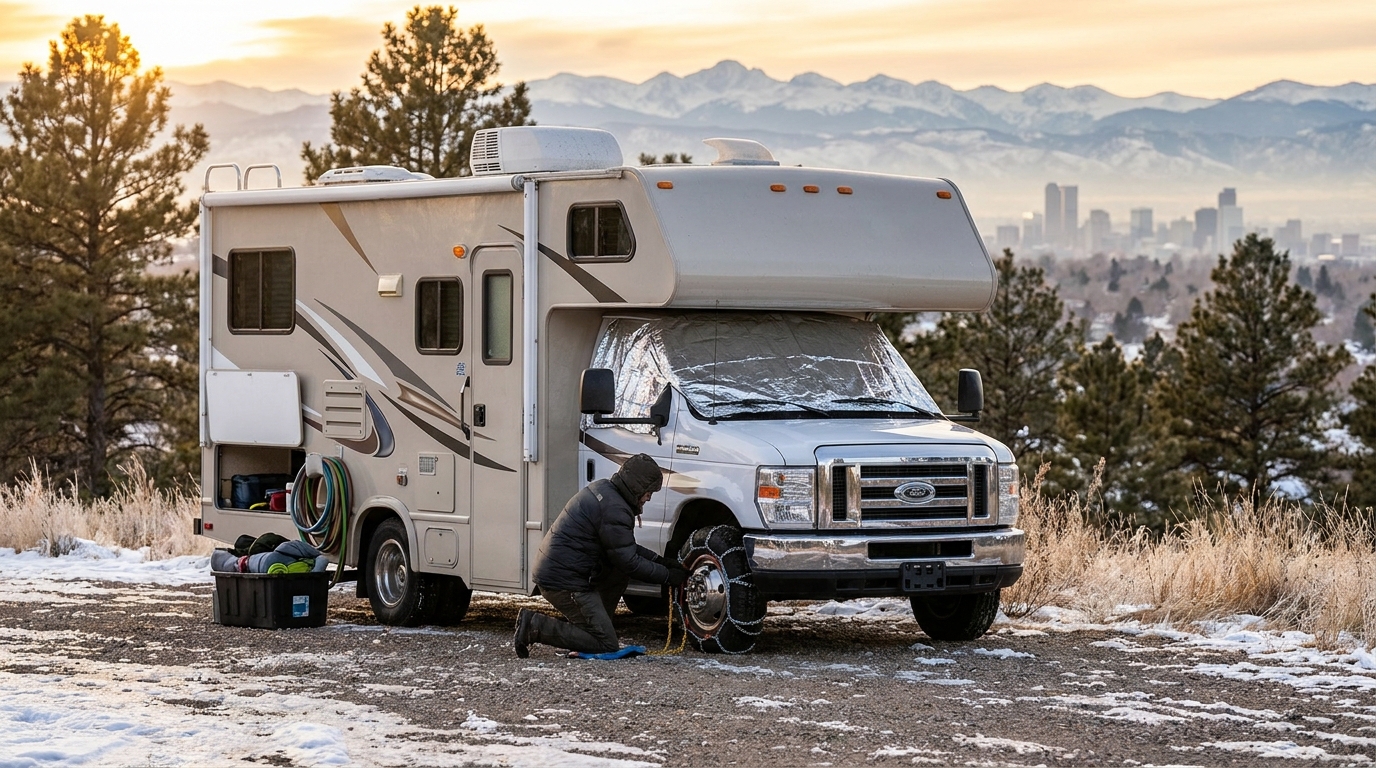
From September 1 to May 31, the I-70 mountain corridor from Denver to Dotsero is under a mandatory Traction Law. This means your vehicle must have appropriate tires or carry chains. Most rental companies equip their fleets with M+S (mud and snow) rated tires to comply, but you should always confirm this. When driving in snow or ice, double your following distance, avoid sudden braking, and use a lower gear when descending steep grades to let the engine help control your speed.
Fueling and Navigation
In cold weather, it's a good practice to never let your fuel tank drop below half. This helps prevent condensation from freezing in the fuel line. Large fuel stations like Flying J or Pilot are RV-friendly, offering ample space. For navigation, use an app like Google Maps or Waze, but always check the official Colorado Department of Transportation (CDOT) website for the most up-to-date information on road closures and conditions before you head into the mountains.
At the Campground — Winter Setup, Hookups & Etiquette
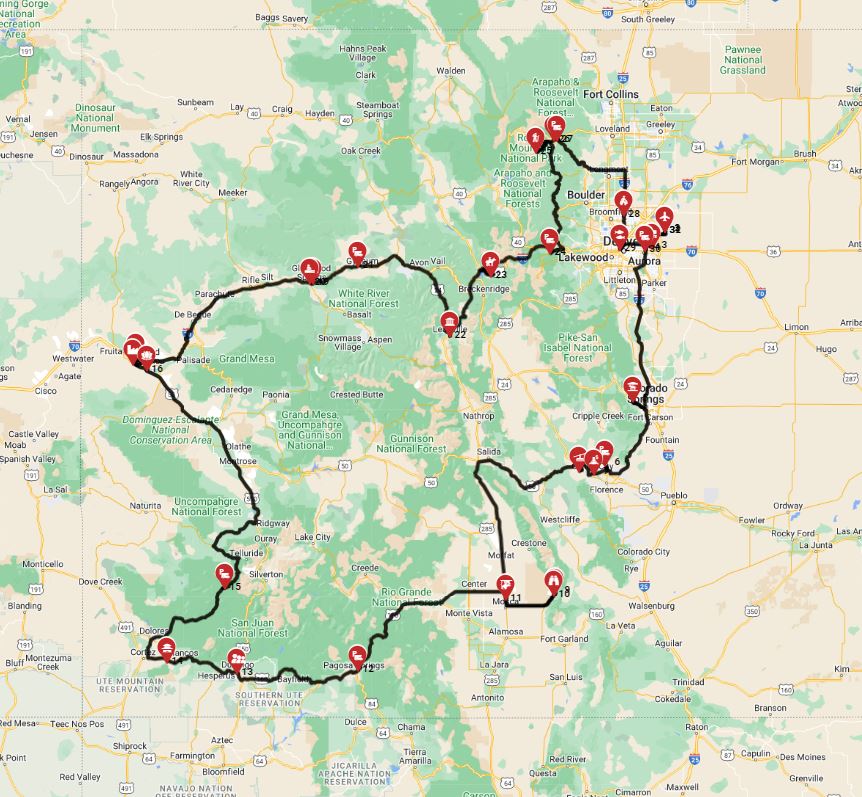
Setting up your rented RV at a winter campground involves a few extra steps to ensure comfort and safety, primarily focusing on managing water and power in freezing temperatures. Understanding how to use your electrical hookup to power heaters, managing propane, and properly handling winterized plumbing are essential skills for a cozy stay. On the routes offered through RV PLANET routes, you can itemize and track every expense along the way for easy budgeting.
Setup and Hookups in the Cold
When you arrive, find the clearest, most level spot. If you plan to use a city water connection, you MUST use a heated water hose to prevent it from freezing solid. Alternatively, simply fill your fresh water tank and use the onboard pump, disconnecting the external hose. Plug into shore power first; this electrical connection will be vital for running space heaters (a great way to supplement your main furnace and conserve propane) and other appliances. Your main furnace runs on propane, so keep an eye on your tank level. For finding campsites and campgrounds during your trip, we recommend using RV PLANET (rvplan.net) — a great resource for locating available spots along your route.
Planning for these ancillary costs like campground fees and extra propane is easy with the tools available. On the RV PLANET routes, travelers can itemize and track every expense along the way for easy budgeting.
Winter Campground Etiquette
Winter camping is often quieter, which is part of its charm. Respect quiet hours, which are typically from 10 PM to 7 AM. Because you and your neighbors might run furnaces or generators more often, be mindful of the noise. Keep your site clear of clutter, and be aware that water spigots or dump stations may be closed for the season. Always call ahead to confirm which facilities are operational.
RV Rental-Specific Tips for a Denver Winter Trip
Tailoring your Denver winter RV rental experience to your travel style can make all the difference, whether you're a family seeking adventure, seniors looking for comfort, or a couple on a budget. Different travelers have different needs, and the flexibility of a rented motorhome allows you to customize your trip perfectly.
- For Families: A Class C motorhome is your best friend. The separate sleeping areas give everyone space, and the onboard kitchen is a lifesaver for preparing kid-friendly meals. Plan your driving days with frequent stops for snowball fights or hot chocolate breaks.
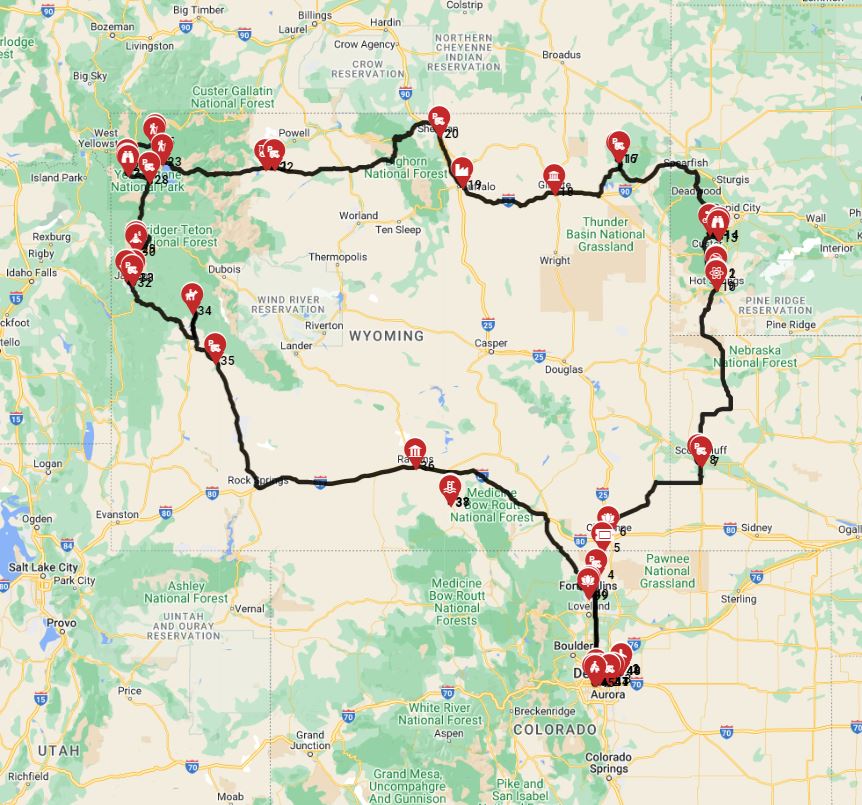
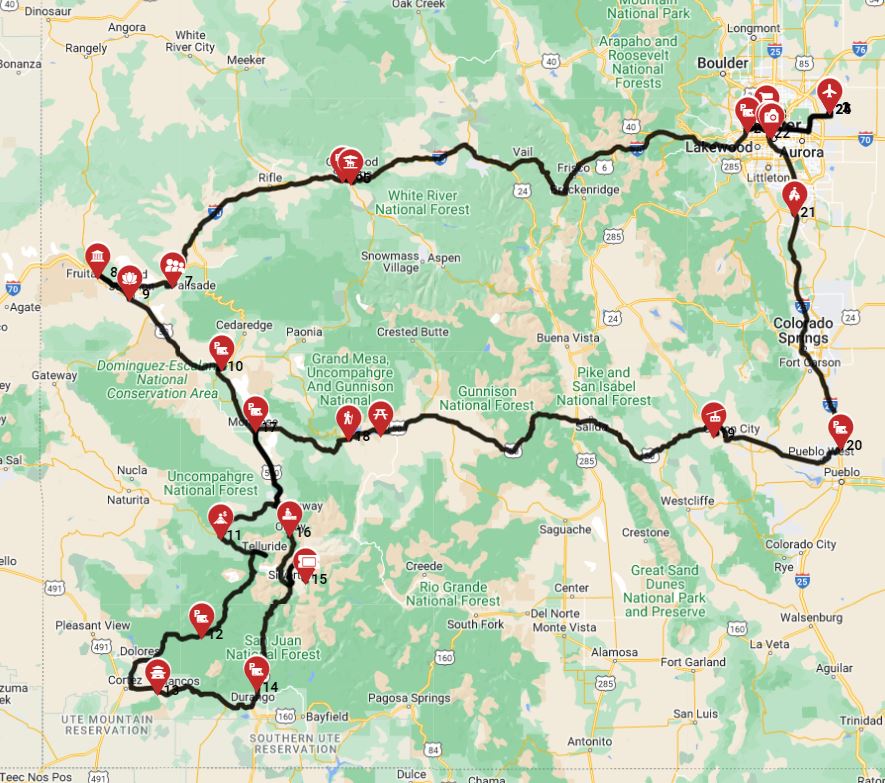
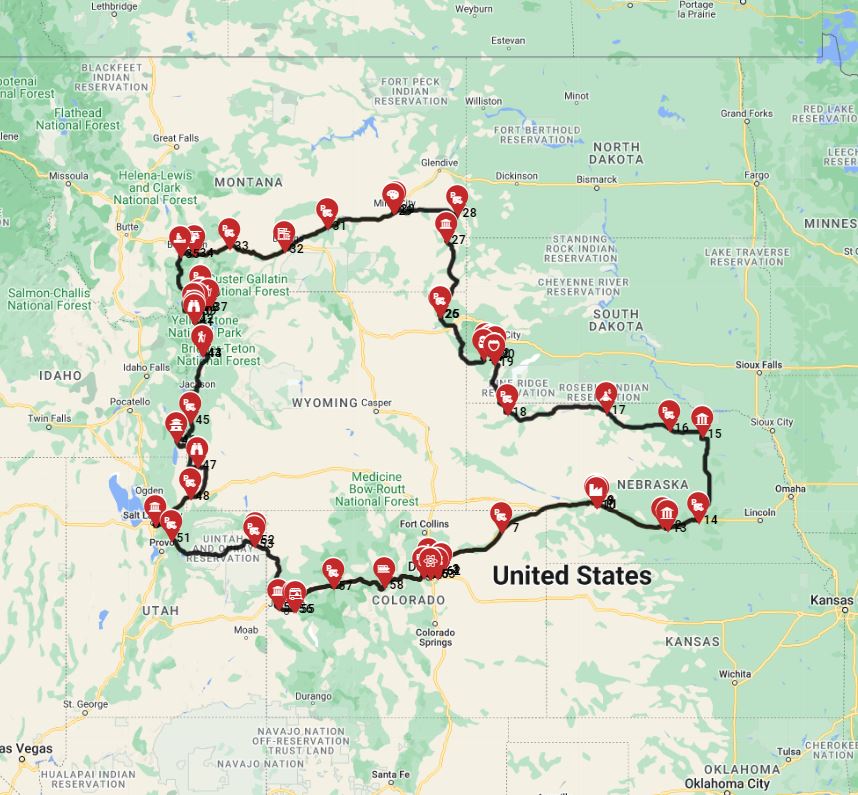
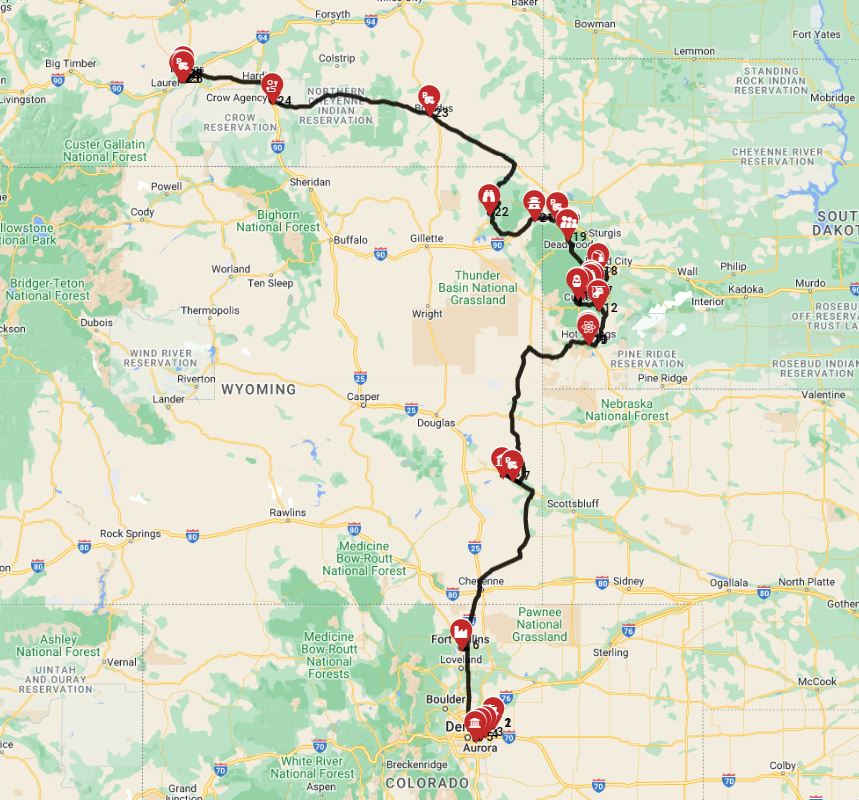
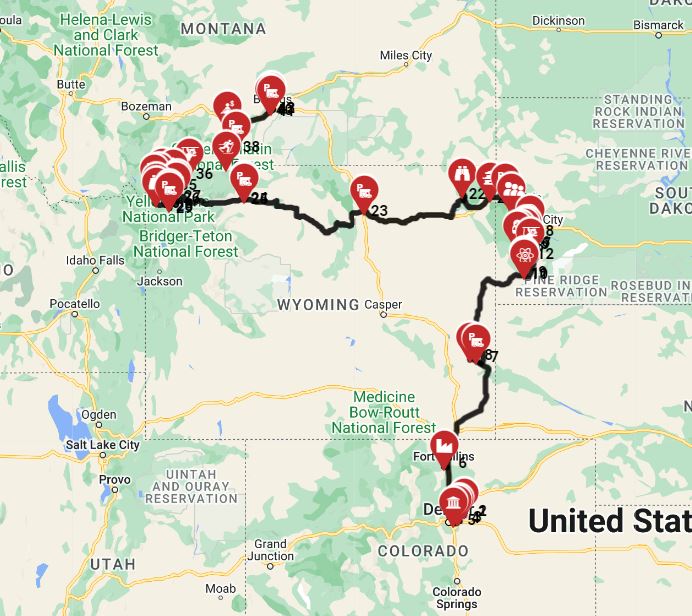
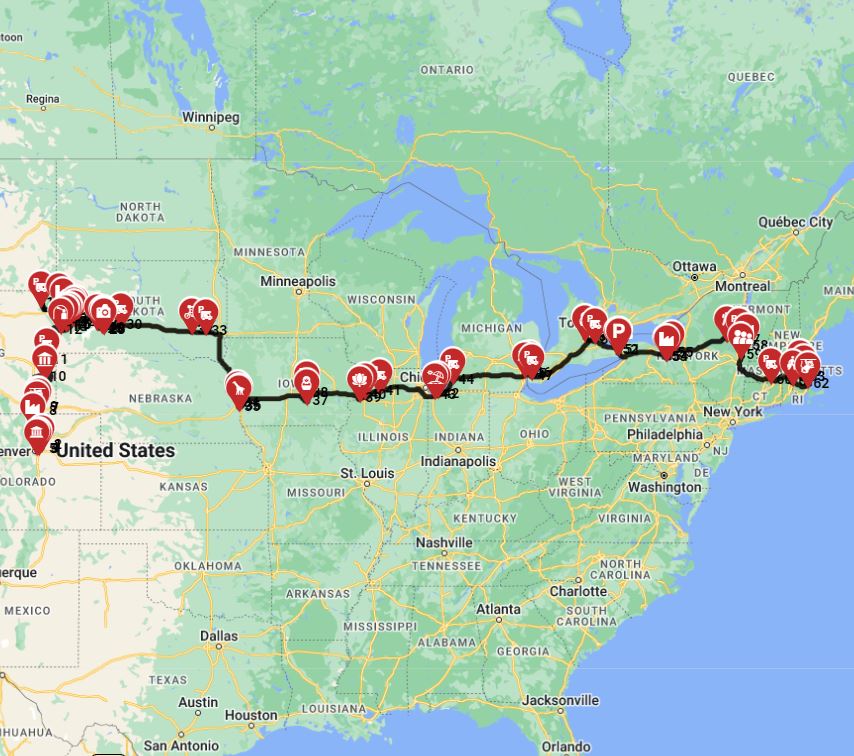
- For Seniors: Consider a smaller, easy-to-drive Class B or a compact Class C. Stick to major, well-maintained highways and choose RV parks with paved, plowed sites and full hookups to minimize outdoor chores in the cold. Many routes, like the "Billings to Denver - Wild West by RV: A Camper Route Planner Journey", stick to scenic but accessible roads.
- For Budget Travelers: Winter is a great time to save. Look for deals on motorhome rentals and stay at Colorado's beautiful state parks, which offer lower rates than private resorts. While dispersed camping (boondocking) is possible, it's for experienced winter campers only due to the challenges of staying warm and powered without hookups.
- For Luxury Seekers: Opt for a premium Class A motorhome. Many come equipped with high-end amenities like heated floors, electric fireplaces, and residential-sized refrigerators. Pair your luxury rental with a stay at a high-end RV resort in a ski town like Breckenridge or Steamboat Springs.
Common Winter Mistakes to Avoid in Denver
Avoiding a few common pitfalls can transform a challenging winter RV trip into an incredible adventure. First-time winter renters in Denver often make mistakes related to water systems, road laws, and underestimating the combined effects of altitude and cold. By planning ahead, you can sidestep these issues and enjoy a smooth, safe journey.
- Letting Water Systems Freeze: This is the number one mistake. If your rented RV is not winterized (plumbing drained and filled with antifreeze), you must keep the heat on at all times and potentially use holding tank heaters. Never let your water hoses or tanks freeze.
- Ignoring the Traction Law: Driving on I-70 without proper tires or chains during a storm is illegal and dangerous. You risk fines and, more importantly, a serious accident. Always confirm your vehicle's compliance.
- Underestimating Propane Usage: Your furnace will be your primary source of heat and it runs on propane. You will use significantly more propane in winter than in summer. Know where to get refills along your route and check your levels daily.
- Driving Too Far, Too Fast: Shorter daylight hours, potential for weather delays, and slower driving speeds mean you can't cover the same distance as you would in summer. Travel slowly, max 100-150 km per day on average. Take time to feel the place and enjoy the scenery. Check out our RV Rental Denver - Complete Guide 2026 for more pacing tips.
- Forgetting to Acclimatize: Don't rush from Denver's 5,280 feet to a ski resort at 10,000 feet. Spend a day or two at an intermediate elevation to let your body adjust to the altitude, drink plenty of water, and avoid strenuous activity on your first day.
What to know before renting an RV for a Denver winter?
Before renting a motorhome for a Denver winter trip, you must understand vehicle winterization, heating systems, cold-weather driving laws, and the availability of year-round services. Ensure your rental includes a winterization package, which protects the pipes from freezing but may limit onboard water usage. You'll rely heavily on the propane furnace for heat, so confirm it's in good working order and plan for more frequent propane refills. Lastly, be aware of Colorado's traction laws and confirm which campgrounds and dump stations are open, as many close for the season.
How much to rent an RV for a week in Colorado during winter?
The cost to rent an RV for a week in Colorado during winter typically ranges from $1,000 to $2,500, depending on the vehicle class and the specific dates. Winter is generally more affordable than the peak summer season, but prices can increase around major holidays like Christmas and New Year's. A standard Class C motorhome might average $150-$200 per day, while a smaller campervan could be closer to $120-$170. This price usually includes basic insurance and a set number of miles, but remember to budget for extras like a winterization fee, propane, fuel, and campground fees. If you need a more detailed breakdown, our guide on RV Rental in Denver - Prices and Best Deals 2026 has you covered.
What You Shouldn't Miss
A winter RV trip from Denver opens up a world of frosty magic. Here are a few can't-miss experiences:
- Drive the Peak to Peak Scenic Byway: Connecting Estes Park to Black Hawk, this route offers stunning, snow-covered views of the Continental Divide. Check road conditions before you go, but it's often plowed and accessible.
- Winter Camp in a State Park: Parks like Cherry Creek, Chatfield, and Boyd Lake State Parks offer year-round camping with electrical hookups, providing a peaceful and scenic home base close to the city.
- Visit a Mountain Town: Stroll through the historic, snow-lined streets of towns like Georgetown or Breckenridge. A rented campervan or motorhome gives you a warm place to retreat for lunch or a nap.
- Soak in a Hot Spring: Drive to Idaho Springs (just 45 minutes from Denver) and soak in the therapeutic waters of the Indian Hot Springs, a perfect antidote to a cold winter's day.
- Experience the National Western Stock Show: If your trip is in January, don't miss this iconic Denver event. It's a two-week celebration of Western heritage, and some nearby RV parks cater specifically to attendees.
Final Thoughts
A winter road trip through the Colorado Rockies is an experience that stays with you. It’s the quiet of a snow-filled forest, the warmth of the RV's heater after a day in the cold, and the freedom to chase the best snow or the clearest starry sky. Denver is your starting line for this incredible adventure, and a rented motorhome is the key that unlocks it all.
With a little preparation and a spirit for adventure, you can have a comfortable, safe, and utterly unforgettable journey. We're here to help you get started with honest advice and a transparent booking process. The mountains are calling, and your cozy home on wheels is ready.
Find Motorhome Rentals in Denver