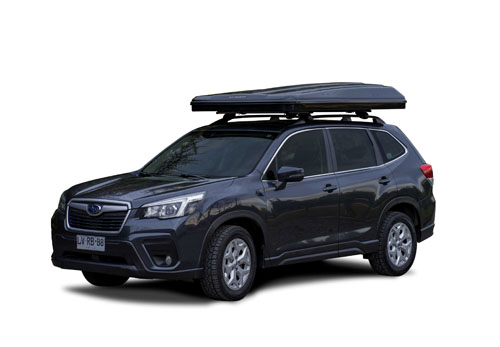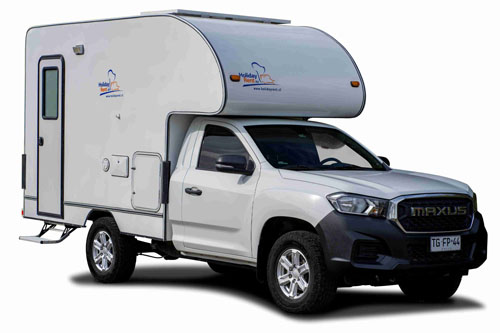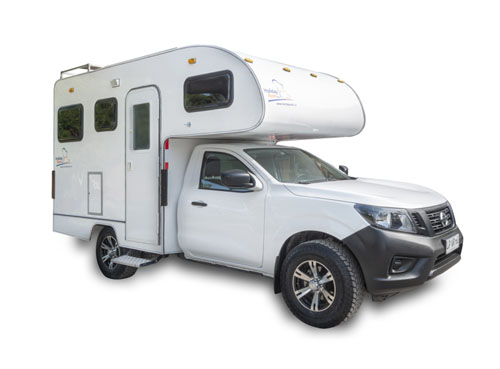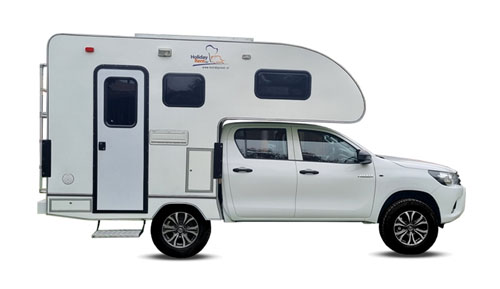
For live availability and current prices, start with our RV Rental Chile - Complete Guide 2026 guide.
In This Guide
- What Winter RV Rental Costs in Chile (2024)
- Seasonal Pricing - Peak vs. Shoulder vs. Off-Season in Chile
- What's Included vs. What's an Add-On
- Hidden Costs to Budget For in Chile
- How to Save on Winter RV Rental in Chile
- Can you RV in winter in Chile?
- What is the best month to RV in Chile?
- Is it safe to RV in Chile?
- Can you wild camp in Chile?
- What is the best RV for Patagonia?
- Can you take a motorhome from Chile to Argentina?
- Is there cell service in Patagonia?
- Do I need an international driving permit for Chile?
- What should I know before renting an RV in Chile?
- Top Cities for RV Rental in Chile
- Country-Wide Practical Information for RV Travelers in Chile
Imagine embracing the crisp air of the Andes, exploring the dramatic desert landscapes of the Atacama, or discovering the serene beauty of the Chilean fjords, all from the comfort of your own rented home-on-wheels. A winter RV rental in Chile offers an unparalleled opportunity for adventure and discovery, allowing you to chase the sun in the north or brave the unique beauty of southern winter landscapes. As true RV specialists, we at Bandana RV understand what makes a memorable journey.
Chile's vast and diverse geography means that "winter" travel can offer completely different experiences depending on the region, from milder conditions in the north to more challenging, snow-dusted beauty in Patagonia. For live availability and current prices, start with our RV Rental Chile - Complete Guide 2024 guide, which provides comprehensive information for planning your Chilean motorhome adventure. We pride ourselves on full transparency, ensuring no hidden fees or surprises throughout your booking process and trip.
What Winter RV Rental Costs in Chile (2024)
RV rental costs in Chile during the winter season (June-August in the Southern Hemisphere) are dynamic and typically range from $80 USD per day for a compact campervan to $250+ USD per day for a larger, more luxurious Class C motorhome like an "Euro Deluxe" model. Prices are flex-rate, meaning they can change daily based on factors like demand, availability, rental duration, and the specific supplier's marketing decisions. A 1-week winter RV trip for a couple in a "Patagonia Camper 4x4 double cab" might start around $560-$800 USD, while a larger "24' Class C Motorhome" for a family could cost between $1200-$1750 USD for the same duration. For a full month's adventure, a smaller motorhome like an "rv rental denver example Category Van" could be rented for approximately $2400-$3000 USD in off-peak winter months, offering a better daily rate for extended travel. We believe in full transparency: what you see is what you pay, with no surprise fees at pickup, so you can confidently plan your budget.
For couples seeking a cozy yet adventurous winter escape, a compact campervan or a smaller Class B motorhome is often the most economical choice, balancing comfort with fuel efficiency. These typically offer sleeping arrangements for 2-3 people, with a double bed around 140/190cm and a compact kitchen setup. Families with kids (4-6 people) will find Class C motorhomes, such as a "Glamys 265" or "Nexus Triumph 29T", more suitable due to their additional sleeping areas, larger living spaces, and often a private shower and toilet, ensuring a comfortable experience for everyone. These larger vehicles, while more expensive, provide the necessary amenities for longer family trips. Remember, prices fluctuate, so comparing options across our 50+ leading RV suppliers is the best way to secure the best deal for your winter RV rental in Chile.
Seasonal Pricing - Peak vs. Shoulder vs. Off-Season in Chile
RV rental prices in Chile fluctuate significantly with the seasons, impacting your winter travel budget. Winter in Chile (June-August) generally falls within the off-season for most of the country, particularly the south, leading to lower demand and more affordable rental rates, often 15-30% lower than peak summer prices. However, this rule changes for popular winter sports destinations in the central Andes, where demand and prices might surge for access to ski resorts, making it a mini-peak season for specific vehicle types. Shoulder seasons, such as March-May and September-November, often present a sweet spot, offering a balance of pleasant weather in many regions and moderate rental pricing, typically 5-10% less than peak. For example, a "Category Small AT" campervan might rent for $110-130 USD/day in the shoulder season, compared to $80-100 USD/day in the true off-season, and potentially $150-180 USD/day in peak. Off-season travel, especially in April, June, or October, generally provides the lowest rates and fewer crowds, making it ideal for budget-conscious travelers seeking a unique perspective on Chile.
Peak season for general RV travel across Chile typically occurs during the Southern Hemisphere's summer, from December to February, when sunny weather and school holidays drive up demand and prices. This is also when Patagonia experiences its best weather, making it the most expensive time to explore the region by rented RV. Conversely, the true off-season for the deep south, like parts of Torres del Paine, runs from June to September, with many services closed and road conditions more challenging due to snow and ice. Understanding these seasonal nuances is key to planning your winter RV rental in Chile effectively, allowing you to maximize your budget or experience regions at their most serene. Our direct partnerships with 50+ leading RV suppliers worldwide allow you to compare these fluctuating prices easily and transparently.
What's Included vs. What's an Add-On
Basic insurance coverage is always included with RV rentals in Chile, providing essential protection for your adventure. However, for enhanced peace of mind, many travelers choose to upgrade to additional insurance tiers, which often include reduced deductibles or more comprehensive coverage. A popular option we offer is top-level deductible reimbursement, an optional upgrade you can purchase for extra security during your travels. Beyond insurance, several other items are typically considered add-ons and may incur extra costs. On the routes offered through RV PLANET routes, you can itemize and track every expense along the way for easy budgeting.
Common add-ons for a rented motorhome or campervan in Chile often include mileage packages, which can be essential for covering Chile's vast distances, especially if you plan an extended road trip like a "Week-Long RV Driving Tour in Chile 2024". Generator usage, kitchen kits equipped with cooking utensils and tableware, and bedding kits with linens and towels are also frequently offered as optional extras. For example, a basic kitchen kit might cost around $50-$70 USD per rental, while a full bedding set for two could be $30-$50 USD. It's crucial to check individual RV listings carefully for precise inclusions and optional extras before booking. Our comparison platform allows you to toggle for these common items, giving you a clear picture of the total cost and ensuring full transparency, so there are no surprises at pickup. For those who enjoy preparing meals in their rented RV, exploring our RV-friendly recipes playlist can be a great way to inspire your on-the-road cooking.
How to Save on Winter RV Rental in Chile
To significantly reduce the cost of your winter RV rental in Chile, consider booking during the shoulder season, such as April or May, when demand is lower, leading to savings of 10-20% on daily rates for many vehicles, including a Class C motorhome or campervan. Opting for a longer rental duration often results in a better daily rate; for instance, a two-week adventure typically offers a lower per-day cost compared to a week-long trip. Choosing a smaller rented RV, like an "rv rental denver example Category Van" or "Active Bunk Auto" campervan, can also lead to substantial savings, not only on the rental price but also on fuel consumption, especially when driving slowly (max 100-150 km per day on average) to truly savor the scenery.
Flexibility with your travel dates and pickup/drop-off locations can also unlock cheaper winter RV rental deals in Chile. If your schedule allows, playing with dates by a few days on either side of your initial plan can reveal significantly lower prices. Last-minute availability exists, particularly in the off-season, but prices are dynamic and not guaranteed, so booking earlier is generally recommended for the best selection and rates. Moreover, utilize comparison platforms like Bandana RV, where you can easily compare final prices across 50+ suppliers to ensure you're getting the most affordable way to rent an RV. For those who enjoy meticulous planning, using RV PLANET (rvplan.net) not only helps craft the perfect route but also offers a 25% planning discount, rewarding pre-planners with organized, budget-friendly itineraries.
Can you RV in winter in Chile?
Yes, RVing in winter in Chile is certainly possible, especially across the central and northern regions, but it presents unique challenges and requires careful planning for southern Patagonia and high mountain passes. The Atacama Desert, for example, experiences mild, pleasant temperatures during its winter months (June-August), making it an excellent time to explore its lunar landscapes without the scorching heat of summer. Central Chile also offers manageable winter conditions, allowing access to vineyards and cultural sites, though some rain might be expected.
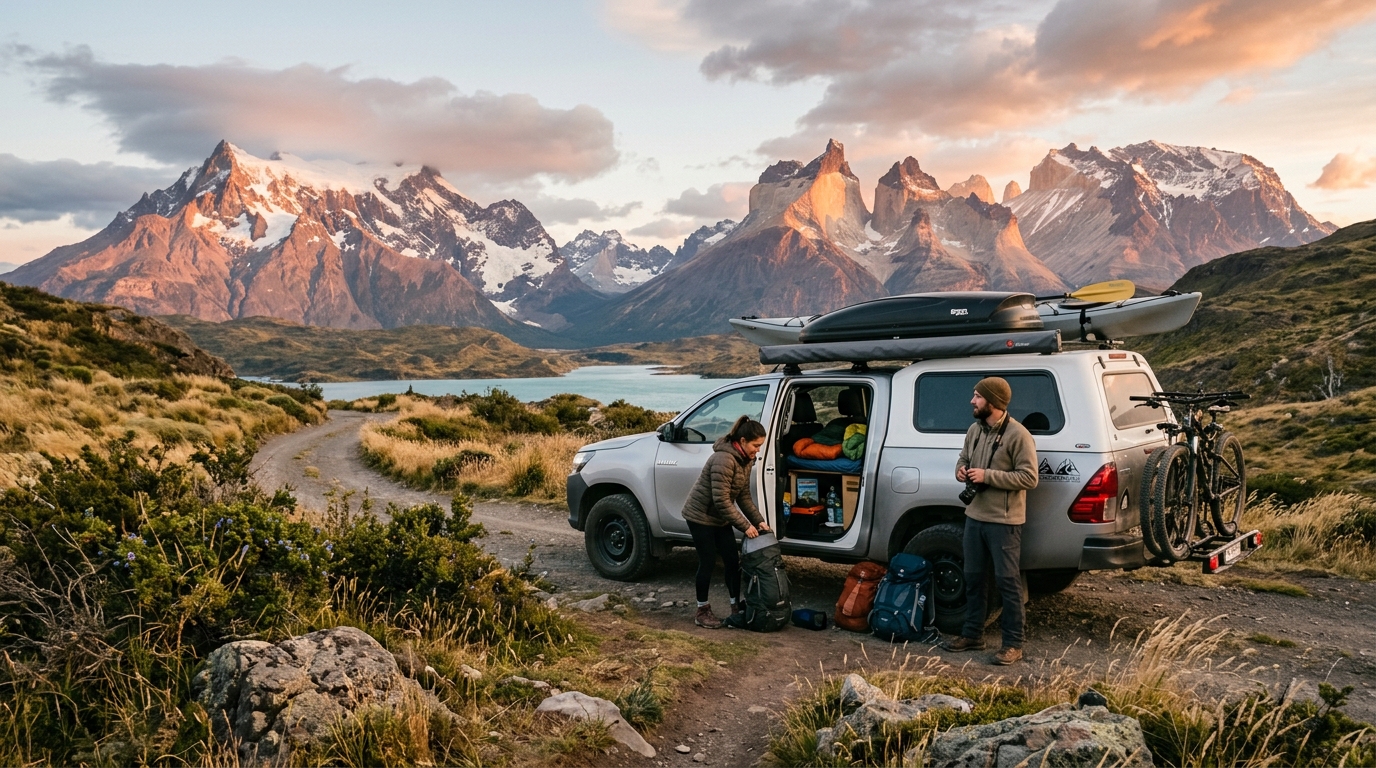
However, venturing into Southern Patagonia, including iconic destinations like Torres del Paine, from June to September means encountering its true winter. Here, roads can experience closures due to heavy snow, strong winds, and ice, and many campsites and tourist services in remote areas may be closed. For such an adventure, a robust, high-clearance vehicle, preferably a 4x4 campervan like a "Patagonia Camper 4x4 double cab" or a "4x4 Truck Camper Gold" with excellent heating and appropriate winter tires, is often recommended. Drive slowly and carefully, and you can drive almost anywhere without issues. No need to stress - just use common sense and pay attention to weather reports and local road conditions.
What is the best month to RV in Chile?
The best month to rent an RV in Chile largely depends on which region you plan to explore, as the country's extreme length creates distinct climate zones. For general, country-wide RV touring that balances good weather with fewer crowds and more moderate pricing, the shoulder seasons of March-April and October-November are often considered ideal. During these months, temperatures are pleasant across central Chile, the Atacama Desert is still accessible, and the Patagonian regions are beginning to open up or winding down, without the peak summer crowds.
For those specifically dreaming of Patagonia and the Carretera Austral, the peak summer months of December to February offer the most stable, warmest weather and longest daylight hours, though this also coincides with the highest rental prices and most crowded campgrounds. Conversely, if your primary interest lies in the Atacama Desert, traveling during the Chilean winter (June-August) can be advantageous. Temperatures are cooler and more comfortable for hiking and exploring the desert's geological wonders, avoiding the intense summer heat. Our vast local expertise across 50+ countries helps us guide you to the best options for your specific travel desires.
Is it safe to RV in Chile?
RV travel in Chile is generally safe, especially when traveling outside major urban centers and exercising standard precautions. Like any travel destination, it's wise to be vigilant, particularly in crowded tourist areas or major cities like Santiago, where petty theft can occur. When planning your overnight stays in a rented motorhome, prioritize official campgrounds or designated safe spots over wild camping in urban or less secure areas. Many Chilean campgrounds offer security, amenities, and a sense of community with fellow travelers.
Always secure your valuables out of sight, lock your vehicle, and be aware of your surroundings. Familiarize yourself with local emergency numbers: 131 for an ambulance, 132 for fire services, and 133 for police. Having a reliable means of communication, such as a local SIM card (Entel, Movistar, Claro) for central areas and possibly a satellite phone for truly remote Patagonian regions, is advisable. We're with travelers before and during their booking, offering support and advice to ensure your journey is as smooth and secure as possible, backed by over two decades of experience helping tens of thousands explore the world by RV.
Can you wild camp in Chile?
Wild camping, often referred to as 'free camping' or 'boondocking,' is widely practiced and generally tolerated in many rural and remote areas of Chile, especially away from towns and private property. While its legality isn't always explicitly defined, common sense and respectful behavior are key. Always seek permission if you are unsure about land ownership or near private property to avoid any issues. In national parks and other protected areas, wild camping outside of designated campsites is typically restricted or requires specific permits, so it's essential to check with park authorities in advance.
When wild camping with your rented campervan or motorhome, always adhere strictly to 'Leave No Trace' principles. This means packing out all trash, properly disposing of human waste, respecting wildlife, and minimizing your environmental impact. Leave your chosen spot in a better condition than you found it. Remember, while you might find a spot, it's always a good idea to call ahead to a nearby official campground if possible, just in case. For finding campsites and campgrounds during your trip, we recommend using RV PLANET (rvplan.net), a great resource for locating available spots along your route, ensuring you always have a plan.
What is the best RV for Patagonia?
For RV travel in Patagonia, a high-clearance, robust vehicle, often a 4x4 campervan or a compact Class C motorhome, is generally recommended due to the region's varied and sometimes challenging road conditions. Roads like the Carretera Austral can include significant stretches of gravel, unpaved sections, and steep inclines, making a standard 2WD vehicle potentially difficult to navigate, especially if weather conditions change. Vehicles like the "Patagonia Camper 4x4 double cab" or similar "4x4 Truck Camper Bronze" models are built to handle such terrain, offering greater stability and control.
Beyond ruggedness, consider a rented RV with good insulation and a reliable heating system, as Patagonian temperatures can drop significantly, even in summer, and especially during the shoulder or winter seasons. Interior features that promote warmth and self-sufficiency, such as a compact kitchen with a gas stove and a refrigerator, become invaluable for preparing warm meals on the go. Ensure your chosen rental motorhome is well-maintained and inquire about comprehensive roadside assistance coverage, as repair services can be sparse in very remote areas. Our team of true RV specialists can help you compare options from 50+ suppliers to find the ideal RV for your Patagonian adventure.
Can you take a motorhome from Chile to Argentina?
Yes, taking a rented motorhome from Chile to Argentina is a popular and incredible option for cross-border travel, allowing you to experience the vast landscapes of both countries. However, this requires specific documentation and pre-approval from your RV rental company well in advance of your trip. You will typically need a notarized letter of authorization from the rental company, commonly known as a 'permiso de salida' or 'border crossing permit'. This document explicitly grants you permission to take the vehicle across international borders and is mandatory for legal passage.
It's crucial to arrange this permit early, as it can take several weeks for the rental company to process and secure the necessary stamps and signatures, and significant fees, usually ranging from $150 to $300 USD, often apply. Additionally, ensure your vehicle insurance coverage extends to international travel in Argentina; some policies may require an upgrade. Be prepared for thorough customs and immigration checks at border crossings, where you'll need your passport, driver's license (and an International Driving Permit for Chile, if applicable), vehicle registration, and the 'permiso de salida'. Crossing the Andes in a rented campervan offers a truly unforgettable experience, connecting you to diverse cultures and breathtaking scenery.
Is there cell service in Patagonia?
Cell service in Patagonia is notoriously intermittent and unreliable, particularly once you venture beyond major towns and into remote areas or national parks. While you might find decent 4G coverage in urban centers like Punta Arenas, Puerto Natales, Coyhaique, or El Chaltén on the Argentine side, connectivity quickly diminishes as you explore the vast wilderness. This makes it essential for RV travelers to have alternative communication and navigation strategies in place for their journey.
Consider purchasing a local Chilean SIM card (e.g., Entel, Movistar, Claro) upon arrival, as these often offer the best chance for local coverage, though dead zones will still be frequent. For critical communication and emergencies in truly remote areas, satellite phones or personal locator beacons (PLBs) are highly recommended. Additionally, offline maps, such as those from Maps.me or Gaia GPS, are indispensable for navigation, allowing you to plot your route and find points of interest without relying on a constant signal. Embracing this limited connectivity allows you to truly disconnect and immerse yourself in the awe-inspiring Patagonian landscape, perhaps enjoying a delicious meal cooked in your rented motorhome kitchen, inspired by our RV-friendly recipes playlist.
Do I need an international driving permit for Chile?
While an International Driving Permit (IDP) is not strictly mandatory for all nationalities to drive a rented RV in Chile, it is highly recommended, particularly for visitors from non-English speaking countries. The IDP serves as a multi-language translation of your valid domestic driver's license, which can be invaluable for police officers, rental company staff, or in case of an unforeseen incident. You must always carry your valid domestic driver's license from your home country alongside your IDP.
It's important to know that a standard car driver's license is sufficient for driving all motorhome classes (Class A, Class B, and Class C) in Chile; no special license, CDL, or additional permits are required for any rented motorhome. The minimum rental age for an RV in Chile is 21, and there are no young driver surcharges or vehicle class restrictions based on age. Having an IDP simply adds an extra layer of ease and legality to your driving experience in Chile, making interactions smoother and ensuring compliance with local recommendations.
What should I know before renting an RV in Chile?
Before embarking on your RV adventure in Chile, it's essential to thoroughly research road conditions for your planned route, as many roads outside major highways, especially in rural or mountainous regions, can be unpaved or gravel. Chile drives on the right-hand side of the road, and standard speed limits are 50 km/h in urban areas, 100 km/h on rural roads, and up to 120 km/h on highways. It's legally mandated to drive with your headlights on at all times when outside urban zones, even during the day. Drive slowly and carefully, and you can drive almost anywhere without issues. No need to stress - just use common sense and pay attention.
Consider downloading RV-specific GPS apps or offline maps tailored for Chile's unique geography, as mobile data coverage can be unreliable in remote areas. Familiarize yourself with local driving customs and always be respectful when interacting with local communities and during transactions. Fuel stations can be sparse in certain remote regions, particularly in Patagonia, so plan your refueling stops strategically, ensuring your tank is topped up before long stretches. For finding campsites and planning your entire journey, RV PLANET (rvplan.net) offers invaluable route plans and resources. We are true RV specialists, dedicated to making your rented motorhome experience as smooth and enjoyable as possible, from pre-booking comparison to post-booking coordination, providing 24/7 support for your queries.
Top Cities for RV Rental in Chile
Chile offers several excellent starting points for your rented RV adventure, strategically located to access different regions of the country's diverse landscape. Each city provides a unique gateway to explore Chile, whether you're heading north to the desert or south to Patagonia. Remember, our expert team can help you compare prices and availability from 50+ suppliers in each of these locations, ensuring you find the perfect motorhome or campervan for your trip.
- Santiago: As Chile's capital, Santiago (and Santiago - Airport) is the primary hub for international arrivals and offers the widest selection of RV rentals. From here, you can easily access the central valleys, coastal regions, and drive north towards the Atacama or south towards Patagonia.
- Arica: Located in the far north, Arica is an ideal starting point for exploring the Atacama Desert and the altiplano, offering unique desert and mountain landscapes.
- Calama - Airport: Another key northern location, especially for direct access to San Pedro de Atacama and the surrounding desert wonders. Renting a campervan here allows for immediate immersion into the desert environment.
- Puerto Montt: The gateway to Chilean Patagonia and the Carretera Austral. This city is perfect for adventurers planning to explore the lakes, fjords, and national parks of the south, where a sturdy rented motorhome is essential.
- Punta Arenas: Situated at the very southern tip of continental Chile, Punta Arenas is the ultimate base for exploring Tierra del Fuego, the Strait of Magellan, and the vast Patagonian wilderness. It's often where travelers pick up a 4x4 campervan for the most rugged adventures.
Each of these cities serves as a convenient pickup point for your next Chilean RV journey. Looking for the easiest, safest, and most affordable way to rent an RV? We compare final prices across 50+ suppliers so you don't have to, making your planning effortless and transparent.
Country-Wide Practical Information for RV Travelers in Chile
Preparing for a rented RV trip across Chile involves understanding certain country-specific regulations and practicalities to ensure a smooth journey. Chile is a right-hand drive country, which is important to remember for international visitors. Speed limits are generally 50 km/h in urban zones, 100 km/h on rural roads, and up to 120 km/h on major highways. Always adhere to posted limits and be mindful that large vehicles like motorhomes may need to adjust speed on winding mountain roads. By law, headlights must be on at all times when driving outside urban areas.
For communication, acquiring a local SIM card from providers like Entel, Movistar, or Claro upon arrival is highly recommended. While coverage is good in populated areas, expect limited or no service in remote regions, especially in Patagonia, necessitating offline maps and potentially a satellite device. Emergency numbers are crucial to have on hand: 131 for an ambulance, 132 for fire services, and 133 for the police. When it comes to national parks, most require an entrance fee and sometimes specific camping permits, so it's best to check official park websites in advance. Fuel stations are available along main routes, but distances can be long in certain areas, particularly when following routes like the Carretera Austral, making strategic refueling a must. Remember, our 24/7 support is there for you before, during, and after your booking, ensuring real people are behind you every step of the way.
What You Shouldn't Miss
- Explore the Atacama Desert's Lunar Landscapes: Drive your rented campervan through the world's driest desert, visiting Valle de la Luna (Moon Valley) near San Pedro de Atacama at sunset, and witnessing the stunning El Tatio geysers at sunrise.
- Journey the Carretera Austral: This legendary route is an RV dream. Navigate your motorhome through pristine fjords, ancient forests, and glacial valleys. Remember the mandatory ferry crossings, which are part of the adventure.
- Hike in Torres del Paine National Park: Although winter can be challenging, the shoulder seasons offer spectacular, less crowded hiking opportunities among granite peaks and turquoise lakes. Park your RV at a designated campsite and set out on day hikes.
- Discover the Lake District: Explore the charming towns of Puerto Varas and Frutillar, with their German heritage, and enjoy views of volcanoes like Osorno and Calbuco from your comfortable rented motorhome.
- Stargaze in the Elqui Valley: Head to this central Chilean valley, renowned for its clear skies and astronomical observatories. It's a perfect spot to park your RV, unwind, and experience unparalleled night sky views.
- Visit Penguin Colonies: Take a ferry from Punta Arenas to Magdalena Island to walk among thousands of Magellanic penguins, or visit the King Penguin Park on Tierra del Fuego for a unique wildlife encounter accessible by RV.
Looking for expert insights from Avi Bandana? Top 5 Adventures - recommendations from Avi Bandana.
🎬 Video coming soon
Final Thoughts
A winter RV rental in Chile is more than just a vacation; it's an invitation to a unique adventure, offering freedom, flexibility, and unforgettable memories. Whether you're navigating the arid beauty of the Atacama or discovering the dramatic winter landscapes of Patagonia, a rented motorhome or campervan serves as your comfortable, mobile base camp. We hope this guide has equipped you with the knowledge and confidence to plan your perfect Chilean road trip, knowing that Bandana RV is with you every step of the way, offering transparent pricing and dedicated support.
Remember to travel slowly, allowing yourself to fully immerse in Chile's diverse culture, delectable food, and awe-inspiring scenery. With meticulous planning and the right vehicle, your winter journey through Chile will be an experience you'll cherish for years to come. Get inspired for your next trip and plan a trip itinerary in advance with minimal effort and maximum enjoyment!
Ready to embark on your Chilean winter adventure? Compare Motorhome Prices for Chile now and find the perfect rented RV to make your dreams a reality!