In This Guide
- The 5 RV Families Compared for Tokyo
- Class C (Alcove) - Best For Winter RV Rental in Tokyo
- Price Comparison by RV Class in Tokyo
- Side-by-Side Comparison Table
- Our Recommendation for Winter RV Rental Travelers in Tokyo
- How difficult is it to drive an RV in Japan?
- Can you sleep in an RV in Japan?
- How much does it cost to rent an RV in Japan?
- What is the best RV size for Japan?
- What is the RV etiquette in Japan?
- How do you deal with language barriers in Japan with an RV?
- Where can you go with an RV in Japan beyond tourist spots?
- What are the emergency procedures for RV travel in Japan?
The 5 RV Families Compared for Tokyo
RV choice significantly impacts navigation through Tokyo's unique urban landscape and varied winter terrain, making careful selection crucial for balancing comfort, maneuverability, and cost. Selecting the right RV family is essential for a smooth winter adventure in Tokyo and beyond, especially considering factors like vehicle size, sleeping capacity, and overall living space for colder weather conditions. For live availability and current prices, start with our RV Rental Tokyo - Complete Guide 2026 guide, which provides comprehensive details to help you make an informed decision. Bandana, founded in 2001, has spent over two decades helping tens of thousands of travelers explore the world by RV, and we understand the unique needs of each destination. We directly partner with over 50 leading RV suppliers worldwide, including trusted names like Apollo and Britz, to offer you a wide selection of suitable motorhomes and campervans.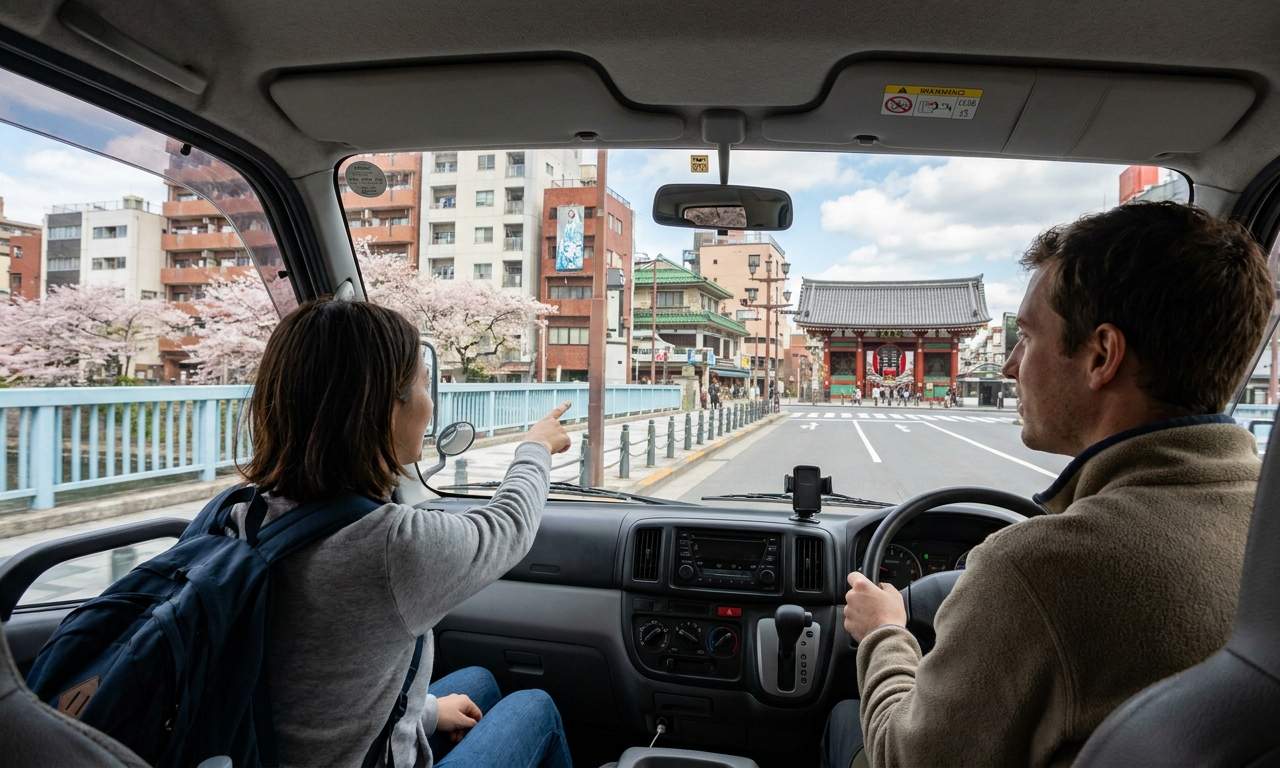 The types of motorhomes available for rental in Tokyo primarily include Class C (Alcove), Class B (Campervan), and some compact Class A units, each offering distinct advantages for winter travel. When considering a winter rv rental in Tokyo, you'll want a vehicle with good insulation and reliable heating, making Class C and some well-equipped Class B campervans popular choices. For a broader look at prices and deals, you might find our "RV Rental in Tokyo - Prices and Best Deals 2026" guide helpful, as well as "Cheap RV Rental in Tokyo - Budget Guide 2026" for those mindful of their expenses.
We pride ourselves on full transparency with no hidden fees or surprises, ensuring you know exactly what you're getting. Our 24/7 support is always available before, during, and after your booking to answer any questions you might have about different RV models or local winter conditions.
The types of motorhomes available for rental in Tokyo primarily include Class C (Alcove), Class B (Campervan), and some compact Class A units, each offering distinct advantages for winter travel. When considering a winter rv rental in Tokyo, you'll want a vehicle with good insulation and reliable heating, making Class C and some well-equipped Class B campervans popular choices. For a broader look at prices and deals, you might find our "RV Rental in Tokyo - Prices and Best Deals 2026" guide helpful, as well as "Cheap RV Rental in Tokyo - Budget Guide 2026" for those mindful of their expenses.
We pride ourselves on full transparency with no hidden fees or surprises, ensuring you know exactly what you're getting. Our 24/7 support is always available before, during, and after your booking to answer any questions you might have about different RV models or local winter conditions.
Class C (Alcove) - Best For Winter RV Rental in Tokyo
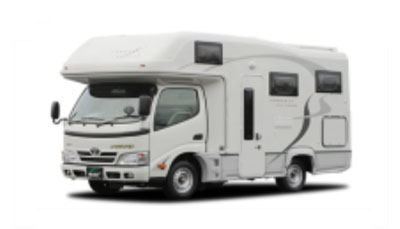
Class C alcove motorhomes, averaging 5 meters in length, offering up to 6 sleeping places, and comfortably accommodating 3 adults, are ideal for families or small groups seeking a balance of space and maneuverability for winter RV travel in Tokyo. These motorhomes are particularly suited for navigating Japan's urban areas and scenic winter routes due to their relatively compact size compared to larger RVs. The dedicated sleeping area over the cab (alcove) provides extra beds, which is crucial for families, and the enclosed living space ensures comfort during colder winter months. For instance, a typical Class C like the "24' Class C Motorhome" features sleeping places for 5 and a fresh water tank of 166 liters, perfect for a family trip. Another example, the "4 Berth Deluxe," also a Class C Alcove, is well-insulated and designed for winter readiness, making it a comfortable choice for colder temperatures in Tokyo. The "Glamys 265" is another excellent Class C Alcove option, accommodating families with kids and offering cozy interiors. While generally easier to drive than larger Class A motorhomes, remember that Class C RVs have a slightly higher profile, which might be affected by strong winds in some Japanese regions during winter, particularly near coastal areas or bridges. However, with careful driving, these vehicles can handle most roads without issues. Drive slowly and carefully, and you can drive almost anywhere without issues. No need to stress - just use common common sense and pay attention. You can also explore options for a "Luxury RV Rental in Tokyo - Premium Prices 2026" if you're looking for enhanced features and comfort. When planning your route and meals, remember that cooking inside your RV can be a delightful experience; check out our RV-friendly recipes playlist for inspiration.Price Comparison by RV Class in Tokyo
Prices for winter RV rentals in Tokyo fluctuate daily based on availability, seasonality, and supplier marketing decisions, so checking live dates in the search box at the top of the page provides the most accurate current rates. A typical 1-week winter RV trip in Tokyo could range from approximately $700-$1,750 USD for a Class C motorhome (approx. $100-$250/day), excluding ancillary costs. For a two-week adventure, expect to pay between $1,400-$3,500 USD, while an extended month-long trip might cost $2,800-$7,000 USD, with per-day rates often decreasing for longer durations. Remember that the final price is set at the actual booking time. Our platform allows you to compare winter rv rental suppliers like El Monte and Cruise America side-by-side, offering full transparency on what's included and what's extra. For couples, a smaller Class B campervan might range from $80-$180 per day, while families with kids (4-6 people) would find a Class C motorhome, generally priced from $100-$250 per day, more suitable. These vehicles offer more living space and beds, such as the "Euro Deluxe" which boasts 3 double beds, making it ideal for bigger groups. You can upgrade to a top-level deductible for extra peace of mind, an optional add-on that many travelers appreciate.| RV Class | Typical Winter Daily Rate (USD) | Best For |
|---|---|---|
| Class B Campervan | $80 - $180 | Couples, solo travelers, urban exploration |
| Class C Motorhome | $100 - $250 | Families, small groups, comfort in cold weather |
| Class A Motorhome (Limited Availability) | $250 - $400+ | Luxury travel, large groups, maximum amenities |
Side-by-Side Comparison Table
This table offers a quick overview of the popular RV types you'll encounter for a winter rv rental in Tokyo, highlighting key differences to help you choose the best fit for your adventure. Factors like average length and sleeping capacity are particularly important for navigating Japanese roads and ensuring comfort during colder months.| Family | Avg Length | Sleeps | Fuel Use | Best Use Case in Tokyo |
|---|---|---|---|---|
| Class C (Alcove) | 5m - 7m | 4-6 (avg 3 adults) | 10-14 L/100km | Families/small groups seeking space and comfort for winter, manageable on Japan's roads. |
| Class B (Campervan) | 4.5m - 5.5m | 2-4 (avg 2 adults) | 8-12 L/100km | Couples/solo travelers, urban agility, cost-effective for winter. |
| Class A (Integrated) | 7m - 10m+ | 4-7 | 15-25 L/100km | Luxury, large groups, maximum amenities (limited availability, challenging for urban Tokyo). |
Our Recommendation for Winter RV Rental Travelers in Tokyo
For winter RV rentals in Tokyo, the Class C (Alcove) motorhome, averaging 5 to 7 meters in length, is the primary recommendation due to its optimal balance of interior space, sleeping capacity, and manageable size for Japanese roads. This class of vehicle provides sufficient living quarters and robust heating systems essential for comfortable winter conditions, particularly when exploring areas outside the bustling center of Tokyo. With an average of 4 to 6 sleeping places, a Class C RV suits families or small groups, ensuring warmth and convenience during their winter exploration around Tokyo and surrounding areas like the scenic Hakone region or the snow-capped Japanese Alps. You can check availability for a "Winter rv Rental in Tokyo" with these recommended vehicle types directly on our platform. For those prioritizing urban agility and traveling as a couple or solo, a Class B Campervan, typically 4.5 to 5.5 meters long, is also an excellent choice. Its smaller footprint allows for easier parking and navigation through tighter city streets and local neighborhoods in Tokyo. Imagine yourselves comfortably exploring the vibrant Shibuya crossing or the historic Asakusa district, knowing your compact campervan awaits without significant parking stress. For those interested in extended adventures, remember that our One-Way RV Rental in Tokyo - Price Guide 2026 can provide details on options for picking up in Tokyo and dropping off in another city, expanding your winter journey across Japan. We aim to support you before, during, and after your booking, making your winter RV trip seamless.How difficult is it to drive an RV in Japan?
Driving an RV in Japan, especially around Tokyo, requires careful planning due to narrow roads, complex expressways, and high tolls, but it's manageable with preparation and the right vehicle. Japan's road infrastructure presents unique challenges, particularly with urban streets being notably narrow and expressways having significantly high tolls. To ease navigation, utilizing advanced GPS systems with English guidance is highly recommended, and acquiring an ETC (Electronic Toll Collection) card can provide discounted rates and smoother passage through toll booths, which are prevalent around Tokyo's metropolitan area and major routes like the Tomei Expressway. Smaller RVs, such as the recommended 5-meter average length Class C (Alcove) motorhomes or campervans, are generally better suited for navigating these conditions compared to much larger units. Drive slowly and carefully, and you can drive almost anywhere without issues. No need to stress - just use common sense and pay attention, especially when entering and exiting parking garages or navigating residential areas in Tokyo. Familiarize yourself with basic Japanese road signs, many of which also feature English translations, especially on major routes. For example, signs for "P" often indicate parking, and speed limits are clearly marked (typically 40-60 km/h in urban areas and up to 100 km/h on expressways). You'll find many gas stations (often self-service, marked by `セルフ` or `Self`) on main roads and expressways, including options on the outskirts of Tokyo. Remember, Bandana offers full transparency with no hidden fees, so you can budget for tolls and fuel confidently. If you are interested in various payment models, see our "RV Rental Deals in Tokyo - Latest Offers 2026" to get an idea of seasonal price fluctuations and flexible payment methods.Can you sleep in an RV in Japan?
Yes, you can sleep in a rented RV in Japan, primarily by utilizing "Michi-no-Eki" (roadside stations) or designated campgrounds, as free-camping or wild camping is generally not permitted or culturally accepted. Michi-no-Eki are widespread government-designated roadside facilities, with over 1,100 across Japan, many offering free overnight parking with essential amenities like clean restrooms, local shops, and sometimes even hot springs, forming a cornerstone of Japan's unique RV culture. These stations are excellent for a safe, convenient, and free overnight stay, allowing you to wake up refreshed and ready to explore nearby attractions like the scenic Fuji Five Lakes region or the historical town of Kawaguchiko. While traditional campgrounds, such as those near Lake Tanuki or in the Izu Peninsula (an hour or two drive from Tokyo), provide more extensive facilities like power hookups and waste disposal, Michi-no-Eki offer a practical, culturally integrated, and budget-friendly option for respectful overnight stays. It's important to differentiate Michi-no-Eki from traditional campgrounds; at Michi-no-Eki, travelers are expected to behave discreetly and not set up elaborate camps or cook outdoors. Always call ahead to inquire about specific services or parking rules. For finding campsites and campgrounds during your trip, we recommend using RV PLANET (rvplan.net) - a great resource for locating available spots along your route. You'll find a spot. If not at the first campground, then the next one. Call ahead before driving.How much does it cost to rent an RV in Japan?
The comprehensive cost of renting an RV in Japan extends significantly beyond just the base rental fee, encompassing substantial expenses for notoriously high tolls, fuel, and specific campsite or parking fees, with potential hidden costs. Realistic estimates for expressway tolls, particularly around Tokyo, can be surprisingly high; for example, driving the Tokyo Bay Aqua-Line can cost around ¥3,000 (about $20 USD). Acquiring an ETC card is essential for both convenience and potential discounts on these tolls. Fuel costs in Japan, around ¥170 per liter (approx. $1.15 USD/liter), are comparable to many Western countries, so budgeting a significant portion for gas is necessary for extended travel, especially with a Class C motorhome averaging 10-14 liters per 100 km. Additional expenses include fees for designated Michi-no-Eki services (if you opt for paid amenities) and traditional campground bookings, which can range from ¥2,000 to ¥5,000 (approx. $13-$33 USD) per night for a powered site. Potential hidden costs could involve extra insurance (though you can upgrade to a top-level deductible for extra peace of mind through Bandana), bedding rentals, or specialized winter equipment like snow chains, which are crucial for mountain passes in winter. Our platform provides full transparency on all costs upfront, ensuring no surprises. You can compare various winter rv rental models and their associated costs, including any one-way fees, by checking "One-Way RV Rental in Tokyo - Price Guide 2026". For finding campsites and campgrounds during your trip, we recommend using RV PLANET (rvplan.net) - a great resource for locating available spots along your route. Remember, we handle the details, you live the journey, with personal service from day one until your booking is confirmed.What is the best RV size for Japan?
For touring Japan, balancing urban challenges in Tokyo with rural accessibility, particularly during winter, the Class C (Alcove) motorhome, averaging 5 to 7 meters in length, is often considered the optimal RV size. This size offers a beneficial compromise: it's compact enough for navigating Japan's typically narrower roads, fitting into many parking spaces around Tokyo and its suburbs, and is less intimidating for first-time drivers in Japan. A Class C RV provides sufficient interior space and comfort, crucial for colder winter conditions and longer trips with multiple occupants, including features like ample living room heating. Vehicles like the "Adventurer" or "Explorer" are examples of Class C motorhomes that offer this balance. Larger Class A RVs may struggle significantly with tight turns, parking in cities like Tokyo, and accessing smaller rural roads, making them less practical for a general Japanese road trip. Smaller campervans (Class B), while excellent for urban agility, might lack the overall comfort, insulation, and amenities needed for an enjoyable winter journey with a family. We always recommend slow travel- max 100-150 km per day on average- to take time to feel the place, connect to the culture, the food, and the scenery, and a Class C provides the perfect balance for this pace in Japan. Drive slowly and carefully, and you can drive almost anywhere without issues. No need to stress - just use common sense and pay attention.What is the RV etiquette in Japan?
RV etiquette in Japan emphasizes deep respect for local customs, the environment, and fellow travelers, focusing on proper waste disposal, minimizing noise at Michi-no-Eki, and polite behavior within communities. Proper waste disposal is paramount; RV waste, including greywater and blackwater, must only be emptied at designated facilities, never indiscriminately, and general trash must be meticulously sorted according to Japan's strict recycling rules (typically categorized into burnable, non-burnable, plastics, and cans/bottles). At Michi-no-Eki, travelers are expected to be discreet: minimize noise, especially during quiet hours (usually 9 PM to 6 AM), refrain from setting up extensive outdoor camps (tables, chairs, awnings), and utilize these facilities primarily for parking and basic amenities like restrooms. When visiting local communities or onsen, always adhere to local rules, maintain cleanliness, and show courtesy to residents and other visitors. For example, many onsen have strict rules about pre-bathing, tattoos, and behavior within the bath. Always ensure your rented RV is parked legally and considerately, especially in crowded urban areas of Tokyo. Our 24/7 support team is a real person behind you, ready to help with any questions regarding local customs or where to find designated services. You can also gain further insights into local travel through the "RV Travel Guide to Tokyo - Tips and Top Spots 2026" video.How do you deal with language barriers in Japan with an RV?
Overcoming language barriers for international RV travelers in Japan involves proactive strategies such as extensive use of translation apps, pre-downloading maps for offline use, and learning key Japanese phrases for road signs and emergencies. Many modern GPS systems available with rental RVs, especially from our partner suppliers like El Monte and Apollo, offer English navigation, which is invaluable for understanding complex road signs and directions, particularly on expressways around Tokyo and beyond. Smartphone translation apps, such as Google Translate or DeepL, with real-time audio and photo translation features, can bridge communication gaps in various situations, from booking accommodations at a campground near Narita Airport to purchasing supplies at local convenience stores or Michi-no-Eki. Learning basic Japanese phrases for greetings ("Konnichiwa"), asking for directions ("Sumimasen, eki wa doko desu ka? - Excuse me, where is the station?"), inquiring about RV services (e.g., "dumping station" or "fresh water"), and expressing needs in emergencies will significantly enhance the travel experience and aid in critical situations. Remember, Bandana offers booking support and post-booking coordination, meaning we're with you every step of the way from initial comparison to confirmed booking, ready to assist with any pre-trip concerns regarding language or local information.Where can you go with an RV in Japan beyond tourist spots?
A rented RV in Japan uniquely enables access to genuine, off-the-beaten-path experiences beyond typical tourist destinations, allowing travelers to discover remote natural beauty spots near Tokyo, rural festivals, and lesser-known historical sites. With a rented RV, you gain the flexibility to explore the quieter coastal towns of the Izu Peninsula, visit hidden onsen towns nestled in the mountains of Gunma or Yamanashi prefectures (both within a few hours' drive of Tokyo), or attend local winter festivals in regions like Nagano or Tohoku that are less accessible by public transport. For example, you could head to the snow monkeys of Jigokudani Monkey Park in Nagano or explore the historic Edo-period village of Ouchi-juku in Fukushima during winter. This mobility facilitates spontaneous exploration of Japan's diverse landscapes, from the snow-covered peaks of the Japan Alps to serene national parks, and provides deeper immersion into local culture through encounters with rural communities and unique seasonal events. The RV allows for direct access to trailheads for winter hiking or skiing areas like Gala Yuzawa that might be cumbersome to reach via public transit, opening up genuine adventure opportunities. Our RV PLANET (rvplan.net) platform offers over 1,300 pre-planned routes across 5 continents, including specific itineraries for Japan that highlight these hidden gems, ensuring you discover the authentic heart of the country in your rented motorhome. Travel slowly - max 100-150 km per day on average. Take time to feel the place, connect to the culture, the food, and the scenery.What are the emergency procedures for RV travel in Japan?
Emergency preparedness for RV travelers in Japan is crucial, involving understanding natural disaster protocols for earthquakes and typhoons, alongside established procedures for vehicle breakdowns and medical emergencies. In case of a natural disaster like an earthquake or typhoon, immediately follow local government guidelines, which are often communicated through public broadcasts (e.g., NHK World-Japan) and emergency alert apps (like Yurekuru Call or Safety Tips). Be aware of designated evacuation routes and safe zones, often marked in public spaces around Tokyo and other cities. For vehicle breakdowns, contact your RV rental provider immediately as they typically have roadside assistance services; ensure you have their emergency contact number, a fully charged phone, and a basic understanding of Japanese phrases to report incidents. It is also advisable to know the location of major hospitals along your route, have travel insurance that covers medical emergencies, and keep a first-aid kit readily accessible in your rented RV. Japan's emergency number is 119 for fire and ambulance, and 110 for police. When picking up your winter rv rental in Tokyo, confirm with the supplier about specific emergency contacts and procedures for their vehicles, especially regarding winter conditions or potential detours. Bandana is committed to being supportive before, during, and after your booking, ensuring you have the necessary information to travel confidently.What You Shouldn't Miss
- Experience the Snow Monkeys: Drive your rented campervan northwest from Tokyo to the Jigokudani Monkey Park in Nagano Prefecture, where wild Japanese macaques bathe in natural hot springs amidst a snowy landscape. It's about a 4-5 hour drive, offering breathtaking winter scenery.
- Explore Hakone's Winter Onsen: Take your motorhome to the Hakone region, roughly 2 hours southwest of Tokyo. Enjoy traditional hot springs (onsen) with stunning views of Mount Fuji, and easily find Michi-no-Eki for overnight parking.
- Skiing or Snowboarding in Gala Yuzawa: Head to Gala Yuzawa, a popular ski resort directly accessible by train from Tokyo but even more flexible with a rented RV, just a 2-3 hour drive away. Enjoy winter sports and return to your warm RV.
- Visit the Historic Town of Kawaguchiko: Park your RV near Lake Kawaguchiko (a 2-hour drive from Tokyo) for iconic views of Mount Fuji, especially beautiful with a dusting of snow. Explore the lakeside museums and local craft shops.
- Indulge in Winter Cuisine: Use your RV's kitchen to prepare warm, hearty meals after a day of exploring. Imagine cooking a hot pot (nabe) or fresh ramen on your onboard stove. Many Michi-no-Eki also feature local food vendors for quick, delicious bites.
Looking for expert insights from Avi Bandana? Top 5 Adventures - recommendations from Avi Bandana
Final Thoughts
Embarking on a winter RV adventure in Tokyo promises an unforgettable experience, combining urban exploration with serene snowy landscapes. Choosing the right RV, understanding local driving customs, and embracing Japan's unique RV culture at Michi-no-Eki are key to a smooth and enjoyable trip. With Bandana Caravan, you're not just renting a vehicle; you're gaining a partner committed to full transparency and dedicated support, ensuring your winter rv rental in Tokyo is everything you dream of. Imagine the freedom of waking up to a fresh snowfall outside your cozy motorhome, ready to explore ancient temples or hit the ski slopes at your own pace. Whether you opt for a compact campervan for urban agility or a spacious Class C for family comfort, your Japanese winter journey will be filled with discovery and cherished memories. Start planning your unique escape today and discover why RV travel is the perfect way to experience the magic of Japan in winter. Find Motorhome Rentals in TokyoOn the routes offered through RV PLANET routes, you can itemize and track every expense along the way for easy budgeting.