In This Guide
- The 5 RV Families Compared for Iceland
- Class A (Integrated) - Best For
- Price Comparison by RV Class in Iceland
- Class SI (Semi-Integrated) - Best For
- Class C (Alcove) - Best For
- Class B (Campervan) - Best For
- Class TC (Truck Camper) - Best For
- Side-by-Side Comparison Table
- Our Recommendation for winter rv rental Travelers in Iceland
- How cold is Iceland in winter?
- Is it safe to drive in Iceland in winter?
- Do you need a 4x4 for Iceland in winter?
- Can you self drive Iceland in winter?
- Is the Ring Road open in winter?
- What specific gear and packing list items are essential for an Iceland winter RV trip?
- What is the best month for Northern Lights in Iceland?
- Is November a good time to visit Iceland?
- Is December a good time to visit Iceland?
- Is January a good time to visit Iceland?
- Is Iceland good to visit in February?
- What is the cheapest month to go to Iceland?
- What part of Iceland is best in winter?
- Is 5 days enough for Iceland in winter?
- What to do in Iceland for 3 days in winter?
- How do I manage food and cooking in an RV during winter in Iceland?
- Where can I find detailed camping logistics for winter RV travel in Iceland?
- How can I practice responsible and sustainable RVing in Iceland?
The 5 RV Families Compared for Iceland
Choosing the right RV family is crucial for an Iceland winter trip due to the country's unique terrain, extreme climate, desired trip length, and group size, all directly impacting your comfort, maneuverability, and safety. Selecting the optimal rented RV ensures an exceptional experience, expertly balancing warmth, interior space, and cost with Iceland's often challenging winter conditions. You'll want to carefully consider the vehicle's size for navigating snowy roads, its insulation capabilities for the pervasive cold, and its onboard amenities given that winter services at some locations might be limited. For live availability and current prices, start with our RV Rental Iceland - Complete Guide 2026 guide.
Class A (Integrated) - Best For
Class A integrated motorhomes, with Bandana's global fleet averaging 7.5 meters in length and sleeping 4 to 6 people, are best suited for larger groups or families seeking maximum comfort and amenities during an Iceland winter RV rental. These spacious RVs offer expansive living areas, larger fresh and waste water tanks for extended off-grid stays (which can be crucial when winter campsite services are limited), and often feature superior insulation against the cold. For instance, the "Family Sleeper (MA)" Class A motorhome has a 167-liter fresh water tank, a 105-liter waste water tank, and seats 6, making it excellent for longer trips. While their larger size may require more confident driving on potentially icy or narrow winter roads, many are equipped for the challenge. Bandana's fleet in this class typically consumes around 11-12 Liters/100 km and boasts an average load capacity of 209.5 kg, which is ideal for carrying extensive winter gear and supplies. The main trade-offs for this luxurious choice include higher fuel consumption and potentially reduced maneuverability on smaller roads or during periods of high winds.
Price Comparison by RV Class in Iceland
RV rental pricing is dynamic and fluctuates daily based on factors such as demand, seasonal availability, and individual supplier marketing decisions. Consequently, fixed prices cannot be guaranteed. The table below presents real example prices from Bandana's live search for various RV classes and rental durations in Iceland, giving you a realistic idea of potential costs. These figures are illustrative and can change, emphasizing the importance of checking current rates for your specific travel dates. For instance, booking a Class B campervan for a week in November might average around €180-€250 per day, while a larger Class C for a two-week December trip could range from €300-€500 daily.
Live April Price Comparison — RV Class × Trip Length
| Trip length | Class A | Class B | Class C | Class SI | Class TC |
|---|---|---|---|---|---|
| 1 week 15/04 → 22/04 | 1,339.20 € EUR | 721.80 € EUR | 1,103.80 € EUR | 960.00 € EUR | Check prices |
| 2 weeks 15/04 → 29/04 | 2,498.40 € EUR | 1,333.60 € EUR | 2,037.60 € EUR | 1,765.00 € EUR | Check prices |
| 1 month 01/04 → 30/04 | 4,872.00 € EUR | 2,630.80 € EUR | 3,955.80 € EUR | 3,448.60 € EUR | Check prices |
Estimates only — flex-rate prices change daily based on availability and season.
Prices update in real-time, so for the most current rates and availability for your winter RV adventure, please use the search box at the top of the page. We offer full transparency, ensuring what you see is what you pay, with no hidden fees or surprises.
Class SI (Semi-Integrated) - Best For
Class SI semi-integrated motorhomes, typically averaging 6.9 meters in length and accommodating 3 to 4 people from Bandana's global fleet, offer a balanced choice for winter RV travelers in Iceland, blending comfortable living with improved maneuverability compared to larger Class A units. These rented RVs are excellent for couples or small families, providing sufficient living space and amenities to comfortably navigate winter conditions while being easier to handle on Iceland's often winding or snowy roads. The "MH6 - FREYJA" or "Kiwi Compact" are examples of semi-integrated motorhomes that come equipped for winter conditions. Bandana's fleet generally consumes 10-11 Liters/100 km and has an average load capacity of 72.2 kg, making them practical for a cozy winter trip without the bulk of an integrated unit. Their design, often built on a van chassis, offers a good compromise between a campervan's agility and a larger motorhome's interior comfort, making them a popular choice for those wanting to experience the beauty of Iceland in winter.
Class C (Alcove) - Best For
Class C alcove motorhomes, averaging 7.5 meters in length and sleeping 5 to 7 people from Bandana's global fleet, are ideal for families or larger groups seeking cost-effective and spacious winter RV travel in Iceland, particularly due to the extra sleeping area situated over the cab. These rented RVs provide ample space and comfort for colder months, making them suitable for longer trips where communal living space is highly valued. For example, the "6 Berth Deluxe" or "Nexus Triumph 29T" offers significant sleeping capacity. With an average fuel consumption of 10-12 Liters/100 km and a load capacity of 42.4 kg, they present a robust option for winter, though their height can make them more susceptible to Iceland's notoriously strong winds. Their elevated driving position provides excellent visibility, which is a key benefit in challenging winter road conditions, allowing you to drive slowly and carefully, and navigate almost anywhere without issues. For a comprehensive overview of prices and deals, consider our RV Rental Deals in Iceland - Latest Offers 2026 guide.
Class B (Campervan) - Best For
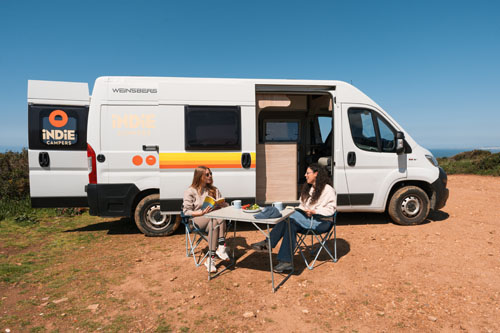
Class B campervans, averaging 5.8 meters in length and sleeping 2 to 3 people from Bandana's global fleet, are best for solo travelers, couples, or small groups prioritizing maneuverability, fuel economy, and ease of parking during an Iceland winter RV rental. Their compact size makes them less susceptible to high winds and easier to navigate on narrower or potentially icy roads, typically consuming approximately 10 Liters/100 km with a load capacity of 37 kg. A popular option is the "2 Berth Hi Top" campervan. While offering less interior space and amenities than larger RVs, their agility allows access to more remote areas or smaller campsites that might be challenging for bigger vehicles, appealing to more adventurous winter travelers. However, their smaller water tanks and living area might necessitate more frequent stops for refills and less comfortable extended indoor time during harsh weather. Remember to bring warm layers for added comfort inside and out. To prepare your itinerary, consider our Rent&Plan service for RV PLANET routes, allowing you to itemize and track expenses.
Class TC (Truck Camper) - Best For
Class TC truck campers, typically averaging 5.5 meters in length and sleeping 2 to 3 people from Bandana's global fleet, are the premier choice for adventurers seeking robust off-grid capabilities and exceptional flexibility during a winter RV trip in Iceland. These units are often mounted on 4x4 truck chassis, providing superior traction and ground clearance essential for navigating unpaved roads and snowy conditions, and consuming 12-17 Liters/100 km. Vehicles like the "4x4 Camper B - TYR" are perfect examples of this category, offering adventure-ready features. Their compact nature and (in some models) detachability offer the unique advantage of using the truck as a separate vehicle for day trips, while the camper provides a cozy base, though they typically offer limited living space and minimal load capacity for the camper body itself. This option is ideal for those planning to explore beyond the main Ring Road, tackling less-traveled routes and embracing remote winter landscapes, offering an unparalleled sense of freedom and rugged self-sufficiency.
Side-by-Side Comparison Table
Understanding the differences between motorhome classes is key to selecting the perfect rented RV for your winter Iceland adventure. This table provides a clear overview of the main types of RVs available through Bandana, highlighting key metrics and their best use cases in the challenging, yet rewarding, Icelandic winter environment. We, as true RV specialists, ensure our comparisons offer transparent insights to help you make an informed decision.
| Family | Avg Length (m) | Sleeps | Fuel Use (L/100 km) | Best Use Case in Iceland (Winter) |
|---|---|---|---|---|
| Class A (Integrated) | 7.5 | 4.4 | 11-12 | Maximum comfort & space for large groups, extended stays, superior insulation. |
| Class SI (Semi-Integrated) | 6.9 | 3.8 | 10-11 | Balanced comfort & maneuverability for couples/small families, good all-rounder. |
| Class C (Alcove) | 7.5 | 5.8 | 10-12 | Family-friendly with extra sleeping, cost-effective space, good visibility. |
| Class B (Campervan) | 5.8 | 3.2 | 10 | Agility, fuel economy, easy parking for solo/couples, adventurous explorers. |
| Class TC (Truck Camper) | 5.5 | 2.4 | 12-17 | Off-road capability, remote exploration, flexibility of detachable camper for active adventurers. |
Our Recommendation for winter rv rental Travelers in Iceland
For most winter RV rental travelers in Iceland, the Class SI (Semi-integrated) motorhome is our primary recommendation due to its optimal balance of comfort, living space, and manageable size. Its average length of 6.9 meters and sleeping capacity for 3-4 people makes it versatile for couples or small families. It provides sufficient insulation and amenities for cold conditions without being overly cumbersome on Iceland's potentially challenging winter roads, often consuming 10-11 Liters/100 km. As a strong runner-up, especially for adventurous couples or solo travelers keen on exploring beyond the main routes, the Class TC (Truck Camper) is highly recommended. With an average length of 5.5 meters and sleeping 2-3 people, its superior off-road capability (when mounted on a 4x4 truck chassis) makes it ideal for navigating snowy or gravel paths, offering unparalleled access to remote winter landscapes and prime Northern Lights viewing spots. Both choices are excellent, but the Semi-integrated offers a slightly more universally comfortable experience for those sticking to main routes.
How cold is Iceland in winter?
Iceland's winter temperatures typically range from -10°C to 0°C (14°F to 32°F) in coastal areas, though inland and highland regions can experience much colder conditions, demanding proper RV insulation and efficient heating systems for comfort and safety. Wind chill can make ambient temperatures feel significantly colder than the actual thermometer reading, necessitating robust vehicle heating and multiple layers of warm clothing. Renting a motorhome equipped for these conditions is essential, and our partner suppliers ensure their vehicles are winter-ready. For more details on preparing for the cold, consult our Winter RV Driving in Iceland - Safety Guide 2026.
Is it safe to drive in Iceland in winter?
Driving a rented RV in Iceland during winter can be safe with careful planning and strict adherence to official warnings, requiring vehicles equipped with proper winter tires (often studded) and drivers who are comfortable with potential ice, snow, and strong winds. Road conditions can change rapidly and unpredictably; therefore, checking real-time updates from official sources like Vegagerðin (Icelandic Road and Coastal Administration) and the Icelandic Met Office is absolutely crucial for safe travel. Drivers should always account for shorter daylight hours and be prepared for sudden weather shifts, which are common in Iceland's winter. Remember: drive slowly and carefully, and you can drive almost anywhere without issues. No need to stress - just use common sense and pay attention.
🎬 Video coming soon
Do you need a 4x4 for Iceland in winter?
While a 4x4 vehicle or a Class TC (Truck Camper) mounted on a 4x4 chassis is not strictly required for the main Ring Road (Route 1) and popular tourist routes that are regularly plowed, it is highly recommended for winter driving in Iceland. A 4x4 provides enhanced traction and control on potentially icy, snowy, or unpaved roads, offering greater safety and access to areas off the main routes. For those planning to venture onto less-maintained roads, explore remote areas, or for enhanced peace of mind in adverse conditions, a 4x4 significantly improves the winter RV experience. For instance, if you're keen to explore the Snæfellsnes Peninsula or parts of the North West, a 4x4 motorhome or campervan will grant you more flexibility.
Can you self drive Iceland in winter?
Yes, self-driving in Iceland during winter is absolutely possible and a popular way to experience the country, but it necessitates renting a suitable vehicle (like a well-equipped RV or 4x4 motorhome), staying rigorously informed on weather and road conditions via apps like Vegagerðin, and exercising extreme caution. The freedom of a rented RV or campervan allows you to adapt your itinerary based on weather forecasts, seeking out better conditions or staying put when necessary, making for a truly flexible adventure. Our direct partnerships with 50+ leading RV suppliers worldwide ensure you have access to winter-ready vehicles equipped for Iceland's unique climate, providing peace of mind for your self-driving journey.
Is the Ring Road open in winter?
The majority of Iceland's Ring Road (Route 1), which spans approximately 1,322 km, remains open throughout winter, though sections, particularly in the east or north, can experience temporary closures due to heavy snowfall, blizzards, or ice, making real-time road condition checks essential. While the main road is generally well-maintained, some mountain passes or less-traveled sections might be closed for periods, so flexibility in your travel plans is always advised. It's important to note that F-roads, which are highland roads, are always closed in winter and are strictly impassable for RVs or any other vehicles. Always consult road.is for the latest conditions. For planning your journey, you can utilize RV PLANET routes which include detailed road information and allow for itinerary adjustments.
What specific gear and packing list items are essential for an Iceland winter RV trip?
Essential gear for an Iceland winter RV trip includes multiple warm layers, such as wool or fleece base layers, insulating mid-layers, and waterproof and windproof outerwear (jacket and pants) to protect against the elements. Sturdy, insulated, and waterproof boots are critical for exploring the diverse landscapes, along with thermal gloves and hats to retain warmth. Beyond clothing, consider bringing blackout blinds or a sleeping mask, especially for the extreme darkness of deep winter or if you wish to sleep during any daylight hours. An emergency kit is also vital, comprising items like jump cables, a small shovel, a comprehensive first-aid kit, extra food and water, and a reflective vest. An insulated water bottle can prevent drinks from freezing, and a robust headlamp is invaluable for exploring dark areas or navigating campsites during long nights. Bandana Caravan's top-level deductible reimbursement option allows you to travel with peace of mind, knowing you are well-covered even in challenging conditions.
What is the best month for Northern Lights in Iceland?
The best months for Northern Lights (Aurora Borealis) in Iceland are from September to April, as these months offer the longest periods of darkness necessary for viewing, with January, February, and March often providing clearer skies and strong solar activity. While sightings are never guaranteed, traveling with a rented RV allows you the ultimate flexibility to chase clear skies away from light pollution, significantly increasing your chances of witnessing this breathtaking natural phenomenon. Early winter (October-November) also provides good opportunities before the deepest cold sets in, while still having manageable daylight hours for touring. Many of our 1,300+ pre-planned routes across 5 continents via RV PLANET often include ideal viewing spots for aurora chasers.
Is November a good time to visit Iceland?
November is a good time to visit Iceland for travelers seeking fewer crowds, generally lower prices on accommodations and RV rentals, and excellent opportunities for Northern Lights viewing as the nights grow longer. The weather becomes distinctly wintery during this month, with increasing chances of snow and ice, but many popular tours and attractions are still fully operational. It's considered a prime shoulder season month, offering a compelling balance between tourist activity and winter tranquility, allowing for a more intimate experience of Iceland's raw beauty. For those looking for a value trip, searching for Cheap RV Rental in Iceland - Budget Guide 2026 can yield good results.
Is December a good time to visit Iceland?
December is a good time to visit Iceland for those seeking a festive, snowy wonderland experience, with high chances of seeing the Northern Lights and participating in unique winter activities like ice caving, despite very short daylight hours and potentially severe weather. The atmosphere around Christmas and New Year's is truly magical, with Icelandic traditions and decorations adding to the charm of towns like Reykjavik. Planning for limited daylight, averaging only 4-5 hours, and building flexible itineraries is essential to maximize the experience and safely navigate potential weather disruptions. Remember to reserve campsites ahead, especially around holidays.
Is January a good time to visit Iceland?
January is an excellent time to visit Iceland for serious Northern Lights enthusiasts and those embracing deep winter, characterized by very short daylight hours (around 4-6 hours), heavy snowfall, and icy conditions, but also dramatic frozen landscapes and significantly fewer tourists. Winter activities like ice caving, glacier hiking, and snowmobiling are at their peak, offering unique and thrilling experiences. However, travelers must be prepared for potential road closures and plan with flexibility, always checking road conditions. This month often offers some of the best opportunities for spotting the aurora due to the long, dark nights.
Is Iceland good to visit in February?
February is a great time to visit Iceland, offering improving daylight hours compared to earlier winter months (extending to 7-9 hours by month's end), persistent opportunities for Northern Lights viewing, and optimal conditions for many classic winter activities like ice caving and glacier walks. The landscape remains beautifully covered in snow and ice, creating stunning photographic opportunities. While still cold and windy, the extended daylight makes touring more comfortable than in December or January, making it a popular choice for those seeking a balance of winter adventures and slightly more daylight. Consider extending your journey for a two-week adventure to truly immerse yourself.
What is the cheapest month to go to Iceland?
The shoulder months of late autumn (October-November) and early spring (April-May) tend to be the cheapest times to visit Iceland, offering a balance of fewer crowds and lower prices for flights and RV rentals before peak winter rates set in or after the main winter season. Prices for tours and accommodations also tend to be lower during these periods compared to the high summer or deep winter holiday peaks. For RV rentals, checking our dynamic flex-rates well in advance on Bandana can secure better deals, as prices change daily based on availability. Being flexible with your travel dates can significantly impact the cost, as mentioned in our RV Rental in Iceland - Prices and Best Deals 2026 guide.
What part of Iceland is best in winter?
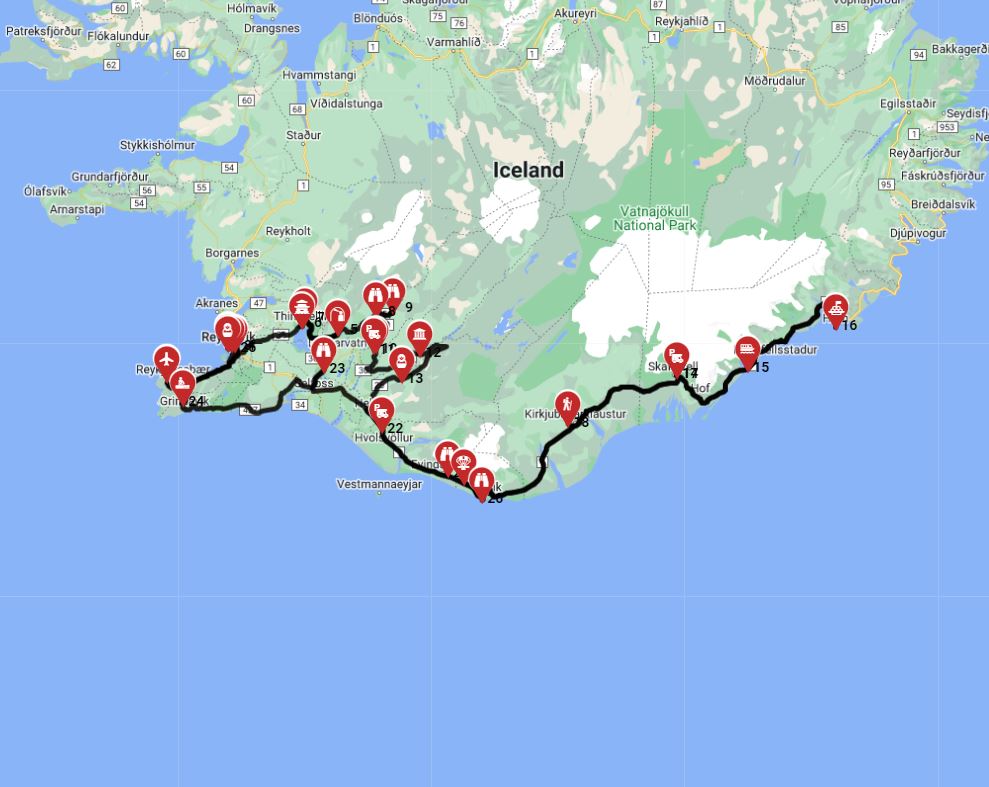
The South Coast and the Golden Circle are generally considered the best parts of Iceland to visit in winter due to their accessibility, a high concentration of iconic attractions, and better-maintained roads, making them ideal for rented RV travel. These regions offer a stunning array of sights that are particularly beautiful in winter, from the frozen cascades of Seljalandsfoss waterfall to the dramatic Jökulsárlón Glacier Lagoon. The Reykjanes Peninsula, including the famous Blue Lagoon, is also easily accessible from Keflavík International Airport and well-suited for a winter RV tour, offering incredible natural features. For instance, the "
Is 5 days enough for Iceland in winter?
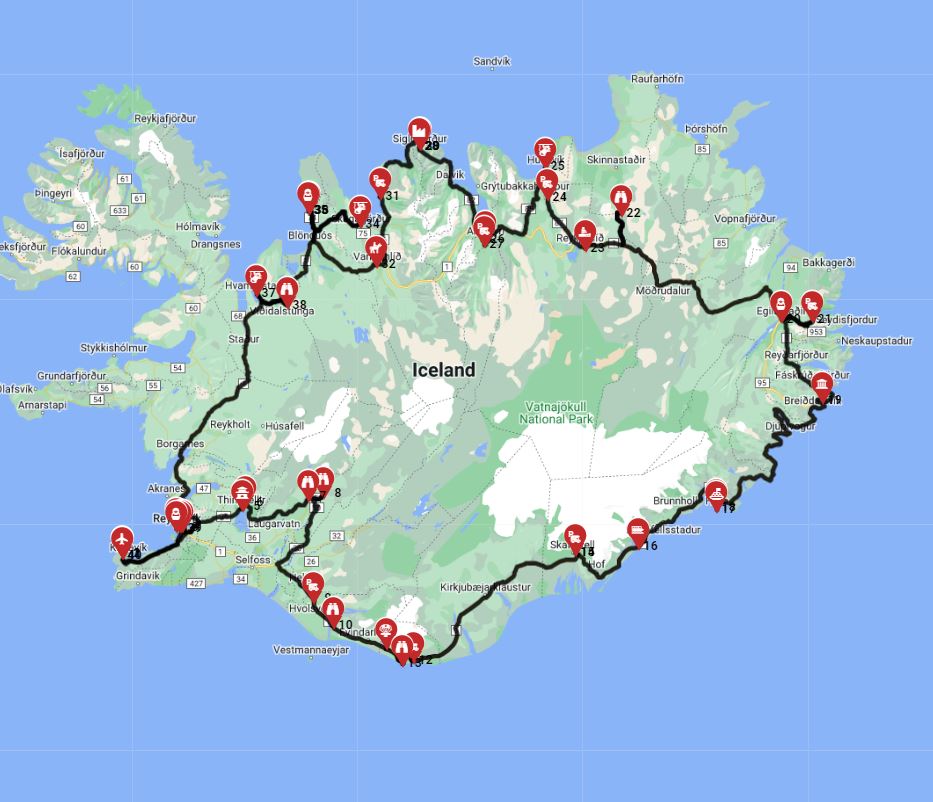
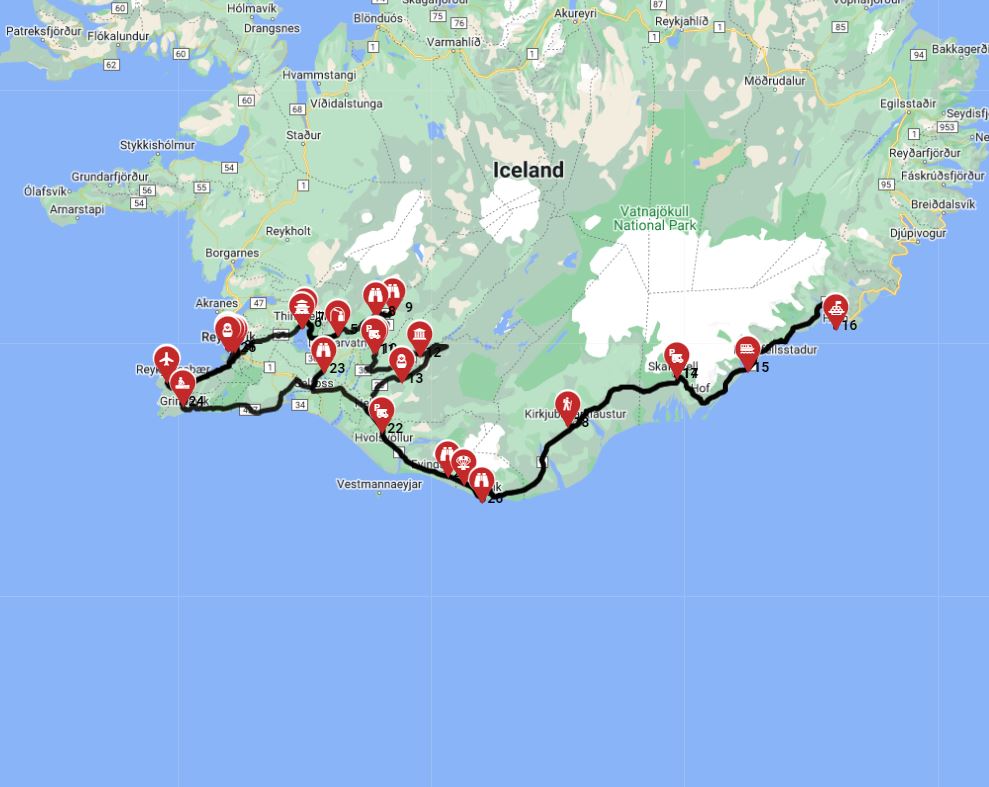
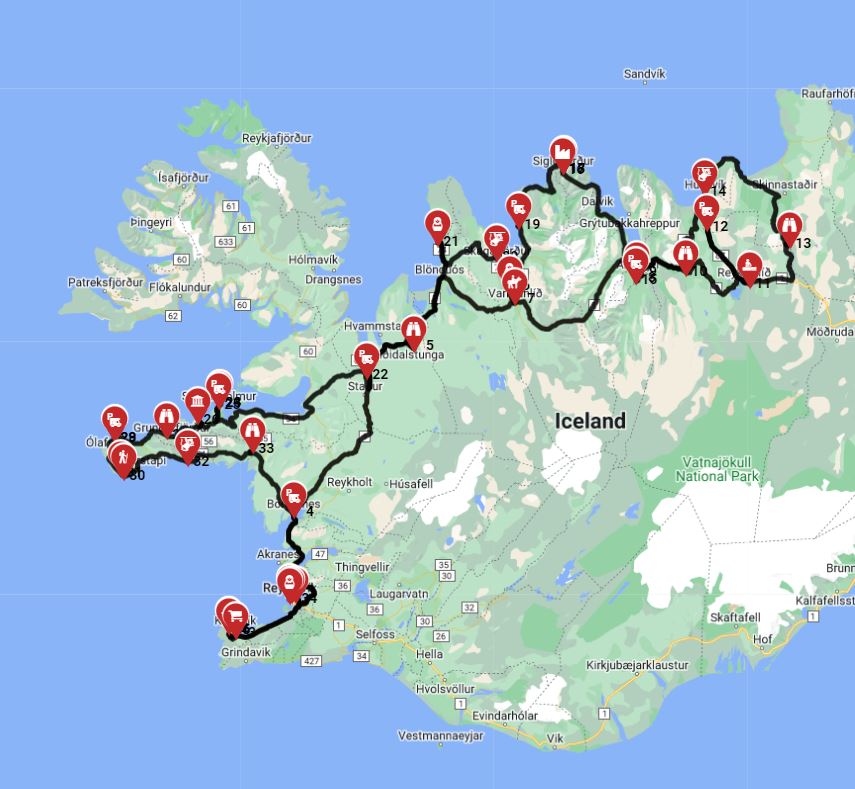
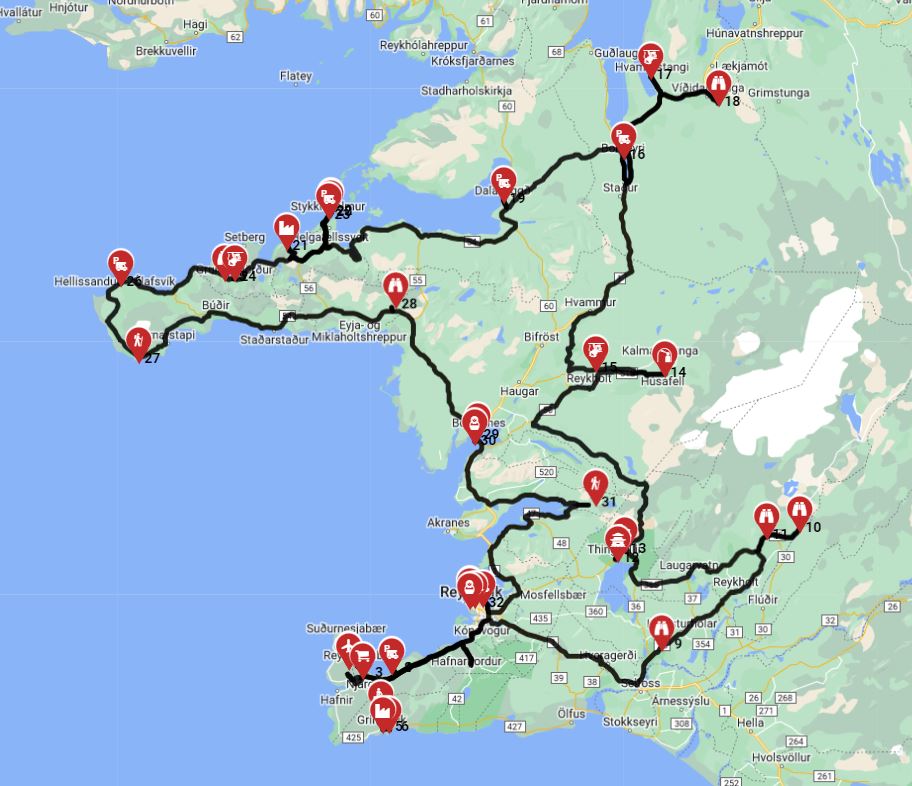
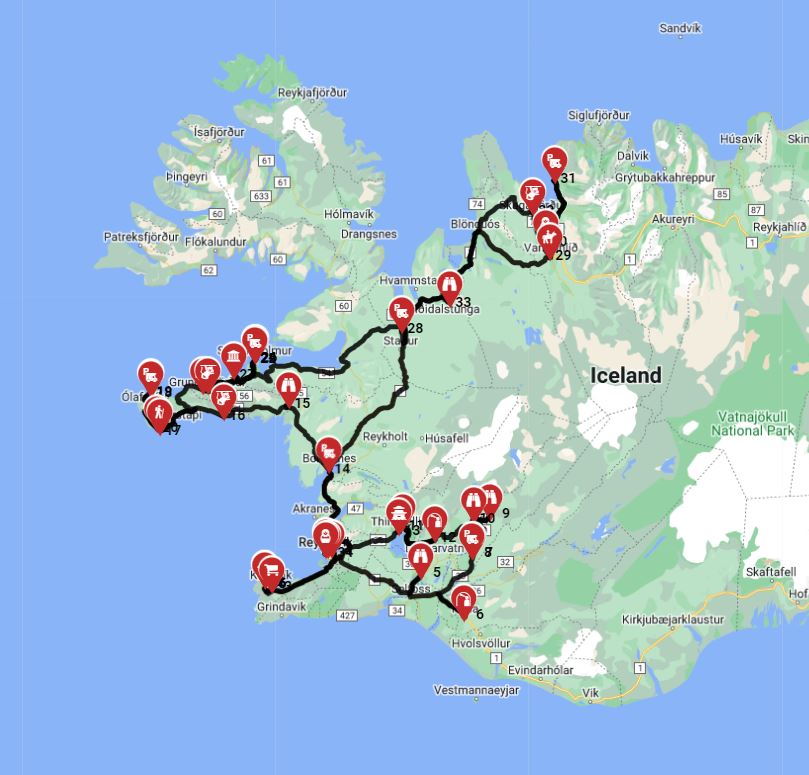
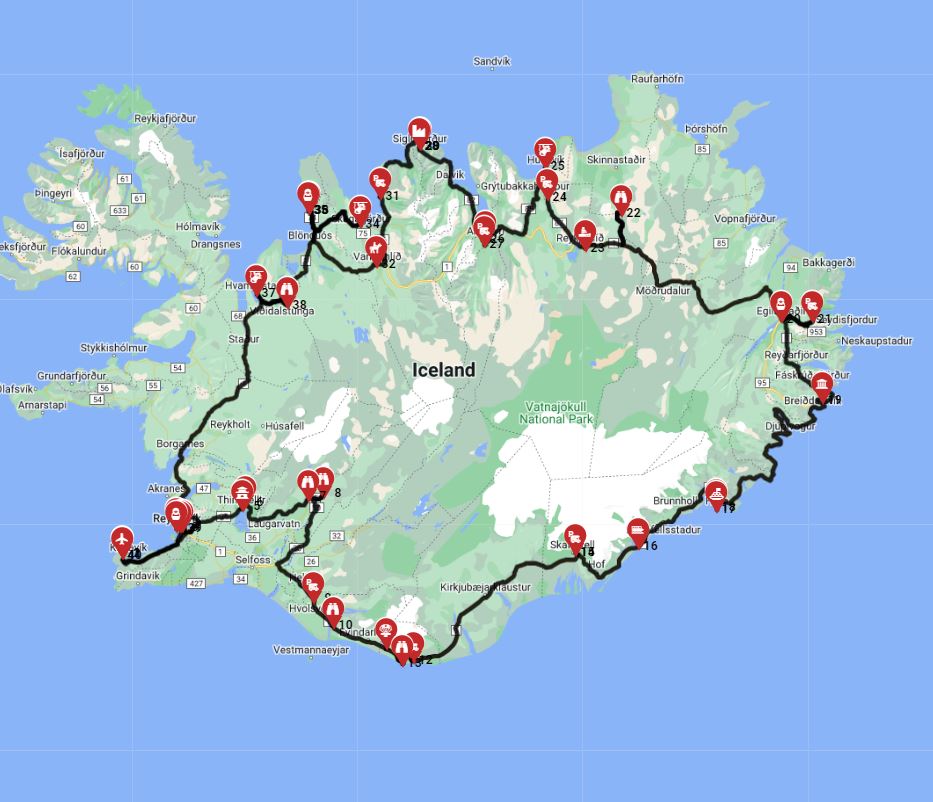
Five days is sufficient for a focused winter RV trip in Iceland, allowing travelers to comfortably explore the Golden Circle and the South Coast up to Vik, offering a condensed yet memorable experience of Iceland's winter beauty. This duration allows for visits to key attractions like Gulfoss waterfall and Reynisfjara black sand beach, Northern Lights hunting, and some winter activities such as glacier walks, without feeling rushed, provided travel distances are kept manageable (ideally max 100-150 km per day on average). For extensive exploration beyond these popular areas, such as venturing into the Westfjords or further North, a longer trip of 10 days or more would be necessary. To help visualize your trip, consider route plans like "
What to do in Iceland for 3 days in winter?
For a 3-day winter RV trip in Iceland, focus on the immediate vicinity of Reykjavík: explore the classic Golden Circle route (Þingvellir National Park, the Geysir geothermal area, and Gullfoss waterfall) and the Reykjanes Peninsula, including the famous Blue Lagoon. This allows for an immersive experience without extensive driving, maximizing your time at attractions and increasing your chances for Northern Lights viewing near the capital. You could also consider adding a short glacier walk or ice cave tour if conditions allow and bookings are made in advance. Remember to factor in shorter daylight hours when planning each day's activities. Bandana, as true RV specialists, recommends traveling slowly, soaking in the stunning scenery.
How do I manage food and cooking in an RV during winter in Iceland?
Managing food and cooking in a rented RV during winter in Iceland involves strategic grocery shopping in larger towns such as Reykjavík, Akureyri, or Selfoss, where supermarkets like Bónus or Krónan are more plentiful and offer better prices, as options are limited in remote areas. Plan simple, warming meals suitable for a compact RV kitchen, utilizing local ingredients such as fresh fish, lamb, and dairy products when available. Cooking your meals in your RV can significantly reduce overall travel costs compared to eating out, and having a well-stocked pantry is crucial when unexpected weather delays occur. Check out our RV-friendly recipes playlist for inspiration. Remember, Bandana is with you before, during, and after your booking, offering pre-booking comparison and booking support to ensure your trip is smooth.
Where can I find detailed camping logistics for winter RV travel in Iceland?
Detailed camping logistics for winter RV travel in Iceland typically involve utilizing official campsites which remain open year-round, as wild camping is largely prohibited and particularly challenging in winter due to harsh weather and strict environmental regulations. Travelers should meticulously research specific campsite amenities online, for instance, through resources like Tjalda.is or dedicated campsite websites, to confirm availability of essential services such as water refills, waste disposal, power hookups, and laundry facilities, as not all services are operational at every site in winter. Booking systems are often available online, especially for popular sites like Reykjavík Campsite, and it is highly advisable to confirm winter operating hours and services before your arrival. Our Rent&Plan service can also help you with pre-planned routes that factor in winter camping availability.
How can I practice responsible and sustainable RVing in Iceland?
Practicing responsible and sustainable RVing in Iceland means strictly adhering to 'Leave No Trace' principles: always pack out all trash, dispose of grey and black water only at designated dump stations, and conserve water diligently. Crucially, avoid off-road driving at all costs, as it causes severe and often irreversible environmental damage to Iceland's fragile volcanic and moss-covered landscape, which is strictly prohibited by law and carries heavy fines. Respect local flora and fauna, always stay on marked trails and roads, and support local businesses to contribute positively to the Icelandic economy and environment. Remember, with a rented motorhome, you are a guest in this pristine environment, and it is our collective responsibility to preserve its beauty. For general guidance on RV travel in Europe, our RV Rental Europe - Complete Guide 2026 offers broader insights into responsible practices. On the routes offered through RV PLANET routes, you can itemize and track every expense along the way for easy budgeting.
What You Shouldn't Miss
- **Northern Lights Hunting:** Maximize your chances by driving away from city lights and utilizing real-time aurora forecast apps to find clear skies.
- **Ice Cave Exploration:** Book a guided tour to explore the stunning blue ice caves, typically accessible from November to March, near Vatnajökull glacier.
- **Geothermal Soaking:** Relax in natural hot springs or geothermal pools like the Blue Lagoon or the Secret Lagoon, a perfect way to warm up after a day of winter exploring.
- **South Coast Waterfalls:** Witness iconic waterfalls like Seljalandsfoss and Skógafoss, often partially frozen and surrounded by glistening ice in winter.
- **Jökulsárlón Glacier Lagoon:** Marvel at the icebergs floating in the lagoon and stroll along the nearby Diamond Beach, where ice fragments sparkle on black sand.
- **Golden Circle Loop:** Drive the classic route visiting Þingvellir National Park, Geysir geothermal area, and the powerful Gullfoss waterfall, all transformed by winter's embrace.
- Looking for expert insights from Avi Bandana? Top 5 Adventures - recommendations from Avi Bandana.
Final Thoughts
A winter RV rental in Iceland promises an adventure unlike any other, transforming the dramatic landscapes into a wonderland of ice, snow, and dancing Northern Lights. While the colder months present unique challenges, with careful planning and the right rented motorhome or campervan, you're set for an unforgettable journey. Imagine waking up to a frozen waterfall outside your window or spotting the aurora from the warmth of your cozy mobile home.
At Bandana, we're passionate about making these dreams a reality. We offer the easiest, safest, and most affordable way to rent an RV, comparing final prices across 50+ suppliers so you don't have to. Remember, God is in the small details, and we take care of them, ensuring your trip is smooth and stress-free from the moment you start planning to the moment you return home.
So, whether you're a seasoned RVer or embarking on your very first cold-weather escapade, Iceland awaits. Discover top destinations, planning tips, all in one place, and get ready for an epic winter road trip! Plan a trip itinerary in advance with minimal effort and maximum enjoyment.