In This Guide
- The 5 RV Families Compared for East Europe
- Class A (Integrated) - Best For
- Price Comparison by RV Class in East Europe
- Class SI (Semi-Integrated) - Best For
- Class C (Alcove) - Best For
- Class B (Campervan) - Best For
- Class TC (Truck Camper) - Best For
- Side-by-Side Comparison Table
- Our Recommendation for Winter RV Rental Travelers in East Europe
- What is the 333 rule for campervan?
- How much does it cost to rent an RV in Europe?
- Is it cheaper to rent an RV or stay in hotels?
- Who is the largest motorhome rental company in Europe?
- What is the best company to rent an RV from?
- What do Europeans call an RV?
- Which European countries are best for driving in a motorhome?
- What are the best RVs for winter?
- Where is the cheapest place in Europe to buy a camper van?
- What is the 3-3-3 rule for RVs?
- Top Cities for RV Rental in East Europe
- Country-Wide Practical Information for RV Travelers in East Europe
- What You Shouldn't Miss
- Why Book with Bandana Caravan
- Final Thoughts
- Frequently Asked Questions
Discovering East Europe by rented RV offers an unparalleled sense of freedom and adventure, especially during the enchanting winter months. Imagine waking up to snow-capped mountains, enjoying a warm cup of coffee in your cozy motorhome, and heading out to explore historic cities or serene natural landscapes. At Bandana, we understand that finding the right vehicle for your cold-weather journey is crucial, which is why we provide full transparency and expert advice every step of the way. For live availability and current prices, start with our RV Rental East Europe - Complete Guide 2026 guide.
The 5 RV Families Compared for East Europe
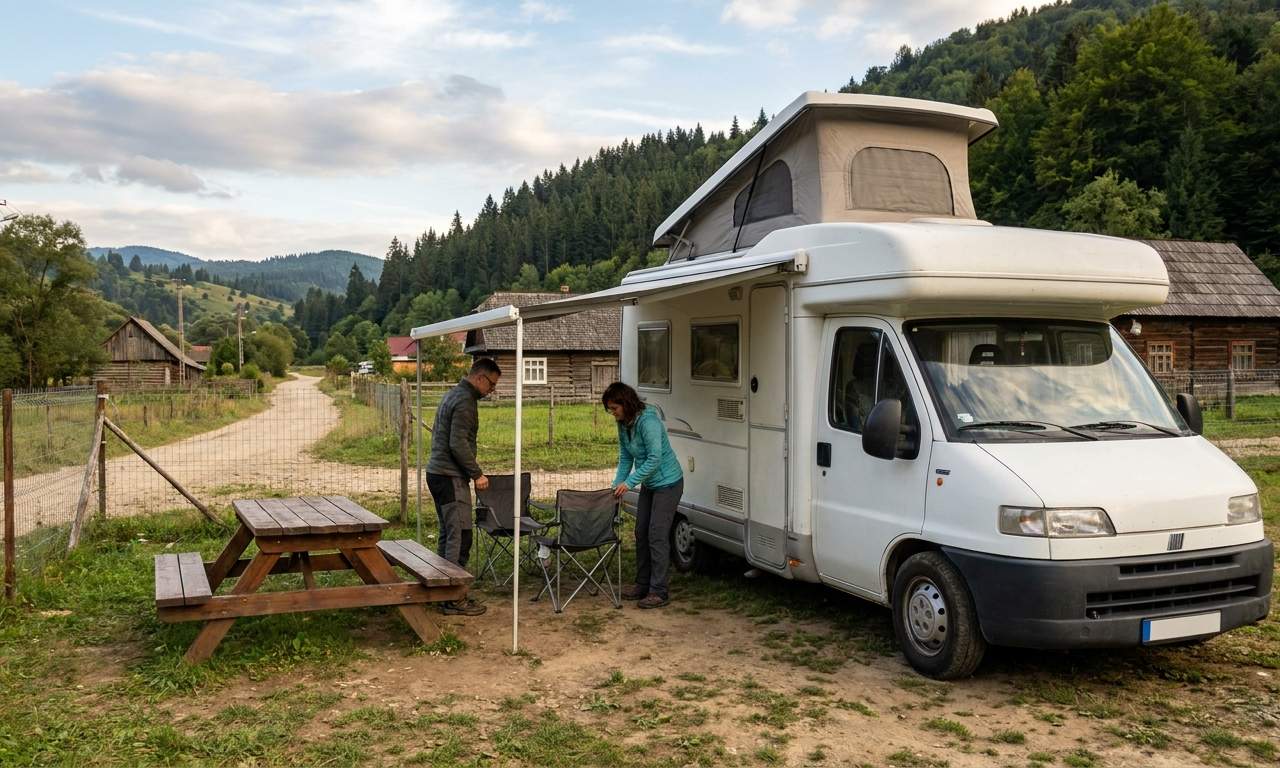
RV family choice significantly impacts a winter RV rental experience in East Europe, where diverse terrains and cold climates demand specific vehicle attributes. Considering factors like trip length, group size, and desired level of comfort is essential when selecting from the various motorhome classes available. Different RV classes offer varying levels of maneuverability, insulation, and interior space, which are crucial for comfortable winter travel. East Europe presents unique challenges such as varied road conditions, potentially complex border crossings, and differing RV service infrastructure, making your vehicle choice a key part of seamless travel. Whether you're a couple seeking a compact campervan or a family needing a spacious Class C, understanding the differences will help you make an informed decision.
Class A (Integrated) - Best For
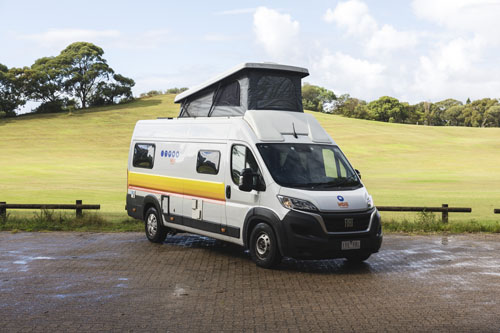
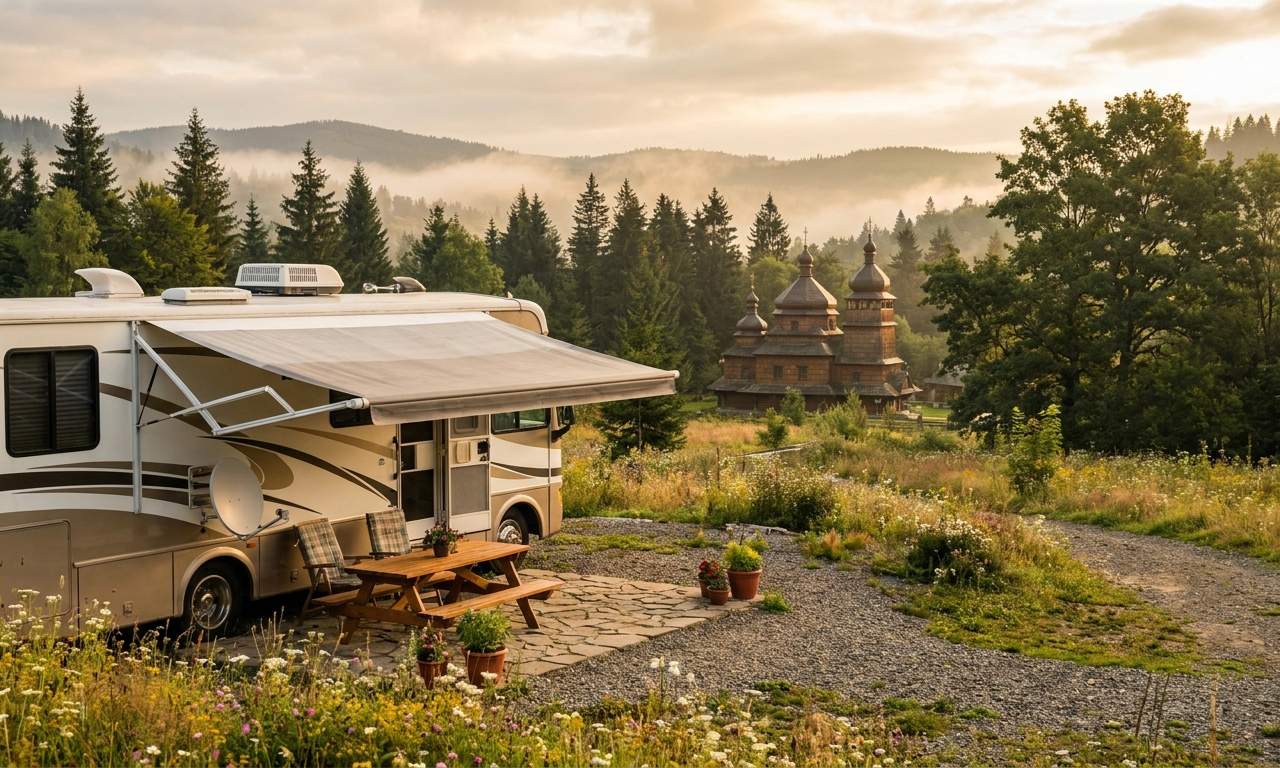
Class A integrated motorhomes are ideal for travelers prioritizing luxury, spaciousness, and maximum comfort, especially for larger groups of approximately 4 adults looking to explore East Europe's winter wonderland in style. Bandana's fleet typically features Class A motorhomes averaging 7.5 meters in length, providing ample living space and sleeping places for around 4 to 5 individuals. With an average load capacity of 209.5 kg and fuel consumption around 11-12 Liters/100 km, these vehicles offer robust travel but can be challenging on East Europe's narrower or less-maintained winter roads. While offering superior amenities and insulation vital for cold climates, their size can make parking and navigating smaller towns difficult, and they generally incur higher fuel costs. They are best suited for those planning a luxurious, extended road trip primarily to well-serviced destinations and larger cities, as navigating tighter spots might require more attention. On the routes offered through RV PLANET routes, you can itemize and track every expense along the way for easy budgeting.
Price Comparison by RV Class in East Europe
RV pricing is dynamic, much like flight tickets, changing daily based on availability, seasonality, and supplier marketing decisions; therefore, the final price is set at the actual booking time. Rental costs for winter RVs in East Europe are primarily influenced by the specific RV class, rental duration, season (winter is often off-peak, but holiday weeks can see spikes), and the exact pickup/drop-off location. For instance, a campervan might start from €75/day in the low winter season for a two-week rental, while a spacious Class C could be €120/day, and a luxury Class A motorhome might exceed €180/day. The most comprehensive cost breakdown for an East European RV trip also needs to factor in fuel prices (which vary by country from approximately €1.50 to €1.80 per liter), varying campsite fees (from €10 for basic pitches to €50+ for full-service resorts), country-specific toll systems (like the vignette in Hungary costing around €10 for 10 days), and potential border crossing costs or fees for international insurance coverage. Comparing these prices against the amenities and size of each RV family is crucial for budgeting your winter adventure effectively. Remember, for detailed cost tracking and planning, RV PLANET routes allow travelers to itemize and track every expense along the way for easy budgeting.
Class SI (Semi-Integrated) - Best For
Class SI semi-integrated motorhomes are a balanced choice, offering a comfortable blend of living space and maneuverability, making them suitable for couples or small families (averaging 3-4 adults) embarking on a winter RV rental in East Europe. Bandana's fleet shows these models typically average 6.9 meters in length, providing around 3 to 4 sleeping places, and a load capacity of 72.2 kg. With common fuel consumption around 10-11 Liters/100 km, they generally offer better fuel efficiency than larger Class A or C models, which is an advantage for longer winter journeys through Eastern Europe. They often outperform Class A in ease of driving on diverse East European roads and Class C in overall aerodynamic design, making them a practical and comfortable option for winter touring. These are excellent for those who want a comfortable base with good amenities but prefer a slightly more compact vehicle for navigating smaller towns and winding winter routes.
Class C (Alcove) - Best For
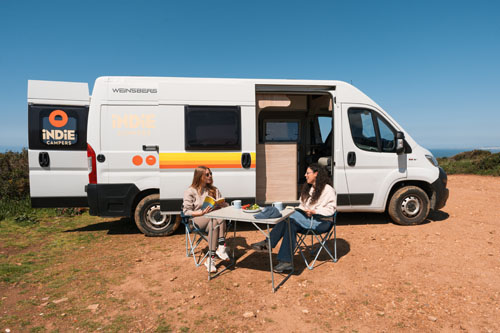
Class C alcove motorhomes are exceptionally well-suited for families or larger groups, primarily due to their characteristic over-cab sleeping area, providing an average of 5 to 6 sleeping places for around 4 to 5 adults on a winter RV rental in East Europe. Bandana's fleet typically features these RVs at an average length of 7.5 meters, offering generous interior space for winter gear and comfort during colder months. Known for their robust construction and often good insulation, Class C vehicles (with an average load capacity of 42.4 kg and fuel consumption around 10-12 Liters/100 km) are excellent for East Europe's varying road conditions and winter priorities. They offer a cost-effective option for groups seeking space and comfort without the higher luxury price point of a Class A, making them a practical choice for extended family trips. For instance, the '24' Class C Motorhome' (sleeping 5, 7.46m length) or '6 Berth Discovery' (sleeping 6, 7.4m length) are popular choices for families exploring the region.
Class B (Campervan) - Best For
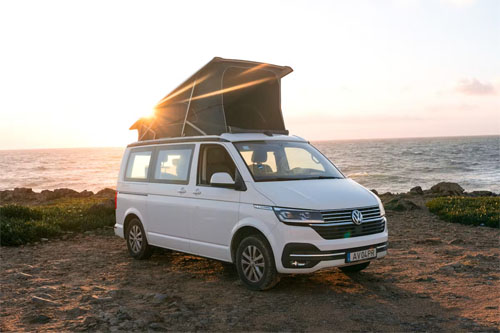
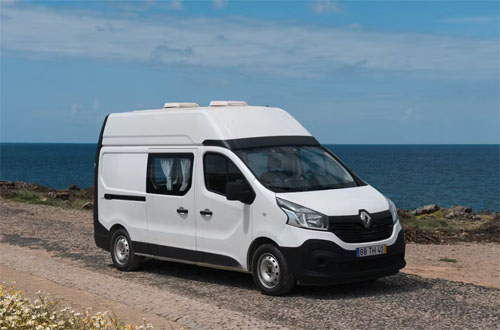
Class B campervans are perfectly suited for adventurous couples or solo travelers seeking maneuverability, ease of parking, and a more discreet travel style in East Europe during winter. Bandana's fleet of campervans typically averages a compact 5.8 meters in length, offering sleeping places for around 2 to 3 individuals (averaging 2-3 adults) with a load capacity of 37 kg. Their excellent fuel economy, generally 8-10 Liters/100 km, makes them a budget-friendly option for extensive travel, especially when navigating smaller towns and less-trafficked winter routes. These vehicles are favored for scenarios where agility on narrow roads and the ability to access more remote or less RV-friendly spots in Eastern Europe are priorities over expansive living space. A '2 Berth Hi Top' campervan, for example, is equipped with a comfortable sleeping area and compact kitchen facilities, making it ideal for self-sufficient adventures.
Class TC (Truck Camper) - Best For
Class TC truck campers are the ultimate choice for intrepid winter travelers in East Europe who prioritize off-grid capability, ruggedness, and the flexibility of a detachable living unit. Bandana's fleet features these compact units averaging 5.5 meters in length, typically sleeping 2 to 3 individuals (averaging 2-3 adults) and designed for adventurers. While their common fuel consumption is higher, around 12-17 Liters/100 km, their robust build and often 4x4 capability make them ideal for challenging East European terrain and remote winter conditions. The ability to detach the camper from the truck provides unparalleled flexibility for exploring areas inaccessible to larger RVs, offering a unique adventure profile for winter exploration. The '4x4 Scout Adventure Truck Camper Gold' is an excellent example, offering compact living with serious off-road capability.
Side-by-Side Comparison Table
This table provides a quick reference for comparing key specifications and ideal use cases for each RV family available for rent in East Europe, aiding your decision for a winter trip. Understanding the average length, sleeping capacity, and fuel efficiency helps in matching a rented RV to your group size, budget, and desired travel style. The 'Best Use Case' highlights suitability for different Eastern European conditions, from urban exploration to rugged winter landscapes. All figures are based on Bandana's global fleet averages and provide a strong indication for what to expect in the region.
| RV Class | Average Length | Sleeping Places (Avg.) | Fuel Consumption (L/100km) | Best Use Case (Winter) |
|---|---|---|---|---|
| Class A (Integrated) | 7.5 meters | 4-5 people | 11-12 L/100km | Luxury, spacious travel to major cities & well-maintained routes |
| Class SI (Semi-Integrated) | 6.9 meters | 3-4 people | 10-11 L/100km | Balanced comfort & maneuverability for couples/small families |
| Class C (Alcove) | 7.5 meters | 5-6 people | 10-12 L/100km | Families/groups, robust for varied roads, great insulation |
| Class B (Campervan) | 5.8 meters | 2-3 people | 8-10 L/100km | Adventurous couples/solo, urban exploration, discreet travel |
| Class TC (Truck Camper) | 5.5 meters | 2-3 people | 12-17 L/100km | Off-grid, rugged terrain, 4x4 capability, remote winter exploration |
Our Recommendation for Winter RV Rental Travelers in East Europe
For a winter RV rental in East Europe, we primarily recommend a Class C (Alcove) motorhome due to its superior insulation, generous interior space for winter gear and multiple occupants, and robust chassis suitable for varied road conditions. The Class C's capacity for approximately 5-6 sleepers and ample storage makes it ideal for families or groups seeking comfort and warmth during colder travel, providing a cozy retreat after a day of exploring snowy landscapes. As a strong runner-up, a Class SI (Semi-integrated) motorhome offers an excellent balance of maneuverability, fuel efficiency, and comfort, making it perfect for couples or small families. Its compact size (averaging 6.9m length) compared to a Class C allows easier navigation on narrower East European roads while still providing essential winter amenities and sufficient living space.
What is the 333 rule for campervan?
The 333 rule for campervans, often expanded to the 3-30-3 rule, is a guideline for sustainable and enjoyable RV travel, recommending driving no more than 300 miles (or roughly 300 km) in a day. It also suggests arriving at your campsite by 3 PM to allow ample time for setup and relaxation before dark, which is especially beneficial during shorter winter days in East Europe. The rule concludes by advising to stay for at least 3 nights at each location, promoting deeper immersion into the local culture and reducing travel fatigue, a key consideration when planning a winter trip in East Europe. Adhering to this rule can enhance safety, manage winter road conditions effectively, and provide more opportunities for authentic experiences in countries like Slovenia or Croatia.
How much does it cost to rent an RV in Europe?
The cost to rent an RV in Europe typically ranges from €70 to over €200 per day, varying significantly based on the RV class, rental season (winter often being more affordable off-peak), duration of the trip, and specific pickup location within East Europe. Beyond the base rental fee, a comprehensive budget for an East European RV trip must include fuel (which can vary widely by country, from €1.50/liter in Poland to €1.80/liter in Hungary), road tolls (often vignette systems in Eastern Europe, like a 10-day vignette for €10 in the Czech Republic), campsite fees (from basic pitches at €15 to full-service sites at €50+), and local food and activity expenses. Utilizing platforms like Bandana allows travelers to compare real-time prices from various providers across different RV classes, offering transparency in initial rental costs. Considering the specific logistics of Eastern Europe, such as diverse toll systems and fuel availability in countries like Romania, is crucial for an accurate total cost breakdown.
Is it cheaper to rent an RV or stay in hotels?
Whether renting an RV is cheaper than staying in hotels for a winter trip in East Europe depends largely on factors like group size, trip duration, travel style, and the types of accommodations and experiences desired. A rented RV can offer significant savings on accommodation, especially for families or longer trips of two weeks or more, by combining transport and lodging into one cost, potentially saving hundreds over multiple hotel nights for a family of four. However, RV travel introduces additional expenses such as fuel (averaging €100-€150 per day for a mid-sized motorhome on a 300km drive), campsite fees (which can vary from free wild camping in some areas of Albania to €40 for full-service sites in Slovenia), maintenance deposits, and potentially higher insurance, which must be weighed against hotel prices, which might exclude costs like daily parking or dining out. For a comprehensive comparison in Eastern Europe, consider local prices for food, attractions, and how cultural nuances might impact spending in both scenarios.
Who is the largest motorhome rental company in Europe?
While Bandana serves as a leading aggregator platform, connecting travelers to a vast network of both local and international motorhome rental providers across Europe, making it a comprehensive comparison tool for winter RV rental in East Europe. No single company dominates as the undisputed 'largest' across all of Europe, as the market is fragmented with strong regional players. Major international rental companies like McRent and Touring Cars operate in multiple European countries, alongside numerous reputable local businesses that specialize in specific regions, offering a wide array of motorhome and campervan options. The 'largest' can also be defined by fleet size, geographical reach, or customer base, varying by source and methodology, so using an aggregator like Bandana helps cast the widest net to find the best deal and suitable vehicle for your needs.
What is the best company to rent an RV from?
The 'best' company to rent an RV from ultimately depends on individual traveler priorities such as budget, desired RV class, specific pickup location in East Europe, customer service expectations, and included amenities. Platforms like Bandana excel by allowing travelers to compare offerings from a multitude of reputable local and international rental companies simultaneously, facilitating an informed decision without hidden fees or surprises. Key factors to consider when choosing a company for a winter rental in East Europe include vehicle reliability, the quality of winterization (e.g., heated tanks for cold climates), comprehensive insurance options (and the ability to upgrade to a top-level deductible for extra peace of mind), and the responsiveness of pre-booking support. Reviewing customer feedback and understanding the terms and conditions, especially regarding mileage, additional drivers, and border crossings within Eastern Europe, is crucial for a smooth trip.
What do Europeans call an RV?
In Europe, what North Americans commonly refer to as an 'RV' (Recreational Vehicle) is most frequently called a 'motorhome' or a 'campervan,' depending on its size and features. 'Motorhome' generally refers to larger, integrated living spaces such as Class A, C, or semi-integrated (Class SI) vehicles, providing extensive amenities. Conversely, 'campervan' (Class B) denotes smaller, more compact vehicles often based on a commercial van chassis, like a VW California or Fiat Ducato conversion, ideal for nimble travel. A 'caravan' in Europe specifically refers to a towable travel trailer, distinct from a self-propelled motorhome, and these are not part of Bandana's rental fleet. Understanding this terminology is helpful for navigation, booking campsites, and interacting with locals during your winter RV rental in East Europe.
Which European countries are best for driving in a motorhome?
For winter motorhome travel in East Europe, countries like Slovenia, Czech Republic, and parts of Poland and Croatia (especially the coastal regions, which are milder) offer a blend of accessible RV infrastructure, scenic beauty, and varying road conditions that necessitate preparedness. These countries typically have established toll systems (often vignette-based, as mentioned in "Vignette Vexations"), moderate fuel prices, and a growing number of winter-friendly campsites, but local driving laws (e.g., mandatory headlights during the day, strict 0.0% alcohol limits) must be observed. Navigating complex border crossings, particularly between Schengen and non-Schengen zones (e.g., from Slovenia to Croatia or Bosnia and Herzegovina), requires planning, appropriate vehicle documentation, and awareness of varying fuel quality and emergency service access. For a culturally rich experience, understanding regional customs for camping, dining, and interacting with locals helps overcome language barriers and find authentic experiences, while always prioritizing safety and securing valuables.
What are the best RVs for winter?
The best RVs for winter travel are those equipped with robust insulation (often designated as 'winterized' or 'four-season'), efficient heating systems (diesel or gas), and double-glazed windows to retain warmth and prevent condensation. Key features for comfortable winter RVing in East Europe include heated wastewater tanks to prevent freezing at temperatures below 0°C, strong battery capacity for off-grid capabilities, and reliable engine performance for cold starts and icy conditions. In Bandana's fleet, Class C (Alcove) and Class SI (Semi-integrated) motorhomes are frequently chosen for winter due to their balance of space, comfort, and available winter packages that enhance cold-weather resilience. For East Europe's diverse conditions, specific vehicle suitability means prioritizing models with good ground clearance, reliable tires (winter tires are often legally required, and some rentals may include them or offer them as an add-on), and adequate load capacity for extra winter gear like skis or snowboards. The 'Euro Deluxe' (Class C) is a popular rental option with excellent winter features.
Where is the cheapest place in Europe to buy a camper van?
While this article focuses on winter RV rentals in East Europe, for those interested in purchasing, countries like Germany are often cited as the cheapest places in Europe to buy a used campervan due to a large market and competitive pricing. Eastern European countries themselves can sometimes offer good local deals on pre-owned vehicles, but potential buyers should factor in import taxes, registration processes, and local regulations if bringing the vehicle across borders. When considering rental versus purchase, particularly for a winter trip, renting provides flexibility without the long-term commitment or immediate depreciation costs, making it ideal for exploratory trips to East Europe. For short-term or extended exploratory winter travel in East Europe, renting through a platform like Bandana offers immediate access to winterized vehicles without the complexities of ownership, especially with options like our One-Way RV Rental in East Europe - Price Guide 2026.
What is the 3-3-3 rule for RVs?
The 3-3-3 rule for RVs is a popular travel guideline, consistent with the '333 rule for campervan,' that advises driving no more than 300 miles (approximately 480 kilometers) in a single day to avoid driver fatigue and stress, especially relevant on potentially icy East European winter roads. It also recommends arriving at your destination by 3 PM, ensuring sufficient daylight for navigating new campsites, setting up your RV, and familiarizing yourself with the surroundings, which is vital during shorter winter days. The third '3' suggests staying for a minimum of 3 nights at each location, fostering a more relaxed travel pace, allowing for deeper exploration of local areas, and truly enjoying the winter landscapes of East Europe. Implementing this rule helps manage fuel consumption, reduce the risk of incidents on potentially challenging winter roads, and enhance overall trip enjoyment by avoiding rushing. Slow travel, averaging 100-150 km per day, allows you to truly feel the place, connect to the culture, the food, and the scenery.
Top Cities for RV Rental in East Europe
East Europe boasts an array of captivating cities that serve as excellent starting points or key destinations for your RV rental adventure:
- Ljubljana, Slovenia: This charming capital is a gateway to the Julian Alps and Lake Bled, with winter RV camping options nearby and easy access to excellent skiing.
- Prague, Czech Republic: A fairytale city in winter, Prague offers RV-friendly campsites on its outskirts, allowing you to explore its historic squares and Christmas markets.
- Krakow, Poland: Rich in history and culture, Krakow provides a great base for exploring the Tatra Mountains or the city's ancient sites, with several winter RV parks available.
- Budapest, Hungary: Known for its thermal baths and vibrant nightlife, Budapest welcomes RVers with urban campsites and offers unique winter experiences along the Danube.
- Bucharest, Romania: Explore Romania's capital and use it as a launching pad for trips into the Carpathian Mountains, including the famous Transfăgărășan (if roads are open seasonally).
- Zagreb, Croatia: A beautiful city that often gets a dusting of snow, Zagreb is a less conventional but rewarding winter RV destination, offering access to national parks like Plitvice Lakes (check winter conditions).
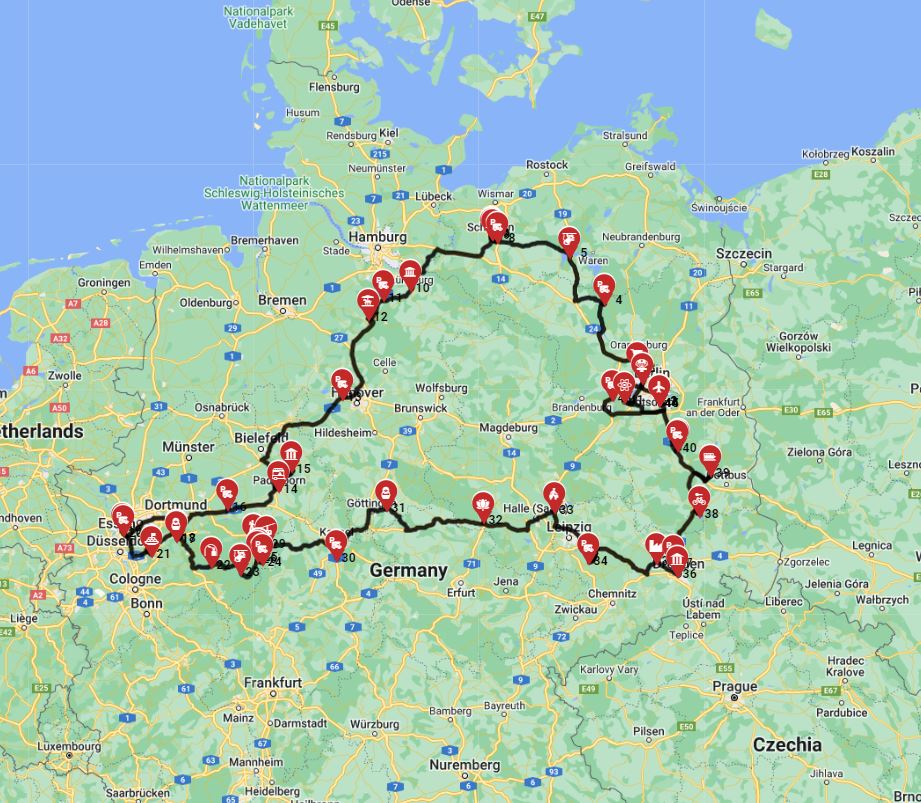
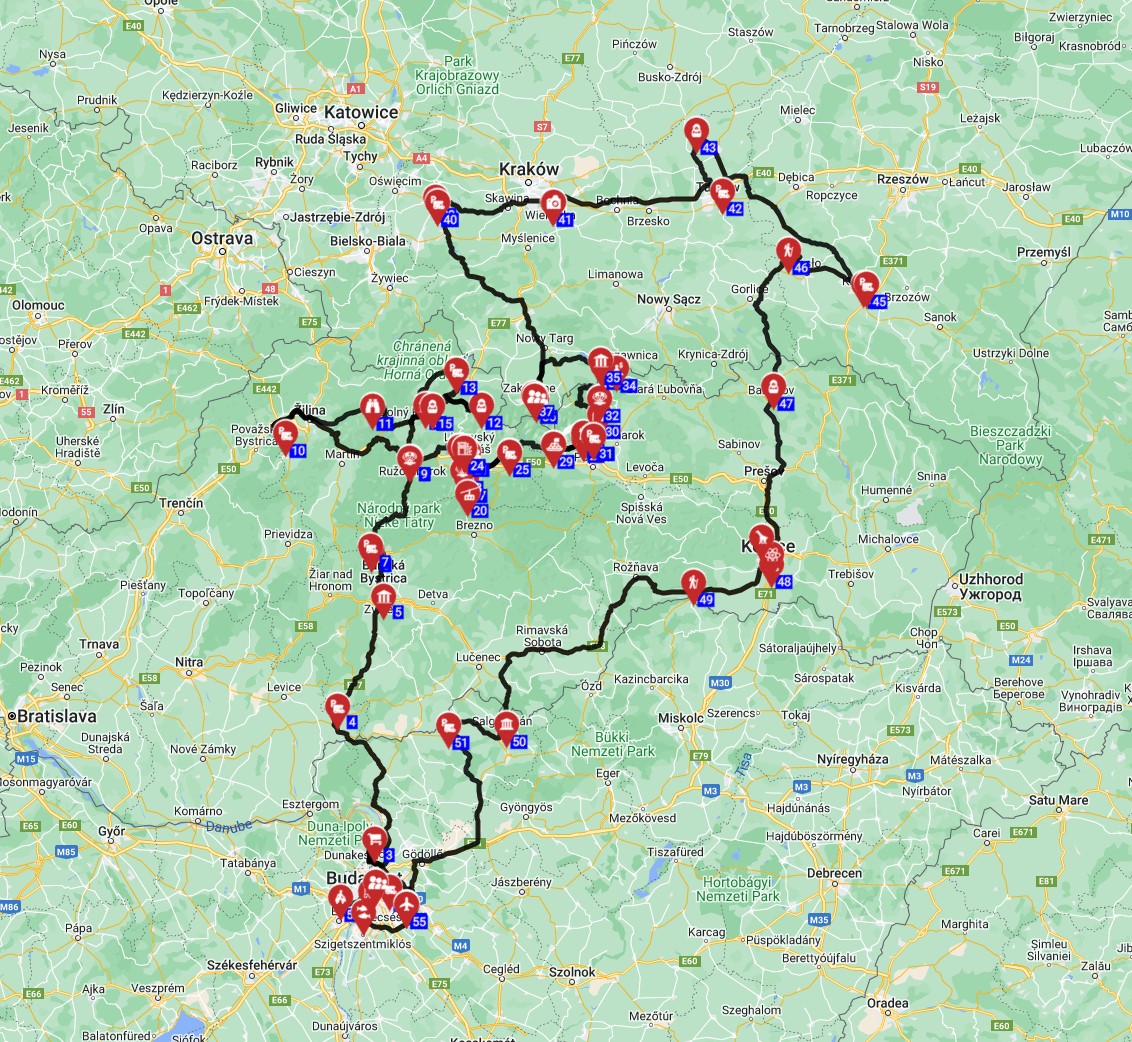
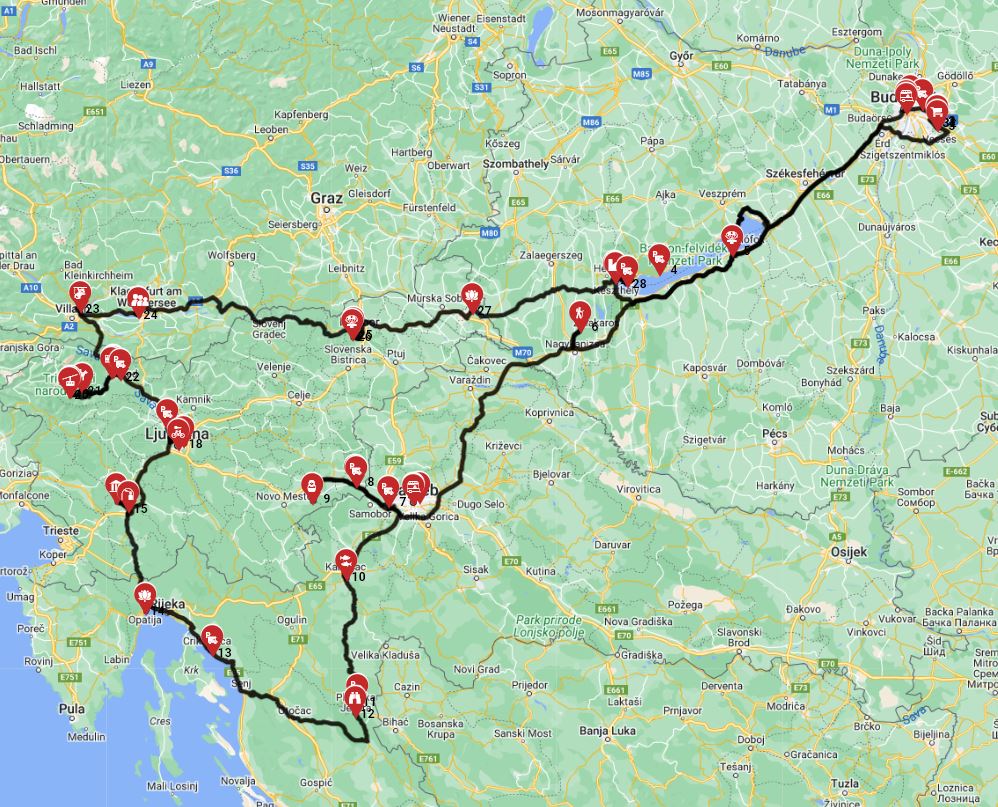
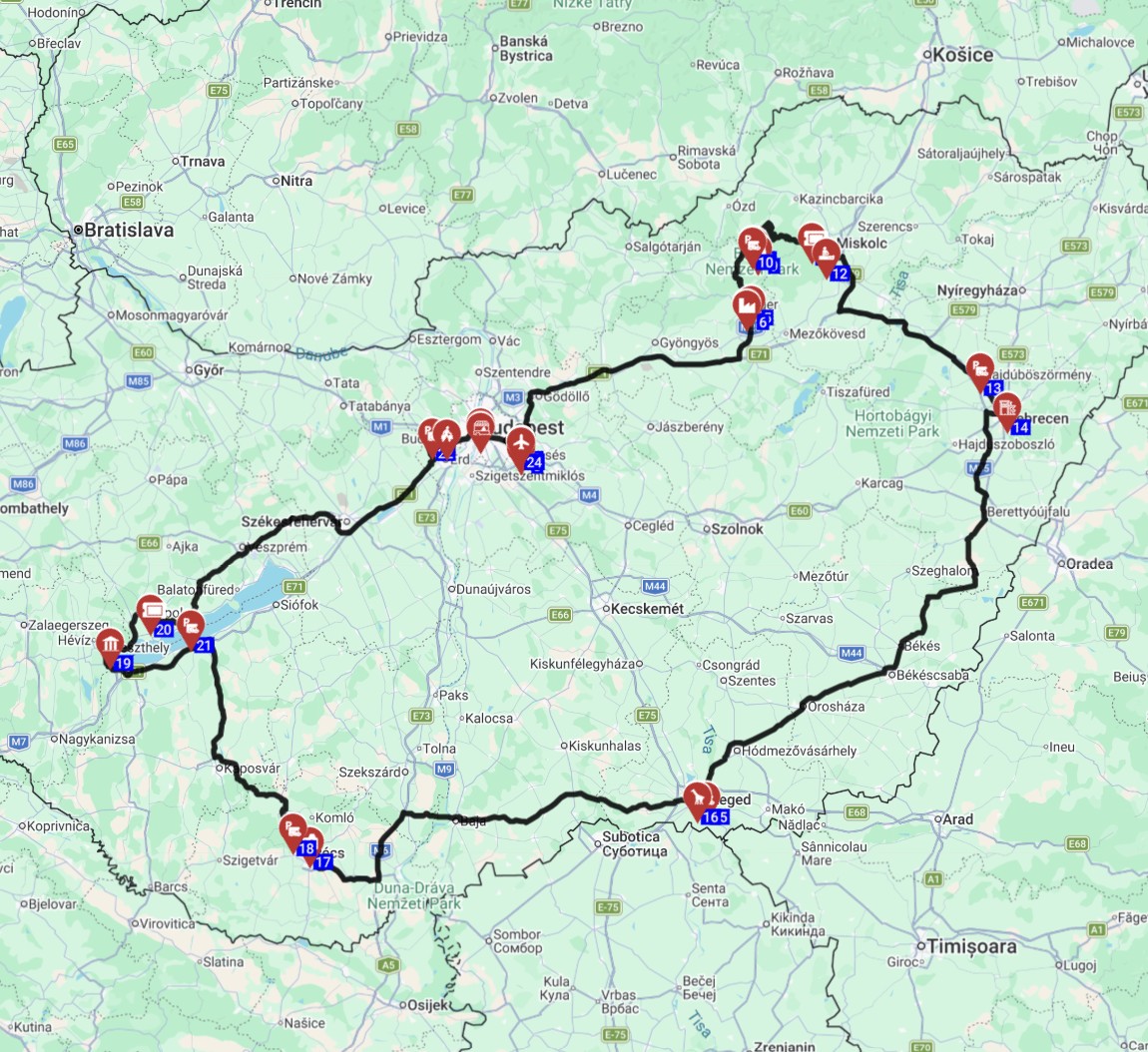
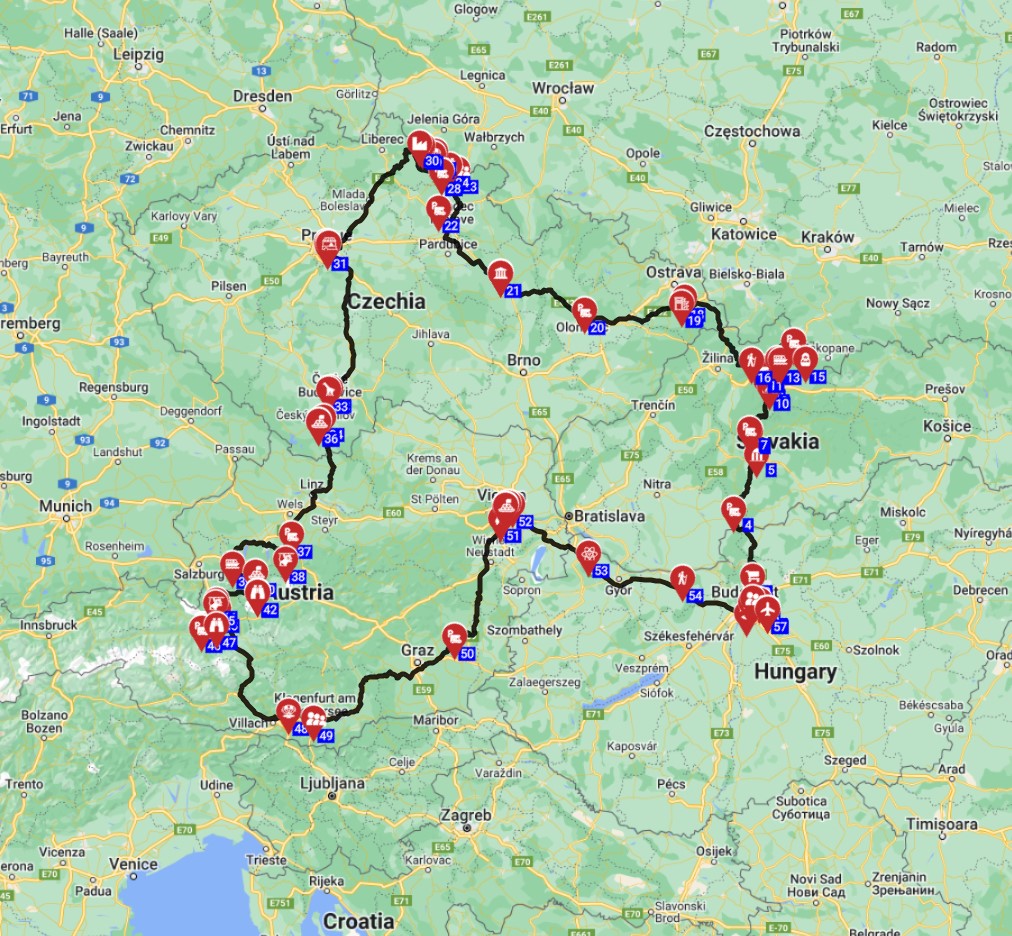
Each city offers unique attractions and access to incredible winter scenery, making your RV a mobile home base for exploration. Check out our RV Travel Guide to East Europe - Tips and Top Spots 2026 for more detailed routes and points of interest.
Country-Wide Practical Information for RV Travelers in East Europe
Embarking on a winter RV trip in East Europe requires some key practical knowledge to ensure a smooth and enjoyable journey. Road rules vary slightly by country: most drive on the right side of the road, and headlights are often mandatory during daylight hours, especially in winter. Speed limits generally range from 50 km/h in urban areas, 90 km/h on rural roads, and 130 km/h on motorways, but always check local signage. Emergency numbers are typically 112 across the European Union. For connectivity, consider purchasing a local SIM card upon arrival for affordable data, or a regional eSIM plan for broader coverage across multiple countries, as Wi-Fi at campgrounds can be inconsistent. When driving in cities like Budapest or Krakow, remember: drive slowly and carefully, and you can drive almost anywhere without issues. No need to stress - just use common sense and pay attention. For cooking delightful meals in your rented motorhome, explore our RV-friendly recipes playlist.
🎬 Video coming soon
What You Shouldn't Miss
- **Skiing in the Tatra Mountains**: Experience some of Europe's most picturesque and affordable skiing in Poland (Zakopane) or Slovakia.
- **Thermal Baths of Budapest**: Relax in the historic Szechenyi or Gellért baths, a truly unique winter experience.
- **Christmas Markets of Prague**: Wander through the illuminated Old Town Square and Wenceslas Square, enjoying festive treats and handcrafted goods.
- **Lake Bled, Slovenia**: Witness the iconic island church surrounded by snow and mountains, often offering ice skating or tranquil winter walks.
- **Peles Castle, Romania**: Visit this stunning Neo-Renaissance castle in Sinaia, beautifully adorned in winter snow.
- **Saxon Villages of Transylvania**: Explore fortified churches and charming villages like Sibiu and Brașov, which are magical under a blanket of snow.
- Looking for expert insights from Avi Bandana? Top 5 Adventures - recommendations from Avi Bandana.
Final Thoughts
Embarking on a winter RV rental journey through East Europe is an experience unlike any other, offering a unique blend of adventure, culture, and breathtaking snowy landscapes. With the right motorhome or campervan and a dash of careful planning, you can navigate bustling cities like Budapest, enjoy serene mountain drives in Slovenia, or discover the charm of Romania's winter festivals. Remember to travel slowly, averaging a maximum of 100-150 km per day, allowing yourself the time to truly immerse in the local culture, savor the delicious food, and admire the stunning scenery.
At Bandana, we're passionate about helping you craft these unforgettable memories. We're here to support you from comparing a wide range of options to securing your perfect winterized vehicle, always with full transparency and dedicated assistance. So, gather your loved ones, pack your warm clothes, and get ready to create incredible stories on the open road.
Are you ready to embrace the magic of a winter RV adventure? Compare Winter RV Rental Prices for East Europe today and begin planning your incredible journey!