In This Guide
- The 5 RV Families Compared for Austria
- Class A (Integrated) — Best For
- Price Comparison by RV Class in Austria
- Class SI (Semi-Integrated) — Best For
- Class C (Alcove) — Best For
- Class B (Campervan) — Best For
- Class TC (Truck Camper) — Best For
- Side-by-Side Comparison Table
- Our Recommendation for winter rv rental Travelers in Austria
- What are the best places to visit in Austria in winter?
- What equipment do I need for RV winter camping?
- Is it safe to drive an RV in winter?
- What are the road rules for RVs in Austria?
- Can you wild camp in Austria?
The 5 RV Families Compared for Austria
RV family choice is critical for a successful winter trip in Austria, directly impacting maneuverability on snowy roads, heating capacity, and overall comfort for your group size and desired trip length. Selecting the right RV class ensures your vehicle is well-suited for Austria's alpine terrain and winter climate. Consider factors like group size, desired level of luxury, and agility on narrow roads when making your choice. For a comprehensive overview of rental options and to start planning your adventure, explore the general RV PLANET routes.
Class A (Integrated) — Best For
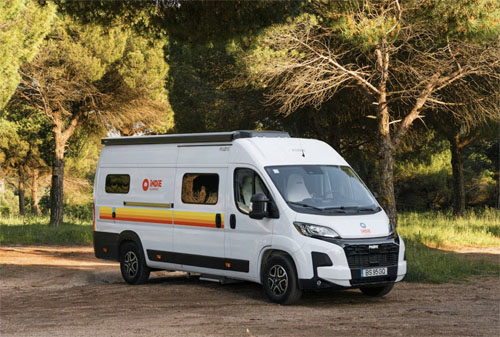
Class A integrated motorhomes from Bandana's fleet typically offer a luxurious and spacious experience for up to 4 adults, ideal for travelers prioritizing comfort and extensive amenities on a winter RV trip in Austria. With an average length of 7.5 meters and sleeping places for 4.4, these RVs provide ample living area, though their size can be a consideration on Austria's narrower mountain roads and in smaller towns. Fuel consumption averages 11-12 Liters per 100 km, reflecting their robust build and comprehensive features. These are best suited for large families or groups seeking maximum comfort, long-term stays, and luxury travel, provided they are comfortable navigating a larger vehicle.
Price Comparison by RV Class in Austria
Understanding the cost difference between RV classes is essential for budgeting your winter RV rental in Austria, with pricing influenced by factors such as demand, rental duration, and the specific model. Because pricing is flex-rate, the table below pulls real example prices from Bandana's live search, offering an indicative overview. Prices update daily and vary based on availability; current live numbers for your specific dates and locations can be found using the search box at the top of this page. For a detailed breakdown, explore the RV Rental in Austria - Prices and Best Deals 2026 guide. On the routes offered through RV PLANET routes, you can itemize and track every expense along the way for easy budgeting.
| Family | Avg Length (m) | Sleeps (Avg) | Fuel Use (Avg L/100km) | Best Use Case in Austria (Winter) |
|---|---|---|---|---|
| Class A (Integrated) | 7.5 | 4.4 | 11-12 | Luxury, larger groups, long stays in comfort |
| Class SI (Semi-Integrated) | 6.9 | 3.8 | 10-11 | Couples/small families, balanced comfort and agility |
| Class C (Alcove) | 7.5 | 5.8 | 10-12 | Families, larger groups, cost-efficient with ample sleeping |
| Class B (Campervan) | 5.8 | 3.2 | 10 | Couples/solo, agility, urban access, narrow roads |
| Class TC (Truck Camper) | 5.5 | 2.4 | 12-17 | Off-grid, remote adventure, detachability for flexible touring |
Class SI (Semi-Integrated) — Best For
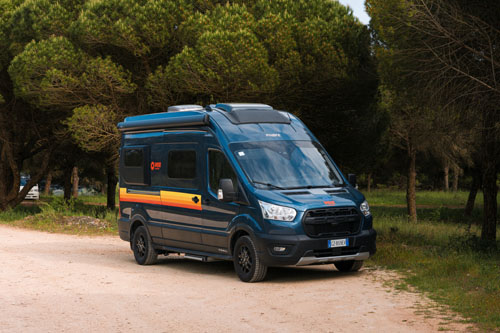
Semi-integrated (Class SI) motorhomes, averaging 6.9 meters in length, strike an excellent balance between spaciousness and maneuverability, making them a versatile choice for winter RV travel in Austria. Bandana's fleet typically offers sleeping for an average of 3.8 people and seating for 3.4 adults, making them suitable for couples or small families seeking comfort without the bulk of a Class A model. With an average fuel consumption of 10-11 Liters per 100 km, they offer a good compromise between efficiency and living space. They are best for couples or small families seeking balanced comfort, agility on alpine roads, and a range of amenities for a cozy winter trip. For those interested in more economical options, the Cheap RV Rental in Austria - Budget Guide 2026 can be a helpful resource.
Class C (Alcove) — Best For
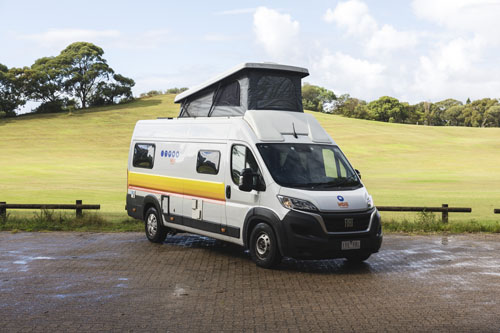
Class C alcove motorhomes, identifiable by their distinctive sleeping area above the cab, are ideal for families or larger groups exploring Austria in winter, with Bandana's fleet averaging 5.8 sleeping places and 7.5 meters in length. This class, with seating for typically 4.4 adults, combines ample living space with a generally robust build for varied road conditions, making them a cost-efficient option for larger parties needing dedicated sleeping areas. Fuel consumption for these models typically ranges from 10-12 Liters per 100 km, comparable to semi-integrated models despite their larger capacity. They are best for families with children, larger groups, or budget-conscious travelers prioritizing maximum sleeping capacity and interior volume for winter gear.
Class B (Campervan) — Best For
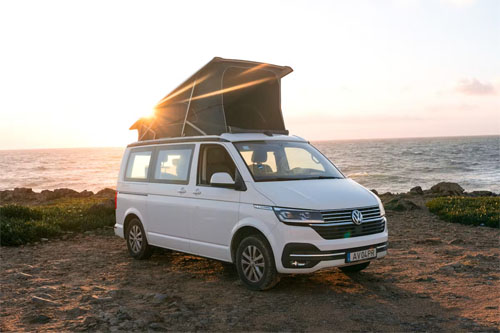
Class B campervans are the most agile and fuel-efficient option for winter RV travel in Austria, with Bandana's fleet averaging 5.8 meters in length and offering sleeping for up to 3.2 people. Their compact size makes them perfect for navigating narrow mountain roads, accessing smaller villages, and finding parking in tighter spots, appealing to adventurous couples or solo travelers. With a typical fuel consumption of around 10 Liters per 100 km, campervans offer greater economy for those covering longer distances. They are best for adventurous couples, solo travelers, those prioritizing maneuverability, fuel efficiency, and access to the most compact locations for dynamic winter exploration.
Class TC (Truck Camper) — Best For
Truck campers (Class TC) provide unparalleled flexibility for adventurous winter RV travel in Austria, allowing the camper unit to be detached from the pick-up truck for enhanced mobility once at a destination. With an average length of 5.5 meters and sleeping for around 2.4 people in Bandana's fleet, they are perfect for off-grid exploration and reaching more remote locations, though their fuel consumption is typically higher at 12-17 Liters per 100 km. Their rugged nature and potential for 4x4 capability make them suitable for challenging winter terrain and getting closer to nature. They are best for adventurous couples or solo travelers seeking off-grid capabilities, flexibility to explore difficult-to-access areas, and a unique touring experience.
Side-by-Side Comparison Table
This table provides a concise overview of the key specifications and ideal use cases for each RV family available for winter rental in Austria. For more detailed comparisons and to see specific models, check out guides like the Luxury RV Rental in Austria - Premium Prices 2026 or RV Rental Deals in Austria - Latest Offers 2026.
| Family | Avg Length (m) | Sleeps (Avg) | Fuel Use (Avg L/100km) | Best Use Case in Austria (Winter) |
|---|---|---|---|---|
| Class A (Integrated) | 7.5 | 4.4 | 11-12 | Luxury, larger groups, long stays in comfort |
| Class SI (Semi-Integrated) | 6.9 | 3.8 | 10-11 | Couples/small families, balanced comfort and agility |
| Class C (Alcove) | 7.5 | 5.8 | 10-12 | Families, larger groups, cost-efficient with ample sleeping |
| Class B (Campervan) | 5.8 | 3.2 | 10 | Couples/solo, agility, urban access, narrow roads |
| Class TC (Truck Camper) | 5.5 | 2.4 | 12-17 | Off-grid, remote adventure, detachability for flexible touring |
Our Recommendation for winter rv rental Travelers in Austria
For most winter RV rental travelers in Austria, the **Class SI (Semi-integrated) motorhome** emerges as the top recommendation due to its optimal balance of comfort, size, and maneuverability on Austrian roads, especially in winter conditions. Its average length of 6.9 meters allows for easier navigation than larger Class A or C models, while still providing ample living space and sleeping for around 3-4 people, ideal for a comfortable winter experience. A strong runner-up is the **Class B (Campervan)**, particularly for couples or solo adventurers prioritizing extreme agility, fuel efficiency, and access to the most compact locations, though with less interior space for winter gear. These choices balance the need for warmth and comfort with the practicalities of driving in alpine environments.
What are the best places to visit in Austria in winter?
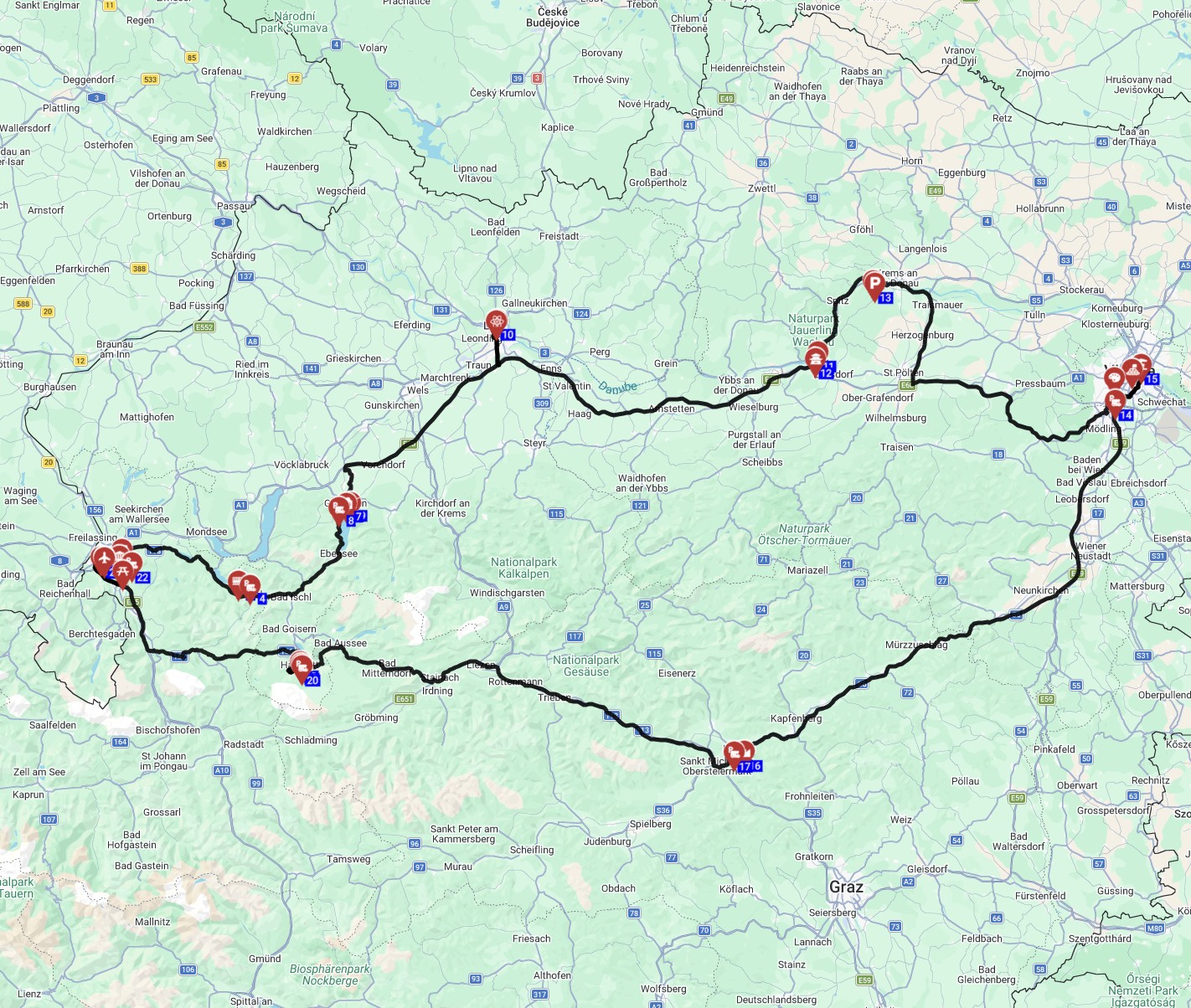
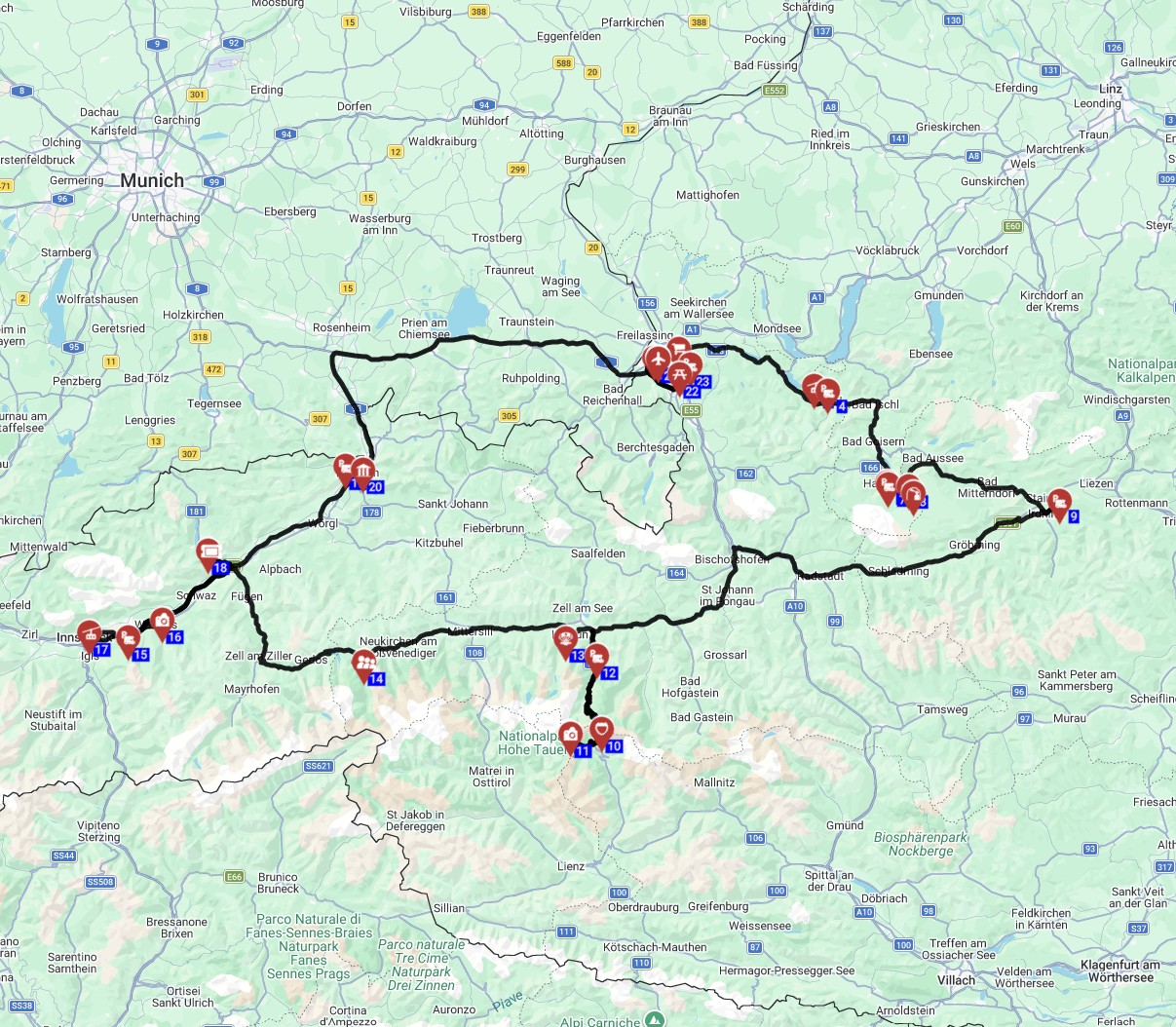
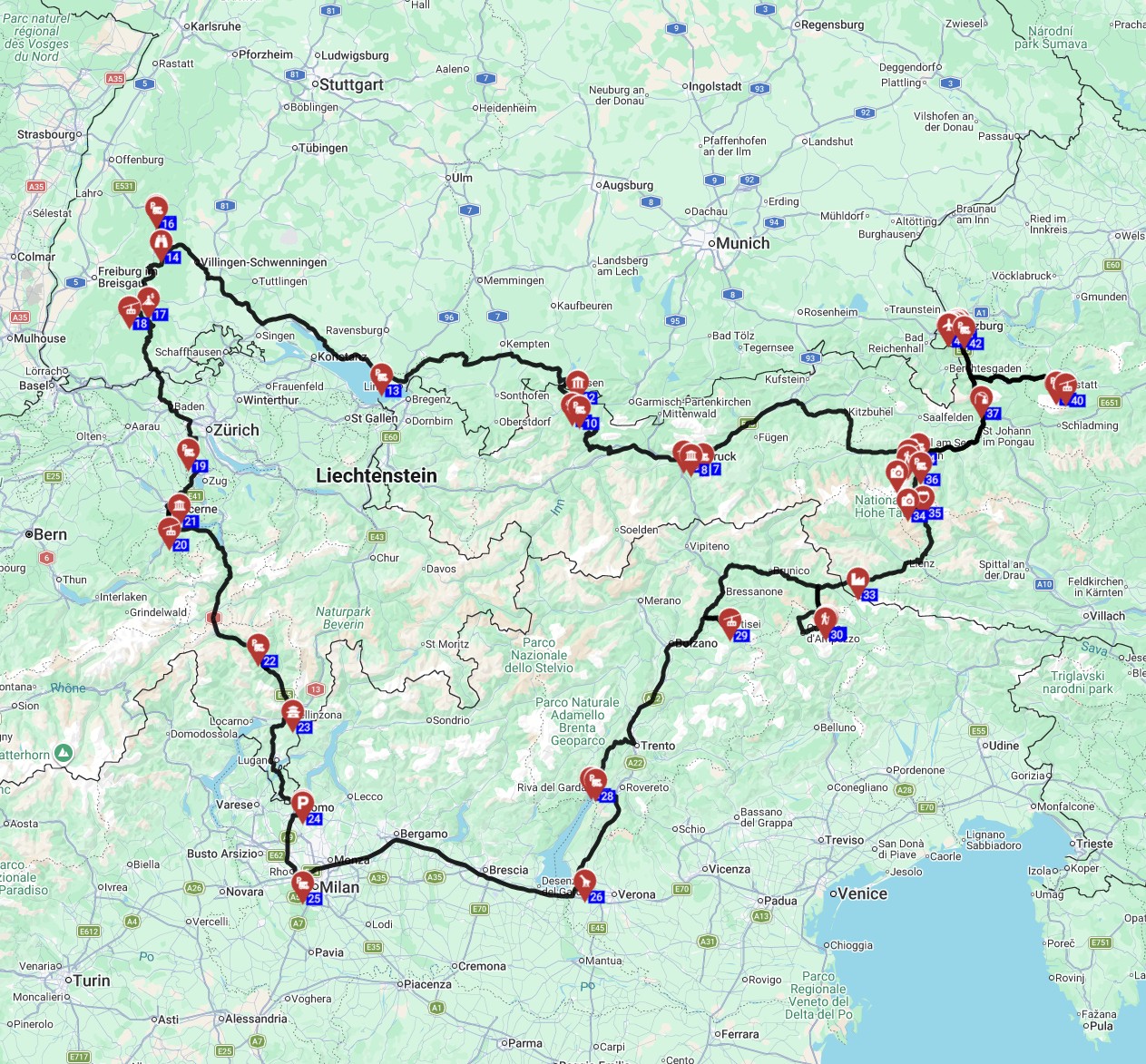
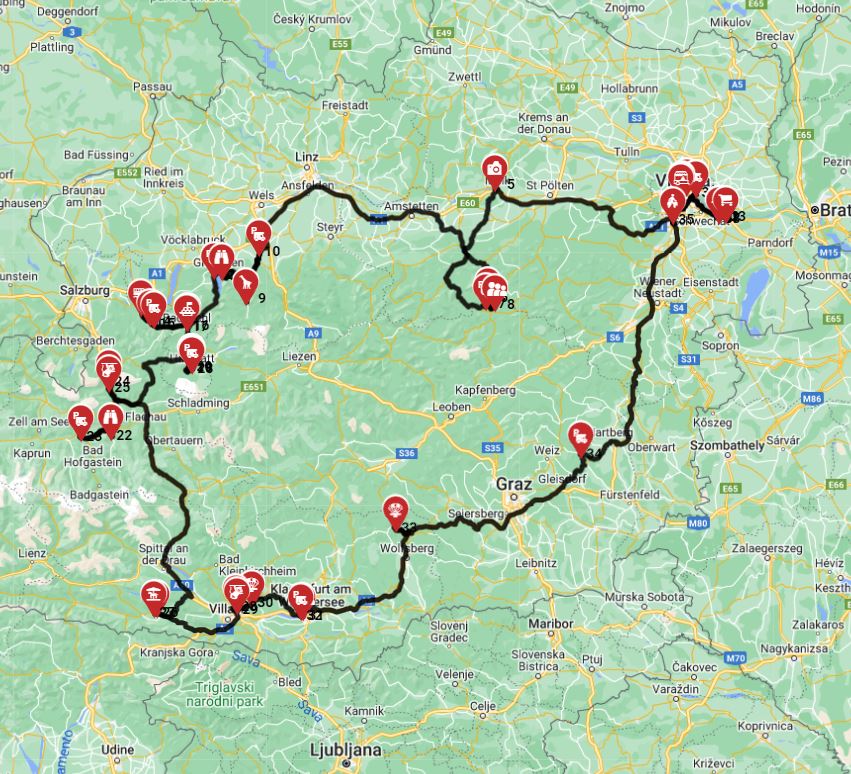
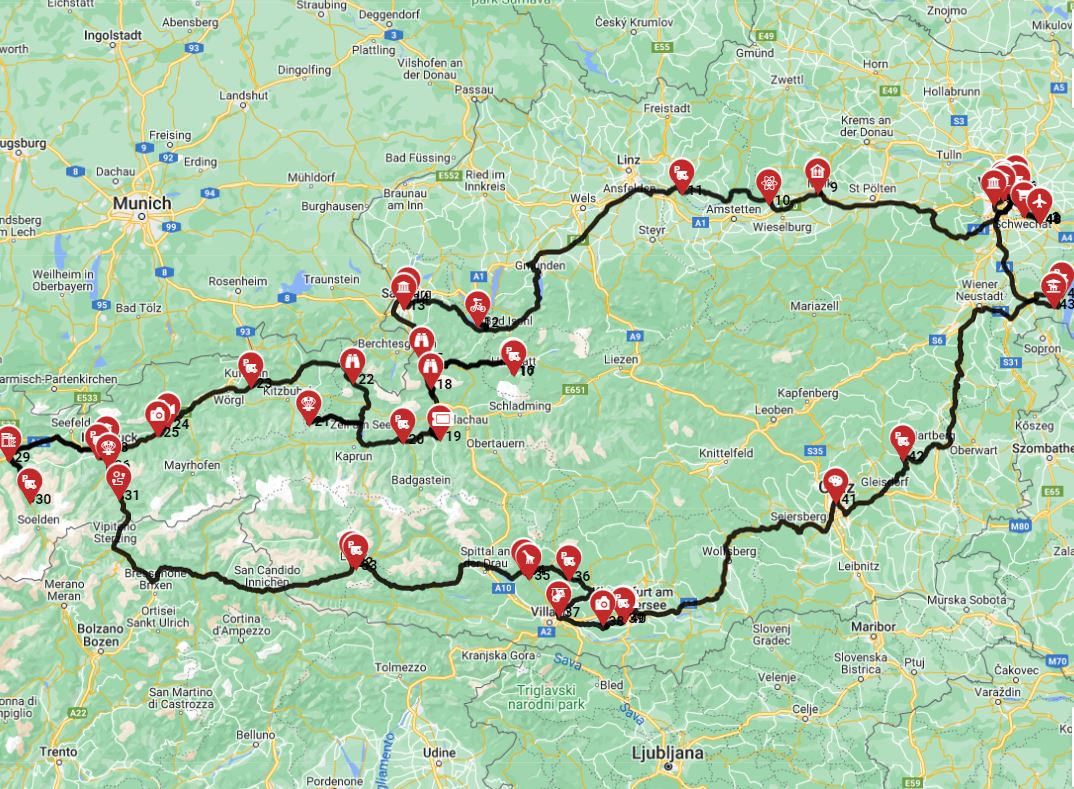
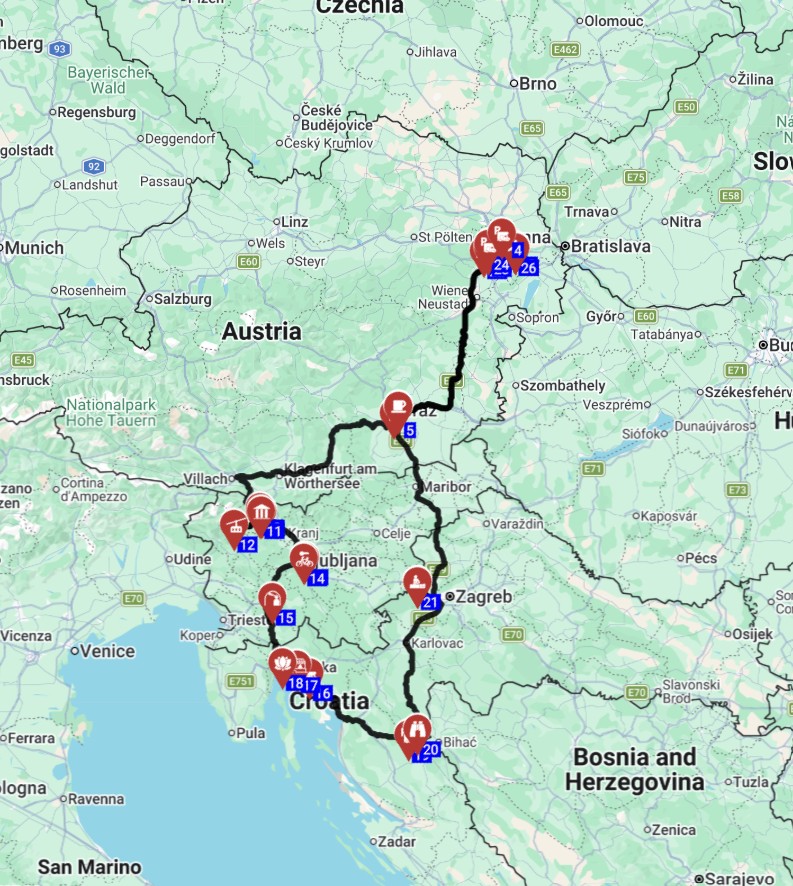
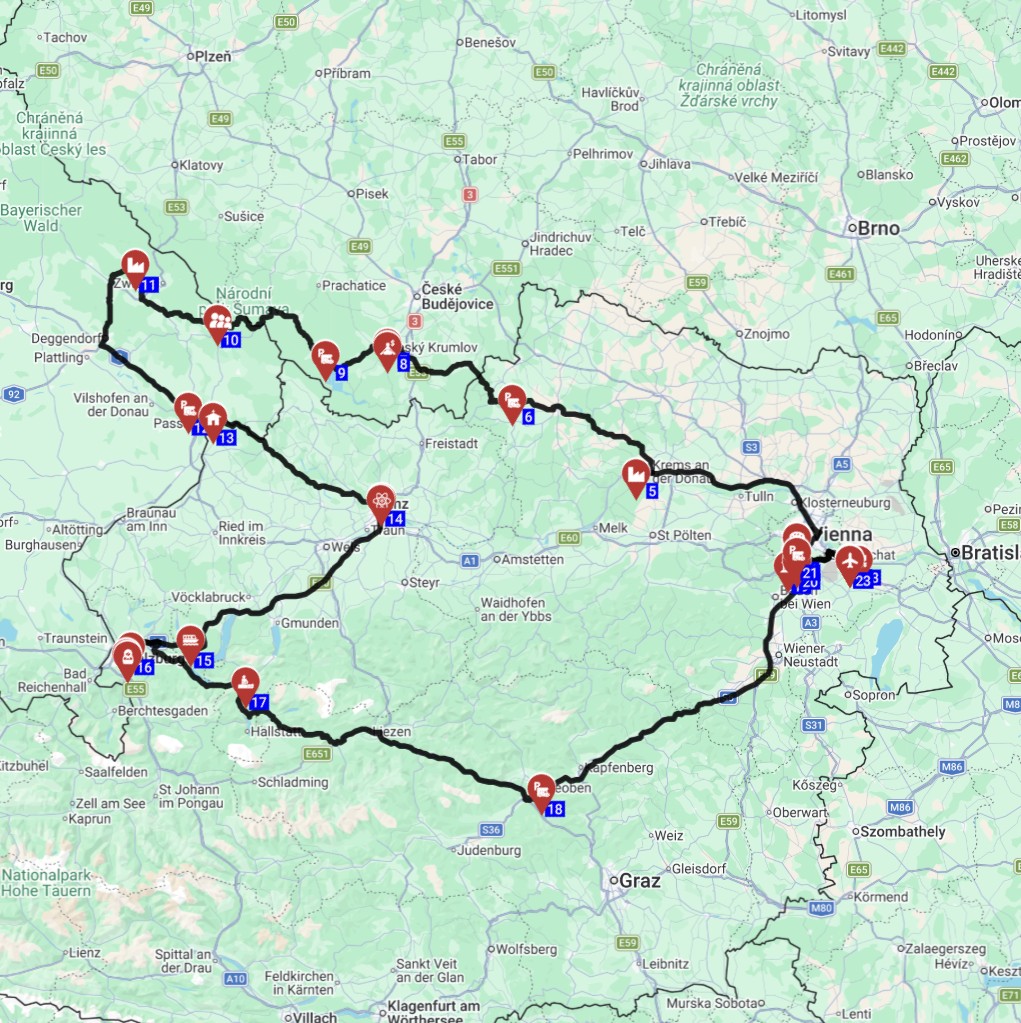
Austria offers a stunning array of winter destinations perfect for RV travel, from world-class ski resorts like St. Anton am Arlberg and Kitzbühel to charming Christmas markets in Salzburg and Vienna, and serene natural parks such as the Hohe Tauern. For genuine cultural immersion, consider visiting local markets in smaller towns like Alpbach or Hallstatt, or seeking out regional winter festivals, beyond just the major tourist hubs, to experience authentic Austrian traditions and local etiquette firsthand. Integration of RV travel with specific outdoor activities such as skiing is easily achievable by choosing campsites near resorts like Sölden or Zell am See, while managing ski gear in an RV requires efficient storage solutions often available in larger Class C or SI models. Exploring less-known regions like the Waldviertel can also provide unique winter landscapes and local culinary experiences. If you're looking for curated travel plans, check out the RV PLANET routes for pre-planned itineraries across Austria.
What equipment do I need for RV winter camping?
Essential equipment for winter RV camping in Austria includes mandatory snow chains for driving on designated roads (often signposted), certified winter tires (typically provided by rental companies but confirm), extra insulation materials for windows, and a reliable, robust heating system to maintain interior comfort. Additionally, travelers should pack an anti-freeze additive for water tanks, a shovel for snow clearance, and sturdy winter clothing, ensuring the RV is fully prepared for cold weather conditions. Consider a practical technology stack including recommended local apps such as ASFINág for traffic and toll information, Bergfex for detailed weather and snow forecasts, and Stellplatz-Finder apps for locating suitable RV parking and campsites, along with offline maps for areas with limited mobile reception. For a smooth journey, leveraging resources on RV PLANET can help you itemize and track all your expenses.
Is it safe to drive an RV in winter?
Driving an RV in Austrian winter can be safe with proper preparation and adherence to local regulations, as long as travelers are equipped with winter tires, snow chains, and practice cautious driving techniques appropriate for snowy and icy conditions. In-depth guidance on specific mountain driving challenges for RVs involves understanding steep grades, requiring lower gears and careful brake management, especially on descents, and being aware of narrow roads where larger RVs (like Class A or C) might encounter difficulties or need to avoid certain routes altogether by checking road conditions prior to departure. It is crucial to maintain a safe following distance, avoid sudden movements, and be prepared for rapidly changing weather conditions, which can be monitored via local weather apps or radio. For more detailed route planning, consider the RV Rental Austria - Complete Guide 2026.
What are the road rules for RVs in Austria?
RV drivers in Austria must adhere to specific road rules, including mandatory winter tires between November 1 and April 15, carrying reflective vests for all passengers, and understanding the country's unique and sometimes complex toll system. A comprehensive breakdown of the complex Austrian toll system requires distinguishing between the 'Vignette' (toll sticker) required for vehicles up to 3.5 tonnes (relevant for most campervans and smaller motorhomes) and the 'GO-Box' electronic toll system for RVs over 3.5 tonnes, with additional tunnel tolls applicable on specific mountain routes like the Brenner Pass. Speed limits are generally 100 km/h on motorways and 80 km/h on open roads for RVs over 3.5 tonnes, while smaller RVs typically follow car limits (130 km/h on motorways, 100 km/h on open roads). Always keep your vehicle registration, insurance documents, and driving license readily accessible. Planning your route with tools like those on RV PLANET can help you navigate these requirements.
Can you wild camp in Austria?
Wild camping is generally prohibited or heavily restricted in most parts of Austria, making designated Stellplätze (motorhome parking areas) and official campsites the primary legal options for overnight stays in an RV. Detailed legal alternatives to wild camping include specific Stellplätze that often provide basic facilities, farm camping regulations which can vary by region and offer a unique experience, and official campsites that provide full amenities, all of which ensure compliance with local laws; regional variations in parking rules also need to be checked locally for short, non-overnight stops. Specific focus on sustainable RV travel practices relevant to Austria involves using designated waste disposal points for grey and black water, opting for eco-friendly campsites that support environmental protection, and generally minimizing your environmental footprint by respecting local regulations, avoiding littering, and staying on marked paths. Always consult local Gemeinde (municipality) regulations or tourist information offices if unsure about specific parking or overnighting rules. For finding suitable and legal overnight spots, explore the options on RV PLANET.
What You Shouldn't Miss
- Drive the scenic Grossglockner High Alpine Road (check seasonal closures).
- Explore the Christmas markets in Salzburg or Vienna for festive charm.
- Visit the historic town of Hallstatt, nestled by a serene lake.
- Experience winter sports in resorts like St. Anton am Arlberg or Kitzbühel.
- Discover the charming villages of the Austrian Alps, such as Alpbach.
- Hike or snowshoe in national parks like Hohe Tauern for stunning winter landscapes.
Final Thoughts
Renting an RV in Austria for a winter adventure offers a unique way to experience the country's stunning alpine landscapes and charming culture. By carefully considering the RV type that best suits your needs and planning your route with resources like RV PLANET, you're setting yourself up for an unforgettable journey. Remember to book in advance, especially for peak seasons, and embrace the freedom and flexibility that RV travel provides.
Austria in winter is magical, with snow-dusted peaks, cozy villages, and the festive spirit of the holiday season. With a rented RV, you have the perfect mobile basecamp to explore it all at your own pace. Don't hesitate to reach out to our RV specialists if you have any questions – we're here to help you plan your dream winter escape!