In This Guide
- Best Windhoek RV Itinerary for winter rv rental - Overview
- 7-Day Classic Route in Windhoek
- 14-Day Extended Journey in Windhoek
- Recommended RVPlan Trip for Windhoek
- Must-See Stops Along the Way (Avi Bandana Picks)
- Daily Driving Distances & Drive Times in Windhoek
- Best RV Class for This Itinerary - Couple & Family Picks
- What are the safety protocols for RV travel in Windhoek during winter?
- How much does an RV trip in Windhoek cost in winter?
- What are the logistics for extended RV travel in Windhoek's arid environment?
- How can I experience local culture during a winter RV trip in Windhoek?
- What RV is best for driving gravel roads in Windhoek in winter?
- Where can I find unique wild camping experiences near Windhoek?
Best Windhoek RV Itinerary for winter rv rental - Overview
Winter in Windhoek, spanning from June to August, offers ideal dry, clear weather with average daytime temperatures of 20°C (68°F), making it perfect for RV travel and exceptional game viewing. An optimal RV itinerary for Windhoek and its surroundings typically spans 7 to 14 days, allowing ample time to immerse yourself in key highlights such as the towering dunes of Sossusvlei, the coastal charm of Swakopmund, and the prolific wildlife of Etosha National Park. Travelers can expect to cover approximately 1,500 to 3,000 kilometers for a comprehensive experience, enjoying a slow travel approach through Namibia's diverse and breathtaking landscapes. This guide provides detailed routes, vehicle recommendations, and practical tips for a memorable winter RV adventure. For live availability and current prices for your journey, start with our RV Rental Windhoek - Complete Guide 2026 guide.7-Day Classic Route in Windhoek
A 7-day classic RV itinerary from Windhoek offers a fantastic introduction to Namibia's iconic natural wonders and is perfect for a week-long trip.- Day 1: Windhoek to Sossusvlei Area (approx. 350 km). Drive from Windhoek, experiencing the transition from urban landscapes to the vast Namib Desert. Make sure to stop at the Tropic of Capricorn sign for a photo opportunity. Park your rented motorhome at Sesriem Campsite, which offers basic facilities and is strategically located inside the park gate for early access to the dunes.
- Day 2: Sossusvlei and Deadvlei Exploration (local driving). Wake early to witness the iconic red dunes of Sossusvlei at sunrise. Explore the ancient, petrified trees of Deadvlei. Spend the day hiking and marveling at these geological wonders. Consider staying another night at Sesriem or a nearby lodge.
- Day 3: Sossusvlei Area to Swakopmund (approx. 350 km). Journey through dramatic desert landscapes to the coastal town of Swakopmund. This charming town offers a blend of adventure activities and well-preserved German colonial architecture. Secure a spot at Alte Brücke Resort, a popular RV-friendly campground with good facilities.
- Day 4: Swakopmund Activities & Relaxation (local). Engage in thrilling activities like quad biking, sandboarding, or a marine cruise to spot seals and dolphins. Alternatively, explore the town's museums, unique shops, and cafes. Spend another night in Swakopmund.
- Day 5: Swakopmund to Spitzkoppe (approx. 150 km). Drive to Spitzkoppe, often referred to as the 'Matterhorn of Namibia,' a stunning granite inselberg ideal for photography and exploring ancient rock art. The Spitzkoppe Community Campsite offers rustic but breathtaking camping spots amidst the granite boulders.
- Day 6: Spitzkoppe to Erindi Private Game Reserve or Okahandja (approx. 200-300 km). Head east towards a private game reserve like Erindi for an exclusive safari experience, or break the journey in Okahandja. Erindi Private Game Reserve offers excellent camping facilities alongside wildlife viewing opportunities.
- Day 7: Erindi/Okahandja to Windhoek (approx. 150 km). Enjoy a relaxed drive back to Windhoek, allowing time for souvenir shopping at the local craft markets or a final Namibian meal before returning your rented RV. Remember, driving slowly, max 100-150 km per day on average, allows you to truly feel the place and connect to the scenery.
14-Day Extended Journey in Windhoek
An extended two-week adventure allows for deeper exploration of Namibia's diverse landscapes and wildlife, providing a more immersive winter RV rental in Windhoek experience.- Days 1-5: Southern Deserts & Coast. Follow the 7-day itinerary's first five days, thoroughly experiencing Windhoek, the majestic Sossusvlei dunes, and the vibrant coastal town of Swakopmund.
- Day 6: Swakopmund to Damaraland / Brandberg (approx. 250 km). Head north from Swakopmund into the rugged beauty of Damaraland, a region renowned for its desert-adapted elephants and the imposing Brandberg mountain, home to the famous 'White Lady' rock art. Stay at a community campsite or lodge in Damaraland.
- Day 7: Damaraland Exploration (local). Spend a full day tracking desert elephants, visiting the UNESCO World Heritage site of Twyfelfontein with its ancient rock engravings, and exploring the geological formations like the Burnt Mountain.
- Day 8: Damaraland to Etosha National Park (Anderson Gate) (approx. 250 km). Drive to the iconic Etosha National Park, entering through Anderson Gate on the western side. Book your stay at Okaukuejo Rest Camp inside Etosha, famous for its floodlit waterhole.
- Day 9: Etosha National Park Game Drives (local). Dedicate the day to extensive game drives, focusing on the numerous waterholes around Okaukuejo for prime wildlife viewing. Keep your camera ready for lions, rhinos, and elephants.
- Day 10: Etosha East (local). Continue your game viewing experience across Etosha, heading east towards Namutoni. Stay at Halali Rest Camp or Namutoni Rest Camp, both offering excellent facilities and their own unique waterholes.
- Day 11: Etosha to Waterberg Plateau Park (approx. 300 km). Exit Etosha and drive south to Waterberg Plateau Park, a unique ecological paradise known for its diverse flora and fauna, including rare antelope species. Camp at the Waterberg Camp with its stunning views.
- Day 12: Waterberg Activities & Otjiwarongo (local). Hike on the plateau, or venture out to visit the renowned Cheetah Conservation Fund nearby. You could also explore the town of Otjiwarongo for local crafts and supplies.
- Day 13: Waterberg/Otjiwarongo to Mariental / Kalahari (approx. 300-400 km). Drive south towards the captivating fringes of the Kalahari Desert near Mariental, experiencing the striking red sands and unique desert vegetation. Overnight at a lodge or campsite near Mariental.
- Day 14: Mariental to Windhoek (approx. 270 km). Enjoy a final leisurely morning amidst the Kalahari's tranquility before embarking on your return journey to Windhoek, concluding your epic Namibian adventure.
Recommended RVPlan Trip for Windhoek
Bandana Caravan is a true RV specialist, not just a travel agency side department. We know RV travel inside and out, which is why we created RV PLANET (rvplan.net). Bandana offers a range of expertly curated RV PLANET routes designed to take the guesswork out of your adventure. These pre-planned itineraries, accessible through our intuitive trip-planning software, include detailed routes, recommended stops, and camping information, allowing you to focus on the experience rather than the logistics and ensure a seamless winter RV rental in Windhoek. Plus, by using rvplan.net, you can enjoy a 25% planning discount, making your journey even more affordable and stress-free. With RV PLANET routes, travelers can itemize and track every expense along the way for easy budgeting.Must-See Stops Along the Way (Avi Bandana Picks)
When exploring Windhoek and its surrounding beauty with your rented RV, there are certain spots that offer an authentic Namibian experience. Looking for expert insights from Avi Bandana? Top 5 Adventures - recommendations from Avi Bandana:- For authentic cultural immersion, Avi Bandana recommends visiting the vibrant Soweto Market in Windhoek's Katutura township. This bustling market offers a genuine glimpse into local life and cuisine, far from typical tourist spots.
- Support local communities by exploring craft centers like Penduka Village outside Windhoek, or browsing unique handmade goods at smaller, non-touristy roadside stalls scattered along your route. These purchases directly benefit local artisans.
- Taste traditional Namibian cuisine, such as Kapana (grilled meat) from lively street vendors in Katutura, or a hearty Potjiekos (stew) at local eateries beyond the main tourist hubs. Don't be shy to try something new, it's part of the adventure! If you're inspired to try some RV cooking yourself, check out our RV-friendly recipes playlist for delicious meal ideas on the go.
- Consider visiting community-run conservancies or campsites, especially those around Spitzkoppe. These provide unique camping experiences, often with basic facilities, and offer direct, respectful interaction with local people and their traditions.
- The panoramic views from Independence Avenue in Windhoek, especially around sunset, offer a great perspective of the city as you drive your motorhome, leading to the historical Christ Church.
Daily Driving Distances & Drive Times in Windhoek
Avi Bandana recommends a maximum of 100 miles or 150 km per day on average to truly savor the landscape and allow for spontaneous stops, which is crucial for a relaxed winter RV rental in Windhoek. Driving times in Namibia can be significantly longer than anticipated due to the extensive network of gravel roads and varying conditions. For example, the drive from Windhoek to the Sesriem area (gateway to Sossusvlei) is approximately 350 km but can take 4.5 to 5.5 hours due to gravel sections. A shorter journey from Swakopmund to Spitzkoppe, around 150 km, typically requires about 2 to 2.5 hours of driving on gravel. Longer distances like Windhoek to Etosha National Park (Anderson Gate), about 400 km, can easily take 5 to 6 hours, emphasizing the need for conservative daily planning. Remember, the journey itself is part of the adventure; take your time to appreciate the vast, open spaces of Namibia.Best RV Class for This Itinerary - Couple & Family Picks
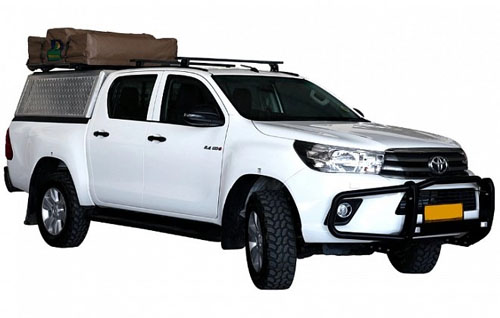
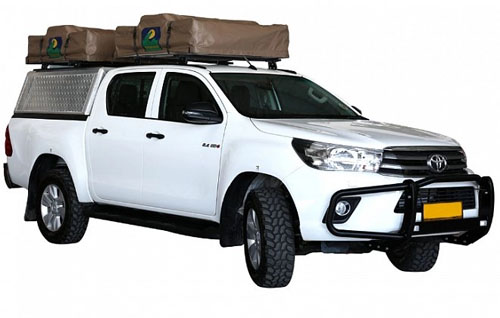
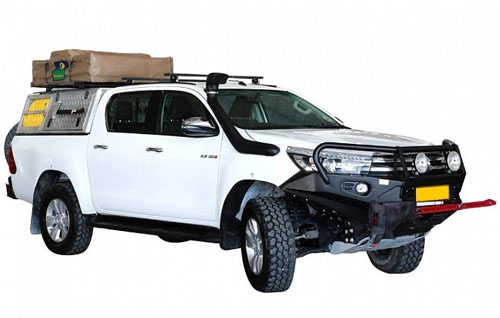
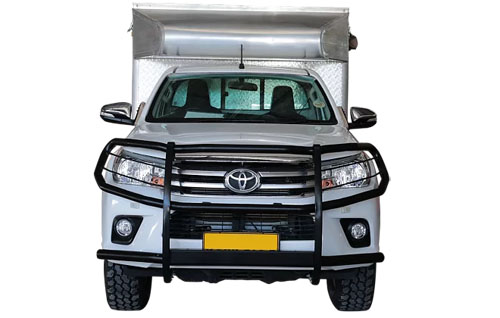
Selecting the right campervan or motorhome ensures your comfort and suitability for Namibia's diverse roads. For couples embarking on a winter RV rental in Windhoek, the Class TC - Truck Camper, such as the 'Patagonia Camper 4x4 double cab', is an excellent choice. This robust vehicle, with features like "4 Wheel Drive", "Front Air condition", and "RV size - Small", typically measures around 5.4 meters in length and offers sleeping capacity for up to 3 people. Its compact and agile nature, combined with an average fuel consumption of 12 liters per 100 km, makes it perfectly suited for navigating Namibia's extensive gravel roads and accessing more remote campsites.What are the safety protocols for RV travel in Windhoek during winter?
RV travel in Windhoek during winter, which is Namibia's dry season, is generally safe due to clear skies and stable weather, but adherence to specific safety protocols is crucial for a smooth journey. Always conduct a thorough pre-trip vehicle check, including adjusting tire pressure for gravel roads (lower pressure provides better traction and a smoother ride), checking fluid levels, and ensuring your spare tire is in excellent condition and easily accessible. Maintain appropriate speeds on gravel roads, typically 60-80 km/h, to prevent loss of control, reduce the risk of punctures, and minimize stone chips to your rented motorhome and other vehicles. Be highly vigilant for wildlife, especially during dusk and dawn, as animals like Kudu, Oryx, and even warthogs frequently cross roads without warning, and always avoid driving at night in remote areas. It is strongly recommended to carry emergency supplies including extra water (at least 20 liters per person), additional fuel in jerry cans, a comprehensive first-aid kit, and essential communication options like a satellite phone or high-frequency radio for areas with no mobile signal. Remember, drive slowly and carefully, and you can drive almost anywhere without issues. No need to stress - just use common sense and pay attention.How much does an RV trip in Windhoek cost in winter?
The cost of a winter RV trip in Windhoek can vary significantly, typically ranging from NAD 1,500 to NAD 3,500 per day (approximately $80-$190 USD), depending on the RV class, specific routes, fuel consumption, and your chosen activities. RV rental fees constitute a major portion of your budget; smaller campervans or Class TC - Truck Campers are generally more economical than larger Class C - Alcove motorhomes. For fuel, budget with estimates around 12 liters per 100 km, but be aware this can increase on challenging gravel terrain, and fuel prices in remote areas may be higher. Camping fees range from NAD 100 for basic community sites, like those around Spitzkoppe, to NAD 400-600 for national park or private resort campsites near places like Sossusvlei or Etosha. It's important to research wild camping legality and safety, as it is often restricted to designated areas or requires explicit permission on private land. Factor in food and supplies, which can be purchased economically at local markets in Windhoek (such as Soweto Market) or larger towns before venturing into remote areas. Finally, allocate funds for national park entrance fees, activity costs (e.g., dune boarding, game drives), and maintain an emergency contingency fund for unexpected expenses. For detailed budgeting and to itemize every expense along the way, we recommend using RV PLANET routes.What are the logistics for extended RV travel in Windhoek's arid environment?
Managing logistics for extended RV travel in Namibia's arid environment primarily involves meticulous planning for water sourcing and purification, understanding fuel availability on remote routes, and responsible waste management. Always carry sufficient fresh water in your rented RV's tank (a typical Class C might have a 100-150 liter tank) and additional bottled water, especially when venturing into the desert regions like Sossusvlei. Consider investing in a portable water purification system or tablets for emergencies or for sourcing from less reliable points. Plan your fuel stops carefully, particularly on long, remote stretches between towns like Windhoek and Swakopmund; it is advisable to carry extra jerry cans for peace of mind, as fuel stations can be hundreds of kilometers apart. Practice 'Leave No Trace' principles for waste management by utilizing designated waste disposal points at campsites and never littering the pristine environment. Ensure your RV's battery system is robust, potentially supplemented by solar panels, for off-grid power, and be prepared for limited mobile network coverage by having alternative communication methods such as a satellite phone or a high-frequency radio, especially when traveling through areas like Damaraland.How can I experience local culture during a winter RV trip in Windhoek?
To authentically experience local culture during a winter RV trip in Windhoek, engage respectfully with communities, visit non-touristy local markets, support community craft projects, and explore unique Namibian cuisine. Visit the vibrant Katutura township, particularly the Soweto Market off Independence Avenue, to interact with locals, sample traditional street food like Kapana, and observe daily life in a bustling urban setting. Seek out community-run campsites or tourism initiatives, such as those near Spitzkoppe, which often provide direct economic benefit to local populations and offer a more intimate cultural exchange. Learning a few basic phrases in Afrikaans or a local language, such as Otjiherero or Oshiwambo, can greatly enhance interactions. Always ask for permission before taking photographs of people. Explore non-touristy local eateries for authentic Namibian dishes like pap (millet porridge), potjiekos (stew), and biltong (dried meat). Consider attending any local festivals or events happening during your winter visit to truly connect with the diverse heritage of Namibia. Remember, when you cook your own meals in your rented motorhome, you can also experiment with local ingredients; check out our RV-friendly recipes playlist for inspiration.What RV is best for driving gravel roads in Windhoek in winter?
For driving Namibia's extensive gravel roads, especially during the dry winter, a robust 4x4-capable RV like a Class TC - Truck Camper, such as the "Patagonia Camper 4x4 double cab," is often recommended due to its higher ground clearance, agile maneuverability, and durability. These vehicles, often measuring around 5-6 meters in length, offer superior traction and control on loose surfaces, which is essential for safety and navigating challenging sections that make up a significant portion of routes outside Windhoek. Opt for an RV with good ground clearance to prevent damage from rocks and uneven terrain, common on Namibian gravel roads. It's crucial for renters to understand basic maintenance tips, such as knowing how to change a tire and having a repair kit, as punctures are common on gravel. Driving on gravel roads requires a reduced speed, typically between 60-80 km/h, to maintain control, minimize dust, and protect the vehicle from impact damage. While larger Class C motorhomes can handle some gravel, the superior capability of a 4x4 campervan or truck camper offers greater peace of mind and access to more remote areas. For options and pricing, consider "RV Rental Deals in Windhoek - Latest Offers 2026".Where can I find unique wild camping experiences near Windhoek?
Unique wild camping experiences near Windhoek, though requiring careful consideration for legality and safety, can be found on specific private conservancies or in designated remote areas often accessible via less-traveled routes. True 'wild camping' (setting up camp anywhere) is generally not permitted in Namibia's National Parks or on private land without explicit permission, so always research specific regulations and permits. Community campsites, such as the Spitzkoppe Community Campsite or those found in Damaraland, offer a controlled wild-like experience with basic facilities, such as long-drop toilets and water points, in breathtaking natural settings, directly benefiting local communities. Some private game farms or conservancies near Windhoek and extending into the Kalahari offer exclusive, remote campsites that allow for a profound sense of isolation and immersion in nature, usually requiring advance booking and adherence to their specific rules. Exploring less-traveled routes, particularly in regions like Damaraland or the fringes of the Kalahari east of Mariental, can lead to stunning, isolated spots, but these require greater self-sufficiency and awareness of wildlife and local land tenure. Always check local laws and seek advice from local tourism offices or your RV rental supplier before attempting any form of wild camping in Namibia. You can also review options in our comprehensive guide "RV Rental Namibia - Complete Guide 2026".What You Shouldn't Miss
- Climb Dune 45 at Sossusvlei: Experience the breathtaking sunrise from atop Dune 45, an iconic red dune towering over the Namib Desert, offering panoramic views.
- Explore Deadvlei's Ancient Trees: Wander through the haunting landscape of Deadvlei, where fossilized camel thorn trees stand against a backdrop of towering red dunes.
- Adventure in Swakopmund: Engage in thrilling activities like quad biking or sandboarding on the coastal dunes, or enjoy a marine cruise to spot seals and dolphins in Walvis Bay.
- Discover Spitzkoppe's Rock Art: Explore the majestic granite inselberg of Spitzkoppe, known for its ancient San rock art and incredible photographic opportunities, especially at sunrise or sunset.
- Wildlife Viewing in Etosha National Park: Spend days on safari in Etosha, observing diverse wildlife congregating around waterholes, particularly at Okaukuejo, Halali, and Namutoni camps.
- Visit the Cheetah Conservation Fund: Learn about cheetah conservation efforts and witness these magnificent big cats up close near Otjiwarongo.