In This Guide
- Best South America RV Itinerary for winter rv rental - Overview
- 7-Day Classic Route in South America
- 14-Day Extended Journey in South America
- Recommended RVPlan Trip for South America
- Must-See Stops Along the Way (Avi Bandana Picks)
- Daily Driving Distances & Drive Times in South America
- Best RV Class for This Itinerary - Couple & Family Picks
- What is the 3-3-3 rule for RV travel?
- What is the 4-4-4 rule for RV travel?
- What are the best destinations for winter vacations in South America?
- How much does a 1 month trip to South America cost?
Imagine swapping frosty winter days for the warmth of summer sun, embarking on an unforgettable road trip where every sunrise brings a new, breathtaking landscape. That's exactly what a winter RV itinerary in South America - cold-weather routes 2026 offers, transforming your traditional cold-weather escape into a vibrant, adventure-filled journey. For those in the Northern Hemisphere, December to February marks South America's prime summer season, opening up incredible opportunities to explore its diverse beauty by rented motorhome. Our dedicated team of true RV specialists is here to guide you, offering full transparency and no hidden fees, making your planning as smooth as the open road ahead. For live availability and current prices, start with our RV Rental South America - Complete Guide 2026 guide.
🎬 Video coming soon
Best South America RV Itinerary for winter rv rental - Overview
An RV adventure in South America during the Northern Hemisphere's winter (December-February) means embracing the continent's vibrant summer, with ideal conditions for exploring vast, diverse landscapes. This recommended itinerary primarily focuses on the stunning natural beauty of Patagonia, spanning parts of Argentina and Chile, or the magnificent Andean regions. Expect a driving distance of approximately 2,000-3,000 km over a suggested minimum of 14 days, allowing you to truly immerse yourself in the culture and scenery. The best season for RVing in most of South America, especially Patagonia, perfectly aligns with the Northern winter, providing consistently warm weather, long daylight hours, and full accessibility to national parks and outdoor activities like hiking, wildlife viewing, and water sports.
Traveling by a rented RV or campervan offers the ultimate flexibility, letting you change plans on a whim or linger longer in a spot you fall in love with. Remember, our philosophy at Bandana RV is built on honesty and transparency, so you can compare final prices across 50+ suppliers without any surprises. This means you can focus on the adventure, not the logistics or hidden costs, ensuring peace of mind throughout your journey. On the routes offered through RV PLANET routes, you can itemize and track every expense along the way for easy budgeting.
7-Day Classic Route in South America
Avi Bandana's classic 7-day route focuses on a compact yet breathtaking segment of Argentinian Patagonia, prioritizing a relaxed pace of approximately 100-150 km (60-90 miles) per day for optimal enjoyment. This itinerary showcases the stunning Lake District, famous for its alpine scenery and charming towns.
- Day 1: Arrive in Bariloche → Bariloche Surrounds (50 km). Pick up your rented motorhome in San Carlos de Bariloche, often called the 'Swiss-Argentina' town. Explore the beautiful lakeside views of Nahuel Huapi National Park. Consider spending your first night at Camping Los Baqueanos to ease into your adventure.
- Day 2: Bariloche → Villa La Angostura (80 km). Drive a scenic portion of the renowned 'Seven Lakes Route,' a highlight of the Argentinian Lake District. Key attractions include Arrayanes National Park, home to unique cinnamon-barked trees. Overnight at Camping Osa Mayor.
- Day 3: Villa La Angostura → San Martín de los Andes (110 km). Complete the picturesque Seven Lakes Route, taking in more stunning lakes and forests. Make sure to visit Lanín National Park. Camping Quila Quina provides a beautiful setting for the night.
- Day 4: San Martín de los Andes → Junín de los Andes (40 km). This shorter drive allows for exploration of volcanic landscapes and prime fly-fishing spots around Huechulafquen Lake. Spend the night at Camping Tromen, offering views of the Lanín Volcano.
- Day 5: Junín de los Andes → El Bolsón (150 km). Enjoy a scenic drive through forests and valleys towards the bohemian town of El Bolsón. This town is famous for its vibrant artisanal market and local microbreweries. Consider Camping La Playita for your overnight stay.
- Day 6: El Bolsón → Esquel (80 km). Head south to Esquel, a gateway to Parque Nacional Los Alerces, a UNESCO World Heritage site known for its ancient Alerce forests. Camping La Hoya near Esquel is a popular choice.
- Day 7: Esquel → Bariloche (280 km - longer day for return). This is a longer travel day back to Bariloche for your RV return. While it's a significant distance, an early start allows you to enjoy the farewell Patagonian scenery. If time permits, consider breaking this leg with an additional overnight stop or simply enjoy the extended drive with frequent breaks.
For more detailed planning and to make your RV rental in South America truly seamless, consider using our Rent&Plan service. By pre-planning your route with professionals through rvplan.net, you can benefit from a 25% planning discount, ensuring you maximize your adventure.
14-Day Extended Journey in South America
This 14-day extended journey offers a deeper exploration into both Argentinian and Chilean Patagonia, ensuring daily driving distances remain within the recommended 100-150 km (60-90 miles) average. This itinerary requires careful planning for border crossings and ferry reservations.
- Days 1-3: Lake District, Argentina (Bariloche, Villa La Angostura, San Martín de los Andes). Follow the initial 7-day route, immersing yourself in Argentina's Lake District, focusing on the Seven Lakes Route and its charming mountain towns.
- Days 4-6: Northern Patagonia Lakes & Volcanoes (Junín de los Andes, Pucon, Temuco - Chile). From Junín de los Andes, cross into Chile. Be sure to research border crossing procedures and required documentation for your rented motorhome in advance. Highlights include the impressive Villarrica Volcano, relaxing hot springs, and experiencing the rich Mapuche culture. Secure designated campsites near Pucon, like Camping Caburgua.
- Days 7-9: Carretera Austral Start (Puerto Montt, Hornopirén, Caleta Gonzalo - Chile). Begin the legendary Carretera Austral, a remote and scenic route requiring multiple ferry crossings. It's critical to book these ferry crossings well in advance, especially during peak season (Northern winter = Southern summer). Experience fjords, lush rainforests, and hanging glaciers. You'll find options for wild camping or official CONAF (National Forest Corporation) sites.
- Days 10-12: Central Carretera Austral (Chaitén, Futaleufú, Coyhaique - Chile). Continue south on the Carretera Austral, embracing the challenging but rewarding gravel roads and remote beauty. Highlights include whitewater rafting in Futaleufú and exploring the stunning Marble Caves near Puerto Rio Tranquilo (which often requires a detour and boat tour). Utilize local campgrounds for overnight stays.
- Days 13-14: Return North or Continue South. Depending on your total trip duration and end goal, you can either begin your journey back towards a major RV rental hub like Bariloche (Argentina) via Paso Futaleufú, or extend your adventure further south towards El Chaltén and El Calafate (Argentina) to witness the iconic Mount Fitz Roy and Perito Moreno Glacier. Prioritize scenic drives and reflective stops, planning your overnight stays at appropriate border town campgrounds or preparing for a longer transit day.
Recommended RVPlan Trip for South America
While a specific RVPlan trip matching this exact route isn't available, we highly recommend exploring the curated RVPlan trips offered by Bandana for South America. These ready-made itineraries, designed by experienced travel professionals, provide a comprehensive framework for your rented motorhome adventure, including detailed routes, points of interest, and campsite suggestions.
Using RV PLANET (rvplan.net) gives you full access to intuitive trip-planning software, which significantly reduces the complexity of organizing a large-scale RV journey through diverse regions like Patagonia. This service is part of our commitment to being true RV specialists, helping you plan a trip itinerary in advance with minimal effort and maximum enjoyment. Plus, using rvplan.net for your planning can earn you a 25% planning discount on applicable rentals.
Must-See Stops Along the Way (Avi Bandana Picks)
Even without specific RVPlan data, Avi Bandana's essential advice for South America RV travel emphasizes seeking out authentic local experiences and natural wonders that define the continent.
- Traditional Markets: Visit local 'ferias' in vibrant towns like El Bolsón (Argentina) or Puerto Varas (Chile) for artisanal crafts, fresh regional produce, and delicious street food. These markets are excellent places for traditional cultural immersion and to sample local flavors.
- Local Industry Experiences: Look for opportunities to visit craft breweries, artisanal cheese makers, or even observe sheep shearing demonstrations in rural Patagonia. These experiences offer unique insights into the local economy and traditional ways of life.
- Traditional Restaurants (Parillas & Mariscales): Indulge in an authentic Argentinian 'asado' (barbecue) at a local 'parilla' or sample fresh seafood stews ('mariscales') along the Chilean coast. Seek out smaller, family-run establishments for the most genuine culinary experiences. Remember that cooking fresh meals in your rented RV is also a fantastic option, and you can find inspiration in our RV-friendly recipes playlist.
- Natural Landmarks: Prioritize visits to iconic national parks such as Nahuel Huapi (Argentina), Torres del Paine (Chile), or Los Glaciares (Argentina) for their unparalleled hiking, glacier viewing, and diverse wildlife opportunities. These natural wonders are the heart of a Patagonian RV adventure.
Daily Driving Distances & Drive Times in South America
Avi Bandana recommends a maximum of 100 miles or 150 km per day on average when RVing in South America, prioritizing a relaxed pace over rapid transit to fully appreciate the journey and cope with varying road conditions. This thoughtful approach allows for spontaneous stops, unhurried exploration of charming towns and natural sites, and ensures adequate time to set up camp and relax in your rented campervan or motorhome.
For instance, driving from San Carlos de Bariloche to Villa La Angostura (approximately 80 km) typically takes around 1.5-2 hours, leaving ample daylight for exploring the scenic Seven Lakes Route. A longer stretch, such as El Bolsón to Esquel (also around 80 km), might still take 1.5 hours, but dedicating time to explore Parque Nacional Los Alerces along the way could easily turn it into a full day's adventure. Road conditions in South America can range significantly, from smooth highways to unpaved 'ripio' (gravel) roads, especially in remote areas like the Carretera Austral in Chile. Therefore, maintaining slower speeds and building in flexible scheduling are essential for a safe and enjoyable RV trip. Drive slowly and carefully, and you can drive almost anywhere without issues. No need to stress - just use common sense and pay attention.
Best RV Class for This Itinerary - Couple & Family Picks
Choosing the right rented RV or campervan for a South American winter (summer) adventure involves balancing comfort, maneuverability, and self-sufficiency. Bandana's 'Rent & Plan' service simplifies this by offering both the ideal vehicle and expert itinerary guidance.
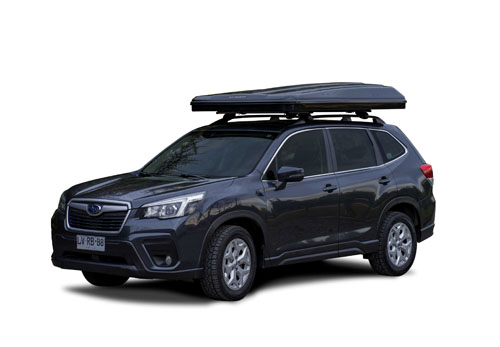
For Couples: Class B - Camper Van is an excellent choice due to its compact size and agility, making it ideal for navigating diverse South American roads and finding campsites with ease. Our fleet features Class B Camper Vans with an average length of 5.8 meters and sleeping places for up to 3 people, comfortably accommodating 2 adults. These nimble vehicles, like the "rv rental denver example Category Van", often offer efficient fuel consumption, typically around 8-10 Liters/100 km, which is beneficial for longer trips. Their smaller profile also makes them easier to park and handle in bustling towns and on tighter mountain passes.
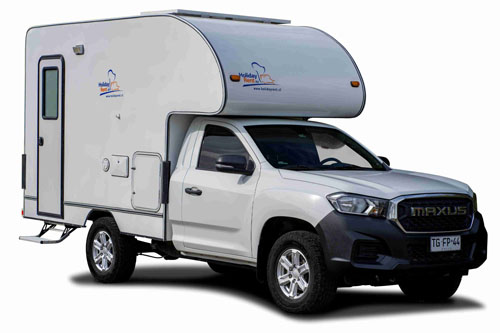
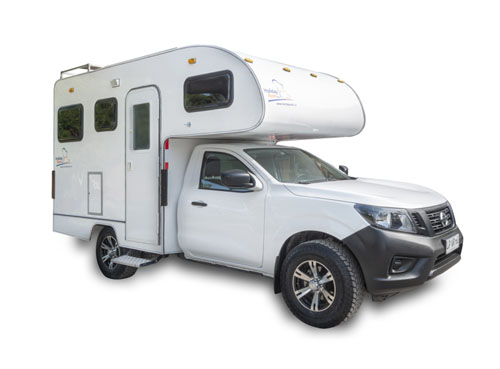
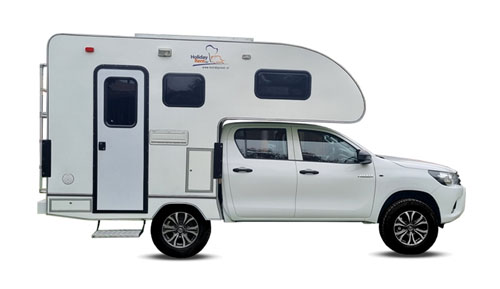
For Families: Class C - Alcove provides the essential space and amenities required for a comfortable family trip, offering dedicated sleeping areas and more generous storage. Class C Alcove models in our fleet average 7.5 meters in length, with sleeping places for up to 6, and comfortably accommodate 4 adults, making them perfectly suited for families with children. These rented motorhomes, like the "24' Class C Motorhome", typically offer a more robust load capacity of around 42 kg for all your family gear and essentials, with common fuel consumption ranging from 10-12 Liters/100 km. The 'Rent & Plan' service further simplifies your journey, providing a perfectly matched RV and a professionally crafted itinerary, giving you full access to trip-planning software and removing the headache of detailed organization for families.
What is the 3-3-3 rule for RV travel?
The 3-3-3 rule for RV travel generally advises drivers to travel no more than 300 miles (approximately 480 km), arrive by 3 PM, and stay at least 3 nights in one location, promoting a relaxed and safer pace. This guideline is particularly valuable for a winter RV rental in South America, where varying road conditions, potential border crossings, and unexpected delays can make strict scheduling difficult.
Adhering to the 'arrive by 3 PM' aspect is crucial in South America for securing campsites, as many are first-come, first-served, and to avoid driving after dark when road hazards and security risks can increase. Staying '3 nights in one location' allows for deeper exploration of an area, minimizing setup and takedown time, and significantly reducing travel fatigue, which is highly beneficial given the continent's expansive and diverse regions. While the 3-3-3 rule provides a good general framework, in South America, adapting to shorter daily distances (e.g., 100-150 km as recommended by Avi Bandana) might be more practical for certain unpaved or mountainous routes, ensuring you can travel slowly and safely.
What is the 4-4-4 rule for RV travel?
The 4-4-4 rule is a common variation of RV travel wisdom, suggesting that travelers should aim to drive no more than 4 hours per day, cover no more than 400 kilometers (or 250 miles), and arrive at their destination by 4 PM, allowing for ample daylight and flexibility. This rule, similar to the 3-3-3 rule, emphasizes a slower, more enjoyable travel rhythm, which is highly recommended for RVing in South America where roads can be unpredictable and attractions are often spread out across vast distances.
Arriving by 4 PM is beneficial for finding suitable overnight spots, especially in national parks or remote areas where official campgrounds might be limited or require earlier check-ins. For South America's diverse landscapes and varying road quality, adjusting this rule to prioritize the '4 hours' driving component over distance can be more prudent, as a 4-hour drive on a gravel road in Patagonia will cover significantly less ground than on a paved highway. Incorporating this rule helps mitigate driver fatigue, allows for unexpected stops at scenic overlooks or local markets, and generally enhances the safety and enjoyment of a South American RV journey.
What are the best destinations for winter vacations in South America?
For travelers seeking 'winter vacations' during the Northern Hemisphere's chilly winter (December-February), South America offers its glorious summer season, with Patagonia (Argentina and Chile), the Lake District, and the Chilean coast being top RV destinations for warmth and adventure. This period provides long daylight hours and optimal weather conditions for exploration.
- Patagonia (Argentina & Chile): This iconic region is at its prime from December to February, offering ideal weather for world-class hiking in Torres del Paine National Park, exploring magnificent glaciers in Los Glaciares National Park (El Calafate), and undertaking challenging treks around Mount Fitz Roy (El Chaltén).
- Argentinian Lake District (Bariloche, San Martín de los Andes): These areas thrive in the summer with pleasant temperatures perfect for water sports on the many lakes, scenic drives like the Seven Lakes Route, and exploring charming alpine towns that feel a world away from winter.
- Chilean Lake District (Pucón, Puerto Varas): Here, you can enjoy active volcanoes, natural hot springs, and a wide array of adventure sports, with excellent conditions for hiking and exploring national parks like Villarrica.
- Chilean Coast (Valparaíso, Viña del Mar): While perhaps less traditional for a long RV trip due to urban density, the central coast offers vibrant cities and beautiful beaches during its summer. RV parking and camping can be more challenging in urban areas, but coastal campgrounds offer stunning ocean views.
- Brazil's South (Florianópolis, Curitiba): For a different experience, Southern Brazil also enjoys its summer, offering beautiful beaches, a more European feel, and a lively atmosphere. RV infrastructure here might vary, so planning ahead is key.
Overall, South America's summer provides long daylight hours, warmer temperatures, and full accessibility to popular attractions, making it the perfect 'winter escape' for Northern Hemisphere residents looking for a vibrant RV rental experience.
How much does a 1 month trip to South America cost?
A 1-month RV trip through South America can range significantly, typically between $3,000 to $7,000+ USD, depending on the rented RV type, fuel prices, your chosen itinerary, preferred lifestyle, and the specific countries visited. Understanding these costs upfront is part of our commitment to full transparency, ensuring no surprises during your adventure.
- RV Rental: This is often the largest single expense. Monthly rates vary based on the RV class (e.g., a compact Class B campervan vs. a larger Class C motorhome), vehicle age, and seasonality. Expect roughly $1,500 - $4,000+ USD for a comfortable Class B or C rented RV. Prices are dynamic and can change daily, so comparing options is key.
- Fuel: Fuel costs are a major factor, especially when covering 2,000-3,000 km in remote regions. With Bandana's fleet averaging 8-12 Liters/100 km, budget for $500 - $1,000+ USD per month. Fuel prices fluctuate and can be higher in certain countries like Chile compared to Argentina.
- Camping/Accommodation: Daily rates for campgrounds (known as 'campings') can range from $10-$40 USD. Budgeting $300-$800 USD per month is reasonable, with opportunities for wild camping where permitted (always check local regulations).
- Food & Groceries: For self-catering, which is a great way to save money, budget $400-$800 USD per month for groceries. This can be supplemented by occasional restaurant meals, which might add another $200-$500 USD to your budget.
- Visas & Permits: Research specific country requirements for visas for your nationality well in advance (e.g., U.S. citizens generally don't need visas for Argentina or Chile for short tourist stays, but regulations can change). Temporary Import Permits (TIPs) for the rented RV at border crossings are typically included in rental agreements, but always confirm and budget for any potential small fees or 'expediting' costs at borders (e.g., $50-$150 USD total).
- Insurance: Ensure comprehensive RV insurance is in place, covering both the vehicle and third-party liability. This is usually part of the rental package, but confirm deductibles and coverage limits. You can upgrade to a top-level deductible for extra peace of mind. Additionally, consider personal travel insurance for medical emergencies.
- Activities & Excursions: Budget $300-$1,000+ USD for national park entrance fees (e.g., Torres del Paine can be costly, often $30-50 USD per person per day), guided tours, ferry crossings (e.g., Carretera Austral ferries can be $50-$150+ USD per vehicle), and other unique experiences.
- Miscellaneous (Repairs, Connectivity, etc.): It's wise to set aside an emergency fund of at least $500-$1,000 USD for unexpected small repairs, flat tires, local SIM cards (e.g., $20-50 USD for data), and other unforeseen expenses, as roadside assistance can be limited in remote areas. For detailed budgeting and to track every expense along the way, RV PLANET routes offer helpful itemization features.
Bandana is here to help you compare final prices across 50+ suppliers, ensuring you find the easiest, safest, and most affordable way to rent an RV, so you can plan your budget effectively.
What You Shouldn't Miss
- Hike in Torres del Paine National Park, Chile: Experience world-renowned trails with dramatic peaks, glaciers, and turquoise lakes during the Patagonian summer.
- Explore Los Glaciares National Park, Argentina: Witness the awe-inspiring Perito Moreno Glacier, where massive ice chunks calve into Lago Argentino.
- Drive the Seven Lakes Route, Argentina: A breathtaking scenic drive between San Martín de los Andes and Villa La Angostura, perfect for leisurely stops.
- Discover the Carretera Austral, Chile: Embark on an epic road trip through pristine fjords, dense forests, and remote communities, requiring careful navigation with your rented motorhome.
- Visit El Chaltén, Argentina: Known as the trekking capital of Patagonia, offering trails to iconic peaks like Mount Fitz Roy.
- Experience Bariloche's Alpine Charm: Enjoy delicious chocolates, craft beers, and stunning lake views in this 'Switzerland of South America.'
Looking for expert insights from Avi Bandana? Top 5 Adventures - recommendations from Avi Bandana.
Final Thoughts
Embarking on a winter RV itinerary in South America - cold-weather routes 2026 is an invitation to redefine your cold-weather travel experience. Instead of snow and ice, you'll discover vibrant summer landscapes, rich cultures, and unparalleled natural beauty. With a rented motorhome or campervan, you gain the freedom to explore at your own pace, connect deeply with local experiences, and create lasting memories with family and friends.
Remember that planning is part of the fun, and with resources like RV PLANET (rvplan.net) and our expert support, organizing your trip becomes stress-free. Whether you opt for a week-long immersion in Argentina's Lake District or an extended two-week adventure across Patagonia, our commitment to full transparency and dedicated service means you're supported every step of the way. Get inspired for your next trip! Discover top destinations, planning tips, all in one place!
So, why wait? Imagine yourself enjoying an authentic Argentinian asado under the Patagonian sun, or hiking to a glacier in Chile, knowing your comfortable home-on-wheels awaits. The roads of South America are calling for your summer adventure!