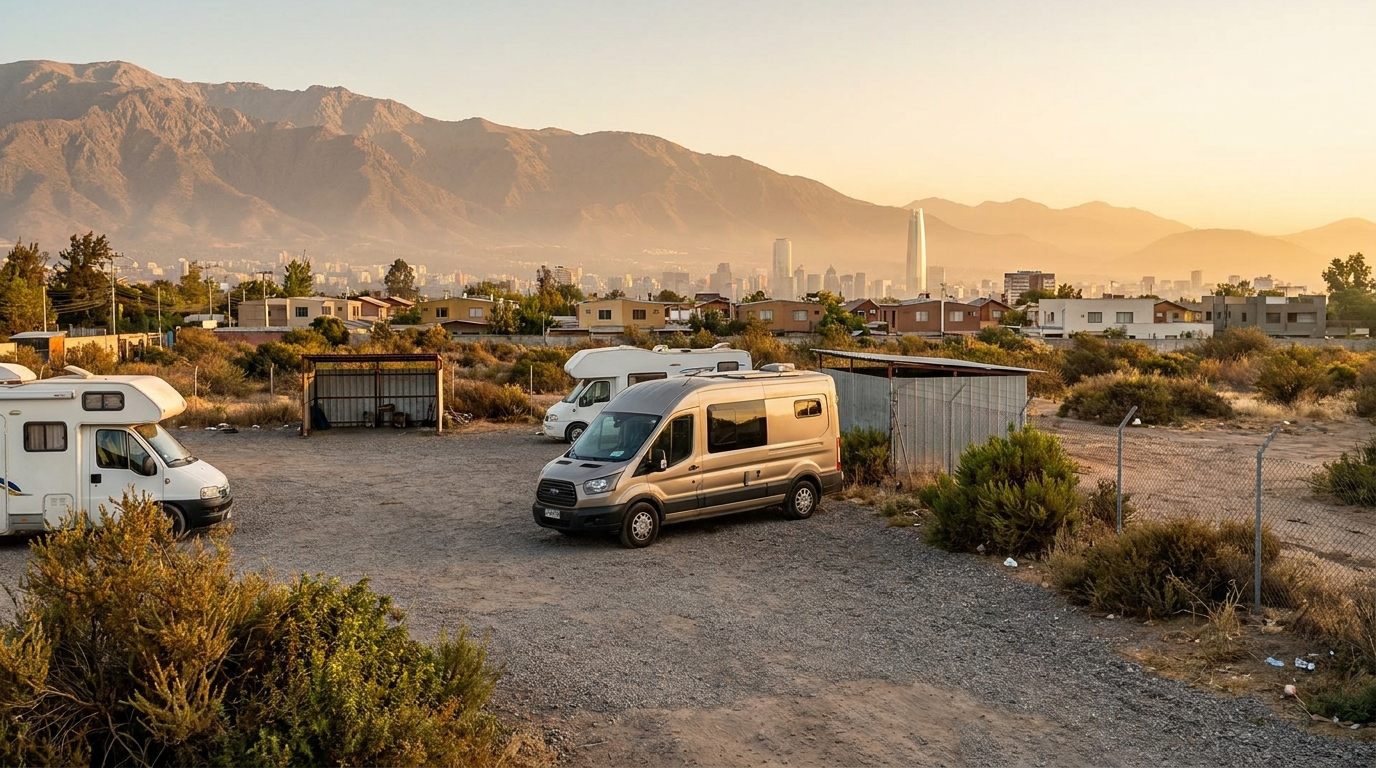
For live availability and current prices, start with our RV Rental Santiago - Complete Guide 2026 guide.
In This Guide
- Best Santiago RV Itinerary for winter rv rental — Overview
- 7-Day Classic Route in Santiago
- 14-Day Extended Journey in Santiago
- Recommended RVPlan Trip for Santiago
- Must-See Stops Along the Way (Avi Bandana Picks)
- Daily Driving Distances & Drive Times in Santiago
- Best RV Class for This Itinerary — Couple & Family Picks
- Is it safe to drive an RV in Chile in winter?
- How much does it cost to rent an RV in Santiago, Chile?
- What are the best winter RV campsites in Chile near Santiago?
- Do I need a special license to drive an RV in Chile?
- Can I take a rental RV from Chile to Argentina in winter?
- What is the weather like for RV travel in Santiago's winter?
- How reliable is cell service and Wi-Fi for RV camping in Chile?
- What unique cultural experiences can RVers find in Chile?
- Are there specific eco-friendly RV travel practices for Chile?
Best Santiago RV Itinerary for winter rv rental — Overview
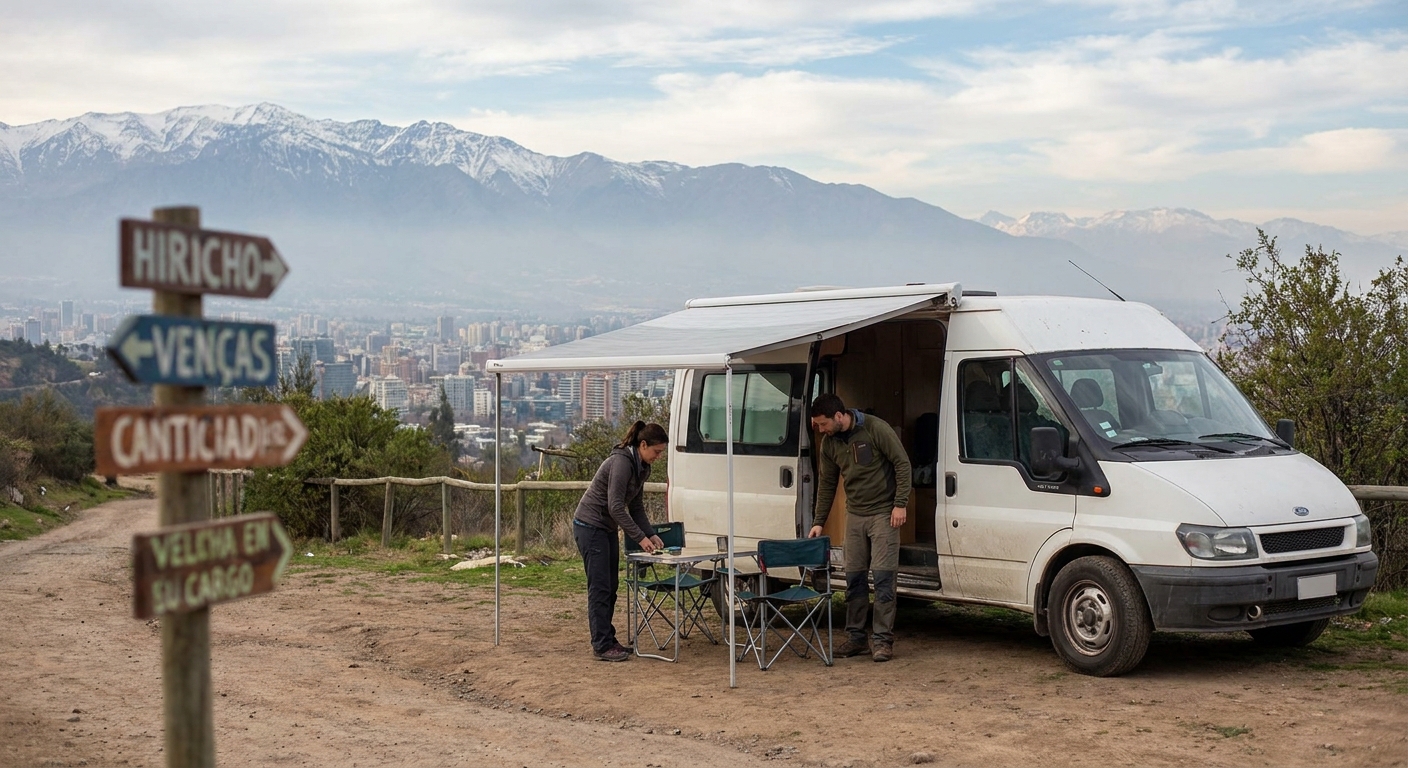
A winter RV rental in Santiago offers a unique opportunity to explore Chile's central region, embracing cooler temperatures, fewer crowds, and stunning seasonal landscapes from June to August. This itinerary focuses on accessible areas like the Central Valleys, Pacific Coast, and lower Andean foothills, avoiding high mountain passes typically closed by snow. We recommend a minimum 7-day journey, with options for a 14-day extended trip, covering approximately 800-1500 km (500-930 miles). The best season for this itinerary is Chilean winter (June-August), offering a different perspective compared to the bustling summer months, with opportunities for cultural immersion and cozy RV experiences. Expect mild, rainy conditions in coastal and central valley areas, with colder temperatures and potential snow at higher elevations like Cajón del Maipo, requiring preparedness for varied weather.
7-Day Classic Route in Santiago
Embark on a classic 7-day RV journey from Santiago that balances scenic beauty with cultural exploration.
**Day 1: Santiago → Valparaíso** (approx. 120 km / 75 miles) - Begin your adventure by heading to the vibrant, UNESCO-listed port city. Explore colorful hills, street art, and historic funiculars. Sleep: RV-friendly campsite near Valparaíso.
**Day 2: Valparaíso → Viña del Mar → Concón** (approx. 30 km / 19 miles) - Discover Viña del Mar's 'Garden City' charm and continue to Concón for coastal views and fresh seafood. Sleep: Coastal RV park in Concón.
**Day 3: Concón → Isla Negra → San Antonio** (approx. 100 km / 62 miles) - Journey south along the coast to visit Pablo Neruda's iconic home in Isla Negra, then proceed to the bustling port city of San Antonio. Sleep: RV park near San Antonio.
**Day 4: San Antonio → Pomaire → Melipilla** (approx. 50 km / 31 miles) - Head inland to Pomaire, famous for its traditional clay pottery, and experience rural Chilean life. Sleep: Campsite or rural accommodation near Melipilla.
**Day 5: Melipilla → Colchagua Valley (Santa Cruz)** (approx. 120 km / 75 miles) - Drive into the renowned Colchagua Valley, a premier wine region. Enjoy a winery tour and tasting. Sleep: Designated RV parking at a winery or local campsite in Santa Cruz.
**Day 6: Santa Cruz → Doñihue → Rancagua** (approx. 80 km / 50 miles) - Explore the central valley, perhaps visiting Doñihue for its traditional 'chamanto' ponchos, before reaching Rancagua. Sleep: RV park near Rancagua.
**Day 7: Rancagua → Santiago** (approx. 85 km / 53 miles) - A leisurely drive back to Santiago, allowing time for any last-minute sightseeing or rental return preparations. This compact route ensures optimal pacing and avoids long, tiring winter drives.
14-Day Extended Journey in Santiago
For a more in-depth exploration, this 14-day itinerary expands on the classic route, incorporating more of Chile's diverse landscapes.
Region 1: Central Coast & Valleys (Days 1-5)
* Day 1: Santiago → Valparaíso (120 km) - UNESCO World Heritage site, vibrant street art, historic funiculars. Sleep: RV park near Valparaíso.
* Day 2: Valparaíso → Viña del Mar → Concón (30 km) - Explore the 'Garden City,' enjoy coastal views and fresh seafood. Sleep: Coastal RV park in Concón.
* Day 3: Concón → Isla Negra → San Antonio (100 km) - Visit Pablo Neruda’s house and the bustling port. Sleep: RV park near San Antonio.
* Day 4: San Antonio → Pomaire → Melipilla (50 km) - Discover traditional Chilean pottery and rural charm. Sleep: Campsite near Melipilla.
* Day 5: Melipilla → Colchagua Valley (Santa Cruz) (120 km) - Indulge in world-class wine tours and tastings. Sleep: Winery RV parking or campsite in Santa Cruz.
Region 2: Southern Central Zone (Days 6-10)
* Day 6: Santa Cruz → Talca (100 km) - Head further south into the Maule Region, a less-traveled area with rich history. Sleep: RV park in Talca.
* Day 7: Talca → Vilches Alto (Radal Siete Tazas) (80 km) - Explore the stunning waterfalls and unique geological formations of Radal Siete Tazas National Park (check winter accessibility for all areas). Sleep: Campsite near Vilches Alto or Molina.
* Day 8: Explore Radal Siete Tazas - Enjoy short winter hikes, photography, and the park's natural beauty, adjusting activities based on snow conditions. Sleep: Same location.
* Day 9: Molina → Curicó → Pichilemu (130 km) - Transition from the central valley to the rugged Pacific coast, passing through another wine region. Sleep: Coastal RV park in Pichilemu.
* Day 10: Pichilemu - Relax, explore the surf town, or enjoy the winter ocean views. Sleep: Coastal RV park in Pichilemu.
Region 3: Return to Santiago (Days 11-14)
* Day 11: Pichilemu → Rancagua (120 km) - Head back towards Santiago's orbit, with a stop in the regional capital. Sleep: RV park near Rancagua.
* Day 12: Rancagua → Cajón del Maipo (San Alfonso/El Morado area) (80 km) - Journey into the Andes foothills. Be prepared for colder temperatures and potential snow, especially at higher altitudes. Check road conditions. Sleep: RV park in Cajón del Maipo.
* Day 13: Cajón del Maipo exploration - Enjoy hot springs (Termas Colina, if accessible), scenic drives, or short walks. Winter conditions here are a key factor in planning. Sleep: Same location in Cajón del Maipo.
* Day 14: Cajón del Maipo → Santiago (50 km) - A short drive back, concluding your extended winter RV journey, rich with diverse landscapes and cultural experiences.
Recommended RVPlan Trip for Santiago
While we don't have specific RVPlan data matched for a 'winter rv rental in Santiago' itinerary at this moment, Avi Bandana specializes in crafting personalized RV itineraries that perfectly match your preferences, vehicle type, and seasonal travel goals. We recommend exploring the custom trip planning features available through Rent & Plan. Our experts can design a detailed route, including optimal pacing for winter conditions, suggested campsites, and cultural stops, ensuring a stress-free and memorable Chilean RV adventure tailored specifically for you.
Must-See Stops Along the Way (Avi Bandana Picks)
- Valparaíso's Cerro Alegre & Concepción (traditional_visit): Wander through the labyrinthine streets, admire vibrant street art, and ride historic funiculars for breathtaking views of the Pacific.
- Casablanca Valley Wineries (local_industry, traditional_visit): Just west of Santiago, this region offers world-class cool-climate wines, particularly Sauvignon Blanc and Pinot Noir. Many wineries offer tastings and tours, even in winter.
- Pomaire Pottery Village (local_industry, traditional_market): A charming town renowned for its traditional clay pottery, often featuring 'chanchitos' (little pigs for good luck). It's a fantastic spot for authentic souvenirs and local food.
- Colchagua Valley Wineries (local_industry, traditional_visit): Further south, this valley is celebrated for its full-bodied red wines. Many vineyards offer RV parking, making it easy to enjoy tastings responsibly.
- Isla Negra - Pablo Neruda's House (traditional_visit): The quirky and captivating former home of Chile's Nobel laureate poet, filled with his eclectic collections and offering stunning ocean views.
- Local Markets in Santiago & Regional Towns (traditional_market, traditional_food): Immerse yourself in the bustling atmosphere of markets like La Vega Central in Santiago, or smaller regional markets, to discover fresh produce, local delicacies, and vibrant culture.
- Cajón del Maipo & Hot Springs (traditional_visit): While winter access can be weather-dependent, this Andean canyon offers stunning mountain scenery. If accessible, Termas Colina provides relaxing natural hot springs amidst a snowy landscape.
Daily Driving Distances & Drive Times in Santiago
Avi Bandana recommends a maximum of 100 miles or 150 km per day on average for an RV trip, especially during winter. This recommendation is crucial for an enjoyable and safe RV experience in Chile, allowing ample time to savor the journey, explore local attractions, and account for variable road conditions. Over-scheduling driving can lead to fatigue, especially with shorter daylight hours and potentially challenging weather in winter.
Example Drive Times:
- Santiago to Valparaíso (approx. 120 km / 75 miles): Roughly 1.5 to 2 hours, without significant stops.
- Santiago to Colchagua Valley (Santa Cruz) (approx. 150 km / 93 miles): About 2 to 2.5 hours, depending on traffic and route.
- Valparaíso to Viña del Mar (approx. 15 km / 9 miles): A quick 20-30 minute drive, allowing for easy transitions between cities.
Best RV Class for This Itinerary — Couple & Family Picks
Choosing the right RV for your winter adventure in Santiago is key to comfort and maneuverability, particularly on diverse Chilean roads and in varied weather conditions. Avi Bandana's fleet includes various options suited for different group sizes and preferences.
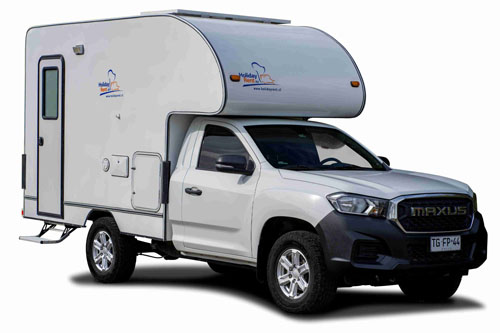
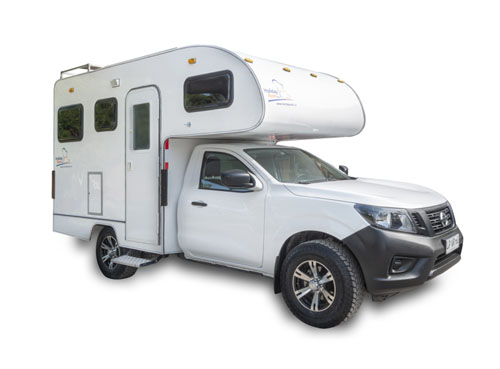
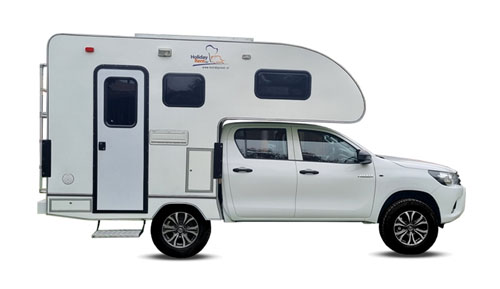
For a Couple: Class TC - Truck Camper
- Avi Bandana's fleet offers the Class TC - Truck Camper, which is an excellent choice for couples. With an average length of 5.6 meters and sleeping places for 2.7 people (ideal for two adults), it combines compactness with essential amenities.
- Its smaller footprint makes it highly maneuverable on winding coastal roads, through charming small towns, and for accessing more secluded campsites.
- The common fuel consumption of approximately 13 liters per 100 km (based on destination-local scope) also makes it an economical option for two travelers.
For a Family: Class TC - Truck Camper
- While typically ideal for couples, the Class TC - Truck Camper can also accommodate a small family (e.g., two adults and one small child) given its average sleeping capacity of 2.7 people.
- Its robust design is well-suited for varied winter conditions, providing a cozy and secure base for your family's explorations.
- For families with more than one child, we recommend discussing your specific needs with our team, as the compact nature of the Truck Camper is best for smaller groups seeking agility and efficiency.
Rent & Plan Service:
Rent & Plan offers more than just RV rentals; it provides a ready-made itinerary crafted by travel experts, complete with full access to our trip-planning software. This service removes the headache of detailed winter route planning, ensuring you have a personalized, RV-specific guide for your Chilean journey, complete with suitable campsites and stops, matching your chosen RV class.
Is it safe to drive an RV in Chile in winter?
Driving an RV in Chile during winter (June-August) is generally safe, but it demands careful planning and awareness of regional weather variations and road conditions. Expect rain in central and coastal areas, which can lead to slippery roads. Higher elevations, particularly in the Andes (e.g., Cajón del Maipo above San Gabriel), will have snow and ice, potentially causing road closures or requiring snow chains. Chilean roads are generally well-maintained, but mountain roads can be winding with steep ascents and descents. Adhere to speed limits, drive defensively, and be mindful of elevation changes affecting engine performance and braking. Always lock your RV, especially in urban areas or popular tourist spots, and utilize established campgrounds with security where possible. Cellular service can be spotty in remote areas, so consider satellite communication options or informing others of your route. Ensure your rental RV is properly equipped for winter, including good tires, heating systems, and emergency supplies, and discuss winterization specifics with your rental provider.
How much does it cost to rent an RV in Santiago, Chile?
The cost of renting an RV in Santiago, Chile, varies significantly based on several factors, including the RV class, rental duration, season, and additional inclusions. Rates typically range from $100-$300 USD per day for smaller RVs like a Class TC - Truck Camper, but this is a broad estimate and can fluctuate. Winter generally sees lower demand and potentially more competitive pricing compared to peak summer months. Fuel (diesel or gasoline) is a substantial expense; budget for approximately 13 liters per 100 km for a Truck Camper. Campsite fees vary widely, from free wild camping to private RV parks with full hookups ranging from $20-$50 USD per night. Budget for toll roads, which are common around Santiago and major highways, and consider electronic toll devices often provided by rental companies. Standard rental insurance is usually included, but comprehensive coverage for damages, theft, and third-party liability is highly recommended, with security deposits typically ranging from $1,000-$3,000 USD. On the routes offered through RV PLANET routes, you can itemize and track every expense along the way for easy budgeting.
What are the best winter RV campsites in Chile near Santiago?
Chile offers diverse RV camping options near Santiago, even in winter, though availability and amenities can vary seasonally. In Cajón del Maipo, look for private campsites or permitted wild camping spots near San José de Maipo or San Alfonso for river and mountain views. Many wineries in the Casablanca and Colchagua Valleys offer designated RV parking, providing unique cultural immersion opportunities. Coastal towns like Pichilemu, Concón, or those near Valparaíso have private RV parks with varying amenities, though winter access to some National Park campgrounds, particularly further south, may be restricted due to snow. For connectivity, private RV parks often offer Wi-Fi, which is less common in remote areas, and cell service is best in towns and along major highways. Remember to practice 'Leave No Trace' principles by using designated waste disposal and dump stations.
Do I need a special license to drive an RV in Chile?
For most standard rental RVs in Chile, including the Class TC - Truck Camper, your regular valid driver's license from your home country is generally sufficient, provided it is accompanied by an International Driving Permit (IDP). The IDP translates your national license into multiple languages and is highly recommended, often legally required. Your regular Class B license typically covers vehicles up to 3,500 kg GVWR, which most rental RVs fall within. Most rental companies require drivers to be at least 25 years old and hold a license for a minimum of 2 years; always confirm specific license requirements with your chosen rental company, as their policies may vary.
Can I take a rental RV from Chile to Argentina in winter?
Taking a rental RV from Chile to Argentina in winter is possible but requires significant preparation and is subject to challenging weather conditions. You absolutely need specific written permission and authorization documents from your RV rental company to cross international borders, a process that can take several weeks and may incur additional fees. Standard Chilean RV insurance typically does not cover travel in Argentina; you will need to purchase supplementary international insurance. Be prepared for detailed vehicle checks and paperwork at the border crossings, and factor in extra time for these formalities. Crucially, the major Andean passes connecting Chile and Argentina are frequently closed during winter due to heavy snowfall, ice, and avalanches, so always check real-time road conditions from both Chilean and Argentinian authorities before attempting a crossing.
What is the weather like for RV travel in Santiago's winter?
Santiago's winter, from June to August, offers a distinct climate for RV travel, generally characterized by cooler temperatures and increased rainfall. The city itself experiences mild winters with average daytime temperatures of 8°C to 15°C (46°F to 59°F), dropping near freezing at night, with concentrated rainfall making the surrounding valleys lush. Coastal areas like Valparaíso and Viña del Mar are slightly milder but experience more overcast days and winds, while the central valleys offer crisp, cool days perfect for vineyard visits. As you ascend into the Andes foothills, temperatures drop significantly, with snow common at higher elevations and potential road closures. For RV travel, this means a reliable heating system is essential, be prepared for wet roads and reduced visibility, and plan driving times efficiently due to shorter daylight hours.
How reliable is cell service and Wi-Fi for RV camping in Chile?
The reliability of cell service and Wi-Fi for RV camping in Chile varies considerably, generally being good in urban centers and major tourist routes but significantly spottier in remote, rural, or mountainous regions. Chile has three main mobile operators—Entel, Movistar, and Claro—and purchasing a local SIM card is highly recommended for better coverage and data rates. Expect signal degradation or loss in remote valleys and higher Andean elevations. Wi-Fi is rarely available in national park campgrounds or for wild camping spots; private RV parks and established campgrounds often offer Wi-Fi, though quality can vary. For those needing consistent connectivity, a local SIM with a generous data plan is essential. Always download offline maps and essential information before heading to remote areas.
What unique cultural experiences can RVers find in Chile?
RV travel in Chile offers unparalleled opportunities for authentic cultural immersion, particularly when adopting a slower pace and venturing into smaller towns and local communities. Explore vibrant markets like La Vega Central in Santiago or smaller regional 'ferias' to discover fresh produce, traditional foods, and artisan crafts, and interact directly with local vendors. Savor Chilean culinary delights like empanadas from a roadside stand or fresh seafood in coastal towns. Stopping in small towns provides chances to engage with local communities, visit bakeries, chat with artisans, or discover unique crafts like Pomaire pottery or Doñihue 'chamanto' ponchos. Chile's wine regions offer not just tastings but also insights into viticulture and history. Embrace responsible tourism by supporting local businesses, respecting cultural norms, and minimizing your environmental footprint.
Are there specific eco-friendly RV travel practices for Chile?
Adopting eco-friendly RV travel practices is crucial in Chile, given its diverse and often sensitive ecosystems. Always practice 'Leave No Trace' by packing out everything you pack in and using designated waste and recycling bins. Utilize authorized dump stations for black and grey water, never discharging into the environment. Be mindful of water conservation, opt for short showers, and use biodegradable soaps. Maintain a safe distance from wildlife, do not feed animals, and stay on marked trails to prevent vegetation damage. Optimize your RV's energy consumption by turning off lights and appliances when not needed and minimizing generator use. Choose eco-friendly cleaning products and toiletries to minimize your chemical impact. If campfires are permitted, use designated fire pits and ensure fires are completely extinguished.
What You Shouldn't Miss
- Wander through the colorful, art-filled streets of Valparaíso and ride its historic funiculars for panoramic ocean views.
- Indulge in wine tasting and vineyard tours in the renowned Colchagua Valley, often finding RV-friendly parking.
- Discover traditional Chilean pottery and local crafts in the charming village of Pomaire.
- Visit Isla Negra to explore the unique former home of poet Pablo Neruda, offering captivating insights and ocean vistas.
- Immerse yourself in the vibrant atmosphere of local markets like La Vega Central in Santiago for authentic produce and cultural experiences.
- Experience the dramatic Andean mountain scenery of Cajón del Maipo, with the possibility of relaxing in natural hot springs if accessible in winter.
Final Thoughts
Embarking on a winter RV adventure in Santiago offers a unique perspective on Chile's central region, from the vibrant coastal cities to the fertile wine valleys. While winter brings cooler temperatures and potential rain, it also means fewer crowds and a more intimate experience with the local culture and landscapes. Careful planning, including checking road conditions, ensuring your RV is winter-ready, and embracing a slower pace of travel, will ensure a safe and memorable journey.
With Bandana Caravan, you can navigate the booking process with confidence, knowing you're getting transparent pricing and dedicated support. Let us help you craft the perfect Chilean winter itinerary, combining stunning scenery with rich cultural experiences. Get inspired for your next trip and discover the freedom of the open road!
Find Motorhome Rentals in Santiago