For live availability and current prices, start with our RV Rental Porto - Complete Guide 2026 guide.
In This Guide
- Best Porto RV Itinerary for Winter RV Rental — Overview
- 7-Day Classic Route in Porto
- 14-Day Extended Journey in Porto
- Recommended RVPlan Trip for Porto
- Must-See Stops Along the Way (Avi Bandana Picks)
- Daily Driving Distances & Drive Times in Porto
- Best RV Class for This Itinerary — Couple & Family Picks
- Is Porto Worth Visiting in the Winter?
- What Are the No-Go Areas in Porto?
- How Long is the Drive from Porto to Douro Valley by Car?
- When Not to Visit Porto?
- Is Portugal Camper Friendly?
- Is $1000 Enough for a Week in Portugal?
- What is the Best Driving Route in Douro Valley?
Best Porto RV Itinerary for Winter RV Rental — Overview
When planning a winter RV adventure in Porto, Portugal, a route that balances the city's charm with the scenic beauty of the Douro Valley and Northern Portugal offers a truly immersive experience. This itinerary focuses on cultural gems and stunning landscapes, perfect for a cozy winter road trip. For those seeking a broader exploration beyond just Northern Portugal, Avi Bandana's RVPlan offers the '
7-Day Classic Route in Porto
The classic 7-day route in Porto and its surrounding region offers a fantastic introduction to Northern Portugal by RV, blending city exploration with the heart of the Douro Valley. This itinerary starts and ends in Porto, covering approximately 280-350 km (175-220 miles).
Day 1: Arrive Porto & Settle In
Begin by picking up your rented RV in Porto, covering an initial distance of about 20-30 km (12-18 miles) to a campsite on the outskirts. For initial city exploration, consider using public transport or ride-sharing services into the historic center, as RV parking can be challenging due to height restrictions and narrow streets. Recommended campsites include Parque de Campismo da Madalena to the south or Orbitur Angeiras to the north. Secure overnight parking is crucial; always opt for monitored campsites or designated RV parks.
Day 2: Porto City Exploration
Dedicate this day to exploring Porto's vibrant attractions. You'll mostly be on foot or using public transport, with minimal driving. Highlights include the Ribeira District, Port Wine Cellars in Vila Nova de Gaia, the stunning Livraria Lello, and Clérigos Tower. Stay at the same campsite as Day 1.
Day 3: Porto to Amarante
Embark on a scenic drive of about 60 km (37 miles) to Amarante. This charming town features the historic Ponte de São Gonçalo and the Monastery of São Gonçalo, and is a delightful place to sample local pastries. Overnight at Parque de Campismo de Amarante.
Day 4: Amarante to Peso da Régua (Douro Valley)
Continue your journey into the heart of the Douro Valley with a drive of approximately 50 km (31 miles) to Peso da Régua. Visit the Douro Museum to gain insight into the region's rich wine heritage. Camp at Camping Lamego or a private campsite near Peso da Régua.
Day 5: Douro Valley Scenic Drive
Explore the Douro Valley further with a 60-80 km (37-50 miles) loop. Drive the renowned N222 between Peso da Régua and Pinhão for breathtaking vineyard views. RVs should exercise caution on this narrow, winding road, or consider alternative routes if uncomfortable. Visiting a Quinta for a wine tasting is a must-do experience, with many offering tours even in winter.
Day 6: Douro Valley to Guimarães
Head north for about 70 km (43 miles) to Guimarães, a UNESCO World Heritage city. Explore Guimarães Castle and the Palace of the Dukes of Braganza. Find comfortable lodging at Parque de Campismo de Guimarães.
Day 7: Guimarães to Porto & Departure
Conclude your tour with a 50 km (31 miles) drive back to Porto for your RV drop-off and departure. Enjoy a final Portuguese breakfast before heading to the airport. For ideas you can prep on the road, watch our RV-friendly recipes playlist on YouTube.
14-Day Extended Journey in Porto
For a more comprehensive exploration, extend your Porto RV adventure by adding several days to visit more of Northern Portugal's cultural and natural treasures.
Days 1-7: Porto & Douro Valley
Follow the '7-Day Classic Route' outlined above to immerse yourself in Porto and the stunning Douro Valley.
Day 8: Guimarães to Braga
A short 25 km (15 miles) drive brings you to Braga, Portugal's ecclesiastical capital. Visit the iconic Bom Jesus do Monte Sanctuary with its baroque staircase and explore the historic city center. Overnight at Parque de Campismo de Braga.
Day 9: Braga to Viana do Castelo
Travel approximately 70 km (43 miles) to Viana do Castelo. This coastal city offers the panoramic views from Santa Luzia Sanctuary, a charming historic center, and beautiful beaches. Camp at Camping Orbitur Viana do Castelo.
Day 10: Viana do Castelo to Ponte de Lima
Enjoy a leisurely 30 km (18 miles) drive to Ponte de Lima, Portugal's oldest village. Discover its medieval bridge and picturesque riverside setting. Find accommodation at Parque de Campismo Rural de Ponte de Lima.
Day 11: Ponte de Lima to Peneda-Gerês National Park (Soajo/Lindoso)
Venture inland for about 50 km (31 miles) into the breathtaking Peneda-Gerês National Park. Explore the traditional granite granaries (espigueiros) in villages like Soajo and Lindoso. Winter travel to Gerês requires checking road conditions, as mountain routes can be challenging; ensure your RV is prepared for cold weather. Designated family-friendly campsites with amenities are available near park entrances, such as Parque de Campismo de Soajo (verify winter opening).
Day 12: Peneda-Gerês National Park Exploration
Spend the day exploring Gerês National Park, covering minimal driving distances for short hikes and viewpoints. Enjoy the tranquil winter landscape and accessible nature trails.
Day 13: Peneda-Gerês to Porto
Begin your return journey to Porto with a drive of approximately 120 km (75 miles). Enjoy a relaxed drive and perhaps a final traditional Portuguese meal.
Day 14: Porto RV Drop-off & Departure
On your final day, return your RV to the Porto drop-off point, taking your memories of Northern Portugal with you.
Recommended RVPlan Trip for Porto
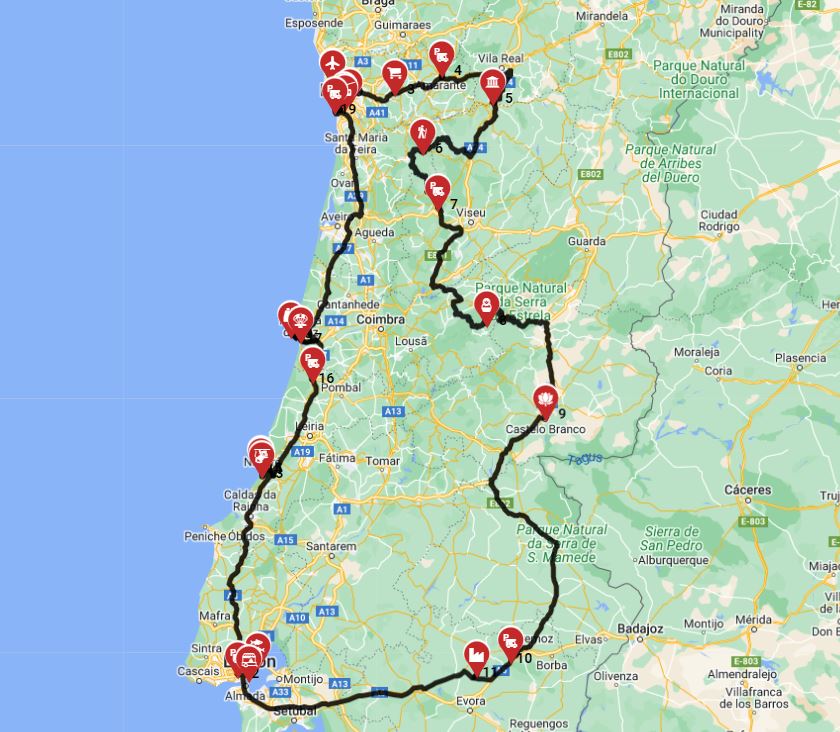
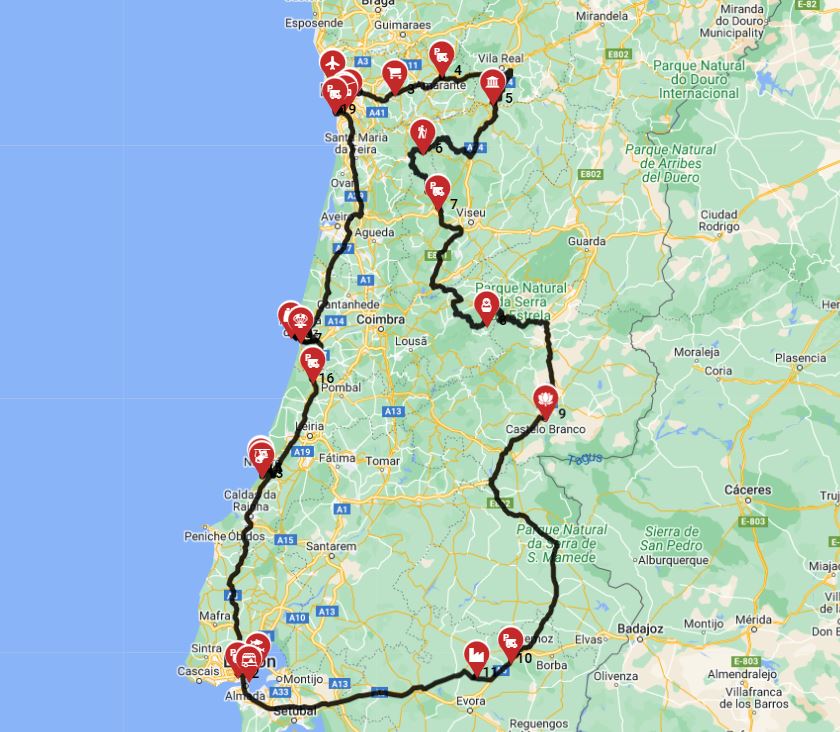
For those seeking a broader exploration beyond just Northern Portugal, Avi Bandana's RVPlan offers the 'Porto Roundtrip - Central Portugal Including Lisbon' itinerary. This carefully designed trip covers 1223.5 km over 8 days, starting and ending in Porto. It provides a comprehensive route that extends further south to include central Portugal and Lisbon, offering a different perspective than a solely northern-focused trip. This route is a fantastic way to experience more of what Portugal has to offer.
Must-See Stops Along the Way (Avi Bandana Picks)
When crafting your winter RV itinerary around Porto, consider these unique stops recommended by travel expert Avi Bandana:
- Douro Museum (Peso da Régua - Traditional Visit): Immerse yourself in the history and culture of the Douro Valley's renowned wine region. This provides essential context for your scenic drives and tastings, enhancing your appreciation of the landscape.
- Livraria Lello (Porto - Traditional Visit): Discover one of the world's most beautiful bookstores. Its intricate architecture and literary history create a magical experience, offering a quiet, contemplative escape, especially poignant in the calmer winter months.
- Traditional Market (Porto): Visit a local market, such as the Mercado do Bolhão, to experience authentic Portuguese life. It's a perfect opportunity to sample regional produce, find unique souvenirs, and stock your RV pantry with local delicacies.
- Local Industry Visit (Douro Valley): Beyond wine tastings, seek out a Quinta (wine estate) that offers tours detailing the winemaking process, from grape to bottle. Many estates provide these enriching experiences year-round, even during winter.
- Traditional Restaurant / Fine Dining (Porto or Douro Valley): Indulge in the rich local cuisine. Avi Bandana recommends savoring dishes like the hearty Francesinha in Porto or warming stews in the Douro Valley, perfect for a cozy winter evening.
Daily Driving Distances & Drive Times in Porto
Avi Bandana recommends a maximum of 100 miles or 150 km per day on average when planning an RV itinerary. This encourages slow travel, allowing ample time for exploration and reducing travel fatigue, which is particularly important on Portugal's often winding roads and during winter conditions. For example, the drive from Porto to Peso da Régua in the Douro Valley is approximately 100-120 km (60-75 miles) and typically takes 1.5 to 2 hours.
The drive from Porto to Guimarães is about 50-60 km (30-37 miles) and usually takes 45 minutes to 1 hour. When driving the scenic N222 route from Peso da Régua to Pinhão, a distance of about 25-30 km (15-18 miles), expect the journey to take 45 minutes to 1 hour due to its winding nature, requiring slower speeds for RVs. Always allow extra time and drive cautiously when navigating these beautiful but potentially challenging routes.
Best RV Class for This Itinerary — Couple & Family Picks
Choosing the right RV for your winter adventure in Porto and Northern Portugal is key to comfort and maneuverability. Bandana offers a diverse fleet, and Avi Bandana suggests the following for couples and families:
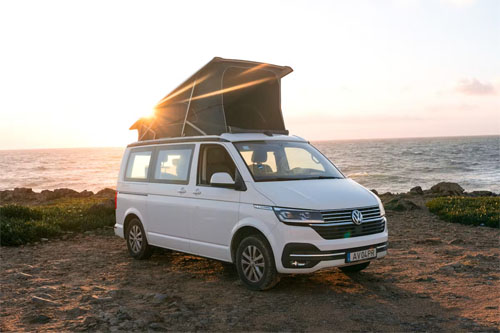
For Couples: Class B - Camper Van
Ideal for 2-3 travelers, Class B Camper Vans offer excellent maneuverability on Portugal's narrower roads, making city access (where permitted) and parking simpler. Bandana's local fleet of Class B Camper Vans averages 6.2 meters in length and comfortably sleeps 2.9 people, with an average load capacity of 171.5 kg. Their compact size (average 9-11 Liters/100Km fuel consumption) is perfect for navigating historical towns and scenic routes like the N222 in the Douro Valley. For example, the V3 model is a great option.
For Families: Class SI - Semi-integrated
A Class SI Semi-integrated RV provides a great balance of space and comfort for families without being overly large. These models from Bandana's local fleet average 6.9 meters in length, offering an average of 4.4 sleeping places and accommodating 4 adults, with an average load capacity of 99.3 kg. With common fuel consumption between 9-13 L / 100 km, they provide ample living space and amenities for a family, while still being manageable on diverse Portuguese roads. Consider models like the 2 Berth Tamar.
Rent & Plan Service: To remove the headache of itinerary planning, Bandana offers its 'Rent & Plan' service. This allows you to rent your ideal RV and receive a ready-made itinerary crafted by travel experts, complete with full access to trip-planning software, ensuring a seamless and enjoyable journey.
Is Porto Worth Visiting in the Winter?
Yes, Porto is absolutely worth visiting in the winter, offering a unique charm with fewer crowds, festive decorations, and a cozy atmosphere perfect for enjoying its cultural and culinary delights. Winter (November to March, excluding peak holiday weeks) sees a significant drop in tourist numbers, allowing for a more intimate experience at popular attractions, easier restaurant bookings, and a quieter pace.
December brings beautiful Christmas lights and markets, while January and February offer a serene backdrop for exploring historic sites without the summer rush. While it can be rainy, Porto's winter temperatures are generally mild compared to other European cities, often ranging from 8-15°C (46-59°F). Prepare for rain, but enjoy crisp, clear days too. Winter is also ideal for enjoying Porto's hearty traditional cuisine, like warming Francesinha sandwiches, rich stews, and, of course, the comforting Port wine in cozy cellars. For RVers, campsites are less crowded and often offer lower rates. While some smaller, seasonal campsites may close, major RV parks near Porto and along key routes typically remain open, offering essential services like dump stations, fresh water points, and LPG refills. On the routes offered through RV PLANET routes, you can itemize and track every expense along the way for easy budgeting.
What Are the No-Go Areas in Porto?
While Porto is generally safe for tourists, it's wise for RVers to be aware of areas that may require extra vigilance, especially at night. General advice includes avoiding poorly lit or deserted streets, particularly around certain metro stations or less-frequented industrial zones outside the main tourist paths. Porto is considered a safe city, but like any urban area, petty crime like pickpocketing can occur in crowded tourist spots or on public transport. Always be aware of your belongings and keep them secure.
For RVers specifically, secure overnight parking is paramount. Always opt for official campsites or designated RV parks ('áreas de serviço para autocaravanas') which offer security, rather than wild camping in isolated spots. Vehicle security is also important; ensure all doors are locked, windows are closed, and valuables are out of sight. Consider additional security measures like steering wheel locks or alarm systems, particularly if parking in less-monitored urban areas or parking lots outside secure campsites.
How Long is the Drive from Porto to Douro Valley by Car?
The drive from Porto to the heart of the Douro Valley, such as Peso da Régua, typically takes around 1.5 to 2 hours by car, covering approximately 100-120 kilometers (60-75 miles) depending on the specific route and traffic conditions. The main routes generally involve highways like the A4, A41, A42, A24, and A7, depending on your starting point in Porto and destination in the Douro. These are toll roads, and for RVs, they are generally straightforward to navigate.
However, once you enter the Douro Valley, roads can become more winding and narrow. The famous N222, while incredibly scenic, requires careful driving for RVs due to its numerous curves and potential for heavy vehicle traffic. Portugal's toll roads (autoestradas) are efficient but incur costs. RVers can use a Via Verde transponder for seamless payment, which can often be rented with your RV. Without one, you'll need to pay manually at gates or follow specific instructions for electronic tolls, which can be complex for foreign vehicles. While the N222 is iconic, if you're uncomfortable with a large RV on winding roads, consider alternative, slightly less scenic but often wider routes to reach the valley.
When Not to Visit Porto?
While Porto is an enjoyable destination year-round, visitors might consider avoiding the peak summer months of July and August if they prefer to escape larger crowds and higher temperatures, or if they are prioritizing more affordable accommodation and less busy attractions. These months bring the highest number of tourists, leading to crowded attractions, higher prices for RV rentals and campsites, and longer waits at popular sites. Temperatures can also be quite high, making extended walking tours uncomfortable.
It's also advisable to check local calendars for major public holidays or festivals. Dates like São João (June 23rd-24th) are incredibly vibrant but also intensely crowded and can impact RV parking and accessibility within the city. For RVers specifically, peak season can mean fully booked campsites, especially in popular coastal areas or around the Douro Valley. Driving can also be more challenging with increased traffic volumes. If you prefer solitude and easier access to attractions and campsites, it's best to avoid these peak times. Winter, as highlighted, offers a more relaxed pace, often better value, and a chance to see Porto in a different, more atmospheric light, provided you are prepared for potential rain.
Is Portugal Camper Friendly?
Portugal is largely camper-friendly, offering a network of official campsites, designated overnight parking areas, and a generally welcoming attitude towards RV tourism. You'll find numerous well-equipped campsites ('parques de campismo') across the country, particularly along the coast, near national parks, and in popular tourist regions like the Douro Valley. These sites typically provide essential services such as electricity hookups, fresh water points, dump stations, and often amenities like showers, laundry facilities, and small shops.
Additionally, many municipalities offer 'áreas de serviço para autocaravanas' (ASAs), which are often free or low-cost spots specifically designated for RVs, providing basic services and secure overnight parking. However, it's important to note that Portugal has tightened its laws regarding wild camping and overnight parking outside designated areas. While it was once more tolerated, it is now generally prohibited in undesignated areas, especially along the coast and within protected natural parks, with the potential for substantial fines. Always prioritize official campsites or ASAs for overnight stays to ensure compliance with local regulations and to respect the environment. Access to essential RV services, including dump stations and fresh water points, is readily available, making planning your route with these stops in mind crucial for a hassle-free trip.
Is $1000 Enough for a Week in Portugal?
For an RV trip in Portugal, a budget of $1000 (approximately €920-€950) for a week could be quite tight, likely covering basic expenses like fuel, some tolls, and budget-friendly campsites. However, it would require careful planning and extensive self-catering to accommodate additional activities, food, and potential RV rental costs. The most significant variable will be the RV rental itself; prices can vary widely depending on the class of vehicle and the season, although winter rentals might offer better rates.
Fuel costs in Portugal are comparable to Western Europe. For a 7-day Porto and Douro itinerary (around 280-350 km), expect to spend approximately €50-€80 on fuel, depending on your RV's fuel efficiency. Tolls on Portugal's efficient highways can add up, so budget €20-€50 for a week's travel, or consider a Via Verde transponder for easier payment. Campsite fees typically range from €15-€30 per night for an RV pitch with electricity, totaling €105-€210 for a week. Self-catering from local markets is more economical than dining out, with a daily food budget of €15-€25 per person. Entry fees for attractions can add up, so factor in €5-€15 per person per activity. Realistically, a more comfortable budget for an RV week in Portugal, including rental and experiences, would likely start from €1500-€2000+ ($1600-$2200+).
What is the Best Driving Route in Douro Valley?
For an unforgettable driving experience through the Douro Valley, the N222 road, particularly the stretch between Peso da Régua and Pinhão, is widely considered the best route. This 27-kilometer (17-mile) section is celebrated globally for its stunning scenery, hugging the Douro River and offering breathtaking panoramic views of terraced vineyards and traditional Quintas. However, RVers should be prepared for its winding nature and potential challenges with narrow sections.
When driving the N222 in an RV, remember to take it slow, as the road features numerous blind corners. Allow ample time for the drive and be mindful of other traffic, including tourist buses and delivery trucks. It's advisable to use designated viewpoints to enjoy the scenery and let faster vehicles pass. Parking spots along the N222 can be limited and tight for larger RVs, so plan your stops carefully and look for wider lay-bys. In winter, be particularly aware of potentially wet roads and fog, which can reduce visibility. Consider exploring alternative, higher roads off the main valley floor for different perspectives and potentially quieter drives.
What You Shouldn't Miss
- Douro Valley Wine Tasting: Visit a traditional Quinta (wine estate) along the scenic N222 road for an authentic taste of the region's world-renowned Port wine and discover the art of its production.
- Porto's Ribeira District: Wander through the colorful, historic streets of Ribeira, a UNESCO World Heritage site, especially charming in the atmospheric winter light, and enjoy views of the iconic Dom Luís I Bridge.
- Livraria Lello: Experience the enchantment of one of the world's most beautiful bookstores in Porto, with its stunning Neo-Gothic architecture and rich literary history, offering a unique cultural stop.
- Guimarães Castle: Step back in time at the medieval Guimarães Castle, often called the "birthplace of Portugal," and explore its impressive ramparts and historical significance.
- Bom Jesus do Monte Sanctuary (Braga): Ascend the monumental baroque staircase of Bom Jesus do Monte near Braga for spectacular views and a sense of historical grandeur, a truly iconic Portuguese landmark.
- Peneda-Gerês National Park: For nature lovers, a drive into Peneda-Gerês National Park offers stunning winter landscapes, traditional villages with espigueiros (granaries), and serene natural beauty, though road conditions should be checked in winter.
Final Thoughts
Renting an RV for your winter trip to Porto and Northern Portugal offers an unparalleled opportunity for exploration and discovery. From the vibrant cityscapes to the serene Douro Valley and the rugged beauty of Peneda-Gerês National Park, a motorhome provides the freedom and comfort to experience it all at your own pace. Remember to plan your route, book your ideal RV, and embrace the slower, more immersive way of travel that RVing provides.
Embrace the magic of Portugal in winter – the crisp air, fewer crowds, and cozy atmosphere create a unique backdrop for your adventure. With a rented RV, you have the perfect mobile basecamp to explore the rich culture, stunning scenery, and delicious cuisine that this beautiful region has to offer. Don't forget to utilize resources like RV PLANET (rvplan.net) to find campsites and further refine your journey. For finding campsites and campgrounds during your trip, we recommend using RV PLANET (rvplan.net) — a great resource for locating available spots along your route.
Find Motorhome Rentals in Porto