In This Guide
- Best Keflavík RV Itinerary for winter rv rental — Overview
- 7-Day Classic Route in Keflavík
- 14-Day Extended Journey in Keflavík
- Recommended RVPlan Trip for Keflavík
- Must-See Stops Along the Way (Avi Bandana Picks)
- Daily Driving Distances & Drive Times in Keflavík
- Best RV Class for This Itinerary — Couple & Family Picks
- Can you road trip Iceland in winter?
- What is the 3-3-3 rule when RVing?
- Where is the best place to RV in the winter?
- What is the 444 rule for RVs?
- Can Google Maps do RV routes?
- What's the worst month to visit Iceland?
- Can you park a motorhome anywhere in Iceland?
- Is it worth going to Iceland in the winter?
- What to be careful of in Iceland?
- What You Shouldn't Miss
- Why Book with Bandana Caravan
- Final Thoughts
- Frequently Asked Questions
🎬 Video coming soon
Best Keflavík RV Itinerary for winter rv rental — Overview
A winter RV journey starting directly from Keflavík, Iceland, offers an unforgettable opportunity to witness snow-dusted landscapes and the elusive Northern Lights. A recommended duration is a minimum of 7 days, allowing for a balanced exploration of the Reykjanes Peninsula, the Golden Circle, and the South Coast without rushing. The total estimated driving for a comfortable 7-day trip is around 500-700 km (310-435 miles), ensuring a relaxed travel pace, which is particularly important during colder months. For live availability and current prices, start with our RV Rental Keflavík - Complete Guide 2026 guide. The best season for a winter RV rental in Keflavík extends from late autumn to early spring, specifically October to April, when the nights are long, providing ample opportunity for Northern Lights sightings. Careful preparation for winter conditions, including monitoring weather and road advisories, is key to a successful and enjoyable adventure. With Bandana RV, you benefit from full transparency with no hidden fees, meaning the price you see is the price you pay, giving you peace of mind from the very start of your planning.
7-Day Classic Route in Keflavík
For an immersive winter experience starting from Keflavík, a 7-day classic route focuses on Iceland's most iconic and accessible southern attractions. **Day 1: Keflavík → Grindavík (Blue Lagoon area).** After RV pick-up in Keflavík, an initial grocery run at a local store like Nettó in Reykjanesbær is a smart move. Drive approximately 20 km (12 miles) to Grindavík. The highlight of the day is a pre-booked visit to the world-renowned Blue Lagoon geothermal spa. Overnight at Grindavík Campsite, which offers essential winter amenities. Planning hearty meals in your rented RV's kitchen is easy; explore our RV-friendly recipes playlist for inspiration. **Day 2: Grindavík → Reykjanesbær → Garður. Distance: ~50 km (31 miles).** Explore the Reykjanes Peninsula, visiting the dramatic Reykjanes Lighthouse, the unique Bridge Between Continents, and the bubbling Gunnuhver Hot Springs. Stay overnight at Garður Campsite, known for its lighthouses and potential Northern Lights views. **Day 3: Garður → Þingvellir National Park. Distance: ~100 km (62 miles).** Head to Þingvellir National Park, a UNESCO World Heritage site where the tectonic plates are visibly pulling apart, and Iceland's Alþingi (parliament) was established. Check winter availability for Þingvellir Campsite or nearby alternatives like Laugarvatn. **Day 4: Þingvellir → Geysir → Gullfoss. Distance: ~70 km (43 miles).** Continue the Golden Circle by visiting the Strokkur geyser, which erupts every 5-10 minutes, and the majestic Gullfoss waterfall. Overnight at Reykholt Campsite or a similar option in the Golden Circle area. **Day 5: Gullfoss → Seljalandsfoss → Skógafoss. Distance: ~130 km (81 miles).** Drive along the South Coast to witness Seljalandsfoss, where you might be able to walk behind the waterfall (weather permitting), and the powerful Skógafoss. Skógafoss Campsite is a popular choice for overnight stays. **Day 6: Skógafoss → Reynisfjara → Vík. Distance: ~30 km (18 miles).** Experience the dramatic black sand beach of Reynisfjara with its basalt columns and Reynisdrangar sea stacks. Spend the night at Vík Campsite, the southernmost village in Iceland. **Day 7: Vík → Keflavík. Distance: ~180 km (112 miles).** Enjoy a scenic drive back to Keflavík, with optional stops for previously missed sights or souvenir shopping before your RV drop-off. This route averages about 100 km of driving per day, adhering to slow travel recommendations.14-Day Extended Journey in Keflavík
An extended 14-day RV adventure from Keflavík allows for a deeper dive into Iceland's captivating winter landscapes, stretching beyond the popular southern routes. The initial 7 days would follow the previously outlined "7-Day Classic Route in Keflavík," covering the Reykjanes Peninsula, the Golden Circle, and the South Coast up to Vík. This ensures a comprehensive exploration of the region's accessible highlights, averaging a manageable 70-100 km of driving per day. **Days 8-9: Vík → Skaftafell (Vatnajökull National Park). Distance: ~140 km (87 miles).** Journey further east to the breathtaking Vatnajökull National Park. Highlights include the iconic Jökulsárlón Glacier Lagoon, where icebergs drift into the sea, and the Diamond Beach, where ice fragments sparkle on black sand. Consider an optional glacier hike or ice cave tour (always book with certified guides). Overnight at Skaftafell Campsite. **Day 10: Skaftafell → Höfn. Distance: ~140 km (87 miles).** Continue along the scenic southeast coast, enjoying unparalleled views of Vatnajökull, Europe's largest glacier. Höfn is famous for its delicious lobster, offering a culinary treat after a day of driving. Stay at Höfn Campsite. **Day 11: Höfn → Egilsstaðir (East Fjords). Distance: ~190 km (118 miles).** This is a longer driving day, but typically with less traffic in winter. Traverse the dramatic East Fjords, discovering charming coastal villages and the Hallormsstaðaskógur National Forest. Egilsstaðir Campsite offers a comfortable stop. **Day 12: Egilsstaðir → Akureyri (North Iceland). Distance: ~290 km (180 miles).** This segment involves significant driving and is recommended for experienced winter drivers due to potential conditions in the interior. Highlights include the relaxing Mývatn Nature Baths and the powerful Goðafoss waterfall. Akureyri Campsite provides facilities in North Iceland's largest town. **Day 13: Akureyri → Borgarnes (West Iceland). Distance: ~350 km (217 miles).** This is another substantial driving day, best undertaken with extreme caution and flexible timing. Experience the Deildartunguhver hot spring, Europe's most powerful, and the beautiful Hraunfossar and Barnafoss waterfalls. Borgarnes Campsite offers a strategic stop before returning south. **Day 14: Borgarnes → Keflavík. Distance: ~100 km (62 miles).** Complete your return journey to Keflavík, taking time to enjoy the last views of Iceland's unique landscape before returning your rented RV. This extended itinerary requires diligent monitoring of weather and road conditions via road.is and vedur.is, and highlights the need for a flexible mindset. Our "RV Rental Iceland - Complete Guide 2026" provides further context for longer trips.Recommended RVPlan Trip for Keflavík
For optimizing your RV rental experience in Keflavík and beyond, we highly recommend exploring the curated itineraries available on our RV PLANET platform. RV PLANET offers custom-built routes designed by professional travel experts, providing detailed daily stops, campsite suggestions, and real-time updates for your winter adventure. You can find route plans tailored for varying durations and winter conditions, removing the headache of planning and ensuring a seamless experience in Iceland. When considering ancillary trip costs like fuel, campground fees, and groceries, remember that RV PLANET routes allow you to itemize and track every expense along the way for easy budgeting. Visit rvplan.net to browse existing trips or create your personalized Iceland adventure, and take advantage of our 25% planning discount when you book your RV rental and route plan together.Must-See Stops Along the Way (Avi Bandana Picks)
Avi Bandana’s top picks for a winter RV trip from Keflavík emphasize unique local experiences and natural wonders, ensuring you capture the essence of Iceland.- The Blue Lagoon (Grindavík): This rejuvenating geothermal spa, just 20 minutes from Keflavík Airport, is perfect for unwinding after your flight or on your first night. Booking ahead is essential, especially in winter.
- Gunnuhver Hot Springs (Reykjanes Peninsula): Experience Iceland’s raw geological power at these incredibly active, bubbling mud pools and steam vents, a short drive from your Keflavík pickup.
- Friðheimar Tomato Farm (Reykholt, Golden Circle): Enjoy a unique and surprisingly delicious meal in a greenhouse powered entirely by geothermal energy, sampling their famous tomato-based dishes. This stop offers warmth and a taste of local industry.
- Skaftafell Nature Reserve (Vatnajökull National Park): Offers access to stunning glacier views and a network of hiking trails (always check winter conditions and guided tour availability before venturing out).
- Local Bakeries (e.g., Brauð & Co in Reykjavík, or smaller village bakeries): Don't miss the opportunity to sample traditional Icelandic baked goods like rúgbrauð (dense rye bread baked in geothermal heat) or freshly made pastries – a perfect treat for your rented motorhome adventures.
Daily Driving Distances & Drive Times in Keflavík
Avi Bandana, our founder, highly recommends maintaining a maximum average of 100-150 km (60-90 miles) per day when RVing in Iceland, particularly during the winter months. This slower pace is crucial for prioritizing safety and maximizing enjoyment, as it allows for flexibility with rapidly changing weather conditions, ample time for photo stops, and relaxed exploration of attractions without feeling rushed. For instance, the drive from Keflavík Airport to Grindavík (Blue Lagoon area) is approximately 20 km (12 miles), typically taking about 20-30 minutes, allowing for a leisurely start to your trip. Another example is the journey from Reykjavík to the Geysir geothermal area within the Golden Circle, which covers around 100 km (62 miles). While this can be driven in 1.5 to 2 hours directly, allowing for stops at Þingvellir National Park extends the experience significantly. Furthermore, the scenic drive from Vík to Jökulsárlón Glacier Lagoon, approximately 190 km (118 miles), without stops, might take 2.5 to 3 hours, but it’s best stretched over half a day to fully appreciate the numerous pull-offs and breathtaking coastal views. Remember, driving slowly and carefully allows you to drive almost anywhere without issues, even with a larger motorhome. No need to stress-just use common sense and pay attention to road conditions. This thoughtful approach ensures your journey remains pleasurable and safe, allowing you to truly connect with Iceland’s winter magic.Best RV Class for This Itinerary — Couple & Family Picks
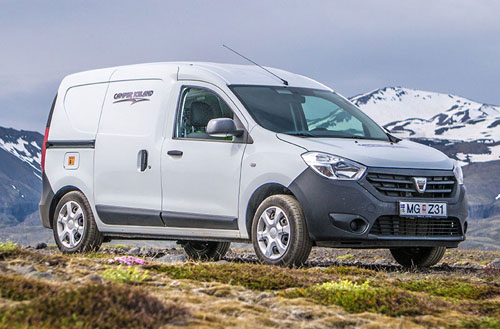
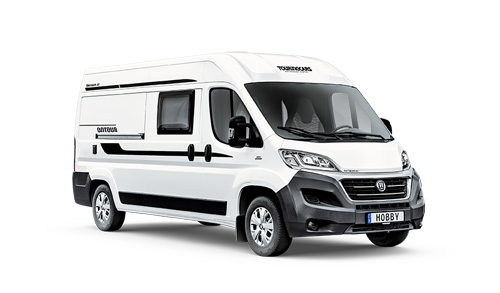
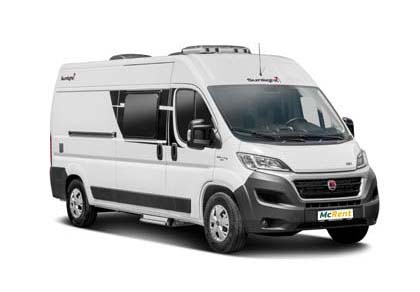
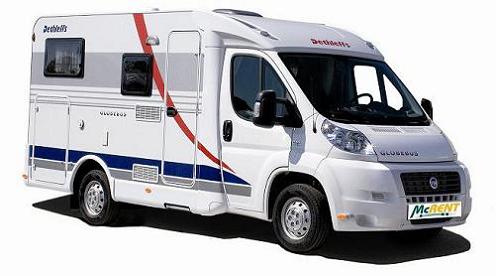
Selecting the right vehicle for your winter RV rental from Keflavík is crucial for both comfort and safety, and Bandana RV offers a range of options perfect for any traveler. For a couple seeking a cozy and easily maneuverable option, the Class B Camper Van is an ideal choice, typically featuring an average length of 5.4 meters and comfortably sleeping 2-3 adults. These compact campervans, such as the '2 Berth Hi Top' or 'Active Classic', offer good fuel efficiency (commonly 7-10 lit/100km) and are perfect for navigating Iceland's winter roads. For small families, like 2 adults and 1-2 small children, the Class B Camper Van can also be a great fit, given its average sleeping capacity for 2-4 people. Alternatively, a slightly larger Class C motorhome, like the 'Comfort Family' or 'Glamys 265', offers more space and amenities, sleeping 4-6 individuals comfortably. These vehicles are equipped with essential heating and robust tires suitable for winter conditions. With our 'Rent&Plan' service, you can combine your motorhome rental with a ready-made itinerary by travel experts and full access to trip-planning software, removing any planning headaches and ensuring a seamless experience from the moment you pick up your campervan in Keflavík. You can upgrade to a top-level deductible for extra peace of mind.Can you road trip Iceland in winter?
Yes, road tripping Iceland in winter is entirely possible and offers unique experiences, provided travelers prepare thoroughly for challenging weather and driving conditions, such as snow, ice, and strong winds. Proper preparation is paramount and includes renting a suitable 4x4 RV or campervan equipped with winter tires (often studded), diligently monitoring road and weather conditions daily via official resources like vedur.is and road.is, and maintaining a flexible itinerary. Many popular routes, such as the Golden Circle and significant portions of the South Coast, generally remain accessible throughout the winter, although remote areas and mountain roads (marked with an "F" on maps) are typically closed. This adventurous season allows for unparalleled views of snow-covered landscapes, prime opportunities to witness the magical Northern Lights away from city lights, and often results in fewer crowds at major attractions compared to the bustling summer months. For more driving essentials, refer to our "First-Time RV Driving in Keflavík - Beginners Guide 2026".What is the 3-3-3 rule when RVing?
The '3-3-3 rule' for RVing is a widely recommended guideline that advises travelers to stop driving after 3 PM, drive no more than 300 miles (or 300 km by some interpretations), and ideally stay for at least 3 nights at each location. This rule is designed to enhance safety by minimizing driving during low light or darkness and reducing driver fatigue, which is especially crucial in Iceland's short winter daylight hours. It also encourages a slower travel pace, allowing more time to thoroughly explore each destination, manage campsite logistics, and account for unexpected delays due to rapidly changing weather conditions. While it's a general guideline, adapting it to Icelandic winter conditions, such as driving significantly less than 300 km and stopping even earlier than 3 PM, is highly recommended to prioritize safety and maximize enjoyment.Where is the best place to RV in the winter?
For winter RV travel in Iceland, the best places to focus your adventures are typically the South Coast and the Golden Circle routes, as these areas offer more accessible attractions, better-maintained main roads (Route 1), and a higher concentration of open campsites and services. The Reykjanes Peninsula, located immediately south of Keflavík and encompassing sites like the Blue Lagoon and various geothermal areas, is also an excellent starting point for exploration due to its proximity to the international airport and well-maintained infrastructure. These regions generally experience milder winter weather compared to the more remote Highlands or the Westfjords, which often have impassable roads and very few amenities during the colder months. Focusing on these accessible areas maximizes safety and enjoyment, ensuring consistent access to essential services and iconic winter sights while reducing the risk of road closures. Our "Weekly RV Rental in Keflavík - Pricing 2026" can give you an idea of costs for these popular routes.What is the 444 rule for RVs?
While the '3-3-3 rule' is more commonly cited for RV travel, the '4-4-4 rule' is a less frequent variation that suggests driving no more than 4 hours, no more than 400 miles (or kilometers by some interpretations), and arriving by 4 PM to ensure you can set up camp before dark. This rule, like its 3-3-3 counterpart, emphasizes safe driving practices and the importance of avoiding driving in low light or darkness, which is particularly vital during Icelandic winters when daylight hours are extremely limited. Adhering to such guidelines helps prevent driver fatigue, allows sufficient time to navigate potentially icy or snow-covered campsites, and provides ample opportunity to prepare your motorhome for overnight stays. Given Iceland's often challenging winter road conditions and short days, even the 4-hour driving limit should be flexibly adjusted based on real-time weather and road reports. For those considering longer journeys, our "One-Way RV Rental in Keflavík - Price Guide 2026" offers flexibility while encouraging safe trip planning.Can Google Maps do RV routes?
Standard Google Maps does not inherently offer specific RV routing that accounts for vehicle dimensions (height, width, length), weight restrictions, or local regulations concerning propane tanks or tunnel clearances, making it generally unsuitable for comprehensive RV navigation without additional caution. While it remains a useful tool for general directions, traffic updates, and locating points of interest, Google Maps may inadvertently direct rented motorhomes onto roads with low bridges, narrow turns, or weight limits that are unsafe or illegal for larger vehicles. For reliable RV-specific navigation in Iceland, it is highly recommended to use specialized RV GPS apps or dedicated devices that allow you to input your vehicle's profile to ensure safe and legal routes. Always cross-reference any navigation instructions with local road signs and current road conditions reported by Iceland's road administration (road.is) to avoid unexpected challenges, especially during winter.What's the worst month to visit Iceland?
While there isn't a universally "worst" month to visit Iceland, February and March can often present the most challenging weather conditions for winter RV travel, characterized by a higher frequency of strong winds, heavy snowfall, and widespread road closures. These months typically experience the lowest visibility and most unpredictable conditions, which can lead to significant itinerary disruptions and require considerable flexibility from travelers. Conversely, December and January, while having the shortest daylight hours, offer peak Northern Lights viewing opportunities and a festive atmosphere, especially around major towns like Reykjavík. The "worst" month ultimately depends on individual tolerance for extreme weather and the specific activities desired; however, for those prioritizing comfortable and consistent RVing, late autumn or early spring might offer a slightly easier travel experience than the heart of mid-winter. You can check "RV Rental Deals in Keflavík - Latest Offers 2026" for potential savings during these shoulder seasons.Can you park a motorhome anywhere in Iceland?
No, wild camping or parking a motorhome anywhere outside designated campsites for overnight stays is generally illegal and strongly discouraged in Iceland, with strict regulations in place to protect the fragile environment. These regulations are particularly enforced in sensitive natural areas, including vast stretches of the Reykjanes Peninsula and all national parks. Overnight parking for rented RVs is only permitted in official campsites, many of which are increasingly equipped for winter use, though some may have limited facilities during the off-peak season. Violations of these rules can result in hefty fines and potential damage to Iceland's delicate ecosystems. Always plan your route with confirmed campsite bookings, especially in winter when fewer sites are open, to ensure a legal, responsible, and hassle-free RV trip. For finding campsites and campgrounds during your trip, we recommend using RV PLANET (rvplan.net) - a great resource for locating available spots along your route.Is it worth going to Iceland in the winter?
Yes, visiting Iceland in the winter is absolutely worth it for those seeking unique and magical experiences like hunting for the Northern Lights, exploring natural ice caves, marveling at snow-covered landscapes, and enjoying fewer crowds at popular attractions, provided they are prepared for the conditions. The winter months cast a special, ethereal atmosphere over the country, with spectacular opportunities to witness the Aurora Borealis dancing across the dark skies, often best seen from remote locations accessible by your rented motorhome. Activities such as guided tours to crystal-blue ice caves (which are typically only accessible in winter), exhilarating glacier hiking, and snowmobiling become prime attractions, offering adventures unavailable in other seasons. While daylight hours are short and the weather can be challenging and unpredictable, the profound beauty of Iceland's winter scenery and the unique seasonal offerings make it an immensely memorable and rewarding travel experience for families and couples alike. Consider our "Family RV Rental in Keflavík - Pricing Guide 2026" for family-friendly winter trips.What to be careful of in Iceland?
When RVing in Iceland, travelers must be particularly careful of several key hazards to ensure a safe journey. Firstly, rapidly changing weather conditions are common; always check forecasts on vedur.is and road conditions on road.is multiple times a day, as blizzards and strong winds can arise quickly, closing roads without warning. Secondly, strong winds pose a significant risk for motorhomes and campervans, capable of damaging vehicle doors or even causing loss of control, so drive cautiously and pull over if conditions worsen. Thirdly, roads can be icy, snowy, or unpaved (gravel roads), demanding reduced speeds, appropriate winter tires, and heightened attention. Never drive off-road, as it is illegal and severely damages Iceland's fragile environment. Finally, exercise extreme caution near the ocean, especially at black sand beaches like Reynisfjara, where powerful and unpredictable 'sneaker waves' can suddenly pull unsuspecting visitors into the sea. Always maintain a safe distance from the water's edge.What You Shouldn't Miss
- Witnessing the Northern Lights: Drive away from city lights, ideally from October to April, for the best chance to see the Aurora Borealis dance across the dark Icelandic sky.
- Relaxing in the Blue Lagoon: Pre-book your visit to this world-famous geothermal spa near Keflavík for a truly rejuvenating and warming experience amidst the winter chill.
- Exploring the Golden Circle: Don't miss this iconic route including Þingvellir National Park, the erupting Strokkur geyser at Geysir, and the magnificent Gullfoss waterfall, all transformed by winter's icy embrace.
- Visiting South Coast Waterfalls: See Seljalandsfoss and Skógafoss, often partially frozen and surrounded by snow, offering a dramatic backdrop for photos.
- Strolling Diamond Beach & Jökulsárlón Glacier Lagoon: Observe massive icebergs from the Vatnajökull glacier floating in the lagoon and glistening on the black sand beach nearby.
- Discovering the Reykjanes Peninsula's Geothermal Areas: Before venturing far, explore local wonders like Gunnuhver Hot Springs and the Bridge Between Continents, showcasing Iceland's raw geological power right by Keflavík.