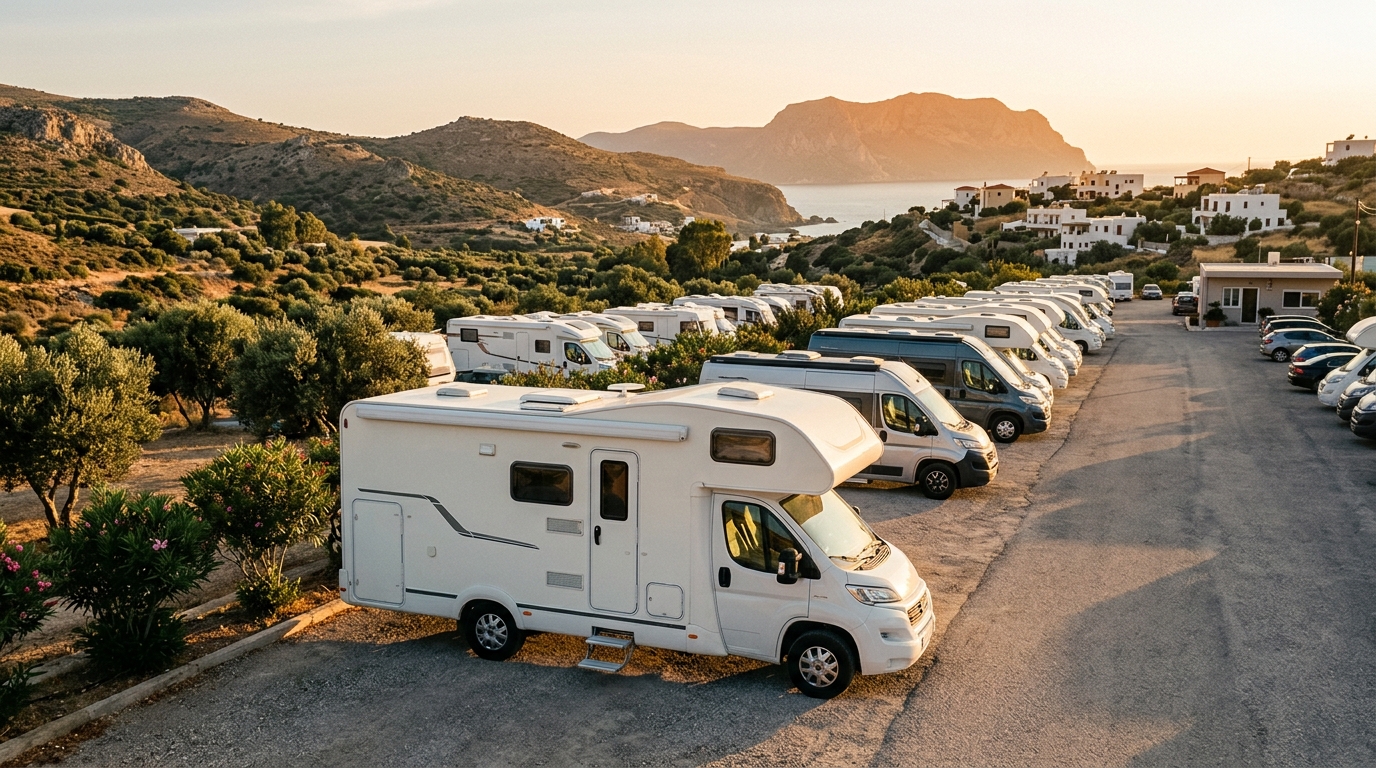
For live availability and current prices, start with our RV Rental Greece - Complete Guide 2026 guide.
In This Guide
- Best Greece RV Itinerary for winter rv rental — Overview
- 7-Day Classic Route in Greece
- 14-Day Extended Journey in Greece
- Recommended RVPlan Trip for Greece
- Must-See Stops Along the Way (Avi Bandana Picks)
- Daily Driving Distances & Drive Times in Greece
- Best RV Class for This Itinerary — Couple & Family Picks
- Why choose a winter RV rental in Greece compared to other seasons?
- What are the road conditions and driving challenges for an RV in Greece during winter?
- What practical logistics should RVers know for winter travel in Greece?
- Is wild camping allowed with an RV in Greece during winter?
- How do I book an RV on a ferry in Greece, especially for island hopping?
- What cultural etiquette should RVers observe in Greece?
- What are the safety and security tips for RV travel in Greece during winter?
- How much does it cost to rent an RV in Greece for a winter trip?
Best Greece RV Itinerary for winter rv rental — Overview
Experience Greece with fewer crowds during winter (November-March) by opting for an RV rental. This season offers a more authentic and tranquil journey through the country's rich history and stunning landscapes. A recommended duration for a comprehensive exploration is a minimum of 7 days, ideally stretching to 14 days. These itineraries primarily focus on mainland Greece, including the Peloponnese and Central Greece, allowing you to visit historical sites and soak in the local culture. Expect total travel distances to range from approximately 800 km for a 7-day trip to 2000 km for a more immersive 14-day journey.
7-Day Classic Route in Greece
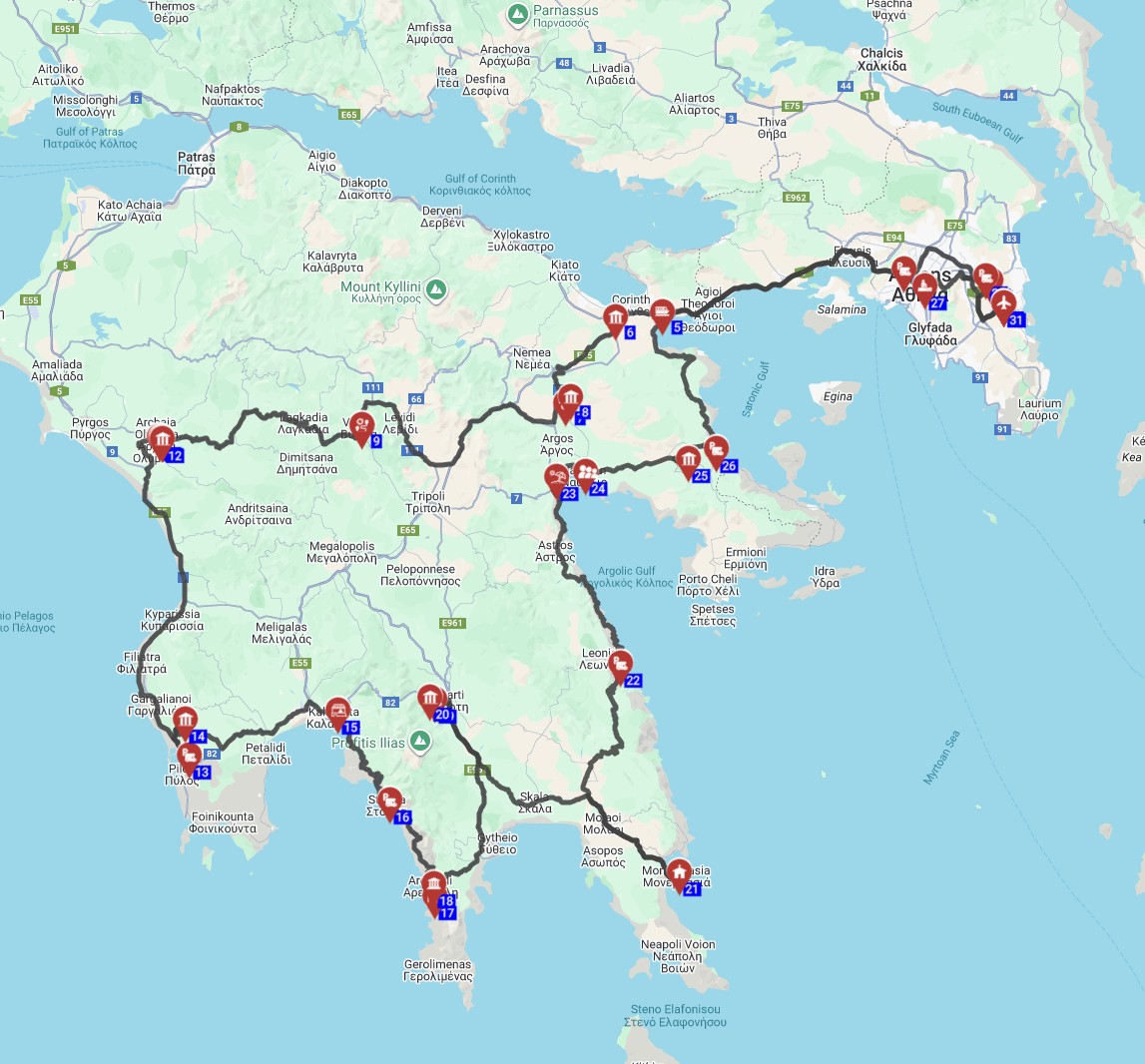
This 7-day itinerary provides a classic taste of Greece, focusing on the Peloponnese and its historical treasures, all while enjoying the comfort of your rented RV.
- Day 1: Athens Arrival & Coastal Charm (Approx. 40 km) – Upon picking up your RV in Athens, head south to the Attica Riviera. Visit the majestic Temple of Poseidon at Cape Sounio. Overnight at a campsite near Sounio or back in the Athens area.
- Day 2: Athens to Nafplio (Approx. 120 km) – Journey south towards the Peloponnese peninsula, experiencing the engineering marvel of crossing the Corinth Canal. Arrive in Nafplio, a charming Venetian town, and explore its historic streets. Overnight at a campsite near Nafplio.
- Day 3: Ancient Wonders (Approx. 60 km) – Dedicate the day to exploring significant ancient sites. Visit the renowned ancient theatre of Epidaurus and the legendary city of Mycenae, the seat of King Agamemnon. Return to your campsite near Nafplio or Mycenae.
- Day 4: Mani Peninsula Gateway (Approx. 130 km) – Drive further south into the rugged and dramatic landscapes of the Mani Peninsula. Your destination for the day is Gytheio, a picturesque coastal town. Overnight at a campsite near Gytheio.
- Day 5: Diros Caves & Mani's Coast (Approx. 50 km) – Explore the stunning Diros Caves (check winter opening hours) and drive along Mani's dramatic coastline. Experience the unique tower houses and rugged beauty of the region. Overnight at a campsite near Gytheio or Areopoli.
- Day 6: Return towards Athens – Stop in Arcadia (Approx. 130 km) – Begin your journey back towards Athens, taking a scenic route through Arcadia. Consider stopping in charming mountain villages like Dimitsana. Overnight at a campsite in the Arcadia region.
- Day 7: Arcadia to Athens (RV Drop-off) (Approx. 100-120 km) – Enjoy a comfortable drive back to Athens for your RV drop-off, reflecting on the historical and natural beauty you've experienced.
14-Day Extended Journey in Greece
For a more in-depth exploration, this 14-day itinerary expands your adventure to include the mystical landscapes of Central Greece, complementing the historical richness of the Peloponnese. This route offers a deeper dive into Greece's diverse beauty and cultural heritage.
- Days 1-3: Athens & Attica Riviera – Begin your journey by exploring Athens and the beautiful Attica Riviera, including Sounio. This allows ample time to pick up your RV, familiarize yourself with it, and prepare for the extended travel ahead. Stay in the Athens area for these initial days.
- Days 4-8: Central Greece - Delphi & Meteora – Head north to Central Greece. Day 4: Athens to Livadeia/Amfissa (approx. 120 km). Day 5: Livadeia to Delphi (approx. 60 km), visiting the Oracle. Day 6: Delphi to the Karditsa/Trikala Region (approx. 140 km), a gateway to mountainous Greece. Day 7: Karditsa/Trikala to Meteora (approx. 50 km), where breathtaking monasteries cling to rock pillars. Day 8: A full day dedicated to exploring the awe-inspiring Meteora monasteries.
- Days 9-11: Peloponnese North-West – Transition back towards the Peloponnese. Day 9: Meteora to Nafpaktos (approx. 150 km), a charming port town. Day 10: Nafpaktos to Ancient Olympia (approx. 130 km), the birthplace of the Olympic Games. Day 11: Olympia to Nafplio (approx. 100 km), potentially revisiting Mycenae and Epidaurus for a deeper dive.
- Days 12-14: Return to Athens – Your final days focus on a relaxed journey back towards Athens. Day 12: Nafplio to Mystras/Sparta (approx. 90 km), exploring the Byzantine ghost city of Mystras. Day 13: Mystras/Sparta to the Corinth area (approx. 120 km), perhaps a final glimpse of ancient Corinth. Day 14: Corinth to Athens (approx. 80 km) for your RV drop-off.
Recommended RVPlan Trip for Greece
To simplify your travel planning and ensure you have an enriching experience, consider utilizing the 'Rent & Plan' service offered by Avi Bandana. This unique service allows you to combine your RV rental with expertly designed itineraries, removing the stress of planning. You'll gain access to user-friendly trip-planning software that includes detailed routes, points of interest, and campsite recommendations. Avi Bandana's 'Rent & Plan' service is perfect for those who want to customize their journey with expert guidance, making your Greek RV adventure seamless and enjoyable.
Must-See Stops Along the Way (Avi Bandana Picks)
To truly connect with the local culture and discover hidden gems, keep an eye out for these experiences recommended by RV travel expert Avi Bandana:
- Traditional Markets (Laiki Agora): Seek out these local farmers' markets. They are fantastic places to find fresh produce, regional olives, artisanal cheeses, and witness authentic Greek daily life.
- Local Tavernas: Venture off the beaten path to find family-run establishments. These are the best places to savor authentic Greek cuisine and discover seasonal specialties prepared with local ingredients.
- Lesser-Known Historical Landmarks: Beyond the major ancient sites, explore smaller, less-visited ancient ruins or Byzantine churches. These often provide a more intimate connection to Greece's layered history.
- Handicraft Shops: Look for unique souvenirs like traditional pottery, woven textiles, or local crafts. Supporting local artisans offers a tangible connection to the places you visit.
Daily Driving Distances & Drive Times in Greece
To fully immerse yourself in the beauty and culture of Greece, Avi Bandana recommends a relaxed pace. Aim for an average of no more than 100 miles (approximately 150 km) of driving per day. This slower approach allows for spontaneous stops at captivating viewpoints, charming villages, and local attractions, fostering deeper cultural immersion. For example, the drive from Athens to Nafplio is about 120 km (roughly 75 miles) and typically takes 1.5 to 2 hours, while the route from Olympia to Mystras is around 100 km (about 60 miles) and takes approximately 1.5 hours, offering plenty of time to explore.
Best RV Class for This Itinerary — Couple & Family Picks
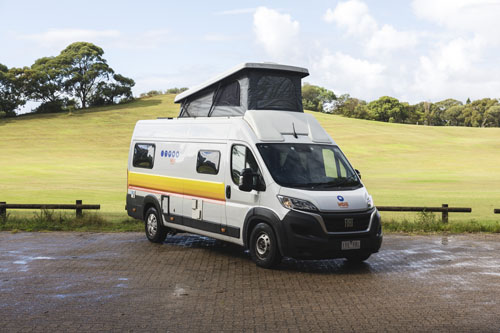
Choosing the right RV is key to a comfortable journey. For couples, a Class B camper van is often ideal. These are highly maneuverable on Greece's narrower roads and perfect for agile travel, with typical models being around 5.8 meters in length, sleeping up to 3 people comfortably, and offering fuel consumption of 8-10 liters per 100 km.
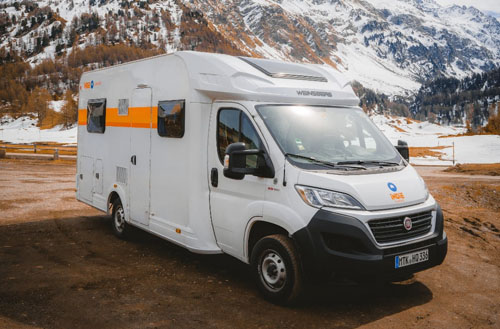
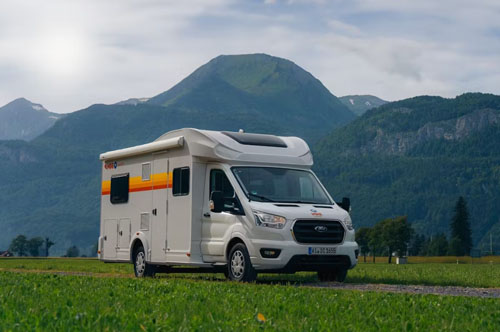
For families or larger groups, a Class C motorhome, often referred to as an alcove model, provides more living and sleeping space. These RVs, typically around 7.5 meters in length, can sleep up to 6 people and offer fuel consumption of about 10-12 liters per 100 km. The additional space and amenities ensure comfort for multiple travelers throughout the trip. Remember, Avi Bandana's 'Rent & Plan' service can help match you with the perfect vehicle for your specific itinerary and group size.
Why choose a winter RV rental in Greece compared to other seasons?
Choosing a winter RV rental in Greece offers distinct advantages over other seasons. Firstly, you'll encounter significantly fewer tourist crowds, allowing for a more authentic and peaceful travel experience as you explore popular sites without the usual hustle and bustle. Secondly, rental prices for RVs and campsite fees are often lower during the off-peak winter season, making it a more budget-friendly option for your adventure. On the routes offered through RV PLANET routes, you can itemize and track every expense along the way for easy budgeting.
Furthermore, the milder winter climate in many parts of Greece, particularly the southern regions, provides a more comfortable environment for sightseeing than the intense heat of summer. This season also presents a unique opportunity for cultural immersion, as local life continues uninterrupted by the summer tourist influx. You can engage more deeply with communities and experience the authentic rhythm of Greek life.
What are the road conditions and driving challenges for an RV in Greece during winter?
When planning your winter RV trip in Greece, it's essential to be aware of potential road conditions and driving challenges. Winter road conditions can vary, especially in mountainous regions like the Pindus range or higher altitudes in the Peloponnese, where snow and ice may occur, potentially requiring the use of snow chains.
Many charming Greek villages feature extremely narrow roads and tight turns, which can be challenging for larger RVs. Careful route planning or parking at the outskirts of villages and walking in is often advisable. The quality of secondary roads can also vary, with some being less maintained during winter months, necessitating slower speeds and heightened caution. While parking in popular towns generally becomes easier in winter due to fewer crowds, finding suitable, spacious spots for larger RVs still requires vigilance and pre-planning. Always have a reliable GPS and be prepared for less-than-perfect road surfaces.
What practical logistics should RVers know for winter travel in Greece?
Navigating practical logistics is key for a smooth winter RV trip in Greece. Finding water refill stations can sometimes be challenging; organized campsites or larger petrol stations are your most reliable options, so it's crucial to plan your routes accordingly and top up whenever possible.
Dump points for grey and black water are primarily located at operational campsites. Be aware that some smaller sites may have reduced winter hours or be closed entirely, so always check availability in advance. LPG (propane) for heating and cooking can be less frequent in remote areas; ensure your tanks are sufficiently full before venturing off major routes. Utilizing apps like MyLPG.eu can help locate availability. Reliable internet access is crucial for navigation and communication; consider purchasing a local prepaid SIM card upon arrival from providers like Vodafone or Cosmote for consistent connectivity. Additionally, vehicle maintenance services are more common in larger towns, so it's wise to address any minor concerns before heading to more secluded destinations.
Is wild camping allowed with an RV in Greece during winter?
Wild camping in Greece is generally prohibited by law, with potential fines or requests to move by local authorities. However, enforcement can be more relaxed in some remote areas, particularly during the quieter winter season. Responsible and discreet overnight parking, sometimes referred to as 'tolerated' wild camping, requires adherence to certain principles: ensure you are not on private land, avoid disturbing locals, and refrain from setting up anything resembling a permanent structure.
To minimize risks, it’s best to seek out alternative overnight parking spots. These can include official campsites (though many smaller ones may be closed in winter), parking lots near beaches (provided there are no 'no camping' signs), or seeking explicit permission from the owners of tavernas or local businesses. Always prioritize discretion, respect the environment by leaving no trace, and ensure your presence is temporary and respectful of local sensitivities.
How do I book an RV on a ferry in Greece, especially for island hopping?
If island hopping is part of your Greek RV adventure, booking your vehicle on a ferry requires advance planning, especially to secure space and potentially benefit from better pricing. Costs vary significantly based on your RV's length and height, so accurately measuring your vehicle before booking is essential to avoid surcharges or refusal. You can compare ferry options and book through various online platforms or directly with ferry operators.
Major ferry operators like Blue Star Ferries, Minoan Lines, and Anek Lines connect the mainland with popular islands. However, winter schedules are typically reduced, so it's crucial to check these carefully. For efficient island hopping, select routes that offer direct connections or involve minimal mainland transfers, as some smaller island connections might not operate during winter. Be prepared to park your RV on a designated vehicle deck; access to your living space is often restricted during the voyage, so pack an overnight bag with essentials.
What cultural etiquette should RVers observe in Greece?
Embracing local cultural etiquette will greatly enhance your interactions and overall experience in Greece. RV travelers should always strive to interact positively with local communities, showing respect and courtesy, particularly in smaller villages where traditions are often more deeply ingrained.
When shopping at local markets, engage with vendors, try using basic Greek phrases if possible (even a simple "kalimera" for good morning or "efcharisto" for thank you goes a long way), and remember that bargaining is generally not expected for everyday items. Be mindful of local customs such as 'siesta' hours in the afternoon when many businesses may be closed. Always be polite and patient, understanding that life may move at a different pace. Show respect for the environment by properly disposing of all waste and avoiding littering, leaving natural sites as you found them. When visiting religious sites like churches or monasteries, dress modestly, covering shoulders and knees, as a sign of respect.
What are the safety and security tips for RV travel in Greece during winter?
Prioritizing safety and security is paramount for any RV journey. Always secure your rented RV by locking all doors and windows, especially when leaving it unattended or overnight, even in seemingly quiet locations. Avoid leaving valuable items visible inside your vehicle; store them out of sight or take them with you when you leave the RV.
Be aware of your surroundings, particularly in less-trafficked or remote areas where emergency services might have a slower response time. It’s advisable to keep a list of emergency contacts readily accessible, including the local police (dial 100) and the general European emergency number (112). Consider investing in breakdown assistance services for added peace of mind. Furthermore, inform someone of your itinerary, especially if you plan to visit more isolated locations. Finally, ensure you have comprehensive travel insurance that covers potential medical needs or unforeseen circumstances during your trip.
How much does it cost to rent an RV in Greece for a winter trip?
The cost of a winter RV rental in Greece is typically lower than during peak season, though it varies significantly by RV class, rental duration, and how far in advance you book. Expect average daily rates for a Class C motorhome to range roughly from €90 to €145, with smaller campervans being more budget-friendly.
Fuel costs, primarily for diesel, represent a significant portion of your travel expenses. Greek fuel prices can fluctuate, so it's wise to budget accordingly. Be aware that specific toll prices are encountered on major highways like the Egnatia Odos and on bridges, which should be factored into your overall budget. Ferry fares are another substantial cost if you plan on island hopping, with prices depending heavily on your RV's size and the chosen route. Campsite fees are generally lower in winter, but options might be limited as many smaller sites may be closed. Budgeting for local markets and cooking in your RV can also significantly save on food expenses compared to dining out frequently. For ideas you can prep on the road, watch our RV-friendly recipes playlist on YouTube.
What You Shouldn't Miss
- Experience Athens' Ancient Heart: Even in winter, exploring the Acropolis and its museum is essential. The city offers a vibrant mix of ancient history and modern life.
- The Majestic Meteora Monasteries: Witness these geological marvels and the monastic complexes perched atop them. The winter light can offer a particularly dramatic and spiritual atmosphere.
- Discover the Peloponnese’s Rich History: Beyond Nafplio, Epidaurus, and Mycenae, explore sites like Ancient Olympia and the ruins of Mystras for a deep dive into classical and Byzantine Greece.
- Embrace the Rugged Beauty of the Mani Peninsula: Explore its dramatic coastline, unique tower villages, and hidden coves, offering a different, wilder perspective of Greece in winter.
- Sample Authentic Greek Cuisine: Seek out local tavernas and markets to taste regional specialties. Winter dishes like hearty stews and citrus-filled desserts are particularly delightful.
- Drive the Scenic Routes: Many inland routes, particularly through Arcadia or Epirus, offer stunning winter landscapes, charming villages, and a sense of discovery away from the typical tourist path.
Final Thoughts
Renting an RV in Greece during winter offers a unique perspective on this beautiful country. You'll experience the timeless appeal of ancient sites without the summer crowds and discover the serene beauty of the Greek landscape in a different light. With careful planning and the right vehicle, your winter RV adventure can be as comfortable and rewarding as a summer trip.
Embrace the slower pace of winter travel, allowing yourself to truly connect with the culture, the cuisine, and the stunning scenery. From the historic heart of Athens to the dramatic coastlines of the Peloponnese, a rented RV provides the freedom and flexibility to explore at your own rhythm. Let Bandana Caravan help you find the perfect vehicle for your Greek winter escape and start planning your unforgettable journey today!
Ready to explore Greece by RV? Compare your options and start planning your adventure!
Compare Greece RV Rental Prices Now