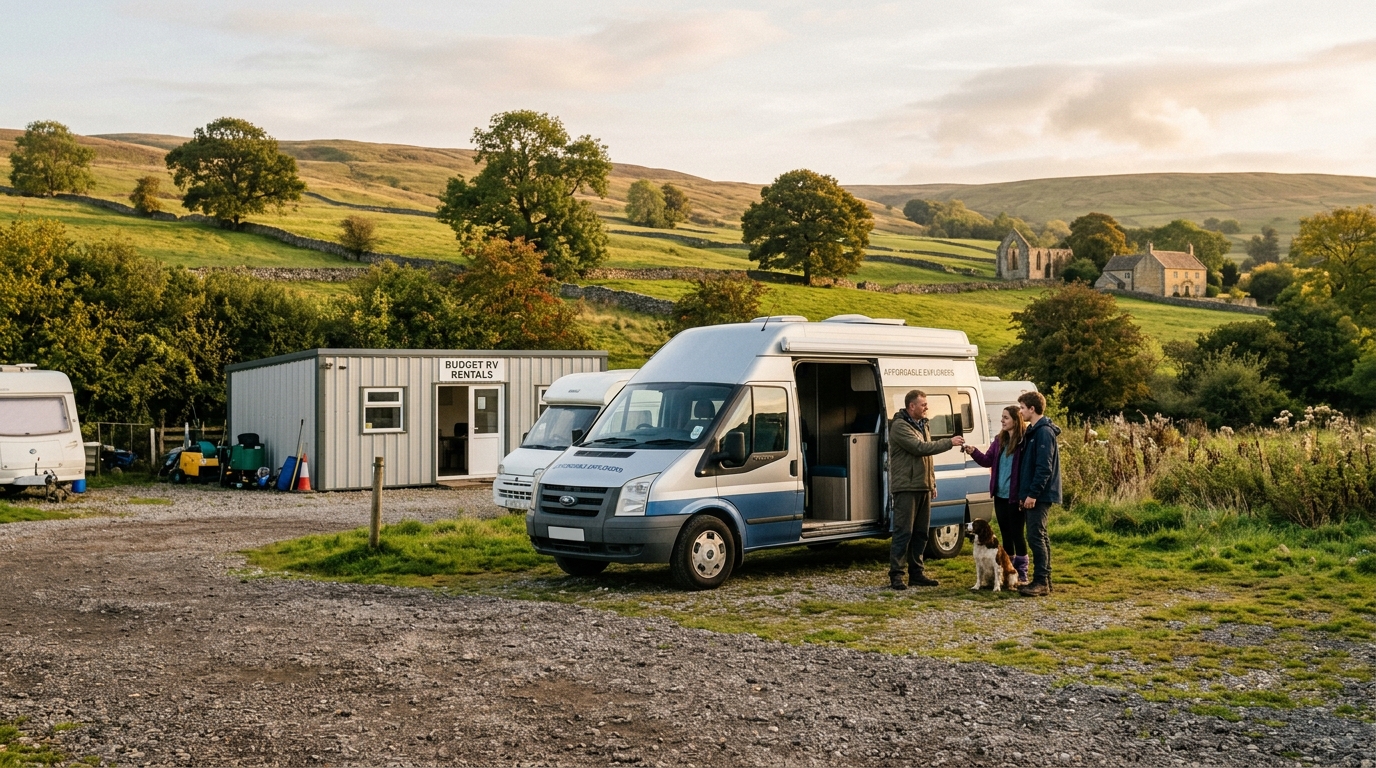
For live availability and current prices, start with our RV Rental England - Complete Guide 2026 guide.
In This Guide
- Best England RV Itinerary for winter rv rental — Overview
- 7-Day Classic Route in England
- 14-Day Extended Journey in England
- Recommended RVPlan Trip for England
- Must-See Stops Along the Way (Avi Bandana Picks)
- Daily Driving Distances & Drive Times in England
- Best RV Class for This Itinerary — Couple & Family Picks
- How much does it cost to rent an RV in England?
- Is it worth it to rent an RV in England?
- What is the best time to RV in England?
- What are the rules for motorhomes in England?
- What should you not do in England?
- Is it safe to wild camp in England?
- Is England good for RVing?
- Is it easy to drive an RV in England?
- Can you sleep anywhere in an RV in England?
- Where can you take an RV in England?
- What is the best RV for touring UK?
- What are the disadvantages of an RV?
- Is RV travel popular in the UK?
- What is the best way to tour England?
- Is it safe to wild camp in England?
- Is it easy to find campsites in England?
- How much is RV parking in UK?
- Can you take a motorhome to Scotland?
- Can you take a motorhome on a ferry?
- Can a foreigner rent an RV in the UK?
- Is it safe to drive a motorhome in winter?
- Can you take a dog in an RV?
- Can you live in a motorhome all year round?
- Do you need a special license to drive an RV in the UK?
Best England RV Itinerary for winter rv rental — Overview
A winter RV trip in England offers a unique, tranquil experience, often with fewer crowds and a charming festive atmosphere. The recommended duration for a winter RV adventure is a minimum of 7 days to allow ample time to appreciate the slower pace and navigate potential weather conditions comfortably. A typical winter itinerary might cover approximately 1000-1500 km (600-900 miles) over 7-10 days, focusing on accessible regions that showcase England's diverse beauty even in the colder months. The most evocative season for a distinctive winter RV experience in England is from December to February, presenting opportunities to enjoy festive markets, crisp, invigorating landscapes, and cozy evenings in your rented motorhome.
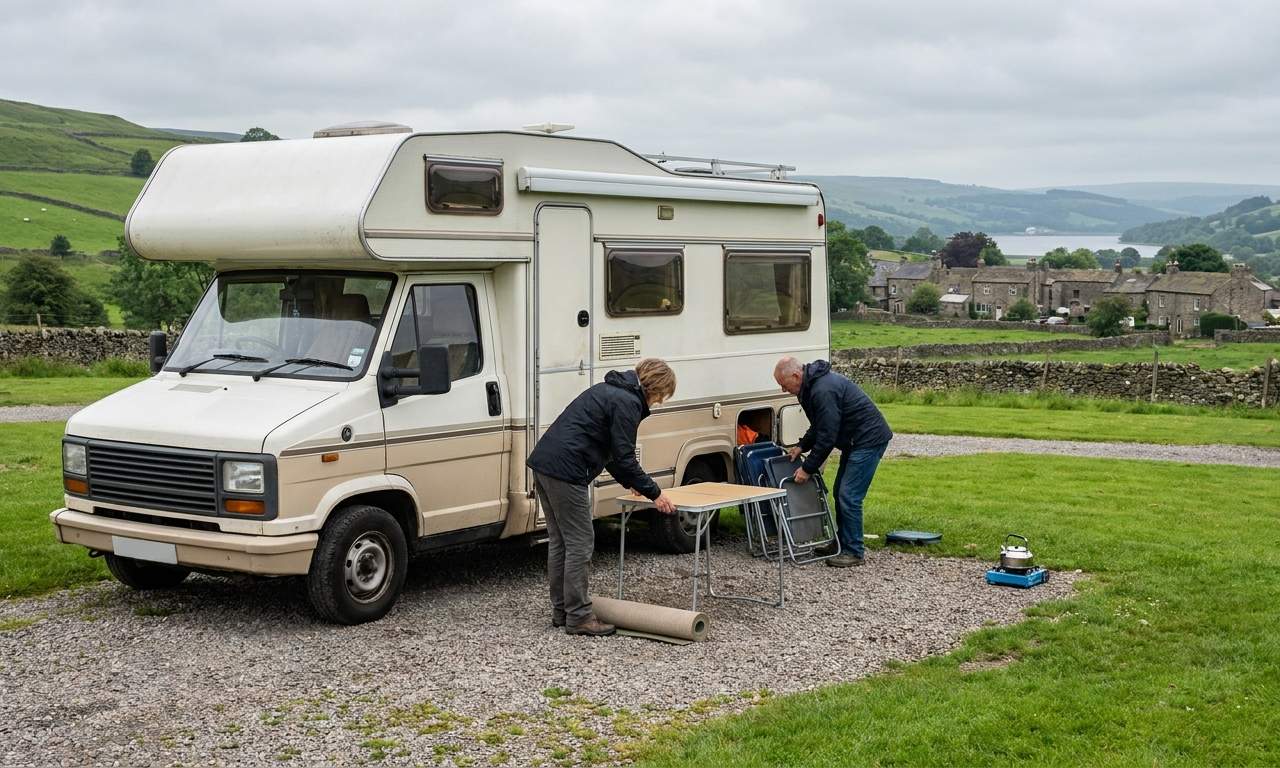
7-Day Classic Route in England
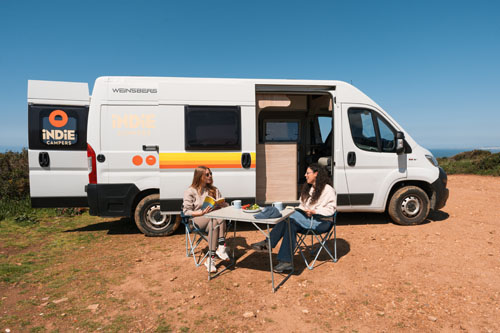
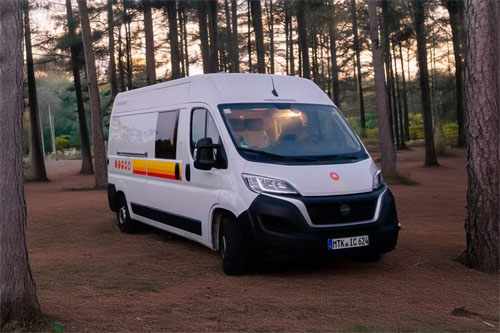
Embark on a delightful 7-day classic route through England, designed to showcase its historical charm and picturesque countryside, even in winter. This itinerary is perfect for those seeking a balance of iconic sights and manageable driving distances. You'll want to consider renting a Class B Camper Van, averaging 5.8 meters in length, for optimal maneuverability on England's renowned narrow roads. For example, a 'rv rental denver example Category Van' is a good choice for couples due to its compact size and efficiency, typically consuming around 8-10 Liters/100 Km. Alternatively, for families, a Class C motorhome, like the '24' Class C Motorhome' which averages 7.5 meters and sleeps up to 6, offers more space and comfort, with a fuel consumption of about 10–12 Liters/100 km.
- Day 1: London → Bath (approx. 175 km / 109 miles) - Immerse yourself in history at the Roman Baths and admire the Georgian architecture. Overnight at Bath Caravan Park.
- Day 2: Bath → Cotswolds (e.g., Bourton-on-the-Water) (approx. 80 km / 50 miles) - Wander through charming villages and enjoy the warmth of traditional pubs. Stay at a local campsite near Bourton-on-the-Water.
- Day 3: Cotswolds → Stratford-upon-Avon (approx. 60 km / 37 miles) - Visit the birthplace of Shakespeare and soak in the literary history. Find accommodation at a campsite near Stratford-upon-Avon.
- Day 4: Stratford-upon-Avon → Peak District (e.g., Bakewell) (approx. 150 km / 93 miles) - Discover breathtaking winter landscapes and explore picturesque market towns. Camp at a site near Bakewell.
- Day 5: Peak District → York (approx. 120 km / 75 miles) - Walk along the historic city walls and marvel at York Minster. Park your RV at York Rowntree Park Caravan Club Site.
- Day 6: York → Cambridge (approx. 200 km / 124 miles) - Enjoy punting (weather permitting) or explore the renowned university colleges. Overnight at a campsite near Cambridge.
- Day 7: Cambridge → London (approx. 90 km / 56 miles) - Conclude your journey by returning your RV to the rental depot in London.
14-Day Extended Journey in England
For a more comprehensive exploration, consider this 14-day extended journey through England, offering a deeper dive into its diverse regions and attractions. This longer itinerary allows for a more relaxed pace and the flexibility to adapt to winter weather. You can easily find the perfect RV for this trip; for couples, a compact Class B Camper Van like the 'hire campervan example Paradise S/T' is ideal, averaging just 5.8 meters for easy navigation. For families, a more spacious Class C motorhome, such as the '29' Class C Motorhome', which is approximately 7.5 meters long, provides ample room for up to 6 people.
- Days 1-3: London & Southeast - Explore the vibrant capital, then journey south to Brighton for its unique coastal charm, covering approximately 100-150 km daily. Stay in campsites or designated motorhome stopovers.
- Days 4-6: Southwest England - Travel to Salisbury to witness Stonehenge, then head to historic Bath, and finally to the Jurassic Coast for dramatic winter scenery (approx. 100-150 km daily). Don't miss the stunning Lulworth Cove and Durdle Door.
- Days 7-9: West Country & Midlands - Discover the idyllic villages of the Cotswolds, then proceed to Stratford-upon-Avon for its rich literary heritage (approx. 80-120 km daily).
- Days 10-12: North England - Drive north into the Peak District to experience its rugged beauty, then continue to the historic city of York (approx. 120-150 km daily).
- Days 13-14: Return to London via East Anglia - Head towards Cambridge to explore its esteemed university city before returning to London to complete your unforgettable RV adventure (approx. 90-150 km daily).
Recommended RVPlan Trip for England
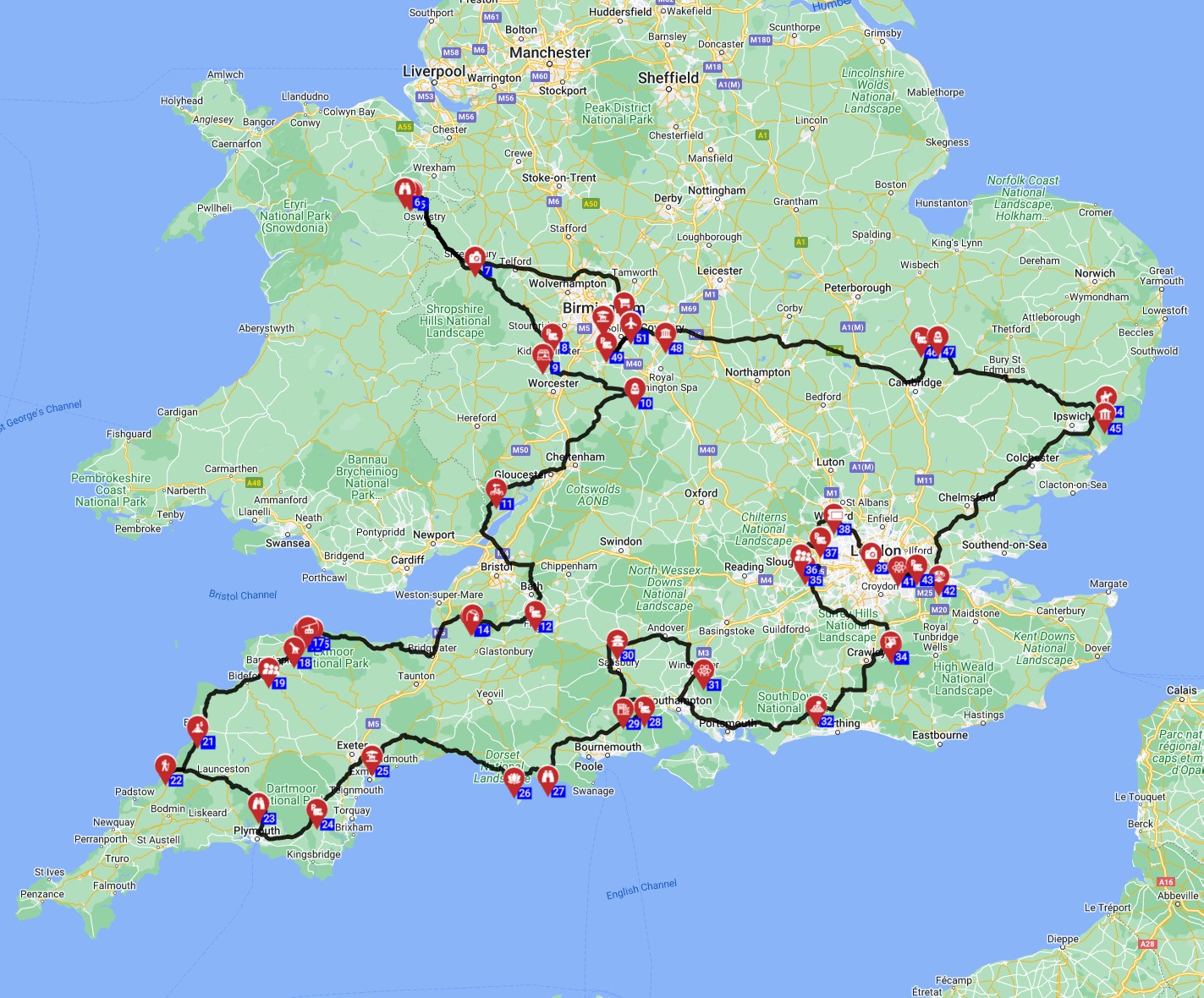
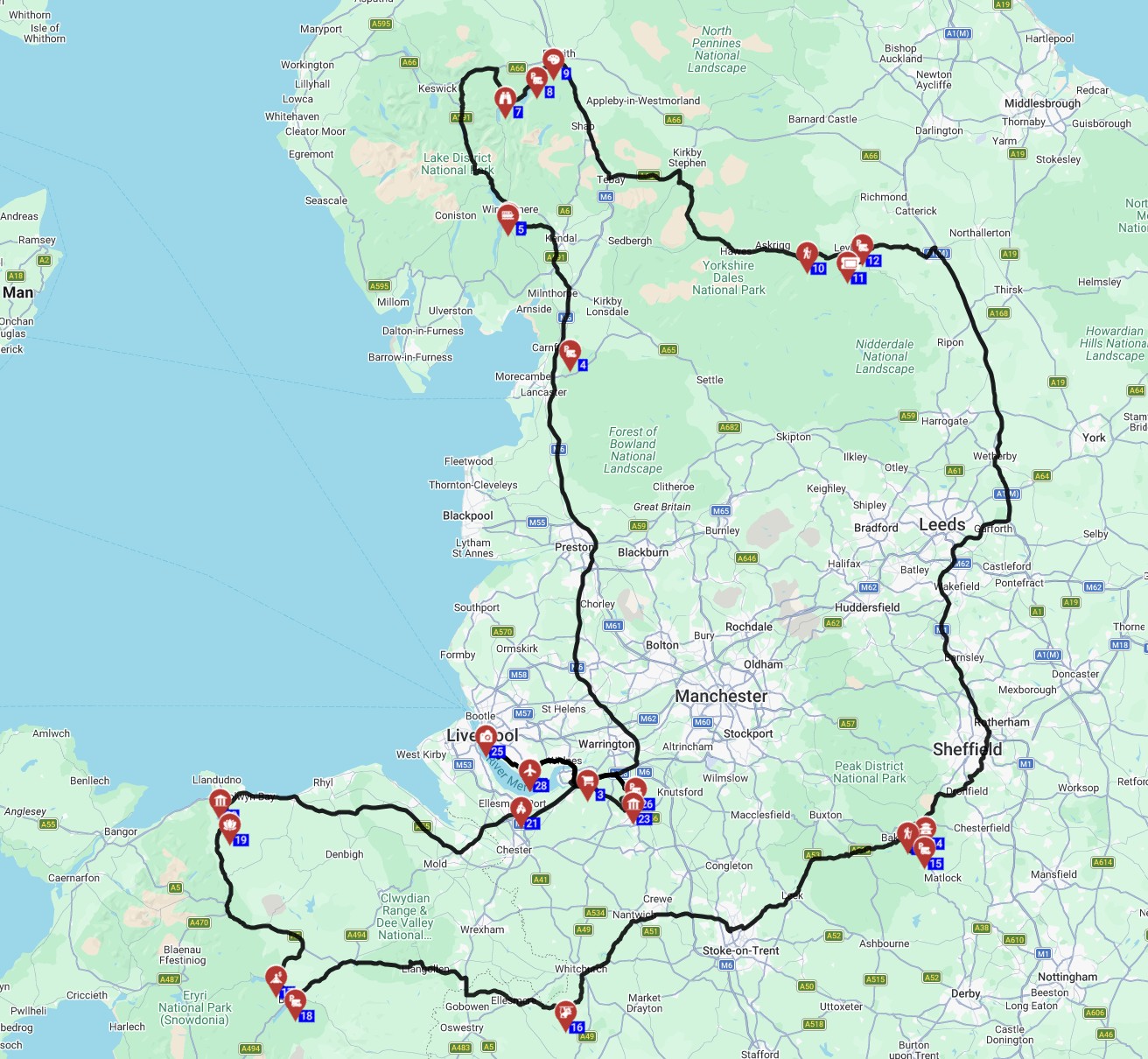
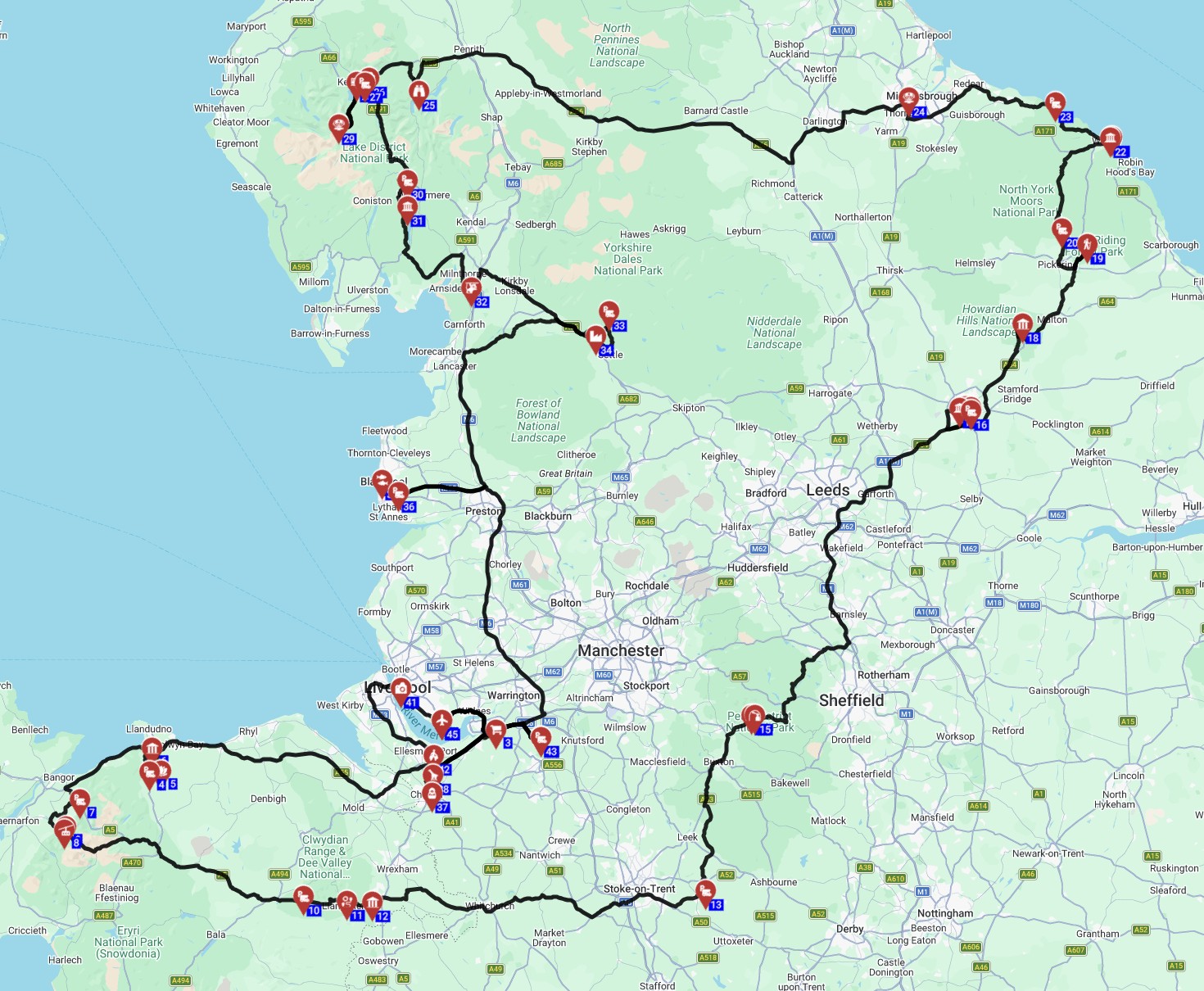
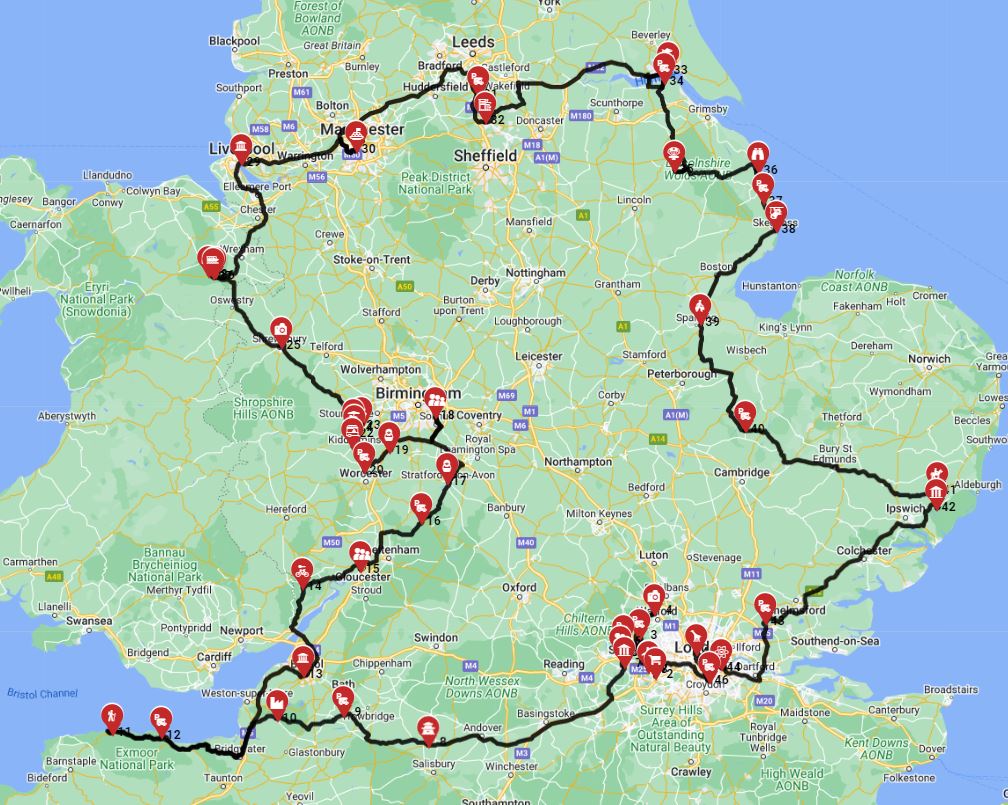
To simplify your planning and ensure you experience the best of England, we recommend leveraging the expertly curated itineraries available through RV PLANET. The '
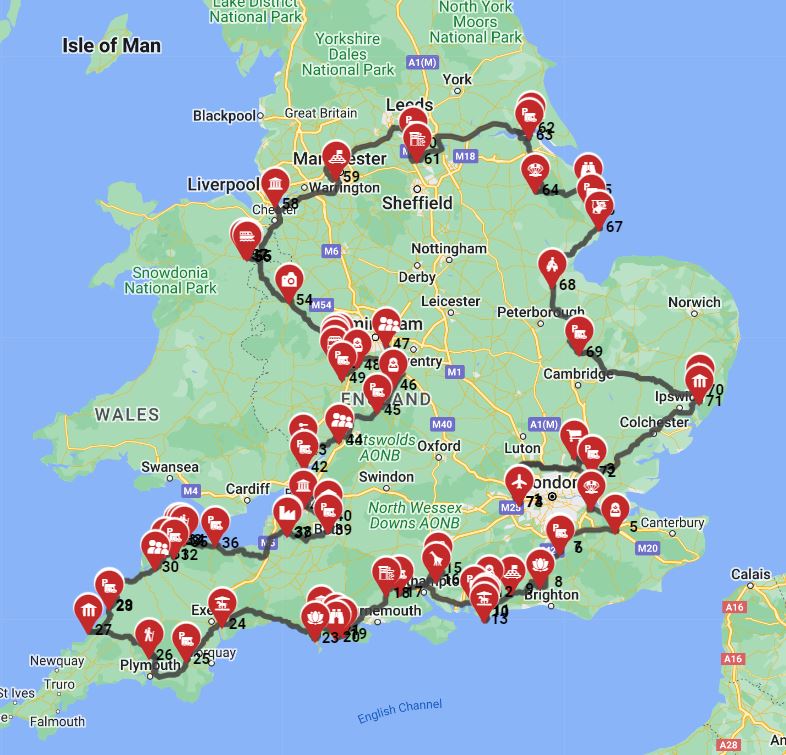
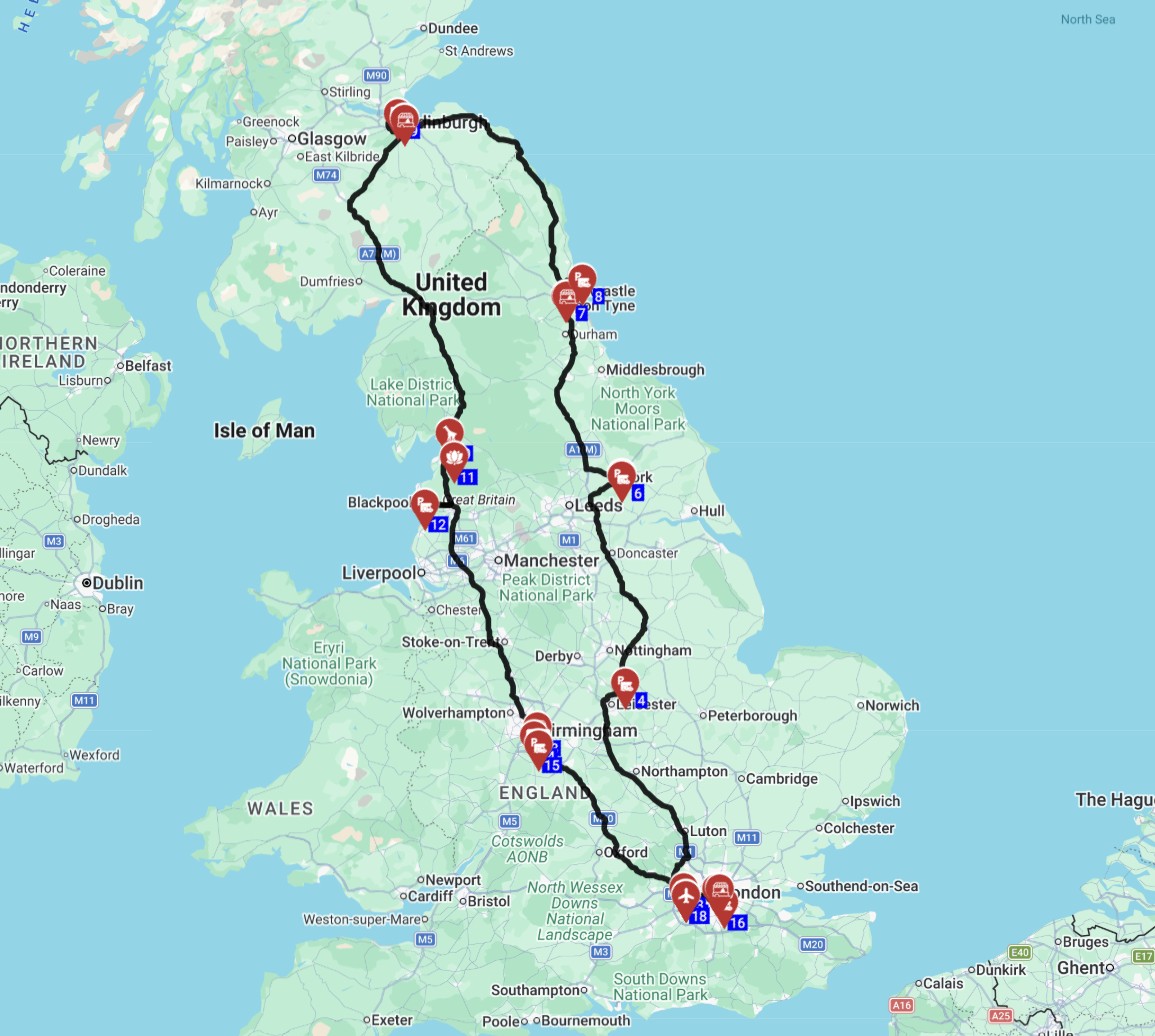
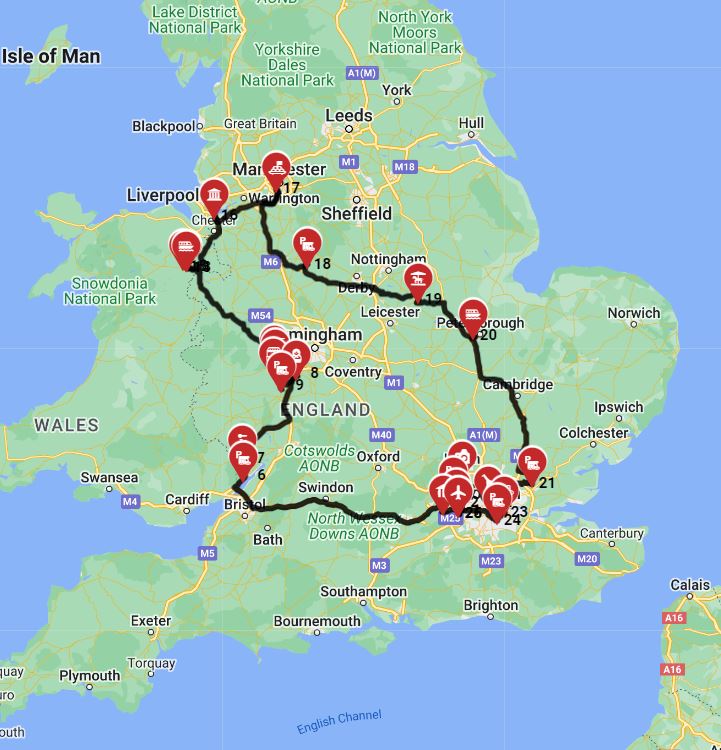
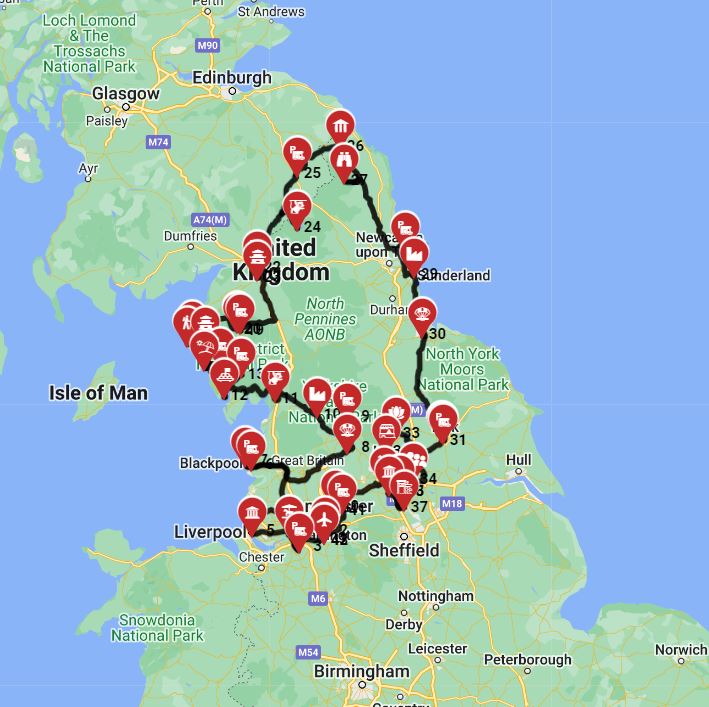
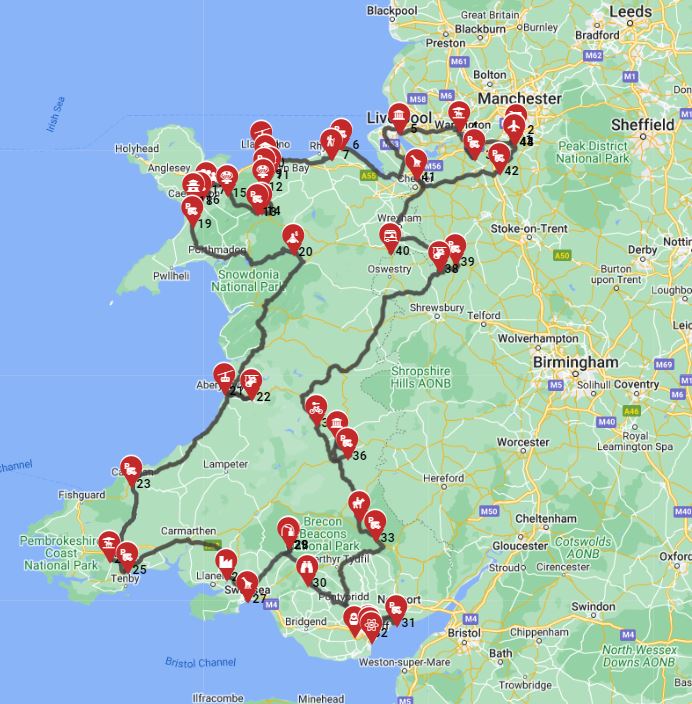
RVPlan trips provide detailed day-by-day routes, including recommended stops and points of interest, significantly simplifying the planning process for your motorhome rental in England. For finding campsites and campgrounds during your trip, we recommend using RV PLANET (rvplan.net) — a great tool for locating available spots along your route.
Must-See Stops Along the Way (Avi Bandana Picks)
Drawing on extensive travel experience, Avi Bandana personally recommends several key stops that offer a rich tapestry of English culture and history, perfect for an enriching winter RV journey. For a profound 'Traditional Visit', exploring Lulworth Castle in Wareham offers historical insights and stunning coastal views, even in the winter months. Experience the 'Local Industry' at the Cheddar Gorge Cheese Company, where you can sample authentic artisan cheeses and learn about traditional production methods.
Immerse yourself in the remarkable 'Traditional Visit' to the Roman Baths in Bath, a perfectly preserved ancient spa complex that transports you back in time. Discover a unique 'Traditional Market' experience in historic cities like York or Lincoln, which often host delightful Christmas markets during the winter season, adding a festive charm to your travels. Lastly, for a significant 'Traditional Visit' that reveals ancient royal treasures, explore the National Trust - Sutton Hoo, one of England's most important Anglo-Saxon burial sites.
Daily Driving Distances & Drive Times in England
Avi Bandana recommends a relaxed travel pace, suggesting an average of no more than 100 miles or 150 km per day. This approach allows RVers to fully soak in England's scenic routes, navigate potentially narrow roads more safely, and avoid the stresses of urban rush hour traffic. For instance, the drive from London to Bath, covering approximately 175 km (109 miles), typically takes around 2.5 to 3 hours, not accounting for stops or traffic. Similarly, a journey from the Lake District to Manchester, about 130 km (81 miles), can take roughly 1.5 to 2 hours, depending on the specific route and prevailing road conditions.
It's important to remember that navigating England's rural roads, which can often be single-track with designated passing places, requires sustained attention and patience, which can naturally extend estimated drive times. This slower travel style is ideal for enjoying the charm of England by RV, especially during winter.
Best RV Class for This Itinerary — Couple & Family Picks
Choosing the right RV class is paramount for an enjoyable winter road trip, and Bandana offers a diverse fleet tailored for both couples and families. For couples seeking a balance of comfort and agility, a Class B - Camper Van is an excellent choice. Bandana's fleet typically features these versatile vehicles averaging 5.8 meters in length, making them ideal for navigating England's narrower country lanes with ease. These 'campervan hire example Paradise S/T' models generally accommodate around 2-3 adults comfortably and offer impressive fuel efficiency, usually around 8-10 Liters/100 Km, ensuring an economical journey for two.
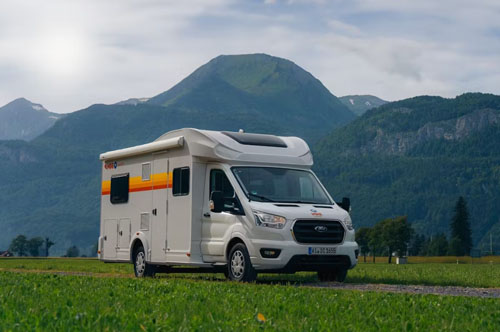
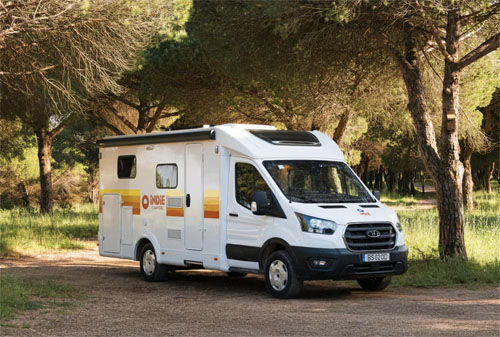
Families will find a Class C - Alcove motorhome particularly suitable. These popular RVs, like the '24' Class C Motorhome' often found in rental fleets, average 7.5 meters in length and are designed to comfortably sleep around 5-6 people, making them perfect for a family of four. These family-focused motorhomes provide ample living space and modern amenities for a comfortable trip across England's varied landscapes. Bandana's 'Rent & Plan' service further enhances your trip by combining RV rental with expertly curated itineraries and access to trip-planning software, taking the stress out of organizing your adventure.
How much does it cost to rent an RV in England?
The cost of renting an RV in England varies significantly, influenced by the vehicle class, rental duration, the season, and any included amenities. Generally, expect winter rentals for smaller models to range from £70-£150 per day, while larger, family-oriented RVs can cost £120-£250+ daily. It's crucial to factor in additional expenses beyond the daily rental fee. This includes fuel, with Bandana's fleet averaging 10-12 Liters/100 km, and potential tolls, such as London's Congestion Charge or Ultra Low Emission Zone (ULEZ) fees, which require pre-payment to avoid penalties. Furthermore, budget for campsite fees, typically ranging from £20-£40 per night, plus parking in popular towns, attraction entry, and groceries. Winter rentals often present better value than peak summer bookings, but heating costs and specific winterization packages can influence the final price. On the routes offered through RV PLANET routes, you can itemize and track every expense along the way for easy budgeting.
Is it worth it to rent an RV in England?
Renting an RV in England offers unparalleled flexibility and the freedom to explore diverse landscapes and historical sites at your own pace, making it a highly rewarding travel style for many. The ability to spontaneously change plans, wake up to scenic views daily, and have your accommodation and kitchen always with you contributes significantly to the unique charm of RV travel. For groups or families, it can be a remarkably cost-effective option when compared to booking multiple hotel rooms and dining out every meal, especially when utilizing the onboard kitchen. Despite potential challenges like navigating narrower roads and stricter wild camping laws compared to other regions, the immersive cultural experiences and access to England's remote natural beauty make RVing a truly worthwhile endeavor. For ideas you can prep on the road, watch our RV-friendly recipes playlist on YouTube.
What is the best time to RV in England?
While summer in England offers the most pleasant weather and longest daylight hours, the shoulder seasons – spring and autumn – provide an excellent balance of agreeable conditions and fewer crowds, ideal for RVing. Winter RVing in England presents a uniquely tranquil experience for the prepared traveler, characterized by quieter roads, charming festive markets, and crisp, often scenic, landscapes. However, traveling in winter necessitates careful planning due to shorter daylight hours and the potential for cold, wet, or even icy conditions, requiring an RV equipped with robust heating and good insulation. For those who cherish solitude and a cozy, atmospheric travel style, winter can be the ideal season, provided you plan meticulously for weather, road conditions, and campsite availability.
What are the rules for motorhomes in England?
Operating a motorhome in England requires adherence to specific driving regulations, parking restrictions, and local ordinances, which differ from those in some other countries. Primarily, you'll need to drive on the left side of the road and strictly observe national speed limits, which are adjusted for larger vehicles. Most rental RVs in England weigh under 3,500kg, making them drivable with a standard Category B car license. Be aware that urban areas, particularly London, implement congestion charges and low emission zones (ULEZ/LEZ), which may apply to RVs and require pre-payment to avoid fines. Parking large vehicles in historic towns can be challenging, as many car parks have height or length restrictions. It’s often necessary to use designated RV parking areas or facilities located on the outskirts of towns, followed by utilizing public transport to reach central attractions.
What should you not do in England?
When RVing in England, it's crucial to avoid illegal wild camping or unauthorized overnight parking, as strict regulations are enforced, presenting a significant difference compared to more lenient countries like Scotland. Always respect local road etiquette, especially on narrow rural roads where polite use of passing places and yielding to oncoming traffic is expected. Neglecting urban driving regulations, such as failing to pay congestion charges (e.g., London's ULEZ/LEZ), can lead to substantial fines. Furthermore, never discard litter or waste outside designated disposal points, as environmental protection is highly valued, and convenient facilities are widely available at campsites and service areas.
Is it safe to wild camp in England?
Beyond its general illegality across most of England, wild camping in an RV can pose significant safety concerns, particularly regarding personal security, isolation, and the absence of essential facilities. Unauthorized overnight parking often occurs in isolated or poorly lit areas, which can increase vulnerability to disturbances or crime, especially for solo travelers or families. The lack of access to fresh water, waste disposal points, and toilet facilities in undesignated spots raises hygiene and environmental concerns. For your safety and peace of mind, it is always recommended to utilize official campsites, designated motorhome stopovers, or pre-approved private sites that offer secure parking and necessary amenities.
Is England good for RVing?
England is an excellent destination for RVing, offering a compact landmass packed with diverse landscapes, rich historical sites, and a well-developed network of campsites and motorhome infrastructure. From the dramatic coastlines of Cornwall to the serene beauty of the Lake District and the historical depth of Yorkshire, an RV provides the ultimate flexibility to explore a vast array of attractions at your own pace. While challenges such as narrow rural roads and stricter wild camping laws exist, the extensive campsite facilities, breathtaking scenery, and profound cultural heritage collectively make England a highly popular and rewarding RV destination.
Is it easy to drive an RV in England?
Driving an RV in England presents unique challenges, primarily due to the narrower roads, tight village streets, and the requirement to drive on the left-hand side of the road. However, with careful planning and heightened awareness, it is entirely manageable. Experienced drivers will adapt quickly, but new RVers should allocate extra time for journeys and practice maneuvering their vehicle, especially on single-track roads that feature designated passing places. Urban areas can be particularly congested, and parking large vehicles in city centers is often difficult and expensive, sometimes necessitating parking on the outskirts and using public transport to reach attractions. Opting for a smaller RV, such as Bandana's Class B Camper Van (average 5.8m length), can significantly ease navigation and parking challenges, particularly along the more picturesque, winding routes.
Can you sleep anywhere in an RV in England?
No, sleeping anywhere in an RV in England is generally not permitted; free overnight parking is largely restricted, and unauthorized stays can result in fines or being asked to move. Unlike some parts of continental Europe or Scotland, England enforces stricter laws regarding wild camping and roadside overnight parking for motorhomes. Designated motorhome stopovers, often found at pubs or community car parks (sometimes for a small fee or with a purchase), and commercial campsites represent the legal and recommended options for overnight stays. Utilizing resources like the Brit Stops guide or apps like Park4Night can help you locate legitimate overnight parking spots across the country.
Where can you take an RV in England?
England offers a vast array of destinations perfectly suited for RV travel, encompassing stunning coastal routes, dramatic national parks, historic cities, and charming rural villages. Popular RV-friendly regions include the picturesque Cotswolds, the rugged beauty of the Peak District, the rich historical landscapes of Yorkshire, and the captivating coastlines of Devon and Cornwall. When planning your route, it's essential to consider the size of your RV, as some smaller, historic villages or particularly narrow country lanes in areas like the Lake District might present challenges for larger vehicles. Make sure to utilize online resources and local information to identify appropriate parking facilities, dump stations, water refill points, and LPG (propane/butane) refill locations, which are typically found at larger campsites or service stations.
What is the best RV for touring UK?
The ideal RV for touring the UK, especially England, is generally a compact and maneuverable model, such as a Class B Camper Van or a smaller Class SI Semi-integrated motorhome. This recommendation stems from the country's characteristically narrow roads and often tight urban spaces. Class B Camper Vans, averaging 5.8 meters in length within Bandana's global fleet, are particularly adept at navigating winding country lanes and fitting into smaller parking spots common in towns and villages. For those desiring slightly more space without significantly compromising on maneuverability, a Class SI Semi-integrated motorhome, with an average length of 6.9 meters, offers a commendable balance for couples or small families. These smaller classes also provide better fuel efficiency, making them easier to drive for those less accustomed to larger vehicles and thus perfect for exploring England's diverse landscapes.
What are the disadvantages of an RV?
While RV travel in England offers immense freedom, potential disadvantages include challenges related to driving on narrow roads, limited availability of free parking, and generally higher fuel costs. Larger RVs, such as Bandana's Class C Alcove models (averaging 7.5 meters in length), can consume more fuel, with an average of 10-12 Liters/100 km, impacting overall travel expenses. Parking frequently presents a hurdle, especially in popular tourist towns where dedicated RV parking is scarce or costly, often requiring additional walks or the use of public transport to reach attractions. Furthermore, the scarcity of widespread legal wild camping in England means a greater reliance on commercial campsites, adding to daily costs and necessitating advance booking during peak periods.
Is RV travel popular in the UK?
Yes, RV travel is experiencing a significant surge in popularity across the UK, particularly for domestic holidays. A growing number of enthusiasts appreciate the inherent flexibility and the profound connection to nature that this travel style offers. This trend, especially noticeable in recent years, has spurred an expansion of dedicated motorhome stopovers, campsites, and related services throughout the country. Many Brits embrace the 'staycation' culture, finding RVs to be the perfect mode of transport to explore their own country's remarkably diverse landscapes, from rugged coastal routes to serene national parks and historically rich sites. The thriving online communities and readily available resources for RVers in the UK further reflect this strong and expanding interest in motorhome travel.
What is the best way to tour England?
Touring England by RV is arguably one of the most immersive and flexible ways to explore its diverse landscapes and countless historical sites, offering a level of freedom unmatched by other transportation methods. Unlike the fixed itineraries typical of bus or train tours, an RV allows you the freedom to linger longer in places you particularly enjoy and to spontaneously discover hidden gems off the beaten path. Having your accommodation and kitchen facilities readily available provides unparalleled convenience, enabling you to save on hotel and restaurant expenses and savor meals against stunning scenic backdrops. While public transport effectively covers major routes, an RV grants you access to the more remote and breathtaking rural areas that often represent the true highlights of an English adventure.
Is it safe to wild camp in England?
Beyond being largely illegal across most of England, wild camping in an RV can present safety concerns, particularly regarding personal security in isolated areas, and the absence of essential facilities. Unauthorized overnight parking often occurs in areas that may be poorly lit or less secure, potentially increasing vulnerability for solo travelers or families. Moreover, the lack of access to fresh water, waste disposal points, and proper toilet facilities in undesignated spots raises significant hygiene and environmental issues. For your safety and peace of mind, it is always recommended to utilize official campsites, designated motorhome stopovers, or pre-approved private sites that guarantee secure parking and necessary amenities.
Is it easy to find campsites in England?
Yes, it is generally quite easy to find campsites in England, which boasts a comprehensive network of well-equipped facilities spread across the country, especially with some prior planning. Major organizations like the Camping and Caravanning Club and the Caravan and Motorhome Club operate hundreds of sites, offering a wide range of amenities from basic pitches to full-service resorts. In addition to these, numerous independent campsites, farm-based stopovers, and even pub car parks provide diverse options, often catering to different preferences and budgets. While finding a pitch is typically easier during the winter months due to lower demand, booking in advance is still advisable for popular locations or if specific facilities are required, particularly during weekends.
How much is RV parking in UK?
RV parking costs across the UK vary significantly, ranging from completely free designated stopovers to upwards of £20-£40 per night for a full-service campsite. In many towns and cities, standard car parks may not accommodate larger RVs due to height, length, or weight restrictions. Those that do can be expensive, sometimes costing £10-£20 for just a few hours. Dedicated motorhome stopovers, often part of schemes like Brit Stops, can be free or charge a nominal fee, frequently available at pubs or local attractions for overnight stays (sometimes conditional on a purchase). Commercial campsites provide the most comprehensive facilities and security but come with a nightly fee, typically ranging from £25-£45 per night in winter, depending on the location and amenities like electric hook-up availability.
Can you take a motorhome to Scotland?
Yes, you can absolutely take a motorhome from England to Scotland, and you'll find that Scotland offers more permissive (though still regulated) wild camping laws. The border crossing between England and Scotland is seamless, with no formal checkpoints or customs, allowing for continuous travel. Scotland's Land Reform (Scotland) Act 2003 grants a 'right to roam' for wild camping, primarily intended for tents, but motorhome users also benefit from a generally more relaxed attitude towards responsible overnight parking, especially in remote areas. However, it remains crucial to park responsibly, leave no trace, respect private land, and avoid popular beauty spots where specific restrictions might be in place.
Can you take a motorhome on a ferry?
Yes, motorhomes can be transported on ferries, which is a common and convenient method for reaching destinations such as the Isle of Wight, Northern Ireland, or even mainland Europe from various ports in England. When booking your ferry passage, it is vital to provide the exact dimensions of your motorhome – including length, height, and width – as pricing is typically based on vehicle size. Major ferry operators, including Wightlink, Red Funnel, and P&O Ferries, regularly accommodate motorhomes, but booking well in advance is highly recommended, especially for popular routes or during peak travel times. Be aware that larger motorhomes may incur higher fares, and specific restrictions or requirements could apply depending on the operator and your chosen destination.
Can a foreigner rent an RV in the UK?
Yes, foreigners can rent an RV in the UK, typically requiring a valid driver's license, often an International Driving Permit for those licensed outside the EU/EEA, a passport, and a credit card for the security deposit. Rental companies generally have age restrictions, often requiring drivers to be between 25 and 75 years old, and may also stipulate a minimum number of years of driving experience. Ensure your driver's license is valid for the vehicle's weight (most rental RVs weigh under 3,500kg, requiring only a standard Category B license) and check for any specific endorsements or translations that might be needed. It's advisable to confirm the precise requirements with your chosen rental company and arrange comprehensive insurance coverage well before your trip.
Is it safe to drive a motorhome in winter?
Driving a motorhome in winter in England can be perfectly safe, provided the vehicle is properly prepared for cold weather conditions and drivers exercise an abundance of caution for potentially icy, wet, or snowy road surfaces. Ensure your rental RV is equipped with winter-grade tires (though not legally mandated, they offer superior grip), sufficient antifreeze in the engine, and well-insulated pipes to prevent freezing. Drivers should consistently check local weather forecasts and road conditions before setting out, especially when planning routes through elevated or mountainous areas like the Peak District or Lake District. The shorter daylight hours in winter mean more driving will occur in darkness, necessitating increased vigilance and ensuring all exterior lights are functioning correctly.
Can you take a dog in an RV?
Yes, many RV rental companies across the UK, including Bandana, offer pet-friendly motorhomes, making it entirely feasible to travel with your canine companion. When booking your rental, always confirm the specific pet policy, as there might be an additional cleaning fee or restrictions on the number or type of pets permitted. Ensure your dog is securely fastened within the RV while the vehicle is in motion, utilizing a crate or a specialized harness, and plan for frequent stops to allow for walks and comfort breaks. Numerous campsites throughout England are dog-friendly, and many attractions, traditional pubs, and scenic walking trails also welcome well-behaved dogs, greatly enhancing the travel experience for pet owners.
Can you live in a motorhome all year round?
While technically possible, living in a motorhome year-round in England presents significant legal and practical challenges, particularly concerning planning permissions for residential use and adapting to the country's climate. Permanent residency in a motorhome on a plot of land often requires specific planning permission, akin to building a house. Continuous habitation on campsites is usually restricted to seasonal pitches. Practically speaking, winter living in a standard rental RV can be demanding due to the cold, damp weather, necessitating robust heating systems, excellent insulation, and constant management of water and waste systems. Another key consideration for full-time motorhome living in the UK is securing a stable address for mail, healthcare, and other essential services.
Do you need a special license to drive an RV in the UK?
For the majority of standard RVs available for rent in the UK, a regular Category B driving license is sufficient, provided the vehicle weighs up to 3,500kg. If you passed your driving test before 1 January 1997, your Category B license typically allows you to drive vehicles up to 7,500kg, which covers nearly all rental motorhomes. For those who passed their test after January 1, 1997, a standard Category B license restricts driving vehicles over 3,500kg, meaning larger RVs might require a Category C1 license. It is essential to confirm the Maximum Authorised Mass (MAM) of your chosen rental RV and verify it against your driving license entitlements to ensure full legal compliance.
What You Shouldn't Miss
- Experience the magic of a traditional English Christmas market in cities like York or Bath during winter.
- Explore the ancient Roman Baths in Bath for a journey back in time, a remarkable feat of preservation.
- Discover the charming, picturesque villages of the Cotswolds, enjoying a warm pub lunch by a roaring fire.
- Walk the historic city walls of York for panoramic views, even in the crisp winter air.
- Visit Cheddar Gorge Cheese Company for a taste of local industry and delicious artisan cheeses.
- Take a scenic drive through the dramatic landscapes of the Peak District, embracing the winter beauty.
Final Thoughts
Renting an RV in England for a winter trip can be a truly magical experience, offering a unique perspective on the country's timeless beauty. By planning ahead, choosing the right vehicle, and embracing the slower pace of winter travel, you can uncover hidden gems and enjoy a more intimate connection with the landscape and culture.
Remember that flexibility is key, and using resources like RV PLANET (rvplan.net) can help you discover the best routes and campsites tailored to your interests. Embrace the cozy atmosphere, the festive spirit, and the unique charm that England offers during the winter months for an unforgettable RV adventure.
Get inspired for your next trip! Discover top destinations, planning tips, all in one place! Plan a trip itinerary in advance with minimal effort and maximum enjoyment.