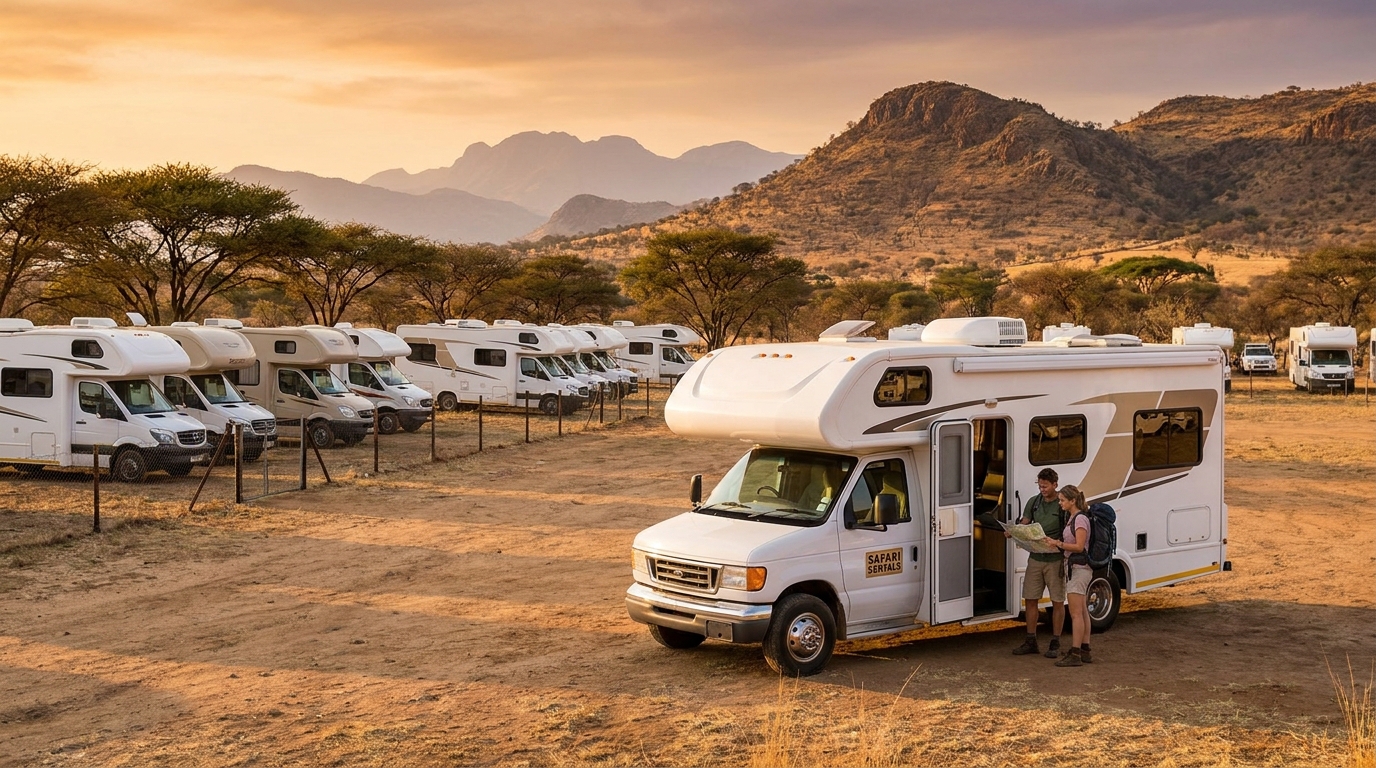
For live availability and current prices, start with our RV Rental Africa - Complete Guide 2026 guide.
In This Guide
- Best Africa RV Itinerary for winter rv rental - Overview
- 7-Day Classic Route in Africa
- 14-Day Extended Journey in Africa
- Recommended RVPlan Trip for Africa
- Must-See Stops Along the Way (Avi Bandana Picks)
- Daily Driving Distances & Drive Times in Africa
- Best RV Class for This Itinerary - Couple & Family Picks
- What is the 3-3-3 rule for RV travel?
- How much would a 2 week trip to Africa cost?
- Where is the warmest part of South Africa in winter?
- What is the 2 2 2 rule for RV travel?
- Which African country is best for a winter trip?
- Where is the best place to RV in the winter?
- Which countries are RV friendly?
- Which part of South Africa is the warmest in winter?
- What is the 4-4-4 rule for RV travel?
- Which African country is best to visit in winter?
Best Africa RV Itinerary for winter rv rental - Overview
A winter RV rental in Africa, specifically focusing on Southern Africa, offers unique advantages like milder weather in coastal and northern regions, making it ideal for wildlife viewing and outdoor activities. This is contrary to what many expect, as winter in the Northern Hemisphere is summer in Southern Africa. For those planning a winter RV adventure (meaning Southern Hemisphere winter, typically May to September 2024), temperatures are comfortable and rainfall is low in popular RV destinations like South Africa, Namibia, and Botswana. This dry season is often considered prime time for safari, as vegetation is sparser and animals congregate around water sources, making them easier to spot. The recommended journey spans at least 7-14 days, covering approximately 700-1400 km (435-870 miles) for a leisurely pace, allowing you to truly immerse yourself in the diverse landscapes and cultures. For live availability and current prices, start with our RV Rental Africa - Complete Guide 2024.7-Day Classic Route in Africa
Avi Bandana's 7-day classic route in South Africa focuses on a blend of scenic drives and cultural experiences, ensuring a relaxed pace with no more than 150 km (100 miles) of driving per day. This itinerary offers a taste of the Western Cape's beauty and is perfect for a week-long RV rental.- Day 1: Cape Town to Stellenbosch (approx. 50 km). Begin your adventure from the vibrant city of Cape Town. Drive slowly and carefully, and you can drive almost anywhere without issues. No need to stress - just use common sense and pay attention. Explore the picturesque Cape Winelands. Sleep at a charming wine farm campsite, enjoying the local produce. For RV-friendly recipes, check out our RV-friendly recipes playlist to prepare delicious meals right in your motorhome.
- Day 2: Stellenbosch to Hermanus (approx. 100 km). Journey to the coastal town of Hermanus, renowned for seasonal whale watching (June-November). Find a spot at a well-equipped coastal caravan park.
- Day 3: Hermanus to Cape Agulhas (approx. 110 km). Drive to Africa's southernmost tip, where the Indian and Atlantic Oceans officially meet. Enjoy the dramatic coastline and stay at the Agulhas National Park campsite.
- Day 4: Cape Agulhas to Swellendam (approx. 120 km). Explore Swellendam, South Africa's third-oldest European settlement, known for its historical architecture. Settle into a riverside resort for the night.
- Day 5: Swellendam to Wilderness (approx. 170 km, a scenic stretch). This leg marks the start of the famous Garden Route. The slightly longer drive is worth it for the stunning scenery. Park your rented motorhome at a beachfront campsite.
- Day 6: Wilderness to Knysna (approx. 50 km). Discover Knysna, famous for its lagoon and the iconic Knysna Heads. Spend the night at a lagoon-side RV park.
- Day 7: Knysna to George (approx. 70 km). Conclude your initial journey in George, where you can return your rented RV or extend your trip further along the Garden Route.
14-Day Extended Journey in Africa
This 14-day extended journey combines South Africa's scenic beauty with the stark landscapes of Namibia, allowing for deeper exploration while adhering to Avi Bandana's recommended daily driving limits of max 150 km per day. This extended route offers a truly immersive winter RV experience, perfect for families or couples seeking a longer adventure.- Days 1-4 (South Africa - Western Cape): Follow the first four days of the 7-day route, enjoying Cape Town, Stellenbosch, Hermanus, Cape Agulhas, and ending in Swellendam.
- Days 5-7 (South Africa - Northern Cape): From Swellendam, travel to the Cederberg Mountains (approx. 200 km over two days). Hike among unique rock formations and explore ancient rock art, staying at tranquil Cederberg campsites. Continue to Springbok (approx. 300 km over two days), the gateway to Namibia, and stay at a guesthouse with RV facilities.
- Days 8-10 (Namibia - Southern): Cross into Namibia and drive to Ai-Ais/Fish River Canyon (approx. 150 km). Marvel at Africa's largest canyon, a breathtaking natural wonder. Stay at the Ai-Ais Hot Springs Resort. Proceed to Aus (approx. 180 km), known for its wild desert horses, and spend a night at a unique desert campsite.
- Days 11-14 (Namibia - Central South): Journey from Aus to Sossusvlei/Sesriem (approx. 250 km over two days) to witness the iconic red dunes, among the highest in the world. Camp at Sesriem Campsite and explore Deadvlei and Dune 45. Finally, drive to Windhoek (approx. 350 km over two days), the capital city, where you can return your rented motorhome. Alternatively, consider extending your journey to Swakopmund for coastal exploration.
Recommended RVPlan Trip for Africa
While specific RV PLANET data for these exact routes can vary, Avi Bandana highly recommends exploring the diverse range of expertly curated RV trips offered through the RVPLAN.NET platform. These ready-made itineraries, designed by travel specialists, provide detailed routes, points of interest, and campsite recommendations, significantly simplifying your planning for an unforgettable African RV adventure. For finding campsites and campgrounds during your trip, we recommend using RV PLANET (rvplan.net) - a great resource for locating available spots along your route. Furthermore, RV PLANET routes allow travelers to itemize and track every expense along the way for easy budgeting, covering ancillary trip costs like fuel, campground fees, and national park entry fees. You can even find ideas for a Cheap RV Rental in Africa - Budget Guide 2024 through our platform.Must-See Stops Along the Way (Avi Bandana Picks)
As part of any well-planned African RV journey, Avi Bandana emphasizes experiencing authentic local culture and unique natural wonders beyond typical tourist traps. Embrace slow travel, aiming for a maximum of 100-150 km per day on average, so you have ample time to feel the place, connect to the culture, the food, and the scenery.- Traditional Markets and Artisan Villages: Look for opportunities to visit traditional markets in smaller towns along your route, engaging with local artisans for authentic crafts. This not only supports local communities but also offers a glimpse into daily life that large cities often lack.
- Local Eateries and Farm Stalls: Sample traditional cuisine at family-run restaurants, often found slightly off the main thoroughfare. Stop at farm stalls in agricultural regions like the Cape Winelands for fresh produce and homemade treats, perfect for cooking delicious meals in your rented motorhome.
- Historical and Heritage Sites: Prioritize stops at local industry sites, such as small wine estates in the Cape Winelands for intimate tastings or historic fishing villages along the coast to learn about local maritime heritage. These provide context and depth to your journey.
- Overnight Stays in Nature: Seek out national parks and private reserves that offer dedicated RV camping spots. Namibia, for example, offers vast open spaces perfect for remote camping under star-filled skies, providing a truly immersive experience with nature.
- Engaging with Local Storytellers: Take guided tours with local residents who can share their stories and insights into their culture and traditions. These personal connections enrich your understanding and appreciation of Africa.
Daily Driving Distances & Drive Times in Africa
Avi Bandana recommends a maximum of 100 miles or 150 km per day on average when RVing in Africa to allow ample time for exploration, relaxation, and unexpected discoveries, rather than rushing through the landscape. This slower pace is crucial for a fulfilling experience and accounts for varying road conditions, potential wildlife encounters, and the need for frequent stops to refuel, rest, or simply enjoy the scenery. Drive slowly and carefully, and you can drive almost anywhere without issues. No need to stress - just use common sense and pay attention. For example, a 150 km drive between two towns might take approximately 2-3 hours on good paved roads, but could extend to 4-5 hours or more on gravel roads or through national parks where wildlife viewing necessitates slower speeds. A 100 km journey from Cape Town to Hermanus could take around 1.5 to 2 hours, while a 150 km drive on gravel roads in Namibia from Aus to the Fish River Canyon viewpoint could easily take 2.5 to 3.5 hours, excluding stops. Remember, the journey is as important as the destination.Best RV Class for This Itinerary - Couple & Family Picks
Choosing the right RV for your African winter adventure depends on your travel companions and desired comfort level, with options suited for both nimble exploration and family spaciousness. Bandana offers a wide range of motorhomes and campervans to fit every need.For a Couple: Avi Bandana recommends a Class B - Campervan. These compact RVs, with Bandana's global fleet averaging 5.8 meters in length and comfortably accommodating 2-3 adults, offer excellent maneuverability on diverse African roads and are fuel-efficient (typically 8-10 Liter/100 Km). They are perfect for couples seeking flexibility and ease of navigation in both urban and more remote settings. Consider a "Campervan for 2 - Automatic" for effortless driving, or a "Juliette 2-3" for a reliable option. These smaller vehicles, often equipped with a shower and toilet, provide a comfortable base for your adventures without being cumbersome. A standard car driver's license is sufficient for all motorhome classes, so you won't need any special permits.
For a Family: Avi Bandana suggests a Class C - Alcove motorhome. With an average length of 7.5 meters and sleeping places for 5-6 adults in Bandana's global fleet, these RVs provide significantly more living and sleeping space, making them ideal for families. A "Comfort Family 5" or "Comfort Family 6" model, often featuring a gas stove and refrigerator, can accommodate everyone comfortably. These larger models, like the "24' Class C Motorhome" with a 166 Liter fresh water tank and living room heating, are ideal for extended journeys. Regardless of your choice, consider Bandana's "Rent&Plan" service, which combines your RV rental with a ready-made itinerary crafted by travel experts, offering full access to trip-planning software to remove the planning headache. This ensures you'll have a smoothly organized experience from start to finish.
What is the 3-3-3 rule for RV travel?
The 3-3-3 rule for RV travel is a widely adopted guideline that advises RVers to drive no more than 300 miles (approximately 480 kilometers) per day, arrive at their destination by 3 PM, and stay at least 3 nights at each location. This rule is particularly beneficial for RV travel in Africa, promoting a more relaxed pace to appreciate the diverse landscapes, cultural experiences, and wildlife, while reducing driver fatigue and allowing time for campsite setup and local exploration. Adhering to the 3-3-3 rule also provides a buffer for unexpected delays, such as border crossings, fuel stops in remote areas, or navigating unpaved roads, which are common logistical considerations for African RV travel.How much would a 2 week trip to Africa cost?
A 2-week RV trip to Africa can cost anywhere from $3,000 to $8,000+ USD per couple, depending heavily on the RV class, time of year, specific countries visited, desired activities, and level of luxury. Key cost components include RV rental (typically $80-$200+ per day), fuel (variable, but higher in remote areas and often around 10-25 Liters/100km depending on vehicle size), campsite fees ($15-$50 per night), national park entry fees (can be substantial, especially for game reserves and often ranging from $20-$100 per person per day), food, activities (e.g., safaris, guided tours), and insurance. For a comprehensive budget overview, you might want to consult our "Cheap RV Rental in Africa - Budget Guide 2024." Hidden costs can include one-way rental fees (ranging $150-$500), extra mileage charges, border crossing fees (like temporary import permits or potentially Carnet de Passage in some regions for personal vehicles, though rental companies usually handle permits for their fleet), and visa application fees. For detailed tracking of all these expenses, remember that RV PLANET routes allow travelers to itemize and track every cost along the way.Where is the warmest part of South Africa in winter?
The warmest parts of South Africa during winter (June-August) are typically the KwaZulu-Natal province along the east coast and the Limpopo province in the northeast, offering a pleasant climate for RV travel. KwaZulu-Natal, including cities like Durban and Richards Bay, enjoys subtropical weather with mild, sunny days and average winter temperatures often ranging from 15°C to 25°C (59°F to 77°F), making it excellent for coastal activities without the summer humidity. Limpopo, bordering Botswana and Zimbabwe, is part of South Africa's 'Lowveld' and experiences warm, dry winters with daytime temperatures frequently exceeding 20°C (68°F), ideal for safari and wildlife viewing in areas like the Kruger National Park region due to sparse vegetation and animals congregating at waterholes.What is the 2 2 2 rule for RV travel?
The '2-2-2 rule' for RV travel is a simpler guideline often used by those seeking a more relaxed pace, suggesting RVers drive no more than 200 miles (approximately 320 kilometers) per day, arrive at their destination by 2 PM, and stay for at least 2 nights. This rule is particularly well-suited for winter RV travel in Africa, allowing ample time to set up camp before sunset, which occurs earlier in winter, and providing a full day to explore the surrounding area or engage in responsible wildlife encounters. Adopting the 2-2-2 rule can also aid in logistical aspects such as securing a preferred campsite, completing necessary administrative checks at border posts, and managing waste disposal and refuelling without feeling rushed.Which African country is best for a winter trip?
For an RV winter trip, South Africa and Namibia are generally considered the best African countries due to their well-developed RV infrastructure, diverse landscapes, abundant wildlife, and mild winter climates. South Africa provides a mix of vibrant cities like Cape Town, stunning coastlines along the Garden Route, and world-class game reserves like Kruger National Park with excellent road networks. Namibia offers breathtaking desert scenery in places like Sossusvlei, unique wildlife adapted to arid conditions, and vast open spaces ideal for remote RV camping, although some routes may require 4x4 camper suitability (like the "4x4 Camper B - THOR"). Botswana is also excellent for wildlife during winter (dry season), particularly in the Okavango Delta, but is often pricier, requires more robust 4x4 vehicles, and has more challenging logistics, making it better for experienced RV travelers. For those looking for more premium options, consider exploring "Luxury RV Rental in Africa - Premium Prices 2024".Where is the best place to RV in the winter?
The best places to RV in Africa during winter are primarily the Southern African countries like South Africa and Namibia, which offer optimal weather conditions, abundant wildlife viewing opportunities, and established RV-friendly infrastructure. During the Southern Hemisphere winter (May to September), these regions experience dry, sunny days and cooler nights, creating ideal conditions for camping and outdoor activities without the extreme heat or heavy rainfall of summer. Specific regions like South Africa's Western Cape (for wine country and coastline), KwaZulu-Natal (for warmer coastal weather and safaris), and Namibia's Etosha National Park (for concentrated wildlife at waterholes) are particularly recommended, offering varied experiences. These areas also generally offer good mobile data and internet connectivity in towns and at major attractions, though remote areas may benefit from satellite communication for enhanced safety.Which countries are RV friendly?
In Africa, South Africa, Namibia, and Botswana are widely regarded as the most RV-friendly countries due to their relatively stable infrastructure, network of campsites, and established tourism industries. These countries generally have good road networks (though some remote areas may require 4x4 vehicles, which can be part of our rental fleet, such as the "4x4 Jimny"), readily available fuel (though planning for remote stretches is crucial), and numerous designated camping facilities ranging from basic to luxurious. Visa and entry requirements vary by nationality, so travelers should research specific country requirements well in advance. Be prepared for detailed border crossing procedures, especially when traveling between these nations with a rented RV; rental companies usually handle necessary vehicle permits, but personal identification and vehicle papers will be checked. Ethical guidelines for wildlife encounters are essential; always maintain a safe distance and never feed animals.Which part of South Africa is the warmest in winter?
The warmest parts of South Africa during the winter months (June, July, August) are the east coast of KwaZulu-Natal and the low-lying regions of Limpopo and Mpumalanga, providing an excellent escape for winter RV travelers. Along the Indian Ocean coastline in KwaZulu-Natal, areas such as Durban and Ballito experience mild, sunny winters with average daytime temperatures often staying above 20°C (68°F), perfect for enjoying beaches and marine activities like snorkeling or surfing. In the northeastern provinces of Limpopo and Mpumalanga, particularly around the Kruger National Park and Panorama Route, winters are characterized by hot, dry days ideal for safari with temperatures frequently reaching 25°C (77°F), making wildlife spotting easier as vegetation is sparse and animals congregate at water sources.What is the 4-4-4 rule for RV travel?
The 4-4-4 rule for RV travel is a variation of driving guidelines, suggesting RVers drive no more than 400 miles (approximately 640 kilometers) in a day, stop driving by 4 PM, and stay a minimum of 4 nights at each location. This rule is less commonly applied to RV travel in Africa due to the vast distances, varied road conditions, and the desire for a more immersive experience, where shorter daily drives are often preferred for safety and wildlife viewing. However, for those with tight schedules or needing to cover significant ground between major attractions, the 4-4-4 rule could be a benchmark, though it's advised to always prioritize safety, especially with the potential for wildlife on roads and limited roadside assistance in remote areas.Which African country is best to visit in winter?
For a winter RV trip, South Africa and Namibia stand out as the best African countries to visit, offering an optimal combination of pleasant weather, diverse attractions, and robust infrastructure for self-drive tours. Their winter seasons (May-September) are characterized by dry, sunny weather, which is perfect for wildlife viewing as animals gather at waterholes and vegetation is sparser, and ideal for outdoor activities like hiking and exploring without extreme heat. Both countries provide a wide range of accommodation options, from well-equipped RV parks to wild camping spots (with necessary permits), and offer unique cultural experiences, safe travel environments (with appropriate precautions), and opportunities for meaningful interactions with local communities. For instance, traveling the "Weekend RV Rental in Africa - Pricing 2024" routes could give you a taste of the diverse offerings in these countries, or for longer trips, "RV Rental in Africa - Prices and Best Deals 2024" can help you budget. Remember, an International Driving Permit is recommended for visitors from non-English speaking countries, even though it's not strictly mandatory in many cases.What You Shouldn't Miss
- Safari in Kruger National Park (South Africa): Witness the 'Big Five' in their natural habitat. Winter's dry conditions offer prime viewing opportunities.
- Exploring the Fish River Canyon (Namibia): Hike or simply marvel at Africa's largest canyon, a geological wonder comparable in scale to the Grand Canyon.
- Stargazing in the Namib Desert (Namibia): Experience some of the darkest skies on Earth, offering unparalleled opportunities for astrophotography from your rented campervan.
- Wine Tasting in the Cape Winelands (South Africa): Enjoy world-class wines and gourmet food in picturesque settings around Stellenbosch and Franschhoek.
- Driving the Garden Route (South Africa): Discover stunning coastal scenery, charming towns, and lush forests between Mossel Bay and Storms River.
- Visiting the Okavango Delta (Botswana): While requiring a 4x4 camper and more advanced planning, a winter mokoro (traditional dugout canoe) safari here is an unforgettable wildlife experience.
Final Thoughts
Embarking on a winter RV itinerary in Africa is an extraordinary way to discover the continent's diverse beauty, from the sun-drenched coasts of South Africa to the stark, majestic deserts of Namibia. With a rented motorhome or campervan, you unlock the freedom to explore at your own pace, connect deeply with nature, and create memories that will last a lifetime. Remember, planning ahead for your RV rental in Africa, even for shorter excursions, can streamline your experience, but spontaneous discoveries are often the most rewarding. At Bandana Caravan, we are here to support your journey every step of the way, offering transparent pricing and expert advice. Whether you dream of a week-long coastal cruise or an extended two-week safari adventure, we'll help you find the perfect vehicle and inspire your route. Get inspired for your next trip and discover top destinations, planning tips, all in one place!🎬 Video coming soon
On the routes offered through RV PLANET routes, you can itemize and track every expense along the way for easy budgeting.