In This Guide
- Can You Drive an RV in Windhoek? License & Age Rules
- Road Conditions & Terrain in Windhoek
- RV Size Limits, Bridges & Restricted Zones
- Fuel: Diesel vs. Petrol & Cost per 100 km
- Tolls, Vignettes & Border Rules
- Driving Tips for Winter RV Rental Travelers
- Recommended RV Class for Windhoek Roads
- Should I Choose a Compact Van Instead of a Large RV in Windhoek?
- Can I Park Anywhere? Free & Wild Camping Rules in Windhoek
- Can I Drive an RV Into the City Center? Heights, Tunnels & Local Signage
- How to ensure RV-Specific Safety and Security in Windhoek?
- What is the Detailed Budget for an RV Trip from Windhoek?
- First and Last Day RV Logistics in Windhoek
- How to Explore Windhoek City with an RV?
- What are Diverse RV Itineraries from Windhoek?
- RV-Specific Road Conditions and Driving Tips for Namibia
- Why Choose RV Travel in Namibia: A Comparative Analysis
- What You Shouldn't Miss
- Why Book with Bandana Caravan
- Final Thoughts
- Frequently Asked Questions
🎬 Video coming soon
Can You Drive an RV in Windhoek? License & Age Rules
To drive an RV in Windhoek, Namibia, a standard B or Code 08 driver's license is generally sufficient for most vehicles up to 3,500 kg Gross Vehicle Mass (GVM). For instance, popular Class C motorhomes or even Class SI - Semi-integrated models are typically within this weight limit. For heavier RVs, a Code 10 (C1) license may be required, depending on the specific vehicle's GVM, so always check with your rental provider beforehand to confirm the exact requirements for your chosen motorhome. The minimum driver age for RV rental in Windhoek is typically 21 years old, with Bandana RV not imposing young driver surcharges or vehicle class restrictions based on age. Foreign drivers must carry their valid national driver's license along with an International Driving Permit (IDP) translated into English, as stipulated by Namibian law, though an IDP is recommended, not mandatory, in most cases for non-English speaking countries. This ensures a smooth and compliant rental experience for your winter RV adventure in Windhoek.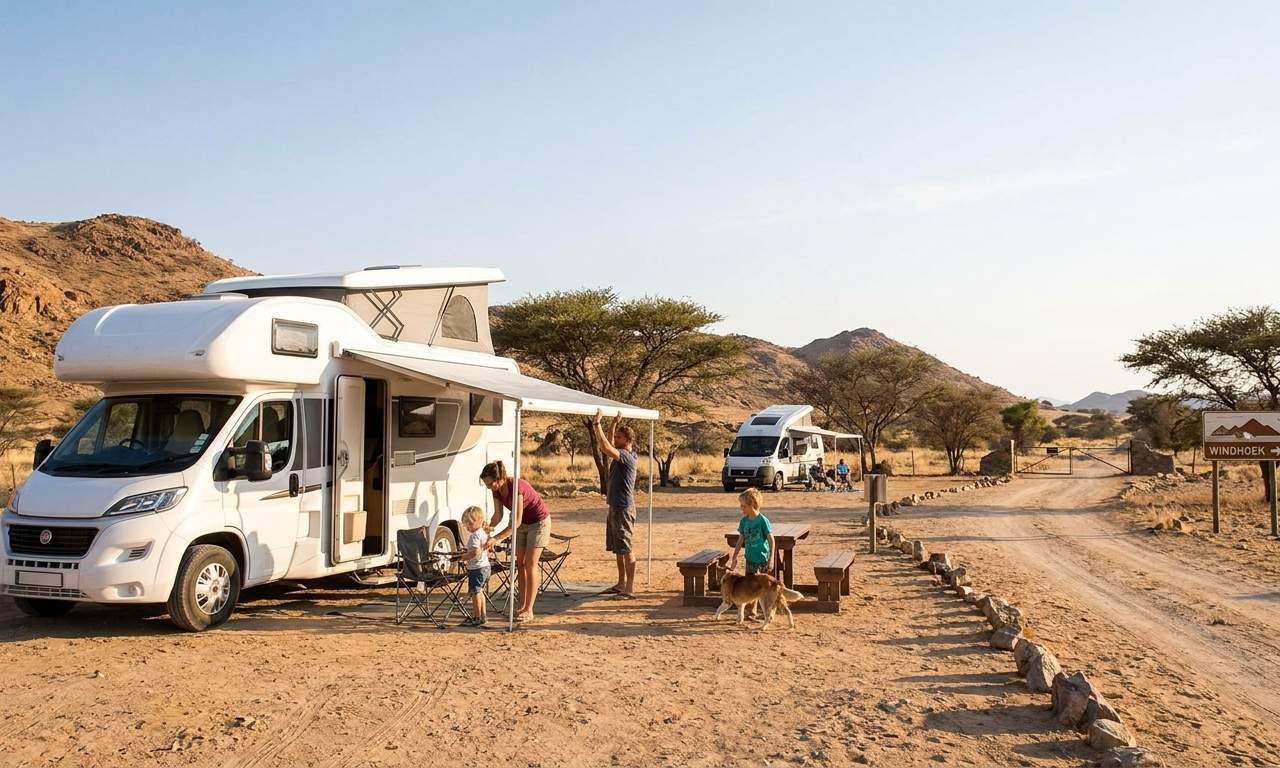
Road Conditions & Terrain in Windhoek
The road conditions around Windhoek and throughout much of Namibia are generally good for major routes, consisting primarily of well-maintained tarred (paved) roads, although extensive gravel roads are common, especially off main highways. Windhoek itself features mostly paved urban roads, such as Sam Nujoma Drive and Independence Avenue, though some outlying areas or routes to popular attractions like Daan Viljoen Game Reserve might involve gravel sections. Winter (May to September) in Namibia is typically dry, meaning gravel roads are less prone to mud but can be dusty, requiring careful driving to manage visibility and corrugated surfaces. The terrain around Windhoek is hilly, and while not mountainous, it presents varied landscapes that require cautious driving, especially with larger RVs, making slow, scenic travel advisable to appreciate the surroundings. Our comprehensive 24/7 support means real people are behind you every step of the way, even if you encounter unexpected road conditions, providing peace of mind during your winter RV rental in Windhoek.RV Size Limits, Bridges & Restricted Zones
In Windhoek and Namibia, RVs generally face few height, weight, or length restrictions on major roads, as the infrastructure is designed to accommodate commercial vehicles. For instance, a spacious 6-berth Class C motorhome like the "6 Berth Deluxe" or a more compact "Class TC - Truck Camper" will easily navigate the country's main arteries. There are no known specific low bridges or tunnels in Windhoek that would pose a significant challenge to standard RVs, but drivers should always heed local signage and maintain vigilance. Environmental or restricted zones are primarily found within national parks (e.g., Etosha, Sossusvlei), which might have specific entry requirements or limits on vehicle types, though motorhomes and campervans are typically permitted with appropriate permits. Always confirm with your rental provider about any specific vehicle restrictions for your planned itinerary, especially if venturing into remote areas or particular wildlife reserves. When booking with Bandana RV, you benefit from full transparency, meaning no hidden fees or surprises regarding vehicle suitability for your chosen destinations.Fuel: Diesel vs. Petrol & Cost per 100 km
The majority of motorhomes and campervans available for rent in Windhoek, including Class TC - Truck Campers, Class SI - Semi-integrated, and Class C - Alcove models, run on diesel fuel, which is widely available across Namibia. For instance, a typical "cruise america rv rental example Explorer" Class C motorhome, measuring 7.1 meters, might have a 75-liter fuel tank and consume around 11 liters per 100 km. Based on Bandana's fleet data for Windhoek, these RV classes commonly consume approximately 10-15 liters of diesel per 100 km, serving as a reliable estimate for budgeting fuel costs. Fuel prices are regulated nationally in Namibia and are generally consistent across different stations, although they can fluctuate based on global oil prices; always check current local rates at stations along Sam Nujoma Drive or Independence Avenue. It's crucial to refuel whenever possible, especially on longer journeys out of Windhoek towards destinations like Etosha, as distances between fuel stations in rural Namibia can be considerable. Planning your fuel stops is a key part of your winter RV rental in Windhoek.Tolls, Vignettes & Border Rules
Namibia does not typically have road tolls or vignettes for standard domestic travel within the country, simplifying local driving from Windhoek. However, if planning to cross borders into neighboring countries like Botswana, South Africa, or Zambia, specific border regulations, road user charges, and vehicle import permits (Temporary Import Permits) will apply. For example, a one-way RV rental in Windhoek to Cape Town might incur additional border fees. Cross-border travel with a rented motorhome or campervan requires explicit permission from the rental company, and additional fees for insurance and border documentation are usually charged. Always inquire with your rent-motorhome provider about their cross-border policies and ensure all necessary paperwork is arranged well in advance to avoid fines or delays at international checkpoints like the Ariamsvlei border post. Detailed information can often be found in a "One-Way RV Rental in Windhoek - Price Guide 2024."Driving Tips for Winter RV Rental Travelers
Driving defensively and slowly is paramount in Namibia, where gravel roads require reduced speeds (ideally 60-80 km/h) to maintain control and prevent tire damage, especially crucial for families and larger RVs. Travelers departing from Windhoek must also beware of wildlife: animals (including livestock and wild species) are a common hazard, particularly at dawn, dusk, and night; maintaining vigilance and avoiding night driving significantly enhances safety. Given the long distances between towns on routes like the B1 south of Windhoek, always carry adequate supplies of water, food, fuel, and at least one spare tire with appropriate tools. While cellular coverage is improving along main roads, carry a satellite phone or emergency beacon for remote areas, especially important for solo travelers or those venturing off main routes. Lastly, respect local etiquette, being mindful of local customs when passing through communities, and always yielding to larger vehicles on narrow roads. Bandana RV offers top-level deductible reimbursement, ensuring travel with peace of mind during your winter RV rental in Windhoek.Recommended RV Class for Windhoek Roads
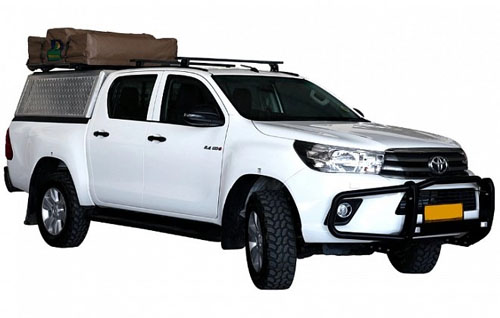
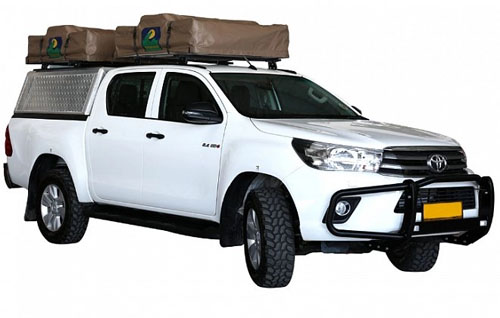
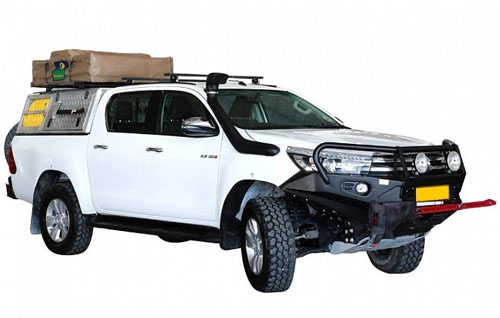
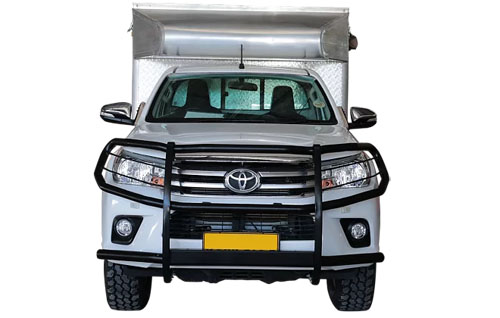
For navigating Windhoek's roads and the diverse terrain of Namibia, a Class TC - Truck Camper or a Class SI - Semi-integrated RV are highly recommended for their balance of comfort and maneuverability. Class TC - Truck Campers, such as the "4x4 Truck Camper Gold," averaging 5.4 meters in length, offer excellent ground clearance and the robust chassis of a 4x4 pickup, making them ideal for Namibia's extensive gravel roads and more remote access tracks like those leading to Sossusvlei. Class SI - Semi-integrated RVs, with an average length of 6.7 meters, provide more interior space and amenities, including a shower and toilet, while still being manageable on tarred and well-maintained gravel roads, suitable for families or those seeking extra comfort. While Class C - Alcove RVs (averaging 6.7 meters), like the "6 Berth Deluxe," also offer ample space, their higher profile can be more susceptible to crosswinds on open roads, making them slightly less versatile for consistently rough terrain than truck campers. Exploring options like these is easy with Bandana RV, as we compare prices across 50+ leading RV suppliers worldwide.Should I Choose a Compact Van Instead of a Large RV in Windhoek?
For travel in Windhoek and exploring Namibia, there is generally no significant issue driving any RV size; comfort and indoor space often matter more than marginal gains in maneuverability, especially given the vast open spaces. Drive slowly and carefully, and you can drive almost anywhere without issues. No need to stress - just use common sense and pay attention. A compact van might genuinely help in extremely tight historic centers, which are less common in Windhoek, or navigating very narrow, winding mountain passes, but such scenarios are infrequent on popular Namibian routes. Larger RVs, such as Class SI or Class C, offer superior living comfort, larger water/wastewater tanks, and more storage for extended self-sufficiency, which is a major advantage for Namibian distances and climate. Ultimately, the decision balances desired comfort and amenities against perceived challenges, with most travelers finding the benefits of a larger motorhome outweighing any minimal maneuverability issues in Windhoek. Remember that Bandana RV sells the way we'd like to buy - with honesty and no hidden fees, ensuring you choose the right vehicle for your adventure.Can I Park Anywhere? Free & Wild Camping Rules in Windhoek
While wild camping is a romantic idea, it is generally not permitted or recommended in Windhoek or most of Namibia, particularly in urban areas and national parks, due to safety concerns and land ownership laws. In Windhoek itself, overnight parking for RVs is restricted to designated campsites, caravan parks, or private establishments that allow overnight stays, such as Arebbusch Travel Lodge or Trans Kalahari Inn. Throughout Namibia, camping is strictly limited to official campsites, lodges, or private land where explicit permission has been granted, especially within protected areas like Etosha National Park or the Namib-Naukluft Park. Fines can be imposed for illegal camping, and it's always safer and more responsible to utilize established facilities; rules vary by region, so always check local regulations and follow local law before parking overnight. For finding campsites and campgrounds during your trip, we recommend using RV PLANET (rvplan.net) - a great resource for locating available spots along your route. You'll find a spot; if not at the first campground, then the next one. Call ahead before driving.Can I Drive an RV Into the City Center? Heights, Tunnels & Local Signage
Yes, you can generally drive a rented RV into Windhoek's city center without significant issues regarding height, tunnels, or bridges, as the urban infrastructure is accommodating for larger vehicles. The main concern for RVs in the city center is finding suitable parking, as designated RV spots can be limited, and street parking might be challenging for longer vehicles around busy areas like Post Street Mall. Always pay close attention to local signage, which will indicate any specific height limits, no-entry zones, or residents-only streets that might affect RV access. Consider parking your motorhome at a designated spot on the outskirts of the city, such as the parking available near Windhoek Show Grounds, or a secure caravan park, and then using taxis or ride-sharing services like LEFA to explore the immediate city attractions. This approach integrates city exploration with practical considerations for your RV, offering a flexible way to enjoy your winter RV rental in Windhoek.How to ensure RV-Specific Safety and Security in Windhoek?
Ensuring RV-specific safety in Windhoek involves choosing secure overnight parking, practicing vigilance, and implementing robust security measures to protect your vehicle and belongings. Always opt for established campsites, lodges, or secure private parking facilities in and around Windhoek for overnight stays, avoiding isolated or unlit areas like those outside urban zones. Install additional locks on doors, secure windows, and consider using a steering wheel lock or alarm system for added deterrence when leaving the RV unattended, particularly in city parking lots. When parked, keep valuables out of sight, close and lock all doors and windows, and utilize external awning lights or motion sensors if available, applying specific precautions for urban or rural areas. Bandana RV's commitment to supporting travelers includes providing peace of mind through resources and transparent rental policies before, during, and after your booking, including optional top-level deductible reimbursement for added security.What is the Detailed Budget for an RV Trip from Windhoek?
A detailed budget for an RV trip from Windhoek encompasses not only rental costs but also significant expenses like fuel, campsite fees, provisioning, and activity costs. Fuel will be a primary expense; based on Bandana's fleet average of 12 l/100 km for diesel RVs, you can estimate your total mileage for a two-week adventure and calculate fuel costs using current Namibian fuel prices. For example, a 2,000 km trip would require approximately 240 liters of diesel. Campsite fees vary widely, from basic municipal sites (e.g., N$150-300 per night, about $8-16 USD) to private lodge campsites offering more amenities (N$300-600+ per night, about $16-32+ USD), and national park sites which may also include park entry fees. Allocate funds for provisioning from local markets in Windhoek and larger towns like Swakopmund for fresh produce, activity costs (e.g., park entry fees for Etosha, guided tours), and a contingency fund of 10-15% for unforeseen expenses like minor repairs or emergency supplies. For easy budgeting, RV PLANET routes allow you to itemize and track every expense along the way, ensuring full transparency in your trip planning. If you are comparing rental prices, our "RV Rental in Windhoek - Prices and Best Deals 2024" can offer further insights.First and Last Day RV Logistics in Windhoek
Effective first and last day RV logistics in Windhoek are crucial for a smooth trip, covering pick-up/drop-off, initial provisioning, and practical setups. Upon RV pick-up, typically near Hosea Kutako International Airport (WDH) or central Windhoek, allocate ample time (at least 1-2 hours) for a thorough handover, including a detailed vehicle orientation, checking all equipment, and familiarizing yourself with the RV's systems. Plan your initial provisioning run immediately after pick-up; Windhoek offers large supermarkets like Woermann Brock (located on Independence Avenue) or Spar for stocking up on groceries, water, and essential supplies for cooking delicious meals. Check our RV-friendly recipes playlist for meal ideas on the go. For your first night, consider booking a well-equipped campsite near Windhoek, such as Arebbusch Travel Lodge, to allow for an easy transition, practicing RV systems, and settling in before embarking on longer journeys. On the last day, ensure all tanks (fresh, grey, black water) are empty at a designated dump station, the RV is cleaned to the rental company's specifications, and return procedures are understood for a hassle-free drop-off. Our team at Bandana RV is with you before, during, and after your booking to coordinate these details.How to Explore Windhoek City with an RV?
Exploring Windhoek city with a rented RV is best managed by strategically parking your vehicle and utilizing alternative transport for accessing central attractions. Consider parking your motorhome at a secure campsite or private facility on the outskirts of the city, like the Windhoek City Camp, and using taxis, ride-sharing apps (like LEFA), or even walking to explore pedestrian-friendly areas like Post Street Mall. Many of Windhoek's key attractions, such as Christuskirche, the Tintenpalast (Parliament Building), and the Independence Memorial Museum, are located relatively close to each other in the city center, making them accessible via a short taxi ride from your RV parking spot. When planning to access city amenities like specialized stores or laundry services, look for those with larger parking areas or consult with locals for advice on RV-friendly spots. This method ensures you experience the best of Windhoek without the stress of urban RV navigation. Our "RV Travel Guide to Windhoek - Tips and Top Spots 2024" also offers valuable insights for city exploration.What are Diverse RV Itineraries from Windhoek?
Diverse RV itineraries from Windhoek cater to various interests, extending beyond popular routes to include wildlife, geological wonders, cultural immersion, and varying trip durations. For a wildlife enthusiast, a 7-10 day itinerary could involve heading north on the B1 to Etosha National Park for unparalleled game viewing, then combining with a visit to the Waterberg Plateau Park for its unique biodiversity. A geological and scenic wonders trip of 10-14 days might lead you south on the B1 to Mariental, then west towards Sossusvlei and Deadvlei for iconic dunes, then further west to the coastal town of Swakopmund, and potentially further north to the dramatic landscapes of Damaraland and Spitzkoppe. For cultural immersion, a 5-7 day route plan could explore Windhoek's heritage sites, then venture into the Kavango or Zambezi regions (east) to experience local village life and river-based activities (requires more planning and potentially a 4x4 RV). For a short escape of 3-5 days, a quick loop could include the scenic Spreetshoogte Pass to the Namib Desert (e.g., Solitaire) or a visit to the Erindi Private Game Reserve for a luxury safari experience, showcasing the flexibility of a rented campervan. You can plan a trip itinerary in advance with minimal effort and maximum enjoyment through RVPLAN.NET. If you're looking for cheap RV rental in Windhoek - Budget Guide 2024, there are options for every itinerary.RV-Specific Road Conditions and Driving Tips for Namibia
Navigating Namibia's diverse road conditions with a rented RV requires specific preparation and driving techniques beyond general advice, especially for gravel roads and long distances. On corrugated gravel roads, maintain a consistent speed (around 60-80 km/h) to 'float' over the corrugations, reducing vibrations and improving control; slow down significantly for turns and inclines, particularly when driving a larger Class C motorhome. Correct tire pressure is critical; consider slightly deflating tires for gravel roads to improve traction and comfort (re-inflate for tarred roads when back near Windhoek). Always carry at least one, preferably two, properly inflated spare tires and a puncture repair kit, as tire damage is a common issue. Distances between towns and fuel stops can be vast; always fill up both fuel and water tanks whenever the opportunity arises, ensuring self-sufficiency for unexpected delays. Expect significant dust on gravel roads, especially when passing other vehicles; reduce speed, switch on headlights, and maintain a safe following distance to mitigate reduced visibility. Traveling slowly, max 100-150 km per day on average, allows you to take time to feel the place, connect to the culture, the food, and the scenery, making your motorhome rental experience truly enriching. For more tips, check our "RV Rental Namibia - Complete Guide 2024".Why Choose RV Travel in Namibia: A Comparative Analysis
Choosing RV travel in Namibia offers unique freedom, flexibility, and immersion that often surpasses other travel options like guided tours or car-and-lodge trips, especially during the dry winter season. Unmatched flexibility means you can set your own pace, alter itineraries spontaneously, and stay longer in places you love, unlike rigid tour schedules. For instance, imagine extending your stay at a national park campsite because the wildlife viewing is exceptional, something often not possible with fixed lodge bookings. Cost-effectiveness and self-sufficiency are major advantages; compared to booking separate accommodations and restaurants daily, a rented motorhome combines transport and lodging, often proving more budget-friendly for longer trips, especially with local provisioning from markets in Windhoek. RV travel also provides deeper immersion and access, enabling you to stay in stunning, remote campsites within national parks or wilderness areas, offering a more intimate connection with Namibia's landscapes and wildlife at dawn and dusk. With your own kitchen, bathroom, and bed on board, you maintain personal comfort and convenience, which is particularly valuable in areas with limited infrastructure, and offers a private, secure base throughout your journey. This approach allows you to truly experience Namibia on your terms, with the support of true RV specialists like Bandana RV every step of the way. Compare Motorhome Prices for Windhoek today to start your adventure.What You Shouldn't Miss
- Explore Christuskirche and Tintenpalast: Wander through Windhoek's city center to admire the German colonial architecture, notably the iconic Christuskirche and the Tintenpalast (Parliament Building). Park your RV at a nearby city-friendly spot or campground like Windhoek Gardens Guest House and take a taxi.
- Visit the Gibeon Meteorite Fountain: Experience a touch of space in the Post Street Mall, where 31 meteorites from the Gibeon shower are displayed. It's a unique and free attraction perfect for a quick stop during your city exploration.
- Discover Daan Viljoen Game Reserve: Just 24 km west of Windhoek, this reserve offers walking trails and game viewing (giraffe, zebra, wildebeest) in your rented motorhome. It's an ideal first stop for nature lovers.
- Savor Local Flavors at Soweto Market: Dive into Windhoek's vibrant local culture and cuisine at the bustling Soweto Market in Katutura. Sample traditional Namibian dishes like *Kapana* (grilled meat) and stock up on fresh produce for your RV kitchen.
- Experience Scenic Drives around Auas Mountains: Take a day trip south from Windhoek into the picturesque Auas Mountains, offering stunning winter views and a taste of Namibia's varied terrain, with opportunities for slow travel and photography.
Final Thoughts
Embarking on a winter RV rental adventure in Windhoek offers an unparalleled way to experience Namibia's breathtaking landscapes and vibrant culture. With the dry, mild weather, it's the perfect season to hit the road in a comfortable motorhome or campervan, enjoying the freedom and flexibility that only RV travel can provide. Remember to plan your route, secure your campsites, and embrace the slow travel philosophy to truly connect with this incredible destination.At Bandana RV, we're here to support you every step of the way, from comparing the best deals with full transparency to ensuring you have all the information needed for a safe and unforgettable journey. Imagine yourself waking up to a Namibian sunrise, brewing coffee in your rented RV, and setting off to discover another hidden gem. That's the magic of RV travel from Windhoek.
Find Motorhome Rentals in WindhoekOn the routes offered through RV PLANET routes, you can itemize and track every expense along the way for easy budgeting.