For live availability and current prices, start with our RV Rental Vancouver - Complete Guide 2026 guide.
In This Guide
- Can You Drive an RV in Vancouver? License & Age Rules
- Road Conditions & Terrain in Vancouver
- RV Size Limits, Bridges & Restricted Zones
- Fuel: Diesel vs. Petrol & Cost per 100 km
- Tolls, Vignettes & Border Rules
- Driving Tips for winter rv rental Travelers
- Recommended RV Class for Vancouver Roads
- Should I Choose a Compact Van Instead of a Large RV in Vancouver?
- Can I Park Anywhere? Free & Wild Camping Rules in Vancouver
- Can You Drive an RV Into the City Center? Heights, Tunnels & Local Signage
- What is the 3-3-3 rule for RVs?
- Are winter tires mandatory in Vancouver, BC?
- What license do you need to drive an RV in BC?
- Is it safe to drive an RV in the winter?
- Can you park RV in Vancouver?
- Should you cover your RV in the winter in Canada?
- How much does RV insurance cost in BC?
- Can you get temporary RV insurance?
Can You Drive an RV in Vancouver? License & Age Rules
Yes, you can drive an RV in Vancouver with a standard driver's license. A standard Class 5 (or equivalent) driver's license is typically sufficient for operating most rental RVs in British Columbia, provided the vehicle's Gross Vehicle Weight Rating (GVWR) does not exceed 11,794 kg (26,000 lbs) and it is not equipped with air brakes. The minimum age for renting an RV is generally 21, though some rental companies might have policies requiring drivers to be 25, particularly for larger Class A motorhomes. Foreign drivers need a valid license, and an International Driving Permit (IDP) or a certified translation is recommended if their license is not in English.
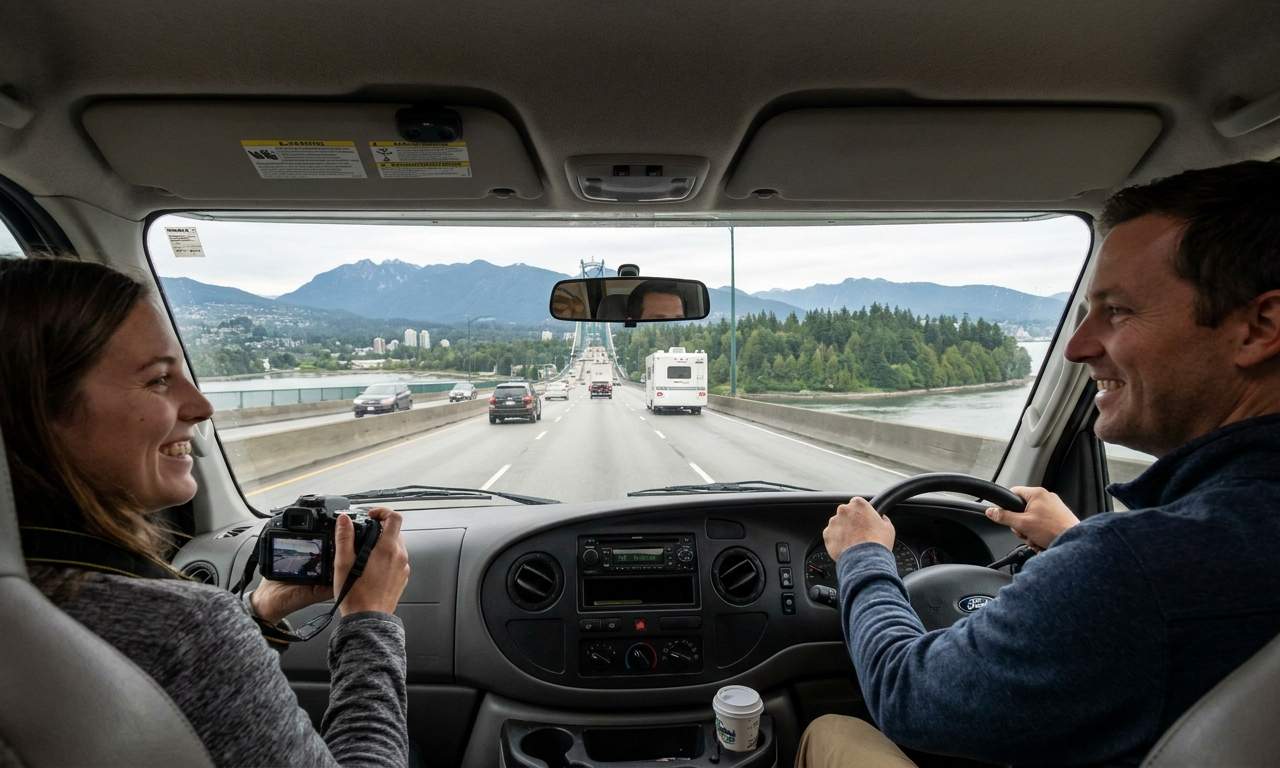
If you plan to drive an RV with a GVWR exceeding 11,794 kg or one equipped with air brakes, a higher class of driver's license or a specific air brake endorsement might be necessary, though these are uncommon for typical rental vehicles. It's always best to confirm the specific licensing requirements with your chosen rental provider before booking your winter adventure.
Road Conditions & Terrain in Vancouver
Vancouver's terrain is a mix of urban practicality and natural beauty. The city roads are generally well-maintained and relatively flat, making them manageable for most RVs. However, as you venture beyond the city limits, particularly towards mountainous areas like Whistler or into the British Columbia Interior, the terrain quickly becomes hilly and mountainous. Winter road conditions in British Columbia can vary dramatically. Expect heavy rain, slush, and potential ice within the city, transitioning to significant snowfall and icy patches on higher elevation routes. Road quality can also differ, with some less-traveled routes potentially featuring gravel sections. Always prioritize slow and cautious driving, especially in winter, to account for reduced visibility, the risk of black ice, and accumulated slush. For the most up-to-date information, regularly consult DriveBC.ca for real-time road conditions, advisories, and webcam views before and during your trip.
RV Size Limits, Bridges & Restricted Zones
Most of Vancouver's main roads and arterial routes can accommodate common rental RV sizes. However, it's essential to be aware of potential height restrictions on bridges and underpasses, as underground parking garages are almost always too low for RVs. Vancouver does not currently enforce environmental zones that restrict RV access based on emissions, unlike some European cities. If you plan to use BC Ferries, be prepared for charges based on your RV's length and height. Booking ferry reservations well in advance is highly recommended, especially during the winter holiday season, to secure your spot. Always confirm your rental RV's exact dimensions with the provider and plan your routes accordingly to avoid any clearance issues or unexpected detours.
Fuel: Diesel vs. Petrol & Cost per 100 km
Most modern rental RVs, particularly Class SI (Semi-integrated) and Class C (Alcove) models, typically run on diesel fuel, which is widely available across British Columbia. However, some Class B (Camper Van) RVs and older models may use petrol. Based on Bandana's fleet averages for Class SI RVs, fuel consumption is generally around 10–11 liters per 100 km. Class C RVs tend to consume slightly more, averaging 10–12 liters per 100 km, while the more compact Class B Camper Vans usually average 8-10 liters per 100 km. Fuel prices in Vancouver can often be higher than the provincial average, so it’s advisable to use fuel price comparison apps to find the best rates. Be aware that cold weather can slightly increase fuel consumption due to longer engine warm-up times and the increased demand for heating. Some rental RVs may also include fuel discount cards, offering potential savings on your winter journey.
Tolls, Vignettes & Border Rules
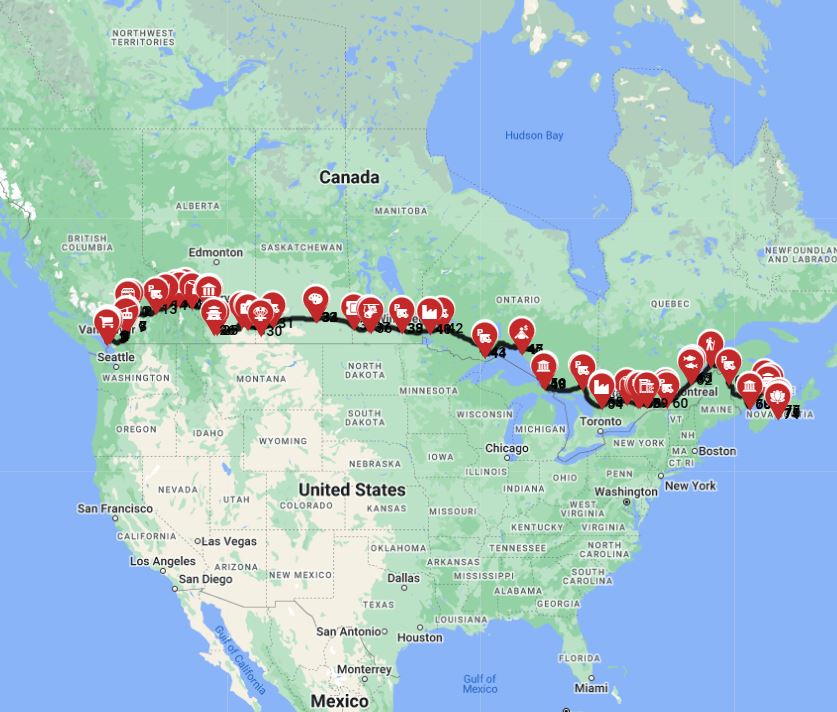
As of 2026, there are no toll roads or vignette requirements for driving within British Columbia, including the Vancouver area, making travel straightforward. However, if your winter RV adventure includes cross-border travel into the United States, you’ll need to be prepared for international travel regulations, customs procedures, and potential tolls in the US states you plan to visit. Ensure all your travel documents, including passports, RV registration, and proof of insurance, are in order for a seamless border crossing. Some rental providers may offer options for pre-purchasing US toll passes or have arrangements for electronic toll collection to help you avoid potential fines. On the routes offered through RV PLANET routes, you can itemize and track every expense along the way for easy budgeting.
Driving Tips for winter rv rental Travelers
Winter RV driving in British Columbia requires a heightened sense of awareness and preparation. Always confirm that your rental RV is equipped with M+S or true winter tires, and carry tire chains, as they are legally required for specific mountain passes, such as the Sea-to-Sky Highway. It is crucial to significantly reduce your speed on wet, icy, or snowy roads and maintain greater following distances to allow for longer stopping times. Make it a habit to religiously check road conditions via DriveBC.ca for real-time updates on closures, advisories, and webcam views, especially when planning routes through mountain passes or remote areas. Managing interior condensation is vital; utilize roof vents and periodically open windows, even for short periods, along with running the furnace, to prevent moisture issues. Monitor propane levels closely, as furnaces consume more fuel in winter. Ensure your RV batteries are fully charged and conserve power to maintain optimal performance in colder temperatures. Pack for all weather conditions, as temperatures can change rapidly. For family travelers, schedule frequent breaks every 2-3 hours for rest, snacks, and stretching, as winter driving can be more demanding.
Recommended RV Class for Vancouver Roads
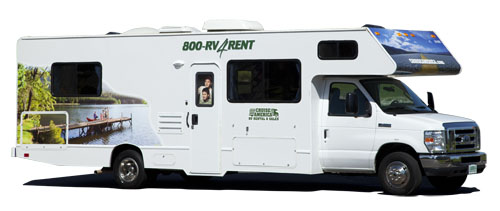
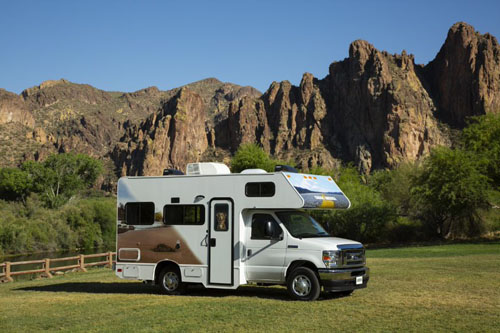
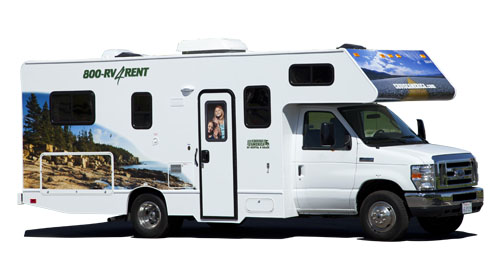
For a comfortable winter journey around Vancouver and into its scenic surroundings, Class SI (Semi-integrated) and Class B (Camper Van) RVs are highly recommended. Class B Camper Vans, typically around 5.8 meters in length, offer superior maneuverability, making them ideal for navigating tight city streets and finding parking, especially for drivers less accustomed to larger vehicles. Class SI RVs, averaging 6.9 meters, provide a good balance of interior comfort and manageable size, offering more amenities than a Class B without the bulk of larger models. Both these classes generally provide adequate ground clearance for British Columbia's paved roads and accessible campgrounds, ensuring a smooth winter travel experience. While larger Class C (around 7.5m) and Class A (also around 7.5m) RVs are certainly manageable, they do require more cautious navigation in denser city areas and when searching for parking.
Should I Choose a Compact Van Instead of a Large RV in Vancouver?
While larger RVs are generally manageable on Vancouver's main roads, a compact van, like a Class B Camper Van, offers distinct advantages for navigating tight city streets and finding parking in urban environments. However, for winter travel, the enhanced comfort, increased living space, and greater storage capacity of a larger RV, such as a Class SI or Class C model, often outweigh the maneuverability benefits of a compact van, particularly when ample indoor space is essential for staying warm and comfortable. Larger RVs are better suited for carrying winter sports equipment and additional gear, providing a more comfortable experience for families or longer trips. A compact van remains an excellent choice for solo travelers or couples prioritizing fuel efficiency and ease of parking over extensive amenities and spacious living quarters. Ultimately, the best choice hinges on your travel style, group size, and planned itinerary. For winter trips, a larger RV's amenities might be particularly appealing.
Can I Park Anywhere? Free & Wild Camping Rules in Vancouver
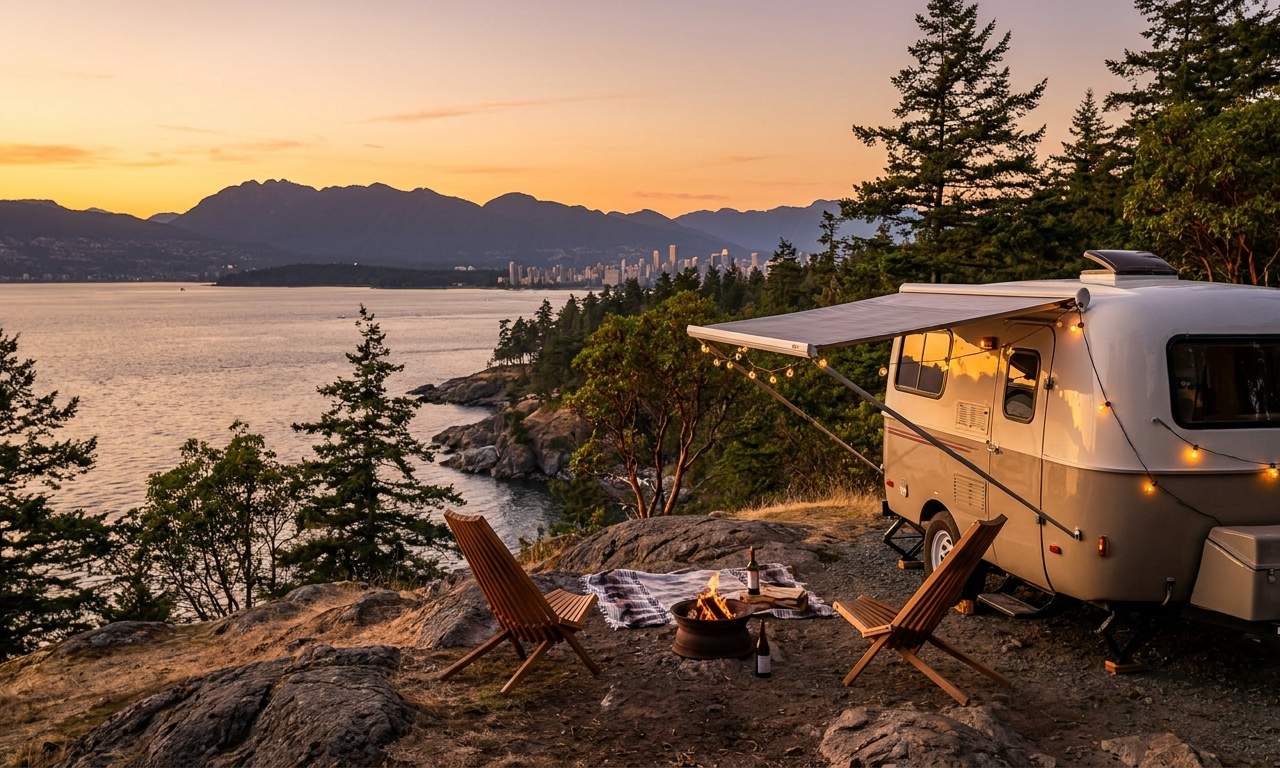
Free camping, or 'wild camping' (boondocking), is generally restricted within Vancouver's city limits and most populated areas of British Columbia. Overnight parking on public streets is often prohibited or severely limited by municipal bylaws, so always check local signage and regulations carefully. While some provincial parks and designated recreation sites outside urban centers may offer free or low-cost camping, many of these options have limited availability or are closed during winter months. For secure and legal overnight options, consider private campgrounds near Vancouver, such as Burnaby Cariboo RV Park or Fort Camping, which often remain open year-round, though advance booking is crucial. Some Walmart parking lots may permit overnight RV parking, but policies vary by individual store; always confirm with management upon arrival. It is critical to research and adhere to local regulations in every jurisdiction you visit, especially concerning overnight parking for your RV during winter conditions.
Can You Drive an RV Into the City Center? Heights, Tunnels & Local Signage
Yes, you can generally drive an RV into Vancouver's city center, but drivers must exercise extreme vigilance for local signage indicating restrictions. Pay close attention to height limits for tunnels, bridges, and especially any tempting underground parking garages, which are almost universally too low for RVs. Be aware of 'no RV parking' signs, residential permit zones, and restricted turns, particularly in high-traffic or historic downtown areas. For easier exploration of the inner city, consider parking your RV at transit-accessible locations just outside the immediate downtown core and utilizing Vancouver's excellent public transit system. Vancouver does not currently have specific low-emission zones that would restrict RV access based on vehicle emissions.
What is the 3-3-3 rule for RVs?
The 3-3-3 rule is a helpful guideline for relaxed and safe RV travel: drive no more than 300 miles (approximately 480 km) per day, stop every 3 hours for breaks, and stay in one location for at least 3 nights. This recommendation aims to prevent driver fatigue, allow ample time for safe setup and breakdown at your destination, and promote a deeper exploration of your chosen locations. Taking regular breaks is crucial for maintaining alertness and performing quick RV checks, which is particularly important in challenging winter driving conditions. Adhering to the 3-3-3 rule during winter RV travel provides a buffer for unexpected weather delays and slower road conditions, allowing more time for essential RV winterizing tasks and enjoying your destination.
Are winter tires mandatory in Vancouver, BC?
Winter tires, marked with a mountain snowflake or M+S symbol, are not strictly mandatory *within* Vancouver's immediate city limits during winter. However, they are legally required on most highways outside of the Lower Mainland and Vancouver Island from October 1 to April 30. This includes popular RV routes to destinations like Whistler or any mountain passes. Within Vancouver, M+S tires are highly recommended but not legally enforced as mandatory. For any travel beyond the immediate Vancouver metropolitan area, it is essential to confirm that your rental RV is equipped with appropriate winter-rated tires. Even with suitable winter tires, carrying tire chains is often legally required and highly advisable for mountain passes, especially for larger vehicles, during periods of heavy snowfall or extreme conditions.
What license do you need to drive an RV in BC?
In British Columbia, a standard Class 5 driver's license (or its equivalent from out-of-province or internationally) is sufficient to operate most recreational vehicles. This applies as long as the RV does not exceed 11,794 kg (26,000 lbs) GVWR and is not equipped with air brakes. This license category covers the vast majority of rental RVs, including common Class B, Class C, and Class SI models. If an RV is equipped with air brakes, a specific 'air brake endorsement' on your license is mandatory, regardless of the vehicle's weight. International drivers can use their valid foreign license for up to six months in BC, but an International Driving Permit (IDP) is highly recommended if your license is not in English.
Is it safe to drive an RV in the winter?
Driving an RV in winter can be safe and incredibly rewarding with proper preparation, cautious driving skills, and strict adherence to winter conditions. Ensure your rental RV is equipped with M+S or true winter tires and carry tire chains for mandatory routes. Confirm that the RV's plumbing system is either fully winterized (drained) or continuously heated to prevent freezing while in use. Adopt a defensive driving style: drive slowly, maintain significantly increased stopping distances, avoid sudden braking or steering, and be highly aware of potential black ice, especially on shaded roads, bridges, and overpasses. Consistently monitor road conditions using resources like DriveBC.ca. Actively manage internal condensation by ensuring adequate ventilation and monitoring propane consumption closely, as furnaces work harder in the cold. Be prepared for emergency situations by carrying a comprehensive kit with extra blankets, non-perishable food, water, a shovel, and booster cables. Always inform someone of your travel plans and expected arrival times.
Can you park RV in Vancouver?
Parking an RV in Vancouver can be challenging, particularly for overnight stays and within the city center, due to various municipal bylaws, residential parking restrictions, and limited designated oversized vehicle spots. Daytime parking is generally feasible in larger commercial parking lots or street parking bays that can accommodate the RV's length, but always meticulously check for posted signage. Many residential streets and public areas within Vancouver have bylaws strictly prohibiting or severely limiting overnight RV parking; violators may face significant fines. For secure and legal overnight options, seek out dedicated RV-friendly parking lots or established campgrounds located just outside the immediate city core, such as those in regional parks or private facilities. For convenient city exploration, consider parking your RV at transit-accessible facilities located further from downtown and utilizing Vancouver's efficient public transportation system.
Should you cover your RV in the winter in Canada?
While covering an RV for long-term storage during harsh Canadian winters can offer significant protection against snow, ice, UV rays, and moisture damage, for shorter winter rentals or active travel around Vancouver, focusing on proper vehicle winterization and choosing heated or covered parking where available is more practical. For rental scenarios, the rental company is primarily responsible for the overall vehicle preparation; as a renter, your focus shifts to operational winterization, such as preventing water lines from freezing while the RV is in use. If you are actively traveling, a full RV cover is impractical. Instead, regularly clear snow and ice from the roof, vents, and slides. Prioritize ensuring all water lines are either thoroughly drained or continuously heated, the furnace is fully operational, batteries are charged, and propane tanks are full to prevent cold-weather damage.
How much does RV insurance cost in BC?
The cost of RV insurance in British Columbia varies significantly based on factors such as the RV's value, type, age, driver's history, chosen coverage limits, and rental duration. However, rental providers typically include basic liability and collision coverage as part of the rental agreement, subject to a deductible. Be acutely aware of the deductible amount, which can be substantial, and consider purchasing optional supplementary insurance to reduce your out-of-pocket risk. Additional coverage might include enhanced collision protection, roadside assistance, or personal effects coverage. Shorter winter rentals might sometimes have higher daily insurance rates compared to longer-term rentals. When budgeting for winter RV travel, factor in not just the rental and insurance, but also fuel (which may have higher consumption in cold weather), propane (for heating), campsite fees, and any planned activity expenses.
Can you get temporary RV insurance?
Yes, temporary RV insurance is commonly available in British Columbia. It's typically offered directly through reputable RV rental companies as part of their rental agreements or via third-party insurers for short-term personal coverage. This is crucial for peace of mind during winter rentals, especially given the potentially hazardous conditions. The most convenient way for renters to secure insurance is directly through their RV rental provider, often integrated into the rental price with various upgrade options. If you plan to drive your rental RV into the United States, ensure your temporary insurance coverage explicitly extends across the international border. Securing adequate and comprehensive temporary RV insurance is a critical step in the planning and booking process.
What You Shouldn't Miss
- Explore the vibrant coastal rainforests of Stanley Park, accessible year-round by RV, offering stunning views and ancient trees.
- Drive the scenic Sea-to-Sky Highway (Hwy 99) towards Whistler, but ensure your RV is prepared with winter tires and consider carrying chains for mountain passes.
- Experience the festive atmosphere and winter sports at Whistler Blackcomb, which historically offered designated overnight RV parking for enthusiasts.
- Take advantage of Vancouver's excellent public transit by parking your RV at a transit-accessible location and exploring downtown using buses or the SkyTrain.
- Discover local Indigenous culture and history at the Museum of Anthropology at UBC, a significant cultural institution accessible by RV.
- Enjoy the winter lights and festive markets in downtown Vancouver during the holiday season, easily reachable by RV if parked strategically.
Final Thoughts
Winter RV travel in Vancouver offers a unique perspective on this stunning coastal city and its surrounding natural beauty. With careful planning, the right vehicle, and a spirit of adventure, you can experience the magic of British Columbia's winter wonderland.
Remember to always prioritize safety by checking road conditions, ensuring your RV is winter-ready, and adjusting your travel pace to suit the conditions. Embrace the slower pace of winter travel, take your time to soak in the crisp air and snow-dusted landscapes.
Find Motorhome Rentals in Vancouver