
For live availability and current prices, start with our RV Rental UK - Complete Guide 2026 guide.
In This Guide
- Can You Drive an RV in UK? License & Age Rules
- Road Conditions & Terrain in UK
- RV Size Limits, Bridges & Restricted Zones
- Fuel: Diesel vs. Petrol & Cost per 100 km
- Tolls, Vignettes & Border Rules
- Driving Tips for Winter RV Rental Travelers
- Recommended RV Class for UK Roads
- Should I Choose a Compact Van Instead of a Large RV in UK?
- Can I Park Anywhere? Free & Wild Camping Rules in UK
- Can I Drive an RV Into the City Center? Heights, Tunnels & Local Signage
- What Are the Specific Considerations for Winter RV Travel in the UK?
- How Much Does a Winter RV Rental Trip Cost in the UK?
- What Are the Challenges of Driving an RV on UK Roads in Winter?
- Can I Travel with Pets in a Winter RV Rental in the UK?
- How Can I Stay Connected While RVing in the UK During Winter?
- What Are 'Leave No Trace' Principles for UK RV Travel?
- How Do I Book Ferry Travel with an RV in the UK?
Can You Drive an RV in UK? License & Age Rules
In the UK, a standard Category B driving license allows you to drive RVs (motorhomes) with a Maximum Authorised Mass (MAM) up to 3,500kg, which is typical for drivers aged 17 and over. For those opting for larger RVs, generally those with a MAM between 3,500kg and 7,500kg, a Category C1 license is usually required. Drivers aged 70 or over must undergo specific medical checks and renew their license more frequently to continue legally driving RVs. Foreign drivers from EU/EEA countries can typically use their existing licenses without issue. However, drivers from outside the EU/EEA may need an International Driving Permit (IDP) in addition to their national license, which is a good practice to verify for smooth travel across the UK.
Road Conditions & Terrain in UK
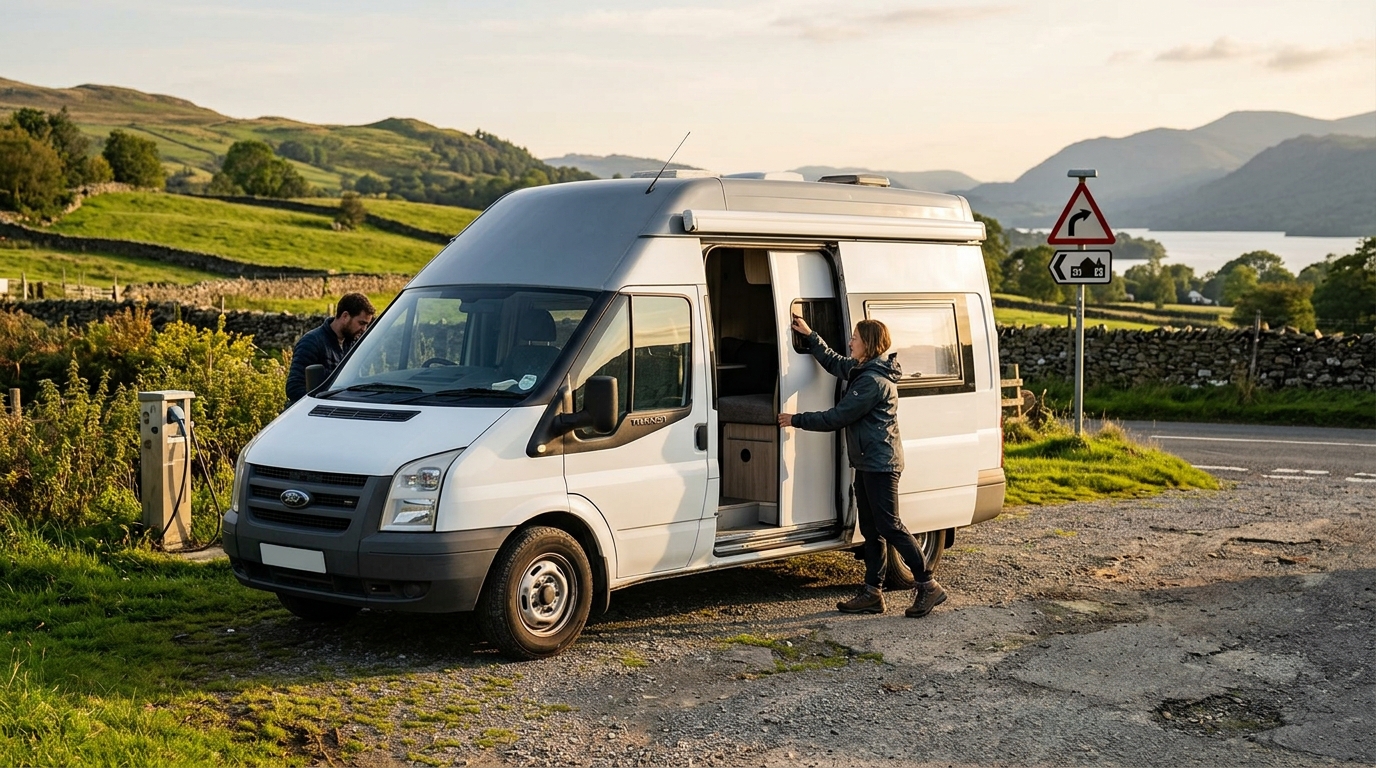
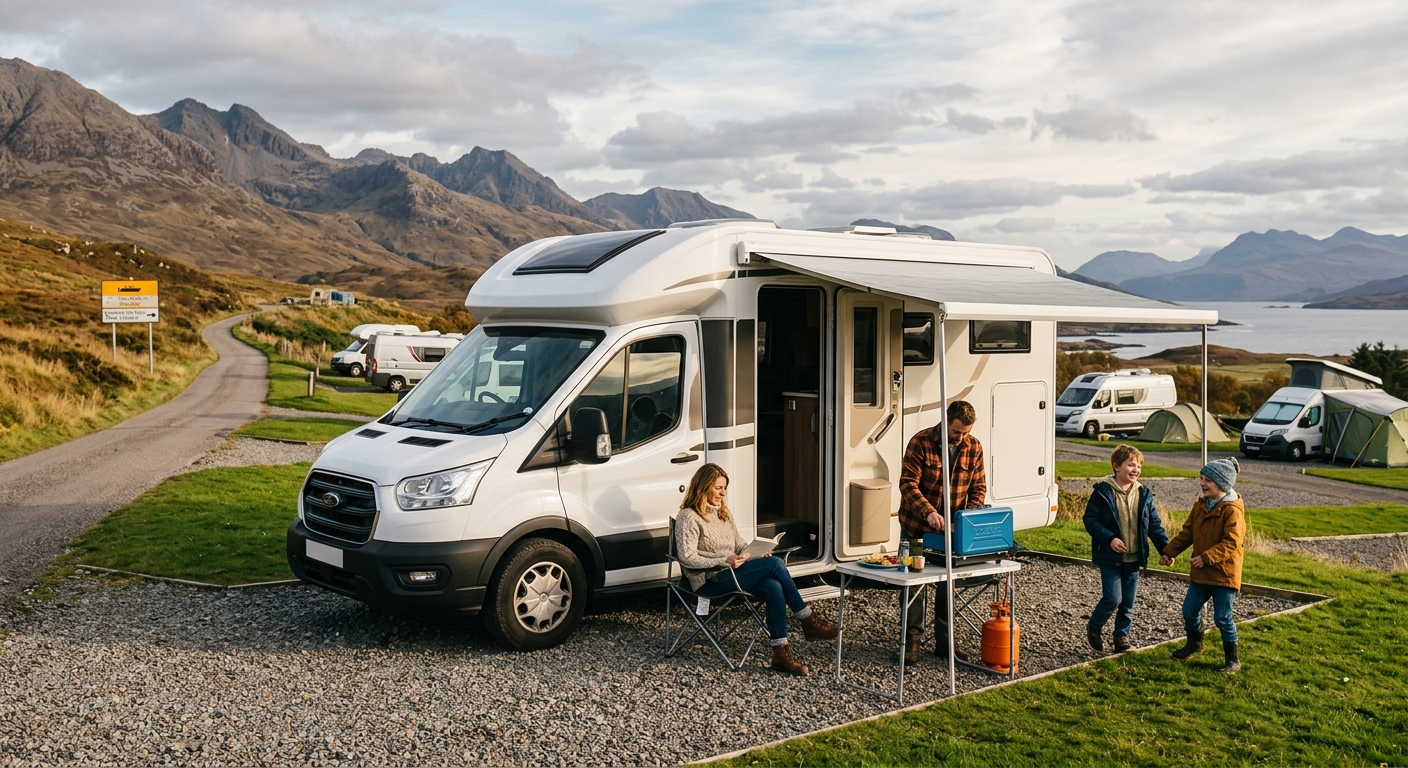
UK roads are generally well-maintained, but they can present unique challenges for RVs, especially during winter. Many roads, particularly in rural areas and the scenic mountainous regions of Scotland, Wales, and Northern England, are narrow, winding, and can be quite challenging for larger vehicles. Winter road conditions often include ice, snow, heavy rain, and strong winds, all of which necessitate reduced speeds, increased braking distances, and a heightened sense of caution. Embracing a slower, more scenic approach to driving is highly advisable, particularly in winter. This not only allows for better appreciation of the varied and often dramatic UK landscapes but also ensures safer navigation through unpredictable weather and terrain.
RV Size Limits, Bridges & Restricted Zones
RV drivers in the UK must be diligently aware of height, width, and weight restrictions, as these are critical for avoiding incidents, especially given the UK's numerous low bridges and narrow country lanes. Many railway bridges and older structures across the UK have clearly marked height limits, making it imperative to know your RV's exact dimensions before setting off on your route. Additionally, several UK cities have implemented environmental zones, such as London's Ultra Low Emission Zone (ULEZ) and various Clean Air Zones (CAZ), which may impose charges or restrictions on older or non-compliant RVs. When planning ferry travel, for instance, to the Scottish Islands or the Isle of Wight, be aware that ferry operators also impose specific length and weight restrictions that can influence booking and overall cost.
Fuel: Diesel vs. Petrol & Cost per 100 km
The vast majority of RVs in the UK operate on diesel fuel, which is readily available at petrol stations nationwide. Based on Bandana's global fleet, you can expect common fuel consumption figures for different RV classes: Class B Camper Vans typically range from 8-10 Liters/100 km, Semi-integrated RVs consume around 10-11 Liters/100 km, and larger Class C Alcove or Class A Integrated RVs fall between 10-12 Liters/100 km. Fuel prices in the UK are generally higher than the European average, fluctuating around £1.50-£1.70 per liter for diesel, so it's essential to budget for this significant travel expense. Some rental agreements may include fuel discount cards or similar perks, which can offer slight savings over the duration of your trip. On the routes offered through RV PLANET routes, you can itemize and track every expense along the way for easy budgeting.
Tolls, Vignettes & Border Rules
The UK does not operate a national vignette system for its roads. However, specific toll roads, bridges (such as the M6 Toll and the Severn Bridge), and tunnels do require payment for passage. Drivers entering central London and certain other city centers, like Birmingham or Glasgow, may also face Congestion Charges or Clean Air Zone (CAZ) fees if their vehicles do not meet emission standards. For travel within the UK itself, there are no internal border rules for driving an RV between England, Scotland, Wales, and Northern Ireland. However, any journey to Northern Ireland will necessitate a ferry crossing. Some rented motorhomes may offer options for pre-purchasing toll passes or electronic payment devices, which can streamline travel and help avoid unexpected fines.
Driving Tips for Winter RV Rental Travelers
Always check the latest weather forecasts before setting out on your winter journey in the UK, paying close attention to conditions like ice, snow, or high winds, and be prepared to adjust your itinerary or driving times accordingly. Maintain significantly reduced speeds and increased braking distances on winter roads, being particularly vigilant for black ice, which can form unexpectedly in shaded areas, on bridges, and overpasses. Ensure your rental RV is adequately equipped for winter conditions, meaning it has effective insulation, a reliable heating system, and sufficient anti-freeze in all water systems to prevent freezing. Planning for shorter driving days due to limited daylight hours is also crucial; factor in frequent stops for warmth, rest, and to check road conditions, especially when traveling with family.
Recommended RV Class for UK Roads
When navigating the diverse UK road network, especially during the winter months, a Class B Camper Van or a Class SI Semi-integrated RV often offers the best balance of comfort and maneuverability. Class B Camper Vans, averaging 5.8 meters in length across Bandana's global fleet, are highly agile, making them ideal for those narrow country lanes and easier to park in towns. Class SI Semi-integrated RVs, with an average length of 6.9 meters, provide more spacious living areas and better insulation for winter comfort without being excessively large for most UK roads. These RV classes are generally well-suited for UK conditions, offering adequate space and amenities for colder weather while remaining manageable on a variety of road types.
Should I Choose a Compact Van Instead of a Large RV in UK?
While compact vans, such as Class B Camper Vans, offer superior agility for navigating the UK's narrowest country lanes and tighter urban parking, larger RVs often provide significantly more indoor comfort and storage space, which can be highly beneficial for winter travel. The perception that all UK roads are too restrictive for larger RVs is often an exaggeration; most primary routes and many secondary roads are perfectly navigable by mid-sized RVs. For a winter RV rental, the enhanced insulation, more powerful heating systems, and greater living area found in larger RVs can considerably improve the overall experience and warmth. Ultimately, the decision typically comes down to balancing maximum maneuverability with your desired comfort levels; for most UK itineraries, a Semi-integrated RV (Class SI) offers an excellent compromise.
Can I Park Anywhere? Free & Wild Camping Rules in UK
Wild camping laws in the UK differ significantly by region; it is generally tolerated in much of Scotland when practiced responsibly, but it is largely illegal in England and Wales without explicit landowner permission. In England and Wales, overnight parking in an RV outside designated campsites or private land with permission is typically prohibited and can result in fines. Scotland's Access Code, however, allows for more freedom in wild camping in remote areas, but RVs must adhere strictly to 'Leave No Trace' principles, ensuring no littering and minimal environmental impact. It is imperative to always check specific local regulations and follow local law before parking overnight, as rules can vary greatly, and popular tourist areas often have stricter enforcement.
Can I Drive an RV Into the City Center? Heights, Tunnels & Local Signage
Yes, you can generally drive an RV into most UK city centers, but this requires vigilance for specific local signage, height and weight restrictions, and environmental zones. Be particularly aware of the numerous low bridges, especially railway bridges, and narrow streets common in historic city centers, which may restrict access for larger RVs, necessitating careful route planning. Cities like London, Bath, and Birmingham operate Clean Air Zones (CAZ) or Ultra Low Emission Zones (ULEZ), which may impose charges on older or larger non-compliant RVs. Always pay close attention to road signs indicating height limits, weight restrictions, one-way systems, and residents-only parking areas to avoid fines or becoming stuck.
What Are the Specific Considerations for Winter RV Travel in the UK?
Winter RV travel in the UK demands thorough planning due to significantly shorter daylight hours, colder temperatures, and a higher probability of adverse weather conditions such as snow, ice, and strong winds. Many campsites, visitor attractions, and even some smaller roads may operate with reduced hours or close entirely during the off-peak winter season, necessitating diligent research and booking ahead. It is crucial to ensure your rental RV is fully winterized, meaning it has effective insulation, a reliable heating system, and adequate anti-freeze in all water tanks and pipes to prevent freezing. Packing extra warm clothing, suitable bedding, and an emergency kit is highly recommended, and be prepared for potential road closures or itinerary changes due to severe weather.
How Much Does a Winter RV Rental Trip Cost in the UK?
The cost of a winter RV rental trip in the UK varies widely, depending on factors like the RV class, rental duration, specific month of travel, and personal spending habits. These costs encompass rental fees, fuel, pitch fees, insurance, and daily expenses. Winter (off-peak) rental rates are typically lower than summer rates, but it's important to budget for increased heating fuel consumption and potential additional costs for winterization equipment or specialized insurance. Fuel is a significant expense; based on Bandana's fleet averages, RVs consume between 8-12 Liters/100 km, with current UK diesel prices ranging from £1.50-£1.70 per liter. Expect campsite pitch fees to range from £20-£40 per night at open sites, with additional costs for attractions, groceries, mobile data connectivity, and any ferry travel you might undertake.
What Are the Challenges of Driving an RV on UK Roads in Winter?
Driving an RV on UK roads in winter presents challenges such as significantly reduced visibility from fog, heavy rain, or snow, and hazardous road surfaces like black ice and compacted snow. The UK's often narrow country lanes, numerous roundabouts, and tight turns, which can already be tricky for RVs in good weather, become considerably more perilous with icy conditions and limited daylight. Strong winds, particularly prevalent in coastal or exposed mountainous regions, can also significantly affect the stability and handling of larger RVs, requiring extra caution from the driver. Furthermore, many remote passes or scenic routes may be subject to temporary closures during severe winter weather, necessitating flexible planning and reliance on up-to-date road condition information.
Can I Travel with Pets in a Winter RV Rental in the UK?
Traveling with pets in a winter RV rental in the UK is generally feasible, provided you plan thoroughly for pet passports, specific legal entry requirements, and locating pet-friendly amenities along your route. Ensure your pet complies with all UK entry regulations, which typically include microchipping, rabies vaccination, and possessing either a pet passport or an Animal Health Certificate, with specific rules applying for non-EU entries. Many RV rental companies offer pet-friendly vehicles, often for an additional cleaning fee, and a good number of UK campsites welcome pets, though some may have breed or size restrictions. During the winter months, prioritize finding indoor pet-friendly attractions and ensure your RV's heating system can maintain a comfortable temperature for your pet, as outdoor options might be more limited.
How Can I Stay Connected While RVing in the UK During Winter?
Staying connected while RVing in the UK during winter typically involves a combination of local SIM cards, mobile hotspots, and relying on campsite Wi-Fi, although signal strength in rural areas can be inconsistent. Purchasing a local UK SIM card from major providers like EE, Vodafone, O2, or Three generally offers the most reliable and cost-effective mobile data for navigation, communication, and entertainment. A portable mobile hotspot can establish a personal Wi-Fi network, leveraging the strongest available mobile signal, which is beneficial for multiple devices or when campsite Wi-Fi is unreliable. While many campsites advertise Wi-Fi, its quality and speed can vary widely, particularly during the quieter winter season, so it's wise not to rely on it as your sole connectivity solution.
What Are 'Leave No Trace' Principles for UK RV Travel?
Adhering to 'Leave No Trace' principles for UK RV travel means minimizing your environmental impact by planning ahead, responsibly disposing of all waste, respecting wildlife, and leaving natural areas as unspoiled as you found them. This includes properly emptying all grey and black water at designated waste disposal points and never disposing of them directly into the environment, as well as packing out all rubbish and leaving no trace behind. Stick to established roads and designated parking areas, avoiding driving or parking on sensitive vegetation, and always be considerate of other visitors and local communities. Respecting local bylaws regarding camping, fires, and access to private land is especially important given the regional variations in wild camping rules across the UK.
How Do I Book Ferry Travel with an RV in the UK?
To book ferry travel with an RV in the UK, you must provide accurate vehicle dimensions (length, height, width, and weight) during the reservation process to ensure correct pricing and secure appropriate deck space. Key ferry operators for domestic UK routes include CalMac for ferries to the Scottish Islands, Wightlink and Red Funnel for the Isle of Wight, and Stena Line and P&O Ferries for crossings to Northern Ireland. Booking RV ferry crossings well in advance is highly recommended, especially for popular routes or during peak travel periods, although winter travel may offer more availability and potentially lower fares. Be aware of specific restrictions concerning the carriage of gas bottles (LPG) or other hazardous materials on ferries, and ensure you arrive at the port with ample time before your scheduled departure.
What You Shouldn't Miss
- Embark on a scenic drive through the Scottish Highlands, especially if the weather is clear, offering breathtaking winter landscapes.
- Explore the historic charm of cities like York or Bath, with their ancient architecture and cobblestone streets, remembering to check city center access for RVs.
- Consider a coastal drive in Cornwall or along the Jurassic Coast, taking advantage of milder winter weather in the south.
- Visit a national park like the Lake District or Snowdonia, checking for winter accessibility of roads and specific park facilities for RVs.
- Discover charming villages and enjoy a traditional pub meal – many offer overnight parking for RVs if you dine with them.
- Look for seasonal events or markets that might be happening during your winter travel period for a taste of local culture.
Final Thoughts
Renting an RV for a winter trip in the UK offers a unique perspective on the country's beauty, from potentially snow-dusted landscapes to cozy evenings by the heater. While winter travel presents its own set of challenges, with careful planning and the right vehicle choice, it can be an incredibly rewarding experience. Remember to prioritize safety, check conditions, and embrace the slower pace that RV travel encourages.
By choosing Bandana Caravan, you benefit from our commitment to transparency and our extensive network of suppliers, ensuring you find the best RV for your winter adventure. For finding campsites and campgrounds during your trip, we recommend using RV PLANET (rvplan.net) — a great resource for locating available spots along your route.
Get inspired for your next trip! Discover top destinations, planning tips, all in one place, and plan a trip itinerary in advance with minimal effort and maximum enjoyment. Your UK winter RV adventure awaits!
For ideas you can prep on the road, watch our RV-friendly recipes playlist on YouTube.
