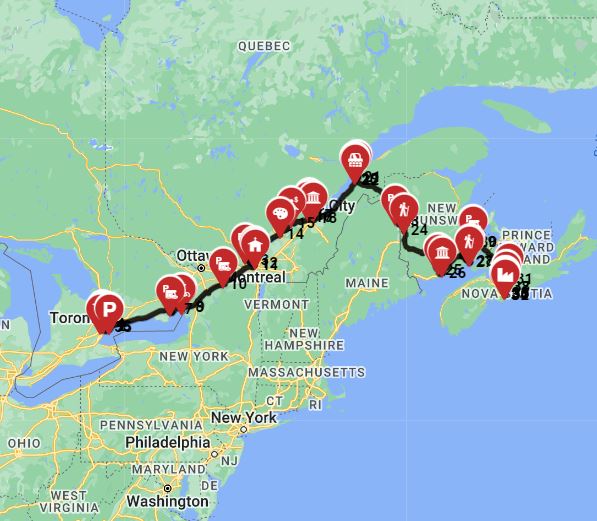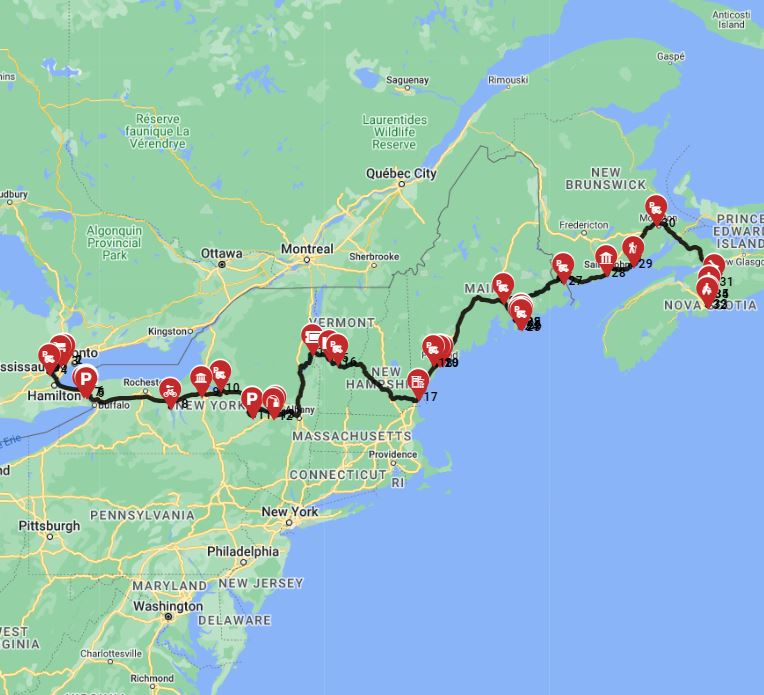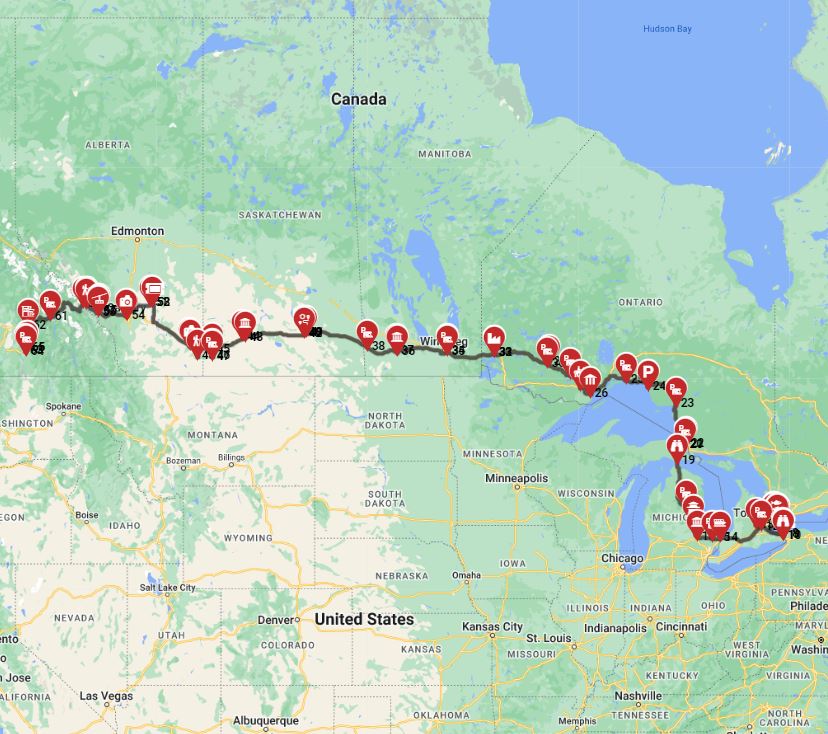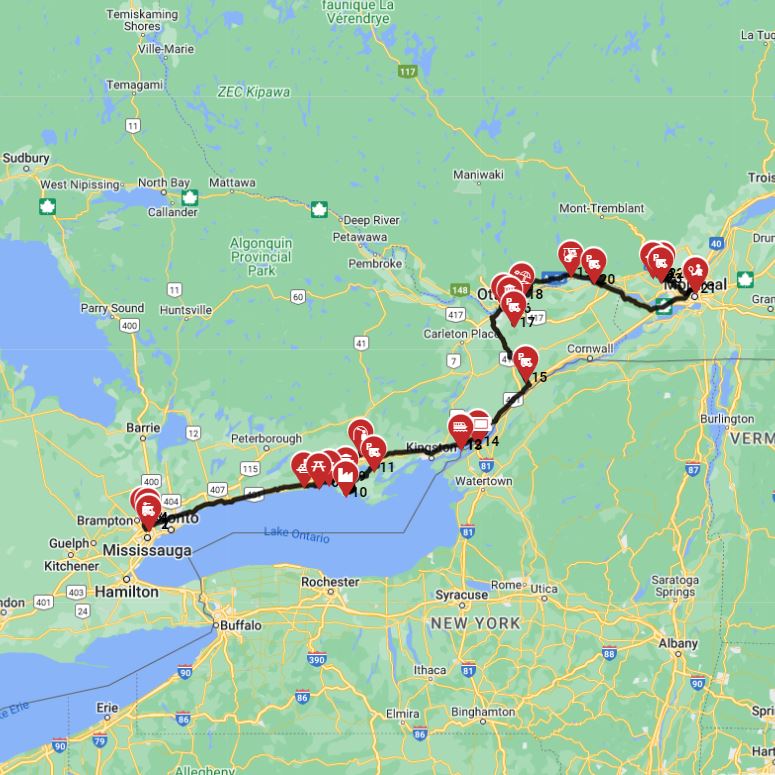
For live availability and current prices, start with our RV Rental Toronto - Complete Guide 2026 guide.
In This Guide
- Can You Drive an RV in Toronto? License & Age Rules
- Road Conditions & Terrain in Toronto
- RV Size Limits, Bridges & Restricted Zones
- Fuel: Diesel vs. Petrol & Cost per 100 km
- Tolls, Vignettes & Border Rules
- Driving Tips for winter rv rental Travelers
- Recommended RV Class for Toronto Roads
- Should I Choose a Compact Van Instead of a Large RV in Toronto?
- Can I Park Anywhere? Free & Wild Camping Rules in Toronto
- Can I Drive an RV Into the City Center? Heights, Tunnels & Local Signage
Can You Drive an RV in Toronto? License & Age Rules
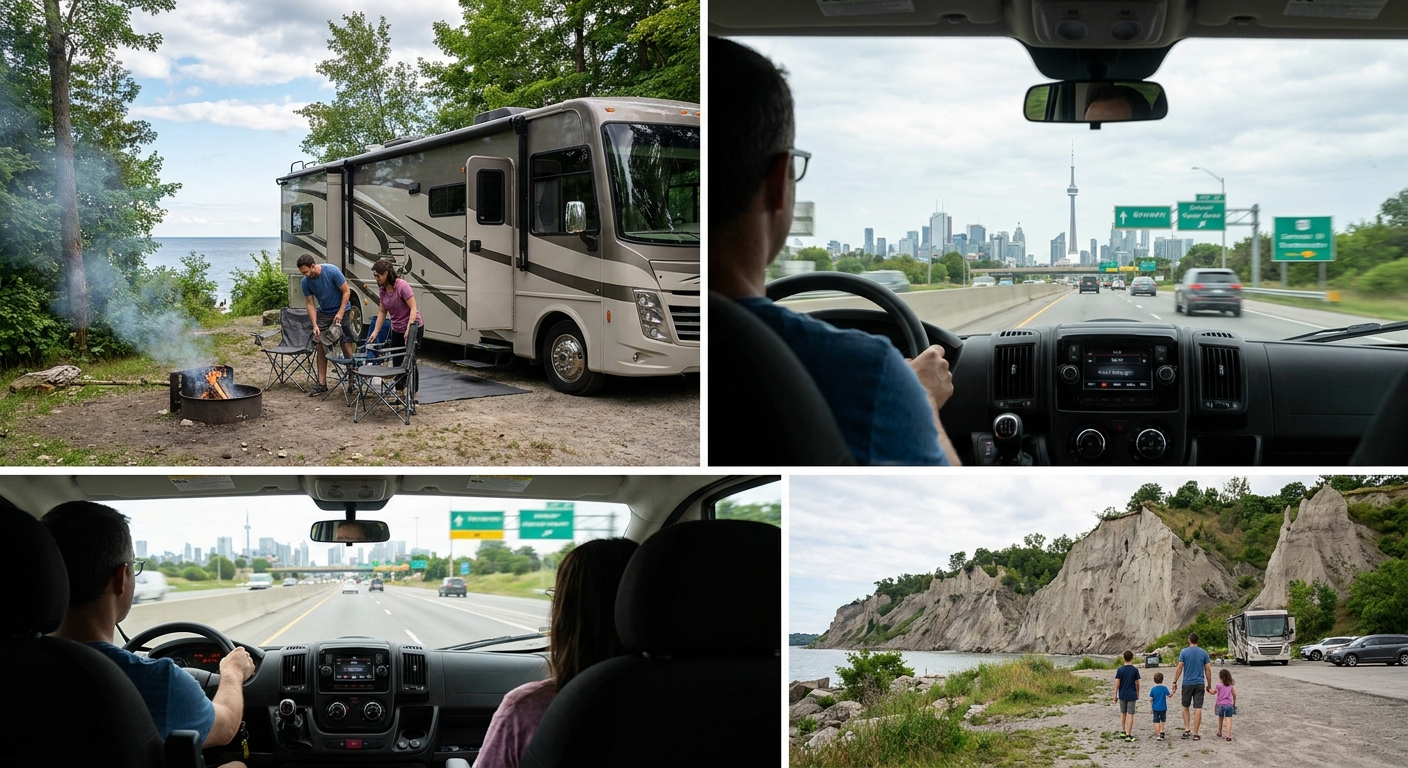
Yes, you can drive an RV in Toronto. Most rental RVs, typically those under 11,000 kg Gross Vehicle Weight Rating (GVWR), can be operated with a standard Ontario Class G driver's license for personal use. While the legal driving age in Ontario is 16, RV rental providers generally require drivers to be at least 21 years old. For international visitors, a valid driver's license from your home country is necessary, and an International Driving Permit (IDP) is recommended if your license is not in English or French. It's important to note that RVs exceeding the 11,000 kg GVWR threshold might require a higher class of license, such as a Class D or A, though these are uncommon for recreational rentals.
Road Conditions & Terrain in Toronto
Navigating Toronto in an RV during winter requires attention to road conditions. The city's main roads and highways are generally well-maintained and promptly cleared of snow and ice. However, as with any urban environment, especially in winter, expect snow, ice, and slush, necessitating slower speeds and increased stopping distances. The terrain around Toronto is largely flat to gently rolling, presenting no significant challenges for RV handling. Be prepared for dense urban traffic, particularly during morning and evening commutes, which demands heightened awareness and cautious driving. While major highways are typically well-plowed, secondary city streets can have more variable conditions, so always prioritize safety by adjusting your speed and maintaining a safe following distance. An adequate emergency kit, including warm blankets and extra provisions, is always a wise addition for winter RV travel.
RV Size Limits, Bridges & Restricted Zones
When driving an RV in Toronto, be aware of general vehicle size regulations. Ontario has a standard length limit of 12.5 meters for single recreational vehicles, which is generally accommodating for most rental RVs. While low bridges and underpasses are uncommon on Toronto's main arteries, they can exist on older city streets; always observe posted height clearances carefully. Toronto does not enforce the type of environmental zones or emissions-based access restrictions found in some international cities that typically affect RVs. Weight restrictions are primarily aimed at commercial vehicles, and most recreational RVs will fall within the standard limits. It’s worth noting that ferry services to the Toronto Islands are exclusively for pedestrians and cyclists, and do not accommodate RVs.
Fuel: Diesel vs. Petrol & Cost per 100 km
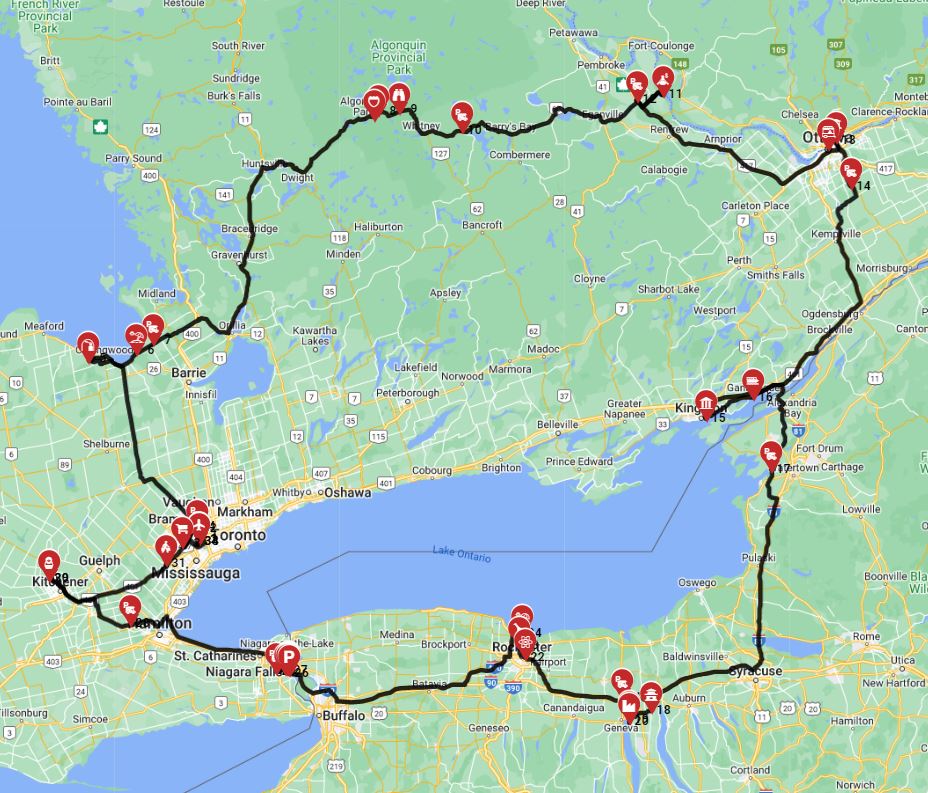
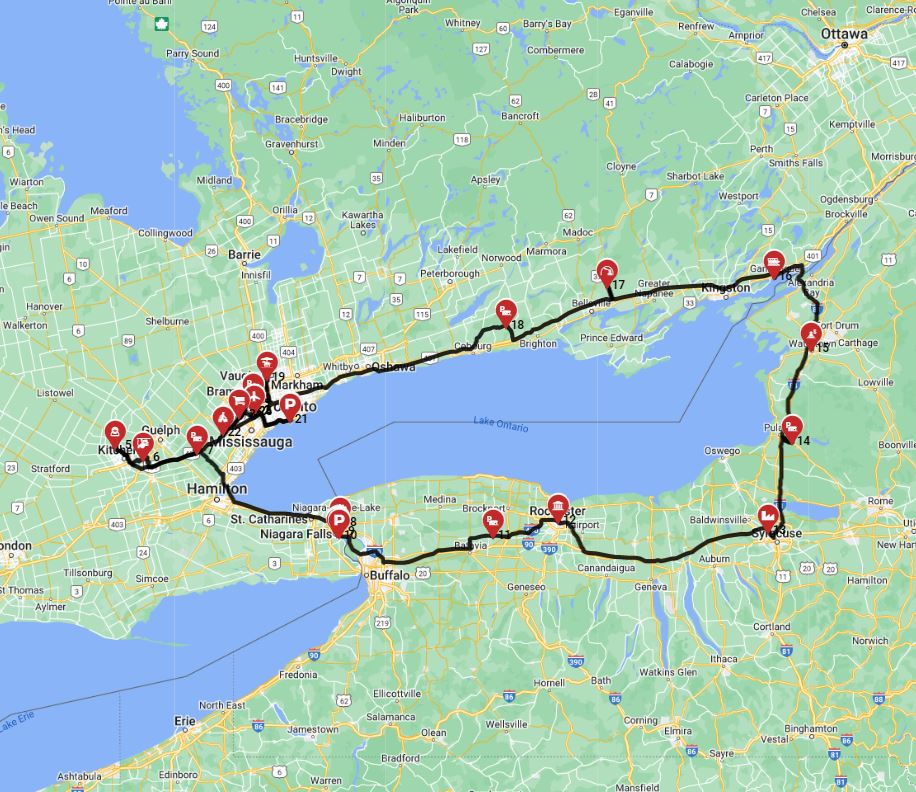
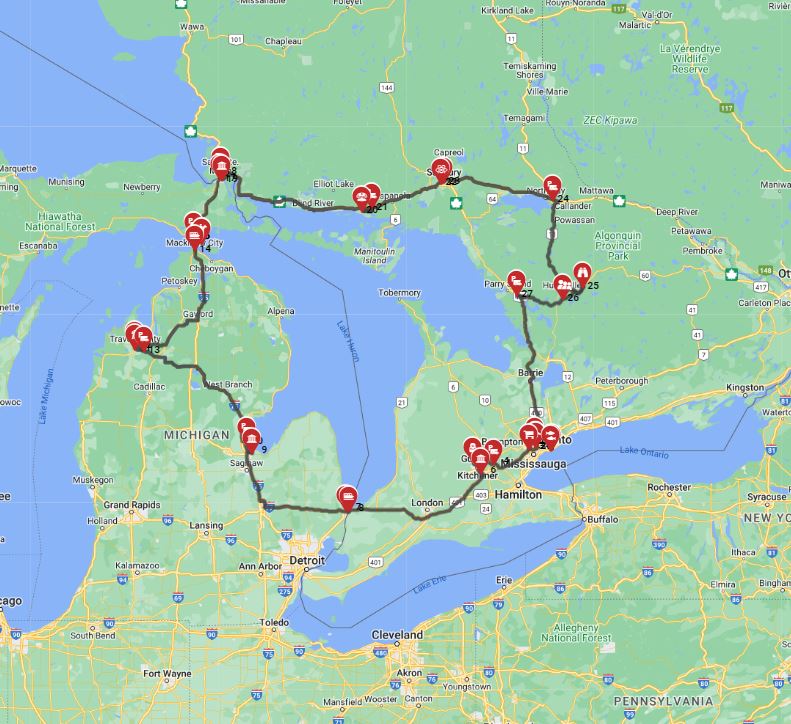
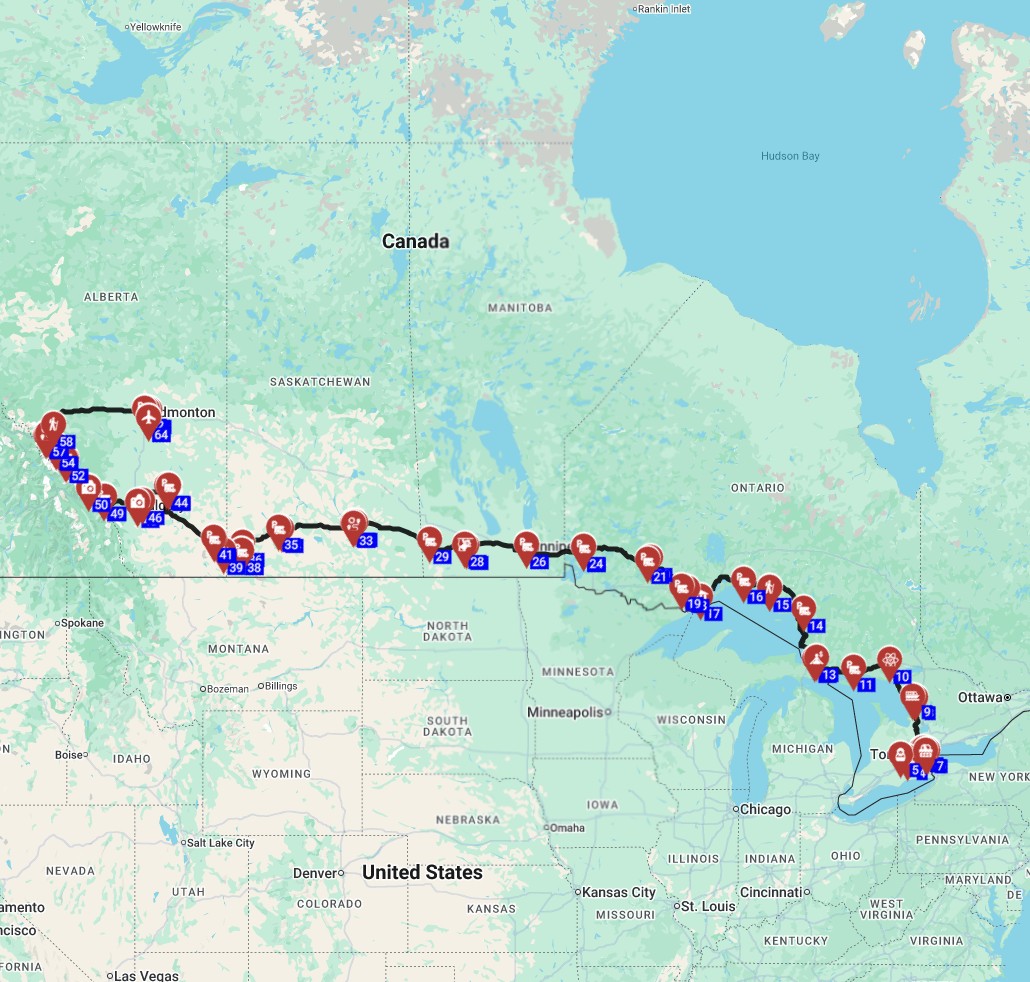
Both diesel and petrol fuel types are readily available at numerous service stations throughout Toronto and the wider Ontario region. Larger RVs, such as Class SI (Semi-integrated) and Class C (Alcove) motorhomes, commonly use diesel engines. For these vehicles, fuel consumption typically averages around 25-30 liters per 100 kilometers. Smaller RVs, like Class B (Camper Vans) and Class TC (Truck Campers), often run on petrol, with consumption generally ranging from 11-17 liters per 100 kilometers. For example, a Class C RV consuming 27 liters per 100 km, with diesel priced at an estimated $1.80 per liter, would result in approximately $48.60 in fuel costs for every 100 kilometers driven. It's always a good idea to inquire with your winter RV rental provider about any potential fuel discount cards or programs they might offer, which can help manage your travel budget. On the routes offered through RV PLANET routes, you can itemize and track every expense along the way for easy budgeting.
Tolls, Vignettes & Border Rules
The primary toll highway in the Greater Toronto Area is the Highway 407 ETR, which operates on an electronic system utilizing transponders or license plate recognition for toll collection. Ontario and Canada, in general, do not use vignettes for RVs; tolls are typically applied to specific roads or bridges on a pay-per-use basis. When crossing the Canada-U.S. border, RV travelers must be prepared to adhere to all Canadian and U.S. customs and immigration requirements. To manage tolls effectively, consider pre-arranging a toll transponder with your rental company or inquiring about post-trip billing options for the 407 ETR to avoid potential additional fees. Apart from the 407 ETR, most major highways in Ontario are toll-free.
Driving Tips for winter rv rental Travelers
Preparing your RV for winter conditions is paramount. Ensure your rented vehicle is winter-ready, equipped with appropriate tires (though not legally mandated, they are highly recommended), and carries a comprehensive emergency kit. Insulating water lines is crucial to prevent freezing, and maintaining adequate levels of winterized windshield washer fluid and fuel is essential. In winter driving, always reduce your speed, allow significantly more stopping distance than usual, and plan for frequent rest stops—perhaps every 2-3 hours, especially if traveling with family. Budget-conscious travelers should research free or low-cost parking options and consider routes that bypass tolls, such as the 407 ETR, where feasible. Regularly checking Toronto and Ontario weather forecasts for snow, ice, or extreme cold is vital for making informed travel plans and ensuring a safe journey.
Recommended RV Class for Toronto Roads
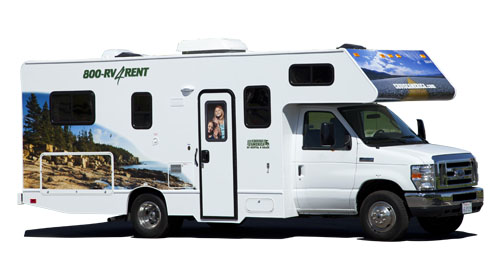
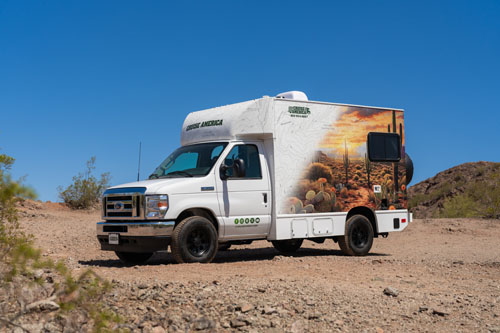
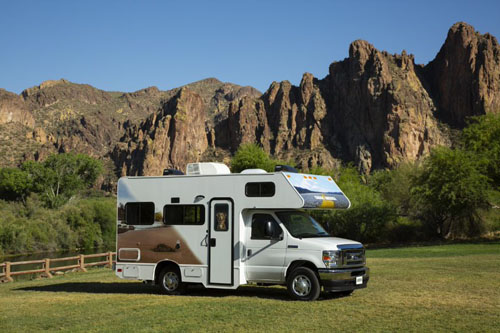
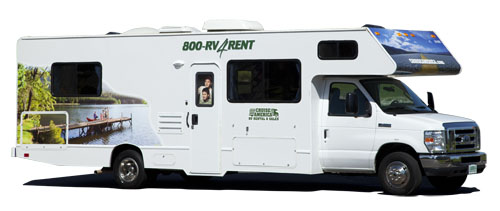
For navigating Toronto's urban environment, Class B Camper Vans (averaging 6.3 meters in length) or Class TC Truck Campers (averaging 6 meters) are highly recommended due to their compact size and superior maneuverability. These smaller RVs make parking and maneuvering through city streets significantly easier. A Class B Camper Van, for instance, is ideal for city exploration and fits into most standard parking spots. Class TC Truck Campers offer good ground clearance, beneficial for varied winter road conditions, while still maintaining a manageable footprint. Larger Class C (Alcove) RVs, averaging 8.2 meters, are certainly viable for Toronto but require more cautious driving and careful consideration for parking. Ultimately, all available RV classes can be driven in Toronto, but opting for a smaller profile generally enhances the ease and comfort of your urban RV adventure.
Should I Choose a Compact Van Instead of a Large RV in Toronto?
While a compact van, like a Class B Camper Van (averaging 6.3 meters), offers superior maneuverability and easier parking in Toronto, larger RVs are generally manageable with careful planning. For winter travel specifically, larger RVs, such as Class C Alcove models (averaging 8.2 meters), often provide more insulated living space and amenities, enhancing comfort during colder months. The advantage of a compact van lies in its ability to fit into standard parking spots and navigate tighter streets, though extremely tight areas are less common on Toronto's main routes. However, if comfort, generous living space, and dedicated sleeping areas are higher priorities for your winter trip, a larger RV typically offers a more superior experience. The choice between a compact van and a larger RV ultimately hinges on prioritizing ultimate maneuverability versus interior comfort and space for your Toronto RV adventure.
Can I Park Anywhere? Free & Wild Camping Rules in Toronto
Free or "wild camping" is generally not permitted within Toronto's city limits or on most public lands across Ontario unless specifically designated. Overnight RV parking on Toronto streets is typically subject to strict municipal bylaws, often requiring permits or being restricted to specific hours, making impromptu overnight stays often illegal and impractical. Designated RV campgrounds or private RV parks in and around the Greater Toronto Area are the primary legal options for overnight stays. Violations of parking bylaws or unauthorized overnight camping can result in significant fines and potentially having your vehicle towed. Always remember that rules can vary by region, so it's crucial to check local regulations and adhere to them before attempting to park overnight.
Can I Drive an RV Into the City Center? Heights, Tunnels & Local Signage
Yes, you can generally drive an RV into Toronto's city center, but vigilance is key. Always pay close attention to local signage regarding height limits, parking restrictions, and traffic patterns. Major arterial roads leading downtown are typically accommodating for RVs, but older streets or underpasses might have lower clearance; heed all posted height restrictions meticulously. Toronto does not implement the same type of environmental zones that restrict RV access based on emissions, unlike some cities internationally. Parking in the city center can be challenging and costly; consider parking your RV at a peripheral RV-friendly lot or campground and utilizing Toronto's excellent public transit system (TTC) for efficient city exploration. Always watch for "no parking" or "residents permit only" signs, especially in residential areas adjacent to the downtown core.
What You Shouldn't Miss
- Explore The Distillery District: Wander through this pedestrian-only village of Victorian industrial architecture, now filled with art galleries, boutiques, and restaurants. It's particularly charming in winter with holiday decorations and seasonal markets.
- Visit the CN Tower: For unparalleled panoramic views of the city and Lake Ontario, especially stunning on a clear winter day, ascend the iconic CN Tower. Consider the EdgeWalk for a truly thrilling experience if you're brave!
- Stroll through Kensington Market: This vibrant, multicultural neighborhood offers eclectic shops, vintage clothing stores, international food stalls, and lively street art. It's a great place to discover unique finds and enjoy diverse culinary tastes.
- Experience a Toronto Maple Leafs Game: If you're visiting during hockey season, catching a Leafs game at Scotiabank Arena is a quintessential Toronto winter activity, offering an electric atmosphere.
- Discover the PATH: Toronto's underground pedestrian walkway system, the PATH, connects many downtown buildings, making it easy to navigate between attractions, shops, and restaurants without braving the winter cold.
Final Thoughts
Winter RV travel in Toronto offers a unique perspective on this vibrant Canadian city. By understanding the driving conditions, vehicle choices, and local regulations, you can ensure a safe and enjoyable experience. Remember that planning ahead, especially for campsites, is always a good strategy during popular seasons.
Whether you're drawn to the city's cultural attractions, its festive winter atmosphere, or the opportunity to explore nearby natural beauty, a rented RV provides the flexibility and comfort to make the most of your Canadian adventure. With Bandana Caravan, finding the perfect vehicle is straightforward, ensuring you hit the road with confidence.
Find Motorhome Rentals in Toronto