In This Guide
- Can You Drive an RV in Tokyo? License & Age Rules
- Road Conditions & Terrain in Tokyo
- RV Size Limits, Bridges & Restricted Zones
- Fuel: Diesel vs. Petrol & Cost per 100 km
- Tolls, Vignettes & Border Rules
- Driving Tips for winter rv rental Travelers
- Recommended RV Class for Tokyo Roads
- Should I Choose a Compact Van Instead of a Large RV in Tokyo?
- Can I Park Anywhere? Free & Wild Camping Rules in Tokyo
- Can I Drive an RV Into the City Center? Heights, Tunnels & Local Signage
- How much does it cost to rent an RV in Japan?
- Can you RV in Japan?
- Is Japan good for RVing?
- Do you need an international driver's license for an RV in Japan?
- What is a Michi no Eki Japan?
- Can you camp anywhere in Japan?
- How much does it cost to travel Japan by RV?
- How long does it take to drive around Japan?
- Can I take my RV to Japan?
- What size RV can you drive with a normal license in Japan?
Winter RV driving in Tokyo offers a unique adventure, blending the vibrant city atmosphere with access to Japan's stunning winter landscapes. For live availability and current prices, start with our RV Rental Tokyo - Complete Guide 2026. Navigating Tokyo and its surrounding regions by a rented motorhome or campervan requires understanding local rules, road conditions, and cultural nuances to ensure a safe and enjoyable journey.
Can You Drive an RV in Tokyo? License & Age Rules
Driving an RV in Tokyo requires a valid International Driving Permit (IDP) alongside your national driver's license if you are a foreign visitor, and a minimum age of 21 for all Bandana RV rentals. A standard Japanese 'Futsu Menkyo' (ordinary driver's license) or its equivalent IDP covers vehicles up to 3.5 tons (gross vehicle weight) and seating for up to 10 passengers. Most rental RVs, including Bandana's Class C Alcove models which average 5 meters in length, fall comfortably within these standard license requirements, negating the need for a special heavy vehicle license. Ensure your IDP is issued by a signatory to the 1949 Geneva Convention and is valid for the duration of your trip in Japan. There are no young driver surcharges for those aged 21 and above when renting through Bandana Caravan, ensuring straightforward access to your winter rv rental in Tokyo.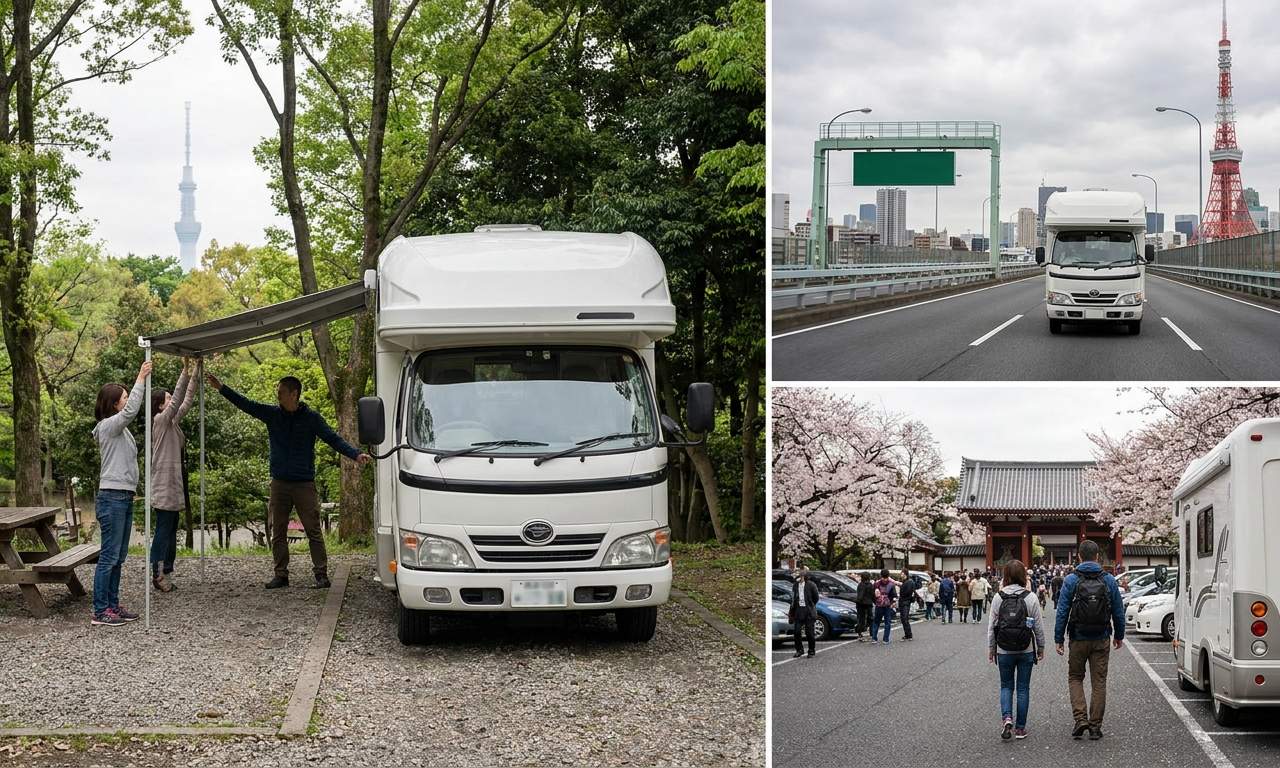
Road Conditions & Terrain in Tokyo
Tokyo and its surrounding regions feature well-maintained roads, making RV travel generally smooth, though winter conditions necessitate preparedness for snow and ice in mountainous areas like Hakone or the roads around Mount Fuji. While urban areas present dense traffic and narrower streets, especially in older districts, main arteries and expressways are wide and of high quality. Beyond the city, terrain can quickly become mountainous towards destinations like Mount Fuji or the Japan Alps, where roads are often winding and steep; winter RVers should anticipate potential snow and ice. For a winter RV rental, be mindful of potential black ice and reduced visibility, and consider routes that are regularly cleared of snow for a safer, more scenic journey. Always drive slowly and carefully, and you can drive almost anywhere without issues. No need to stress - just use common sense and pay attention to local conditions.RV Size Limits, Bridges & Restricted Zones
While most expressways and major roads in and around Tokyo accommodate RVs, drivers must be vigilant for height restrictions in tunnels, underpasses, and multi-story parking garages, typically marked clearly in meters. Japanese roads generally have ample clearance, but some older or narrower routes, particularly in historic districts like Asakusa or rural areas, might have lower overhead structures; always observe local signage. There are no widespread environmental zones that restrict RV access based on emissions in Tokyo, but specific areas might have temporary or local vehicle restrictions. For instance, some smaller temple roads or residential alleys might not be suitable for even a medium-sized campervan, making pre-trip route planning essential.Fuel: Diesel vs. Petrol & Cost per 100 km
Most rental RVs in Japan, including Bandana's Class C Alcove models, typically run on petrol (gasoline), which is widely available at service stations across Tokyo and the wider country. Diesel vehicles are less common for smaller RVs in Japan compared to petrol models, though diesel is also readily available at most stations. While specific fuel consumption for Bandana's Tokyo fleet varies, a typical 5-meter Class C Alcove RV might average around 10-15 liters per 100 km depending on driving conditions, terrain, and whether you're heating the interior. As of 2026, petrol prices in Japan average around ¥170-¥185 per liter, meaning the cost per 100 km could range from approximately ¥1,700 to ¥2,775 (about $11-$18 USD, depending on exchange rates and specific vehicle economy). For detailed budget planning and tracking all trip expenses, including fuel and tolls, remember that RV PLANET routes allow travelers to itemize and track every expense along the way for easy budgeting.Tolls, Vignettes & Border Rules
Japan operates an extensive toll road system, including expressways, some bridges, and tunnels, with fees varying significantly based on distance and vehicle type, making an ETC (Electronic Toll Collection) card highly recommended for convenience and potential discounts when driving your rented RV. There are no vignettes required for driving in Japan, unlike some European countries, as all tolls are collected electronically via ETC or manually at booths. As an island nation, Japan has no land borders, meaning RV travelers do not contend with international border crossing rules; entry is via sea or air, and then a domestic rental RV is used. Our partner suppliers often provide the option to rent an ETC card or pre-purchase toll passes with your RV, which helps streamline travel and avoid potential fines from missed payments on complex toll routes around Tokyo, such as the Shuto Expressway network. If you're comparing options, consider "RV Rental in Tokyo - Prices and Best Deals 2026" for rentals that might offer ETC card inclusions.Driving Tips for winter rv rental Travelers
Prioritize safety by ensuring your rental RV is equipped with proper winter tires (studless tires are common and effective) or snow chains, especially if venturing into snowy regions like the Japan Alps or specific routes around Fuji during your winter rv rental in Tokyo. Always drive cautiously at reduced speeds, particularly on icy or snow-covered roads, and maintain a greater following distance than usual to account for longer braking times. Plan your routes carefully, checking weather forecasts and road conditions daily, as some mountain passes or scenic routes may close or become hazardous during heavy snowfall. Utilize Michi-no-Eki (roadside stations) not only for rest but also for local weather updates, clean restrooms, and hot beverages, ensuring comfort during winter journeys. Winter RV rentals should prioritize proper vehicle heating, water system freeze protection, and ample warm bedding to ensure a comfortable and safe experience in colder temperatures. Remember, travel slowly - max 100-150 km per day on average. Take time to feel the place, connect to the culture, the food, and the scenery.Recommended RV Class for Tokyo Roads
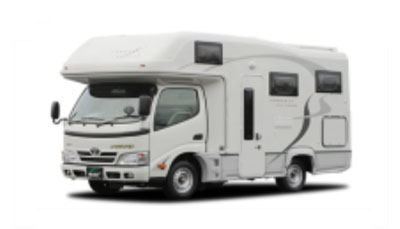
For navigating Tokyo's blend of urban and surrounding scenic routes, a Class C Alcove RV is highly recommended due to its balance of maneuverability and comfortable living space. Bandana's fleet in Tokyo includes Class C Alcove models averaging 5 meters in length, which are compact enough to handle urban streets and standard parking spaces, while providing ample room for up to 6 sleeping places and comfortable seating for 3-4 adults. This size strikes an ideal balance, allowing easy access to many scenic spots around Tokyo, such as Hakone or the Izu Peninsula, without feeling overly cumbersome on Japan's well-maintained but occasionally narrower roads. The Class C Alcove offers sufficient amenities for a comfortable winter trip, including heating, a kitchen, and a bathroom, enhancing the self-contained travel experience. For a wider selection, explore "RV Rental Deals in Tokyo - Latest Offers 2026".Should I Choose a Compact Van Instead of a Large RV in Tokyo?
For most RV travelers in Tokyo, opting for a larger RV over a compact van generally poses no significant driving issues on main roads, and the added comfort and indoor space often outweigh minor maneuverability concerns. While a compact van (like a 'kei camper') offers superior agility for extremely tight historic centers or very narrow mountain passes, modern RVs up to 6 meters, such as Bandana's 5-meter Class C Alcove, are perfectly manageable for most Japanese roads. A larger RV provides crucial benefits for winter travel, including better insulation, more effective heating, dedicated living areas, and often a built-in bathroom, which are significant comforts when outdoor conditions are cold. The trade-off favors a larger RV when prioritizing indoor comfort, space for gear (especially winter clothing and equipment), and a more self-sufficient travel experience, reserving compact vans for those strictly prioritizing maximum urban agility. You'll find a good range of sizes by checking "Cheap RV Rental in Tokyo - Budget Guide 2026".Can I Park Anywhere? Free & Wild Camping Rules in Tokyo
Wild camping in Tokyo and across Japan is generally frowned upon and often illegal, with local authorities preferring visitors to use designated facilities for overnight stays. Michi-no-Eki (roadside stations) are popular for overnight parking, providing safe and convenient stops with amenities such as restrooms, shops, and sometimes restaurants, though they are not officially for 'camping' (setting up chairs, awnings, or long-term stays). Designated campgrounds are the norm for traditional camping in Japan, offering facilities like power hookups, water, and waste disposal, providing a regulated and environmentally friendly option, many of which can be found a short drive from Tokyo. Rules vary by region, so always check local regulations and follow local law before parking overnight, respecting private property and public spaces. For finding campsites and campgrounds during your trip, we recommend using RV PLANET (rvplan.net) - a great resource for locating available spots along your route.Can I Drive an RV Into the City Center? Heights, Tunnels & Local Signage
Yes, you can almost always drive an RV into Tokyo's city center on major roads, as main thoroughfares and expressways like the Shuto Expressway are designed to accommodate large vehicles; however, careful attention to local signage is crucial. Drivers should pay close attention to signs indicating height limits for tunnels, underpasses, and multi-story car parks, especially in areas like Ginza or Shinjuku, as some may be too low for an RV, particularly taller Alcove models. While environmental zones are not common in Tokyo for RVs, some streets might be designated for residents-only or have weight restrictions, so always observe all local traffic signs. Parking in dense urban areas like Tokyo can be challenging; consider utilizing 'park-and-ride' options at the city's edge, such as those near major train stations on the Yamanote line, or designated RV-friendly parking lots, and leverage Japan's efficient public transportation to explore the deepest city centers.How much does it cost to rent an RV in Japan?
The cost to rent an RV in Japan can vary significantly based on the season, RV size, rental duration, and included amenities, typically ranging from ¥15,000 to ¥35,000 (approx. $100-$230 USD) per day. For a winter RV rental in Tokyo, expect prices to potentially be lower during off-peak winter months (excluding holiday periods like New Year's) compared to peak spring/autumn seasons. For instance, a compact campervan might start around ¥15,000/day, while a larger Class C motorhome could be ¥25,000-¥35,000/day. Beyond the daily rental fee, consider additional costs such as comprehensive insurance (highly recommended), an ETC card for tolls, optional bedding/kitchenette packages, and sometimes a security deposit. These ancillary costs beyond the rental fee can be effectively managed by using RV PLANET routes to itemize and track every expense. Check our "RV Rental in Tokyo - Prices and Best Deals 2026" guide for more pricing insights.Can you RV in Japan?
Yes, RVing in Japan is not only possible but is an increasingly popular and highly rewarding way to explore the country, offering flexibility and access to stunning natural landscapes around Tokyo and beyond. Japan's excellent infrastructure, numerous Michi-no-Eki (roadside stations) (with over 1,100 nationwide), and dedicated campgrounds make it well-suited for campervan and motorhome travel. The experience allows travelers to immerse themselves in local culture, visit remote destinations not easily accessible by public transport, and enjoy scenic drives at their own pace. Winter RVing in Japan, particularly around Tokyo, offers unique opportunities to visit snow-capped mountains, hot springs, and enjoy winter sports, provided you prepare for cold weather and potential snow. For a comprehensive overview, see our "RV Rental Japan - Complete Guide 2026".Is Japan good for RVing?
Japan is exceptionally good for RVing due to its immaculate roads, an extensive network of user-friendly Michi-no-Eki, stunning diverse landscapes, and high safety standards. The country offers a unique blend of ancient traditions and modern conveniences, making it an ideal destination for those seeking adventure combined with cultural immersion through a rented RV journey. RV-friendly itineraries around Tokyo and its surrounding regions, such as Mount Fuji, Hakone, or the Izu Peninsula, allow travelers to experience varied activities from hot springs to historical sites. Cultural etiquette, such as proper waste disposal, keeping noise to a minimum, and respectful interactions with locals, is crucial for RVers to ensure a positive experience and maintain Japan's pristine environment. Remember to travel slowly, max 100-150 km per day on average, to truly connect with the culture and scenery.Do you need an international driver's license for an RV in Japan?
Yes, foreign visitors planning to drive an RV in Japan, including winter RV rentals in Tokyo, must possess an International Driving Permit (IDP) issued under the 1949 Geneva Convention, in addition to their valid national driver's license. The IDP acts as an official translation and verification of your driving qualifications and is a legal requirement for all non-Japanese residents operating a vehicle on Japanese roads. For a detailed breakdown of specific license categories, minimum driver age (21 for all Bandana rentals), and foreign-driver rules, please refer to the "Can You Drive an RV in Tokyo? License & Age Rules" section above. Ensure your IDP is acquired in your home country before departure, as they cannot be obtained in Japan.What is a Michi no Eki Japan?
A Michi-no-Eki, or roadside station, is a government-designated rest stop unique to Japan, offering a variety of amenities and serving as essential hubs for RV travelers. These stations provide clean restrooms, local product shops, restaurants, and often 24-hour parking, making them ideal spots for rest, provisioning, and occasionally overnight parking for RVs. Many also feature EV charging stations, local information centers, and even onsen (hot springs), enhancing the travel experience. Etiquette at Michi-no-Eki for RVers includes keeping noise to a minimum, not setting up outdoor camping equipment (tents, tables, awnings), and disposing of waste properly. To find the best Michi-no-Eki, travelers can use dedicated apps or websites which detail their facilities and local specialties, enhancing the RV travel experience around Tokyo. If you're looking to cook meals, consider bringing ingredients from local Michi-no-Eki markets and trying out recipes from our RV-friendly recipes playlist.Can you camp anywhere in Japan?
No, wild camping or free camping is generally not permitted anywhere in Japan, and it is crucial to respect private property laws and local regulations. For authorized overnight stays, RVers should utilize designated campgrounds, which offer proper facilities, or make use of Michi-no-Eki (roadside stations) for overnight parking. Michi-no-Eki are tolerated for overnight stays to rest but are not meant for full 'camping' setups; rules for these facilities typically prohibit extended stays or setting up outdoor furniture. For specific rules regarding free and wild camping in the Tokyo area and nationwide, please refer to the "Can I Park Anywhere? Free & Wild Camping Rules in Tokyo" section earlier in this guide. While spontaneous travelers exist, many national and state parks reserve only 25-30% of spots; the rest are available first-come-first-serve. You'll find a spot. If not at the first campground, then the next one. Call ahead before driving.How much does it cost to travel Japan by RV?
Traveling Japan by RV involves a comprehensive cost breakdown including rental fees, fuel, tolls, campsites, food, and insurance, which can range widely based on travel style and duration. Beyond rental fees (typically ¥15,000-¥35,000/day or $100-$230 USD), factor in fuel costs (approx. ¥1,700-¥2,775 per 100km for a Class C Alcove), and significant toll fees on expressways (an ETC card is essential for efficiency and potential discounts on routes like the Tomei Expressway from Tokyo). Campsite fees typically range from ¥2,000 to ¥6,000 (about $13-$40 USD) per night for a powered site, while food and provisioning strategies can include cooking in your RV from groceries purchased at supermarkets or local markets to save money. Allocate budget for travel insurance, an ETC card (often available through Bandana partner suppliers), and miscellaneous expenses like sightseeing fees or parking in urban areas, which can add up to ¥8,000-¥15,000 (about $50-$100 USD) per day in operational costs. For precise budgeting, remember that RV PLANET routes allow detailed expense tracking. Explore "One-Way RV Rental in Tokyo - Price Guide 2026" for different cost scenarios.How long does it take to drive around Japan?
Driving around the entirety of Japan (Honshu, Shikoku, Kyushu) would take several weeks to months to truly experience, but focused RV trips around Tokyo and its environs can range from a few days to two weeks. A compact itinerary focusing on regions like Mount Fuji, Hakone, and the Izu Peninsula from Tokyo could be comfortably done in 5-7 days, allowing for scenic drives and various activities. Specific RV-friendly itineraries often suggest a pace of 100-200 km per day to allow ample time for sightseeing, enjoying local attractions, and navigating at a relaxed pace. Consider seasonal factors for winter RV rental; while main roads are accessible, snowy conditions might require slower travel or re-routing, potentially extending trip duration for specific destinations. Our "RV Travel Guide to Tokyo - Tips and Top Spots 2026" offers itinerary ideas.Can I take my RV to Japan?
While technically possible, bringing your own RV to Japan is an exceedingly complex and expensive endeavor due to strict import regulations, customs duties, vehicle modification requirements, and shipping costs. The vast majority of travelers opt to rent an RV locally in Japan, which is a far more practical and economical solution, especially for week-long trips or longer. Renting ensures you have a vehicle already compliant with Japanese road laws and equipped for local conditions, eliminating the bureaucratic hurdles of importing. Bandana provides rental options for various RV classes, including the popular Class C Alcove, which are perfectly suited for exploring Tokyo and its surrounding regions. For a premium experience, consider a "Luxury RV Rental in Tokyo - Premium Prices 2026".What size RV can you drive with a normal license in Japan?
In Japan, a standard 'Futsu Menkyo' (ordinary driver's license) or its equivalent International Driving Permit (IDP) allows you to drive RVs with a gross vehicle weight (GVW) of up to 3.5 tons and seating for up to 10 passengers. This category covers most commonly rented RVs, including compact campervans and mid-sized Class C Alcove models, such as Bandana's vehicles averaging 5-6 meters in length. You typically do not need a special heavy vehicle license or CDL for these common rental RV sizes, making them accessible to a wide range of international drivers. For a full explanation of license requirements and the specific weight threshold, please refer back to the "Can You Drive an RV in Tokyo? License & Age Rules" section at the beginning of this article.What You Shouldn't Miss
- Mount Fuji and Hakone Loop: Drive your rented campervan to the iconic Mount Fuji for breathtaking winter views, then explore the hot springs and natural beauty of Hakone, including a cruise on Lake Ashi.
- Historic Asakusa Exploration: Park your motorhome on the outskirts of Asakusa and use public transport to visit Senso-ji Temple and Nakamise-dori market, experiencing traditional Tokyo.
- Izu Peninsula Coastal Drive: Take your RV south to the scenic Izu Peninsula, enjoying coastal roads, fresh seafood, and charming hot spring towns like Atami, perfect for a relaxing winter getaway.
- Ski Resorts near Tokyo: Head to accessible ski resorts like Gala Yuzawa or Fujiten Snow Resort for a day on the slopes, easily reached by your heated mobile home.
- Shinjuku Gyoen National Garden: Visit this tranquil oasis in the heart of Tokyo; even in winter, its serene landscapes offer a peaceful escape from the bustling city.
Final Thoughts
Embarking on a winter RV adventure in Tokyo is an incredible way to experience Japan's unique blend of bustling city life and serene natural beauty. By understanding the local driving rules, planning your routes carefully, and embracing the journey, you'll create unforgettable memories. From the snowy peaks of Mount Fuji to the relaxing onsen towns, a rented motorhome offers unparalleled flexibility and comfort. Remember, our goal at Bandana Caravan is to make your planning as smooth as your drive. With full transparency and expert support, we're here to assist you before, during, and after your booking, taking care of the small details that make a big difference. Embrace the spirit of slow travel, allowing yourself to truly connect with the culture and landscapes of Japan this winter. Find Motorhome Rentals in TokyoOn the routes offered through RV PLANET routes, you can itemize and track every expense along the way for easy budgeting.