For live availability and current prices, start with our RV Rental Stavanger - Complete Guide 2026 guide.
In This Guide
- Can You Drive an RV in Stavanger? License & Age Rules
- Road Conditions & Terrain in Stavanger
- RV Size Limits, Bridges & Restricted Zones
- Fuel: Diesel vs. Petrol & Cost per 100 km
- Tolls, Vignettes & Border Rules
- Driving Tips for winter rv rental Travelers
- Recommended RV Class for Stavanger Roads
- Should I Choose a Compact Van Instead of a Large RV in Stavanger?
- Can I Park Anywhere? Free & Wild Camping Rules in Stavanger
- Can I Drive an RV Into the City Center? Heights, Tunnels & Local Signage
- How to drive in Norway in winter?
- Can you drive an RV in the winter?
- Is Norway RV friendly?
- Is it safe to drive in Norway during winter?
- Is it mandatory to have winter tires in Norway?
- What to do in Stavanger in winter?
- Can you park an RV anywhere in Norway?
- Can you boondock in Norway?
- Can I drive in Norway with a US license?
- How much does RV insurance cost a year?
Can You Drive an RV in Stavanger? License & Age Rules
A Category B driver's license is typically sufficient for RVs up to 3,500 kg, which covers most rental camper vans and semi-integrated models, making RV driving in Stavanger accessible for many.
However, RVs exceeding 3,500 kg will generally require a Category C1 or C license. The minimum driver age for most RV rentals in Norway is usually between 21 and 25, with specific age requirements varying by rental company and vehicle class. Foreign drivers, including those from the US, should carry an International Driving Permit (IDP) alongside their national license to ensure smooth verification.
Road Conditions & Terrain in Stavanger
Stavanger's urban roads are generally well-maintained and relatively flat, offering a manageable driving experience for RVs. However, venturing outside the main routes quickly leads to the dramatic fjords and mountainous terrain characteristic of Norway.
Drivers can expect winding roads, some of which can be narrow, especially away from primary routes. During winter, these conditions are compounded by snow, ice, and slush, requiring a significant reduction in speed. We always encourage slow, scenic driving to appreciate the natural beauty and adapt to the variable conditions. For real-time updates on road conditions, utilize resources like Statens vegvesen (the Norwegian Public Roads Administration) for accurate information.
RV Size Limits, Bridges & Restricted Zones
Norway generally accommodates RVs well, but drivers must remain aware of potential height and weight restrictions, particularly on older bridges and within tunnels. These are always clearly signposted, so pay close attention to road signage.
Ferry crossings are a common and scenic way to navigate the intricate network of fjords and islands, and most ferries readily accommodate RVs, though costs typically vary by vehicle length. While not as prevalent as in some other parts of Europe, it's always wise to check for any local environmental zones or specific city center restrictions that might apply to RV access.
Fuel: Diesel vs. Petrol & Cost per 100 km
The majority of rental RVs in Norway are diesel-powered, and diesel fuel is widely available throughout the country. For context, a Class B Camper Van typically consumes around 8 Liters/100 km.
Larger RVs, such as Class SI, Class C, and Class A motorhomes, generally consume between 10-12 Liters/100 km. Be prepared for fuel prices in Norway; they are on the higher side. Budget approximately 160-300 NOK per 100 km for fuel costs. Some rental companies may offer fuel discount cards, which can help manage these expenses during your trip. On the routes offered through RV PLANET routes, you can itemize and track every expense along the way for easy budgeting.
Tolls, Vignettes & Border Rules
Norway operates an efficient, automated electronic toll system known as AutoPASS. Vehicles are registered, and drivers are billed post-trip, eliminating the need for physical vignettes or frequent stops at toll booths.
Most rental RVs are equipped with an AutoPASS tag for seamless passage through toll zones. Drivers are typically billed for these tolls via their rental company. Pre-purchasing toll passes or understanding the billing process through your rental provider can streamline your journey and help avoid potential fines. Border crossings from neighboring countries like Sweden are generally straightforward under EU/Schengen rules, but it's always advisable to check for specific winter travel advisories.
Driving Tips for winter rv rental Travelers
When driving an RV in winter conditions, especially around Stavanger, always prioritize slow and deliberate driving on snow and ice, significantly reducing speed below posted limits. Maintaining ample braking distance is crucial and becomes even more important on slippery winter roads.
Familiarize yourself with your RV's handling characteristics in winter weather. Regularly check essential fluid levels, tire pressure, and battery health. Carry an essential winter kit including reflective vests, a warning triangle, first-aid supplies, extra warm clothing, a shovel, sand or grit for traction, and a fully charged phone. Pay close attention to unique Norwegian road signs, which may warn of elk crossings, steep grades, or upcoming ferry points. It’s also wise to check ferry schedules in advance, particularly in winter when services can be less frequent or subject to weather delays. Staying informed about real-time road conditions using official apps or websites like Statens vegvesen and local radio broadcasts is highly recommended for a safe journey.
Recommended RV Class for Stavanger Roads
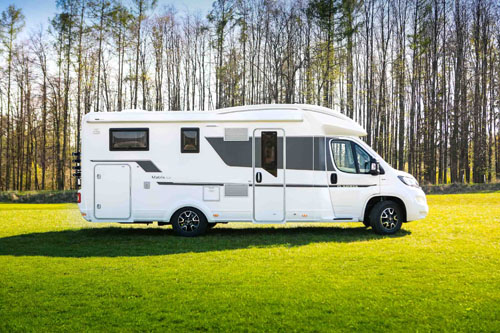
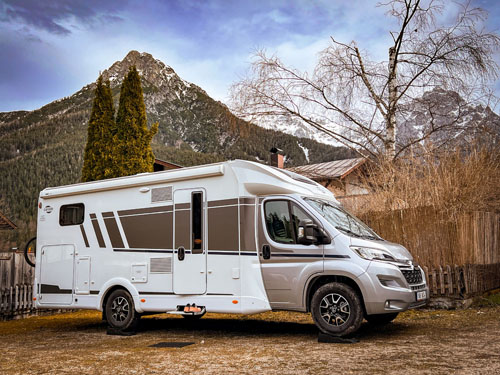
For a good balance of comfort and maneuverability on Stavanger's varied winter roads, a Class SI (Semi-integrated) RV is often recommended. These typically average around 6.8 meters in length and offer comfortable sleeping for 3-4 people.
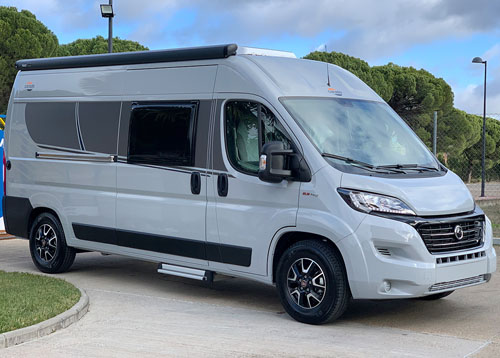
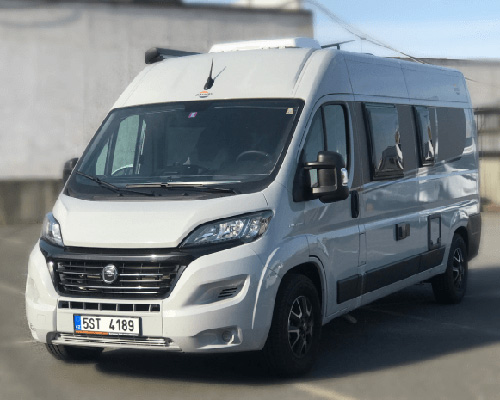
Alternatively, a Class B (Camper Van), averaging 5.9 meters in length, offers maximum agility for navigating narrower roads and easier parking, though with less interior space, typically sleeping 2. Both classes generally offer good winter insulation and heating systems, which are crucial for comfort in cold weather. While larger Class C (Alcove, averaging 7.4m) and Class A (Integrated, averaging 6.8m) RVs are available, they may require extra caution on very winding or narrow winter routes.
Should I Choose a Compact Van Instead of a Large RV in Stavanger?
Larger RVs are generally manageable on most major roads and popular tourist routes around Stavanger. They provide superior comfort and interior space, which are invaluable during the winter months when spending more time indoors is common.
However, a compact camper van (Class B, averaging 5.9m) truly excels in tight city centers, on very narrow mountain passes, or when parking options are extremely limited. The primary trade-off is between the driving ease of a compact van in specific challenging spots versus the enhanced living space, kitchen facilities, and superior insulation/heating of a larger RV for overall winter comfort. For extended stays or in colder conditions, the amenities of a larger RV often outweigh the minor maneuverability benefits of a compact van. For ideas you can prep on the road, watch our RV-friendly recipes playlist on YouTube.
Can I Park Anywhere? Free & Wild Camping Rules in Stavanger
While Norway's 'Right to Roam' (allemannsretten) allows access to undeveloped land for tents, specific restrictions apply to RVs, particularly concerning private property and designated parking areas. Wild camping for RVs is generally restricted; you cannot simply park an RV anywhere overnight.
Always seek permission from landowners if considering parking on private property. Short overnight stays in public roadside rest stops are generally permitted if not explicitly forbidden and not causing obstruction, but prolonged stays are not allowed. In winter, it is highly recommended to utilize official campsites or designated RV parking areas, as they often provide crucial facilities like electricity and waste disposal. Improper disposal of greywater and blackwater is illegal; always use designated waste stations. Rules can vary by region, so always check local regulations and follow local law before parking overnight, especially around Stavanger, as winter conditions may affect available facilities.
Can I Drive an RV Into the City Center? Heights, Tunnels & Local Signage
Yes, you can typically drive an RV into Stavanger's city center, but careful attention to local signage regarding height, weight, and environmental restrictions is crucial for a smooth experience.
Stavanger, like many older European cities, may have narrower streets and pedestrianized zones. Always observe height limits for car parks, tunnels, and underpasses, as well as weight limits on certain bridges. Look out for 'residents-only' parking or potential environmental zone signs that may restrict RV access or require permits. Often, it's easier to park on the outskirts or in designated RV parking areas and then explore the heart of the city using public transport or on foot.
How to drive in Norway in winter?
Driving in Norway during winter demands vigilance, appropriate vehicle preparation, and adaptation to frequently changing road conditions such as snow, ice, and reduced visibility.
Always drive significantly below the speed limit in adverse conditions and maintain ample following distance. Ensure headlights, taillights, and windows are consistently clear of snow and ice for optimal visibility. Be prepared for potential road closures, especially on mountain passes; check Statens vegvesen for real-time updates and have alternative routes or an overnight stay plan in mind. Carrying an emergency kit with warm clothes, food, water, a shovel, sand/grit, and a fully charged phone is essential. If you encounter a road closure or get stuck in a remote area, it’s best to stay with your vehicle and call for assistance using Norway's emergency numbers: 112 for general emergencies, 110 for fire, 113 for ambulance, and 02000 for roadside assistance.
Can you drive an RV in the winter?
Yes, driving an RV in Norway during winter is entirely feasible, provided the vehicle is properly winterized and equipped for cold temperatures and snowy conditions.
Rental RVs designed for winter travel will typically have insulated pipes and heated tanks to prevent plumbing from freezing. Ensure the RV's heating system, often diesel or gas-powered, is fully functional and that you have sufficient fuel or gas, as consumption naturally increases in cold weather. Modern RVs offer good insulation, but supplementing with thermal window covers and dressing in layers will significantly enhance your comfort. Be mindful that cold weather drains batteries faster; ensure leisure batteries are fully charged and consider external charging options. Confirm the RV is fitted with appropriate winter tires and consider carrying snow chains for extreme conditions.
Is Norway RV friendly?
Norway is generally very RV friendly, offering stunning scenic routes and a robust infrastructure of campsites, although winter travel requires specific planning and preparation.
When visiting Stavanger in winter, you can explore attractions like the charming Gamle Stavanger (Old Stavanger) with its historic wooden houses, or visit museums such as the Norwegian Petroleum Museum or the Stavanger Art Museum. Taking a winter fjord cruise on the Lysefjord is highly recommended for breathtaking views of Pulpit Rock (Preikestolen) and Kjerag, often with fewer crowds than in summer. Research specific campsites near Stavanger that are open and suitable for RVs in winter, checking amenities, booking procedures, and costs in advance. Be aware that the availability of RV services, repair shops, and propane/fuel stations may be more limited in remote areas during winter, necessitating careful route planning.
Is it safe to drive in Norway during winter?
Driving in Norway during winter is generally safe if appropriate precautions are taken, including using suitable tires, consistently monitoring road conditions, and adjusting driving habits to the conditions.
Norwegian road authorities diligently maintain roads, but conditions can change rapidly. Always check current road conditions via official apps or websites before and during your journey to be aware of potential hazards like black ice, heavy snowfall, or whiteout conditions. Keep Norwegian emergency numbers readily available: 112 for general emergencies, 110 for fire, 113 for ambulance, and 02000 for roadside assistance. Ensure your rental RV is thoroughly prepared for winter with winter tires, adequate anti-freeze, a healthy battery, and a comprehensive emergency kit. Avoid driver fatigue and overconfidence by taking regular breaks and considering sharing driving responsibilities.
Is it mandatory to have winter tires in Norway?
Yes, it is mandatory for all vehicles, including RVs, to be equipped with winter tires (either studded or non-studded) in Norway during specific periods and whenever conditions necessitate them, regardless of the calendar date.
In southern Norway, including the Stavanger region, the mandatory period for winter tires is typically from November 1 to April 15. Outside these fixed dates, winter tires are still mandatory if weather and road conditions (e.g., ice or snow) necessitate their use. The minimum legal tread depth for winter tires is 3 mm, increasing to 6 mm for vehicles over 3,500 kg. Both studded and non-studded tires are permitted; studded tires offer superior grip on ice, but some cities may levy a fee for their use, so it's worth checking local regulations for Stavanger. Carrying snow chains is highly recommended, especially for mountainous regions, and they may be mandatory on specific routes during extreme conditions.
What to do in Stavanger in winter?
Stavanger offers a unique blend of urban culture and accessible outdoor activities in winter, from exploring historical sites to enjoying dramatic fjord landscapes.
Explore Gamle Stavanger (Old Stavanger) with its charming white wooden houses and visit museums like the Norwegian Petroleum Museum or the Stavanger Art Museum. Taking a winter fjord cruise on the Lysefjord to witness the stunning views of Pulpit Rock (Preikestolen) and Kjerag is a memorable experience, often with fewer crowds than in summer. You can also drive along the Jæren coastline, known for its long sandy beaches and rugged beauty, perfect for crisp winter walks. While Stavanger itself isn't a major ski destination, it serves as a gateway to nearby ski resorts like Sirdal (approximately a 2-hour drive) for downhill and cross-country skiing. Don't forget to indulge in local seafood and traditional Norwegian cuisine at Stavanger's cozy cafes and restaurants.
Can you park an RV anywhere in Norway?
No, you cannot simply park an RV anywhere in Norway, especially for overnight stays, as specific regulations apply to private land, public roads, and designated camping areas.
While Norway's 'Right to Roam' (allemannsretten) broadly supports outdoor access, its interpretation for RVs is narrower; you cannot just pull off a main road and camp anywhere. RVs are generally restricted to designated parking, roadside rest stops (for short overnight breaks), or official campsites. Always be respectful of private property; parking an RV on private land without permission is prohibited. For detailed information on regulations and responsible parking practices, refer to the section 'Can I Park Anywhere? Free & Wild Camping Rules in Stavanger'.
Can you boondock in Norway?
Boondocking, or wild camping, for RVs in Norway is generally limited and more restricted compared to tent camping, primarily due to the potential impact of motorized vehicles and waste disposal concerns.
While the 'Right to Roam' (allemannsretten) broadly supports outdoor access, its interpretation for RVs is narrower; you cannot simply pull off a main road and camp anywhere. Boondocking may be possible on some public land where it is not explicitly forbidden and for short durations, provided you leave no trace and are a reasonable distance from private dwellings. It is not as freely available for RVs as it is for tents. For a more detailed understanding of the rules and responsible practices regarding wild camping with an RV, please refer to the section 'Can I Park Anywhere? Free & Wild Camping Rules in Stavanger'.
Can I drive in Norway with a US license?
Yes, US citizens can drive in Norway with a valid US driver's license for up to three months, but carrying an International Driving Permit (IDP) is strongly recommended and often required by rental companies.
An IDP translates your US license into multiple languages and officially validates your driving privileges abroad, acting as a supplemental document, not a replacement. You must carry both your valid US driver's license and your IDP at all times while driving in Norway. Ensure your US license is valid for the specific weight class of the RV you intend to rent. For stays exceeding three months, obtaining a Norwegian driver's license is generally required.
How much does RV insurance cost a year?
For rental RVs in Norway, the cost of annual insurance is typically factored into the rental price, often with options available to reduce your deductible (excess liability).
Basic third-party liability insurance is usually included in the rental cost, covering damage to other vehicles or property. Collision Damage Waiver (CDW) or similar coverage for damage to the rental RV itself is also typically included but comes with a high deductible, which is the amount you are liable for in case of damage. It is highly recommended to purchase additional insurance from the rental company or a third-party provider to reduce this deductible, especially given the potential challenges of winter driving. The actual annual cost of owning RV insurance varies widely based on RV type, driver history, coverage limits, and deductible, and is separate from rental insurance costs.
What You Shouldn't Miss
- Explore Gamle Stavanger: Wander through the charming, preserved wooden houses of the old town, offering a picturesque glimpse into the city's past.
- Winter Lysefjord Cruise: Experience the dramatic beauty of the Lysefjord, including iconic landmarks like Preikestolen (Pulpit Rock), from the unique perspective of a winter boat tour.
- Drive the Jæren Coastline: Enjoy a scenic RV journey along the rugged Jæren coast, renowned for its wild beauty and long, windswept beaches, perfect for bracing winter walks.
- Norwegian Petroleum Museum: Gain insight into Norway's vital oil and gas industry at this engaging museum located in Stavanger's harbor.
- Stavanger Art Museum: Discover local and national art collections, offering a cultural respite and a chance to warm up indoors.
- Day trip to Sirdal Ski Resort: If conditions permit and you're seeking winter sports, consider a drive to Sirdal for skiing and other snow activities.
Final Thoughts
Renting an RV for a winter adventure in Stavanger offers a unique perspective on Norway's stunning winter landscapes. By understanding the driving conditions, adhering to regulations, and preparing your vehicle, you can ensure a safe and memorable journey.
Embrace the slower pace of winter travel, allowing yourself time to truly connect with the scenery and local culture. With Bandana Caravan, you can compare vehicles and book with confidence, knowing you're getting the best value with full transparency.
Find Motorhome Rentals in Stavanger