For live availability and current prices, start with our RV Rental South America - Complete Guide 2026 guide.
In This Guide
- Can You Drive an RV in South America? License & Age Rules
- Road Conditions & Terrain in South America
- RV Size Limits, Bridges & Restricted Zones
- Fuel: Diesel vs. Petrol & Cost per 100 km
- Tolls, Vignettes & Border Rules
- Driving Tips for winter rv rental Travelers
- Recommended RV Class for South America Roads
- Should I Choose a Compact Van Instead of a Large RV in South America?
- Can I Park Anywhere? Free & Wild Camping Rules in South America
- Can I Drive an RV Into the City Center? Heights, Tunnels & Local Signage
- Can you technically drive from North America to South America?
- What is the safest South American country to go to?
Can You Drive an RV in South America? License & Age Rules
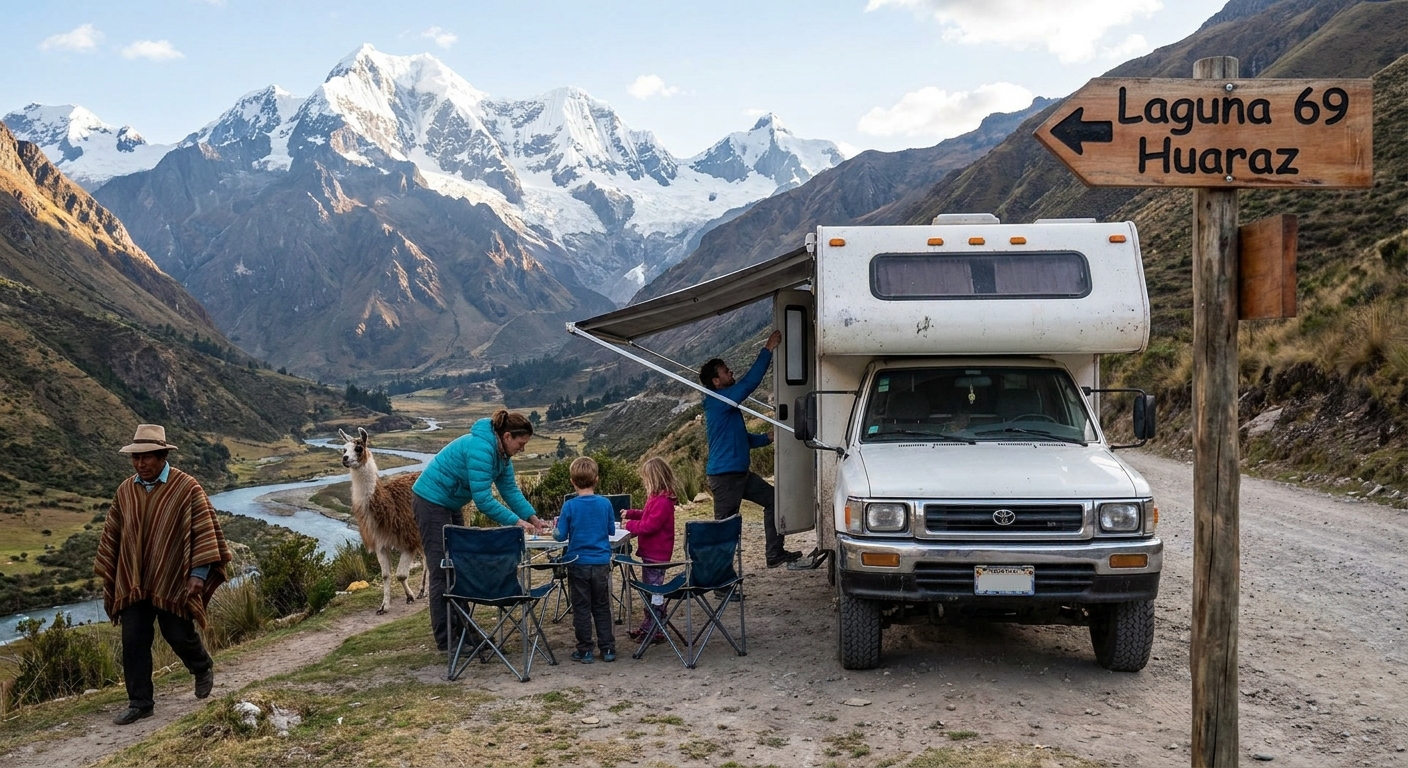
Yes, driving an RV in South America is possible and a fantastic way to explore. You'll need a valid national driver's license along with an International Driving Permit (IDP). Most rental companies stipulate a minimum driver age, typically between 21 and 25 years old, depending on the specific provider and vehicle class. While most standard RV rentals are manageable with a regular car license (equivalent to a Class B), larger or specialized vehicles might require a different license category, though this is less common for typical rentals. It's crucial that your IDP is always presented with your national license. Be aware that some rental companies may impose age surcharges for drivers under 25 or for specific, larger vehicle classes.
Road Conditions & Terrain in South America
South America offers a kaleidoscope of road conditions, from smooth, modern highways connecting major cities to remote, unpaved tracks that test even experienced drivers. For your winter RV rental journey, be prepared for diverse terrains including rugged mountain passes, scenic coastal routes, and bustling urban centers. Major inter-city routes are generally paved, but venturing into areas like Patagonia or the Andes frequently means encountering gravel, dirt, or corrugated roads. Mountain passes can be steep, narrow, and sometimes unpaved, requiring heightened caution, especially at higher elevations during the winter months (which is summer in the Southern Hemisphere). Urban driving presents its own challenges with dense traffic, differing traffic laws, and the potential for unexpected hazards like potholes or unmarked obstacles. Embrace a slower, more scenic driving pace to better manage varied road quality and fully appreciate the breathtaking landscapes.
RV Size Limits, Bridges & Restricted Zones
While explicit RV size restrictions are not as pervasive in South America as in some other continents, drivers must remain vigilant. It's essential to be aware of height restrictions for tunnels and underpasses, especially in older urban areas, and weight limits on less maintained or older bridges, particularly in rural regions. Most rental RVs, including Bandana's comfortable Class C Alcoves which average around 7.5 meters, are generally manageable on the continent's primary routes. Always check for height clearances, as signage can sometimes be inconsistent or purely pictorial. Be mindful of weight limits on smaller, older bridges that might not comfortably support heavier RVs. Additionally, some city centers or historic districts may impose restricted access for larger vehicles or require specific permits; researching these local regulations in advance is always a wise decision for a smooth journey.
Fuel: Diesel vs. Petrol & Cost per 100 km
The majority of RV rentals in South America, including Bandana's fleet, run on diesel. Diesel fuel is widely available across the continent, though it's worth noting that fuel quality can vary, which can impact vehicle performance. Bandana's Class SI Semi-integrated RVs typically consume around 10-11 Liters per 100 km, while Class C Alcoves might use 10-12 Liters per 100 km. Smaller camper vans (Class B) generally offer better fuel efficiency, consuming 8-10 Liters per 100 km, whereas larger Class A integrated models or Truck Campers might range from 8-12 Liters/100 km and 12-17 Liters/100 km respectively. You can calculate your estimated fuel cost per 100 km by multiplying your RV's consumption rate by the local fuel price. To mitigate issues from variable fuel quality, it's advisable to use reputable, well-known fuel stations. On the routes offered through RV PLANET routes, you can itemize and track every expense along the way for easy budgeting.
Tolls, Vignettes & Border Rules
Embarking on an RV adventure in South America means navigating a diverse system of tolls and border crossings. Many countries utilize point-to-point toll roads, often referred to as 'peajes', where payment can be made in cash, by card, or through electronic transponders. It's crucial to research the specific payment methods accepted in each country you plan to visit. Vignettes, or pre-paid road passes, are less common than direct toll payments. International border crossings demand proper documentation, including your passport, national driver's license, IDP, RV registration, and a temporary import permit for the vehicle. Be prepared for thorough customs checks and consider inquiring with your rental provider about any pre-purchased toll passes or transponders they might offer to streamline your travel and avoid potential fines.
Driving Tips for winter rv rental Travelers
For those embarking on a winter RV rental adventure in South America, prioritizing safety, meticulous planning, and adaptability is key. Always seek out secure, well-lit parking areas, such as official campsites or guarded lots, especially when overnighting in urban or unfamiliar territories to deter petty theft. Drive defensively and be prepared to adapt to South American driving styles, which can sometimes be more assertive than what you might be accustomed to elsewhere. In remote areas where cell service is unreliable, carrying emergency communication devices like a satellite phone or robust offline maps is highly recommended. Ensure your rented RV is well-maintained for the journey, carrying spare tires, essential tools, and a comprehensive first-aid kit. Patience and politeness are invaluable when interacting with police or border officials, so have all your vehicle and personal documents readily accessible.
Recommended RV Class for South America Roads
For navigating the diverse roads of South America, a Class SI - Semi-integrated or a Class C - Alcove RV is generally recommended. These classes strike an excellent balance between providing essential comforts and amenities and being manageable across varied road conditions. Bandana's Class SI Semi-integrated RVs, typically around 6.9 meters in length and accommodating 3-4 people, offer good maneuverability while ensuring you have the necessary comforts, usually consuming 10-11 Liters per 100 km. For those needing more living space, perhaps for families or extended trips, Class C Alcove RVs, averaging 7.5 meters and sleeping 4-6 people, are a great choice, with common fuel consumption of 10-12 Liters per 100 km. These classes generally provide adequate ground clearance for most well-traveled routes, making them well-suited for the varied terrain you'll encounter across the continent.
Should I Choose a Compact Van Instead of a Large RV in South America?
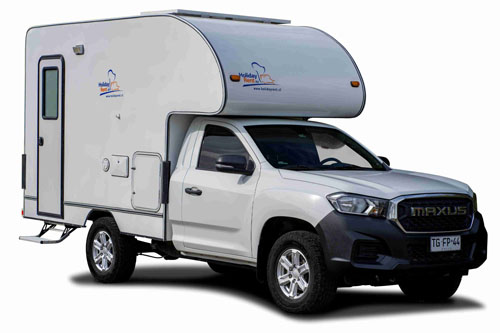
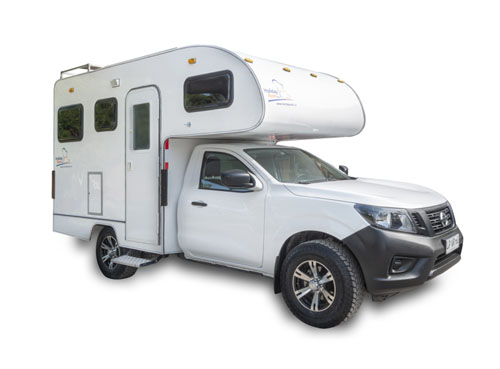
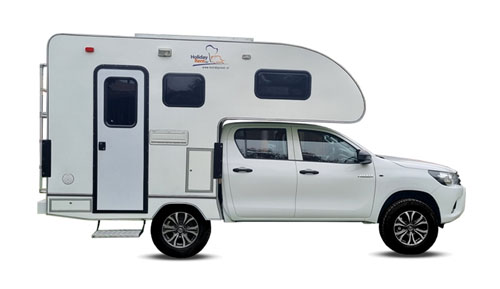
While compact vans, like Bandana's Class B options (averaging 5.8m), offer superior maneuverability, especially in very tight urban streets or challenging mountain passes, larger RVs often provide greater overall comfort and more robust amenities. For a South American RV journey, the enhanced living space and facilities of a Class SI (average 6.9m) or Class C (average 7.5m) RV frequently outweigh the marginal benefits of a smaller vehicle, particularly considering that most main roads and popular destinations are accessible to larger RVs without significant difficulty. These larger options typically feature better kitchen facilities and more effective heating systems, which are significant advantages for winter travel or longer expeditions. For ideas you can prep on the road, watch our RV-friendly recipes playlist on YouTube.
Can I Park Anywhere? Free & Wild Camping Rules in South America
Free or wild camping is a practice that can be encountered in many remote and rural areas of South America, often tolerated, but it's not universally legal and requires a high degree of respect for private property and local regulations. It's crucial to understand that wild camping is generally prohibited or heavily restricted in national parks, protected areas, and designated tourist zones. In such locations, prioritizing official campgrounds is always the best and safest option. For your personal safety, particularly when traveling through less secure regions, designated campsites or guarded parking lots are consistently the safer choice for overnighting. Regardless of where you choose to park, always practice rigorous 'Leave No Trace' principles, packing out all waste and respecting the natural environment and local communities. Remember that rules can vary significantly by region, so always check local regulations before settling down for the night.
Can I Drive an RV Into the City Center? Heights, Tunnels & Local Signage
Yes, you can almost always drive an RV into South American city centers, allowing for convenient exploration and access to urban amenities. However, it demands meticulous attention to local signage indicating height limits, tunnel restrictions, low bridges, and potential access limitations for certain zones. You'll need to diligently watch for signs indicating height restrictions, which are often marked in meters or pictorially, as well as weight limits and specific turning prohibitions for larger vehicles. Be aware of lower clearances in older tunnels or underpasses, and the potential narrowness of some historic city bridges. Some larger cities might also enforce environmental zones or traffic restrictions based on vehicle emissions or license plate numbers, so researching specific city rules beforehand is advised. Finding suitable and secure parking for an RV in a dense city center can be challenging; consider parking on the outskirts and utilizing public transport for in-city navigation.
Can you technically drive from North America to South America?
Technically, a continuous drive from North America to South America is impossible due to the Darien Gap. This significant break in the Pan-American Highway is an impassable stretch of dense jungle and wetlands situated between Panama and Colombia, completely lacking any roads for vehicles. The Darien Gap, approximately 100 km wide, is a designated national park and presents such formidable terrain that vehicular passage is unfeasible and highly dangerous. To bridge this gap with your RV, you must arrange for it to be shipped via cargo container or a Roll-on/Roll-off (RoRo) ferry service that operates between ports in Panama and Colombia or Ecuador. This shipping process requires extensive logistical planning, involves customs documentation for both departure and arrival, and can incur substantial costs, potentially several thousand dollars. Additionally, anticipate that vehicle shipping can take anywhere from days to weeks, depending on the chosen method, route availability, and customs clearance procedures.
What is the safest South American country to go to?
When considering safety for your RV adventure in South America, Uruguay, Chile, and Argentina are frequently cited as among the safest. These countries generally boast lower crime rates and well-developed tourist infrastructures, making them more welcoming for travelers. Uruguay, in particular, is often regarded as very safe, offering a relaxed atmosphere and good amenities for RV travel. Chile and Argentina, especially their stunning Patagonian regions, are highly popular RV destinations known for their breathtaking natural beauty and generally secure conditions, particularly when sticking to established routes and avoiding prolonged stays in isolated areas without proper precautions. Regardless of the country, always adhere to general safety precautions: avoid overt displays of wealth, ensure your RV is securely parked, research areas before visiting, and remain aware of your surroundings, especially in cities. Vigilance against petty crime like pickpocketing or bag snatching in crowded tourist spots is always advised, and having local emergency contact information readily available is a good practice.
What You Shouldn't Miss
- Experience the vastness and unique beauty of the Salar de Uyuni in Bolivia, the world's largest salt flat, by driving a specially equipped 4x4 rig.
- Trace the legendary Carretera Austral in Chile, a largely unpaved route through pristine fjords, glaciers, and rainforests, offering incredible wild camping.
- Drive your RV to Ushuaia, Argentina, the "southernmost city," and explore Tierra del Fuego National Park, where the Andes meet the Beagle Channel.
- Camp at high altitudes in the Andes, perhaps near Lake Titicaca, experiencing unique cultural landscapes and breathtaking views from over 12,000 feet.
- Explore the dramatic landscapes of Patagonia, a quintessential RV destination in Argentina and Chile, known for its glaciers, mountains, and vast open spaces.
- Traverse the Lake District of Argentina and Chile, a region of stunning lakes, volcanoes, and charming towns, perfect for scenic RV driving.
Final Thoughts
Embarking on an RV adventure through South America, even during winter, promises an unparalleled experience of discovery and freedom. By preparing adequately for the diverse conditions and embracing the spirit of exploration, you're set for an unforgettable journey. Remember to travel slowly, soaking in the culture, cuisine, and breathtaking scenery at your own pace.
We're here to help you plan every step of the way. From choosing the right RV to understanding the nuances of South American roads, our goal is to make your rental experience as smooth and enjoyable as possible. Get inspired for your next trip and start planning your South American adventure with Bandana Caravan today!
Ready to start planning? Compare RV rental prices for South America and discover routes tailored for an incredible journey.
Compare RV Rental Prices for South America