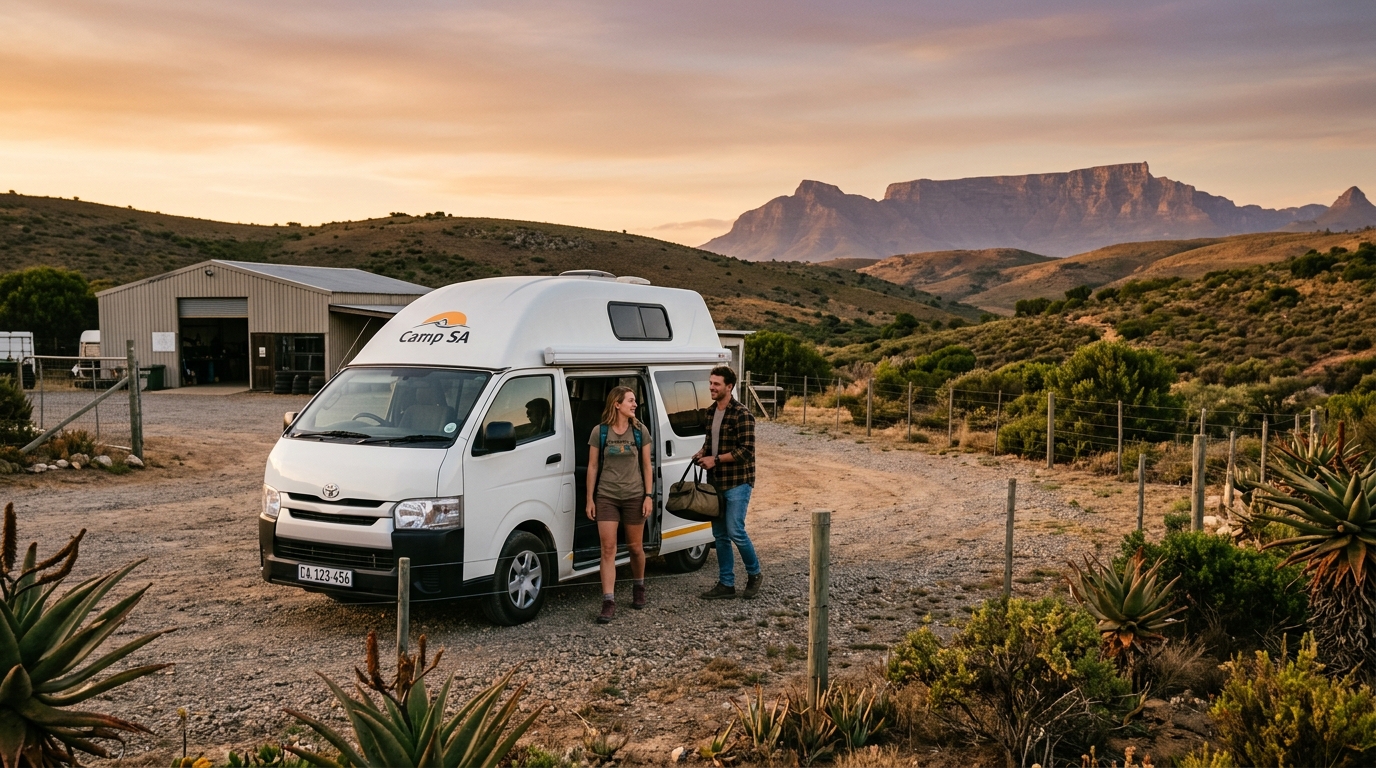
In This Guide
- Can You Drive an RV in South Africa? License & Age Rules
- Road Conditions & Terrain in South Africa
- RV Size Limits, Bridges & Restricted Zones in South Africa
- Fuel: Diesel vs. Petrol & Cost per 100 km in South Africa
- Tolls, Vignettes & Border Rules in South Africa
- Driving Tips for Winter RV Rental Travelers in South Africa
- Recommended RV Class for South Africa Roads
- Should I Choose a Compact Van Instead of a Large RV in South Africa?
- Can I Park Anywhere? Free & Wild Camping Rules in South Africa
- Can I Drive an RV Into the City Center in South Africa? Heights, Tunnels & Local Signage
- What are the Essential Safety Tips for RV Rental in South Africa during Winter?
- What are the Best RV Models for South African Terrain?
- How Can I Stay Connected While RVing in Remote South Africa?
- What are Key Cultural Etiquette Tips for RV Travelers in South Africa?
- What are Some Lesser-Known RV Destinations for Winter in South Africa?
- How Can I Practice Sustainable and Responsible RV Travel in South Africa?
- What Specific Gear and Packing Should I Bring for a Winter RV Trip in South Africa?
Can You Drive an RV in South Africa? License & Age Rules
Most motorhomes under 3,500 kg Gross Vehicle Mass (GVM) can be driven in South Africa with a standard Code B (or Code 08) driver's license, provided the driver is typically 21 years or older and possesses an International Driving Permit (IDP) if their domestic license is not in English. For rented RVs, the minimum age is 21 with at least two years of driving experience, and there are no young driver surcharges or vehicle class restrictions based on age with our suppliers. An IDP is highly recommended for all foreign visitors from non-English speaking countries, serving as a translation of your valid domestic license. For RVs with a GVM over 3,500 kg, a Code C1 (or Code 10) license is officially required, though most rental fleet motorhomes fall below this threshold. This straightforward licensing makes RV rental in South Africa accessible to a wide range of international travelers, ensuring you can focus on the adventure ahead.Road Conditions & Terrain in South Africa
South Africa offers a diverse range of road conditions, featuring well-maintained national highways connecting major cities and tourist attractions, alongside numerous gravel and unpaved roads, especially when venturing into national parks or more remote areas. Main routes such as the N1, N2, and N3 are generally in excellent condition, entirely suitable for all motorhome classes, and offer scenic winter drives without the severe weather challenges common in other parts of the world. Terrain varies significantly from coastal routes along the Garden Route, famous for its winding mountain passes, to the arid Karoo landscapes and bushveld tracks in wildlife reserves. It's essential for drivers to adapt their speed and driving style accordingly; for instance, reducing speed on gravel roads is always a good idea. Winter travel (June-August) typically means dry conditions across much of the country, which reduces the risk of muddy tracks, although the Western Cape region can experience winter rainfall. Embracing slow travel, driving a maximum of 100-150 km per day on average, allows you to truly feel the place and connect with the diverse scenery and culture, making the journey part of the destination.RV Size Limits, Bridges & Restricted Zones in South Africa
While specific national RV size limits are generally generous in South Africa, drivers should always be aware of local height and weight restrictions, particularly for bridges, tunnels, and certain urban or protected areas. Most standard rental motorhomes and campervans comfortably navigate South African roads; however, larger Class A integrated motorhomes, which average around 7.5 meters in length, may require a little more caution on narrower mountain passes or in dense city centers. Always pay close attention to road signage indicating height restrictions for low bridges or underpasses, or weight limits, especially when diverting from main highways. Unlike some European cities, formal environmental zones with RV restrictions are not prevalent in South Africa, but access to certain national parks or wildlife reserves might have specific vehicle type restrictions or require permits for designated 4x4 trails. Ferry limits are generally not a concern for land-based RV travel within South Africa; however, any specific ferry crossings, such as to offshore islands, would have their own vehicle dimension requirements. Drive slowly and carefully, and you can drive almost anywhere without issues. No need to stress-just use common sense and pay attention.Fuel: Diesel vs. Petrol & Cost per 100 km in South Africa
The majority of motorhomes and campervans available for rent in South Africa run on diesel fuel, which is widely available across the country, though petrol (gasoline) stations are also common. Based on Bandana's global fleet averages, typical fuel consumption for Class B - Camper Vans is 8-10 Liters/100 km, for Class SI - Semi-integrated RVs is 10-11 Liters/100 km, for Class C - Alcove RVs is 10-12 Liters/100 km, and for Class A - Integrated motorhomes is 8-12 Liters/100 km. For instance, specific South African models like the MC 4-69 and MC 4-32 motorhomes, popular choices for families, report a fuel consumption of approximately 12 liters per 100 km. Fuel prices in South Africa are regulated and can be checked locally; typically, diesel is marginally cheaper than petrol. Remember to account for fuel costs in your overall trip budget; RV PLANET routes allow travelers to itemize and track every expense along the way for easy budgeting.Tolls, Vignettes & Border Rules in South Africa
South Africa operates a system of toll roads, primarily found on major national routes such as the N1, N2, and N3, which require payment either manually at toll plazas or via electronic tags like e-tags. Toll fees vary by route and vehicle class; for a longer RV trip, these costs can add up, so drivers should factor them into their travel budget. Unlike some European countries, South Africa does not utilize a vignette system for general road usage. For travelers planning to cross borders into neighboring countries like Namibia, Botswana, or Eswatini, specific vehicle permits and temporary import documentation are required. Additionally, potential cross-border fees, such as carbon tax or road user charges, must be arranged with your rental provider in advance. While some Bandana RVs may offer options for pre-purchasing toll passes to streamline travel, it is essential to confirm this service with your rental company prior to departure to avoid any surprises.Driving Tips for Winter RV Rental Travelers in South Africa
Planning your route carefully is crucial for a winter RV adventure in South Africa, as the season (June-August) generally offers clear skies and less rain in most regions, but some mountain passes, like those in the Drakensberg, can experience cold snaps. Always plan routes to maximize daylight hours for driving and aim to travel slowly, averaging no more than 100-150 km per day, to fully appreciate the stunning scenery. Prioritize safety and secure parking: always opt for designated, secure campsites or caravan parks overnight, particularly in urban areas, and avoid wild camping due to safety concerns. Popular national parks and coastal resorts can fill up even in winter, so booking campsites in advance secures your spot and provides peace of mind. Staying connected is also vital; invest in a local SIM card from providers like Vodacom or MTN for reliable navigation and communication, as cellular coverage can be sporadic in very remote areas of South Africa.Recommended RV Class for South Africa Roads
For navigating South Africa's diverse road network, Class SI - Semi-integrated motorhomes and Class B - Camper Vans are highly recommended, striking an excellent balance between comfort, maneuverability, and suitability for various terrains. Class SI - Semi-integrated motorhomes, with an average length of 6.9 meters and typically sleeping up to 4 people, offer comfortable living spaces without being overly cumbersome. Models like the MC 4-69, with its 6.99m length, Diesel 130 HP engine, manual transmission, and 100-liter fresh water tank, provide sufficient space for families with amenities like a shower and toilet, while remaining manageable for main roads and most gravel tracks. For couples or small families seeking even greater agility, Class B - Camper Vans, averaging 5.8 meters in length and sleeping up to 3 people, are ideal. These campervans offer good fuel efficiency, typically 8-10 Liters/100 km, and are easier to park, making them excellent choices for exploring both urban centers and remote natural attractions.Should I Choose a Compact Van Instead of a Large RV in South Africa?
While compact campervans certainly offer enhanced maneuverability, there is generally no significant issue driving most RV sizes in South Africa, as the comfort and indoor space of a larger RV often provide a better trade-off for extended winter travel. Larger motorhomes, such as Class C - Alcove motorhomes (averaging 7.5 meters in length, like a "29' Class C Motorhome" with slide-out options), offer significantly more living space, larger water tanks (e.g., 167 Liter fresh water in an "RV rentals Utah example Sunrise Escape"), and integrated facilities like a proper kitchen stove and microwave, which can be highly beneficial for longer trips or families during the cooler winter months. A compact van (like a Class B - Camper Van or the "Patagonia Camper 4x4 double cab") genuinely helps in specific situations, such as navigating very tight, unpaved tracks in certain nature reserves, or finding parking in historic town centers, though most main attractions have adequate RV parking. For extensive touring, especially in winter when indoor comfort and facilities are highly valued, the additional space for cooking, dining, and sleeping in a larger RV often outweighs the minor gains in maneuverability a compact van provides. You can upgrade to a top-level deductible for extra peace of mind, no matter the size of the motorhome you choose, ensuring your adventure is worry-free.Can I Park Anywhere? Free & Wild Camping Rules in South Africa
Wild camping or 'free camping' is generally discouraged and often illegal in South Africa due to safety concerns and private land ownership, making designated campgrounds the safest and most recommended option for RV travelers. South Africa offers a vast and well-developed network of designated campsites, ranging from national park resorts (SANParks) with excellent facilities, to private caravan parks and municipal sites. These facilities often provide essential amenities like power hook-ups, fresh water access, ablution blocks with hot showers, and enhanced security, ensuring a comfortable and worry-free overnight stay. For finding campsites and campgrounds during your trip, we recommend using RV PLANET (rvplan.net), a great resource for locating available spots along your route. To identify and book legitimate free or low-cost sites, travelers should consult reputable camping guides, local tourism offices, or user-generated apps like iOverlander, which sometimes list community-run or informal sites with user reviews. Local etiquette for camping dictates respecting private property, leaving no trace, and being mindful of noise levels, especially when staying near local communities. Always confirm the legality and safety of an overnight parking spot and check local regulations before parking overnight; designated campsites ensure a secure and amenity-rich experience.Can I Drive an RV Into the City Center in South Africa? Heights, Tunnels & Local Signage
You can almost always drive a rented RV into South African city centers, especially major ones like Cape Town, Durban, East London, George, or Johannesburg, though drivers must remain vigilant for specific local signage regarding height restrictions, tunnels, and environmental zones. While height limits are less common than in some older European cities, always pay close attention to signs for low bridges or car park entrances, particularly for multi-story parking garages, which are almost always unsuitable for RVs. Tunnels are generally built to accommodate standard traffic, but checking for explicit height warnings before entering is prudent for taller RVs. Specific environmental zones or 'residents-only' streets that restrict RV access are not a prominent feature in South African urban planning, unlike some international cities. It's advisable to use GPS navigation systems that can account for vehicle dimensions to help avoid unsuitable routes, and to plan parking in designated large vehicle bays or peripheral areas when exploring dense urban cores. Our 24/7 support is there to assist with any pre-booking inquiries or coordination questions you might have regarding city access.What are the Essential Safety Tips for RV Rental in South Africa during Winter?
Ensuring safety while RVing in South Africa, especially during winter (June-August), involves proactive planning, heightened awareness of your surroundings, and consistent utilization of secure facilities. Prioritize secure overnight parking: always opt for registered caravan parks, national park campsites (such as those in Kruger National Park), or guarded private resorts over wild camping, as these offer amenities and enhanced security. Research specific areas: consult local advice or your rental company for information on regions or neighborhoods to potentially avoid, particularly after dark, and familiarize yourself with local emergency contacts (e.g., 10111 for police, 10177 for ambulance services). Implement robust vehicle security: use all provided vehicle locks, consider additional anti-theft measures like steering wheel locks, and keep valuables out of sight within your motorhome or campervan. Should a minor incident or breakdown occur, activate hazard lights, stay with your rented vehicle in a safe location if possible, and contact your rental company's roadside assistance immediately, avoiding help from unofficial sources. Finally, stay alert to wildlife when driving in nature reserves or rural areas, especially at dawn and dusk, and strictly adhere to park rules regarding speed limits and interactions with animals.What are the Best RV Models for South African Terrain?
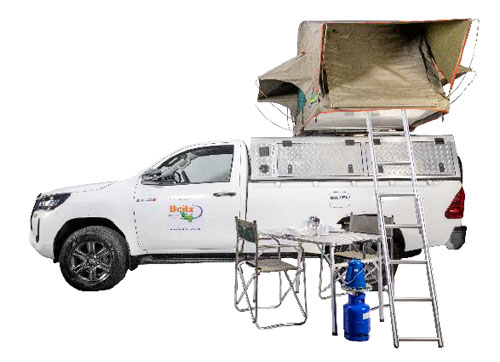
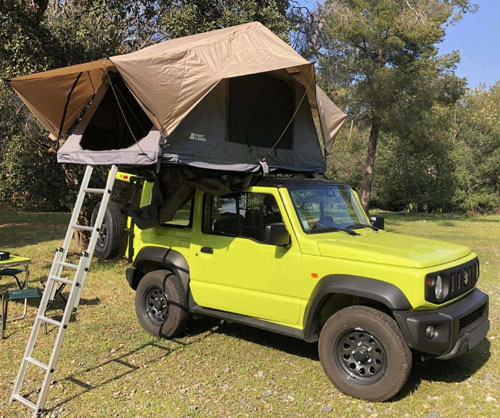
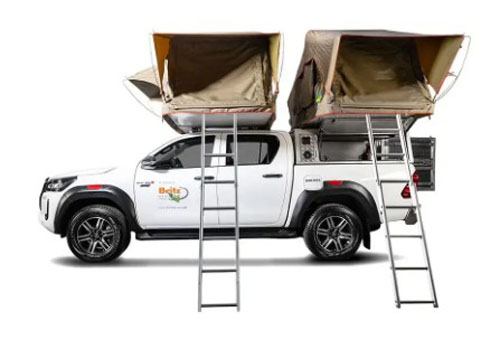
The best RV models for South African terrain prioritize a balance of comfort, durability, and maneuverability, with vehicles offering robust construction and adequate ground clearance proving ideal for varied conditions. For navigating main roads and well-maintained gravel tracks, standard Class SI - Semi-integrated motorhomes are excellent choices. For instance, the MC 4-69, with its Diesel 130 HP engine, manual transmission, and average length of 6.99 meters, provides domestic comforts while remaining agile. Class B - Camper Vans are also highly suitable for various terrains, including some less-maintained roads, due to their compact size and often more robust chassis, making them agile for national parks and winding coastal routes. The "2 Berth Hi Top" campervan, for example, is equipped with automatic transmission and a front air condition, making it a comfortable choice. For more adventurous routes, particularly those involving rougher gravel or unpaved tracks, consider specialized 4x4 RVs or Truck Campers, which offer superior ground clearance and traction, though Bandana primarily offers motorhomes and campervans. Essential features to look for in an RV for remote South African travel include sufficient fresh water tank capacity (e.g., 100 Liters in the MC 4-69), and a reliable engine suited to varied conditions. You can also explore our "RV Rental Africa - Complete Guide 2024" for more general vehicle information.How Can I Stay Connected While RVing in Remote South Africa?
Staying connected while RVing in remote South Africa requires strategic planning for mobile data and emergency communication, as network coverage can be inconsistent outside of major urban centers like Johannesburg or Cape Town. Upon arrival, purchase a local SIM card from major providers such as Vodacom, MTN, or Cell C, which offer various prepaid data bundles at competitive rates. Vodacom and MTN generally provide the widest and most reliable cellular coverage, especially along main routes and in most towns, though signal strength can drop significantly in very remote or mountainous areas. For areas with limited or no cellular reception, consider a portable Wi-Fi device (MiFi) if traveling with multiple gadgets, or a satellite messenger (e.g., Garmin inReach) for emergency communication in truly isolated regions like parts of the Karoo or the Wild Coast. Crucially, download offline maps, such as those from Google Maps or Maps.me, before your journey, as GPS functionality typically doesn't require cellular data, ensuring navigation even without a signal.What are Key Cultural Etiquette Tips for RV Travelers in South Africa?
Understanding and practicing cultural etiquette is essential for RV travelers in South Africa to ensure respectful interactions with local communities and a richer travel experience. Always greet people politely; a simple 'hello' (or 'Sawubona' in Zulu, 'Molo' in Xhosa, or 'Goeiedag' in Afrikaans) goes a long way, especially in rural areas. Tipping customs are prevalent in South Africa; it's customary to tip approximately 10-15% for good service in restaurants, and small amounts (R5-R20, equivalent to about $0.25-$1 USD) for car guards, petrol attendants, or porters. When purchasing from local markets or street vendors, engage respectfully and avoid aggressive bargaining, as ethical sourcing directly supports local economies. Dress modestly when visiting rural villages or religious sites, and always ask for permission before taking photographs of individuals, especially children, out of respect. Be patient and understanding of cultural nuances; South African society is wonderfully diverse, and a relaxed approach to time and communication is often appreciated.What are Some Lesser-Known RV Destinations for Winter in South Africa?
Beyond popular routes like the Garden Route and iconic Kruger National Park, South Africa offers fantastic lesser-known RV destinations perfect for winter exploration, often with fewer crowds and unique experiences. Consider a visit to the Karoo in the Northern Cape, where you can experience incredible stargazing and vast, arid landscapes, with numerous farm stays offering RV camping; these areas are ideal for clear, crisp winter nights. The Drakensberg Mountains in KwaZulu-Natal offer stunning mountain scenery, challenging hiking trails, and quaint villages, with RV parks providing access to spectacular views, potentially including snow-capped peaks in higher altitudes during winter. For the more adventurous RVer, the Wild Coast in the Eastern Cape is a rugged and undeveloped coastline boasting pristine beaches, rich Xhosa culture, and basic but scenic campsites, offering a true escape. Another excellent choice is the Cederberg Wilderness Area in the Western Cape, known for its dramatic rock formations, ancient San rock art, and 4x4 trails, making it a winter paradise for hiking and exploring with a robust RV or campervan. These regions provide unique opportunities for cultural immersion, outdoor activities, and serene solitude away from the typical tourist routes. For route plans to these hidden gems, check out the RV PLANET routes.How Can I Practice Sustainable and Responsible RV Travel in South Africa?
Practicing sustainable and responsible RV travel in South Africa is crucial for preserving its diverse ecosystems and supporting local communities, ensuring future generations can also enjoy its beauty. Minimize your environmental impact by adhering strictly to 'leave no trace' principles: pack out all your waste, use designated waste disposal sites at campgrounds, and utilize greywater tanks responsibly, never discharging into natural environments. Support local economies by buying fresh produce from roadside stalls and local markets, dining at small, locally-owned restaurants, and purchasing authentic handmade crafts directly from artisans. If you're planning to cook in your rented motorhome, our RV-friendly recipes playlist offers great ideas. Practice ethical wildlife viewing: maintain a safe distance from animals, never feed them, and follow all regulations in national parks and reserves to avoid disturbing natural behaviors. Conserve water, a precious resource in many parts of South Africa, by taking shorter showers and being mindful of tap usage in your RV. Choose eco-certified campsites or tour operators where possible, and educate yourself on local conservation efforts to minimize your footprint while enjoying the natural beauty of the country.What Specific Gear and Packing Should I Bring for a Winter RV Trip in South Africa?
A winter RV trip in South Africa requires a specific packing list beyond generic camping gear to ensure comfort and preparedness for varied conditions. While days can be mild and sunny, winter nights and mornings, especially in inland areas like the Karoo or Drakensberg, can be quite cold; therefore, layered clothing is essential. Pack thermal layers, warm jackets, hats, and gloves, alongside lighter clothing for warmer daytime temperatures. For campsite hook-ups, bring a South African Type M power adapter (three large round pins), and consider a car charger/inverter for charging devices on the go within your motorhome or campervan. A robust water purification system or sufficient bottled water is crucial for remote areas, along with quick-drying towels and biodegradable toiletries to minimize environmental impact. Even in winter, robust mosquito nets for windows and doors are advisable, especially in warmer coastal regions or near standing water, along with insect repellent. An emergency and repair kit should always be on hand, including basic tools, spare fuses, a tire repair kit, jumper cables, and a comprehensive first-aid kit; consider a satellite phone or messenger for very remote areas. Finally, in areas like the Cape Peninsula, practice 'baboon-proofing' by keeping all food out of sight and RV windows/doors closed to deter these intelligent and persistent scavengers.🎬 Video coming soon
What You Shouldn't Miss
- **Kruger National Park Safari:** Embark on an unforgettable wildlife adventure in a rented motorhome, offering incredible winter game viewing as animals gather around water sources.
- **Garden Route Coastal Drive:** Traverse scenic Route N2 and its charming towns, stunning beaches, and lush forests. Consider a motorhome like the "Euro Tourer" for easy navigation.
- **Stargazing in the Karoo:** Head to the vast, arid landscapes of the Northern Cape for some of the world's clearest night skies, perfect for camping under the stars in your campervan.
- **Drakensberg Mountains Exploration:** Discover breathtaking peaks, ancient rock art, and challenging hiking trails in this UNESCO World Heritage site, ideal for a multi-day RV excursion.
- **Cape Peninsula Tour:** Drive around the iconic peninsula from Cape Town, visiting Cape Point, Boulders Beach penguin colony, and charming coastal villages, easily accessible with a rental RV.
- **Wine Tasting along Route 62:** Explore South Africa's renowned wine regions, stopping at picturesque vineyards for tastings and enjoying gourmet meals prepared in your RV's kitchen.
Final Thoughts
Embarking on a winter RV adventure in South Africa is an experience unlike any other, offering stunning landscapes, incredible wildlife, and vibrant cultural encounters. From navigating its well-maintained roads to exploring hidden gems and iconic national parks, a rented motorhome or campervan provides the ultimate freedom and flexibility. We’re here to help you every step of the way, handling the details so you can live the journey. With Bandana RV, you're choosing a partner committed to honesty, transparency, and expert support, ensuring your trip is as smooth as the open road ahead. Don't let the thought of planning overwhelm you; embrace the joy of discovery and the unparalleled freedom of RV travel. Ready to explore the wonders of South Africa this winter? Your mobile home awaits, promising an unforgettable journey filled with exploration and cherished memories.On the routes offered through RV PLANET routes, you can itemize and track every expense along the way for easy budgeting.