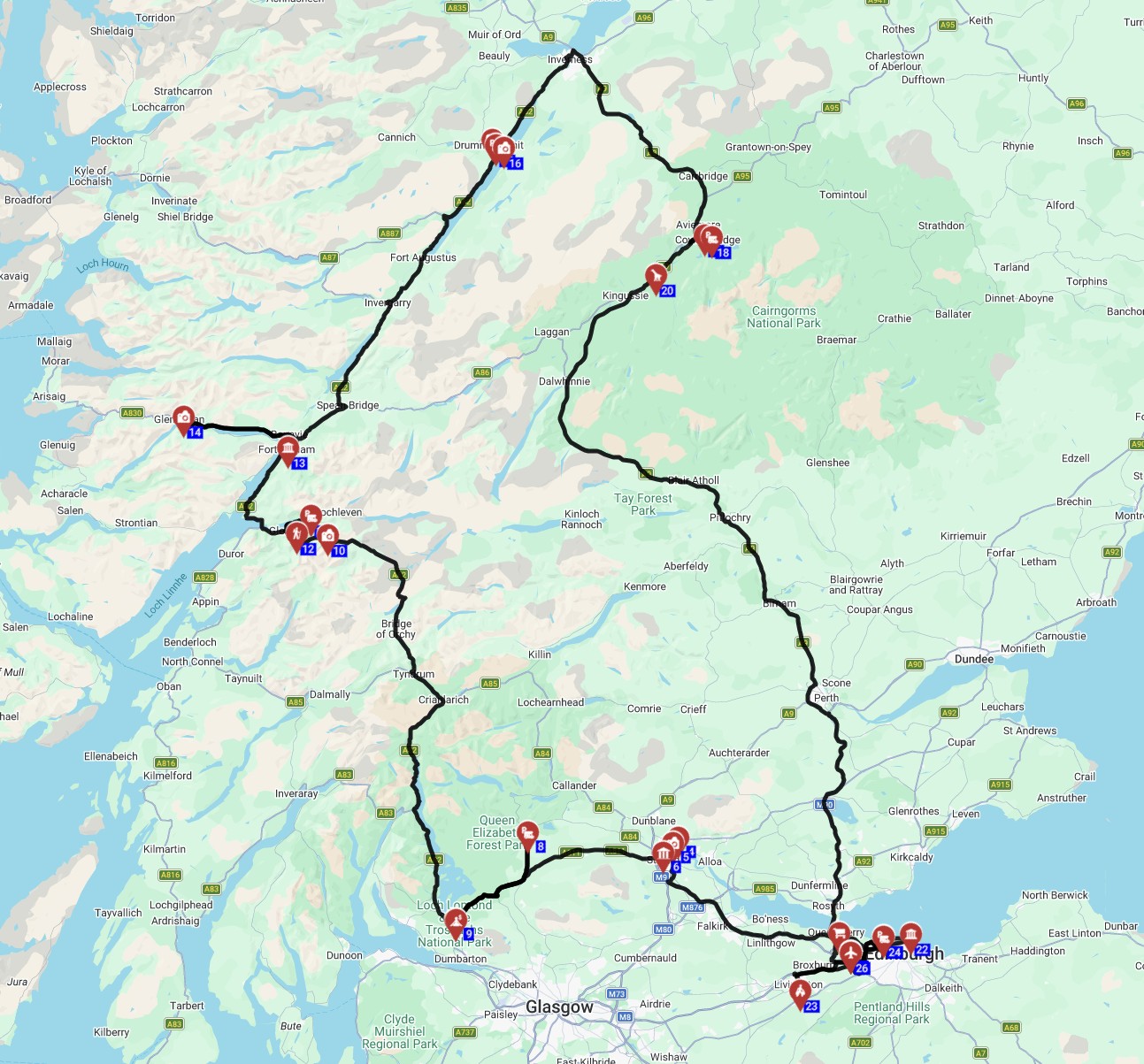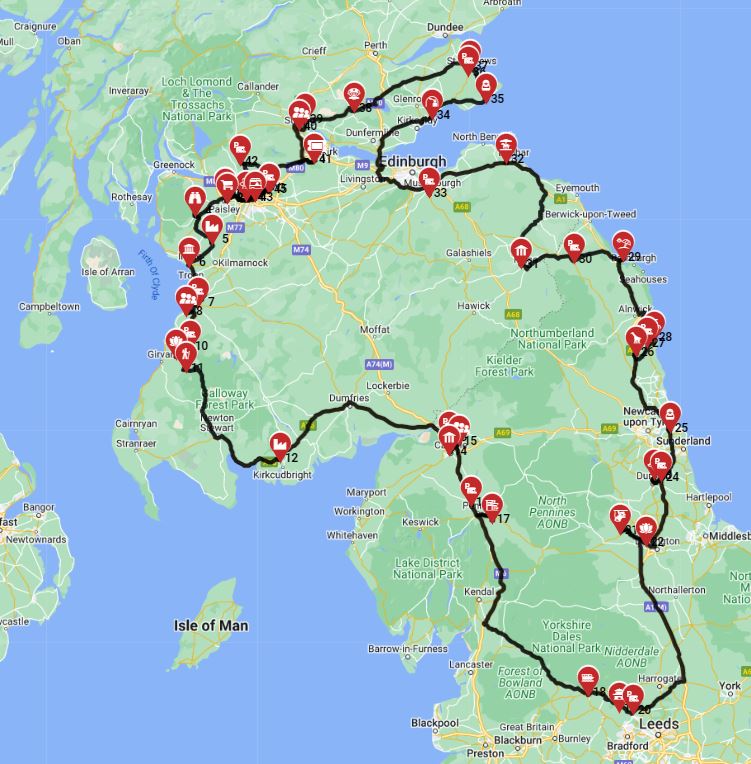
For live availability and current prices, start with our RV Rental Scotland - Complete Guide 2026 guide.
In This Guide
- Can You Drive an RV in Scotland? License & Age Rules
- Road Conditions & Terrain in Scotland
- RV Size Limits, Bridges & Restricted Zones
- Fuel: Diesel vs. Petrol & Cost per 100 km
- Tolls, Vignettes & Border Rules
- Driving Tips for winter rv rental Travelers
- Recommended RV Class for Scotland Roads
- Should I Choose a Compact Van Instead of a Large RV in Scotland?
- Can I Park Anywhere? Free & Wild Camping Rules in Scotland
- Can I Drive an RV Into the City Center? Heights, Tunnels & Local Signage
- Is it safe to drive an RV in Scotland in winter?
- What are the main challenges of RV camping in Scotland during winter?
- Do RVs have heating for winter in Scotland?
- What is the best type of RV for winter in Scotland?
- What essential items should I pack for a winter RV trip in Scotland?
- Are campsites open in Scotland during winter?
- What are the best places to visit in Scotland in an RV during winter?
- How much does it cost to rent an RV in Scotland for winter?
- What are the best RV rental companies in Scotland for winter?
- What documents do I need to rent an RV in Scotland?
Can You Drive an RV in Scotland? License & Age Rules
Yes, you can drive an RV in Scotland, but you'll need to be aware of specific license and age requirements. For most campervans and motorhomes up to 3.5 tonnes Maximum Authorised Mass (MAM), a standard Category B UK driving license is sufficient. This category covers most of the agile campervans and mid-sized motorhomes available for rent. However, if you're looking at larger RVs, typically between 3.5t and 7.5t MAM, you'll need a Category C1 license. This is often obtainable by those who passed their driving test before 1 January 1997, or through additional training and testing. Rental companies generally impose a minimum driver age, commonly between 21 and 25 years old, and some may have age restrictions for larger vehicles or require at least two years of driving experience. For international visitors, it's highly recommended to carry an International Driving Permit (IDP) alongside your national license, especially if you're from a non-EU/EEA country.
Road Conditions & Terrain in Scotland
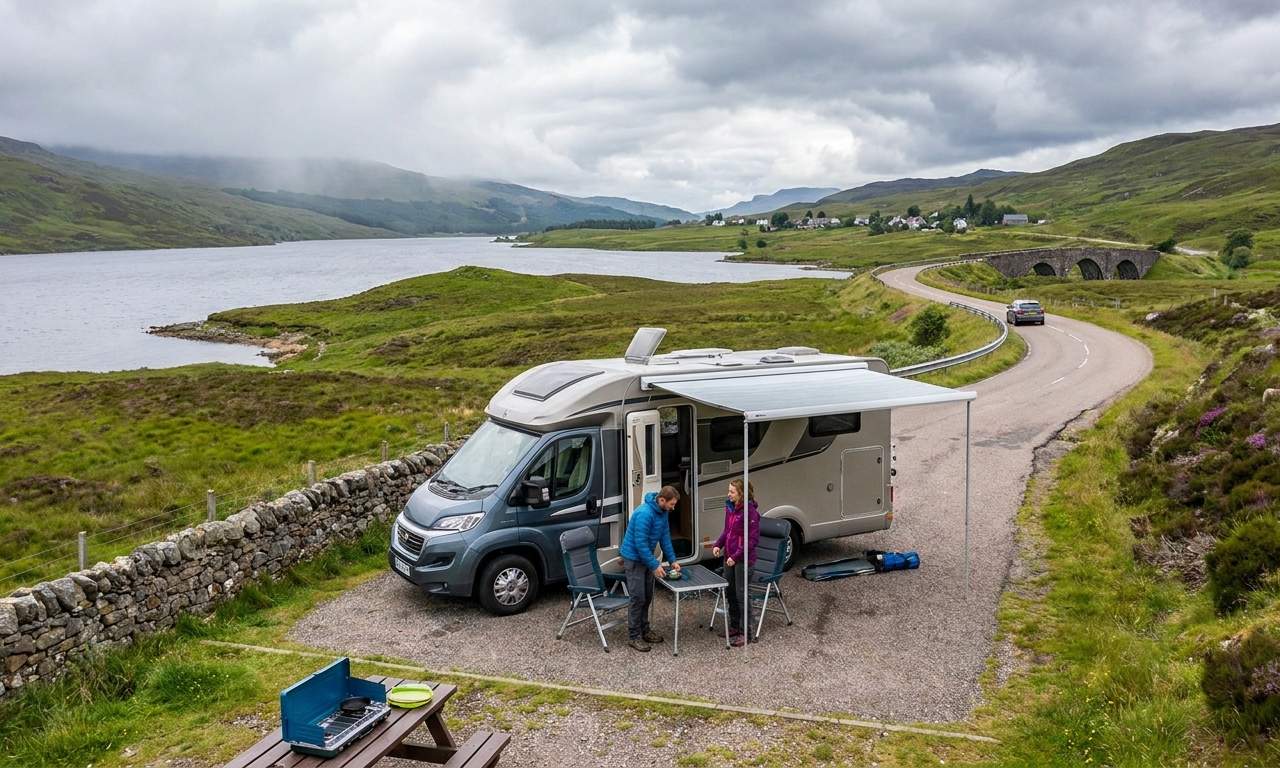
Scottish roads present a varied and often breathtaking driving experience, but winter RV travel demands particular attention. You'll encounter everything from well-maintained motorways and A-roads to significantly narrower, winding B-roads and single-track routes, especially in the Highlands and rural areas. The terrain itself is diverse, from the rolling hills of the Lowlands to dramatic mountain ranges and rugged coastlines. Routes like sections of the North Coast 500 or the infamous Bealach na Bà can feature steep inclines, tight bends, and crucial passing places. In winter, these conditions are amplified by potential ice, snow, heavy rainfall, and strong winds, making slow, cautious driving absolutely essential. Plan for significantly reduced average speeds and always allow ample extra time for your journeys, embracing the slower pace to fully soak in the stunning winter landscapes and unique microclimates.
RV Size Limits, Bridges & Restricted Zones
While Scotland doesn't have universal RV size limits across the board, drivers must remain vigilant regarding local restrictions. Pay close attention to road signage indicating height, width, and weight limits, especially in historic town centers and on rural lanes where low bridges can be a significant hazard. Cities like Edinburgh have Low Emission Zones (LEZs) that might restrict access for older, more polluting vehicles, potentially incurring charges for RVs that don't meet emission standards. If island hopping is on your agenda, remember that ferry travel to places like Skye or the Outer Hebrides requires advance booking, with prices often determined by vehicle length, so knowing your RV's exact dimensions is crucial. Opting for a more maneuverable RV, such as a compact Class B camper van (averaging around 5.8 meters) or a semi-integrated Class SI (around 6.9 meters), can greatly ease navigation through Scotland's varied infrastructure and single-track roads.
Fuel: Diesel vs. Petrol & Cost per 100 km
Most RVs available for rent, including those in Bandana's fleet, are diesel-powered, which is fortunate as diesel is widely available across Scotland. Fuel consumption varies by RV class; for instance, Class B Camper Vans typically consume around 8-10 Litres/100 km, Class SI Semi-integrated RVs use 10-11 Litres/100 km, and larger Class C Alcove models consume 10-12 Litres/100 km. For context, larger Class A Integrated RVs generally consume 8-11 Litres/100 km, while Class TC Truck Campers are typically the most fuel-intensive, consuming 12-17 Litres/100 km. Fuel prices in Scotland are comparable to the rest of the UK and can be higher in more remote areas, so budgeting for regular refuels is essential, especially given the increased fuel consumption associated with cold-weather driving and heating. Some rental motorhomes might include fuel discount cards, potentially offering savings that are particularly beneficial during winter trips. On the routes offered through RV PLANET routes, you can itemize and track every expense along the way for easy budgeting.
Tolls, Vignettes & Border Rules
Scotland is largely a toll-free nation when it comes to its major roads and motorways, which is a welcome distinction from many other European countries that rely heavily on vignettes or widespread toll systems. While national tolls are generally absent, be aware that specific bridges or tunnels might occasionally have charges; for example, the toll for the Skye Bridge has been abolished. You won't need national vignettes or specific permits for RVs to travel on Scottish roads. If your itinerary takes you south into England, it's important to be aware of potential charges like the London Congestion Charge, the Ultra Low Emission Zone (ULEZ) in London, or the Dartford Crossing charge, none of which apply within Scotland itself. Some RV rental companies may offer pre-purchased toll passes for these neighboring regions, which can help you avoid potential fines if you venture beyond Scotland's borders.
Driving Tips for winter rv rental Travelers
For a safe and enjoyable winter RV trip in Scotland, prioritize slow and cautious driving. This is especially important on unfamiliar roads that might be icy or snow-covered; always anticipate unexpected conditions and adjust your speed accordingly. Be prepared for Scotland's notoriously fickle weather by frequently checking forecasts and carrying an emergency kit, which should include blankets, a shovel, a flashlight, and non-perishable food. Considering vehicles equipped with winter tires or even carrying snow chains for higher altitudes or predicted heavy snowfall is also a wise precaution. When encountering single-track roads, utilize passing places correctly and courteously – pull over to allow oncoming traffic or faster vehicles to pass, often yielding to smaller cars as a local custom. Remember to budget for frequent stops every 2-3 hours, especially if traveling with family or pets, to manage fatigue and allow breaks from the cold. Beyond just driving, embrace local etiquette by supporting local businesses, respecting rural communities, and disposing of all waste responsibly, extending 'Leave No Trace' principles to all aspects of your journey.
Recommended RV Class for Scotland Roads
When navigating Scotland's diverse and sometimes challenging winter roads, a Class SI Semi-integrated motorhome or a Class B Camper Van from Bandana's fleet is highly recommended. These vehicles strike an excellent balance between maneuverability and comfort, which is crucial during winter. Class B Camper Vans, typically around 5.8 meters in length, offer superior agility for those narrow, winding single-track roads and make parking in smaller villages much easier, ideal for adventurers prioritizing flexibility. The Class SI Semi-integrated motorhomes, averaging about 6.9 meters, provide more interior space and amenities, making them a comfortable base for couples or small families without being overly cumbersome on most Scottish routes. While larger Class C Alcove (around 7.5m) or Class A Integrated (also around 7.5m) RVs offer more living space and superior insulation – essential for winter comfort – their length may necessitate more cautious driving on the tightest roads. Ultimately, the choice depends on your preference for driving ease versus winter comfort and space.
Should I Choose a Compact Van Instead of a Large RV in Scotland?
Deciding between a compact campervan and a larger RV in Scotland often comes down to balancing maneuverability on specific routes with the desire for winter comfort and indoor space. A compact campervan (Class B, averaging 5.8 meters) genuinely offers advantages for tackling extremely narrow mountain passes like Bealach na Bà, parking in tight historic centers, and navigating those winding single-track roads with greater ease. However, for winter travel, the added comfort and amenities of a larger RV (Class SI averaging 6.9 meters, or Class C/A averaging 7.5 meters) often outweigh the slight maneuverability trade-off. These larger vehicles typically provide better insulation, larger water tanks, and more spacious living areas, making them more comfortable for extended periods in severe winter conditions. You'll find larger motorhomes generally boast superior heating systems and more storage for crucial winter gear, enhancing your enjoyment during colder days and longer nights. Ultimately, while most RV sizes can manage Scotland's roads, the decision hinges on prioritizing winter comfort and space over the marginal driving ease of a compact van on the most challenging routes.
Can I Park Anywhere? Free & Wild Camping Rules in Scotland
While Scotland's Land Reform (Scotland) Act 2003 does permit wild camping for tents, this privilege generally does not extend to motorized vehicles like RVs, meaning you cannot legally park just anywhere overnight. Overnight RV parking is typically restricted to designated campsites, official motorhome service points (Aires), or private land where explicit permission from the landowner has been obtained. It's absolutely crucial to adhere to 'Leave No Trace' principles, ensuring no rubbish is left behind and that all waste, including greywater and blackwater, is disposed of properly at designated facilities. Many popular areas, particularly within National Parks and well-trodden tourist spots, have specific bylaws that prohibit or regulate overnight vehicle parking to protect the landscape and manage visitor impact. Remember that rules can vary by region, so always check local regulations and respect private property before parking overnight for a responsible and legal RV experience.
Can I Drive an RV Into the City Center? Heights, Tunnels & Local Signage
Generally, yes, you can drive an RV into Scottish city centers, but it requires close attention to local signage, height limits, potential environmental zones, and parking restrictions. Drivers must be particularly vigilant for signs indicating low bridges, narrow streets, and any height or weight restrictions, especially around historic areas, as these can easily impede larger vehicles. Be aware that cities like Edinburgh operate a Low Emission Zone (LEZ), which may impose charges or restrictions on older, non-compliant vehicles, so checking your RV's emission standards is advisable. Parking within city centers can be challenging for RVs due to limited space and specific restrictions; it's often more practical to utilize park-and-ride facilities on the outskirts and then explore the city using public transport. Always prioritize local signage over GPS instructions if they conflict, particularly concerning vehicle dimensions, to avoid potential damage or fines.
Is it safe to drive an RV in Scotland in winter?
Driving an RV in Scotland during winter is generally safe, provided you are well-prepared with a flexible itinerary and maintain a cautious approach to the varying weather and road conditions. The primary safety concerns revolve around black ice, snow, high winds, and the significantly reduced daylight hours, all of which necessitate extra vigilance and slower driving speeds. Ensuring your rented RV is properly winterized with appropriate tires (winter or all-season), sufficient antifreeze, and a reliable heating system is absolutely crucial for both safety and comfort. Emergency preparedness is key, so always carry a shovel, extra blankets, food, water, and a fully charged phone, especially when traveling in remote areas where breakdown assistance might be delayed. Regularly checking weather forecasts and road closures via resources like Traffic Scotland before and during your journey is paramount to avoiding hazardous routes.
What are the main challenges of RV camping in Scotland during winter?
The main challenges of RV camping in Scotland during winter primarily involve contending with cold, wet, and potentially icy weather, which can significantly impact road conditions and personal comfort. Reduced daylight hours mean less time for outdoor activities and driving, requiring careful itinerary planning to maximize available light and account for longer nights spent in the RV. Many smaller campsites and attractions may close entirely for the winter season, limiting your options for overnight stays and activities, making advance booking and thorough research essential. Keeping the RV's water system from freezing is a constant concern; pipes, tanks, and hoses need to be properly insulated and potentially drained or heated to prevent damage. Furthermore, expect increased fuel consumption for both driving and maintaining the RV's heating, coupled with the potential for isolation in remote areas due to weather, all presenting practical considerations for winter campers.
Do RVs have heating for winter in Scotland?
Yes, nearly all modern RVs available for rent in Scotland are equipped with robust heating systems, which are essential for comfortable winter travel. These systems typically run on diesel, gas (LPG), or electricity (when connected to mains power), providing warmth for the living area and often heating the water supply simultaneously. For optimal winter comfort, it's advisable to look for RV models featuring good insulation, double-glazed windows, and crucially, heated water tanks, which prevent pipes from freezing in sub-zero temperatures. When selecting your rental, always confirm the type of heating system, its efficiency, and the availability of sufficient fuel or power to comfortably maintain the interior temperature during cold Scottish nights. Some rentals may even offer a 'winter pack' with additional insulation or more powerful heating, a worthwhile consideration for a cozy experience.
What is the best type of RV for winter in Scotland?
The best type of RV for winter in Scotland is typically a well-insulated motorhome, such as a Class A Integrated, Class C Alcove, or a robust Class SI Semi-integrated model, which collectively offer superior warmth and essential amenities. These larger RVs (Class A/C averaging 7.5 meters, Class SI averaging 6.9 meters) generally provide better insulation, larger fresh and waste water tanks, and more powerful heating systems, all critical for enduring colder temperatures. While a compact Class B Camper Van (averaging 5.8 meters) offers excellent maneuverability for navigating narrow roads, it might have less insulation and smaller tank capacities, making it potentially less comfortable for extended stays in severe winter conditions. Prioritize RVs with 'winterization packs,' including insulated and heated water tanks, good ground clearance for potential snow, and all-season or winter tires. Ultimately, the ideal choice involves balancing the need for robust winter comfort and reliable heating with a size that feels manageable on Scotland's diverse and sometimes challenging winter roads.
What essential items should I pack for a winter RV trip in Scotland?
For a winter RV trip in Scotland, essential packing includes multiple warm layers of clothing, waterproof outer shells, and sturdy, waterproof boots to effectively combat the cold and wet weather. Beyond clothing, assemble a comprehensive emergency kit: a first-aid kit, extra non-perishable food and water, a powerful flashlight or headlamp, a portable power bank, and extra blankets are vital for unforeseen circumstances. Practical RV-specific items to consider are antifreeze, a small shovel, a tow rope, and potentially snow chains if you plan to venture into high-altitude areas like the Cairngorms. To enhance comfort during the longer, darker evenings, pack board games, books, or portable entertainment, along with ample charging cables for your devices. Remember to pack reusable waste bags and always adhere to 'Leave No Trace' principles by disposing of all rubbish properly at designated points.
Are campsites open in Scotland during winter?
Yes, many campsites in Scotland remain open throughout the winter months, particularly larger sites and those located near popular winter activity areas, although some smaller or purely seasonal ones may close. It is crucial to check individual campsite websites or contact them directly for their exact winter operating hours, availability, and the specific services they offer during the off-season. Year-round campsites often provide vital amenities for comfortable winter RV camping, such as heated shower blocks, reliable electric hook-ups, and accessible waste disposal points. Booking in advance is always recommended, even in winter, to secure your pitch, especially if you're traveling during festive periods or to highly sought-after destinations. Be prepared for the fact that some on-site facilities, like shops or restaurants, might operate on reduced hours or be closed entirely during the quieter winter months.
What are the best places to visit in Scotland in an RV during winter?
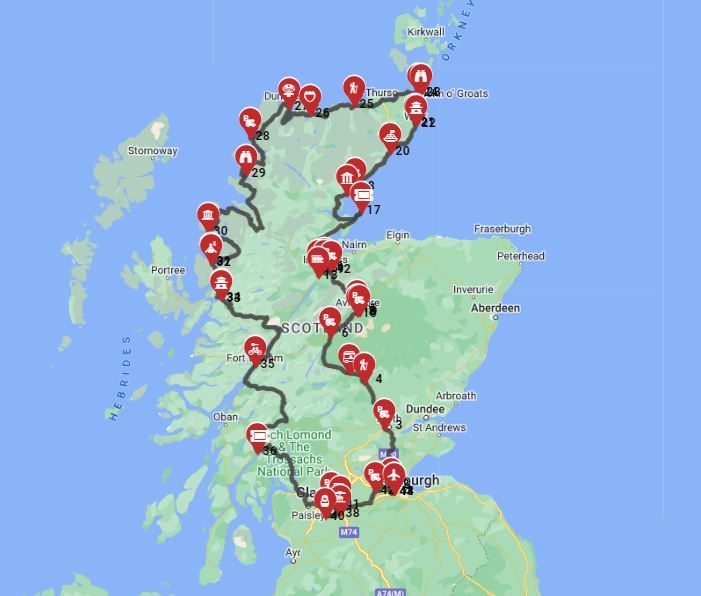
Scotland offers stunning, crowd-free winter destinations for RV travelers, with some of the best places to explore including the snow-dusted Cairngorms National Park, the scenic Loch Lomond & The Trossachs National Park, and accessible coastal routes. The Cairngorms are particularly ideal for winter sports enthusiasts, offering skiing, snowboarding, and invigorating winter hiking opportunities, with several RV-friendly campsites and villages nearby. Loch Lomond & The Trossachs National Park provides breathtaking lochside drives and serene forest walks, with many accessible routes that remain beautiful even in colder weather. Consider exploring manageable sections of the North Coast 500 or other coastal routes for dramatic seascapes and charming fishing villages, always remembering to check local weather and road conditions beforehand. For city breaks, Edinburgh and Glasgow offer festive events, excellent museums, and vibrant cultural scenes that are easily accessible, often with convenient park-and-ride options for larger RVs.
How much does it cost to rent an RV in Scotland for winter?
Renting an RV in Scotland during winter is typically more affordable than during the peak summer season, as demand is lower, which often translates into potential savings for travelers. The total cost will vary significantly based on the RV class you choose – for instance, a compact Class B Camper Van will generally be cheaper than a larger Class A Integrated motorhome – as well as the rental duration and the specific rental company. Expect daily rental rates to decrease for longer booking periods, making extended winter trips potentially more cost-effective per day. Beyond the base rental fee, remember to budget for additional expenses such as fuel (which may be higher due to increased heating use), campsite fees (if you opt for official sites rather than wild camping), insurance, and any optional extras like winterization kits or linen. Comparing prices from several rental providers well in advance is advisable, as early booking can sometimes secure better deals even in the off-season.
What are the best RV rental companies in Scotland for winter?
The best RV rental companies in Scotland for winter are those that specialize in or offer a fleet of well-maintained, winter-ready vehicles equipped with robust heating, good insulation, and comprehensive breakdown cover. When selecting a company, prioritize those with strong positive reviews regarding their winter service, vehicle reliability, and customer support, especially given the potential challenges of off-season travel. Look for suppliers that provide detailed information on winterization features, such as heated water tanks and appropriate tires, and crucially, offer emergency assistance that covers Scotland's potentially remote areas. Bandana partners with a wide range of reputable local suppliers across Scotland, ensuring a diverse selection of RVs suitable for winter, from agile campervans to spacious family motorhomes. Always review the insurance policies carefully to confirm they adequately cover winter driving conditions and provide reliable roadside assistance in potentially isolated locations.
What documents do I need to rent an RV in Scotland?
To rent an RV in Scotland, you will typically need a valid driving license, proof of identity, a credit card for the security deposit, and sometimes proof of address. UK residents will need their full photo card driving license and often their DVLA 'check code' or a printout of their driving record for endorsement checks. International visitors from EU/EEA countries generally only require their national driving license, provided it is valid and clearly states the license category for the vehicle being rented. Travelers from outside the EU/EEA are strongly recommended to carry an International Driving Permit (IDP) in addition to their national driving license, if it's not in English. Most rental companies also require a major credit card in the primary driver's name for the security deposit, along with a passport or national ID card for identification purposes.
What You Shouldn't Miss
- Drive a portion of the North Coast 500 for dramatic coastal scenery, even in winter, but always check road conditions.
- Explore the Cairngorms National Park for winter activities like skiing and snowshoeing, with plenty of accessible viewpoints.
- Visit Loch Ness and the surrounding Great Glen for atmospheric, moody winter landscapes.
- Discover the historic charm of cities like Edinburgh, perhaps enjoying its festive markets if traveling around the holidays, and utilize park-and-ride facilities for your RV.
- Experience the wild beauty of the Trossachs National Park, with opportunities for winter walks and stunning lochside views.
- Embrace the opportunity for unparalleled stargazing in Galloway Forest Dark Sky Park, especially on clear winter nights.
Final Thoughts
Embracing Scotland in an RV during winter offers a unique and magical experience. While challenges exist, from managing road conditions to preparing for colder weather, the rewards of fewer crowds, dramatic icy landscapes, and the cozy comfort of your mobile home are immense. With careful planning and the right vehicle, you can unlock the beauty of Scotland in its most serene season.
We encourage you to travel slowly, perhaps covering no more than 100-150 km per day on average. This allows you to truly immerse yourself in the places you visit, connect with the local culture, savor the regional food, and appreciate the stunning scenery without feeling rushed. Let Bandana Caravan help you find the perfect winter RV for your Scottish adventure, ensuring a comfortable and memorable journey.
Ready to explore Scotland by RV this winter? Compare RV rental prices and discover pre-planned routes on RV PLANET (rvplan.net) to start building your itinerary today!