In This Guide
- Can You Drive an RV in Namibia? License & Age Rules
- Road Conditions & Terrain in Namibia
- RV Size Limits, Bridges & Restricted Zones
- Fuel: Diesel vs. Petrol & Cost per 100 km
- Tolls, Vignettes & Border Rules
- Driving Tips for Winter RV Rental Travelers
- Recommended RV Class for Namibia Roads
- Should I Choose a Compact Van Instead of a Large RV in Namibia?
- Can I Park Anywhere? Free & Wild Camping Rules in Namibia
- Can I Drive an RV Into the City Center? Heights, Tunnels & Local Signage
- Is Winter a Good Time to Visit Namibia?
- What is the coldest month in Namibia?
- What to do in Namibia in winter?
- How many days do you need for a Namibia road trip?
- How much is an RV rental in Namibia?
- Is Namibia safe for RV travel?
- How to prepare for a winter RV trip to Namibia?
- What are the common pitfalls of RV travel in Namibia?
- Where can I find remote RV campsites in Namibia?
Embarking on a winter RV adventure in Namibia offers an unparalleled experience, blending vast landscapes with incredible wildlife. As true RV specialists with years of helping tens of thousands of travelers explore the world by RV since our founding in 2001, we understand the unique allure of a Namibian road trip. For live availability and current prices, start with our RV Rental Namibia - Complete Guide 2026 guide. This comprehensive guide will equip you with the essential knowledge for a safe, enjoyable, and unforgettable journey through this Southern African gem, ensuring full transparency with no hidden fees or surprises along the way.
Can You Drive an RV in Namibia? License & Age Rules
Yes, you can absolutely drive a rented RV in Namibia, and the licensing requirements are straightforward for most travelers. A standard car driver's license (Class B or C) is generally sufficient for operating motorhomes and campervans up to 3500 kg, which covers the majority of our rental fleet. For international visitors from non-English-speaking countries, an International Driving Permit (IDP) is highly recommended alongside your national license, though it is not strictly mandatory in all cases. The minimum rental age for motorhomes in Namibia is 21 years old, and importantly, there are no young driver surcharges or vehicle class restrictions based on age, making RV travel accessible to a broader range of adventurers. We work with over 50 leading RV suppliers worldwide, including trusted partners like Apollo and Britz, to ensure you have a wide selection of vehicles that meet these requirements.
Road Conditions & Terrain in Namibia
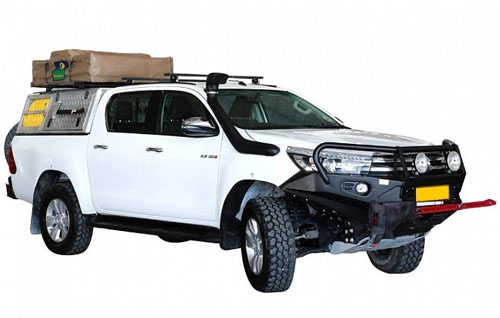
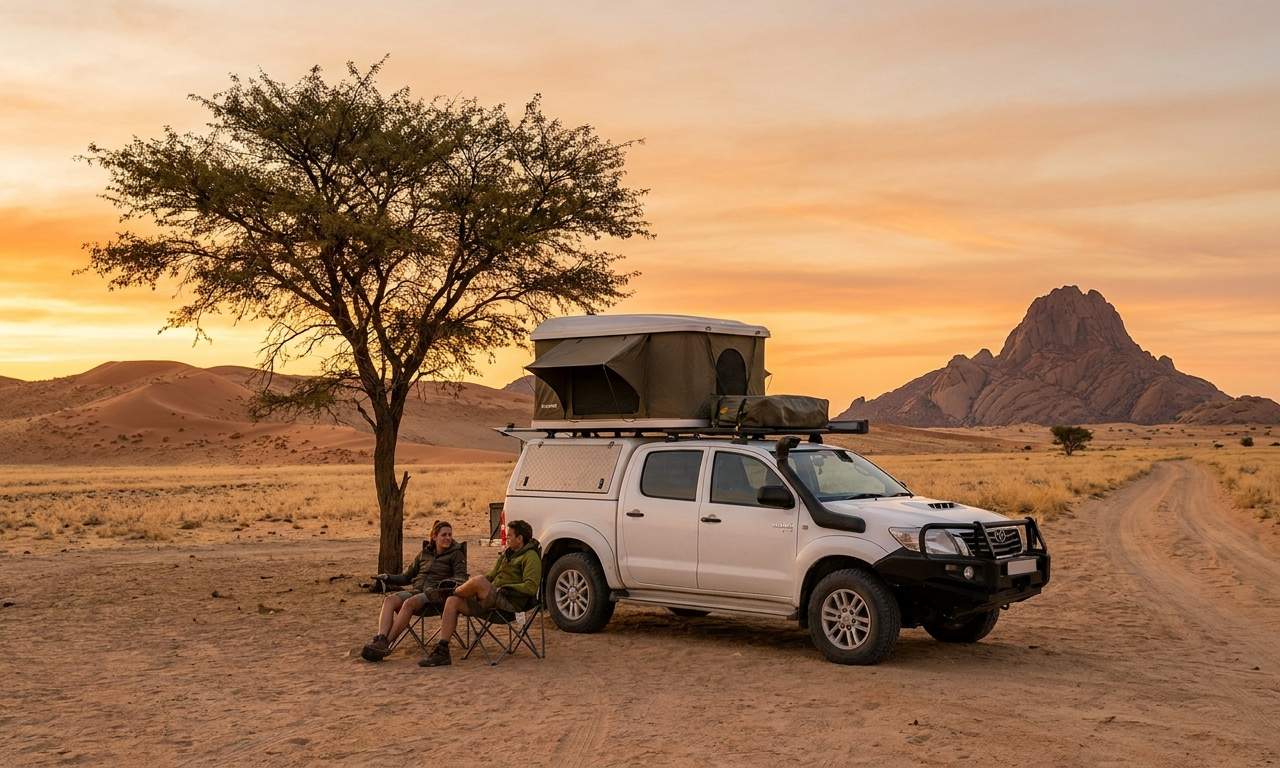
Namibia's roads outside of major towns are predominantly well-maintained gravel, which requires a mindful approach to driving a rented RV. While winter brings dry conditions, minimizing mud, it also leads to increased dust and corrugation on unpaved routes, especially after sustained traffic. Driving slowly and carefully, and you can drive almost anywhere without issues. No need to stress - just use common sense and pay attention to these surfaces. For exploring beyond the main tarred roads and confidently handling these corrugated surfaces, a 4x4 capable RV is highly recommended. These vehicles offer enhanced traction and durability, which are invaluable when navigating the country's diverse terrains, from desert plains to rugged mountain passes. Regular checks on tire pressure and tread are critical, and be prepared for potential flat tires, which are a common occurrence on gravel roads.
RV Size Limits, Bridges & Restricted Zones
Namibia does not typically impose strict height or weight restrictions for rented RVs on its primary roads and most bridges, allowing flexibility in vehicle choice. However, specific environmental zones or national parks, particularly those with delicate ecosystems or remote off-road tracks, may have particular vehicle restrictions or require special permits. For instance, some deep sand tracks in areas like the Skeleton Coast National Park or parts of Damaraland might mandate specific 4x4 campervan capabilities. It is always wise to confirm the access requirements for any particular park or remote area before planning your route. We encourage travelers to check with park authorities or consult detailed RV PLANET routes for the most up-to-date information, ensuring a smooth and compliant journey with your rented motorhome.
🎬 Video coming soon
Fuel: Diesel vs. Petrol & Cost per 100 km
Most rental RVs available in Namibia, particularly the more robust models suited for its terrain, are diesel-powered, which is readily available at most major fuel stations. Bandana's global fleet RVs, including Class SI or Class C models like the "MH-A" (with its 6.8 Liter / Gas engine), typically consume around 10-12 Liters per 100 km for diesel vehicles, while larger Class C motorhomes with gas engines, such as the "rv rentals utah example Sunrise Escape" might consume 20-25 Liters per 100 km. Given the country's vast distances between towns and services, carrying extra fuel in approved jerry cans is a highly recommended and wise strategy. Some rental suppliers may even offer fuel discount cards, so always inquire about such benefits during the booking process. When planning your budget for an RV trip, remember to factor in these fuel costs, which can be easily itemized and tracked using RV PLANET routes to get a comprehensive understanding of your total trip expenses beyond just the rental fee. On the routes offered through RV PLANET routes, you can itemize and track every expense along the way for easy budgeting.
Tolls, Vignettes & Border Rules
Namibia stands out for its lack of traditional tolls or vignettes for RVs on its public roads, simplifying budget planning for your motorhome rental. This means you won't encounter unexpected fees when traversing the country's extensive road network. However, if your adventure takes you beyond Namibia's borders into neighboring countries like South Africa or Botswana, be prepared for potential entry fees, specific road taxes, or even carbon taxes at border crossings. It's crucial to research and confirm the precise requirements for cross-border travel well in advance. Some rental motorhome suppliers might offer convenient options to pre-purchase necessary passes or provide detailed guidance for these international journeys, ensuring a hassle-free experience. As your true RV specialists, we recommend checking all details with your chosen supplier and the respective border authorities.
Driving Tips for Winter RV Rental Travelers
Successfully navigating Namibia in a rented RV during winter requires careful attention to specific driving conditions and proactive preparation. Always reduce your speed significantly on gravel roads, ideally to 60-80 km/h, and maintain ample distance from other vehicles to manage dust and corrugation effectively. Wildlife, including oryx, springbok, and even elephants, are a common road hazard, especially at dawn, dusk, and night, so staying vigilant is paramount, and night driving should be avoided if possible. Due to the long distances between services in remote areas, carrying extra fuel and water is not just recommended, it's essential for safety and comfort. Ensure your rented RV is equipped with at least two spare tires and a tire repair kit, and familiarize yourself with how to change a tire, as punctures are common on gravel surfaces. Additionally, consider renting a satellite phone for emergency communication, as cell service is unreliable outside major towns, providing peace of mind and access to real people behind you 24/7 (for pre/post booking coordination, we mean!).
Recommended RV Class for Namibia Roads
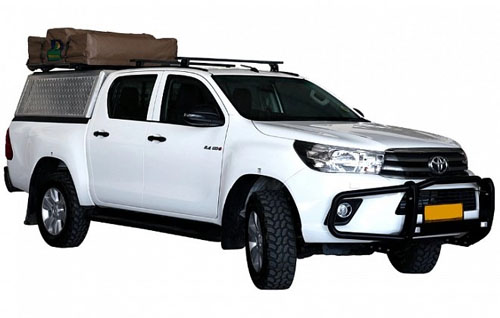
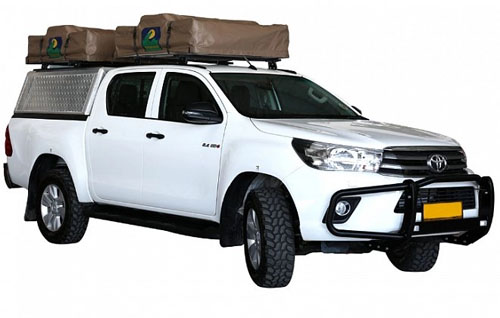
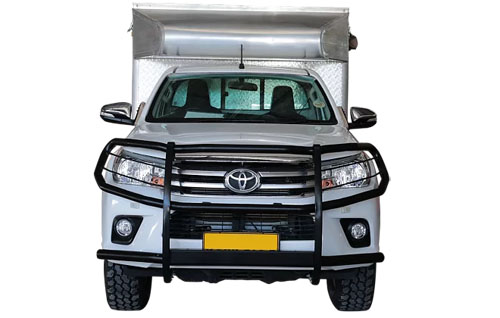
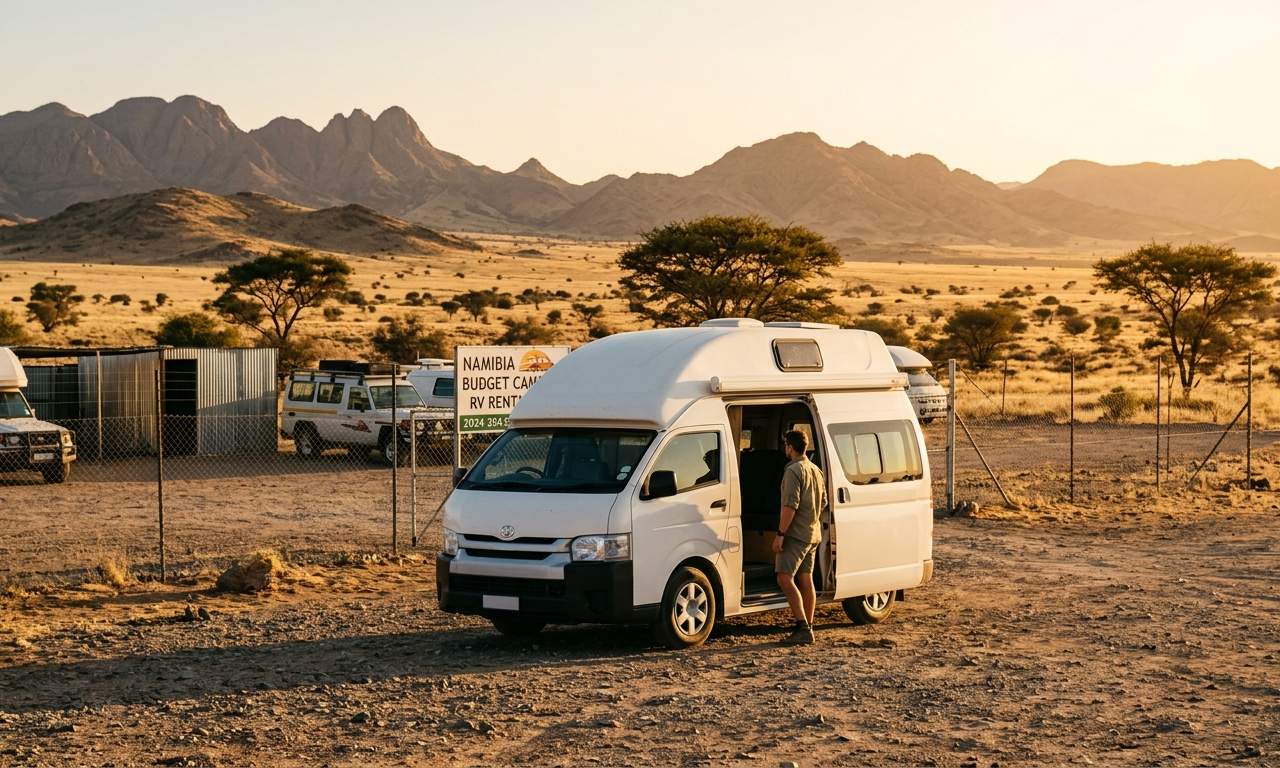
For RV travel in Namibia, particularly when venturing onto its extensive gravel road network, certain vehicle classes offer distinct advantages. Class TC (Truck Camper) vehicles, with an average length of 5.5 meters, such as the "Patagonia Camper 4x4 double cab" are highly recommended for their robust 4x4 capability and sturdy build, making them ideal for corrugated roads and more adventurous routes. These models often feature a raised chassis and enhanced suspension to handle challenging terrain. Class B (Camper Van) models, averaging 5.8 meters in length, like a "2 Berth Hi Top" or "Active Pop Top Select", offer greater agility and fuel efficiency, suitable for main tarred routes and some accessible gravel tracks. For extensive off-road exploration or navigating deeply corrugated roads found in remote conservancies, prioritizing higher ground clearance and true 4x4 functionality is key to a smooth and safe journey. Our partner suppliers, including El Monte and Cruise America, offer a range of suitable options to match your itinerary.
Should I Choose a Compact Van Instead of a Large RV in Namibia?
The choice between a compact campervan and a larger motorhome for your Namibia adventure depends on your travel style and itinerary. Larger RVs, such as a Class C "Euro Deluxe" (RV size - Large, 6 berths) generally face no significant maneuverability issues on Namibia's main roads and offer superior comfort and living space for extended trips, especially for families or groups. For example, a "Category Family 5 AT" offers automatic transmission and is ideal for a big family. They also provide more storage for food and water, crucial for long distances. Conversely, compact vans (Class B), like the agile "Juliette 2-3" or the "Chubby Camper," are more agile and fuel-efficient, making them excellent for tighter tracks, deeper sand, or for budget-conscious travelers. The optimal choice ultimately balances your desire for comfort and spacious living with the need for agility and easier handling on the more challenging, unpaved routes you might encounter. Remember, whatever size you choose, drive slowly and carefully, and you can drive almost anywhere without issues. No need to stress - just use common sense and pay attention.
Can I Park Anywhere? Free & Wild Camping Rules in Namibia
In Namibia, wild camping is generally tolerated in very remote, unfenced public areas, particularly outside national parks and private land, offering a profound sense of wilderness. However, it is paramount to adhere to responsible travel principles, including always practicing 'leave no trace' to preserve Namibia's pristine environment. Before settling in a spot, it is crucial to obtain explicit permission from landowners if you are unsure about the legality or ownership of a specific location. Within National Parks and private conservancies, rules are much stricter, requiring RVers to stay exclusively in designated campsites, which should ideally be pre-booked, especially during peak winter season. We recommend using resources like RV PLANET (rvplan.net) for finding campsites and campgrounds during your trip, as it offers a great resource for locating available spots along your route and often includes details on rules and amenities. Always call ahead to confirm availability and regulations.
Can I Drive an RV Into the City Center? Heights, Tunnels & Local Signage
Yes, you can generally drive a rented RV into Namibian city centers such as Windhoek, Swakopmund, or Walvis Bay without significant restrictions, offering flexibility for urban exploration. Unlike many European cities, Namibia typically lacks widespread height restrictions, low tunnels, or strict environmental zones that might prohibit larger RV access. Parking might require a bit more planning than in smaller towns, but designated parking areas are usually available for larger vehicles. Always pay close attention to local signage for specific parking regulations and traffic flow within urban areas. Drive slowly and carefully, and you can drive almost anywhere without issues. No need to stress - just use common sense and pay attention to your surroundings.
Is winter a good time to visit Namibia?
Winter, which spans from May to October, is widely considered the absolute best time to visit Namibia by RV due to its exceptionally favorable weather conditions. During these months, the weather is consistently dry, mild, and sunny, providing ideal conditions for all outdoor activities. The dry season significantly enhances wildlife viewing opportunities, as animals, like the famous Etosha elephants or desert-adapted wildlife, congregate around fewer, more predictable water sources. Pleasant daytime temperatures, typically ranging from 20-25°C, make RV touring, hiking, and exploring the vast landscapes highly enjoyable, perfectly avoiding the intense heat and seasonal rains of the summer months.
What is the coldest month in Namibia?
July is typically the coldest month in Namibia, particularly in the central and southern regions of the country. While daytime temperatures during July usually remain mild and pleasant, often between 20-25°C, night-time temperatures can drop significantly, especially in desert areas like the Namib-Naukluft National Park. It is not uncommon for overnight temperatures to reach freezing or even slightly below in these regions. RVers planning a trip during this period should pack warm layered clothing for chilly evenings and ensure that their rented RV's heating system, if equipped, is fully functional to ensure comfortable nights.
What to do in Namibia in winter?
Winter in Namibia is ideal for a myriad of activities, offering prime conditions for exploring the country's iconic attractions with your rented RV. Wildlife viewing is at its peak in Etosha National Park, where the dry landscape draws animals to waterholes, making game drives incredibly rewarding. This season is also perfect for exploring the mesmerizing landscapes of Sossusvlei and Deadvlei in the Namib Desert, with cooler temperatures for climbing Big Daddy dune and easier access on dry gravel roads. Activities can include guided safaris, unforgettable stargazing in designated Dark Sky Reserves, hiking in dramatic canyons, and discovering the colossal Fish River Canyon. To truly connect to the culture and food, consider visiting local markets in towns like Swakopmund or Windhoek, or exploring lesser-known areas for unique cultural interactions. For delicious meals on board your RV, check out our RV-friendly recipes playlist.
How many days do you need for a Namibia road trip?
For an RV road trip to comfortably cover Namibia's main highlights and truly soak in the experience, a minimum of 10 to 14 days is highly recommended. This duration allows for slower travel, averaging around 100-150 km per day, giving you ample time to feel the place, connect to the culture, the food, and the scenery without rushing. To explore more extensively, include some of the country's lesser-known regions, or simply enjoy a more relaxed pace, planning for 3 to 4 weeks with your rented motorhome is ideal. Long driving distances between attractions necessitate meticulous planning to account for travel time, stops, and critical fuel and water management, which you can organize efficiently using RV PLANET (rvplan.net).
How much is an RV rental in Namibia?
The cost of a rented RV in Namibia is dynamic, similar to flight tickets, and generally ranges from $100 to $300+ USD per day, fluctuating based on several factors. These factors include the specific RV class you choose (e.g., a compact Class B Camper Van like a "Combi Van" versus a robust 4x4 Class TC Truck Camper such as a "4x4 Camper B - TYR"), the duration of your rental, and the seasonality of your trip. Winter, being peak season, may see higher prices. For example, a more budget-friendly Class B Camper Van, like the "rv rental denver example Category Van" (approx. 5.5-6 meters, ideal for 2-3 adults), might be on the lower end, while a specialized 4x4 Truck Camper (approx. 5.5 meters, for 2 adults) can command a higher daily rate due to its off-road capabilities and features. Prices typically include basic insurance, but additional mileage packages or a top-level deductible reimbursement (which is an optional upgrade you can purchase for extra peace of mind) will increase the overall rental cost. For live pricing, comparing final prices across suppliers is essential, and our platform helps you do exactly that, with no surprise fees at pickup.
Is Namibia safe for RV travel?
Namibia is generally considered a very safe country for RV travel, offering a stable political environment and a well-developed tourism infrastructure to support visitors. The primary considerations for RVers revolve around road safety, particularly on gravel roads, and being mindful of wildlife encounters, which are part of the incredible experience. While serious crime is low, it's always wise to exercise caution against opportunistic petty crime in urban areas, especially by securing your vehicle and belongings. Always avoid night driving due to animals on the roads and limited visibility. Having access to emergency contacts, a comprehensive first-aid kit, and reliable communication devices like a satellite phone in remote areas will ensure a safe and smooth journey. We ensure you're supported before and after your booking, providing peace of mind as you plan your trip. For more details, explore our "RV Rental Africa - Complete Guide 2026" which delves into continental safety considerations.
How to prepare for a winter RV trip to Namibia?
Preparing for a winter RV trip to Namibia involves several key steps to ensure a comfortable and safe adventure. First, select a suitable rented RV, preferably a 4x4 capable model with good ground clearance, like a "4x4 Scout Adventure Truck Camper Gold," for handling Namibia's diverse terrain. Pop-top campervans, such as the "Active Pop Top," also offer flexibility and a lower profile. Pack layered clothing to easily adapt to warm days and surprisingly cold nights, especially in desert regions, and confirm your RV's heating system is operational. Conduct thorough pre-trip vehicle checks, focusing on tires (ensure you have two spares), fluid levels, and essential recovery gear like a compressor, tire repair kit, and basic tools. Meticulously plan your route using resources like RV PLANET (rvplan.net), accounting for long distances, potentially limited fuel and water stops, and pre-book campsites in popular national parks or private reserves. Finally, prepare for emergencies by carrying a satellite phone for areas with no cell service, a comprehensive first-aid kit, and access to local emergency contacts and breakdown support networks.
What are the common pitfalls of RV travel in Namibia?
First-time RV renters in Namibia often encounter a few common pitfalls that can be easily avoided with proper planning. One frequent mistake is underestimating driving times, given Namibia's vast distances and the slower speeds required on prevalent gravel roads. A 300 km journey can take significantly longer than expected. Inadequate preparation for vehicle breakdowns, particularly multiple punctures on gravel, is another pitfall. Always have two spare tires, proper tools, and the knowledge to change them. Running low on fuel or water in remote areas can disrupt travel plans, so carefully mapping out resupply points and carrying reserves is critical. Limited cell service outside major towns makes communication challenging; solutions like satellite internet or phones are often overlooked but essential for remote sections. Furthermore, failing to understand specific 4x4 driving techniques, such as handling corrugated roads or navigating sand, can lead to dangerous situations and vehicle damage. Always remember to travel slowly, max 100-150 km per day on average, to fully immerse yourself in the journey and avoid these common challenges.
Where can I find remote RV campsites in Namibia?
Remote RV campsites in Namibia are available in various stunning locations, offering unique wilderness experiences, though many require advance planning. You can find secluded spots within Namibia's national parks, such as Etosha or Namib-Naukluft, and in numerous private game reserves and community conservancies, often requiring advance booking through official channels. Some exclusive lodges or farm stays also offer private, remote camping spots, providing a blend of isolated wilderness with access to certain amenities. For those seeking true wild camping in sparsely populated public lands, away from private property, apps like iOverlander can provide guidance on potential spots; however, always verify legality, prioritize security, and leave no trace. While many national/state parks reserve only 25-30% of spots for booking, the rest are first-come-first-serve, meaning you'll often find a spot. If not at the first campground, then the next one; just call ahead before driving. Remember that RV PLANET routes are an excellent resource for locating available spots and planning your journey to these remote havens.
What You Shouldn't Miss
- Sossusvlei & Deadvlei: Witness the towering red dunes and stark, petrified trees, especially mesmerizing at sunrise or sunset.
- Etosha National Park: Experience world-class wildlife viewing from your rented RV at floodlit waterholes, a highlight of any Namibian trip.
- Fish River Canyon: Explore the second-largest canyon in the world, offering breathtaking panoramic views and hiking opportunities.
- Skeleton Coast National Park: Discover a mystical stretch of coastline with shipwrecks and desert-adapted wildlife (often requires special permits and 4x4 capable RVs).
- Swakopmund & Walvis Bay: Enjoy coastal towns with German colonial architecture, adventure sports, and marine wildlife tours.
- Damaraland: Search for desert-adapted elephants and rhinos, and explore ancient rock art at Twyfelfontein (a UNESCO World Heritage site).
Looking for expert insights from Avi Bandana? Top 5 Adventures - recommendations from Avi Bandana
- Stargazing in NamibRand Nature Reserve: Avi highly recommends spending a night under the incredibly dark skies of a Dark Sky Reserve. "The sheer number of stars you see is unlike anywhere else - it's a truly humbling experience that redefines 'night sky'."
- Driving the D707 Road: This scenic gravel road between Aus and Helmeringhausen offers stunning desert vistas and wildlife. Avi notes, "It's a classic Namibian drive, perfect for slow travel in a 4x4 campervan, revealing the true scale of the landscape."
- Hot Air Ballooning over Sossusvlei: While an add-on, Avi suggests, "Seeing the dunes from above as the sun rises is an absolute must-do, providing a perspective you can't get from the ground."
- Kayaking with Seals in Walvis Bay: "Getting up close with thousands of playful seals and dolphins in their natural habitat is an exhilarating and intimate wildlife encounter," says Avi.
- Exploring the Kolmanskop Ghost Town: Avi finds the diamond mining ghost town swallowed by the desert sands fascinating. "It's a hauntingly beautiful place that tells a vivid story of Namibia's past. A great stop on your way to Luderitz."
Final Thoughts
A winter RV rental adventure in Namibia promises an unforgettable journey through a land of breathtaking contrasts and incredible natural beauty. From navigating its unique gravel roads in a sturdy 4x4 motorhome to experiencing world-class wildlife viewing in mild, sunny conditions, this country is truly a destination that comes alive in the cooler months. By preparing wisely for road conditions, managing your resources, and embracing slow travel, you're set for an enriching experience.
At Bandana Caravan, we're with you every step of the way, offering unparalleled expertise and transparent booking processes. We compare final prices across 50+ suppliers, so you can find the easiest, safest, and most affordable way to rent an RV for your dream trip. Discover top destinations, planning tips, all in one place, and plan a trip itinerary in advance with minimal effort and maximum enjoyment. Imagine yourself waking up to a desert sunrise from your mobile home – life is now!
Ready to explore? Find your perfect winter RV Rentals in Namibia now and embark on an adventure that will create memories to last a lifetime.