In This Guide
- Can You Drive an RV in Munich? License & Age Rules
- Road Conditions & Terrain in Munich
- RV Size Limits, Bridges & Restricted Zones
- Fuel: Diesel vs. Petrol & Cost per 100 km
- Tolls, Vignettes & Border Rules
- Driving Tips for Winter RV Rental Travelers
- Recommended RV Class for Munich Roads
- Should I Choose a Compact Van Instead of a Large RV in Munich?
- Can I Park Anywhere? Free & Wild Camping Rules in Munich
- Can I Drive an RV Into the City Center? Heights, Tunnels & Local Signage
- What do I need to drive my motorhome in Germany?
- Are winter tires mandatory in Munich?
- What are the winter driving requirements in Germany?
- Are RVs allowed in Germany?
- Do tourists need winter tyres in Germany?
- Can you drive an RV in the winter?
- Do rental cars in Germany have winter tires?
- How much is RV insurance for a year?
- Can you own an RV in Europe?
Can You Drive an RV in Munich? License & Age Rules
Yes, you can absolutely drive a rented RV in Munich and throughout Germany, provided you meet the licensing and age requirements. Most rental companies stipulate a minimum driver age of 21, though some may require drivers to be 25, particularly for larger Class A motorhomes. You'll need to hold a valid driver's license for at least one to three years. A standard European B license is sufficient for RVs up to 3,500 kg, but for heavier vehicles, a C1 license might be necessary. Foreign drivers should carry their national license along with an International Driving Permit (IDP) or a certified German translation, especially if their license is not in the Latin alphabet.
Road Conditions & Terrain in Munich
Munich's urban roads are generally well-maintained and navigable for RVs. However, winter conditions can introduce snow and ice, requiring cautious driving. Roads leading towards the picturesque Bavarian Alps can be winding and more challenging, especially in winter, demanding extra attention and a slower pace. Regardless of the size of your rented RV, driving slowly and defensively is key to safely navigating potential snow and ice. Remember, with a little care and a focus on the road, you can drive almost anywhere without issues; no need to stress, just use common sense and pay attention.
RV Size Limits, Bridges & Restricted Zones
When driving your rented RV in Munich, be aware of size limitations. The city has an 'Umweltzone' (Environmental Zone) that requires a green 'Umweltplakette' sticker for access to the city center; fortunately, most modern rental RVs are equipped with this. Always pay close attention to posted signs indicating height and weight limits for bridges, tunnels, and parking facilities. Crucially, understand your RV's payload capacity (GVWR – Gross Vehicle Weight Rating) and avoid overloading it with passengers and luggage to ensure safe operation. Drive slowly and carefully, and you can drive almost anywhere without issues.
Fuel: Diesel vs. Petrol & Cost per 100 km
The majority of rental RVs in Germany, including those found in Munich, operate on diesel fuel. You'll find readily available diesel at most German petrol stations, marked as 'Diesel' at the 'Tankstelle.' As a general guideline, a Class B - Camper Van from Bandana's Munich fleet typically consumes around 6.3 Liters per 100 km. Fuel costs are a significant factor in any RV road trip budget, and some rental providers may offer fuel discount cards or specific refueling policies, so it's always worth inquiring about these options when you book. On the routes offered through RV PLANET routes, you can itemize and track every expense along the way for easy budgeting.
Tolls, Vignettes & Border Rules
Good news for your German road trip: Germany does not generally impose tolls or require highway vignettes for passenger vehicles, including RVs, on its extensive Autobahn network. This makes exploring Germany by motorhome very convenient. However, if your itinerary includes venturing into neighboring countries like Austria or Switzerland, you will need to purchase a highway vignette, typically available at the border or service stations. Be aware that some specific tunnels or scenic routes might have separate, local tolls, so keep an eye out for relevant signage.
Driving Tips for Winter RV Rental Travelers
Winter RV travel requires a few extra precautions. Always drive slower than you normally would, significantly increasing your following distances on wet, icy, or snowy roads. Regularly check weather forecasts and road conditions, particularly for any alpine routes you plan to take. Before setting off, ensure all windows, lights, and mirrors are completely clear of snow and ice. When braking, do so gently and avoid sudden steering movements to prevent skidding. It’s also wise to pack essential winter gear like an ice scraper, a small shovel, and extra warm clothing for comfort and safety.
Recommended RV Class for Munich Roads
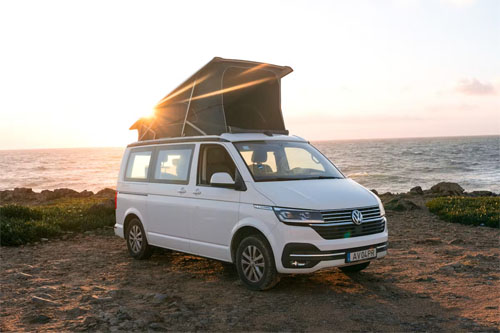
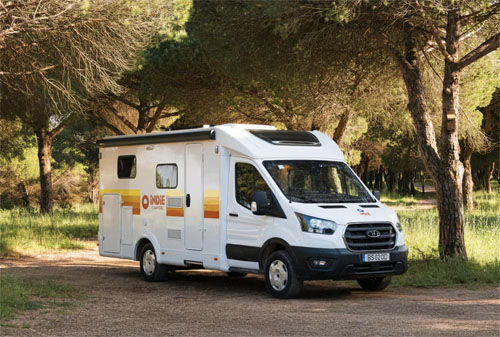
For navigating Munich and the scenic Bavarian roads, a Class B - Camper Van, typically around 5.3 meters in length, or a Class SI - Semi-integrated motorhome, averaging 6.7 meters, offers excellent maneuverability. The compact size of Class B vans makes them particularly suitable for city driving and parking. If you prefer more space and amenities, Class SI RVs provide a comfortable balance while remaining manageable for most routes, making them an ideal choice for couples or small families.
Should I Choose a Compact Van Instead of a Large RV in Munich?
Compact vans certainly offer easier parking and superior maneuverability in very tight urban spaces or historic city centers. However, larger RVs generally navigate Munich's roads without significant issue, and crucially, they provide significantly more comfort, space, and importantly, better insulation – a vital consideration for winter travel. While the trade-off between ultimate maneuverability and indoor comfort often leans towards a larger RV for a more pleasant winter experience, the choice truly depends on your travel style and priorities.
Can I Park Anywhere? Free & Wild Camping Rules in Munich
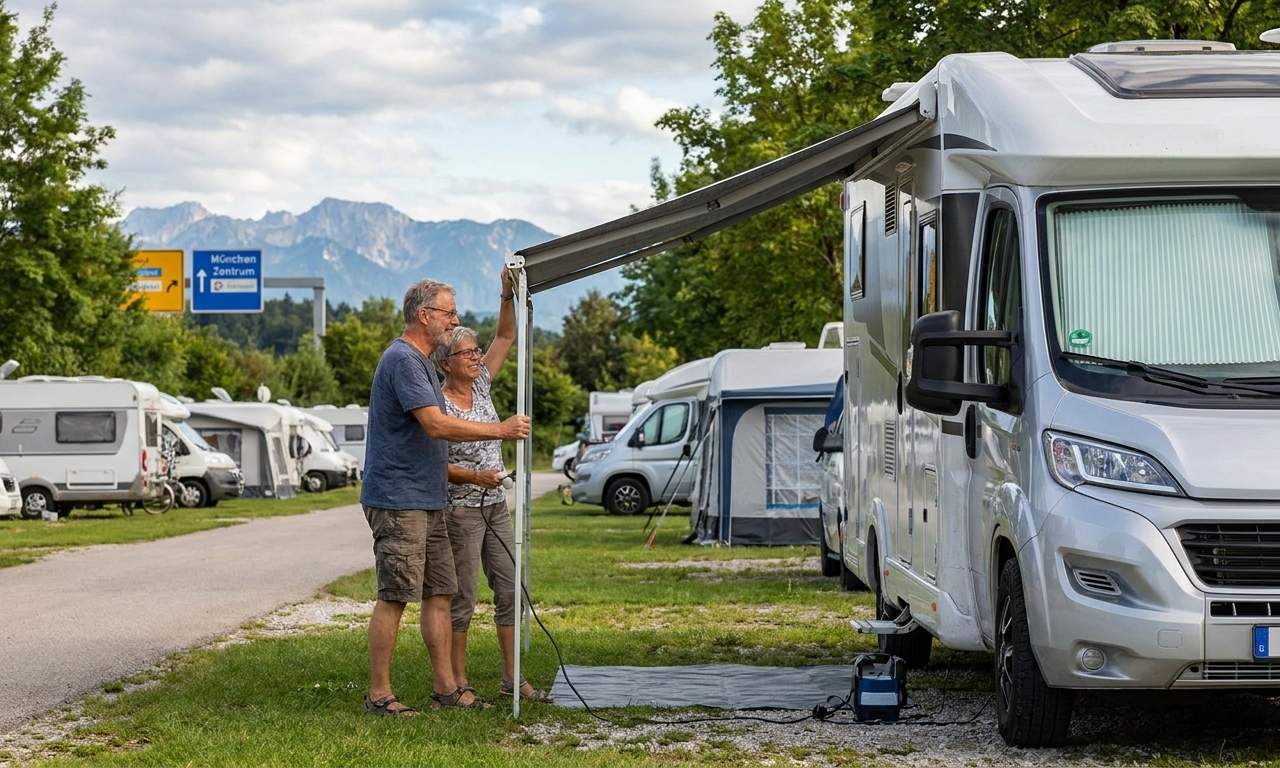
When it comes to parking and camping in Germany, it’s important to know the rules. Wild camping, which involves setting up camp outside of designated areas, is generally prohibited throughout Germany, including around Munich. Overnight parking to simply rest and restore your driving fitness is usually permitted in public spaces, provided there are no signs explicitly forbidding it. However, for overnight stays where you plan to utilize RV amenities like hookups or waste disposal, always use designated RV parking areas ('Stellplätze') or official campsites ('Campingplätze'). Remember that rules can vary, so always check local regulations before parking overnight.
Can I Drive an RV Into the City Center? Heights, Tunnels & Local Signage
Yes, you can generally drive an RV into Munich's city center, provided it meets the environmental requirements – specifically, it must have the required green 'Umweltplakette' environmental sticker. As you navigate, pay close attention to signage indicating height limits for underpasses, tunnels, and parking garages, as these can be restrictive for larger vehicles. Finding convenient parking for bigger RVs directly in the city center can be challenging. Consider utilizing the excellent park-and-ride (P+R) facilities located on the outskirts of Munich, which are well-connected to the city center by efficient public transport.
What do I need to drive my motorhome in Germany?
To legally drive your rented motorhome in Germany, you'll need a valid driving license appropriate for the vehicle's weight category (usually a standard B license for most, or a C1 for heavier models). An International Driving Permit (IDP) is recommended if your national license isn't in Latin characters or isn't recognized directly. Always keep the vehicle's registration and insurance documents, provided by the rental company, accessible within the RV. Crucially, an 'Umweltplakette' (environmental sticker) is necessary for entering environmental zones like Munich's city center. Ensure your motorhome also includes legally required safety equipment: a warning triangle, a reflective safety vest for each occupant, and a first-aid kit. Familiarize yourself with the locations of LPG refill points and waste disposal points ('dump stations') along your route.
Are winter tires mandatory in Munich?
Yes, winter tires are mandatory in Germany, including Munich, whenever winter road conditions such as ice, snow, slush, or freezing rain are present. Germany's law is situational, meaning the requirement applies when conditions exist, not just during a fixed calendar period. Rental companies are legally obligated to equip their vehicles with appropriate winter tires during the winter season. Failing to comply can result in fines and may impact insurance coverage in the event of an accident.
What are the winter driving requirements in Germany?
Winter driving in Germany requires mandatory winter tires, identifiable by the M+S marking and the snowflake symbol, whenever winter road conditions are encountered. Snow chains may be required on specific mountainous roads, indicated by blue circular signs; ensure you have them if venturing into high alpine areas. Maintaining visibility is crucial: clear all snow and ice from your RV, and ensure you have adequate windshield washer fluid that won't freeze. Adapt your driving style by reducing speed, increasing following distances, and avoiding sudden maneuvers to prevent skidding. Before departing, always verify fluid levels, especially antifreeze, and check battery health.
Are RVs allowed in Germany?
Yes, Recreational Vehicles (RVs) are widely accepted and welcomed in Germany, with extensive infrastructure designed to support motorhome travel. You'll find a vast network of designated RV parking areas ('Stellplätze') and full-service campsites ('Campingplätze') across the country. RVs are a popular and practical choice for exploring Germany's diverse regions, from vibrant cities to the stunning Bavarian Alps. Road signs are often specifically designed to guide RV travelers to suitable parking and service points, making navigation easier.
Do tourists need winter tyres in Germany?
Yes, tourists driving rental RVs in Germany are subject to the same winter tire regulations as residents. Appropriate winter tires, marked with M+S and the snowflake symbol, are legally required for all vehicles when winter road conditions are present. German rental companies routinely equip their vehicles with these necessary tires during the winter season. It’s advisable to confirm the winter tire policy with your specific rental provider, but non-compliance can lead to fines and may affect insurance claims in case of an accident.
Can you drive an RV in the winter?
Driving an RV in winter is entirely possible and can be a very enjoyable experience if the vehicle is properly winterized and drivers are prepared for cold conditions. Rental RVs intended for winter use are typically equipped with protected water systems and operational heating. It's important to manage water systems carefully to prevent freezing; some rentals might suggest using bottled water and portable containers in extreme cold. Monitor your gas levels for heating, and consider external electric hookups at campsites to conserve propane. Ensuring good ventilation is also key to preventing condensation inside the RV.
Do rental cars in Germany have winter tires?
Yes, by law, rental cars and RVs in Germany are equipped with appropriate winter or all-season tires (marked M+S with the snowflake symbol) during the winter season. This is standard practice for rental companies to comply with Germany's situational winter tire mandate. You typically do not need to request winter tires specifically; they will be fitted as a matter of course for winter rentals. It's always a good idea to confirm the winter tire policy with your specific rental provider when booking.
How much is RV insurance for a year?
For an RV rental in Munich, insurance is typically included in your rental agreement, covering basic liability and a Collision Damage Waiver (CDW) with an excess. You can opt for additional insurance, either from the rental company or third-party providers, to reduce or eliminate this excess (deductible) for extra peace of mind. The cost of annual insurance for an owned RV in Europe varies significantly and is separate from rental insurance costs. When budgeting, be sure to consider all potential trip expenses, including the rental fee, fuel, campsite fees, and any optional extras you might choose.
Can you own an RV in Europe?
Yes, both residents and non-residents can own an RV in Europe, though navigating the registration, insurance, and taxation rules specific to each country is essential. An RV registered in one EU country generally allows for free movement across all member states. For non-EU residents, ownership might involve a specific import and registration process or require establishing residency in the chosen country. Renting an RV offers a convenient and flexible alternative to ownership, especially for those who don't seek a long-term commitment or wish to explore different countries with ease.
What You Shouldn't Miss
- Explore the Marienplatz: Start your Munich adventure at its iconic central square, home to the New Town Hall and its captivating Glockenspiel.
- Visit the English Garden: Enjoy a leisurely stroll or even try surfing on the Eisbach wave in this vast urban park, larger than New York's Central Park.
- Discover the Viktualienmarkt: Immerse yourself in the vibrant atmosphere of this daily open-air market, sampling local delicacies and experiencing Bavarian culture.
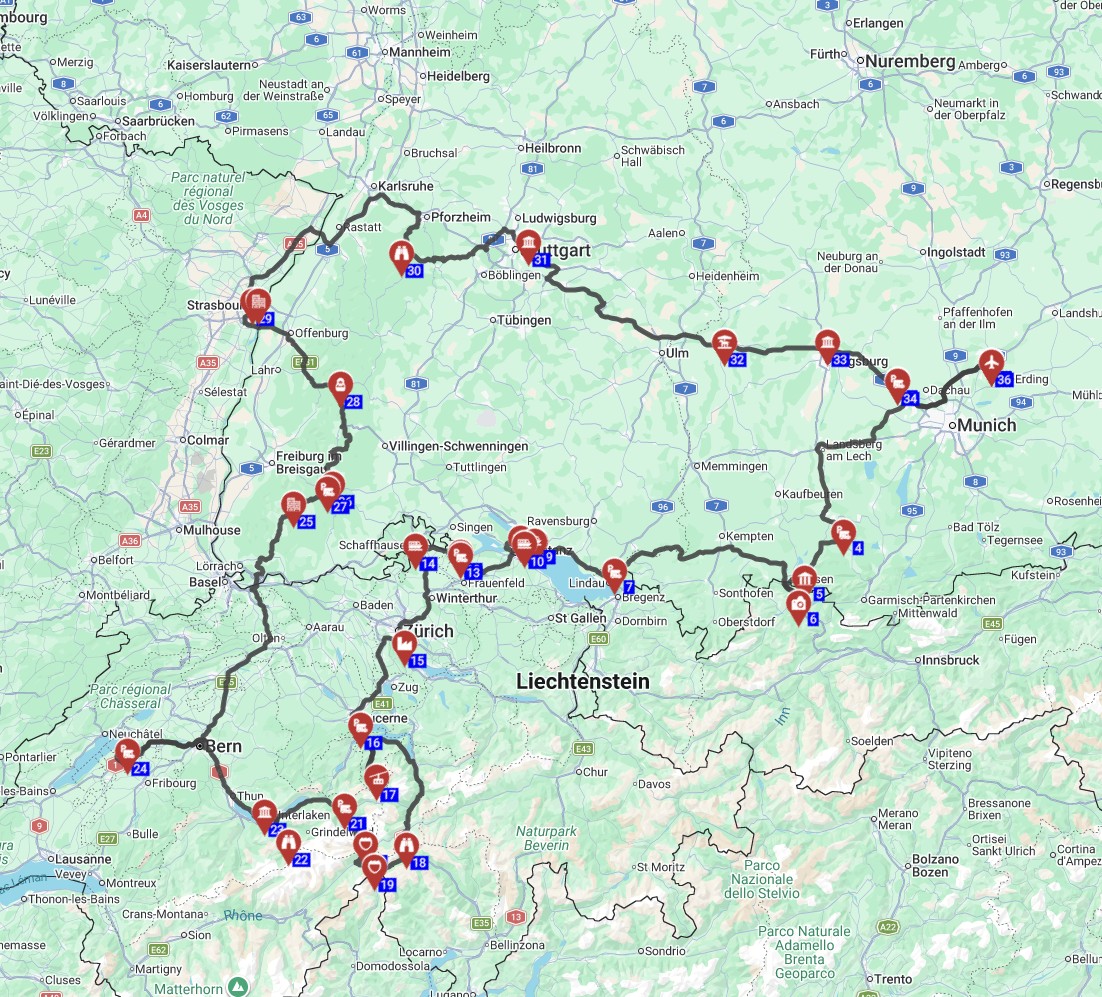
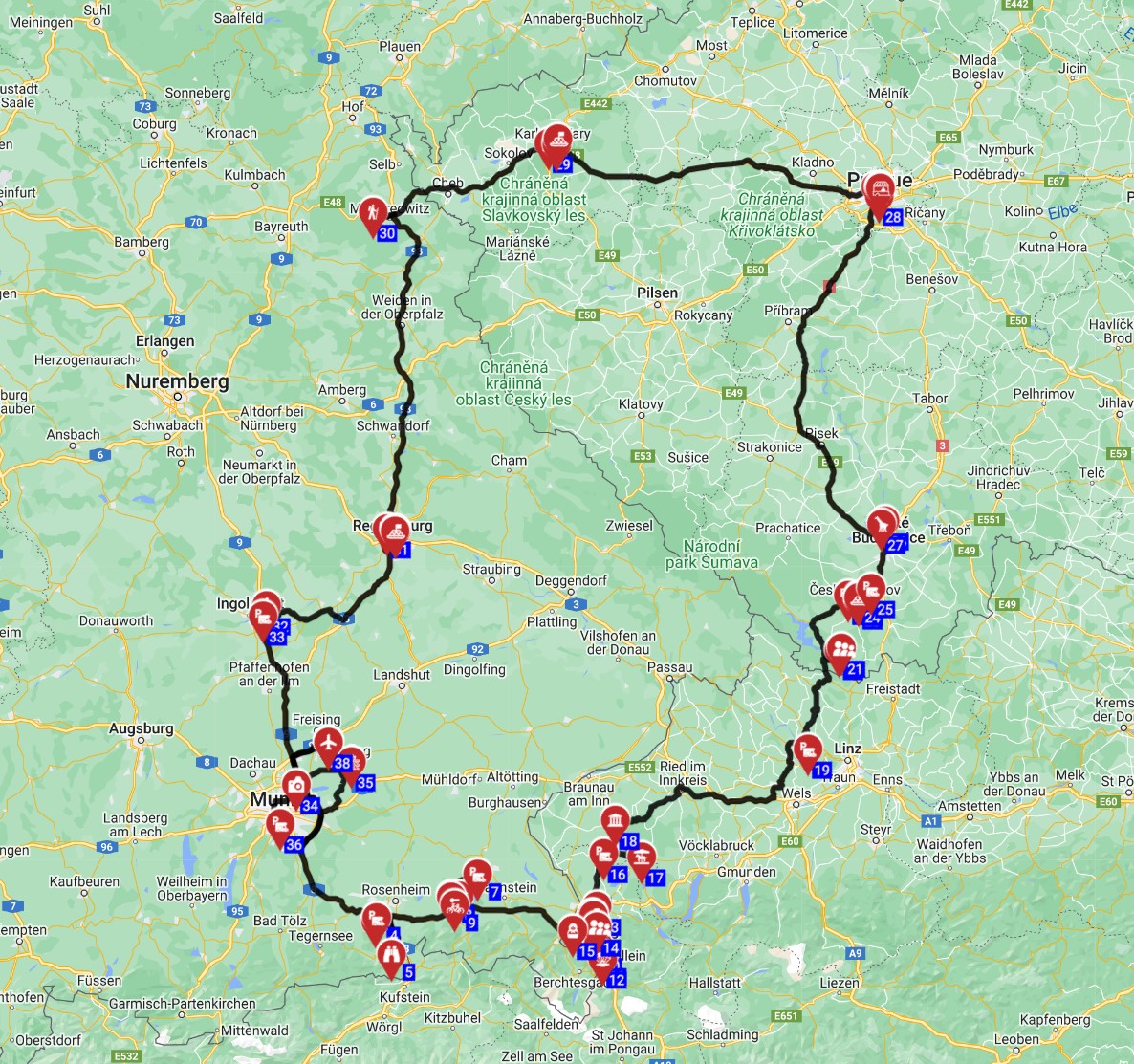
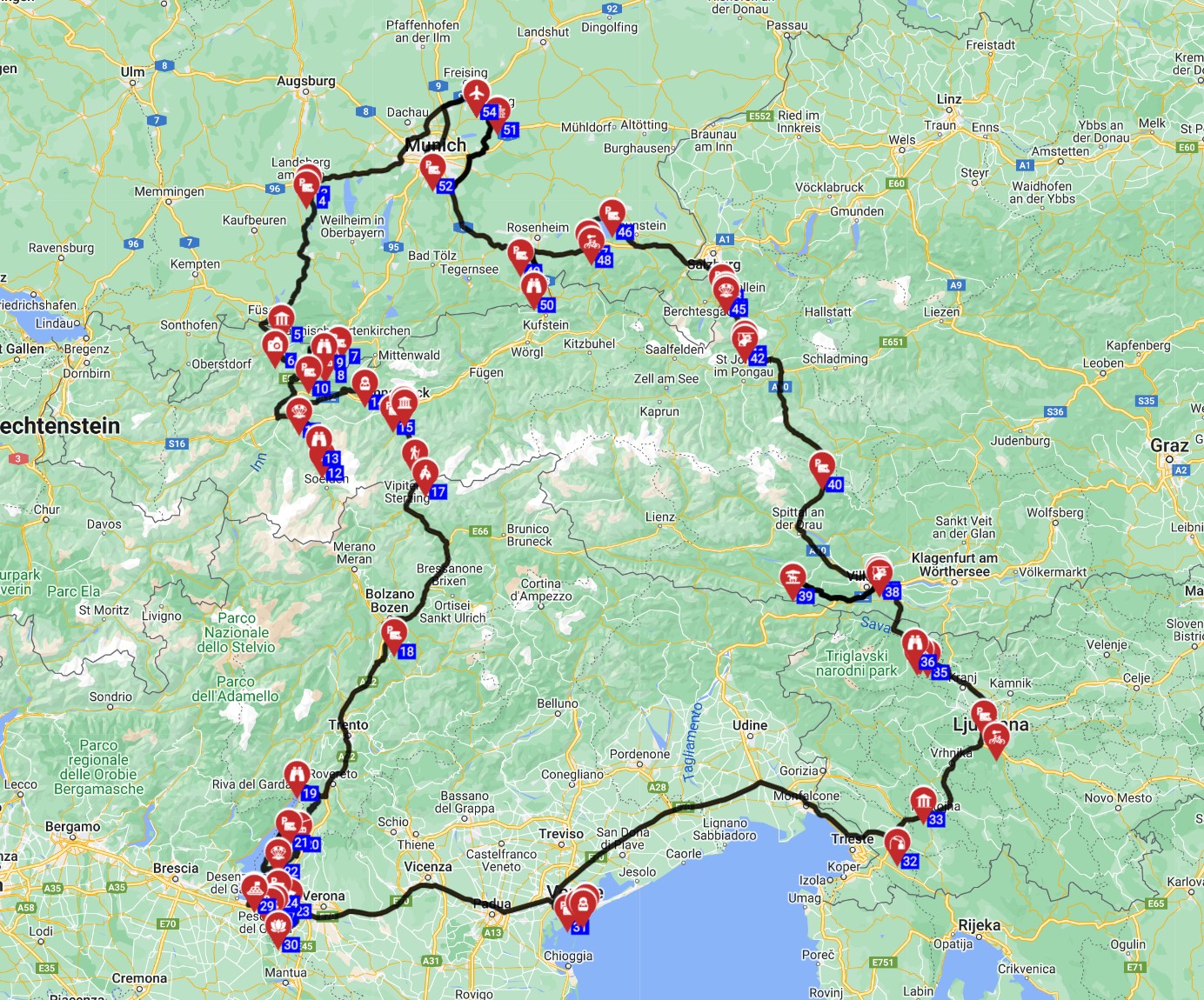
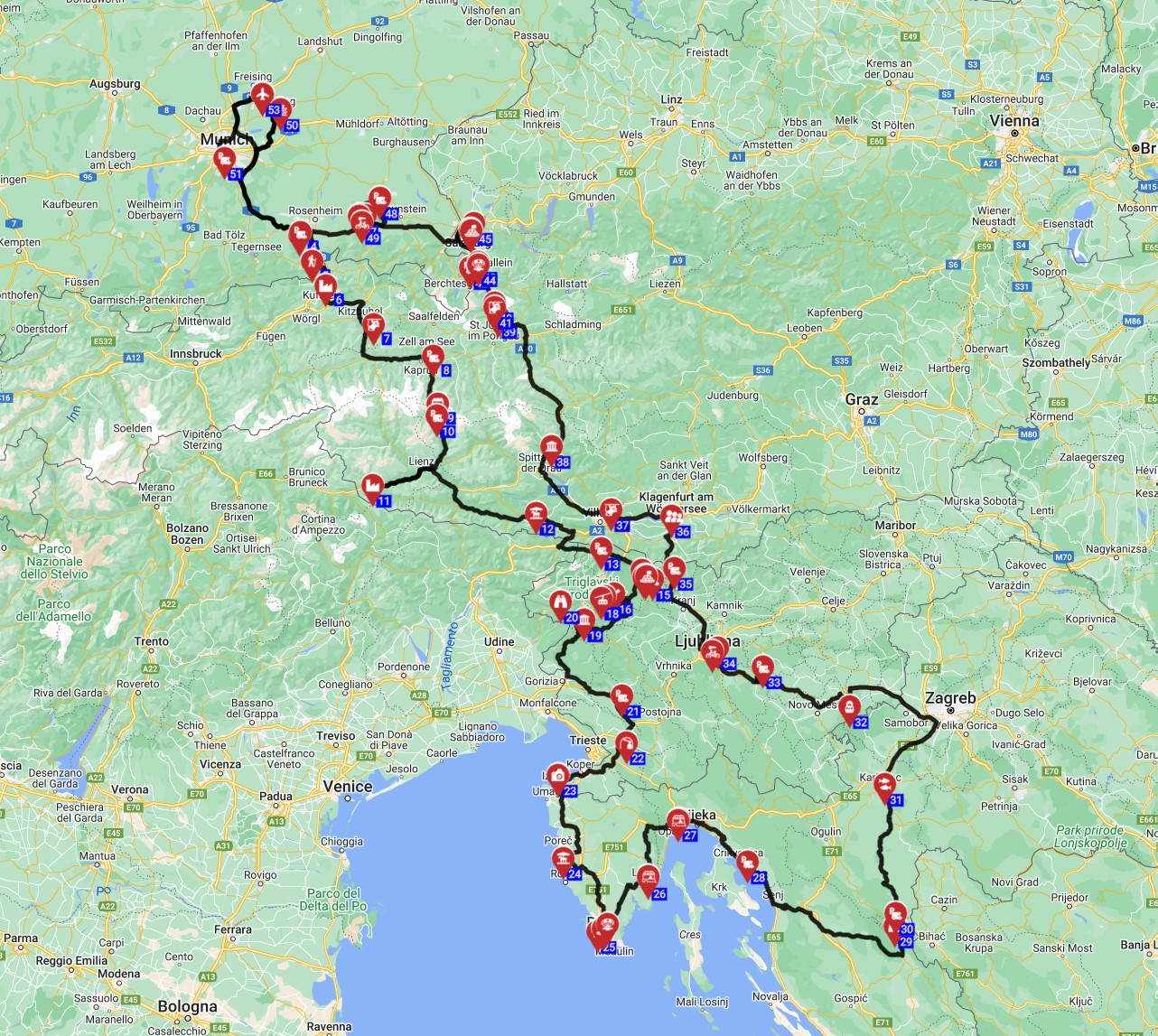
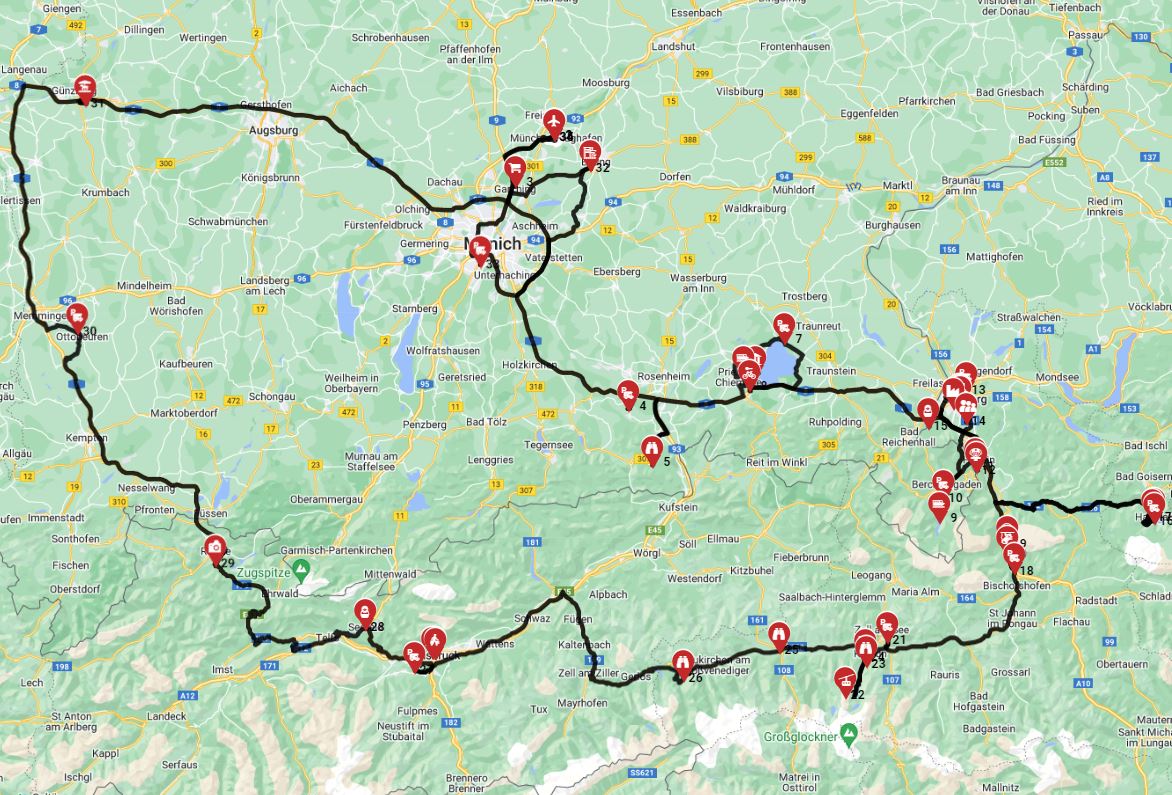
- Journey to Neuschwanstein Castle: Take a day trip to the fairytale castle that inspired Disney, a true highlight of the Bavarian Alps accessible by RV.
- Drive the Romantic Road: Embark on a portion of this famous scenic route, stopping at charming medieval towns like Rothenburg ob der Tauber, easily reachable from Munich.
- Experience a Traditional Bavarian Beer Garden: Enjoy the local culture and cuisine in a classic Munich beer garden, a quintessential Bavarian experience.
Final Thoughts
Renting an RV for a winter trip to Munich and the surrounding Bavarian region offers a unique and memorable way to experience the stunning landscapes and charming towns. By being prepared for winter conditions and understanding local driving regulations, you can ensure a safe and enjoyable journey.
Remember to book your rental well in advance, especially if traveling during peak season or holidays. With Bandana Caravan, you benefit from transparent pricing and support, making the planning process smooth and stress-free.
Find Motorhome Rentals in Munich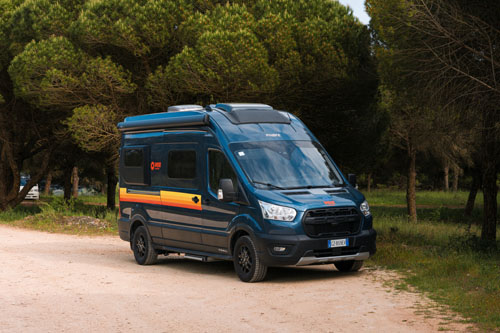


_6f07c1.jpg)
_9c532e.jpg)