
For live availability and current prices, start with our RV Rental Israel - Complete Guide 2026 guide.
In This Guide
- Can You Drive an RV in Israel? License & Age Rules
- Road Conditions & Terrain in Israel
- RV Size Limits, Bridges & Restricted Zones
- Fuel: Diesel vs. Petrol & Cost per 100 km
- Tolls, Vignettes & Border Rules
- Driving Tips for winter rv rental Travelers
- Recommended RV Class for Israel Roads
- Should I Choose a Compact Van Instead of a Large RV in Israel?
- Can I Park Anywhere? Free & Wild Camping Rules in Israel
- Can I Drive an RV Into the City Center? Heights, Tunnels & Local Signage
- What Types of RVs Are Available for Rent in Israel?
- How Far in Advance Should I Book an RV Rental in Israel?
- What Are the Best RV Rental Companies in Israel?
- What is the Average Cost of Renting an RV in Israel?
- What Are the Insurance Requirements for RV Rentals in Israel?
- How Do I Find RV Hookups and Dump Stations in Israel?
- Are There Specific Routes or Itineraries Recommended for RV Travel in Israel?
- What Kind of Weather Can I Expect During Winter RV Travel in Israel?
- Is It Safe to Travel in an RV in Israel, Especially in Winter?
- Are There Local RV Communities or Resources in Israel?
Can You Drive an RV in Israel? License & Age Rules
For a rented RV up to 3.5 tons in Israel, a standard car driver's license (Category B) is generally sufficient. If the RV exceeds 3.5 tons, a higher license category might be necessary; it's always best to verify this specific requirement with your chosen rental company. The minimum driver age for RV rentals in Israel is typically 21, although some rental providers may require drivers to be 25, especially for larger vehicle categories. Foreign drivers will need a valid driver's license from their home country, and while often recommended, an International Driving Permit (IDP) is usually required for non-English speaking countries.
Road Conditions & Terrain in Israel
Israel's main highways are typically well-maintained, offering a smooth driving experience for your rented RV. However, the terrain is significantly varied, ranging from flat coastal plains to mountainous regions like the Galilee and Judean Hills, as well as extensive desert areas in the Negev and Arava. During winter months (November to March), expect rain, particularly in the northern and central parts of the country, which can lead to slippery road conditions and reduced visibility. Some older towns and rural routes feature narrower, winding roads that require cautious navigation with a larger motorhome. Embrace slow travel, especially on scenic routes, to fully appreciate the diverse landscapes Israel offers during winter.
RV Size Limits, Bridges & Restricted Zones
While there aren't universally posted country-wide RV size limits in Israel, drivers must remain vigilant about local signage indicating height and weight restrictions. Pay particular attention to low bridges, tunnels, and underpasses, especially in older urban areas; know your RV's exact height to avoid potential issues. Israel does not generally enforce environmental zones that restrict RV access based on emissions. Furthermore, ferry travel within Israel is largely irrelevant for RVs, and cross-border RV travel to neighboring countries is highly restricted and generally not feasible. Always confirm your RV's specific dimensions against any posted limits before proceeding.
Fuel: Diesel vs. Petrol & Cost per 100 km
The majority of RVs available for rent in Israel are typically diesel-powered. Diesel fuel is readily available at service stations across the country, ensuring convenient refueling. Based on global fleet averages, RVs commonly consume between 8-12 Liters per 100 km. While the exact fuel cost per 100 km will fluctuate with market prices, this consumption range provides a solid basis for budgeting your winter RV trip. It's always a good idea to inquire with your rental provider if they offer any fuel discount cards or programs that might help reduce your overall expenses. On the routes offered through RV PLANET routes, you can itemize and track every expense along the way for easy budgeting.
Tolls, Vignettes & Border Rules
Israel features electronic toll roads like Highway 6 and the Carmel Tunnels. RV renters should clarify toll payment methods with their rental company, as some systems are electronic and may require a specific transponder. It's advisable to inquire if your rental agreement allows for pre-purchasing toll passes to avoid potential fines or administrative fees. Notably, crossing land borders from Israel into neighboring countries with a rental RV is generally not permitted or is highly complex, requiring specific prior arrangements and permits. For your winter RV adventure, it's best to focus on exploring the diverse regions within Israel's borders.
Driving Tips for winter rv rental Travelers
When embarking on a winter RV rental adventure in Israel, preparation is key. Be prepared for variable weather conditions: northern and central Israel can experience significant rainfall, making roads slippery and reducing visibility. Navigate urban areas strategically, utilizing GPS for RV-friendly routes or considering 'Park & Ride' options on the outskirts and using public transport for dense city centers. Plan for frequent stops, especially with family, incorporating breaks every 2-3 hours at scenic points or attractions to ensure a comfortable journey. Familiarize yourself with your RV's specific winter features, such as the heating system, water tank insulation, and any anti-freeze procedures essential for cold-weather travel. Crucially, ensure your rental agreement includes comprehensive roadside assistance for peace of mind throughout your winter trip.
Recommended RV Class for Israel Roads
For Israel's diverse road conditions, a **Class SI - Semi-integrated** or **Class B - Camper Van** is often a highly recommended choice due to their excellent balance of comfort and maneuverability. Class SI RVs, typically around 6.9 meters long and sleeping 3-4 adults, offer comfortable living space while remaining relatively easy to navigate. Camper Vans (Class B), averaging 5.8 meters, provide superior agility for tighter city streets and smaller parking spots, making them ideal for couples or smaller groups. Larger RVs, such as Class C - Alcove or Class A - Integrated models, are also manageable on main roads but require more careful planning for urban parking and narrower routes. Ultimately, the best choice depends on your group size, desired amenities, and comfort levels for winter travel; all classes are generally capable of traversing main Israeli roads.
Should I Choose a Compact Van Instead of a Large RV in Israel?
Generally, driving larger RVs in Israel poses no significant issue on main roads; the decision often comes down to prioritizing comfort and indoor space, especially for a winter rental. A compact camper van, like a Class B model, offers superior maneuverability for navigating extremely tight historic centers, narrow alleyways, or challenging mountain passes. However, a larger RV provides considerably more living space, better insulation against winter cold, and enhanced amenities, which are invaluable when spending more time indoors. The trade-off often favors the increased comfort and facilities of a larger RV for winter trips, particularly for families or those planning longer journeys. For city exploration with a larger RV, consider utilizing 'Park & Ride' facilities on the outskirts and leveraging public transportation, or seeking out designated RV-friendly parking lots.
Can I Park Anywhere? Free & Wild Camping Rules in Israel
Wild camping or 'boondocking' with an RV in Israel is generally **not legally permitted** in many areas, including national parks, nature reserves, and populated zones. Designated RV parks and official campsites are the legal and safest options for overnight parking, providing essential services like hookups and dump stations. Prioritize safety and security by always choosing well-lit, authorized locations for overnight stays, especially during the winter months. It's worth inquiring locally about specific recommended RV-friendly areas or private farm stays that might offer overnight parking options. Remember, rules can vary by region, so always check local regulations and respect local laws before parking your RV overnight.
Can I Drive an RV Into the City Center? Heights, Tunnels & Local Signage
Yes, you can generally drive an RV into most city centers in Israel, but careful attention to specific local signage and diligent route planning are crucial. Always look out for signs indicating height limits for tunnels and underpasses, weight restrictions, and any environmental or residents-only zones. Be aware that some historic or older city areas in Israel may feature very narrow streets or restricted access that might be unsuitable for larger RVs. A practical strategy for exploring major Israeli cities is to park your RV on the outskirts and utilize public transportation to navigate the dense central areas, which can significantly alleviate parking stress. Always verify parking availability and any specific restrictions beforehand, as finding suitable and legal RV parking in busy Israeli city centers can indeed be challenging.
What Types of RVs Are Available for Rent in Israel?
The Israeli RV rental market primarily features models such as **Class SI - Semi-integrated**, **Class C - Alcove**, and **Class B - Camper Van**. Semi-integrated (Class SI) RVs, averaging 6.9 meters in length, are popular choices for their good balance of living space for 3-4 adults and manageable driving characteristics. Alcove (Class C) RVs, typically 7.5 meters long and accommodating up to 5-6 people, are excellent options for families needing more sleeping berths and interior space. Camper Vans (Class B), with an average length of 5.8 meters, are compact and highly maneuverable, making them perfect for couples or solo adventurers. While less common, some providers may also offer larger, luxury Class A - Integrated RVs or the compact Class TC - Truck Campers. Keep in mind that availability can fluctuate with demand, so booking in advance is always advisable, especially if you have your heart set on a specific type of RV or are traveling during peak times.
How Far in Advance Should I Book an RV Rental in Israel?
To best secure your preferred RV class and travel dates for a winter trip in Israel, booking your rental approximately 3 to 6 months in advance is highly recommended. While winter is generally considered a less busy season compared to peak summer or major holiday periods like Passover or Sukkot, popular RV models can still be reserved quickly. Booking well ahead of time not only provides access to a wider selection of vehicles but often also allows for better rental rates. While last-minute rentals might occasionally become available, expect options to be limited and prices to be higher. Always review the cancellation policy of your chosen rental company when booking, so you understand your options should your plans change.
What Are the Best RV Rental Companies in Israel?
Several reputable RV rental companies operate in Israel, offering a diverse range of fleets and services tailored to various travel needs. When selecting a provider, consider factors such as the variety of RV classes available (e.g., Class B, SI, C), the comprehensiveness of their insurance options, and the overall quality of their customer service. Look for companies that prioritize clear communication, transparent pricing, and robust roadside assistance – all essential elements for a stress-free trip. Reading online testimonials and comparing different offerings can help you find a provider that best aligns with your specific winter RV rental requirements and budget. Exploring international platforms that partner with local Israeli operators can also be a great starting point for your comparison and booking process.
What is the Average Cost of Renting an RV in Israel?
The average cost of renting an RV in Israel can vary significantly based on several factors, including the RV class, rental duration, the season, and how far in advance you book. Daily rental rates for a compact Class B Camper Van might range from approximately $100 to $150, while a larger Class C Alcove could cost between $150 and $250+ per day. Beyond the core rental fee, anticipate additional costs such as fuel (averaging 8-12 Liters/100 km), campsite fees (typically $30-$60+ per night, depending on amenities), and comprehensive insurance. It's also wise to factor in estimated daily expenses for groceries, activities, and incidentals, which could add another $50-$100+ to your overall budget. A thorough cost analysis should incorporate all these variables to provide an accurate total expenditure for your winter RV adventure in Israel.
What Are the Insurance Requirements for RV Rentals in Israel?
All RV rentals in Israel include mandatory basic insurance coverage, typically encompassing third-party liability. Rental companies commonly offer various Collision Damage Waiver (CDW) options with differing deductible (excess liability) amounts; opting for comprehensive coverage is highly recommended for added peace of mind. It is crucial to fully understand what is specifically covered under your chosen insurance plan, including damage to specific parts, theft, and roadside assistance, as well as any potential exclusions. Before finalizing your rental, check if your personal travel insurance policy or credit card offers any coverage for RV rentals, but always confirm this directly and do not rely solely on such coverage. Thoroughly reviewing the insurance terms and conditions before signing the rental agreement is essential to ensure you have adequate protection for your winter trip.
How Do I Find RV Hookups and Dump Stations in Israel?
Finding RV hookups (for electricity and fresh water) and dump stations (for grey and black water) in Israel is primarily managed through designated RV parks and official campsites. Specialized RV mobile applications, such as Park4Night or Campercontact, are invaluable resources for locating these facilities across Israel, often including user reviews. Many kibbutz guest houses or rural accommodations may also offer basic hookups for a fee, making it worthwhile to inquire when planning your route. Propane refill stations are typically available in larger towns and cities; consult your rental company for specific locations or utilize local search tools. Strategic planning of your itinerary with regular stops at campsites or designated service points is essential for ensuring consistent access to these critical RV services.
Are There Specific Routes or Itineraries Recommended for RV Travel in Israel?
Israel offers a diverse array of RV-friendly routes that beautifully blend historical sites, stunning natural beauty, and vibrant cities, making it an ideal destination for winter exploration. Consider a **Northern Loop** to discover the Galilee region, including the Sea of Galilee and the Golan Heights, for its breathtaking landscapes, ancient ruins, and numerous campsites. Alternatively, the **Central Coastal Route** allows you to explore the Mediterranean coast from Tel Aviv northwards to Caesarea and Haifa, enjoying beaches and archaeological wonders, with RV-friendly parking often available on city outskirts. For a warmer winter experience, head south for a **Southern Desert Adventure** to the Negev Desert, Dead Sea, and Eilat, focusing on unique geological formations and desert-specific RV parks. Your RV-optimized itinerary should also factor in parking strategies (like 'Park & Ride' options for cities) and advice for navigating narrower roads in historic areas. Tailoring your winter itinerary to focus on regions with suitable weather, prioritizing the warmer south for desert excursions, is always a sound strategy.
What Kind of Weather Can I Expect During Winter RV Travel in Israel?
Winter in Israel, generally spanning from November to March, is typically mild, but weather conditions can vary significantly across its diverse geographical regions. Northern Israel, including the Galilee and Golan Heights, usually experiences cooler temperatures (ranging from 5-15°C / 41-59°F) with significant rainfall, and potentially snowfall in higher elevations. Central Israel, encompassing cities like Tel Aviv and Jerusalem, sees milder temperatures (10-18°C / 50-64°F) with occasional rain showers; Jerusalem, being at a higher altitude, can be colder and may experience rare light snow. Southern Israel, such as the Negev Desert, Eilat, and the Dead Sea region, typically remains warmer and drier (15-25°C / 59-77°F), making it an excellent destination for winter desert exploration. Nights can be chilly everywhere, particularly in mountainous areas and the desert, so a well-functioning RV heating system is essential. Always be prepared for sudden weather changes, especially rain, and pack appropriate layers for warmth and waterproofing.
Is It Safe to Travel in an RV in Israel, Especially in Winter?
Israel is generally considered a safe country for RV travel, boasting a low crime rate that allows many travelers to explore its diverse landscapes securely. During winter, the primary safety considerations are more commonly related to weather conditions, such as slippery roads due to rain, particularly in the northern and mountainous regions. It's always advisable to adhere to local travel advisories, stay informed about current events, and avoid venturing into restricted or politically sensitive areas. For RV-specific safety, always ensure your vehicle is securely locked, avoid leaving valuables exposed, and prioritize authorized campsites for overnight parking over wild camping. Familiarize yourself with local emergency services, such as Magen David Adom for medical emergencies (dial 101), and keep essential contact numbers readily accessible.
Are There Local RV Communities or Resources in Israel?
While perhaps not as extensive as in some other countries, a growing and active local RV community does exist in Israel. Online forums, dedicated Facebook groups, and local RV clubs can serve as invaluable resources, offering practical tips, local insights, and opportunities for interaction with experienced Israeli RVers. Many Israeli RV rental companies also act as excellent resources, readily providing advice on local campsites, recommended routes, and cultural nuances pertinent to RV travel. Engaging with the local RV community can offer unique perspectives on exploring Israel by motorhome and help you discover hidden gems off the beaten path. If you're interested in connecting directly with fellow enthusiasts during your trip, keep an eye out for any local RV events or meetups.
What You Shouldn't Miss
- Explore the Dead Sea: Float effortlessly in the hypersaline waters and cover yourself in mineral-rich mud. Many RV-friendly campsites are located along the western shore.
- Journey through the Negev Desert: Discover unique geological formations like the Ramon Crater and enjoy stargazing in this vast, arid landscape. Designated desert camping spots are available.
- Visit Masada: Explore the ancient fortress with its dramatic history, accessible via cable car or the challenging Snake Path, and find nearby RV parking.
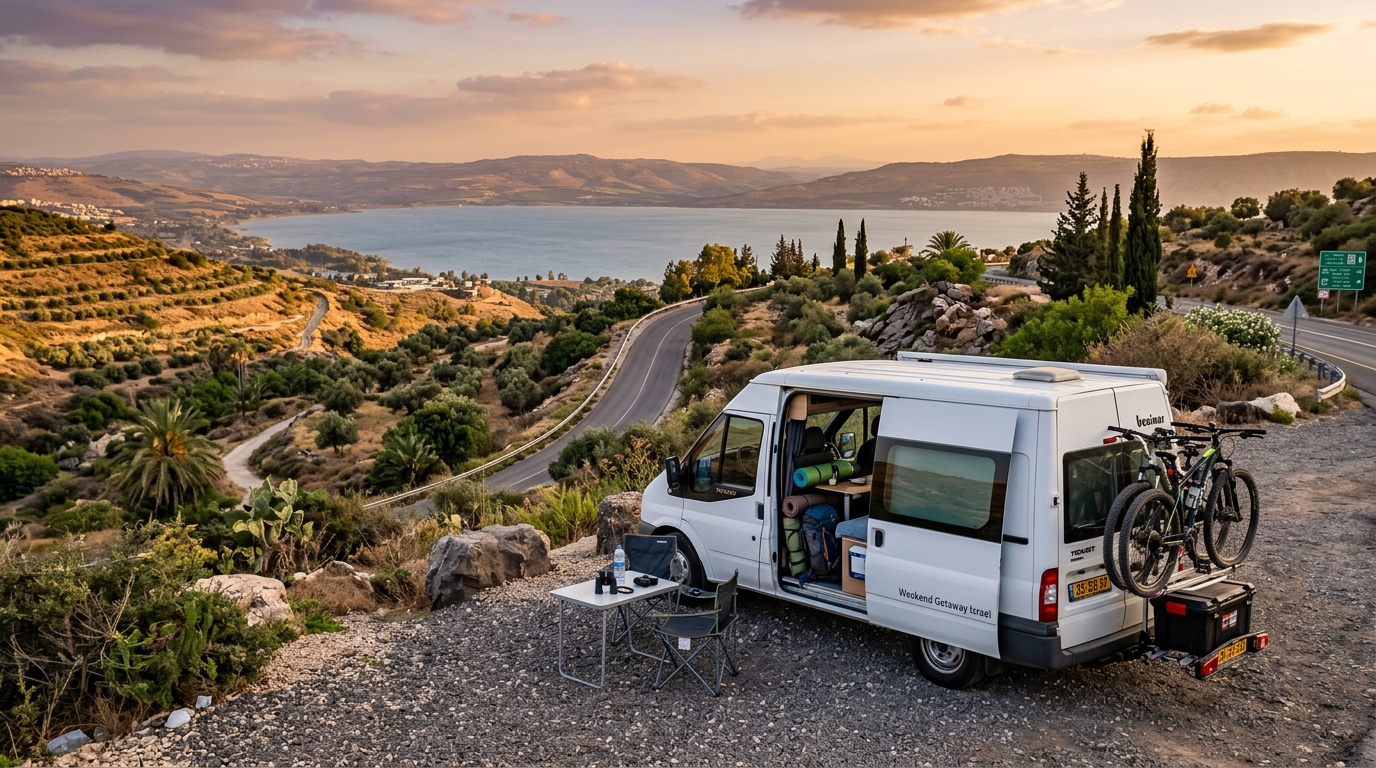
- Drive the scenic routes of the Galilee and Golan Heights: Enjoy breathtaking views, visit historical sites, and find charming campsites nestled amidst rolling hills and the Sea of Galilee.
- Experience Tel Aviv's vibrant coastline: Park your RV on the outskirts and explore the bustling city, its beaches, and modern culture, using public transport for easy navigation.
- Discover Jerusalem's Old City: While parking an RV directly in the old city is challenging, utilize peripheral parking and public transport to explore this historic and culturally rich destination.
Final Thoughts
Renting an RV for a winter trip in Israel offers a unique and rewarding way to experience the country's diverse landscapes and rich history. By understanding the road conditions, legal requirements, and embracing the freedom of the open road, you're set for an unforgettable adventure. Remember to plan your route, book in advance, and pack accordingly to make the most of your journey.
We're here to make your RV rental experience as smooth and enjoyable as possible, from the initial search to the moment you return your keys. Let Bandana Caravan help you plan your dream Israeli road trip!
Get inspired for your next trip! Discover top destinations, planning tips, all in one place! Plan a trip itinerary in advance with minimal effort and maximum enjoyment.
