In This Guide
- Can You Drive an RV in Greece? License & Age Rules
- Road Conditions & Terrain in Greece
- RV Size Limits, Bridges & Restricted Zones
- Fuel: Diesel vs. Petrol & Cost per 100 km
- Tolls, Vignettes & Border Rules
- Driving Tips for winter rv rental Travelers
- Recommended RV Class for Greece Roads
- Should I Choose a Compact Van Instead of a Large RV in Greece?
- Can I Park Anywhere? Free & Wild Camping Rules in Greece
- Can I Drive an RV Into the City Center? Heights, Tunnels & Local Signage
- What are the benefits and challenges of RVing in Greece during winter?
- What kind of weather can I expect for a winter RV trip in Greece?
- What are the best cultural experiences for RV travelers in Greece during winter?
- How can I practice eco-friendly RVing in Greece?
Can You Drive an RV in Greece? License & Age Rules
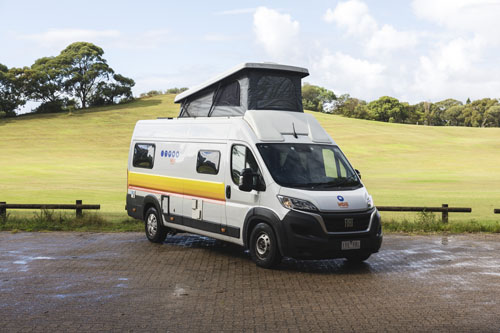
Most standard driving licenses (Category B) allow driving RVs up to 3,500 kg, which covers many popular campervan models like the "Combi Van" or smaller Class C motorhomes. For instance, a Class B Camper Van, typically averaging 5.8 meters in length, usually falls within this weight limit. Drivers typically need to be at least 21 years old to rent an RV in Greece; Bandana RV proudly offers rentals without young driver surcharges or vehicle class restrictions based on age, making it accessible for a wider range of adventurers. Foreign drivers from non-EU countries must carry an International Driving Permit (IDP) in addition to their national license to legally drive in Greece, which is a common requirement across Europe to ensure your license is easily understood by local authorities. For larger RVs exceeding 3,500 kg Maximum Authorized Mass (MAM), such as a 6-berth "Euro Deluxe" model with a full fresh water tank of 150 liters, a Category C1 license is generally required in Greece, a threshold crucial for larger integrated or alcove models designed for families or larger groups. Our comprehensive comparison platform allows you to filter vehicles by license requirements, ensuring you find the perfect match for your qualifications.Road Conditions & Terrain in Greece
Greek road conditions vary significantly, with well-maintained national highways connecting major cities like Athens and Thessaloniki, while rural and island roads can be narrower, winding, and sometimes less paved. The terrain in Greece is largely mountainous, featuring steep ascents, descents, and winding passes, especially in regions like the Peloponnese Peninsula, requiring careful RV navigation and an attentive driving style. Winter RV travel may encounter snow and ice in higher mountain elevations, necessitating appropriate tire chains or winter tires, while coastal routes generally remain accessible and milder. Always check local weather forecasts before heading into mountainous areas. Slow and scenic driving, averaging a maximum of 100-150 km per day, is highly encouraged to fully appreciate Greece's diverse landscapes and navigate the challenging geography safely, particularly when encountering older villages or city outskirts with tight turns. Remember, the journey itself is a significant part of the RV experience, allowing you to connect to the culture, the food, and the scenery at your own pace.RV Size Limits, Bridges & Restricted Zones
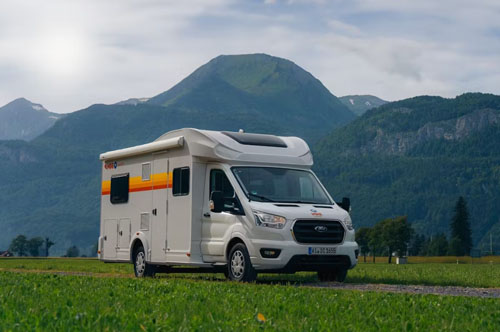
While Greece doesn't have stringent overall RV size limits, drivers should be mindful of vehicle dimensions for navigation through narrow village streets, low bridges, and ferry services. Standard rented motorhomes, like a Class C Alcove at 7.5 meters length, typically fit under most overpasses; however, specific local signs for tunnels or historic areas may indicate height restrictions, particularly for vehicles over 3.5 meters tall. When planning island hopping, RV weight and length are critical for ferry bookings, as larger vehicles incur higher costs and may have limited space availability, especially during popular off-season travel periods. For example, a 6-berth "MH-A" motorhome with a length of 8.8 meters will require precise measurements and early booking for ferries. Environmental zones are less common than in some other European countries, but drivers should always check local signage in major cities or protected areas for any vehicle restrictions, ensuring a smooth and compliant journey.🎯 Fun Facts About Greece
- Coastline & Mountain Drama: Greece boasts the 10th longest coastline in the world (over 13,000 km or 8,000 miles), yet it's simultaneously one of Europe's most mountainous countries. This unique geography means RVers can often find coastal roads dramatically carved into cliffs, offering breathtaking panoramic views but also demanding careful driving skills and strong brakes.
- Camping Among History: Imagine parking your RV steps away from ancient wonders! Several official campgrounds in Greece are located within easy walking distance of major archaeological sites, such as the campground near Ancient Olympia, allowing for unparalleled, multi-day historical immersion right from your campsite.
- The Olive Grove Welcome: With over 130 million olive trees, Greece is practically covered in groves. It's a surprisingly common and delightful experience for RVers to find informal, welcoming spots to spend the night within private olive groves, sometimes arranged simply by asking a local or purchasing fresh olive oil, offering a truly authentic rural Greek camping experience.
- Ferry Frenzy - RV Edition: Greece's ferry network is incredibly extensive, connecting hundreds of islands. While taking an RV on a ferry is a unique adventure, be prepared: prices can vary wildly, booking in advance (especially for larger vehicles) is crucial, and some smaller island ports may have surprisingly challenging ramps or limited maneuvering space, making part of the 'adventure' navigating the logistics!
- Wild Camping's Quirky Origin: The law banning wild camping in Greece was actually introduced in the 1970s, largely as a carry-over from military decree laws focused on environmental protection (preventing fires and litter) rather than modern tourism regulation. This historical context contributes to why enforcement can be highly localized and nuanced, often more tolerant in truly remote areas if done discreetly and respectfully.
Fuel: Diesel vs. Petrol & Cost per 100 km
The vast majority of RVs in Greece, as with Bandana's global fleet, run on diesel fuel, which is widely available at service stations across the country. Petrol (gasoline) is also common but used by very few motorhome models. Based on Bandana's global fleet averages, a Class SI - Semi-integrated RV typically consumes 10-11 Liter/100 km, while a Class B - Camper Van, like the "Active Pop Top" with its 90-liter fresh water tank, uses around 8-10 Liter/100 Km. Fuel costs in Greece can fluctuate, but travelers should budget for an average cost per 100 km, calculated by current diesel prices and the RV's specific fuel efficiency. For example, if diesel is €1.80/liter, a Class C motorhome might cost €18-€25 per 100 km. It's essential to factor these RV PLANET routes to itemize and track every expense, including fuel, for easy budgeting throughout your trip.Tolls, Vignettes & Border Rules
Greece primarily uses a barrier-toll system on its national highways, where drivers pay at toll booths based on vehicle class and distance traveled, rather than requiring a vignette sticker common in some other European countries. Payment at Greek toll booths can usually be made with cash or card; some major routes also support electronic toll devices for smoother passage. For a winter RV rental trip, planning your routes will help you anticipate toll costs. There are no specific border rules for RVs crossing from neighboring EU countries into Greece, but standard passport and vehicle documentation (registration, insurance) are required. Travelers should confirm international insurance coverage extends to Greece and any transit countries; our top-level deductible reimbursement is an optional upgrade you can purchase for extra peace of mind, ensuring you're covered for unexpected situations.Driving Tips for winter rv rental Travelers
Prioritize safety by monitoring weather forecasts, especially for mountainous regions like Pindus or Mount Olympus where snow and ice can occur, and carry snow chains if traveling to higher elevations during your winter RV rental adventure in Greece. Plan routes carefully, allowing extra time for potential winter road conditions and shorter daylight hours, focusing on scenic, slower drives rather than speed, perhaps aiming for just 100-150 km per day. Consider a rented RV with good insulation and heating, such as the "Euro Deluxe" which often features robust heating systems, for comfortable winter travel, ensuring all water systems are properly managed to prevent freezing, especially if temperatures drop below freezing. Utilize designated RV parking and campsites, as winter may see fewer facilities open, and always confirm availability in advance, especially in remote areas or if using an off-season special like a "Cheap RV Rental in Greece - Budget Guide 2026" deal. Embrace the slower pace of winter travel, allowing for spontaneous stops in local villages and tavernas, enhancing cultural immersion without the summer crowds. Drive slowly and carefully, and you can drive almost anywhere without issues. No need to stress - just use common sense and pay attention.Recommended RV Class for Greece Roads
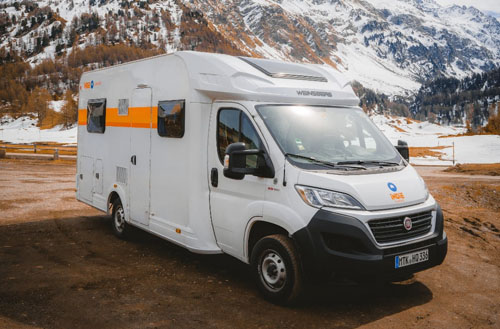
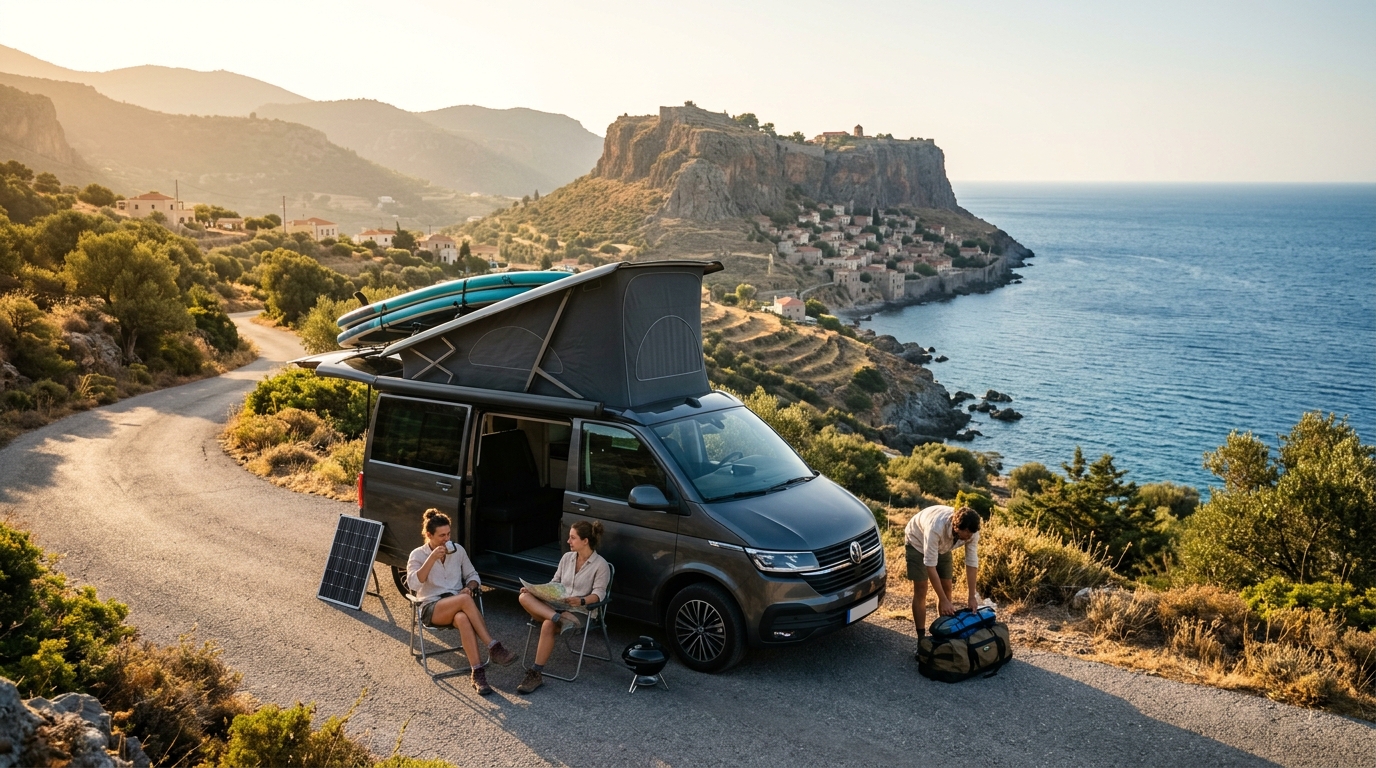
For navigating Greece's diverse roads, a Class B - Camper Van is highly recommended due to its compact size, with Bandana's fleet averaging 5.8 meters in length, offering excellent maneuverability on narrow routes and easy parking. Models like the "Combi Van" or "Active Pop Top" are particularly agile for winding coastal roads and charming village streets. The Class SI - Semi-integrated RV, averaging 6.9 meters in length, such as the "EcoLine 4", also provides a good balance of comfort and agility, making it suitable for both highways and more challenging, winding roads. These smaller RV classes offer sufficient living space for 2-4 adults while allowing easier access to older villages, coastal paths, and tighter parking spots than larger integrated motorhomes. Their smaller footprint often translates to better fuel efficiency (e.g., Class B at 8-10 Liter/100 Km) and reduced stress when encountering challenging Greek terrain. For exploring the mainland and even some larger islands, consider a smaller Class C Alcove motorhome too.Should I Choose a Compact Van Instead of a Large RV in Greece?
Choosing a compact van over a large RV in Greece often provides greater maneuverability for navigating narrow village streets, winding coastal roads, and accessing more remote locations, making it an excellent choice for a winter RV rental. While a compact van (like a Class B Camper Van such as the "Active Classic" with 90-liter fresh water tank) excels in ease of driving and parking, a larger RV (such as a Semi-integrated or Alcove model like the "Group D" offering 125 liters of fresh water capacity) offers significantly more indoor space, amenities, and comfort, especially for longer winter trips with more gear. For most major Greek roads and general touring, even larger RVs (up to 7.5 meters) are manageable; the choice largely depends on your priorities for comfort versus access to very confined spaces and your "Winter RV Rental in Greece - Safety Guide 2026" itinerary. If your itinerary focuses heavily on exploring ancient sites, bustling city outskirts, or driving through older, unmodernized villages, a compact van's agility, often with a length under 6 meters, can be a genuine advantage.Can I Park Anywhere? Free & Wild Camping Rules in Greece
Wild camping and free overnight parking for RVs in Greece are generally prohibited by law, particularly in protected areas, national parks, and organized beaches, though local interpretations and enforcement can vary significantly. Despite official prohibitions, discreet and respectful overnight parking outside designated campsites is often tolerated in less populated, non-touristy areas, especially during the off-season winter months when tourist traffic is minimal. Best practices for respectful wild camping include arriving late and leaving early, maintaining a low profile, leaving no trace of your presence behind, and always asking permission from local landowners or authorities when possible. Safety considerations are paramount; always avoid isolated spots, secure your rented vehicle, and trust your instincts when choosing an overnight location to prevent issues. Rules vary by region- always check local regulations and follow local law before parking overnight, and prioritize designated campsites for peace of mind, especially when traveling with a "Class Family" motorhome. For finding campsites and campgrounds during your trip, we recommend using RV PLANET (rvplan.net) - a great resource for locating available spots along your route.Can I Drive an RV Into the City Center? Heights, Tunnels & Local Signage
Yes, it is generally possible to drive an RV into Greek city centers, but drivers must pay close attention to local signage, which often indicates height restrictions, width limits, and environmental zones. Major cities like Athens or Thessaloniki may have specific height or weight restrictions for certain tunnels (e.g., the Attiki Odos tunnel in Athens has a 4.5-meter clearance), historic districts, or parking garages, which are clearly marked. Always observe local signage for 'residents only' streets, pedestrian zones, and restricted access areas, particularly in older town centers, to avoid fines. While navigating city centers, look for designated RV parking outside the most congested areas and utilize public transport to explore the heart of the city, minimizing driving stress. For example, parking a Class B Camper Van (around 2.05 meters wide) on the outskirts and taking a bus can save time and hassle. Be aware of typical urban challenges such as narrow streets and limited turning space, making a compact RV class advantageous for city exploration. Drive slowly and carefully, and you can drive almost anywhere without issues. No need to stress - just use common sense and pay attention.🎬 Video coming soon
What are the benefits and challenges of RVing in Greece during winter?
RVing in Greece during winter offers significant benefits like fewer crowds at popular archaeological sites (e.g., the Acropolis sees 70% fewer visitors in January than July) and tourist spots, lower prices for campsites (often 30-50% less) and ferries, and a more authentic local experience. Key challenges include potentially colder weather (especially in mountainous northern Greece, where temperatures can drop below freezing), shorter daylight hours (about 9.5 hours in December), and the closure of some seasonal campsites, tavernas, or tourist attractions, particularly on smaller islands. Winter travel allows for unique experiences such as exploring ancient ruins in peaceful solitude or participating in local festivals that are not overshadowed by summer tourism. You may encounter limited services in very remote areas, making advanced planning for supplies and overnight stops more crucial than in peak season. This is where a pre-planned route from RV PLANET can be invaluable, especially for a winter rv rental.What kind of weather can I expect for a winter RV trip in Greece?
Winter weather in Greece (December to February) varies significantly by region, with coastal areas experiencing milder, wetter conditions and mountainous regions seeing colder temperatures and snow. Southern coastal areas, including the Peloponnese and Crete, typically have average daytime temperatures ranging from 10°C to 15°C, with intermittent rain and cooler evenings, rarely dipping below 5°C. Northern Greece and higher elevations, such as the Pindus mountain range, can experience freezing temperatures and significant snowfall, requiring appropriate winter gear and caution on roads. Despite the cooler temperatures, winter days often bring clear, sunny spells, providing excellent conditions for outdoor activities and sightseeing, especially along the coasts. A rented motorhome with reliable heating and insulation, such as the "2 Berth Tamar" model designed for winter travel, ensures comfort regardless of external conditions.What are the best cultural experiences for RV travelers in Greece during winter?
Winter RV travel in Greece provides unparalleled opportunities for cultural immersion, allowing visitors to experience authentic local life, unburdened by summer crowds. Seek out local festivals and religious celebrations, such as Epiphany on January 6th, which are more prominent and genuine in the off-season, offering insights into Greek traditions. Explore hidden tavernas and village eateries accessible by rented RV, where you can savor seasonal Greek cuisine, like hearty stews and fresh seafood, and interact more personally with locals. If you're looking to whip up some traditional Greek dishes in your RV kitchen, check out our RV-friendly recipes playlist for inspiration. Discover unique village stays, particularly in regions like the Peloponnese or Meteora, where you can park your RV and explore ancient sites, monasteries, or quaint settlements at your own pace. Take advantage of the tranquility at archaeological sites like Olympia or Delphi, experiencing their grandeur in a more reflective atmosphere, often with fewer than 50 visitors daily compared to thousands in summer.How can I practice eco-friendly RVing in Greece?
Practicing eco-friendly RVing in Greece involves responsible waste management, including proper disposal of grey and black water at designated facilities (e.g., dump stations at campgrounds or specific service points) and never in natural environments. Conserve water diligently, especially when wild camping, by taking shorter showers and using water-saving practices to minimize impact on local resources, as fresh water tanks can range from 80 to 150 liters in common Class B and C rentals. Support local businesses and communities by purchasing provisions from small shops and markets, eating at local tavernas, and respecting cultural norms to contribute positively to the local economy. Minimize your carbon footprint by planning efficient routes, avoiding excessive idling, and choosing an RV model with better fuel efficiency when possible, such as a smaller Class B Camper Van that achieves 8-10 Liter/100 Km. Respect the natural environment by staying on marked trails, avoiding disturbing wildlife, and leaving no trace of your presence to help preserve Greece's unique landscapes and biodiversity. For guidance on planning efficient routes and tracking expenses, consider using RV PLANET routes.What You Shouldn't Miss
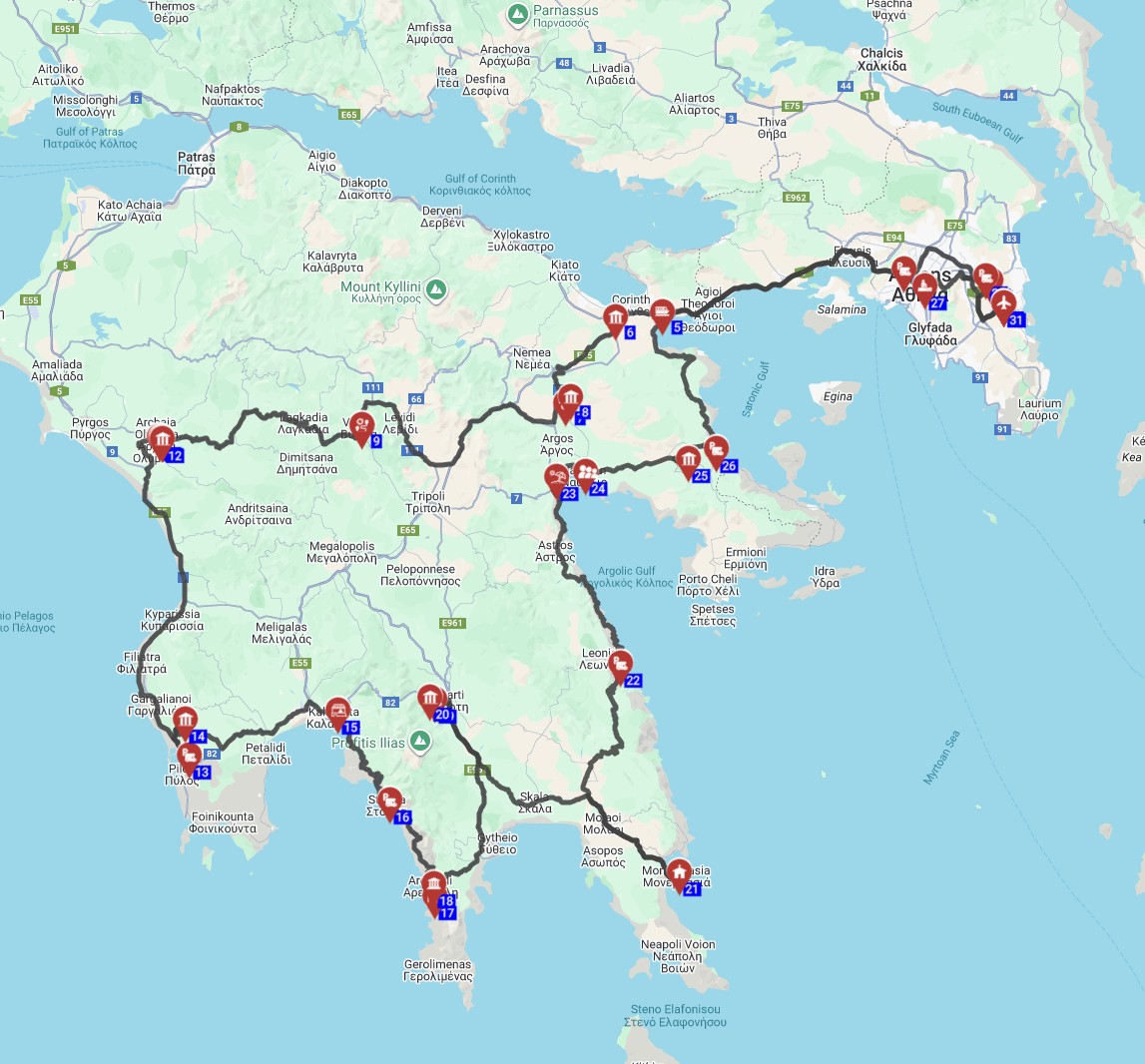
- **The Peloponnese Peninsula Loop:** Discover ancient Olympia, Mycenae, Epidaurus, and the charming seaside town of Nafplio on a week-long RV journey, experiencing diverse landscapes from mountains to coast.
- **Meteora's Monasteries:** Drive your RV to the base of these breathtaking rock formations and explore the historic monasteries perched atop, a truly surreal winter experience with fewer crowds.
- **The Thermal Baths of Loutra Pozar:** Enjoy a natural hot spring bath surrounded by winter scenery, a perfect way to relax and rejuvenate after a day of driving.
- **Crete's South Coast:** Chase milder winter temperatures on Crete, exploring its picturesque southern villages, hiking paths, and archaeological sites like Phaistos, accessible by ferry.
- **Athens Exploration:** Park your RV outside the city center and use public transport to delve into Athens' rich history, from the Acropolis to the vibrant Plaka district.
- Looking for expert insights from Avi Bandana? Top 5 Adventures - recommendations from Avi Bandana - discover unique trips personally curated by our founder.
Final Thoughts
Embarking on a winter RV adventure in Greece offers a unique blend of cultural immersion, serene landscapes, and authentic experiences. While it presents its own set of considerations, from road conditions to campsite availability, the rewards of exploring this magnificent country without the peak-season crowds are immense. With Bandana RV as your trusted partner, you'll find everything you need to plan your ideal journey, supported by our expertise and commitment to transparency. So, why wait for summer? Imagine those quiet mornings, a warm coffee in your rented campervan, looking out at ancient sites or the tranquil Aegean Sea. The open road is calling, and Greece in winter is an extraordinary canvas for your next great story. Get inspired for your next trip and compare Motorhome Prices for Greece now!On the routes offered through RV PLANET routes, you can itemize and track every expense along the way for easy budgeting.