For live availability and current prices, start with our RV Rental Geneva - Complete Guide 2026 guide.
In This Guide
- Can You Drive an RV in Geneva? License & Age Rules
- Road Conditions & Terrain in Geneva
- RV Size Limits, Bridges & Restricted Zones
- Fuel: Diesel vs. Petrol & Cost per 100 km
- Tolls, Vignettes & Border Rules
- Driving Tips for Winter RV Rental Travelers
- Recommended RV Class for Geneva Roads
- Should I Choose a Compact Van Instead of a Large RV in Geneva?
- Can I Park Anywhere? Free & Wild Camping Rules in Geneva
- Can I Drive an RV Into the City Center? Heights, Tunnels & Local Signage
- What is the 3-3-3 rule for RVs?
- What do I need to drive my motorhome in Switzerland?
- What is the 4-4-4 rule for RVs?
- Can you drive an RV in the winter?
- Do I need a vignette to drive in Geneva?
- Is Geneva guaranteed snow in December?
- Do I need winter tyres to drive through Switzerland?
- Can you drive an RV with a regular license in the USA?
- Can you get temporary RV insurance?
- Does RV insurance cover freeze damage?
Can You Drive an RV in Geneva? License & Age Rules
To legally drive an RV in Geneva, Switzerland, you'll typically need a standard Class B driver's license if the vehicle's Gross Vehicle Weight (GVW) is up to 3,500 kg. For RVs weighing between 3,500 kg and 7,500 kg, a Class C1 license is usually required, and you must be at least 18 years old. An International Driving Permit (IDP) is highly recommended, and often mandatory, for foreign drivers if your national license is not in one of Switzerland's official languages (French, German, Italian) or English. It's crucial to note that rental companies often impose higher minimum age requirements, typically 21 or even 25, for RV rentals, and may have additional restrictions based on the RV's size or class.
Road Conditions & Terrain in Geneva
Geneva boasts well-maintained roads, particularly around the city and along the picturesque shores of Lake Geneva. However, as you venture towards the surrounding Swiss and French Alps for winter activities, be prepared for a significant change in terrain. This includes navigating mountain passes, which can feature winding roads with steep inclines. Within Geneva's older districts, streets might be narrower, and urban traffic can be busy. Winter conditions frequently bring snow, ice, and fog, necessitating careful driving and ensuring your RV is properly prepared. Additionally, be mindful of potential heavy rain, high winds, and sudden temperature drops, which are common in the region and can significantly impact driving conditions on mountain passes.
RV Size Limits, Bridges & Restricted Zones
While Geneva's main roads are generally accessible to most RV sizes, it's vital to be aware of potential height and weight restrictions. These often apply to older city tunnels, parking garages, and certain environmental zones. Always pay close attention to signage indicating maximum vehicle height and weight, especially on secondary roads and when entering parking facilities. Some Swiss cities, and nearby French zones, may also implement environmental zones that require specific emission stickers, such as Crit'Air, which must be displayed. If you plan to use ferries on Lake Geneva, be sure to verify their specific length and weight limits in advance, as these can affect your itinerary.
Fuel: Diesel vs. Petrol & Cost per 100 km
Most rented RVs suitable for a winter trip in Geneva will operate on diesel, which is widely available throughout Switzerland. For instance, Bandana's Class SI Semi-integrated RVs typically consume around 10 liters per 100 km, while larger Class C Alcove RVs average 10-12 liters per 100 km. For better fuel efficiency, consider Bandana's Class B Camper Vans, which typically consume about 6.3 liters per 100 km. Be aware that fuel prices in Switzerland can be higher than in neighboring countries, making comprehensive budgeting for your trip crucial. Some rental providers, including Bandana, may offer fuel discount cards or programs with certain RV rentals, which can help offset these costs. On the routes offered through RV PLANET routes, you can itemize and track every expense along the way for easy budgeting.
Tolls, Vignettes & Border Rules
To legally drive on Switzerland's national motorways (Autobahn), an annual vignette is mandatory for all vehicles up to 3,500 kg, including RVs. Vehicles exceeding this weight limit are subject to a separate Heavy Vehicle Charge (HVC). The Swiss vignette is a yearly sticker, costing approximately CHF 40 for 2026, which grants access to all national motorways and must be prominently affixed to your RV's windshield. For RVs over 3,500 kg, the Heavy Vehicle Charge (LSVA) is calculated based on mileage and emissions rather than a vignette. Geneva itself does not have city-specific tolls, but be prepared for separate tolls on international tunnels like the Grand St Bernard Tunnel or Mont Blanc Tunnel, and ensure all your vehicle documents and declaration requirements are met when crossing borders.
Driving Tips for Winter RV Rental Travelers
When driving an RV in winter conditions around Geneva, always prioritize checking current weather and road conditions, especially for mountain passes, as some routes may be closed or require snow chains. Ensure your rented RV is equipped with proper winter tires (marked with M+S or the 3PMSF symbol) and that you carry snow chains, a shovel, and other essential emergency supplies. Plan your driving days to incorporate frequent stops every 2-3 hours for rest and stretching, which is particularly important during winter due to shorter daylight hours. Consider pre-paying for vignettes and tolls where available through your rental provider to save time and avoid potential fines.
Recommended RV Class for Geneva Roads
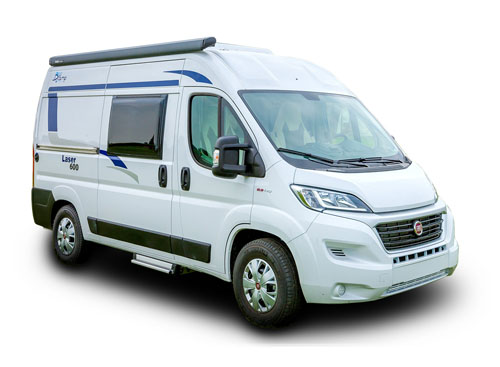
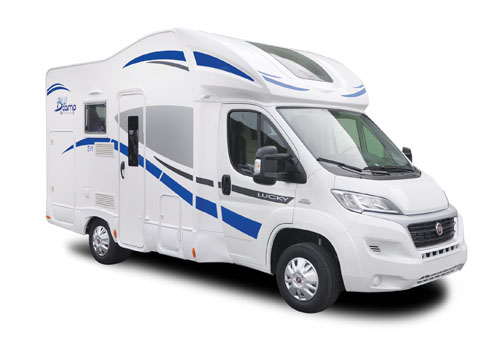
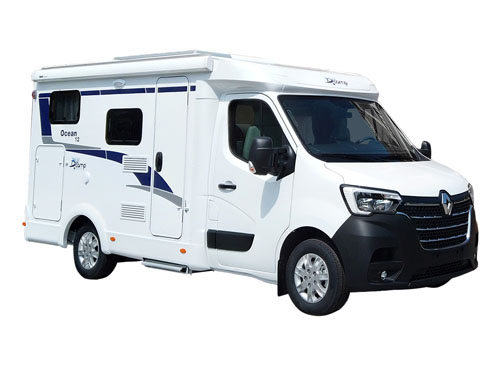
For navigating Geneva and its beautiful surrounding winter landscapes, Class SI (Semi-integrated) or Class B (Camper Van) RVs are highly recommended due to their balanced size and maneuverability. Bandana's Class SI Semi-integrated RVs, typically around 6.9 meters in length, offer a good compromise between interior space for up to 4 sleepers and ease of driving on Swiss roads. Class B Camper Vans, averaging 5.5 meters, are excellent for tighter city streets, easier parking, and agile mountain driving, though they offer less living space, usually for 2-3 sleepers. While larger Class C (Alcove) and Class A (Integrated) RVs provide more amenities, their larger dimensions can be less ideal for urban exploration or for drivers unfamiliar with navigating larger vehicles in winter conditions.
Should I Choose a Compact Van Instead of a Large RV in Geneva?
While a compact camper van (like Bandana's Class B Camper Vans) offers superior maneuverability and easier parking in urban settings like Geneva, a larger RV generally provides significantly more comfort and indoor space, which can be a greater advantage for winter travel. Compact vans are ideal for navigating narrow streets and finding smaller parking spots, plus they offer better fuel economy (around 6.3 L/100km). Larger RVs, such as Class SI models, provide more living space, a larger kitchen, and dedicated bathroom facilities, crucial for comfort during colder winter months, especially for families. For most main roads in and around Geneva, even larger RVs can be driven without significant issues, often making the added comfort of a bigger vehicle a worthwhile trade-off for a winter rental. For ideas you can prep on the road, watch our RV-friendly recipes playlist on YouTube.
Can I Park Anywhere? Free & Wild Camping Rules in Geneva
Free camping or "wild camping" is generally prohibited in Geneva and most of Switzerland. Strict regulations are in place that restrict overnight parking to designated campsites or authorized areas only. Geneva, being a densely populated urban area, rigorously enforces these rules, making unauthorized overnight parking challenging and often subject to fines. It's always best to utilize official RV parks or campgrounds in and around Geneva, as these facilities provide necessary amenities like power, water, and waste disposal, ensuring a stress-free and compliant stay.
Can I Drive an RV Into the City Center? Heights, Tunnels & Local Signage
Yes, you can generally drive an RV into Geneva's city center on its main arterial roads. However, it's crucial to pay close attention to local signage indicating height, weight, and width restrictions, as well as specific environmental zones or residents-only streets. Major thoroughfares leading into and through Geneva's core are typically accessible for RVs, but older districts may present narrower streets or restricted access. Underground parking garages almost invariably have height limits that exclude RVs, so plan to park above ground or utilize park-and-ride options outside the core city center.
What is the 3-3-3 rule for RVs?
The 3-3-3 rule is a popular guideline in RV travel, suggesting drivers aim to drive no more than 300 miles (approximately 480 kilometers) per day, arrive at their destination by 3 PM, and stay for a minimum of 3 nights. This guideline promotes a more relaxed and enjoyable RV travel experience by reducing driver fatigue and allowing ample time for sightseeing and setting up camp. Adhering to this rule in winter is particularly beneficial, as shorter driving days and earlier arrivals help you avoid driving in challenging low-light or adverse weather conditions.
What do I need to drive my motorhome in Switzerland?
To drive a motorhome in Switzerland, you'll typically need a valid driving license and an International Driving Permit (IDP) if your national license isn't in an official Swiss language or English. You must also carry your vehicle's registration certificate and proof of international insurance (Green Card). A mandatory annual motorway vignette is required for vehicles under 3,500 kg; heavier RVs are subject to the Heavy Vehicle Charge (LSVA). It's highly advisable to also carry a warning triangle, a reflective vest, a first-aid kit, and ensure your RV is properly equipped with winter tires and snow chains for safe winter travel.
What is the 4-4-4 rule for RVs?
The 4-4-4 rule is a variation of travel guidelines, often suggesting driving no more than 400 miles (approximately 640 kilometers) in a day, stopping by 4 PM, and staying for a minimum of 4 nights. Similar to the 3-3-3 rule, this aims to prevent driver fatigue and promote a more relaxed pace for RV travel. For winter RVing near Geneva, especially with shorter daylight hours and potential adverse weather, adhering to earlier arrival times and shorter distances (closer to the 3-3-3 rule) is generally recommended for safety and comfort.
Can you drive an RV in the winter?
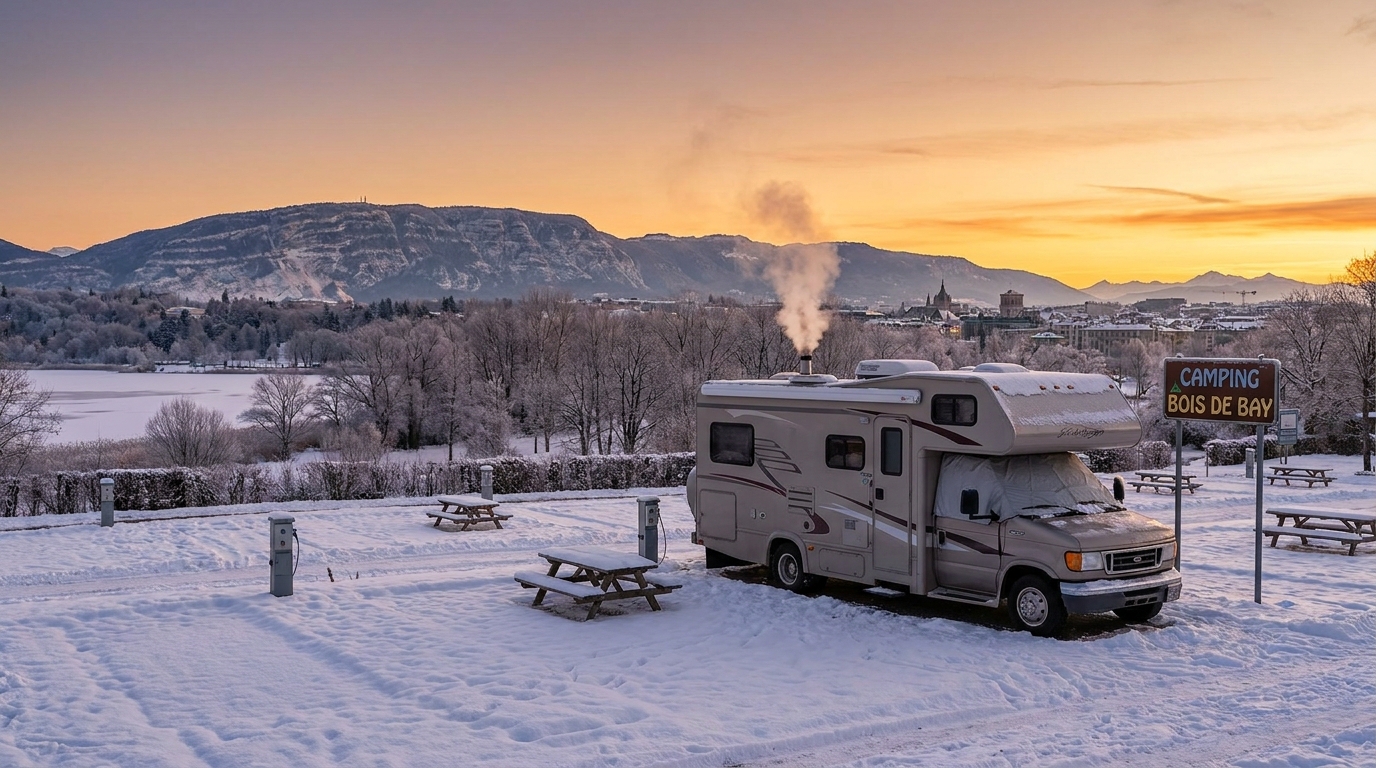
Yes, you can drive an RV in the winter, and it can be a unique way to experience Geneva's winter wonderland, provided it's properly prepared. Ensure your rental RV has winterized systems, appropriate tires, and necessary safety equipment. Modern rental RVs are often well-insulated and equipped with efficient heating systems for cold temperatures. It's crucial to confirm that the RV's water system is properly winterized (e.g., heated tanks, anti-freeze) or to plan accordingly by using bottled water and external facilities to prevent freeze damage to pipes and tanks. Appropriate winter tires are essential for traction on snow and ice, and carrying snow chains is highly recommended for mountain passes.
Do I need a vignette to drive in Geneva?
Yes, a valid Swiss motorway vignette is mandatory for driving on Switzerland's national motorways (Autobahn), which includes access routes to Geneva, for all vehicles up to 3,500 kg. The vignette is a single annual sticker, valid for a calendar year, and cannot be purchased for shorter periods. For RVs exceeding 3,500 kg, the Heavy Vehicle Charge (LSVA) applies instead of the vignette. Failure to display a valid vignette on applicable roads can result in significant fines, so ensure it's correctly affixed to your windshield before hitting the highways.
Is Geneva guaranteed snow in December?
No, Geneva is not guaranteed to have snow in December. While cold temperatures are common, snowfall in the city center itself can be sporadic. More consistent and heavier snow is typically found at higher elevations in the surrounding mountains. Geneva's relatively low altitude (around 375 meters) means widespread, persistent snow cover in the city is less frequent than in nearby Alpine resorts. Travelers seeking guaranteed snow activities should plan to venture into the nearby Swiss or French Alps, which are easily accessible from Geneva by RV.
Do I need winter tyres to drive through Switzerland?
While there's no general legal mandate for passenger vehicles (including RVs up to 3,500 kg) to have winter tires in Switzerland, they are highly recommended during winter months (October to April). Winter tires may become mandatory on specific roads or mountain passes indicated by signage. If involved in an accident during winter conditions without adequate tires, you could be held partially liable, even if not at fault. Many rental RVs intended for winter travel will come equipped with M+S (Mud and Snow) tires, often with the "3PMSF" symbol, indicating suitability for severe snow conditions. Snow chains may also be compulsory on certain mountain passes, marked by blue circular signs; always carry them and be prepared to fit them.
Can you drive an RV with a regular license in the USA?
In the USA, most recreational vehicles (RVs) can be driven with a regular Class D (standard passenger vehicle) driver's license, provided their Gross Vehicle Weight Rating (GVWR) is below 26,001 pounds (approximately 11,793 kg). This generally covers Class B, Class C, and the majority of Class A RVs. However, very large models might require a non-commercial Class A or B license or an endorsement, depending on state regulations. It's important to remember that this rule applies specifically to driving in the USA and differs significantly from European licensing requirements, where weight thresholds for a standard license are much lower. For driving an RV in Switzerland, you must always comply with Swiss licensing laws.
Can you get temporary RV insurance?
Yes, temporary RV insurance is often available and can be very useful for rentals, short-term ownership, or when bringing an RV into a country like Switzerland for a limited period. Most rental RVs in Geneva will include basic insurance coverage with a deductible. You can typically purchase additional temporary coverage, such as collision damage waivers (CDW) or supplementary liability, directly from the rental company or a third-party insurer. Ensure any temporary insurance you opt for covers international travel and specific risks associated with RVs, especially those related to winter conditions.
Does RV insurance cover freeze damage?
RV insurance policies often cover freeze damage, particularly if it falls under comprehensive coverage. However, policies vary significantly, and specific exclusions or requirements, such as proper winterization, may apply. Comprehensive coverage typically protects against non-collision events, which can include weather-related incidents like freezing pipes or tanks. Many insurance providers require that the RV be properly winterized—meaning water systems are drained and anti-freeze is used—for freeze damage claims to be honored. It is crucial to review your specific RV insurance policy or consult with your provider to understand the exact terms, conditions, and deductibles related to freeze damage before embarking on a winter trip to Geneva.
What You Shouldn't Miss
- Drive along the scenic shores of Lake Geneva, stopping at charming lakeside towns for RV parking and enjoying the winter vistas.
- Explore Geneva's Old Town (Vieille Ville), accessible by RV with careful parking planning, to discover historic architecture and vibrant markets.
- Venture into the nearby Alps for a day trip; many mountain resorts offer RV parking facilities and breathtaking winter scenery.
- Visit a local Swiss cheese farm or vineyard in the surrounding cantons, easily accessible via scenic RV routes, for a taste of regional culture.
- Experience the festive atmosphere of Geneva's Christmas markets if traveling in December, often featuring artisanal crafts and local delicacies.
Final Thoughts
Renting an RV in Geneva for a winter adventure offers a unique perspective on this stunning region. With careful planning regarding licensing, road conditions, and vehicle preparation, you can confidently navigate the picturesque landscapes. Remember that Bandana Caravan is here to support you through the booking process, ensuring you find the perfect RV for your winter escape.
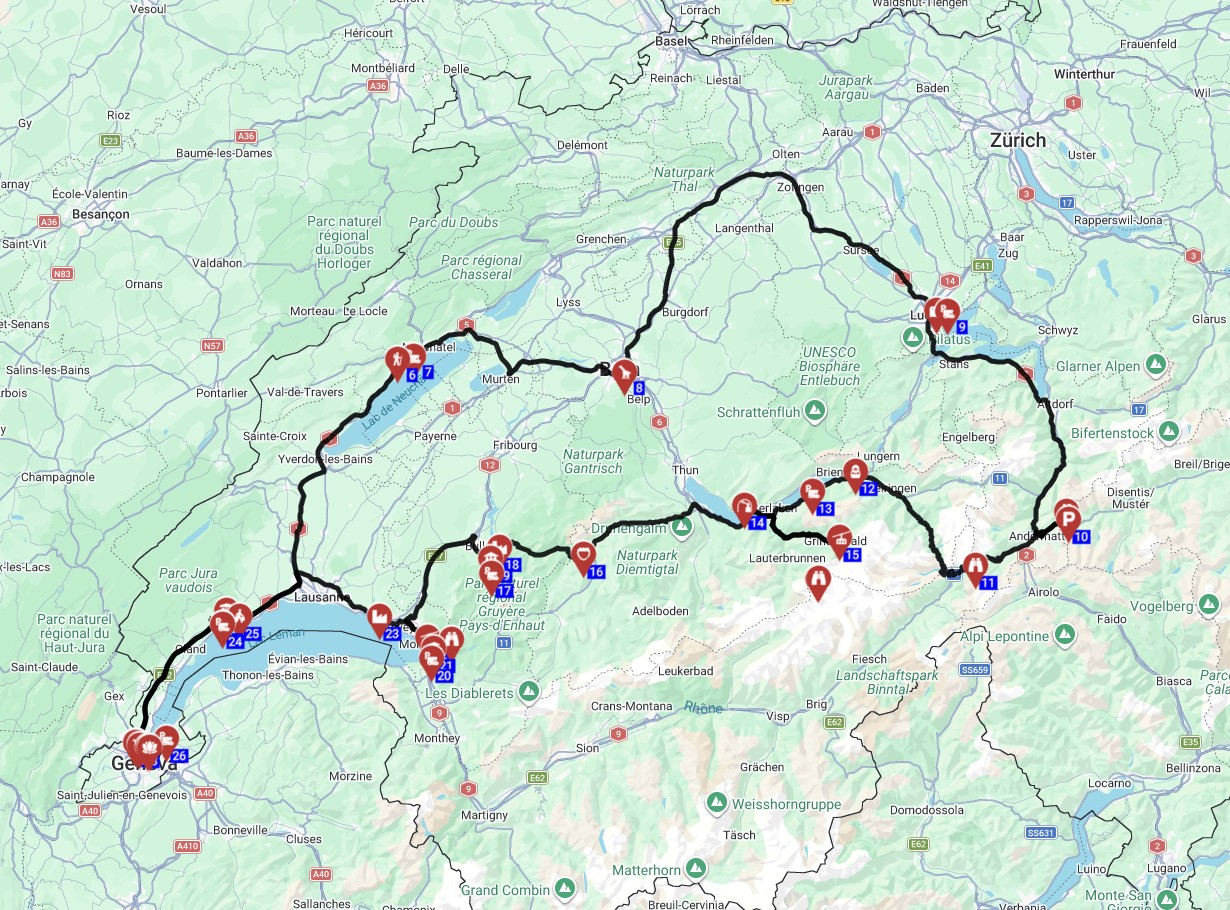
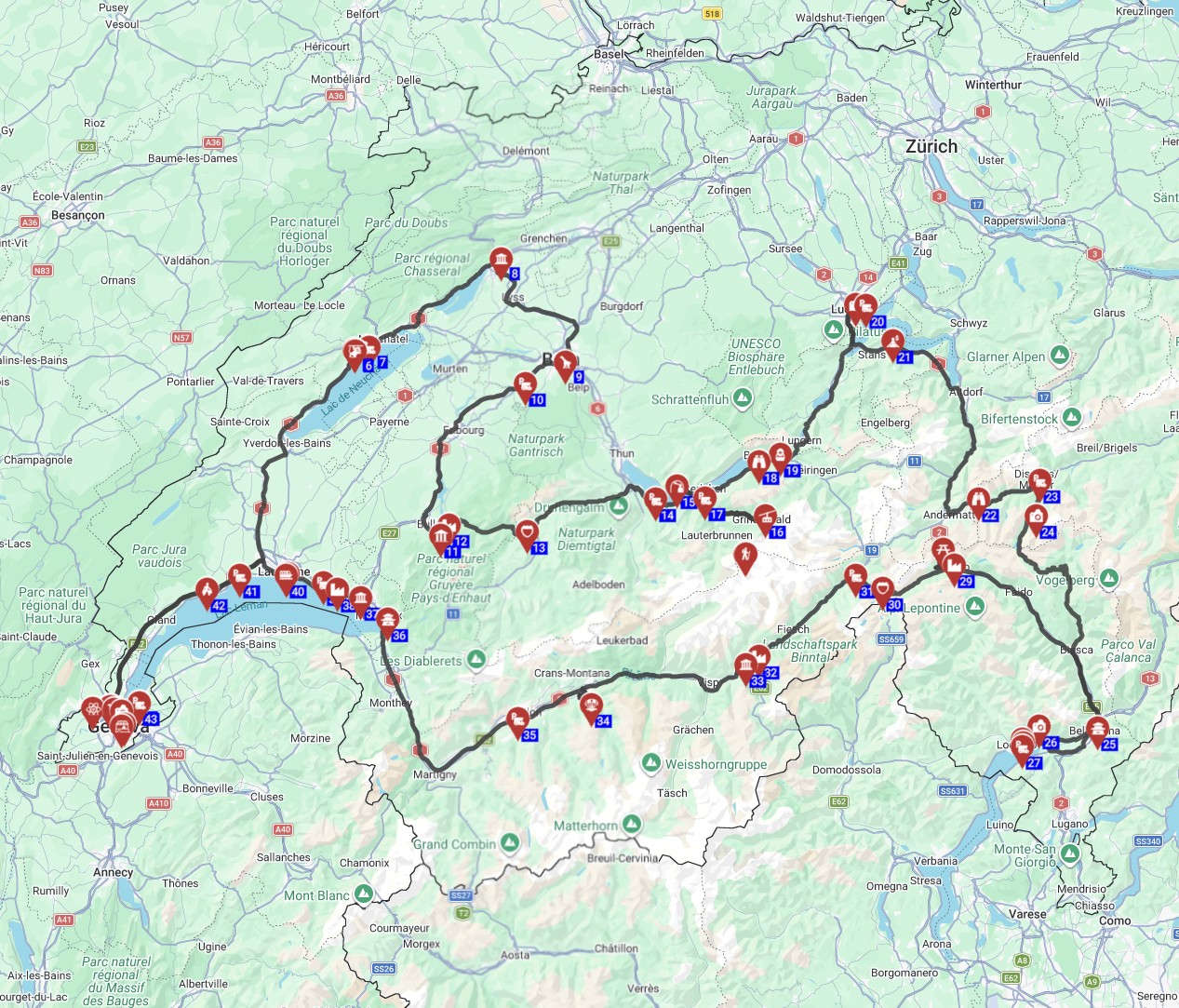
For seamless route planning and finding the best campsites along your journey, be sure to explore the resources available through RV PLANET (rvplan.net). It's a great way to discover available spots and tailor your trip. For live availability and current prices, start with our RV Rental Geneva - Complete Guide 2026 guide.
Find Motorhome Rentals in Geneva