For live availability and current prices, start with our RV Rental England - Complete Guide 2026 guide.
In This Guide
- Can You Drive an RV in England? License & Age Rules
- Road Conditions & Terrain in England
- RV Size Limits, Bridges & Restricted Zones
- Fuel: Diesel vs. Petrol & Cost per 100 km
- Tolls, Vignettes & Border Rules
- Driving Tips for winter rv rental Travelers
- Recommended RV Class for England Roads
- Should I Choose a Compact Van Instead of a Large RV in England?
- Can I Park Anywhere? Free & Wild Camping Rules in England
- Can I Drive an RV Into the City Center? Heights, Tunnels & Local Signage
- Is England good for RVing in winter?
- How cold does it get in England in winter?
- What are the challenges of RVing in winter?
- What do you need for winter camping in an RV?
- What preparations do rental RVs have for winter camping in cold weather?
- What are the best places to RV camp in winter in England?
- Can you rent RVs in winter?
- What is the average cost to rent an RV in England?
Can You Drive an RV in England? License & Age Rules
Yes, you can drive an RV in England, provided you meet the licensing and age requirements. A standard UK driving license, typically a Category B, covers motorhomes up to 3,500 kg Maximum Authorised Mass (MAM). For heavier vehicles, ranging from 3,500 kg to 7,500 kg, a Category C1 license is necessary.
The minimum driver age for RV rentals in England generally starts at 21, though this can vary by rental company and the size or class of the vehicle. Some companies may require drivers to be 25 or older, particularly for larger Class A motorhomes. Drivers from EU/EEA countries can usually use their national driving license, while drivers from other countries are often required to obtain an International Driving Permit (IDP) to accompany their national license. It's always best to confirm specific requirements with your chosen rental provider.
Road Conditions & Terrain in England
England's road network is generally well-maintained, with extensive motorways offering smooth travel. However, be prepared for significant variations in road conditions and terrain, especially when venturing off the main routes. Many country lanes, particularly in historic areas or rural regions like the Cotswolds, can be exceptionally narrow, winding, and feature steep gradients, requiring careful navigation.
The terrain itself ranges from flat coastal plains to gently rolling hills, such as in the South Downs, and more dramatic, rugged landscapes found in national parks like the Peak District and the Lake District. Winter conditions can present additional challenges, including the potential for icy patches on roads, dense fog, heavy rainfall, and occasional snow. These factors necessitate reducing your speed, increasing following distances, and exercising heightened caution, especially on less-traveled routes.
RV Size Limits, Bridges & Restricted Zones
Navigating England in an RV requires constant vigilance regarding size limits, particularly concerning low bridges and weight restrictions. Many older roads, especially those passing through historic towns and villages, feature significantly lower bridges than you might expect, with some clearances as low as 2.1 meters (approximately 6.9 feet). Always pay close attention to road signs indicating bridge heights and weight limits; an RV-specific GPS can be invaluable for routing around these obstacles.
Furthermore, several English cities have implemented Clean Air Zones (CAZs) or Ultra Low Emission Zones (ULEZ) designed to reduce air pollution. These zones, such as those in London, Bath, Birmingham, and Oxford, often charge older, more polluting vehicles, which can include some motorhomes and RVs based on their emission standards. Before entering a city, research whether your destination or route passes through such a zone and be aware of any applicable charges. Additionally, some narrow country lanes or historic village entrances may have physical width restrictions that could impede larger motorhomes.
Fuel: Diesel vs. Petrol & Cost per 100 km
The majority of rental RVs in England are equipped with diesel engines, which are widely available at service stations across the country. For estimating fuel costs, it's helpful to know that Bandana's global fleet averages for fuel consumption typically range from 8-10 liters per 100 km for Class B campervans to 10-12 liters per 100 km for larger Class C motorhomes. The exact fuel consumption will vary based on the specific vehicle model, driving conditions, and your driving style. On the routes offered through RV PLANET routes, you can itemize and track every expense along the way for easy budgeting.
To calculate your estimated cost per 100 km, you'll need to multiply the average consumption of your chosen RV by the current local fuel price per liter. Fuel prices in England fluctuate based on market conditions, so it's advisable to check current prices when planning your budget. Diesel is generally the most common and often slightly more economical fuel type for RVs in the UK.
Tolls, Vignettes & Border Rules
England operates a system of specific point tolls rather than a national vignette system like some other European countries. Notable examples include the M6 Toll road, which offers a faster alternative to the M6 for certain stretches, and the Dartford Crossing, which facilitates passage over the River Thames. Be aware that these tolls often require payment by a specific deadline after use, either online or by phone, to avoid penalties.
In addition to these tolls, several cities have introduced charges for vehicles entering their central areas. London famously has both a Congestion Charge and an Ultra Low Emission Zone (ULEZ), both of which can apply to RVs. Other cities like Bath and Birmingham operate Clean Air Zones (CAZs) with similar charging mechanisms for vehicles that don't meet specific emission standards. There are no specific road charges when crossing borders from England into Scotland or Wales, as they are all part of the United Kingdom. However, if your travel plans extend to international borders beyond the UK, always research and comply with the relevant entry requirements for each country.
Driving Tips for winter rv rental Travelers
When embarking on a winter RV rental adventure in England, prioritizing safety and preparation is key. Always check local weather forecasts diligently before and during your trip, paying close attention to winter conditions such as ice, snow, and fog, and be ready to adjust your travel plans accordingly. Driving at reduced speeds and maintaining significantly greater stopping distances than you might in drier conditions is crucial due to potentially slippery roads.
Utilizing an RV-specific GPS navigation system can be incredibly helpful for avoiding low bridges, narrow roads, and weight-restricted routes. When encountering country lanes, be mindful of local etiquette; this includes using passing places to let faster traffic overtake and being prepared to pull over to let oncoming vehicles pass. It's also wise to carry a winter emergency kit that might include a small shovel, jump leads, and a first-aid kit. Finally, familiarize yourself with your rented RV's heating system, ensure it's adequately stocked with gas or propane for warmth, and pack plenty of warm clothing and extra layers.
Recommended RV Class for England Roads
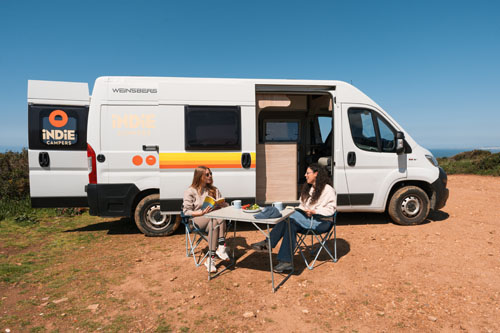
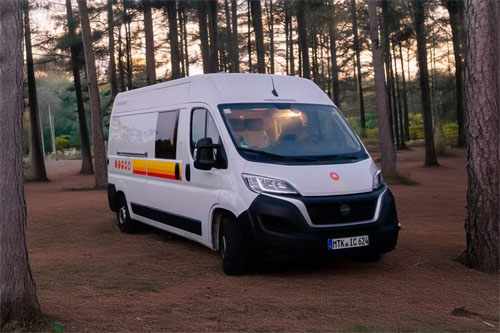
For navigating England's diverse road network, particularly its charming but often narrow country lanes and historic villages, certain RV classes are more suitable than others. Class B campervans, typically averaging around 5.8 meters (19 feet) in length, are highly recommended due to their excellent maneuverability and ease of parking. Their compact size makes them less intimidating on winding roads and easier to position in small town centers or caravan parks.
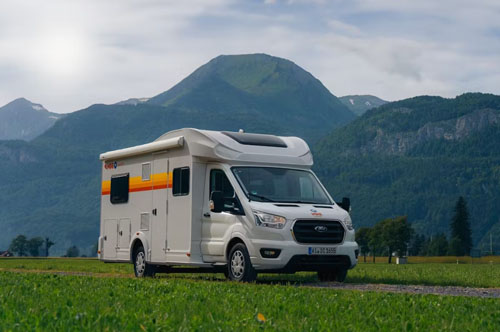
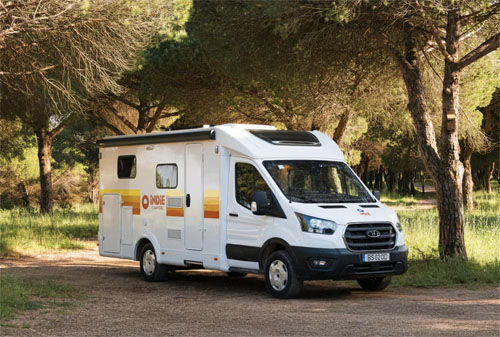
Semi-integrated RVs, often referred to as Class SI motorhomes, which average around 6.9 meters (22.6 feet) in length, also offer a good balance. They provide more interior living space and amenities while generally remaining manageable on most major roads and in larger towns. Both Class B campervans and Class SI motorhomes are less likely to encounter issues with low bridges or extremely tight turns compared to larger Class A motorhomes, making them excellent choices for a comfortable and less stressful winter touring experience across England.
Should I Choose a Compact Van Instead of a Large RV in England?
The decision between a compact van and a larger RV in England often hinges on your priorities for the trip. Compact campervans, like Class B models, truly excel in maneuverability. They are ideal for exploring very narrow lanes, parking in tight spots within picturesque villages, and generally offer a driving experience much closer to that of a standard car.
Conversely, larger RVs, such as Class C motorhomes, provide significantly more indoor living space, better insulation, and more robust heating systems. These features can enhance comfort considerably during England's colder and damper winter months. While extremely narrow or challenging spots might indeed present a greater challenge for larger RVs, most main roads and larger towns are well-equipped to accommodate them. Ultimately, the choice often comes down to your preference for agility and ease of navigation versus the desire for more extensive living space and amenities.
Can I Park Anywhere? Free & Wild Camping Rules in England
When it comes to overnight parking or 'wild camping' in an RV in England, it's important to understand the regulations. In most cases, wild camping in an RV is generally not permitted without explicit landowner permission. There are rare exceptions, such as specific designated areas on Dartmoor National Park that allow wild camping, but these typically apply to backpackers and not to vehicles. Therefore, relying on these is not a practical solution for RV travelers.
However, alternatives do exist. Many campsites remain open throughout the winter, offering facilities. You can also look for designated overnight parking areas in towns or utilize schemes like 'Brit Stops'. The Brit Stops program partners with numerous pubs and farm shops across the country that offer free overnight stopovers for self-contained motorhomes and campervans, often in exchange for a purchase at their establishment. It’s a wonderful way to find convenient, local overnight spots and support local businesses. Regardless of where you plan to stop, always adhere to the Countryside Code, leave no trace, and crucially, check local parking regulations and campsite availability before arriving, as rules can vary significantly by region and local council.
Can I Drive an RV Into the City Center? Heights, Tunnels & Local Signage
Generally, yes, RVs can be driven into English city centers, but this requires a heightened awareness of local signage and potential restrictions. Strict attention to road signs indicating height, width, and weight limitations is paramount, especially in historic city cores or on routes with older infrastructure.
As mentioned earlier, cities like London, Bath, and Birmingham have introduced Clean Air Zones (CAZs) or Congestion Charges that may apply to your RV. It is essential to research these charges and ensure you comply to avoid fines. Be particularly aware of pedestrianized zones, resident-only streets, and the general challenges of finding suitable, and often paid, parking for RVs within urban environments. Some cities may have designated coach or large vehicle parking areas, but these can fill quickly, especially during peak times.
Is England good for RVing in winter?
Winter RVing in England offers a distinct travel experience with several benefits, primarily the absence of summer crowds at popular attractions, allowing for a more intimate and relaxed exploration. There's a unique, cozy atmosphere that descends upon the English countryside and towns during the colder months, often enhanced by festive markets and tranquil, often frost-kissed, landscapes.
However, it's not without its challenges. Colder temperatures, shorter daylight hours, and the need for a well-prepared RV are crucial considerations. Many campsites remain open, but availability might be reduced compared to peak season. The key to a successful winter RV trip in England lies in careful planning, ensuring your rental vehicle is winter-ready, and embracing the quieter, more contemplative side of this beautiful country.
How cold does it get in England in winter?
English winter temperatures are generally mild compared to continental Europe, but they can still necessitate good preparation for cold and damp conditions. Daytime temperatures typically range from 0°C to 7°C (32°F to 45°F), with overnight lows frequently dropping below freezing, especially in inland areas.
Northern England and higher elevations, such as the Pennines or parts of the Lake District, can experience significantly colder conditions and a higher likelihood of snowfall. Frost, ice on roads, and strong, gusty winds, particularly prevalent in coastal regions, are common. A well-insulated RV with an efficient heating system, along with appropriate thermal clothing and footwear, is essential for comfort during an English winter RV trip.
What are the challenges of RVing in winter?
RVing in England during winter presents several challenges that require careful consideration and planning. Adverse weather is a primary concern, with the potential for heavy rain, thick fog, icy roads, and even snow, all of which can impact driving conditions and potentially lead to road closures.
The reduced daylight hours mean less time for sightseeing and driving each day. Campsite availability may also be reduced, as many sites scale back operations or close entirely during the off-season. Vehicle-specific challenges include managing condensation inside the RV, preventing water pipes from freezing (requiring proper winterization), and ensuring the heating system is robust and has adequate fuel. Finally, you'll need to pack more warm clothing and potentially emergency supplies.
What do you need for winter camping in an RV?
For a comfortable winter camping experience in an RV in England, a properly winterized vehicle is paramount. This means an RV with good insulation and an efficient, reliable heating system to combat the cold and damp conditions. Ensure you have ample propane or gas for your heating and cooking appliances. For ideas you can prep on the road, watch our RV-friendly recipes playlist on YouTube.
Packing essentials include warm bedding, thermal clothing, waterproof outer layers, and sturdy footwear. For the RV itself, consider bringing a small dehumidifier to manage condensation, an emergency kit with items like a shovel, jump leads, and a first-aid kit, and ensure you have reliable navigation aids and weather apps.
What preparations do rental RVs have for winter camping in cold weather?
Reputable rental companies typically ensure their fleets are prepared for winter conditions. This usually involves winterizing the RVs by draining water systems to prevent freezing and using appropriate antifreeze in any remaining fluids. Rental RVs are generally equipped with robust gas or diesel heating systems and good insulation to maintain a comfortable interior temperature.
While many RVs are fitted with all-season tires, it's always advisable to confirm the specific winter provisions with your rental provider. Clarify details such as tire types (e.g., M+S rated) and the capacity or type of heating system to ensure it's suitable for your needs during the colder months.
What are the best places to RV camp in winter in England?
England offers several delightful destinations for winter RV camping, each providing a unique experience. The Cotswolds, with its picturesque honey-stoned villages and cozy pubs, offer a tranquil escape without the summer crowds, making it ideal for relaxed winter touring.
For dramatic snowy landscapes and serene lakeside views, the Lake District provides stunning winter scenery, though it’s best explored on lower-level routes with accessible lakeside campsites. Coastal areas like Northumberland, Devon, and Cornwall often experience milder climates and offer rugged beauty, with many campsites and attractions remaining open. Exploring unique camping experiences, such as farm stays or vineyard stopovers, particularly in regions like the Yorkshire Dales or the Welsh borders, can also provide memorable winter getaways.
Can you rent RVs in winter?
Yes, RVs are readily available for rent in England throughout the winter months. Many rental companies maintain their fleets and offer winterized vehicles, ensuring you can still enjoy the freedom of the open road even in colder weather.
While availability is generally good, booking in advance is still recommended, especially if you are traveling around the Christmas and New Year holiday periods, to secure your preferred RV model. A significant advantage of winter rentals is that they often come with lower rates compared to the peak summer season, making off-season travel a more budget-friendly option.
What is the average cost to rent an RV in England?
The average cost for an RV rental in England typically ranges from £70 to £200 per night. This price can fluctuate significantly based on the RV class (campervan versus motorhome), the rental duration, and the time of year.
Winter (roughly November to March) is considered the off-peak season and often offers rental rates that are 20-40% lower than during the high summer season. Remember to factor in additional costs beyond the rental itself, such as fuel (which can be a significant expense, with RVs averaging 10-12 L/100 km), campsite fees (typically £20-£40 per night), potential tolls, congestion charges in cities, and any optional insurance excess waivers.
What You Shouldn't Miss
- Explore the charming villages and rolling hills of the Cotswolds, finding cozy pubs for a warm respite.
- Discover the dramatic, often snow-dusted, landscapes of the Lake District, perhaps enjoying a brisk walk along a frozen lake.
- Experience the rugged beauty of the Northumberland coast, potentially visiting historic castles like Alnwick or Bamburgh.
- Wander through historic market towns, perhaps catching a local winter festival or Christmas market if traveling near the holidays.
- Take advantage of the quieter attractions – visit museums or historic houses with fewer crowds.
- Enjoy the simple pleasure of a warm cup of tea or a pint by a pub fire after a day of exploring in your rented RV.
Final Thoughts
Winter RVing in England offers a unique charm, trading bustling crowds for serene landscapes and cozy evenings. While it requires more preparation, the rewards of experiencing England's beauty in a quieter season are immense.
By choosing the right vehicle, understanding the road conditions, and planning your routes carefully, you can have an incredibly fulfilling winter adventure. Remember that flexibility and a spirit of adventure are your best companions when exploring England's countryside by RV during the colder months.
Get inspired for your next trip and discover top destinations and planning tips all in one place! Plan a trip itinerary in advance with minimal effort and maximum enjoyment.