In This Guide
- Can You Drive an RV in Denver? License & Age Rules
- Road Conditions & Terrain in Denver
- RV Size Limits, Bridges & Restricted Zones
- Fuel: Diesel vs. Petrol & Cost per 100 km
- Tolls, Vignettes & Border Rules
- Driving Tips for rv rental Travelers
- Recommended RV Class for Denver Roads
- Should I Choose a Compact Van Instead of a Large RV in Denver?
- Can I Park Anywhere? Free & Wild Camping Rules in Denver
- Can I Drive an RV Into the City Center? Heights, Tunnels & Local Signage
- Do you need a special license to drive an RV in Colorado?
- Do you have to have a CDL to drive a 30 ft RV?
- Do you need a license to get an RV?
- How much is RV insurance in Colorado?
Can You Drive an RV in Denver? License & Age Rules
Yes, you can absolutely drive a rented RV in Denver with a standard driver's license, as long as you meet the age requirements. For the vast majority of motorhome rentals, including Class A, B, and C models, your standard Class R car license is sufficient, provided the vehicle's Gross Vehicle Weight Rating (GVWR) is under 26,001 pounds. This covers nearly every vehicle in rental fleets, so there's no need to worry about getting a special commercial license for your vacation. The minimum age to rent a motorhome with Bandana partners in Denver is 21, and we ensure full transparency with our suppliers' policies right from the start.
If you're visiting from another country, your valid driver's license from home is typically accepted. However, we highly recommend getting an International Driving Permit (IDP) before your trip. While not always mandatory, an IDP translates your license into English and can make interactions with local authorities or at the rental counter much smoother. At Bandana, we're true RV specialists, not a travel agency side-department, so we're here to help you navigate these details during the booking process to ensure you're fully prepared for your adventure.
Road Conditions & Terrain in Denver
Denver's road conditions are generally excellent, but the terrain varies from flat city highways to steep, winding mountain passes that define the Rocky Mountain experience. In winter, major arteries like I-70 are well-maintained and plowed, but you must be prepared for changing conditions, including snow and ice, especially at higher elevations in the Front Range west of the city. Colorado has a "Traction Law" that can be enacted during winter storms, requiring vehicles to have appropriate snow tires or carry chains; rental RVs from Denver are typically equipped to meet these standards, but always confirm at pickup.
Imagine yourself leaving the city grid behind and climbing into the mountains. The roads become more scenic, but also more demanding. Drive slowly and carefully, and you can navigate almost anywhere without issues. Use lower gears on steep descents to save your brakes and be mindful of your motorhome's length on sharp curves. Sudden weather changes are part of the Colorado adventure. A sunny morning can turn into a snowy afternoon, so always check the forecast from a reliable source like the Colorado Department of Transportation (CDOT) for real-time road status before heading into the mountains. Traveling slowly, at a max of 100-150 km per day on average, allows you to adapt to these changes safely and truly enjoy the journey.
RV Size Limits, Bridges & Restricted Zones
Navigating Denver with a rented RV requires awareness of your vehicle's dimensions, particularly height, to avoid issues with bridges and underpasses. While major interstates like I-25 and I-70 are built for all vehicle sizes, city streets and older parkways can have low clearances, often posted on yellow warning signs. Always know the exact height of your rented motorhome (it's usually on a sticker inside the cab) and plan your route through the city with this in mind. No need to stress-just use common sense and pay close attention to all posted signs.
Denver does not have specific "environmental zones" that restrict RVs based on emissions, so you don't need to worry about that level of regulation. The primary restrictions you'll encounter are physical ones. Parking garages in downtown Denver are almost always off-limits due to height, so look for surface lots for day parking. When heading into the mountains, be aware that some historic tunnels or narrow park roads may have size limitations. A great way to travel with peace of mind is to use a trip planner, and you can even explore the option to upgrade to a top-level deductible for your rental.
Fuel: Diesel vs. Petrol & Cost per 100 km
Fuel stations with both petrol (gasoline) and diesel are widely available throughout Denver and along all major Colorado highways. Many larger Class A and some Class C motorhomes run on diesel, which can offer better torque for mountain climbing, while most Class B campervans and many Class C models use gasoline. The pump handles are color-coded: green for diesel and black for gasoline, so always double-check you're using the correct fuel for your rented RV.
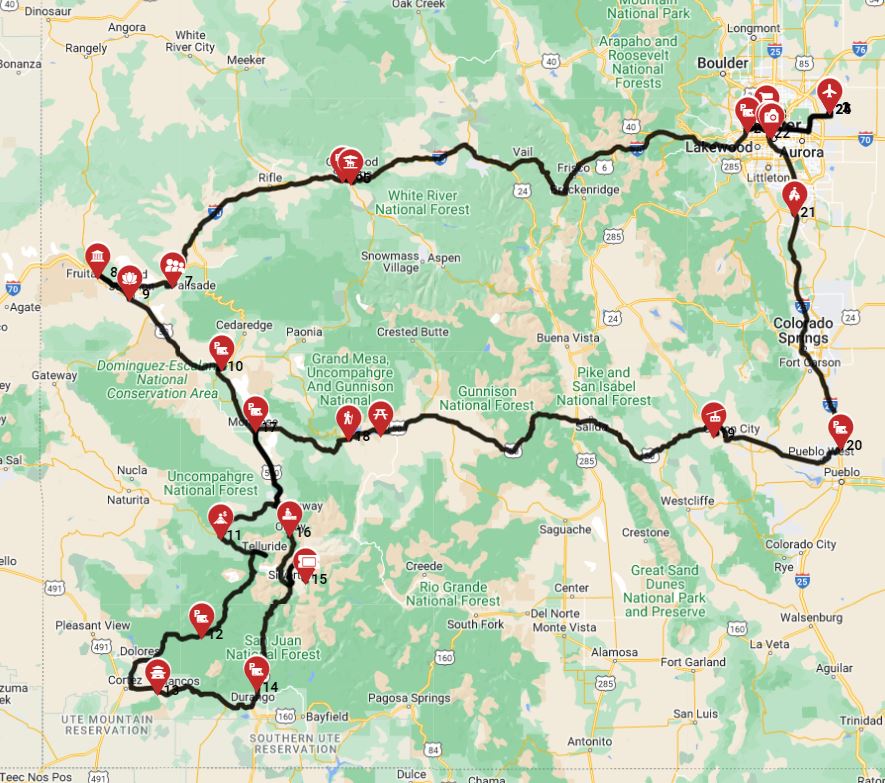
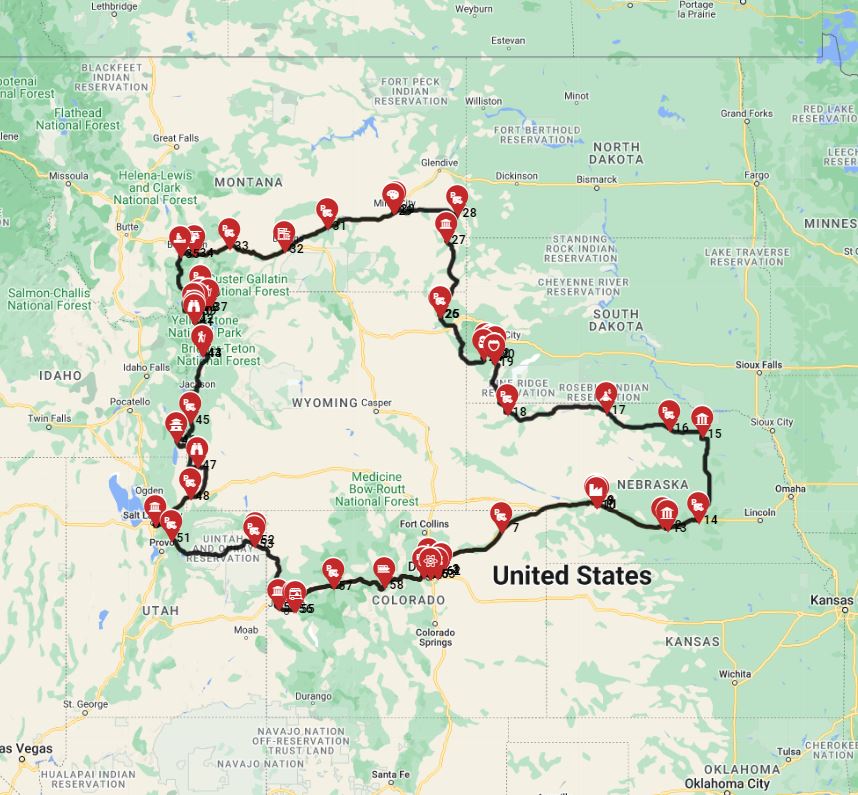
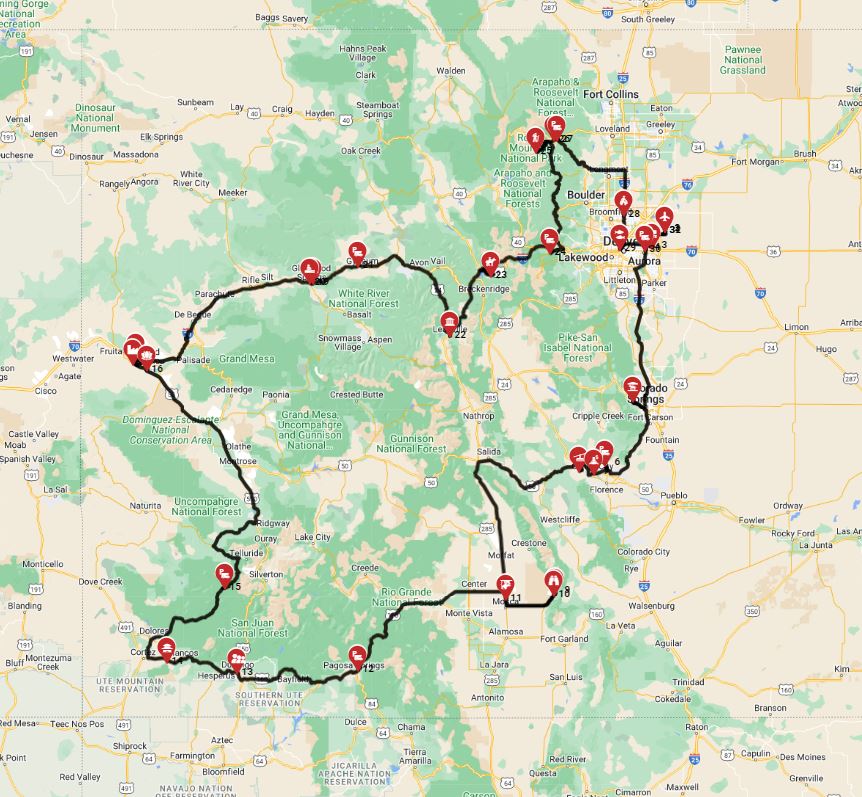
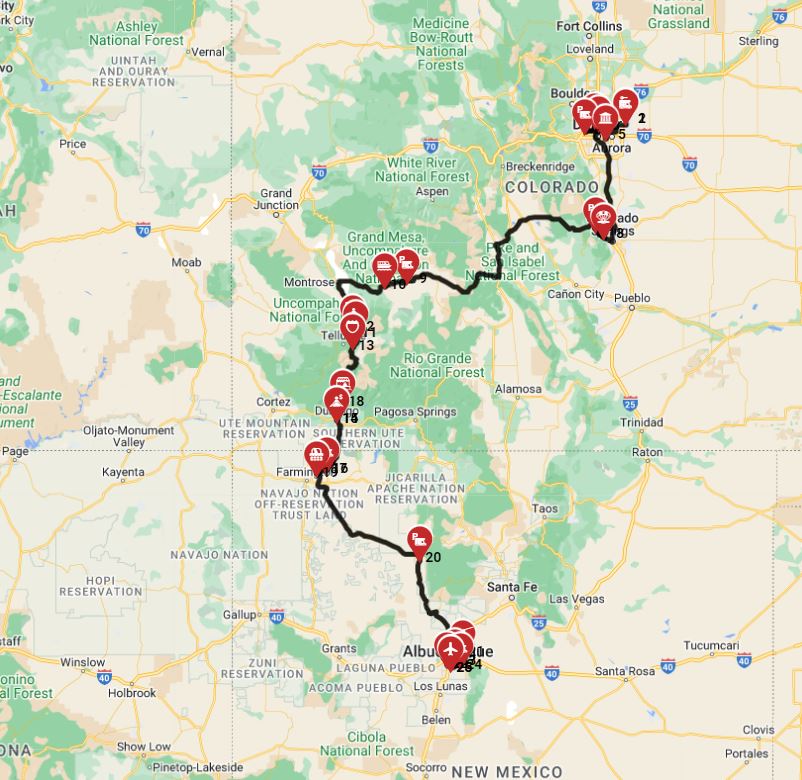
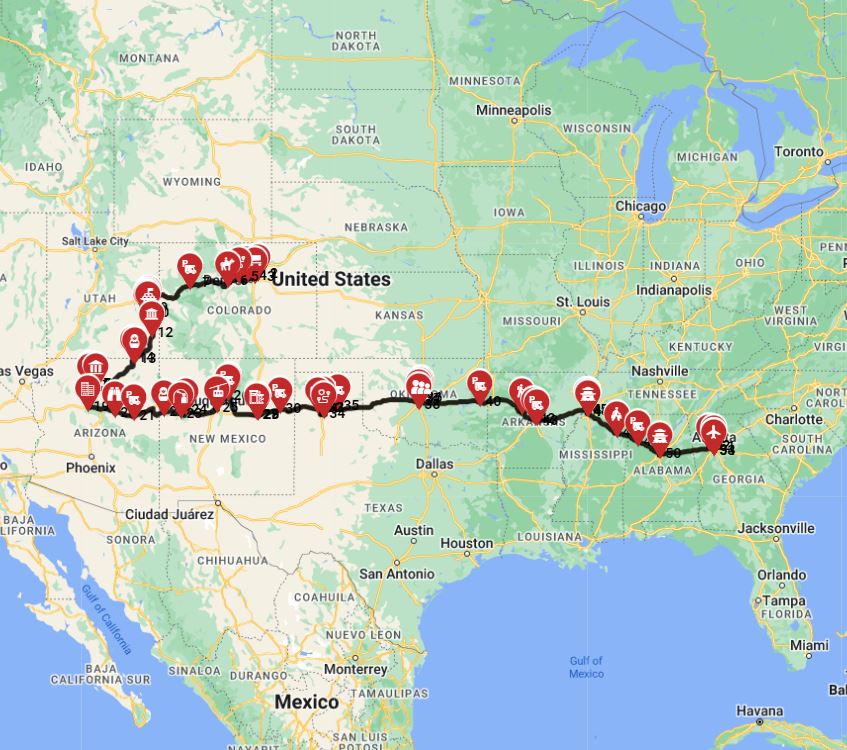
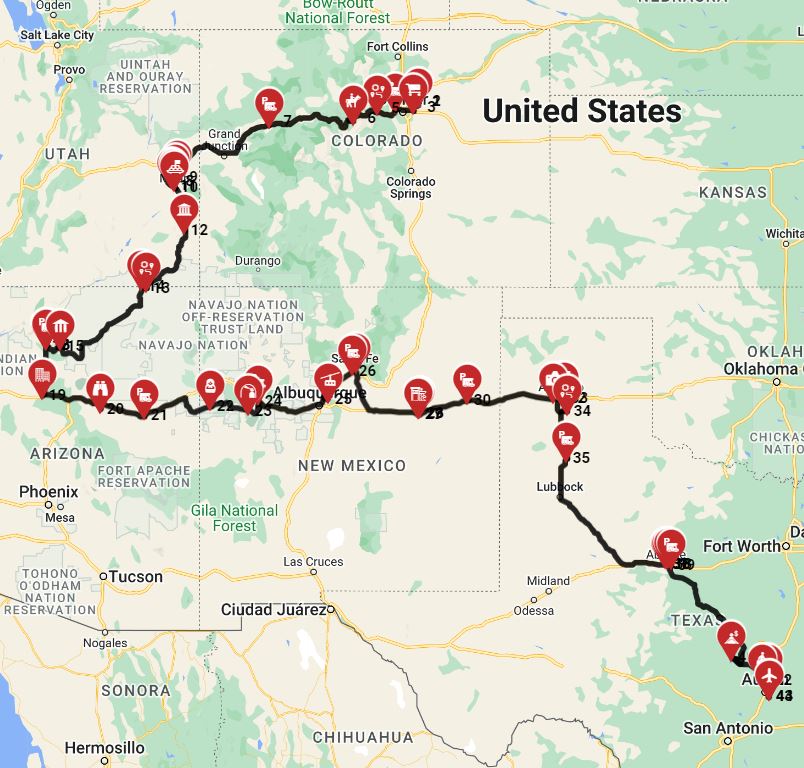
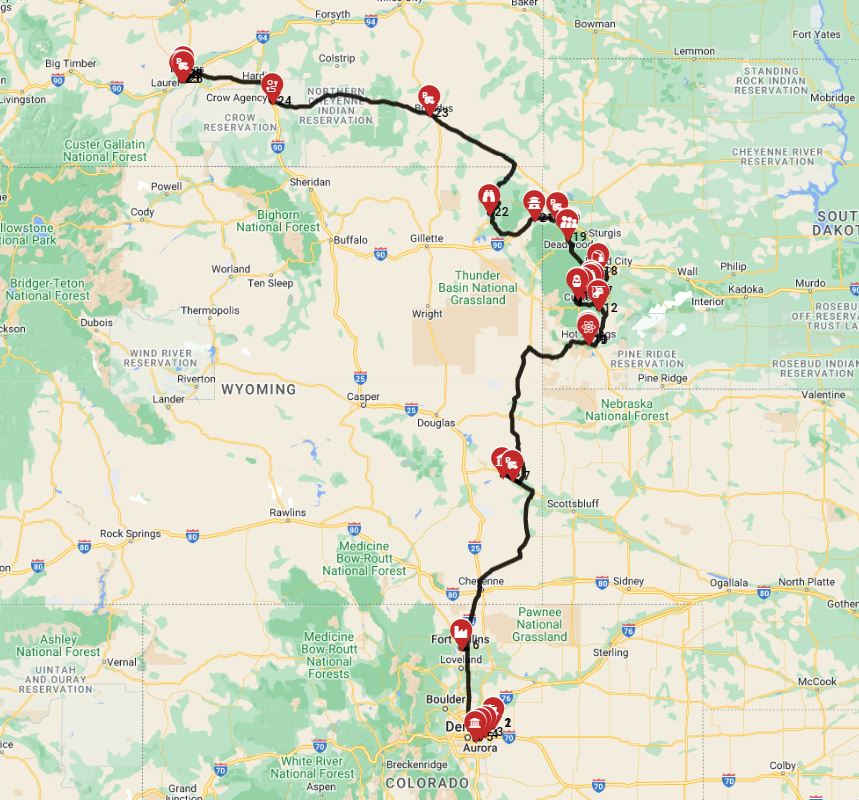
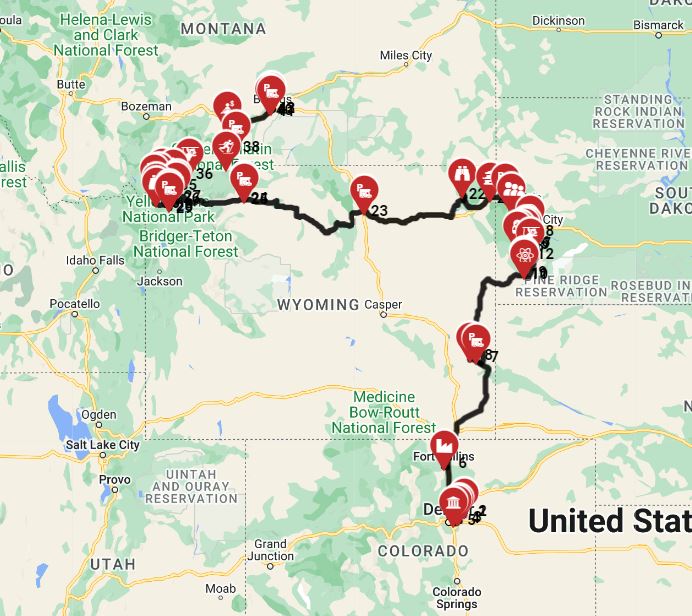
Fuel consumption is a key part of budgeting for your trip. A typical Class C motorhome averages between 7 and 10 miles per gallon, which is roughly 23 to 33 liters per 100 kilometers. Fuel prices are dynamic, but a good estimate for budgeting in Denver is between $3.50 and $4.50 per gallon. To manage your total trip costs effectively, you can use tools that help track every expense along the way; for example, the pre-planned RV PLANET routes allow you to itemize costs for fuel, campgrounds, and groceries for easy budgeting. If you're flexible with your plans, you may be able to find more information in our "Cheap RV Rental in Denver - Budget Guide 2026". On the routes offered through RV PLANET routes, you can itemize and track every expense along the way for easy budgeting.
Tolls, Vignettes & Border Rules
Colorado uses an electronic tolling system on several roads in the Denver metro area, most notably the E-470 beltway which offers a quick route to and from Denver International Airport (DIA). There is no "vignette" system; tolls are collected either with an ExpressToll transponder or via a license plate photo system (called "License Plate Toll"). The license plate option is more expensive, so it's wise to plan ahead. When renting a motorhome, ask the supplier about their tolling policy. Many, like Cruise America and El Monte, offer programs where you can use their transponder for a daily fee or pre-pay for tolls, which is often the most convenient and cost-effective option.
🎬 Video coming soon
Bills for tolls incurred via license plate photos are sent to the vehicle's registered owner-in this case, the rental company. They will then bill you for the tolls plus a potentially significant administrative fee. Using the rental company's toll program is a classic example of how a little planning avoids surprises and hidden fees down the road. When it comes to borders, there are no special rules or checkpoints when driving your rented RV between Colorado and neighboring states like Wyoming, Utah, or New Mexico; you can cross state lines freely.
Driving Tips for rv rental Travelers
Driving a rented RV in Denver, especially in winter, is an adventure that becomes easy with a bit of preparation. First, acclimate to the altitude; Denver is a mile high (1,609 meters), and the mountain passes are much higher. Take it easy the first day, drink plenty of water, and give your motorhome's engine time to adjust as well. You may notice slightly reduced power when climbing, which is perfectly normal. It's also a good reason to embrace slow travel-take your time, feel the place, and don't rush from one point to the next.
Before you hit the road, do a walk-around and secure everything inside your mobile home. Latch cabinets and secure loose items to prevent them from shifting during transit. In winter, always check the weather and road conditions before heading out, especially if your route includes mountain passes on I-70 or US-285. Colorado weather changes fast. Finally, take a few minutes in the rental station's parking lot to get a feel for your vehicle's size, turning radius, and braking distance. A little practice builds a lot of confidence for navigating city streets or backing into a scenic campground spot. Get inspired for your next trip by planning your route in advance with minimal effort and maximum enjoyment.
Recommended RV Class for Denver Roads
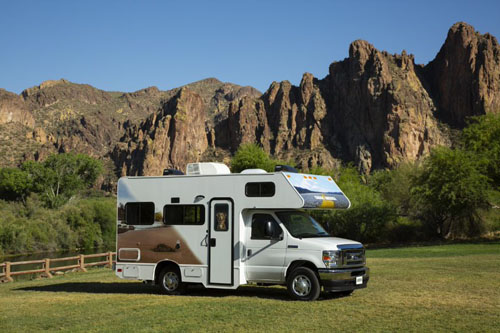
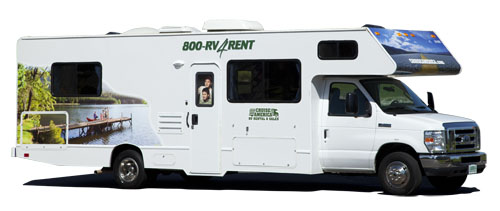
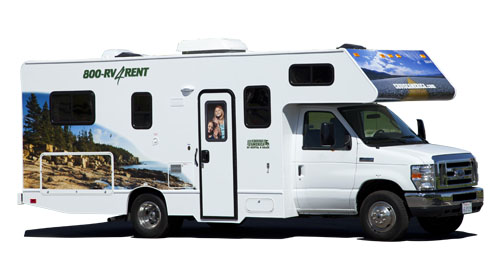
A Class C motorhome is often the most recommended RV class for trips starting in Denver, offering a fantastic balance of space, comfort, and drivability. These vehicles, averaging around 26 feet (7.9 meters), are large enough for a family to travel comfortably with separate sleeping areas and a full bathroom, yet they remain manageable on both highways and the winding roads of state parks like Golden Gate Canyon. Their size provides stability in windy conditions, which can be common on the plains east of Denver and in the mountain foothills, making them a secure choice for winter travel.
For couples or those planning to explore more rugged, off-the-beaten-path areas, a Class B campervan is an excellent alternative. Averaging just 20 feet (6.1 meters), these vans are more agile, easier to park in urban areas like Denver's LoDo district, and generally more fuel-efficient. While they offer less interior space, their nimble handling can be a real advantage on narrower mountain roads or when looking for a parking spot near a popular trailhead. Ultimately, the best choice depends on your group size and travel style, but both Class C and Class B motorhomes are well-suited for a Colorado adventure. You can find more details in our complete guide, "RV Rental Denver - Complete Guide 2026".
Should I Choose a Compact Van Instead of a Large RV in Denver?
Choosing a compact van over a larger RV in Denver depends entirely on your travel priorities. A Class B campervan offers superior maneuverability for navigating Denver's city streets and makes finding parking significantly easier, which is a huge plus if your itinerary includes lots of urban exploration. However, it's important to remember that even large RVs can be driven anywhere with care. Drive slowly and carefully, and you can take a Class A or Class C motorhome almost anywhere without issues.
On the other hand, a larger rented motorhome, like a Class C or Class A, provides unmatched comfort and amenities for your journey. For families or those planning an extended road trip of a week or more, the extra living space, larger kitchen, full-sized bathroom, and ample storage are invaluable. Since Denver is a launchpad for grand adventures into the Rockies and beyond, the comfort of a larger mobile home often outweighs the slight inconvenience of city driving. The choice is yours: agility and ease of parking with a van, or space and comfort with a larger motorhome. If you're on a budget, our "Cheap RV Rental in Denver - Budget Guide 2026" might help you decide. For ideas you can prep on the road, watch our RV-friendly recipes playlist on YouTube.
Can I Park Anywhere? Free & Wild Camping Rules in Denver
No, you cannot park your rented RV overnight just anywhere in Denver, as free or "wild" camping is prohibited within the city limits. Most residential streets have parking restrictions, and sleeping in your vehicle in retail parking lots (like Walmart) is often forbidden by local ordinances. For safe, legal, and comfortable overnight stays, you should plan on using designated RV parks and campgrounds in and around the metro area. Places like Cherry Creek State Park or Chatfield State Park offer beautiful settings with full hookups just a short drive from downtown.
Once you venture outside the city, your options for free camping expand. Colorado is home to vast stretches of National Forest and Bureau of Land Management (BLM) lands where "dispersed camping" is permitted. This means you can camp for free in designated areas outside of developed campgrounds. These spots are usually found along forest service roads and offer a truly rustic experience without amenities like water or electricity. Always check the specific regulations for the National Forest you plan to visit, practice Leave No Trace principles, and be aware of any seasonal fire bans. For finding both established campgrounds and potential dispersed camping areas, we recommend using RV PLANET (rvplan.net)-it's a great resource for locating available spots along your route.
Can I Drive an RV Into the City Center? Heights, Tunnels & Local Signage
Yes, you can drive a rented RV into Denver's city center, but it requires careful attention and planning. The key is to be constantly aware of your vehicle's height and to watch for low-clearance signs on underpasses and bridges, especially in older parts of the city. Main thoroughfares like Speer Boulevard, Colfax Avenue, and Broadway are generally accommodating for larger vehicles. No need to stress-just use common sense and pay attention to your surroundings.
The biggest challenge in downtown Denver will be parking. Street parking is scarce and often metered with time limits, and nearly all multi-story parking garages are too low for a motorhome. Your best bet is to find a surface parking lot on the outskirts of the central business district and then walk or use public transit to explore areas like the 16th Street Mall. Using an RV-specific GPS app can be incredibly helpful, as it allows you to input your vehicle's dimensions to avoid routes with low clearances or other restrictions. With a bit of foresight, a trip into the heart of the Mile High City is entirely manageable.
Do you need a special license to drive an RV in Colorado?
No, you generally do not need a special license to drive the vast majority of rental RVs in Colorado. A standard Class R driver's license, the same one you use for a car, is sufficient for operating any single vehicle with a Gross Vehicle Weight Rating (GVWR) under 26,001 pounds. This weight class includes virtually all Class B, Class C, and many Class A motorhomes available for rent.
The rental RVs offered by our partners, including major suppliers like Cruise America and El Monte, are specifically designed to be driven by anyone with a standard car license. This makes renting a motorhome for your Colorado adventure incredibly accessible. There’s no need to go through extra testing or obtain a commercial driver's license (CDL) for your vacation. Just bring your valid license, be at least 21 years old, and you're ready to hit the open road.
Do you have to have a CDL to drive a 30 ft RV?
No, you do not need a Commercial Driver's License (CDL) to drive a 30-foot RV in Colorado for personal, recreational use. Colorado's licensing requirements are based on the vehicle's weight (GVWR), not its length. As long as the 30-foot motorhome you rent has a GVWR below the 26,001-pound threshold, your standard driver's license is all you need.
Manufacturers design these popular rental models, like the standard Class C motorhomes often around 30 feet, to specifically fall under this weight limit. This ensures that they are accessible to the general public for vacation rentals without requiring any special endorsements. You can confidently book a spacious 30-foot rented RV for your family trip knowing that your regular license is sufficient to get you on your way.
Do you need a license to get an RV?
Yes, you absolutely need a valid driver's license to rent and legally operate any motorhome in Denver and throughout the United States. A driver's license is a fundamental requirement for driving any motor vehicle on public roads. At the rental station, you will be required to present a valid, unexpired driver's license for every listed driver before you can take possession of the vehicle.
As we've covered, for most rental RVs, your standard car license is perfectly fine. The key is that the license must be valid for the entire duration of your rental period. Make sure to check your license's expiration date before your trip to avoid any issues at the pickup counter. This is one of those small details we help you confirm, ensuring a smooth start to your journey.
How much is RV insurance in Colorado?
For a motorhome rental in Denver, liability insurance is almost always included in the base daily rental rate, giving you a foundational level of coverage. Rental companies then offer supplemental insurance packages that you can purchase to reduce your financial responsibility (the deductible) in case of an accident. These optional packages typically cost between $15 to $40 per day and can lower your deductible significantly, often to as little as $500 or even $0.
As part of our commitment to full transparency, we show you all these options clearly during the booking process. You can even choose to upgrade to a top-level deductible for extra peace of mind. Some personal auto insurance policies or premium credit cards may offer some coverage for rental vehicles, but it's essential to verify if this extends to a large vehicle like a motorhome. For a stress-free trip, opting for the rental company's supplemental coverage is often the simplest and most comprehensive solution.
What You Shouldn't Miss
A winter trip from Denver opens up a world of snowy peaks and cozy mountain towns. Here are a few can't-miss experiences for your rented RV adventure:
- Rocky Mountain National Park: Drive the scenic Peak to Peak Highway to Estes Park. While Trail Ridge Road is closed in winter, the park's lower elevations offer stunning landscapes, wildlife viewing (look for elk!), and opportunities for snowshoeing around Bear Lake.
- Idaho Springs & Mount Evans Scenic Byway: Visit the historic mining town of Idaho Springs. While the byway to the summit of Mount Evans is closed to vehicles in winter, the drive to Echo Lake at its base is spectacular and offers incredible views.
- Breckenridge: This iconic ski town is incredibly charming in the winter. Park your rented motorhome at a local RV park and use the free town shuttle to explore the historic Main Street, enjoy the shops, and soak in the winter wonderland atmosphere.
- Garden of the Gods: Head south to Colorado Springs for a day trip. The striking red rock formations of Garden of the Gods are even more beautiful with a dusting of snow, and the park's paved roads are kept clear year-round.
- Red Rocks Amphitheatre: Just west of Denver, this world-famous concert venue is also a stunning city park. In the winter, you can hike the surrounding trails and admire the massive geological formations without the summer crowds.
Looking for expert insights from Avi Bandana? Top 5 Adventures — recommendations from Avi Bandana are a great place to start planning your unique journey.
Final Thoughts
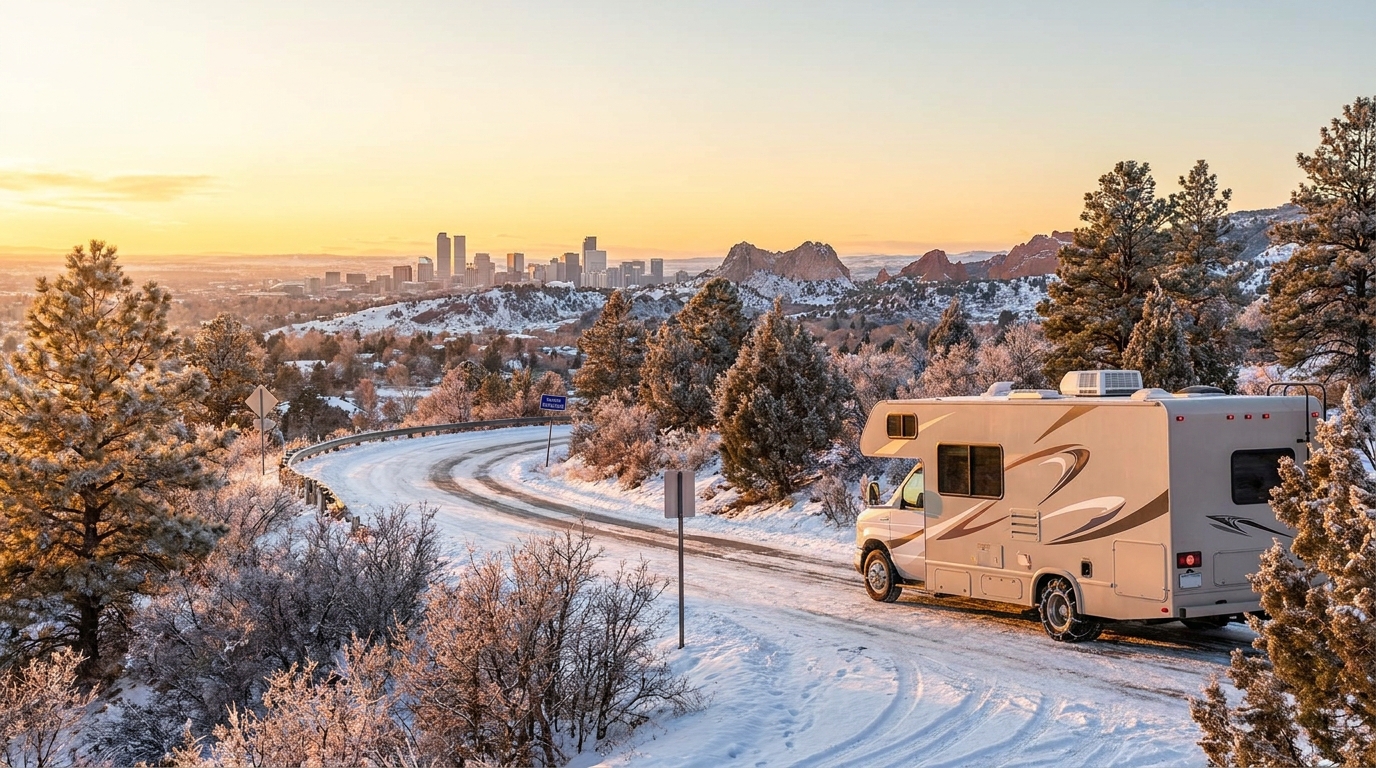
A winter RV trip in Denver is an experience like no other. Imagine waking up in your cozy, warm motorhome to a view of the snow-covered Rockies, your coffee brewing as you plan a day of adventure. It’s about freedom, comfort, and connecting with nature on your own terms. Whether you're carving down ski slopes, snowshoeing through silent forests, or exploring charming mountain towns decorated for the season, a rented RV is your perfect winter basecamp.
The beauty of Colorado's winter landscape is waiting for you. We've been helping travelers like you create these incredible memories for over 20 years, and we know that with a little planning and the right vehicle, your dream road trip is closer than you think. Let's make it happen.
Find Motorhome Rentals in Denver