
In This Guide
- Can You Drive an RV in Bellflower? License & Age Rules
- Road Conditions & Terrain in Bellflower
- RV Size Limits, Bridges & Restricted Zones
- Fuel: Diesel vs. Petrol & Cost per 100 km
- Tolls, Vignettes & Border Rules
- Driving Tips for winter rv rental Travelers
- Recommended RV Class for Bellflower Roads
- Should I Choose a Compact Van Instead of a Large RV in Bellflower?
- Can I Park Anywhere? Free & Wild Camping Rules in Bellflower
- Can I Drive an RV Into the City Center? Heights, Tunnels & Local Signage
- What is the 3 3 3 rule for RVs and campers?
- What is the new RV law in California?
- Do I need to winterize my RV in southern California?
- What size RV can you drive without a special license?
- Can you drive an RV in the winter?
- What is the biggest RV you can drive with a class C license?
- What is the average price of RV insurance?
- Who has the best RV insurance?
- Does RV insurance cover snow damage?
- How to get cheaper RV insurance?
Embarking on a winter RV adventure in Bellflower, California, offers a refreshing escape with mild weather and unique local charm. As true RV specialists, we at Bandana RV understand that a safe and enjoyable journey begins with knowing the ins and outs of driving a rented motorhome or campervan in a new area. Our RV Rental Bellflower - Complete Guide 2026 provides an excellent starting point for planning your trip, detailing everything from vehicle selection to navigating the local landscape.
Can You Drive an RV in Bellflower? License & Age Rules
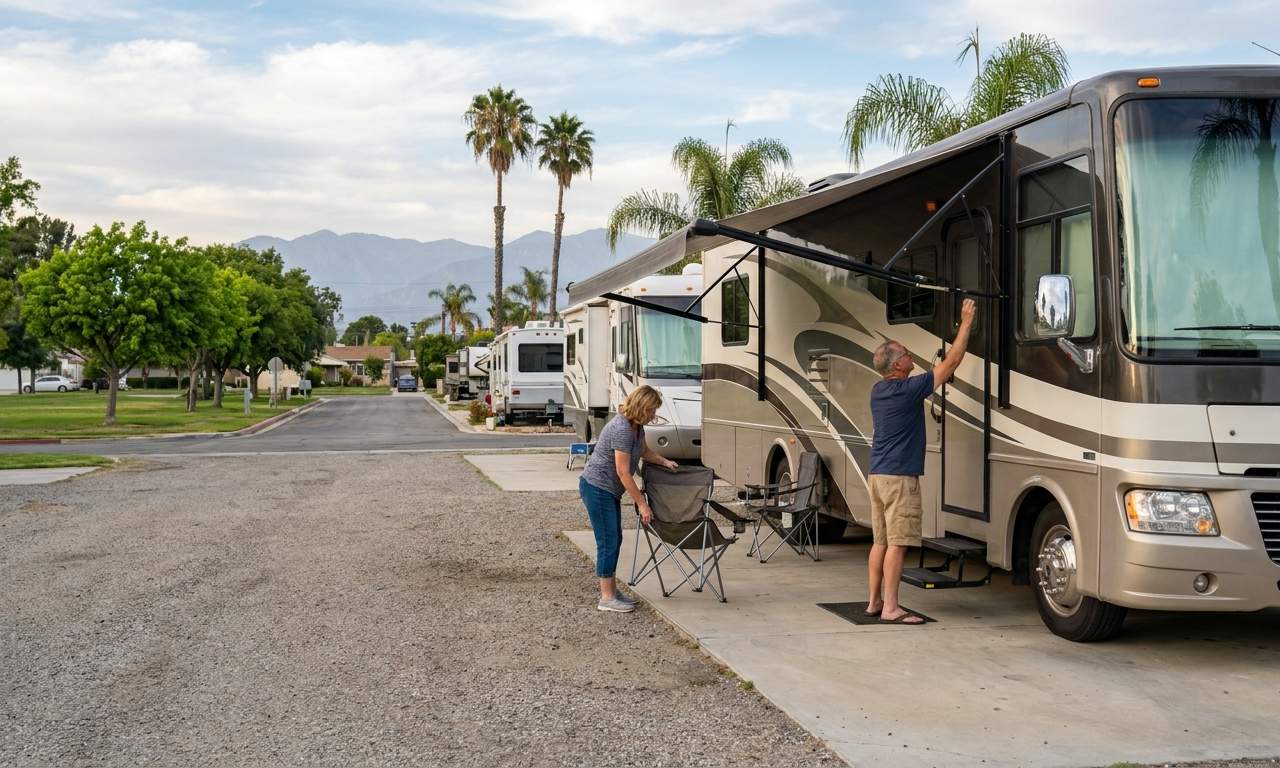
Yes, you can absolutely drive an RV in Bellflower with a standard car driver's license, provided the vehicle's gross vehicle weight rating (GVWR) is under 26,000 pounds. This includes most Class A, Class B, and Class C motorhomes, making RV travel accessible for nearly everyone. The minimum age to rent an RV through Bandana is 21 years old, and importantly, there are no young driver surcharges or vehicle class restrictions based on age, ensuring full transparency in your booking. Foreign drivers can comfortably operate a rental motorhome in Bellflower with a valid driver's license from their home country for up to one year; an International Driving Permit (IDP) is recommended for added clarity, though not always mandatory.
Navigating Bellflower’s roads with a rented RV is straightforward, whether you choose a compact Class B campervan like the "Van" model (6.5m length) or a more spacious Class C motorhome. Remember that our role as true RV specialists means we’re here to help you compare final prices across 50+ suppliers, ensuring you find the easiest, safest, and most affordable way to rent an RV without hidden fees or surprises.
Road Conditions & Terrain in Bellflower
Bellflower features predominantly flat, well-maintained urban and suburban roads, making it generally easy to navigate for RVs of all sizes, including larger models. Winter road conditions in Bellflower typically involve mild temperatures, rarely dipping below freezing, and occasional rain, which simplifies winter RV travel compared to colder regions. While local streets are generally wide, drivers should be mindful of urban density, traffic congestion on major arteries like Bellflower Boulevard or Clark Avenue, and school zones during peak hours, planning routes accordingly to avoid delays. Even with a large motorhome, driving slowly and carefully allows you to navigate almost anywhere without issues, just use common sense and pay attention.
RV Size Limits, Bridges & Restricted Zones
Bellflower itself does not impose unique or restrictive RV size limits beyond standard California vehicle code regulations, making it welcoming for all sizes of rented motorhomes. The general maximum vehicle height limit in California is 14 feet; however, RV drivers should always heed any posted local signs for lower clearances, though these are uncommon on major Bellflower routes and within the city center. While environmental zones are present in some California cities, Bellflower does not currently have specific low-emission zones that would restrict standard RV access, though drivers should be aware of specific residential parking ordinances that may limit overnight RV stays on certain streets.
Fuel: Diesel vs. Petrol & Cost per 100 km
Most Class B Camper Vans, Class C Alcove, and Class SI Semi-integrated RVs in Bandana's global fleet typically run on petrol, while some larger Class A motorhomes, like the impressive "MH-A" model (8.8m length, 208L fuel tank), may be diesel. Based on Bandana's global fleet averages and current California fuel prices (approximately $1.30/liter for petrol, $1.45/liter for diesel), a Class SI RV averaging 10-11 Liters/100 km would cost approximately $13.65-$14.30 per 100 km. A Class C motorhome, like the Cruise America RV rental example Explorer, at 11 Liters/100 km, would incur similar costs. Both petrol and diesel are widely available at gas stations throughout Bellflower and Southern California, ensuring convenient refueling options for your winter RV rental. To keep track of these and other ancillary costs during your journey, consider using RV PLANET routes, which allow you to itemize and track every expense along the way for easy budgeting. On the routes offered through RV PLANET routes, you can itemize and track every expense along the way for easy budgeting.
Tolls, Vignettes & Border Rules
California features several toll roads and express lanes, particularly in surrounding counties like Orange County (e.g., the 91 Express Lanes or SR 73), but no traditional vignettes (pre-paid road tax stickers) are required for driving in Bellflower or elsewhere in the state. RV travelers should be aware of electronic tolling systems like FasTrak for express lanes on freeways; some Bandana RVs may offer pre-purchased passes or transponders to streamline toll payment and avoid potential fines. As Bellflower is located within California, there are no international border rules or customs procedures to consider when traveling within the state or to neighboring U.S. states, making interstate RV travel from Bellflower simple and enjoyable. For detailed pricing information on your potential trip, you might also want to consult "RV Rental in Bellflower - Prices and Best Deals 2026".
Driving Tips for winter rv rental Travelers
Successful winter RV travel from Bellflower requires a bit of preparation to ensure a smooth journey. Always check local weather forecasts and road conditions before embarking, especially if planning excursions to higher elevations like the San Bernardino Mountains, where winter weather might be more severe. Maintain increased following distances and reduce speed, particularly on wet roads, as even mild Southern California rain can make highways slick. Plan your parking in advance by utilizing RV-friendly parking lots at attractions like Disneyland or shopping centers, or by booking a spot at designated RV parks near Bellflower, given potential restrictions on street parking.
Ensure your rented motorhome's tires are properly inflated and checked for tread depth, and all fluid levels (wiper fluid, coolant) are adequate for cooler, potentially rainy, winter conditions. For families, schedule regular stops every 2-3 hours to prevent driver fatigue and allow passengers to stretch, making the journey more enjoyable. Remember to travel slowly, averaging a maximum of 100-150 km per day, to truly feel the place, connect to the culture, the food, and the scenery. For instance, enjoying a meal prepared in your RV's kitchen using locally sourced ingredients is a fantastic way to immerse yourself in the journey. For cooking ideas, check out our RV-friendly recipes playlist.
Recommended RV Class for Bellflower Roads
For comfortable travel and relatively easy navigation through Bellflower's urban environment and surrounding areas, a Class SI (Semi-integrated) or Class C (Alcove) RV is often recommended for rental. Class SI RVs, with an average length of 6.9 meters from Bandana's global fleet, offer a good balance of interior space and maneuverability. Class C motorhomes, like the MHC24 model (7.3m length), averaging 7.5 meters in length, provide ample sleeping places (around 5.8 on average) and amenities for families, while still being manageable on Southern California roads. Whether you prefer the spaciousness of a Class C or the nimbleness of a Class B, Bandana offers a wide variety to suit your needs, providing full price transparency so what you see is what you pay.
Should I Choose a Compact Van Instead of a Large RV in Bellflower?
While Bellflower's roads are generally accommodating to all RV sizes, choosing a compact van (Class B Camper Van) over a larger motorhome can offer superior maneuverability and easier parking in tighter urban spots or crowded tourist destinations. Class B Camper Vans, such as a "Van" (6.5m length) from Bandana's fleet, with an average length of 5.8 meters, are excellent for navigating specific local roads or smaller parking lots in Bellflower and nearby cities. However, larger RVs, like a "C-30" (9.1m length), provide significantly more living space, enhanced amenities, and greater comfort for longer week-long trips or families of 4-6 people, which might outweigh the maneuverability benefits for many renters exploring Southern California from a Bellflower base. The ideal choice depends on your group size, desired comfort level, and specific travel plans within the region.
Can I Park Anywhere? Free & Wild Camping Rules in Bellflower
Free or 'wild' camping is generally not permitted in Bellflower or within developed areas of California; RVs must park in designated RV parks or campgrounds. Bellflower, like many Southern California cities, has local ordinances regulating overnight street parking for RVs and large vehicles, often restricting stays beyond 72 hours or prohibiting commercial vehicle parking, so always be on the lookout for posted signs. For guaranteed overnight parking, consider nearby established RV parks such as Anaheim RV Park or Downey RV Park, both offering full hookups and amenities. Always check local regulations and follow local law before parking overnight to avoid fines or towing. For finding campsites and campgrounds during your trip, we recommend using RV PLANET (rvplan.net) - a great resource for locating available spots along your route.
Can I Drive an RV Into the City Center? Heights, Tunnels & Local Signage
Yes, you can generally drive a rental RV into Bellflower's city center without encountering specific height restrictions, tunnels, or low bridges that would impede standard recreational vehicles. Bellflower's urban core consists of standard suburban roads that are well-suited for RV traffic, with the primary consideration being parking availability for larger vehicles, which can be limited on narrower streets like Belmont Avenue. Drive slowly and carefully, and you can drive almost anywhere without issues. No need to stress - just use common sense and pay attention to signs for commercial vehicle restrictions or temporary parking changes. Always pay close attention to local signage regarding parking restrictions, temporary road closures, or any specific vehicle limitations that may be in effect in certain areas of Bellflower.
What is the 3 3 3 rule for RVs and campers?
The 3-3-3 rule for RVs is a popular guideline advising drivers to limit daily travel to no more than 300 miles (approximately 480 km), arrive at their destination by 3 PM, and stay a minimum of 3 nights. Adhering to this rule enhances safety by preventing driver fatigue and provides ample time to set up camp, explore the area, and relax, promoting a more leisurely RV experience. When renting an RV in Bellflower, applying the 3-3-3 rule can lead to more enjoyable extended road trips to destinations like Joshua Tree or San Diego, allowing plenty of time to relax after 3 PM and explore local Bellflower amenities, like visiting Bellflower's historic stretch of the Lincoln Highway.
What is the new RV law in California?
While there isn't a single 'new RV law' that comprehensively changes everything for RVers in California, the state frequently updates regulations concerning vehicle emissions, parking, and specific equipment requirements. California's general RV laws include specific speed limits for vehicles towing trailers or those over a certain weight (typically 55 mph, or 88 km/h, for RVs over 26,000 lbs GVWR), lane restrictions on multi-lane highways (typically staying in the right two lanes), and stringent smog check requirements for registered vehicles. RV travelers driving a rented motorhome in and around Bellflower, especially those from out-of-state, should be aware of these regulations, including potential smog checks if they plan on an extended stay or intend to register a vehicle in California. For more planning advice, check out "RV Rental California - Complete Guide 2026".
Do I need to winterize my RV in southern California?
Generally, you do not need to fully winterize your RV in Bellflower or most of Southern California for typical winter conditions, as sustained freezing temperatures are rare. Bellflower's winter temperatures usually stay well above freezing, reducing the risk of pipes bursting. While full antifreeze treatment for plumbing might not be necessary, it's prudent to drain freshwater tanks and hoses if temperatures are forecasted to dip below freezing overnight, especially if parked in an exposed area or if you plan to travel to nearby mountain regions. Basic winter precautions, such as ensuring adequate heating (many of our rental RVs, like the "Paradise Family 5" model, include heating systems), checking tire pressure more frequently, and having an emergency kit, are advisable for any winter RV travel from Bellflower. You can also look into "Winter RV Rentals in Bellflower" specifically.
What size RV can you drive without a special license?
In California, most recreational vehicles with a Gross Vehicle Weight Rating (GVWR) of up to 26,000 pounds (approximately 11,793 kg) can be driven with a standard Class C driver's license. This includes the vast majority of Class B Camper Vans (like a 5.8m "Active Bunk Auto"), Class C Alcove motorhomes (Bandana's global fleet averages 7.5m in length), and many Class SI Semi-integrated RVs, making them accessible to most drivers without additional licensing. For RVs exceeding 26,000 pounds GVWR, or towing a vehicle over 10,000 pounds, a Class B or Class A non-commercial license may be required. It's essential to verify the specific GVWR of your rental RV to ensure it falls within the Class C license limit before driving.
Can you drive an RV in the winter?
Yes, driving an RV in the winter is entirely feasible, and a winter RV rental in Bellflower offers a unique opportunity to explore Southern California with mild weather and fewer crowds. Southern California winters are characterized by comfortable temperatures averaging 13-18°C (55-65°F) during the day and occasional rainfall, generally avoiding the harsh conditions found in other regions, making it ideal for RV travel. While major snow is rare in Bellflower itself, be prepared for colder temperatures and potential rain, especially if your itinerary includes mountain destinations like Big Bear, where snow and ice may be present, requiring appropriate vehicle checks and driving precautions. Our RV Travel Guide to Bellflower - Tips and Top Spots 2026 can provide more insights into local winter excursions.
🎬 Video coming soon
What is the biggest RV you can drive with a class C license?
With a standard California Class C driver's license, you are legally permitted to drive an RV with a Gross Vehicle Weight Rating (GVWR) of up to 26,000 pounds (approximately 11,793 kg). This weight limit typically covers most Class B Camper Vans (often around 5.8m in length, like the "V3" model), Class C Alcove motorhomes (like the "24' Class C Motorhome" at 7.46m length), and many Class SI Semi-integrated RVs (averaging 6.9m in length). It's essential to verify the specific GVWR of your rental RV to ensure it falls within the Class C license limit before driving, though the vast majority of our rental fleet is designed to be driven with a standard license.
What is the average price of RV insurance?
The average price of RV insurance in California varies widely, influenced by the RV's type (Class B, C, A), its value, how often it's used, the coverage selected (liability, comprehensive, collision), and the driver's history. For a typical rental RV, basic liability insurance might be included in your rental price or required as an add-on, with additional comprehensive and collision coverage often available as an optional upgrade. These costs could range from a few hundred dollars to over a thousand dollars annually for personal RVs, but for rentals, it's integrated into the rental terms. Policies specific to California drivers may include unique requirements or common coverages for earthquake or wildfire damage, reflecting the state's regional risks, beyond standard accident protection. Remember, you can upgrade to a top-level deductible for extra peace of mind when booking with Bandana RV.
Who has the best RV insurance?
Determining the 'best' RV insurance provider is highly subjective and depends entirely on an individual's specific needs, budget, desired coverage, and RV type. In California, reputable RV insurance providers frequently mentioned for their comprehensive policies and customer service include Progressive, National General, Geico, and Good Sam Insurance. It is crucial for renters to compare quotes from multiple providers and review policy details to find the best fit for their winter RV rental in Bellflower, considering factors like roadside assistance and personal effects coverage. We at Bandana streamline this process by partnering directly with 50+ leading RV suppliers worldwide, ensuring various insurance options are presented transparently with no hidden fees.
Does RV insurance cover snow damage?
Yes, comprehensive RV insurance policies typically cover damage caused by snow, including issues such as roof collapse from heavy snow accumulation, damage from ice dams, or accidents that occur on snowy or icy roads. While Bellflower rarely experiences snow, if your winter RV rental plans include traveling to mountain areas in California, such as Big Bear or Lake Arrowhead, ensuring you have robust comprehensive coverage is advisable. Always review your specific policy documents or consult with your insurance provider to confirm the exact extent of coverage for natural events, including snow and ice damage, as terms and conditions can vary significantly between different policies and suppliers.
How to get cheaper RV insurance?
To potentially lower RV insurance costs in California, consider options like increasing your deductible, bundling your RV policy with existing auto or home insurance, and opting for a newer rental RV with advanced safety features. Maintaining a clean driving record, taking an RV safety course, and reducing the mileage or limiting the usage period of your RV can also qualify you for discounts. Always obtain quotes from several different insurance providers to compare coverage and pricing, ensuring you find the most cost-effective policy for your winter RV rental in Bellflower without sacrificing essential protection. Bandana RV's full transparency in pricing helps you easily compare options from top suppliers like El Monte and Cruise America, ensuring no surprises at pickup.
What You Shouldn't Miss
- Bellflower Bike Trail: Enjoy a leisurely ride or walk along this local green corridor, perfect for a relaxed afternoon.
- Bellflower Farmers Market: Discover local produce and artisan goods, a great way to experience the community flavor.
- Local Eateries on Bellflower Blvd: Explore diverse dining options, from classic American diners to international cuisine, offering a taste of local culture.
- Long Beach City Beach: Just a short drive away, enjoy the mild winter coastal air and scenic views from your campervan.
- Knott's Berry Farm: Experience thrilling rides and entertainment, especially enchanting during the off-peak winter season with fewer crowds.
- Disney California Adventure Park: Take advantage of Bellflower's central location for an easy day trip to this iconic theme park.
Looking for expert insights from Avi Bandana? Top 5 Adventures - recommendations from Avi Bandana.
Final Thoughts
A winter RV rental in Bellflower truly unlocks the magic of Southern California, offering pleasant weather and a relaxed pace for exploring the region. From navigating local streets with your chosen campervan or motorhome to enjoying the cultural richness of the area, your adventure will be seamless with the right preparation and support. Remember, we're here to help you compare final prices across suppliers, ensuring you receive honest deals with no hidden fees.
So, whether you're planning a week-long trip to explore the beaches, theme parks, or simply unwind in Bellflower, embrace the freedom and flexibility that a rented RV provides. We take care of the small details, making a big difference in your travel experience. Get inspired for your next trip and plan a truly unforgettable journey!
Find Motorhome Rentals in Bellflower