In This Guide
- Can You Drive an RV in Austria? License & Age Rules
- Road Conditions & Terrain in Austria
- RV Size Limits, Bridges & Restricted Zones
- Fuel: Diesel vs. Petrol & Cost per 100 km
- Tolls, Vignettes & Border Rules
- Driving Tips for Winter RV Rental Travelers
- Recommended RV Class for Austria Roads
- Should I Choose a Compact Van Instead of a Large RV in Austria?
- Can I Park Anywhere? Free & Wild Camping Rules in Austria
- Can I Drive an RV Into the City Center? Heights, Tunnels & Local Signage
- What are the Specific Challenges and Benefits of Winter RVing in Austria?
- What are the Best RV Routes for Winter in Austria?
- Can I Travel with Pets in an RV in Austria?
- What Environmental and Cultural Etiquette Should I Follow While RVing in Austria?
- What Unique Food and Cultural Experiences Can I Have with an RV in Austria?
Imagine waking up to fresh Alpine snow, brewing coffee in your cozy rental motorhome, and stepping out directly onto a pristine winter landscape. Winter RV driving in Austria offers an unparalleled adventure, blending the thrill of a road trip with the magic of a snowy wonderland. At Bandana RV, we’ve helped thousands of travelers embark on unforgettable journeys since 2001, providing clear, honest, and expert guidance every step of the way. Our mission is to make your RV rental experience seamless and joyful, especially when exploring the stunning winter scenery of Austria. For live availability and current prices, start with our RV Rental Austria - Complete Guide 2026 guide.
Can You Drive an RV in Austria? License & Age Rules
Driving an RV in Austria is permissible with a valid national driver's license and, for non-EU citizens, often an International Driving Permit (IDP), subject to vehicle weight and driver age requirements. A standard B license is valid for RVs up to 3,500 kg (7,700 lbs) Gross Vehicle Weight (GVW), covering most campervans and smaller motorhomes. For larger RVs exceeding 3,500 kg, such as many Class A or larger Class C models, a C1 or C license is typically required. The minimum driver age for RV rentals in Austria is 21 years old, with no young driver surcharges or vehicle class restrictions based on age, a policy designed to make adventure accessible. While an IDP is recommended for visitors from non-English-speaking countries to assist with language barriers, it is not mandatory for all cases. Always ensure you carry your original national license alongside any supplementary permits.
Road Conditions & Terrain in Austria
Austria boasts well-maintained roads, but its diverse terrain, particularly the challenging Alpine regions, requires careful driving, especially during winter months. Road quality across Austria is generally excellent, including motorways (Autobahnen) and federal roads (Bundesstraßen), making for comfortable travel. The terrain varies from flat plains in the east to rolling hills and the dramatic peaks of the Alps, necessitating experience with winding roads, steep gradients, and tunnels. During winter, which typically spans from November to April, snowy and icy conditions are common, especially in mountainous areas, requiring extra caution and preparation. Drive slowly and carefully, and you can drive almost anywhere without issues. No need to stress - just use common sense and pay attention. Many routes offer breathtaking scenic views, encouraging a slower, more deliberate driving pace to truly appreciate the landscape.
RV Size Limits, Bridges & Restricted Zones
While Austria's infrastructure generally accommodates RVs, drivers must be aware of specific height and weight restrictions, low bridges, and environmental zones, particularly in older towns and mountainous areas. Main roads and motorways are designed to handle various vehicle sizes, including large motorhomes. Always pay close attention to local signage, especially in tunnels, underpasses, and when entering historic town centers, where height, width, and weight limits may apply. Austria has some environmental zones ("Umweltzonen"), primarily targeting older commercial vehicles, but it's always advisable to check current regulations for specific cities if planning urban driving with a rented RV to avoid unexpected fines. Unlike some countries, Austria is landlocked, so ferry limits are not a primary concern for RV travel within the country.
Fuel: Diesel vs. Petrol & Cost per 100 km
In Austria, most RVs run on Diesel, which is widely available, with typical fuel consumption for Bandana's global fleet ranging from 8-17 liters per 100 km depending on the RV class. The vast majority of rental motorhomes and campervans in Austria are diesel-powered due to their superior fuel efficiency and torque, which is essential for heavier vehicles, especially in mountainous terrain. Petrol (Benzin) is also readily available at service stations nationwide. Based on Bandana's global fleet averages, common fuel consumption for a Class B - Camper Van is 8-10 liters/100 km, while a larger Class C - Alcove motorhome might consume 10-12 liters/100 km. Fuel prices in Austria are comparable to other Western European countries. When planning your budget for your extended road trip, remember that on RV PLANET routes, you can itemize and track every expense along the way for easy budgeting, including fuel. This full transparency ensures no surprises during your adventure. On the routes offered through RV PLANET routes, you can itemize and track every expense along the way for easy budgeting.
🎬 Video coming soon
Tolls, Vignettes & Border Rules
Austria requires a 'Vignette' (toll sticker or digital pass) for its motorways and expressways, with additional separate tolls for specific tunnels and mountain passes. Border rules with neighboring countries are standard Schengen agreements. Vehicles up to 3.5 tonnes GVW, including most rented campervans and smaller RVs, require a valid Vignette for use on motorways (Autobahnen) and expressways (Schnellstraßen). RVs over 3.5 tonnes GVW, such as a large Class A or a spacious 'Family Sleeper (FS)' motorhome, must use an electronic toll system called a 'GO-Box,' which charges based on distance and axle count. Specific scenic mountain roads like the Grossglockner High Alpine Road and major tunnels (e.g., Brenner Pass, Tauern Tunnel) have additional, separate tolls regardless of whether you have a Vignette or GO-Box. Austria is part of the Schengen Area, meaning border crossings with neighboring Schengen countries like Germany or Italy are typically seamless with minimal checks. Some RV rental providers allow pre-purchasing toll passes or include them in their packages, which can save time and help avoid fines.
Driving Tips for Winter RV Rental Travelers
For winter RV travelers in Austria, key driving tips include meticulous route planning, mandatory winter tires and snow chains, regular breaks, and adapting to potentially challenging road conditions. From November 1st to April 15th, all vehicles must be equipped with winter tires, and snow chains must be carried for use on designated snowy or icy roads, indicated by clear signage. Before and during your journey, it's crucial to consult up-to-date weather forecasts and road condition reports, such as those provided by ASFINAG for motorways, to anticipate closures or difficult sections, especially in mountain passes. Drive defensively and slowly, reduce speed, maintain greater following distances, and avoid sudden braking or steering maneuvers on potentially slippery surfaces. For families or longer trips, planning regular breaks every 2-3 hours is essential for safety, comfort, and allowing drivers to rest and stay alert in challenging conditions. Lastly, ensure your rented RV's heating system is fully functional and monitor gas levels; proper winter insulation is critical for comfort and preventing pipes from freezing. We're with you from day one until your booking is confirmed, offering personal service to help handle these details.
Recommended RV Class for Austria Roads
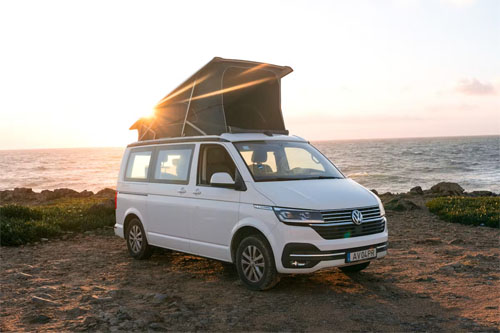
For navigating Austria's varied terrain, particularly in winter, Semi-integrated (Class SI) and Camper Vans (Class B) are highly recommended due to their balanced maneuverability and comfort. A Class B - Camper Van, with an average length of 5.8 meters, is excellent for Austria's roads. Their compact size allows for easier negotiation of narrow village streets and mountain passes, plus simpler parking at ski resorts or smaller towns. Vehicles like the 'Active Bunk Auto' or 'V2L' are examples of nimble campervans ideal for couples or small families. Class SI - Semi-integrated motorhomes, averaging 6.9 meters in length, offer a good compromise between interior space and manageable driving dimensions, making them suitable for longer trips while still being nimble enough for many Austrian routes. Options like the 'B 2 - Classic' offer ample space and comfort. While Class C - Alcove (average 7.5m) and Class A - Integrated (average 7.5m) motorhomes offer significantly more living space, they might require more careful navigation on very tight alpine roads and could present challenges for parking in smaller towns or at crowded attractions. Ultimately, the best choice balances desired comfort and amenities with your confidence in driving a particular size of vehicle in winter conditions.
Should I Choose a Compact Van Instead of a Large RV in Austria?
Generally, there is no inherent issue driving any RV size in Austria, and the choice between a compact van and a larger RV often hinges more on desired comfort and indoor space versus marginal maneuverability benefits. Austria's primary road network, including motorways and main federal roads, is well-equipped to handle all standard RV sizes. Drive slowly and carefully, and you can drive almost anywhere without issues. No need to stress - just use common sense and pay attention. Compact Vans (e.g., Class B - Camper Van), with an average length under 6 meters, are genuinely advantageous for navigating very tight historic city centers, extremely narrow mountain passes, and finding parking in small villages or busy ski resort lots. They typically have a 60-liter fresh water tank and can be found with automatic transmission. Larger RVs (e.g., Class SI, C, A) offer superior living space, enhanced amenities like separate sleeping areas, larger kitchens (often with a 3-burner stove and 150-liter refrigerator, perfect for preparing hearty winter meals in your RV-friendly recipes playlist), and bathrooms, plus often better insulation and heating systems crucial for winter travel, providing a significant comfort advantage. For most travelers exploring Austria's scenic routes and utilizing designated campsites or Stellplatz, the benefits of extra space and comfort in a larger RV often outweigh the minor maneuverability challenges encountered only in specific, very constrained locations. Consider your travel style: if frequent city exploration and remote off-the-beaten-path adventures are priorities, a compact van shines; for comfort, family space, and amenities, a larger RV is usually preferred.
Can I Park Anywhere? Free & Wild Camping Rules in Austria
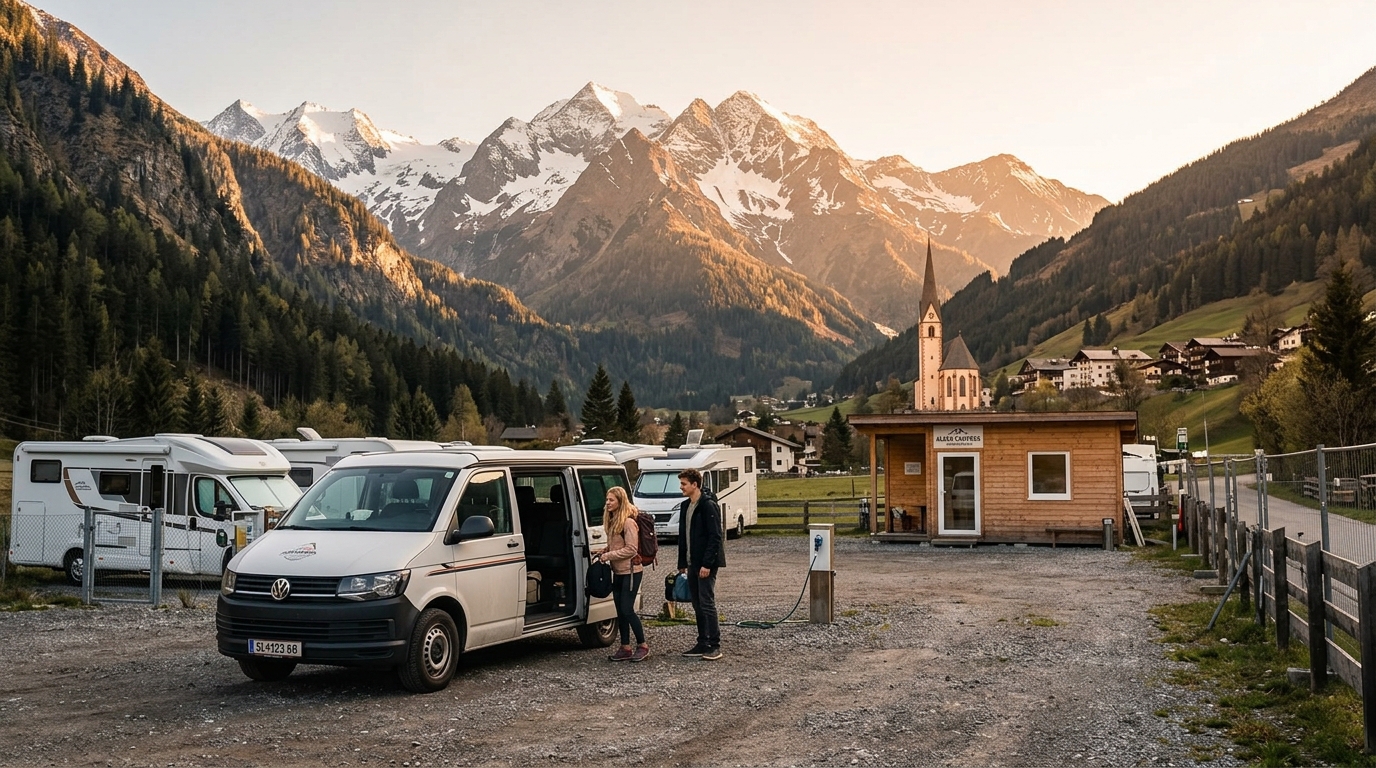
No, wild camping and unregulated overnight parking outside designated campsites or Stellplatz are generally prohibited throughout most of Austria, with rules varying significantly by federal state and municipality. Wild camping (camping freely in nature) is largely forbidden across Austria, especially in national parks, nature reserves, and agricultural land, and can result in substantial fines. Overnight parking in a rented RV or campervan for sleeping purposes outside of official sites is also generally not permitted. However, legal alternatives are abundant: utilize official campsites, which are plentiful and well-equipped, or designated 'Stellplatz' (motorhome parking areas), often found in towns and tourist regions, providing basic services for a fee. Some Stellplatz are free, while others charge a nominal fee for services like fresh water (up to 150 liters) or waste disposal. Inquire with private landowners or local authorities in advance, as some may offer permission for overnight stays on their property. Rules vary by region, so always check local regulations and follow local law before parking overnight, as enforcement can be strict. For finding campsites and campgrounds during your trip, we recommend using RV PLANET (rvplan.net) - a great resource for locating available spots along your route.
Can I Drive an RV Into the City Center? Heights, Tunnels & Local Signage
Yes, RVs can typically drive into most Austrian city centers, but drivers must pay close attention to local signage indicating height limits, tunnel restrictions, low bridges, environmental zones, and 'residents-only' streets. Most main access roads leading into Austrian city centers are accessible to motorhomes and campervans of various sizes. Be highly vigilant for specific traffic signs indicating maximum height (e.g., for tunnels or underpasses often below 3.5 meters), width, or weight limits, which are particularly common near historic city gates or underground parking garages. While less prevalent for private vehicles, some larger cities may have environmental zones ("Umweltzonen") that could restrict older RVs; always check the current status for your destination. Parking a rented RV directly in city centers can be challenging due to limited space and restrictions; consider using 'Park and Ride' facilities on the outskirts and utilizing public transport for city exploration. Always observe local signage, as specific streets or areas might be designated 'Anrainer frei' (residents only) or have temporary restrictions. Remember, Bandana RV offers full transparency with no hidden fees, helping you plan confidently and avoid unexpected charges like parking tickets.
What are the Specific Challenges and Benefits of Winter RVing in Austria?
Winter RVing in Austria presents unique challenges like mandatory snow chains and navigating icy roads, but offers unparalleled benefits such as direct access to ski resorts and experiencing serene, snow-covered landscapes. Key challenges include mandatory winter tires (from November 1st to April 15th) and carrying snow chains, which are often necessary on high mountain passes like the Grossglockner High Alpine Road. Cold temperatures can lead to freezing water pipes, so ensuring your rental motorhome is "Winter Ready" with insulated tanks and a robust heating system, like a Truma, is crucial for comfort and preventing issues. Reduced daylight hours also impact driving time, making early starts and careful planning essential. However, the benefits are truly magical: direct access to world-class ski resorts in regions like Tyrol or Salzburg, experiencing Austria's famous winter wonderland scenery in a unique and flexible way, and often encountering fewer tourists at non-skiing attractions. Verify your rental RV's features, such as those found in a '2 Berth Hi Top' campervan which often includes heating and "Winter Ready" features. Pack plenty of warm clothing, waterproof boots, and perhaps a portable electric heater if you plan to utilize campsite hook-ups to save on gas for heating.
What are the Best RV Routes for Winter in Austria?
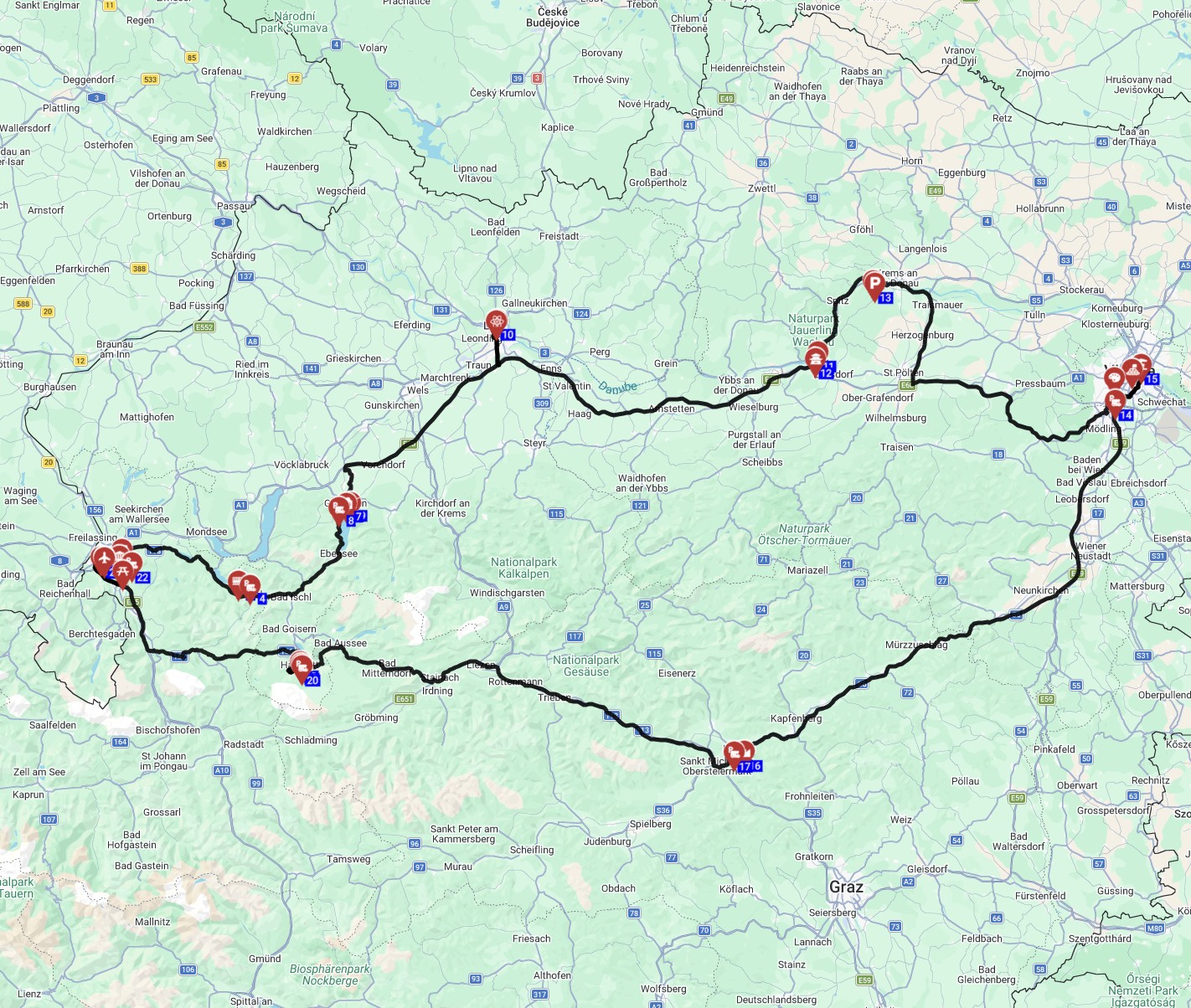
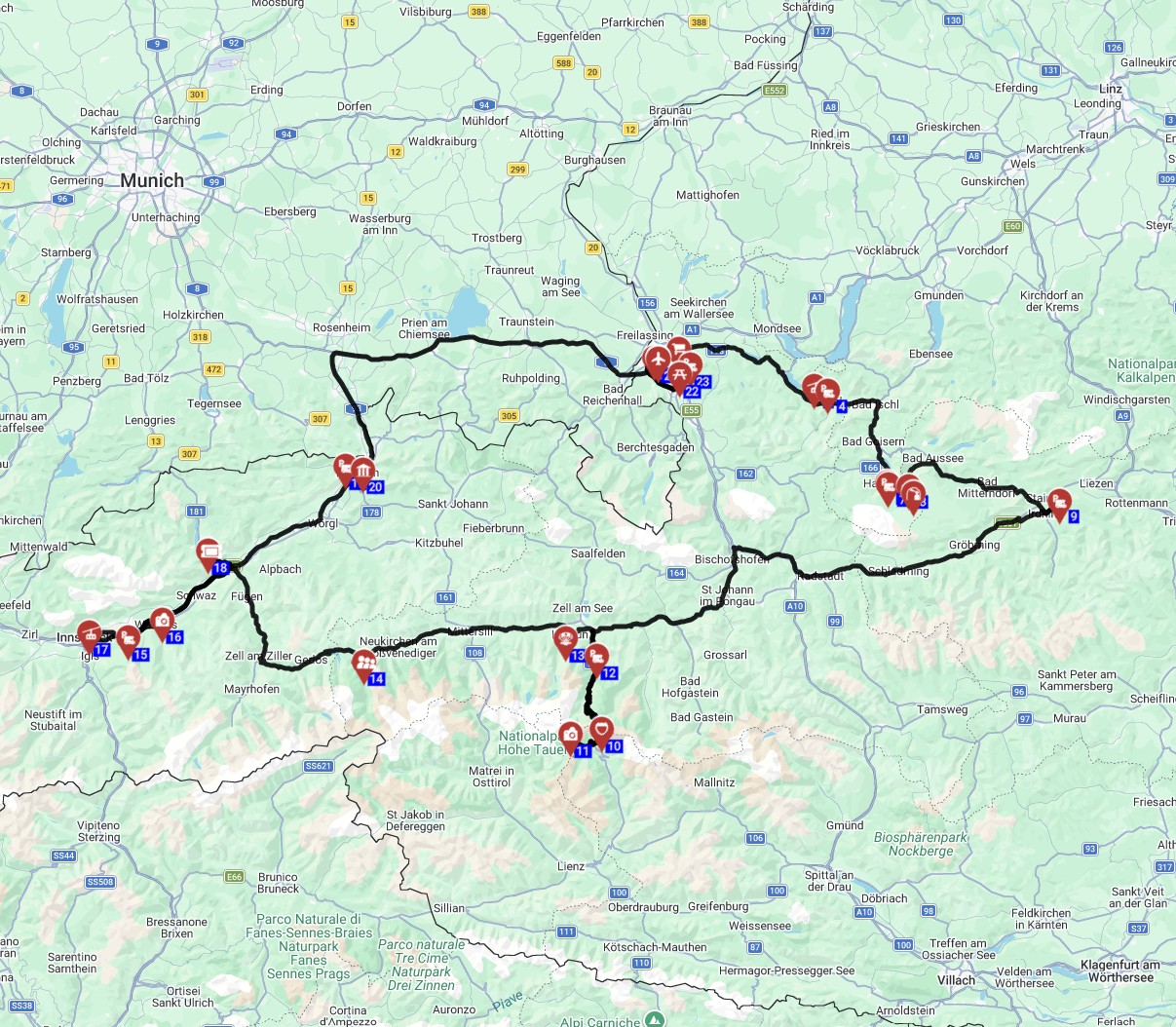
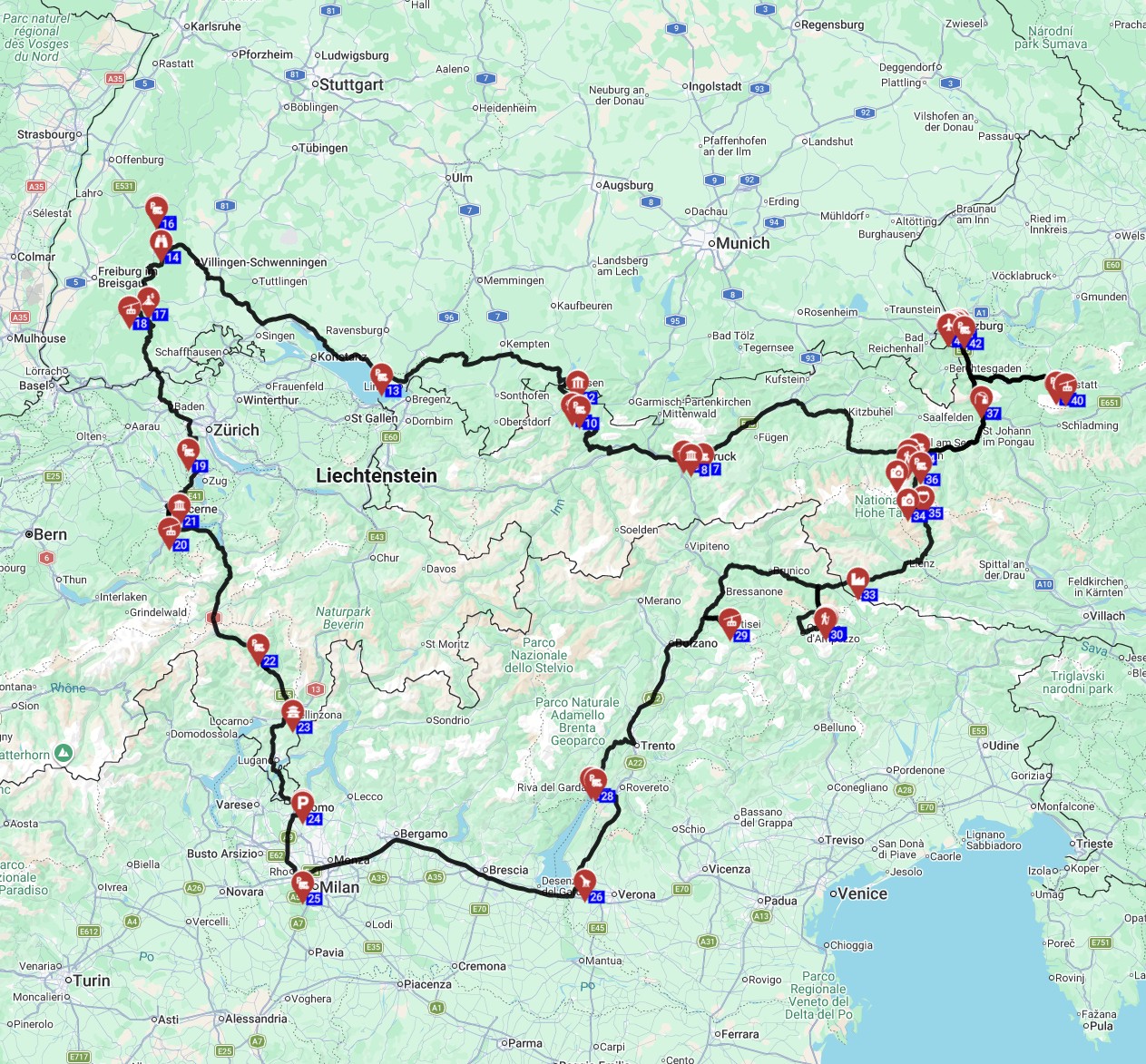
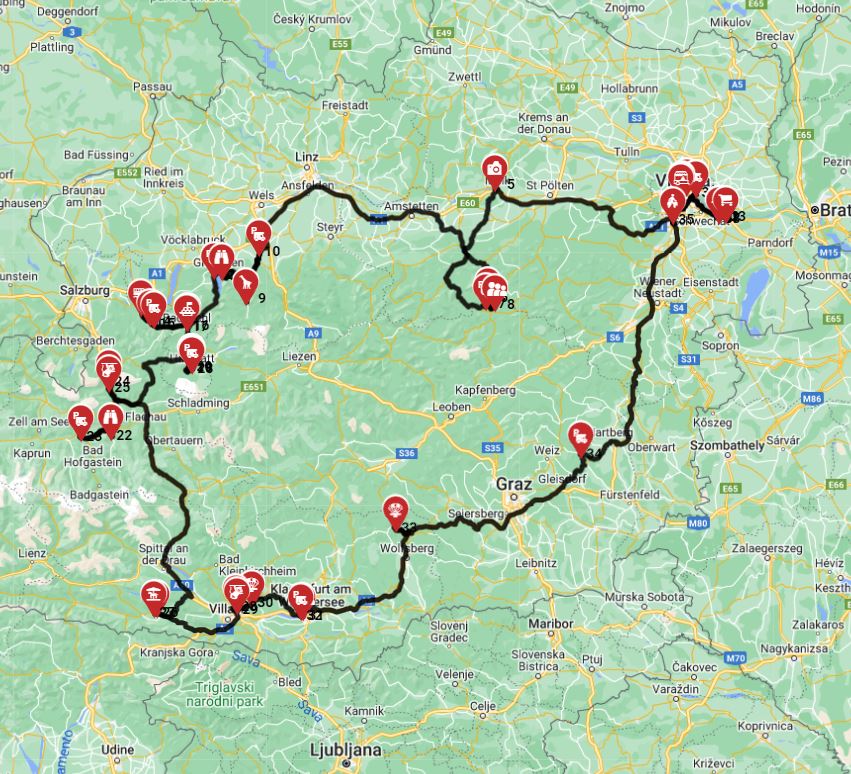
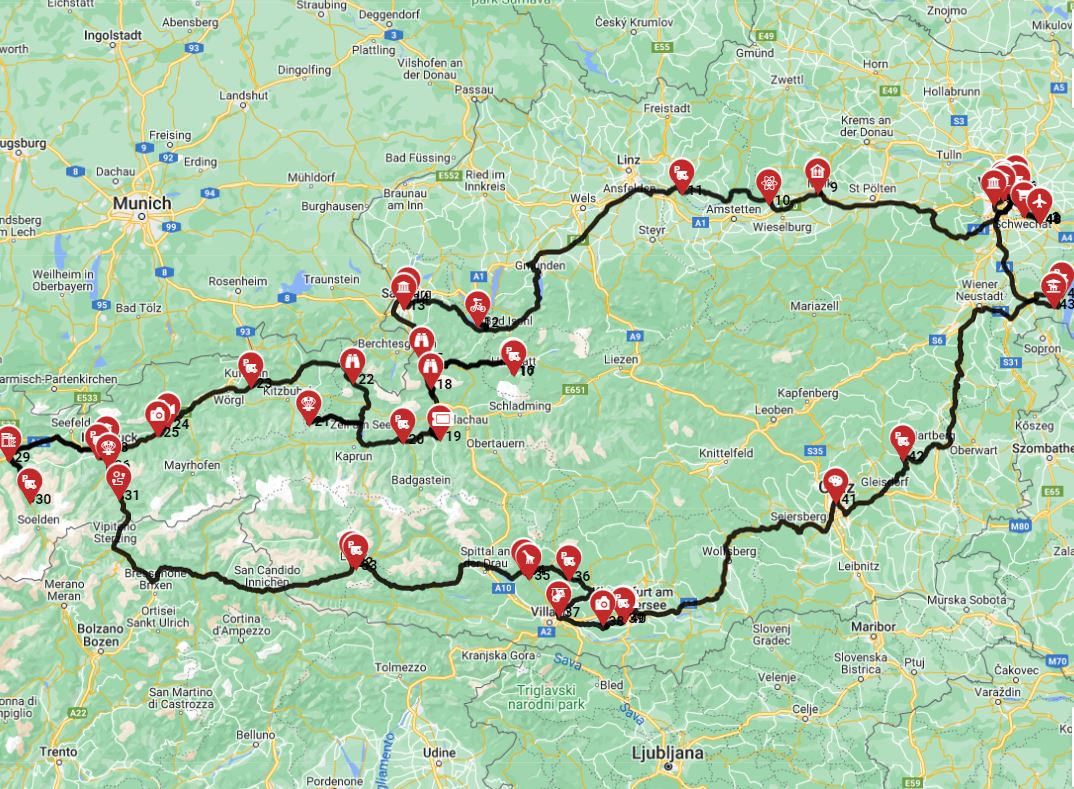
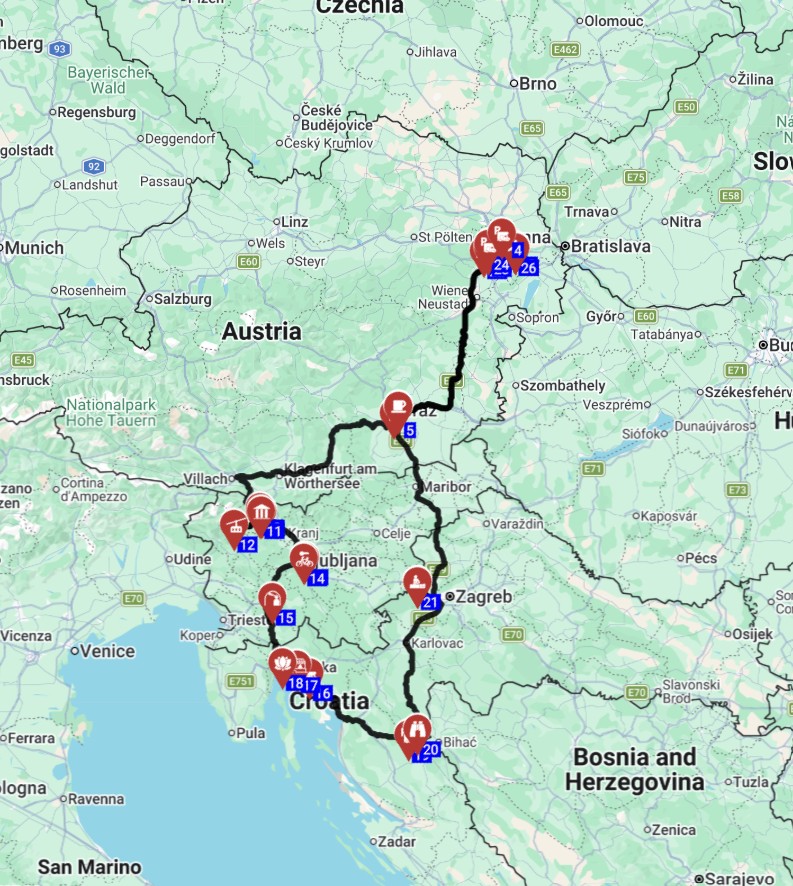
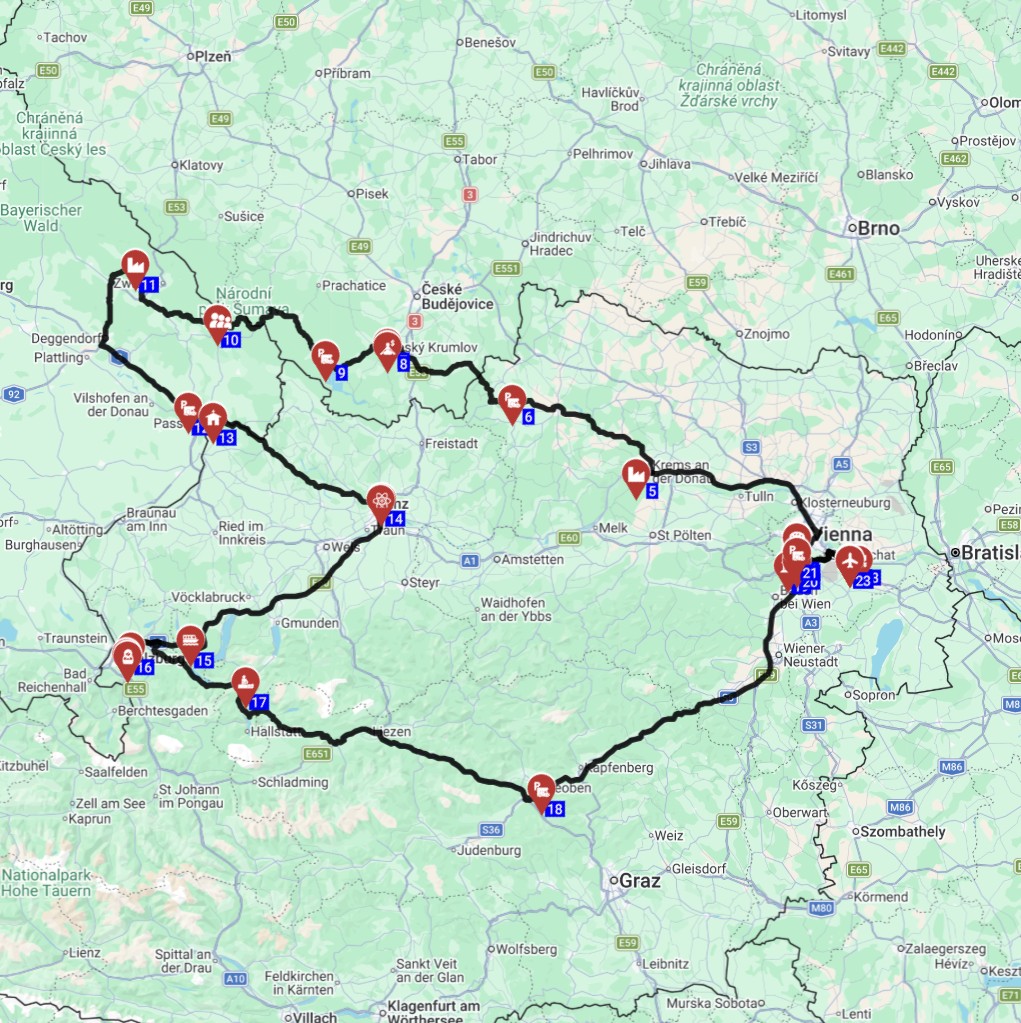
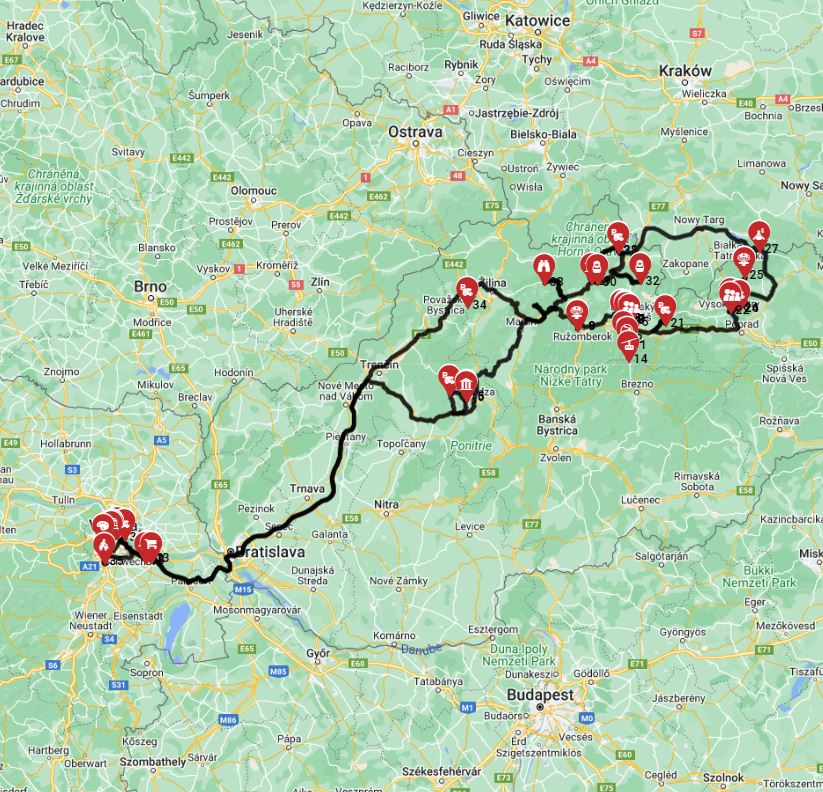
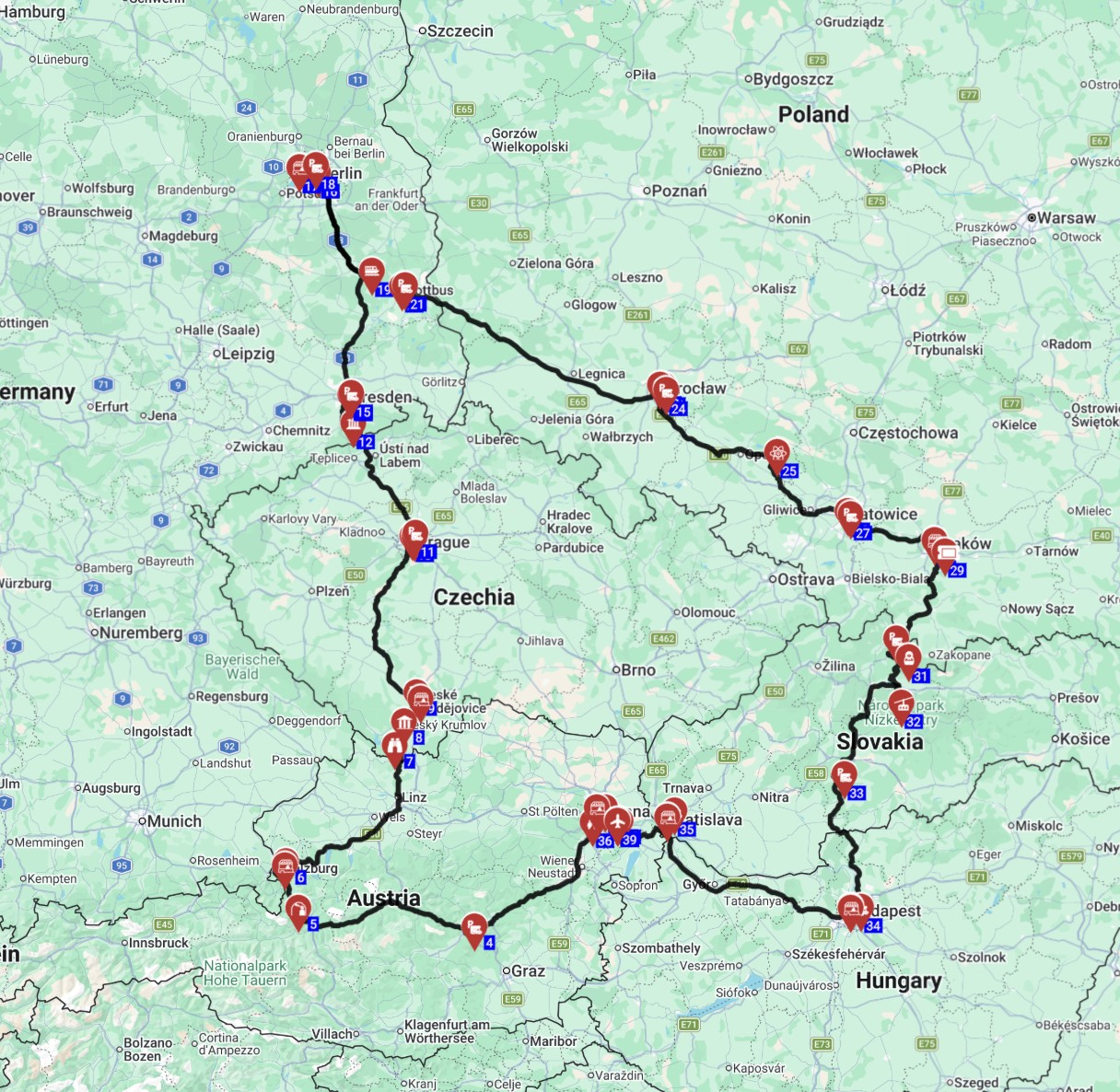
The best RV routes for winter in Austria often focus on accessing popular ski regions while utilizing well-maintained federal roads, such as the routes through Tyrol for destinations like Ischgl or St. Anton, or Salzburg for areas like Flachau and Obertauern. For those seeking adventure, the Tyrolean Ski Route follows roads like the Inntal Autobahn (A12) to renowned ski areas including St. Anton am Arlberg, Ischgl, and Sölden, which benefit from excellent road maintenance even in winter. Alternatively, explore the Salzburg & Dachstein Salzkammergut region via the A1 and A10 motorways, leading to picturesque ski areas like Flachau and Zauchensee, boasting stunning scenery and good infrastructure. For a broader exploration that includes a mix of cultures, consider options like the Zurich Roundtrip - South - Austria Tirol, Italy, Switzerland, a 22-day journey covering 1866 km and including 3 cable railways and 3 hiking areas. Or perhaps the Munich Roundtrip - South West - Austria & Germany, a 15-day, 1319 km route featuring 5 natural features and 4 traditional visits. Always prioritize well-maintained federal (Bundesstraßen) and motorways (Autobahnen) and check local road conditions daily, especially for high alpine passes, as closures due to heavy snow or avalanche risk are possible. Travel slowly, max 100-150 km per day on average, to truly feel the place, connect to the culture, the food, and the scenery.
Can I Travel with Pets in an RV in Austria?
Traveling with pets in an RV in Austria is generally permitted, provided you adhere to specific EU pet passport requirements, microchipping, and rabies vaccination rules, and confirm pet-friendly policies with individual campsites and attractions. Pets entering Austria from other EU countries must have an EU Pet Passport, be microchipped, and have up-to-date rabies vaccinations administered at least 21 days prior to travel. Non-EU pets require additional documentation and potentially blood tests, so check specific import regulations well in advance. Many Austrian campsites are pet-friendly, but always confirm their specific rules (e.g., leash requirements, restricted areas, additional fees) when booking your spot. Access for pets to public transport, national parks, restaurants, and certain attractions can vary significantly; typically, dogs must be on a leash and may require a muzzle on public transport. Ensure your rental motorhome, such as a 'Category Camp AT' with pet-friendly features, is equipped for pet comfort, providing adequate space, bedding, and secure travel arrangements, especially in cold winter conditions. We offer pre-booking comparison and booking support to help you find the perfect pet-friendly motorhome.
What Environmental and Cultural Etiquette Should I Follow While RVing in Austria?
Responsible RVing in Austria involves adhering to strict waste disposal regulations, respecting local communities by minimizing noise, and embracing Austrian customs to ensure a harmonious travel experience. Utilize designated disposal points at campsites or Stellplatz for greywater, blackwater, and trash; illegal dumping is strictly prohibited and carries heavy fines. Be mindful of noise levels, especially during quiet hours (typically 10 PM to 6 AM) at campsites, Stellplatz, and residential areas. Always respect private property; never park or trespass on private land without explicit permission from the owner, and always look for signs indicating 'Privatgrund' (private property). Embrace Austrian culture by using common greetings like 'Grüß Gott' (God greet you) or 'Servus' (hello/goodbye, more informal) and observing local traditions. For environmental protection, stick to marked roads and trails, avoid disturbing wildlife, and leave no trace of your presence in natural areas to preserve Austria's pristine environment. Our Rent&Plan service can even provide pre-planned routes that help you find environmentally conscious camping options.
What Unique Food and Cultural Experiences Can I Have with an RV in Austria?
An RV trip in Austria offers the unique opportunity to integrate authentic culinary experiences, such as visiting roadside farm shops for local produce or dining at traditional 'Gasthäuser' with dedicated RV parking, and immerse yourself in less common cultural immersion opportunities. Discover local delicacies like artisanal cheeses, cured meats, schnapps, and fresh seasonal produce directly from producers at roadside farm shops (Hofläden) often found along scenic routes in regions like Southern Styria. Seek out authentic Austrian inns and taverns, known as 'Gasthäuser', many in rural areas, which serve regional specialties like Wiener Schnitzel, Kaiserschmarrn, or Goulash; some may even offer overnight RV parking if you inquire ahead. In wine regions like Wachau, visit traditional 'Buschenschanken' where local winemakers offer their own wines and simple, hearty food, often with beautiful views. Explore weekly markets (Wochenmärkte) in towns and cities to sample local foods, interact with vendors, and soak in the vibrant atmosphere. With a rented motorhome, you can easily explore charming villages off the main tourist paths, attend local festivals, or visit less-known museums and artisan workshops for a deeper understanding of Austrian traditions and craftsmanship. Travel slowly, savoring every moment and every bite.
What You Shouldn't Miss
- **Skiing in Tyrol:** Experience world-class slopes with direct access from many RV-friendly campgrounds near Kitzbühel or St. Anton am Arlberg.
- **Exploring Salzburg's Winter Charm:** Wander through the enchanting Christmas markets and historic streets, often accessible via Park and Ride with your campervan.
- **Visiting Eisriesenwelt Ice Caves:** Discover the world's largest ice cave system in Werfen, a spectacular natural wonder just a short drive from Salzburg.
- **Driving the Grossglockner High Alpine Road:** Even in winter (weather permitting), this iconic pass offers breathtaking snowy vistas and challenging, rewarding driving.
- **Relaxing in Thermal Spas:** After a day of winter driving or skiing, unwind at one of Austria's many thermal baths, like those in Bad Gastein, often with RV parking nearby.
- **Taste Regional Delicacies:** Stop at local *Hofläden* (farm shops) along your route to sample artisanal cheeses, cured meats, and freshly baked goods – perfect for an onboard picnic.
Looking for expert insights from Avi Bandana? Top 5 Adventures - recommendations from Avi Bandana
Final Thoughts
Embracing a winter RV adventure in Austria is more than just a trip; it's an immersive experience into a truly magical landscape. From carving fresh tracks on snow-covered slopes to savoring hearty Austrian cuisine in a cozy village, your rental motorhome provides the perfect home base for discovery. While winter driving requires a little extra preparation and attention to detail, the rewards of exploring this stunning country in its serene, snowy season are immense.
At Bandana RV, we're dedicated to making your winter journey in Austria as smooth and enjoyable as possible. With our expert guidance, transparent pricing, and robust support, you can focus on the breathtaking views and unforgettable moments. So, pack your warmest gear, plan your route, and get ready for an Austrian winter adventure that will create memories to last a lifetime.
Discover top destinations, planning tips, all in one place! Plan a trip itinerary in advance with minimal effort and maximum enjoyment.