In This Guide
- Can You Drive an RV in Africa? License & Age Rules
- Road Conditions & Terrain in Africa
- RV Size Limits, Bridges & Restricted Zones
- Fuel: Diesel vs. Petrol & Cost per 100 km
- Tolls, Vignettes & Border Rules in Africa
- Driving Tips for Winter RV Rental Travelers in Africa
- Recommended RV Class for Africa Roads
- Should I Choose a Compact Van Instead of a Large RV in Africa?
- Can I Park Anywhere? Free & Wild Camping Rules in Africa
- Can I Drive an RV Into the City Center? Heights, Tunnels & Local Signage
- What license do I need to tow a caravan in South Africa?
- How cold does it get in Africa in winter?
- Can you drive an RV on a normal driving licence?
- Do I need an angle mort sticker on my motorhome?
- Can I drive in Africa with a US license?
- Which African countries are RV friendly?
- What is the 3-3-3 rule for RVs?
- How cold is too cold for an RV in Africa?
- What is the largest RV you can drive without a special license?
- Do you need a license for a trailer in South Africa?
- What You Shouldn't Miss
- Why Book with Bandana Caravan
- Final Thoughts
- Frequently Asked Questions
Can You Drive an RV in Africa? License & Age Rules
Most standard rented RVs, specifically motorhomes up to 3,500 kg (7,700 lbs) Maximum Authorized Mass (MAM), can generally be driven throughout Africa with a valid foreign driver's license alongside an International Driving Permit (IDP). An IDP translates your domestic license into multiple languages and is essential for legal clarity, especially when dealing with local authorities or rental agencies. The minimum driver age for RV rentals in Africa is typically 21 or 23 years old, although some providers may require drivers to be 25 for larger Class A motorhomes. It is crucial to verify specific weight thresholds, as vehicles exceeding 3,500 kg may require a higher license category, like a C1 in many jurisdictions, which varies by country. Always check the exact requirements with your chosen rental supplier for your winter RV rental in Africa. For live availability and current prices, start with our RV Rental Africa - Complete Guide 2026 guide.Road Conditions & Terrain in Africa
African road conditions are notably diverse, varying from well-maintained tar roads in major cities and popular tourist corridors to significantly challenging gravel, corrugated, and sandy tracks, especially prevalent in remote areas and national parks. For winter RV rentals in Africa, travelers should anticipate predominantly dry and dusty conditions, particularly in Southern Africa (May-August), rather than snow and ice, necessitating a different approach to driving. Navigating an RV across Africa demands a slower pace and heightened vigilance for common hazards like potholes, unexpected wildlife crossings, and varied local road user behaviors, making a relaxed, scenic driving style the norm. We highly recommend selecting a rented motorhome or campervan with ample ground clearance and robust suspension, such as a 4x4 Truck Camper, to comfortably manage the diverse and sometimes unpredictable terrains found outside of main routes.RV Size Limits, Bridges & Restricted Zones
Africa typically features fewer explicit RV size restrictions compared to some European countries, but drivers of a rented motorhome should still be highly aware of their vehicle's dimensions when encountering low bridges, certain ferry crossings, and navigating congested urban centers. Posted height limits are infrequent outside of specific infrastructure like tunnels or parking garages, so always know your RV's clearance, especially when entering campsites or tighter parking areas. Unlike in Europe, environmental zones are less common for RVs in Africa; however, specific national parks or conservation areas may impose vehicle restrictions or require special permits for entry. If your itinerary involves island excursions or river crossings via ferry, always confirm the specific length, height, and weight limitations, as these can vary significantly and are not always clearly marked. Consider checking our "One-Way RV Rental in Africa - Price Guide 2026" for information on planning longer routes and their associated vehicle needs.Fuel: Diesel vs. Petrol & Cost per 100 km
Diesel is the most common fuel type for rented motorhomes in Africa and is generally widely available across the continent, though petrol (gasoline) stations are also prevalent. Based on Bandana's global fleet averages, a Class SI - Semi-integrated RV typically consumes 10-11 liters per 100 km, while a Class C - Alcove consumes 10-12 liters per 100 km. More fuel-efficient Class B - Camper Vans, such as a "Combi Van" or an "Active Pop Top" model, average 8-10 liters per 100 km, while Class TC - Truck Campers, often chosen for more rugged African terrain, can consume 12-17 liters per 100 km due to their 4x4 capabilities. Fuel prices in Africa vary significantly by country and region, often being cheaper in oil-producing nations and more expensive in landlocked areas; carrying extra fuel in approved containers is a practical consideration for remote travel. For precise budgeting and tracking all trip expenses, including fuel and other ancillary costs, exploring RV PLANET routes is highly recommended, as it allows you to itemize every expense along the way.Tolls, Vignettes & Border Rules in Africa
Toll roads are present in some African countries, particularly in South Africa, where they operate on a 'pay-as-you-go' system rather than requiring a pre-purchased vignette. For cross-border travel in Africa, extensive documentation is typically required, including valid passports, any necessary visas for each country, vehicle registration papers, and often a Carnet de Passage en Douane (CPD) for the rented RV, which acts as a customs document for temporary vehicle importation. While some RV rentals in other regions allow pre-purchasing toll passes, travelers in Africa should be prepared for manual toll payments and understand that border crossings can be time-consuming due to checks for vehicle permits, insurance, and sometimes specific road taxes. Always research specific country requirements for multi-country RV trips well in advance, as rules and required vehicle documentation can differ significantly. Understanding these can help avoid surprises, contributing to full transparency in your travel planning.Driving Tips for Winter RV Rental Travelers in Africa
Prioritize safety by driving defensively, maintaining ample following distance, and being particularly cautious around local pedestrians and livestock on roads, especially in rural African areas. For remote winter RV travel, always inform someone of your itinerary, carry extra water (at least 20 liters per person per day for emergencies) and sufficient fuel, and ensure your communication devices are charged, addressing key remote travel logistics. Be prepared for wildlife encounters, particularly in national parks; adhere to speed limits (often 40-60 km/h in parks), never feed animals, and secure all food inside your rented RV to prevent attracting wildlife. Conduct thorough pre-trip vehicle checks, including tire pressure (adjust for different terrains), fluid levels, and spare tire condition, and learn basic troubleshooting to manage potential breakdowns in remote areas effectively. Observe local customs and cultural etiquette; a friendly demeanor and respectful interaction with communities can greatly enhance your travel experience and personal safety. If you're looking for last-minute opportunities, our "Last-Minute RV Rental in Africa - What to Expect 2026" offers practical insights.🎬 Video coming soon
Recommended RV Class for Africa Roads
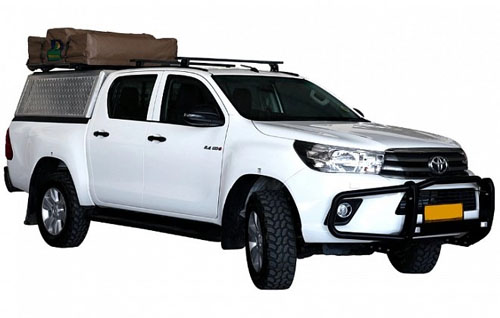
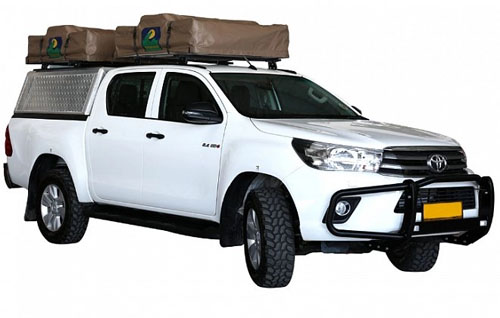
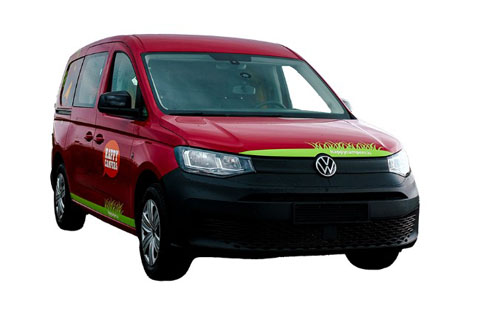
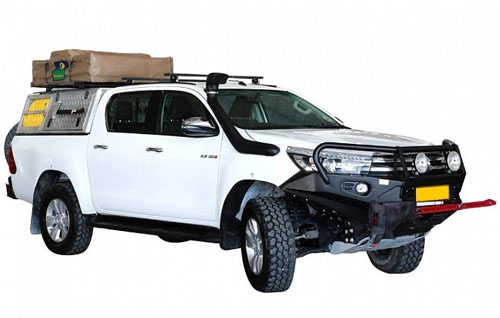
For navigating Africa's diverse road conditions, a Class B - Camper Van or a Class TC - Truck Camper are often highly recommended due to their versatility and robustness. Class B - Camper Vans, averaging 5.8 meters in length, like a "Koru Star 3 Freedom" or a "Happy 1 EX AUTO", offer superior maneuverability for varied terrains, including tighter tracks and some off-road conditions, while still providing essential amenities for 2-3 adults. Class TC - Truck Campers, such as a "4x4 Scout Adventure Truck Camper Gold", averaging 5.5 meters in length, are particularly well-suited for extremely challenging gravel, corrugated, and sandy roads, often boasting 4x4 capabilities and higher ground clearance, making them ideal for truly remote African adventures. While Class SI - Semi-integrated (avg. 6.9m) and Class C - Alcove (avg. 7.5m) RVs, like the "Euro Deluxe" or "MH-C", provide more living space, their larger size may limit access to certain remote areas or rough tracks, so choose according to your adventure style.Should I Choose a Compact Van Instead of a Large RV in Africa?
Opting for a compact van instead of a larger rented RV in Africa generally offers enhanced maneuverability on varied terrains, including gravel roads and tighter village paths, while still providing necessary comforts. While larger RVs offer more indoor space and amenities for up to 6 or 7 people, their increased length and weight can be a disadvantage on unpaved roads, through certain river crossings, or when navigating smaller towns. A compact van, such as a Class B Camper Van (averaging 5.8 meters in length) with a 60-liter freshwater tank, can significantly improve access to national parks and more remote campsites where larger vehicles might struggle. Ultimately, the choice depends on your specific itinerary, comfort priorities, and willingness to trade indoor space for greater driving flexibility and access to off-the-beaten-path destinations in Africa. Consider our "Cheap RV Rental in Africa - Budget Guide 2026" for insights into smaller, more economical options.Can I Park Anywhere? Free & Wild Camping Rules in Africa
While wild camping might sound appealing, formal rules for free and wild camping in Africa are highly region-specific and often restricted, particularly within national parks, protected areas, and private lands. In many parts of Africa, designated campsites are common and provide safer, more secure overnight parking options, frequently offering basic facilities like ablutions and water. Travelers should generally avoid indiscriminate wild camping due to safety concerns, local property ownership laws, and the high potential for wildlife encounters, especially in unfenced regions. Rules vary significantly by country and even by local municipality, so always check local regulations and follow local law before parking overnight, and consider using established campsites for peace of mind and security. Remember, many national and state parks reserve only 25-30% of their spots for advance booking, with the rest available first-come-first-serve, so you'll find a spot; if not at the first campground, then the next one. Just call ahead before driving.Can I Drive an RV Into the City Center? Heights, Tunnels & Local Signage
Yes, in most African cities, you can generally drive a rented RV into the city center; however, it's crucial to pay close attention to local signage, especially concerning height limits, tunnels, and low bridges, which are often found in older urban areas. Unlike some European cities, designated environmental zones or strict residents-only streets are less common for RVs in African urban centers, though finding suitable parking can still be a challenge due to limited large vehicle spaces. Always be aware of your RV's dimensions, particularly its height (e.g., a Class C - Alcove can be up to 3.5 meters tall), to avoid issues with overhead obstacles in older areas or specific parking garages. It is always recommended to consult a local map or navigation system for potential restrictions and to scout parking options before entering dense urban areas in Africa, or use public transport from an outer parking spot. Drive slowly and carefully, and you can drive almost anywhere without issues. No need to stress - just use common sense and pay attention.What licence do I need to tow a caravan in South Africa?
To tow a caravan in South Africa, the required driver's license depends directly on the caravan's Gross Vehicle Mass (GVM), which is its maximum permissible mass. If the caravan's GVM is less than 750 kg, a standard Code B (or EB) South African driving license for light motor vehicles is typically sufficient. However, for caravans with a GVM exceeding 750 kg, you will generally require a Code EB license in South Africa, which specifically allows for towing heavier trailers. Foreign drivers should ensure their International Driving Permit (IDP) and home country license specifically cover the category for towing, or obtain the appropriate South African endorsement if staying long-term. As Bandana RV focuses exclusively on motorhomes and campervans, towable RVs are not part of our rental fleet.How cold does it get in Africa in winter?
African winters, typically spanning May to August in Southern Africa and roughly November to February in Northern Africa, are characterized by significant regional variation, often bringing cool to cold nights and mornings but generally mild and dry days, especially in popular RV destinations. Unlike European winters, snow and icy conditions are extremely rare outside of very high mountain peaks (e.g., Lesotho, Atlas Mountains), making RV winterization primarily focused on managing cold nights and dry, dusty conditions. In countries like South Africa and Namibia, winter days are often sunny and pleasant (around 15-25°C), but night-time temperatures can drop significantly, sometimes below freezing (0°C) in desert regions like the Namib, necessitating adequate RV heating and comfortable bedding. The 'nuances of African winter' mean preparing for cold evenings, potential dust on unpaved roads, and ensuring your rented RV's water systems are protected from freezing if venturing into higher altitudes or very arid areas overnight.Can you drive an RV on a normal driving licence?
In many African countries, you can drive smaller and mid-sized rented RVs, including most Class B - Camper Vans (like a "Van - Economy") and Class C - Alcove motorhomes, on a 'normal' or standard driving license, provided its Gross Vehicle Mass (GVM) does not exceed 3,500 kg (approximately 7,700 lbs). This aligns with common international standards, where a Class B or equivalent license is sufficient for vehicles up to this weight limit. For RVs exceeding 3,500 kg, a higher license category, such as a C1 or similar commercial vehicle license, is typically required, though Bandana's rental fleet generally falls within the standard license range. For detailed information on license categories and international driving permits for your winter RV rental in Africa, refer to the 'Can You Drive an RV in Africa? License & Age Rules' section.Do I need an angle mort sticker on my motorhome?
An 'angle mort' (blind spot) sticker is a legal requirement specifically for heavy vehicles (over 3.5 tonnes) in France, indicating blind spots to other road users. This sticker is generally not required for rented motorhomes or campervans traveling in Africa, as the regulation is specific to French road law and not an African standard. Travelers in Africa should instead focus on general road safety practices, such as ensuring mirrors are properly adjusted to cover blind spots and being acutely aware of their surroundings, particularly when maneuvering. Always confirm local traffic regulations for each African country you plan to visit, as requirements can vary, but the 'angle mort' sticker is not a standard requirement.Can I drive in Africa with a US license?
Driving in most African countries with a US license is possible, but it must be accompanied by an International Driving Permit (IDP) and your original physical US driver's license. The IDP acts as an official translation of your US license, providing legal validity and clarity, and is widely recognized in countries that are signatories to the 1968 Vienna Convention or 1949 Geneva Convention on Road Traffic. While some countries might permit a US license alone for very short periods, an IDP offers crucial legal peace of mind for any official stops, traffic incidents, or rental agreements, making it a highly recommended accessory for your winter RV rental in Africa. For specific requirements regarding US licenses and IDPs for RV rentals, refer to the 'Can You Drive an RV in Africa? License & Age Rules' section.Which African countries are RV friendly?
Several African countries are considered particularly RV friendly due to their established tourism infrastructure, stunning natural landscapes, and relatively good road networks in popular tourist areas. South Africa and Namibia are standout destinations for RV travel, offering a wide array of campsites, diverse scenery from coastlines to deserts, and generally well-maintained main roads ideal for exploring in a rented motorhome. Botswana is also very RV friendly, especially for those seeking immersive wildlife adventures, though many routes require 4x4 capabilities and greater preparation for remote travel with a suitable Class TC - Truck Camper. Other emerging or moderately RV-friendly options for extended road trips include parts of Morocco, Tanzania, and Kenya, particularly for guided tours or more adventurous self-drive expeditions, offering a rich blend of cultural and natural experiences. Our "Luxury RV Rental in Africa - Premium Prices 2026" guide can help you find top-tier vehicles for these destinations.What is the 3-3-3 rule for RVs?
The '3-3-3 rule' for RVs is a popular guideline designed to promote safe and enjoyable travel, particularly beneficial for winter RV rental travelers in Africa. The rule suggests driving no more than 300 miles (approximately 500 km) per day, ensuring reasonable travel distances and allowing ample time for unexpected stops or diversions. It also recommends arriving at your destination by 3 PM, which provides sufficient daylight hours to set up camp, explore the surroundings, and avoid driving in low light conditions, especially important in areas with wildlife or challenging roads. Finally, the rule advises staying at least 3 nights in each location, promoting a more relaxed pace, deeper exploration of the area, and reducing the stress of constant packing and unpacking, allowing you to truly connect to the culture, the food, and the scenery.How cold is too cold for an RV in Africa?
An RV can be considered 'too cold' when sustained temperatures drop below freezing (0°C or 32°F) for extended periods, risking damage to water systems, pipes, and tanks if not properly winterized. For winter RV rentals in Africa, where freezing conditions are less common but possible in deserts or high altitudes (e.g., above 1,500 meters), adequate heating inside the RV and good insulation are crucial for comfort and system protection. Modern RV models, including many of our available Class C - Alcove and Class SI - Semi-integrated options, are designed for four-season use with better insulation and heated tanks, which are highly beneficial even in African winters where nights can be surprisingly chilly. To avoid damage, ensure water lines are drained or adequately heated, and use antifreeze in waste tanks if encountering consistently freezing temperatures, as detailed in the 'How cold does it get in Africa in winter?' section for African-specific nuances.What is the largest RV you can drive without a special license?
The largest RV you can typically drive without a special license in Africa, adhering to common international standards, is one with a Gross Vehicle Mass (GVM) up to 3,500 kg (approximately 7,700 lbs). This weight class usually encompasses most Class B - Camper Vans, many Class SI - Semi-integrated, and some Class C - Alcove motorhomes available for rental. Vehicles exceeding this 3,500 kg limit generally require a higher category of driver's license, often equivalent to a C1 (light truck) license in many global classifications, though this is rarely necessary for standard vacation rentals. Always verify the specific GVM of your chosen RV rental and cross-reference it with the stipulations of your driving license and any International Driving Permit for your African destinations. Our "RV Rental in Africa - Prices and Best Deals 2026" provides options across various sizes.Do you need a license for a trailer in South Africa?
In South Africa, you absolutely need a specific driver's license category to legally tow a trailer, which depends on the trailer's Gross Vehicle Mass (GVM). A standard Code B driver's license is sufficient for towing light trailers with a GVM of up to 750 kg, provided the combined GVM of the towing vehicle and trailer does not exceed the vehicle's lawful towing capacity. However, for trailers with a GVM exceeding 750 kg, including most caravans, a Code EB driver's license is mandatory in South Africa. This requirement ensures that drivers are competent in handling heavier towed loads and is crucial for both safety and legal compliance. As Bandana RV specializes exclusively in self-contained motorhomes and campervans, we do not offer towable RVs or trailers. This information is similar to the requirements for towing a caravan, as outlined in the "What licence do I need to tow a caravan in South Africa?" section.What You Shouldn't Miss
- **Namibia's Sossusvlei Dunes:** Drive through striking red sand dunes up to 300 meters high, witnessing sunrise over Deadvlei from your rented motorhome.
- **Botswana's Okavango Delta:** Explore the unique inland delta with a 4x4 campervan, experiencing unparalleled wildlife viewing from a mokoro (traditional dugout canoe).
- **South Africa's Garden Route:** Traverse the scenic N2 highway, a 300-kilometer stretch featuring lush forests, pristine beaches, and charming towns, perfect for slow RV travel.
- **Morocco's Atlas Mountains & Sahara:** Journey from vibrant Marrakech into the high Atlas Mountains, descending to the edge of the Sahara Desert for an unforgettable night under the stars in your RV.
- **Zambia's Victoria Falls:** Park your campervan near Livingstone and witness the awe-inspiring Mosi-oa-Tunya, "The Smoke That Thunders," from various viewpoints.
Looking for expert insights from Avi Bandana? Top 5 Adventures - recommendations from Avi Bandana
Final Thoughts
An unforgettable winter RV driving adventure in Africa awaits, promising diverse landscapes and rich cultural experiences. By understanding the continent's unique road conditions, licensing rules, and cultural nuances, you're well-equipped to embark on a safe and enjoyable journey. Remember to embrace slow travel, allowing yourself the freedom to truly soak in every moment and discover hidden gems along your route. Whether you're exploring the majestic wildlife of Botswana and Namibia or the vibrant cities and rugged mountains of South Africa and Morocco, a rented motorhome or campervan offers the ultimate flexibility. We are committed to supporting you before, during, and after your booking, ensuring a transparent and hassle-free rental experience. Don't let the thought of planning overwhelm you. With a little preparation and the right information, your winter RV trip through Africa will be a truly enriching and memorable experience.Compare Winter RV Rental Prices for Africa Now!
On the routes offered through RV PLANET routes, you can itemize and track every expense along the way for easy budgeting.