
In This Guide
- Where to Camp in Zimbabwe - Top Options
- Campground Types in Zimbabwe (National, Private, Wild)
- Featured RV Park or Campground in Zimbabwe
- Hookups & Amenities - What to Expect
- Booking Windows & Reservations in Zimbabwe
- Nearby Supermarkets & Resupply Points
- Best RV Class for Camping in Zimbabwe
- How to Save on Campgrounds in Zimbabwe
- What is the best time of year to RV in Zimbabwe?
- Is it safe to RV in Zimbabwe?
- How much does it cost to RV in Zimbabwe?
- What documents do I need for RV travel in Zimbabwe?
- Can you cross borders with an RV in Southern Africa?
- What are the road conditions like for RVs in Zimbabwe?
- What is the best route for an RV road trip in Zimbabwe?
- How do I prepare my RV for a Zimbabwe trip?
- What are the rules for driving an RV in Zimbabwe?
Winter RV camping in Zimbabwe offers an unparalleled adventure, combining comfortable accommodations with wild, untamed landscapes. Imagine waking up to the sounds of the African bush, a cup of coffee in hand, as the sun paints the sky over a vast savanna, all from the cozy interior of your rented motorhome. Our team at Bandana RV, true RV specialists since 2001, is here to guide you through planning an unforgettable journey. We believe in full transparency, which means no hidden fees or surprises throughout your booking process. For live availability and current prices, start with our RV Rental Zimbabwe - Complete Guide 2026 guide.
Where to Camp in Zimbabwe - Top Options
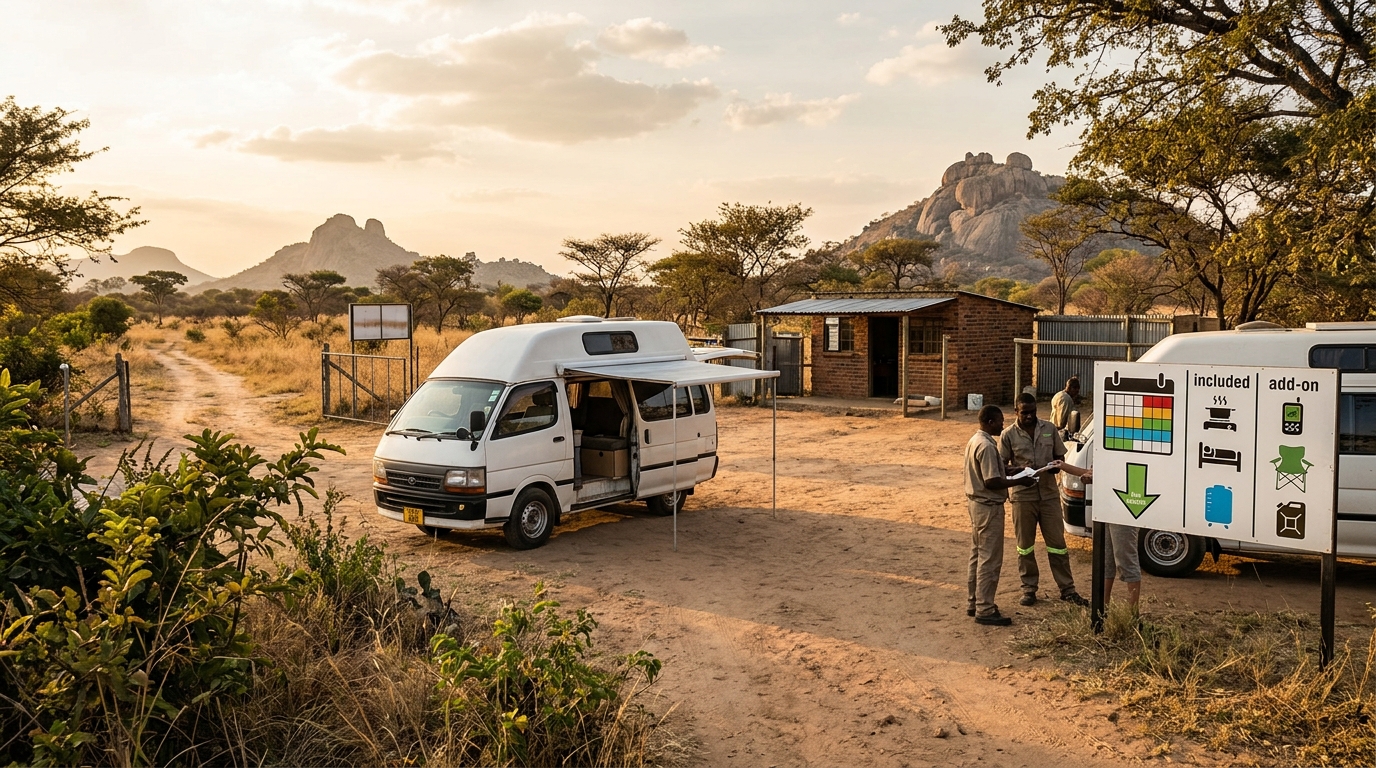
Zimbabwe offers diverse camping experiences, ranging from well-appointed sites in national parks to more rustic bush camps, catering to every style of RV traveler. Key areas include the popular Victoria Falls Rest Camp for its sheer convenience and proximity to the majestic falls, Hwange National Park for exceptional wildlife viewing, and Mana Pools National Park for a truly remote and immersive wilderness experience.
Many popular campsites, even in national parks, provide essential facilities such as ablution blocks (showers and toilets) and a water source, though electricity hookups can be limited in more remote or conservation-focused locations. When planning your route, consider stopping at various types of campgrounds to fully appreciate Zimbabwe's natural beauty and biodiversity. Remember to travel slowly, averaging a maximum of 100-150 km per day, allowing ample time to connect with the local culture, food, and stunning scenery.
Campground Types in Zimbabwe (National, Private, Wild)
Zimbabwe features three primary types of RV camping experiences: national park sites, private campgrounds, and wild or bush camping, each offering unique advantages for your winter RV adventure. National park campsites, often managed by ZimParks, are typically located within the parks themselves and offer basic amenities like cold showers and flush toilets, providing direct, unfenced access to wildlife viewing.
Private campgrounds, usually found near major towns or tourist hubs like Victoria Falls, offer a higher level of comfort with more facilities such as powered sites (220-240V, Type G/D outlets), hot showers, laundry facilities, and sometimes even Wi-Fi. These are often a good choice for recharging your batteries and restocking supplies. Wild or bush camping, while offering the ultimate immersion in nature, is generally permitted only in designated areas within national parks or conservancies, requiring prior permission and often a professional guide for safety. When pursuing this, strict adherence to 'Leave No Trace' principles is paramount to preserve Zimbabwe's pristine wilderness.
Featured RV Park or Campground in Zimbabwe
When selecting an RV park or campground in Zimbabwe, aim for establishments that strike a balance between convenience and direct access to natural beauty. An ideal option for many travelers is the Victoria Falls Rest Camp, which boasts secure parking, clean ablution facilities, and a water source, all within walking distance of the world-famous Victoria Falls. This provides an excellent base for exploring the falls and engaging in various activities.
Many campgrounds within national parks, while more basic in terms of amenities, offer unparalleled wildlife experiences, allowing you to observe animals right from your RV doorstep. For a more unique stay, some private concessions bordering Hwange National Park offer elevated "tree house" or platform campsites, providing a distinct perspective for spotting passing wildlife. To easily find and compare campgrounds and their features during your trip, we recommend using RV PLANET (rvplan.net) - a great resource for locating available spots along your route.
Hookups & Amenities - What to Expect
Hookups and amenities in Zimbabwean campgrounds vary significantly, depending on whether you choose a private resort or a national park site. At many national park campsites, you can expect basic provisions like cold showers, flush toilets (though sometimes long-drop options are present), and tap water, which may require purification before drinking. Electricity hookups are generally rare in these wilder settings, so a self-contained RV with robust battery power or solar charging capabilities is advisable.
Conversely, private campgrounds near major towns or prominent tourist attractions are far more likely to provide modern comforts. These often include 220-240V electricity outlets (Type G/D are common), hot showers, convenient laundry facilities, and occasionally Wi-Fi access. RV dump stations, crucial for managing waste from your chemical toilet, are infrequent outside of these larger private sites. Therefore, thorough planning for self-contained waste management is essential, and always utilize designated ablution blocks when available to preserve the natural environment. On the routes offered through RV PLANET routes, you can itemize and track every expense along the way for easy budgeting.
Booking Windows & Reservations in Zimbabwe
For RV camping in Zimbabwe, particularly during the popular dry winter season (May to October, with peak demand in July-August), pre-planners should book national park campsites well in advance. This is especially true for highly sought-after destinations like Victoria Falls, Hwange National Park, and Mana Pools National Park. Many national park campgrounds, in fact, typically release only 25%-30% of their spots for advance online reservations, with the remaining majority often allocated on a first-come, first-served basis.
Spontaneous travelers, who prefer to arrange their trip day-to-day, can often find a place, especially at private campgrounds or less frequented national park sites. However, it is always highly recommended to call ahead before driving long distances to confirm availability and prevent unnecessary detours. You'll find a spot; if not at the first campground, then at the next one. Don't stress, just plan smart and be flexible. For comprehensive route plans and camping options, consider exploring the RV PLANET routes.
Nearby Supermarkets & Resupply Points
Resupplying your rented motorhome in Zimbabwe is generally manageable in its larger towns, where well-known supermarkets such as Spar, Pick n Pay, and OK Bazaars offer a wide array of groceries, fresh produce, and other essential items. Victoria Falls town serves as a crucial resupply hub for those visiting the falls and Hwange National Park, while towns like Kariba and Mutare also provide significant shopping opportunities. It's wise to stock up generously on food, water, and fuel before venturing into more remote wilderness areas, as services will become sparse.
Beyond the supermarkets, local markets present excellent opportunities to purchase fresh, seasonal produce directly from local vendors, offering a taste of Zimbabwean culinary culture. However, when sourcing water locally outside of established campgrounds, always ensure you have reliable water purification tablets or a high-quality filter. Preparing meals in your RV kitchen can be a delightful part of the experience, and you might find inspiration from our RV-friendly recipes playlist. Supporting local businesses for your provisions also contributes directly to the communities you visit.
Best RV Class for Camping in Zimbabwe
The best RV class for camping in Zimbabwe largely depends on your planned itinerary and the type of terrain you intend to explore, with a preference for more robust and self-sufficient vehicles in remote areas. Class TC - Truck Campers, averaging 5.5 meters in length and designed for rugged conditions, are exceptionally suited for accessing off-the-beaten-path destinations and national park campsites with less developed roads. These vehicles, often offering 2.4 sleeping places, provide excellent ground clearance and 4x4 capability, such as the "Patagonia Camper 4x4 double cab" model. You might also find a "4x4 Truck Camper Bronze" that offers similar rugged features, making them a top choice for serious adventurers.
Class B - Camper Vans, typically around 5.8 meters long and accommodating an average of 3.2 people, strike a fantastic balance, offering superior maneuverability and fuel efficiency (around 10 Liter / 100 Km). They are well-suited for both paved highways and moderately rough tracks, making them versatile for either boondocking or staying at sites with basic amenities. While larger Class C - Alcove motorhomes (averaging 7.5m length, 5.8 sleeping places), like the "29′ Class C Motorhome", offer more comfort and expansive living space, their larger size can present challenges on narrower, unpaved park roads or in tighter camping spots. Always remember: drive slowly and carefully, and you can drive almost anywhere without issues. No need to stress - just use common sense and pay attention.
🎬 Video coming soon
How to Save on Campgrounds in Zimbabwe
To significantly save on campground costs during your RV trip in Zimbabwe, leveraging campground discount cards, if available through your rental provider or local affiliations, is a primary cost-saving lever. Opting for national park or municipal/regional campgrounds over more luxurious private resorts almost always results in substantial savings, though with a trade-off in amenities.
Consider planning your trip during the shoulder seasons, such as May-June or September-October. During these months, campground prices may be slightly lower, and popular sites will be less crowded than during the peak winter months. Staying for extended periods, typically three or more nights, can sometimes unlock more economical weekly rates. Additionally, traveling with friends or family in a larger rented caravan or motorhome and sharing the costs of powered sites, where available, can also be a smart economic strategy. For a transparent breakdown of potential expenses, including campground fees, explore our "Cheap RV Rental in Zimbabwe - Budget Guide 2026".
What is the best time of year to RV in Zimbabwe?
The best time of year to enjoy a winter RV rental in Zimbabwe is unequivocally during the dry season, which beautifully spans from May to October. This period is characterized by mild daytime temperatures, predominantly clear, sunny skies, and significantly reduced rainfall, creating nearly perfect conditions for road travel, outdoor activities, and comfortable camping in your motorhome. The cooler, dry weather makes exploring national parks and other attractions a genuine pleasure.
Wildlife viewing opportunities are exceptional during the Zimbabwean winter. As water sources become scarce, animals congregate around remaining rivers and waterholes, making them much easier to spot, especially in iconic parks like Hwange and Mana Pools. Furthermore, mosquito activity, and consequently the risk of malaria, is considerably lower during these cooler, drier months, contributing to a more comfortable and safer RV experience for all travelers. This prime travel window ensures you capture the essence of Zimbabwe's natural splendor at its finest.
Is it safe to RV in Zimbabwe?
RVing in Zimbabwe can be a safe and immensely rewarding experience, provided travelers undertake thorough planning, adhere to local safety advice, and maintain a vigilant awareness of their surroundings. Road safety is a primary consideration: while major routes connecting cities are generally paved, secondary roads leading into national parks can be unpaved, corrugated, or sandy. Always avoid night driving due to the risk of encountering wildlife, unlit vehicles, and poor road visibility.
In populated areas, a sensible level of vigilance against petty crime is advisable. Within national parks, respecting wildlife and strictly following park regulations, such as maintaining safe distances from animals and not feeding them, is crucial for your safety and theirs. Comprehensive travel insurance that covers medical emergencies, potential evacuations, and vehicle breakdowns is highly recommended. Always carry a well-stocked first-aid kit, take appropriate malaria prevention measures, and have a list of emergency contacts readily available. Our commitment at Bandana is to ensure a safe and supportive journey from booking until you return your rented mobile home.
How much does it cost to RV in Zimbabwe?
The total cost of an RV trip in Zimbabwe varies widely, influenced by several factors including the type of rented RV, the duration of your trip, fuel consumption, national park entry fees, camping fees, and chosen activities. RV rental costs themselves form a significant component; for instance, a Class B Camper Van, like the "Active Bunk Auto", typically consumes around 10 Liter / 100 Km, directly impacting overall fuel expenses, which can be substantial given distances in Africa.
It's crucial to budget comprehensively to include national park entry fees, which can be significant for non-residents and often include separate fees for the vehicle. Daily camping fees can range from basic sites ($10-20 USD per person/night) to more equipped private campgrounds ($30-50+ USD per night). Factor in costs for activities such as safaris, river cruises, or cultural tours. Also, remember to allocate funds for food, water purification, potential border crossing fees (like carbon tax or temporary import permits if you're exploring Southern Africa), and robust travel insurance suitable for an extended road trip or overlanding adventure. On RV PLANET routes, travelers can itemize and track every expense along the way for easy budgeting, helping you stay on top of your financial plan.
What documents do I need for RV travel in Zimbabwe?
For RV travel in Zimbabwe, essential documents include a valid passport with any necessary visas for all travelers, a valid national driver's license, and an International Driving Permit (IDP), which is highly recommended alongside your national license for ease of international recognition. You must also carry the original vehicle registration papers for your rented motorhome. This will likely be provided by your rental company.
If the RV is rented, you must carry a certified copy of your rental agreement and a letter of authorization from the rental company explicitly permitting you to drive the vehicle within Zimbabwe and, if applicable, to cross international borders. Proof of comprehensive vehicle insurance is also mandatory. For foreign-registered vehicles or rental RVs crossing into Zimbabwe, a Temporary Import Permit (TIP) is required, which is typically obtained at the port of entry. It's a smart practice to keep digital and physical copies of all essential documents in separate, secure locations and have contact information for your embassy, rental company, and emergency services readily accessible.
Can you cross borders with an RV in Southern Africa?
Yes, crossing borders with a rented RV in Southern Africa is a very common and feasible aspect of many overland adventures, though it requires specific preparation and documentation for each country. You will typically need a Temporary Import Permit (TIP) for the vehicle, proof of ownership or a letter of authorization from your RV rental company explicitly allowing cross-border travel, and valid passports and appropriate visas for all occupants. For example, our "One-Way RV Rental in Zimbabwe - Price Guide 2026" provides insights into fees associated with such trips.
Be prepared for varying regulations and potential fees at different border posts, which can include carbon taxes, road access fees, and specific vehicle insurance requirements for each nation you enter. The Beitbridge border crossing, for example, is known for its complexities. It is crucial to research the exact requirements for each specific border crossing in advance, as rules can change. Always allow ample time for processing at customs and immigration posts, as delays are common. Many of our trusted suppliers, like Apollo and Britz, offer rentals that can facilitate multi-country trips across Africa, allowing you to seamlessly continue your exploration, perhaps linking up with an "RV Rental Africa - Complete Guide 2026".
What are the road conditions like for RVs in Zimbabwe?
Road conditions for RVs in Zimbabwe are highly variable; while major highways connecting prominent cities such as Harare and Victoria Falls are generally paved and in reasonable condition, they can still feature unexpected potholes. Secondary roads, especially those leading into popular national parks like Hwange, Mana Pools, or extending into the Eastern Highlands, are frequently gravel, dirt, or sand tracks.
These unpaved roads can be quite challenging for larger, two-wheel-drive RVs, and often require slower speeds. During the dry winter months, these dirt roads are typically more passable than during the wet season, but travelers should still anticipate corrugations, loose rocks, and occasional wash-aways. For these conditions, a capable vehicle like a 4x4 Truck Camper, such as the "4x4 Scout Adventure Truck Camper Gold", or a robust Class B Camper Van, like the "Active Bunk Auto", is highly advantageous. Always inquire locally about current road conditions before venturing off major routes, and be prepared for limited cell service in remote areas, necessitating reliable offline navigation and communication solutions.
What is the best route for an RV road trip in Zimbabwe?
The best RV route for a Zimbabwean road trip typically encompasses a circuit that showcases the country's iconic natural wonders and diverse wildlife areas, always considering the capabilities of your rented motorhome and your desired experiences. A popular and rewarding itinerary often begins at Victoria Falls, allowing ample time to explore the breathtaking waterfall and surrounding activities.
From there, travelers frequently head southeast to Hwange National Park for exceptional wildlife viewing, where you can spot elephants, lions, and countless bird species. Depending on your vehicle's capabilities (a 4x4 is ideal), you might then continue to Matobo National Park to witness unique granite rock formations and potentially track rhinos. For those seeking a more rugged, remote wilderness experience with a 4x4 RV, an extension to Mana Pools National Park in the north offers unparalleled walking safaris and close encounters with wildlife. The scenic Eastern Highlands, including areas like Chimanimani and Nyanga, provide cooler climates, stunning mountain vistas, and off-the-beaten-path destinations. Planning should balance well-maintained main roads with accessible gravel routes to lesser-known parks, incorporating cultural sites and community interactions, all while allowing sufficient time for slow travel between locations given varying road quality.
How do I prepare my RV for a Zimbabwe trip?
Preparing your RV for a trip to Zimbabwe involves a comprehensive mechanical inspection, equipping your vehicle for maximum self-sufficiency, and meticulous contingency planning for remote travel. Before departing, ensure your rented motorhome undergoes a full service, paying close attention to checking all tires (and carrying at least two spares), and confirming the suspension system is robust enough for varied road conditions. Carrying recovery gear, such as a high-lift jack, a shovel, and a snatch strap, is particularly wise, especially for Class TC - Truck Campers or any 4x4-modified RVs you might be renting, like the "Adventure Truck Select".
Stock up generously on essential spares, including fan belts, various filters, and extra fuel. Crucially, carry ample potable water and effective purification tablets or a reliable filter, as clean water sources can be sparse. For connectivity and navigation, acquire a local SIM card for major towns, utilize advanced offline mapping applications, and seriously consider satellite communication for truly remote areas where cell service is non-existent. A comprehensive first-aid kit, appropriate malaria medication, and a deep understanding of 'Leave No Trace' principles for ethical wildlife viewing and waste management are also indispensable. Our Bandana RV specialists are here to offer support and pre-booking advice, ensuring you're well-prepared for every detail of your journey.
What are the rules for driving an RV in Zimbabwe?
Driving a rented RV in Zimbabwe requires strict adherence to local traffic laws and a mindful approach to road conditions. Drivers must always operate on the left-hand side of the road, a critical rule for visitors from right-hand drive countries. Speed limits are generally 120 km/h on highways, 100 km/h on major national roads, and 60 km/h within urban areas, with significantly lower limits inside national parks (typically 40 km/h).
Drivers must carry their valid national driver's license along with an International Driving Permit (IDP) and all relevant vehicle documentation, such as the rental agreement and proof of insurance, at all times. Be prepared for periodic police roadblocks where documents may be checked. Within national parks, specific rules apply: always stay on designated roads, maintain safe distances from wildlife, never feed animals, and observe quiet hours at campsites. These rules are in place not only for your safety but also to protect Zimbabwe's precious wildlife and demonstrate local cultural etiquette and environmental responsibility. Drive slowly and carefully, and you can drive almost anywhere without issues. No need to stress - just use common sense and pay attention.
What You Shouldn't Miss
- **Victoria Falls:** Witness the sheer power and beauty of one of the world's largest waterfalls. Enjoy activities from white-water rafting to helicopter flights.
- **Hwange National Park:** Experience world-class safari game drives, especially during winter when animals gather around waterholes, offering incredible wildlife viewing opportunities.
- **Mana Pools National Park:** For a truly immersive wilderness adventure, explore this UNESCO World Heritage site known for walking safaris and close encounters with elephants and lions along the Zambezi River.
- **Great Zimbabwe Ruins:** Discover the ancient stone city, a UNESCO World Heritage site, offering a fascinating glimpse into Zimbabwe's rich history and architectural prowess.
- **Eastern Highlands:** Drive through the scenic mountains of Nyanga and Chimanimani, offering cooler climates, hiking trails, and stunning vistas.
- **Local Markets:** Immerse yourself in the vibrant local culture by visiting markets in towns like Bulawayo or Harare, sampling local food, and finding unique crafts.
Looking for expert insights from Avi Bandana? Top 5 Adventures - recommendations from Avi Bandana
Final Thoughts
A winter RV rental in Zimbabwe is more than just a trip; it's an immersive journey into the heart of Africa, offering breathtaking wildlife, stunning landscapes, and rich cultural experiences. With a rented motorhome or campervan, you gain the freedom and flexibility to explore at your own pace, creating memories that will last a lifetime. Remember, planning is key, and our expert team is here to support you every step of the way, providing the transparency and peace of mind you deserve.
Embrace the spirit of slow travel, allowing yourself to truly connect with the magic of Zimbabwe. Whether you're tracking wildlife in Hwange or marveling at Victoria Falls, your RV will be your comfortable sanctuary in the wild. So, what are you waiting for? Get inspired for your next trip, discover top destinations, planning tips, all in one place, and start charting your course for an unforgettable African adventure!
Plan a trip itinerary in advance with minimal effort and maximum enjoyment. Your Zimbabwean RV adventure awaits!
Compare Winter RV Rental Prices for Zimbabwe Now.
In This Guide
- Where to Camp in Zimbabwe - Top Options
- Campground Types in Zimbabwe (National, Private, Wild)
- Featured RV Park or Campground in Zimbabwe
- Hookups & Amenities - What to Expect
- Booking Windows & Reservations in Zimbabwe
- Nearby Supermarkets & Resupply Points
- Best RV Class for Camping in Zimbabwe
- How to Save on Campgrounds in Zimbabwe
- What is the best time of year to RV in Zimbabwe?
- Is it safe to RV in Zimbabwe?
- How much does it cost to RV in Zimbabwe?
- What documents do I need for RV travel in Zimbabwe?
- Can you cross borders with an RV in Southern Africa?
- What are the road conditions like for RVs in Zimbabwe?
- What is the best route for an RV road trip in Zimbabwe?
- How do I prepare my RV for a Zimbabwe trip?
- What are the rules for driving an RV in Zimbabwe?
Winter RV camping in Zimbabwe offers an unparalleled adventure, combining comfortable accommodations with wild, untamed landscapes. Imagine waking up to the sounds of the African bush, a cup of coffee in hand, as the sun paints the sky over a vast savanna, all from the cozy interior of your rented motorhome. Our team at Bandana RV, true RV specialists since 2001, is here to guide you through planning an unforgettable journey. We believe in full transparency, which means no hidden fees or surprises throughout your booking process. For live availability and current prices, start with our RV Rental Zimbabwe - Complete Guide 2026 guide.
Where to Camp in Zimbabwe - Top Options
Zimbabwe offers diverse camping experiences, ranging from well-appointed sites in national parks to more rustic bush camps, catering to every style of RV traveler. Key areas include the popular Victoria Falls Rest Camp for its sheer convenience and proximity to the majestic falls, Hwange National Park for exceptional wildlife viewing, and Mana Pools National Park for a truly remote and immersive wilderness experience.
Many popular campsites, even in national parks, provide essential facilities such as ablution blocks (showers and toilets) and a water source, though electricity hookups can be limited in more remote or conservation-focused locations. When planning your route, consider stopping at various types of campgrounds to fully appreciate Zimbabwe's natural beauty and biodiversity. Remember to travel slowly, averaging a maximum of 100-150 km per day, allowing ample time to connect with the local culture, food, and stunning scenery.
Campground Types in Zimbabwe (National, Private, Wild)
Zimbabwe features three primary types of RV camping experiences: national park sites, private campgrounds, and wild or bush camping, each offering unique advantages for your winter RV adventure. National park campsites, often managed by ZimParks, are typically located within the parks themselves and offer basic amenities like cold showers and flush toilets, providing direct, unfenced access to wildlife viewing.
Private campgrounds, usually found near major towns or tourist hubs like Victoria Falls, offer a higher level of comfort with more facilities such as powered sites (220-240V, Type G/D are common), hot showers, laundry facilities, and sometimes even Wi-Fi. These are often a good choice for recharging your batteries and restocking supplies. Wild or bush camping, while offering the ultimate immersion in nature, is generally permitted only in designated areas within national parks or conservancies, requiring prior permission and often a professional guide for safety. When pursuing this, strict adherence to 'Leave No Trace' principles is paramount to preserve Zimbabwe's pristine wilderness.
Featured RV Park or Campground in Zimbabwe
When selecting an RV park or campground in Zimbabwe, aim for establishments that strike a balance between convenience and direct access to natural beauty. An ideal option for many travelers is the Victoria Falls Rest Camp, which boasts secure parking, clean ablution facilities, and a water source, all within walking distance of the world-famous Victoria Falls. This provides an excellent base for exploring the falls and engaging in various activities.
Many campgrounds within national parks, while more basic in terms of amenities, offer unparalleled wildlife experiences, allowing you to observe animals right from your RV doorstep. For a more unique stay, some private concessions bordering Hwange National Park offer elevated "tree house" or platform campsites, providing a distinct perspective for spotting passing wildlife. To easily find and compare campgrounds and their features during your trip, we recommend using RV PLANET (rvplan.net) - a great resource for locating available spots along your route.
Hookups & Amenities - What to Expect
Hookups and amenities in Zimbabwean campgrounds vary significantly, depending on whether you choose a private resort or a national park site. At many national park campsites, you can expect basic provisions like cold showers, flush toilets (though sometimes long-drop options are present), and tap water, which may require purification before drinking. Electricity hookups are generally rare in these wilder settings, so a self-contained RV with robust battery power or solar charging capabilities is advisable.
Conversely, private campgrounds near major towns or prominent tourist attractions are far more likely to provide modern comforts. These often include 220-240V electricity outlets (Type G/D are common), hot showers, convenient laundry facilities, and occasionally Wi-Fi access. RV dump stations, crucial for managing waste from your chemical toilet, are infrequent outside of these larger private sites. Therefore, thorough planning for self-contained waste management is essential, and always utilize designated ablution blocks when available to preserve the natural environment.
Booking Windows & Reservations in Zimbabwe
For RV camping in Zimbabwe, particularly during the popular dry winter season (May to October, with peak demand in July-August), pre-planners should book national park campsites well in advance. This is especially true for highly sought-after destinations like Victoria Falls, Hwange National Park, and Mana Pools National Park. Many national park campgrounds, in fact, typically release only 25%-30% of their spots for advance online reservations, with the remaining majority often allocated on a first-come, first-served basis.
Spontaneous travelers, who prefer to arrange their trip day-to-day, can often find a place, especially at private campgrounds or less frequented national park sites. However, it is always highly recommended to call ahead before driving long distances to confirm availability and prevent unnecessary detours. You'll find a spot; if not at the first campground, then at the next one. Don't stress, just plan smart and be flexible. For comprehensive route plans and camping options, consider exploring the RV PLANET routes.
Nearby Supermarkets & Resupply Points
Resupplying your rented motorhome in Zimbabwe is generally manageable in its larger towns, where well-known supermarkets such as Spar, Pick n Pay, and OK Bazaars offer a wide array of groceries, fresh produce, and other essential items. Victoria Falls town serves as a crucial resupply hub for those visiting the falls and Hwange National Park, while towns like Kariba and Mutare also provide significant shopping opportunities. It's wise to stock up generously on food, water, and fuel before venturing into more remote wilderness areas, as services will become sparse.
Beyond the supermarkets, local markets present excellent opportunities to purchase fresh, seasonal produce directly from local vendors, offering a taste of Zimbabwean culinary culture. However, when sourcing water locally outside of established campgrounds, always ensure you have reliable water purification tablets or a high-quality filter. Preparing meals in your RV kitchen can be a delightful part of the experience, and you might find inspiration from our RV-friendly recipes playlist. Supporting local businesses for your provisions also contributes directly to the communities you visit.
Best RV Class for Camping in Zimbabwe
The best RV class for camping in Zimbabwe largely depends on your planned itinerary and the type of terrain you intend to explore, with a preference for more robust and self-sufficient vehicles in remote areas. Class TC - Truck Campers, averaging 5.5 meters in length and designed for rugged conditions, are exceptionally suited for accessing off-the-beaten-path destinations and national park campsites with less developed roads. These vehicles, often offering 2.4 sleeping places, provide excellent ground clearance and 4x4 capability, such as the "Patagonia Camper 4x4 double cab" model. You might also find a "4x4 Truck Camper Bronze" that offers similar rugged features, making them a top choice for serious adventurers.
Class B - Camper Vans, typically around 5.8 meters long and accommodating an average of 3.2 people, strike a fantastic balance, offering superior maneuverability and fuel efficiency (around 10 Liter / 100 Km). They are well-suited for both paved highways and moderately rough tracks, making them versatile for either boondocking or staying at sites with basic amenities. While larger Class C - Alcove motorhomes (averaging 7.5m length, 5.8 sleeping places), like the "29′ Class C Motorhome", offer more comfort and expansive living space, their larger size can present challenges on narrower, unpaved park roads or in tighter camping spots. Always remember: drive slowly and carefully, and you can drive almost anywhere without issues. No need to stress - just use common sense and pay attention.
🎬 Video coming soon
How to Save on Campgrounds in Zimbabwe
To significantly save on campground costs during your RV trip in Zimbabwe, leveraging campground discount cards, if available through your rental provider or local affiliations, is a primary cost-saving lever. Opting for national park or municipal/regional campgrounds over more luxurious private resorts almost always results in substantial savings, though with a trade-off in amenities.
Consider planning your trip during the shoulder seasons, such as May-June or September-October. During these months, campground prices may be slightly lower, and popular sites will be less crowded than during the peak winter months. Staying for extended periods, typically three or more nights, can sometimes unlock more economical weekly rates. Additionally, traveling with friends or family in a larger rented caravan or motorhome and sharing the costs of powered sites, where available, can also be a smart economic strategy. For a transparent breakdown of potential expenses, including campground fees, explore our "Cheap RV Rental in Zimbabwe - Budget Guide 2026".
What is the best time of year to RV in Zimbabwe?
The best time of year to enjoy a winter RV rental in Zimbabwe is unequivocally during the dry season, which beautifully spans from May to October. This period is characterized by mild daytime temperatures, predominantly clear, sunny skies, and significantly reduced rainfall, creating nearly perfect conditions for road travel, outdoor activities, and comfortable camping in your motorhome. The cooler, dry weather makes exploring national parks and other attractions a genuine pleasure.
Wildlife viewing opportunities are exceptional during the Zimbabwean winter. As water sources become scarce, animals congregate around remaining rivers and waterholes, making them much easier to spot, especially in iconic parks like Hwange and Mana Pools. Furthermore, mosquito activity, and consequently the risk of malaria, is considerably lower during these cooler, drier months, contributing to a more comfortable and safer RV experience for all travelers. This prime travel window ensures you capture the essence of Zimbabwe's natural splendor at its finest.
Is it safe to RV in Zimbabwe?
RVing in Zimbabwe can be a safe and immensely rewarding experience, provided travelers undertake thorough planning, adhere to local safety advice, and maintain a vigilant awareness of their surroundings. Road safety is a primary consideration: while major routes connecting cities are generally paved, secondary roads leading into national parks can be unpaved, corrugated, or sandy. Always avoid night driving due to the risk of encountering wildlife, unlit vehicles, and poor road visibility.
In populated areas, a sensible level of vigilance against petty crime is advisable. Within national parks, respecting wildlife and strictly following park regulations, such as maintaining safe distances from animals and not feeding them, is crucial for your safety and theirs. Comprehensive travel insurance that covers medical emergencies, potential evacuations, and vehicle breakdowns is highly recommended. Always carry a well-stocked first-aid kit, take appropriate malaria prevention measures, and have a list of emergency contacts readily available. Our commitment at Bandana is to ensure a safe and supportive journey from booking until you return your rented mobile home.
How much does it cost to RV in Zimbabwe?
The total cost of an RV trip in Zimbabwe varies widely, influenced by several factors including the type of rented RV, the duration of your trip, fuel consumption, national park entry fees, camping fees, and chosen activities. RV rental costs themselves form a significant component; for instance, a Class B Camper Van, like the "Active Bunk Auto", typically consumes around 10 Liter / 100 Km, directly impacting overall fuel expenses, which can be substantial given distances in Africa.
It's crucial to budget comprehensively to include national park entry fees, which can be significant for non-residents and often include separate fees for the vehicle. Daily camping fees can range from basic sites ($10-20 USD per person/night) to more equipped private campgrounds ($30-50+ USD per night). Factor in costs for activities such as safaris, river cruises, or cultural tours. Also, remember to allocate funds for food, water purification, potential border crossing fees (like carbon tax or temporary import permits if you're exploring Southern Africa), and robust travel insurance suitable for an extended road trip or overlanding adventure. On RV PLANET routes, travelers can itemize and track every expense along the way for easy budgeting, helping you stay on top of your financial plan.
What documents do I need for RV travel in Zimbabwe?
For RV travel in Zimbabwe, essential documents include a valid passport with any necessary visas for all travelers, a valid national driver's license, and an International Driving Permit (IDP), which is highly recommended alongside your national license for ease of international recognition. You must also carry the original vehicle registration papers for your rented motorhome. This will likely be provided by your rental company.
If the RV is rented, you must carry a certified copy of your rental agreement and a letter of authorization from the rental company explicitly permitting you to drive the vehicle within Zimbabwe and, if applicable, to cross international borders. Proof of comprehensive vehicle insurance is also mandatory. For foreign-registered vehicles or rental RVs crossing into Zimbabwe, a Temporary Import Permit (TIP) is required, which is typically obtained at the port of entry. It's a smart practice to keep digital and physical copies of all essential documents in separate, secure locations and have contact information for your embassy, rental company, and emergency services readily accessible.
Can you cross borders with an RV in Southern Africa?
Yes, crossing borders with a rented RV in Southern Africa is a very common and feasible aspect of many overland adventures, though it requires specific preparation and documentation for each country. You will typically need a Temporary Import Permit (TIP) for the vehicle, proof of ownership or a letter of authorization from your RV rental company explicitly allowing cross-border travel, and valid passports and appropriate visas for all occupants. For example, our "One-Way RV Rental in Zimbabwe - Price Guide 2026" provides insights into fees associated with such trips.
Be prepared for varying regulations and potential fees at different border posts, which can include carbon taxes, road access fees, and specific vehicle insurance requirements for each nation you enter. The Beitbridge border crossing, for example, is known for its complexities. It is crucial to research the exact requirements for each specific border crossing in advance, as rules can change. Always allow ample time for processing at customs and immigration posts, as delays are common. Many of our trusted suppliers, like Apollo and Britz, offer rentals that can facilitate multi-country trips across Africa, allowing you to seamlessly continue your exploration, perhaps linking up with an "RV Rental Africa - Complete Guide 2026".
What are the road conditions like for RVs in Zimbabwe?
Road conditions for RVs in Zimbabwe are highly variable; while major highways connecting prominent cities such as Harare and Victoria Falls are generally paved and in reasonable condition, they can still feature unexpected potholes. Secondary roads, especially those leading into popular national parks like Hwange, Mana Pools, or extending into the Eastern Highlands, are frequently gravel, dirt, or sand tracks.
These unpaved roads can be quite challenging for larger, two-wheel-drive RVs, and often require slower speeds. During the dry winter months, these dirt roads are typically more passable than during the wet season, but travelers should still anticipate corrugations, loose rocks, and occasional wash-aways. For these conditions, a capable vehicle like a 4x4 Truck Camper, such as the "4x4 Scout Adventure Truck Camper Gold", or a robust Class B Camper Van, like the "Active Bunk Auto", is highly advantageous. Always inquire locally about current road conditions before venturing off major routes, and be prepared for limited cell service in remote areas, necessitating reliable offline navigation and communication solutions.
What is the best route for an RV road trip in Zimbabwe?
The best RV route for a Zimbabwean road trip typically encompasses a circuit that showcases the country's iconic natural wonders and diverse wildlife areas, always considering the capabilities of your rented motorhome and your desired experiences. A popular and rewarding itinerary often begins at Victoria Falls, allowing ample time to explore the breathtaking waterfall and surrounding activities.
From there, travelers frequently head southeast to Hwange National Park for exceptional wildlife viewing, where you can spot elephants, lions, and countless bird species. Depending on your vehicle's capabilities (a 4x4 is ideal), you might then continue to Matobo National Park to witness unique granite rock formations and potentially track rhinos. For those seeking a more rugged, remote wilderness experience with a 4x4 RV, an extension to Mana Pools National Park in the north offers unparalleled walking safaris and close encounters with wildlife. The scenic Eastern Highlands, including areas like Chimanimani and Nyanga, provide cooler climates, stunning mountain vistas, and off-the-beaten-path destinations. Planning should balance well-maintained main roads with accessible gravel routes to lesser-known parks, incorporating cultural sites and community interactions, all while allowing sufficient time for slow travel between locations given varying road quality.
How do I prepare my RV for a Zimbabwe trip?
Preparing your RV for a trip to Zimbabwe involves a comprehensive mechanical inspection, equipping your vehicle for maximum self-sufficiency, and meticulous contingency planning for remote travel. Before departing, ensure your rented motorhome undergoes a full service, paying close attention to checking all tires (and carrying at least two spares), and confirming the suspension system is robust enough for varied road conditions. Carrying recovery gear, such as a high-lift jack, a shovel, and a snatch strap, is particularly wise, especially for Class TC - Truck Campers or any 4x4-modified RVs you might be renting, like the "Adventure Truck Select".
Stock up generously on essential spares, including fan belts, various filters, and extra fuel. Crucially, carry ample potable water and effective purification tablets or a reliable filter, as clean water sources can be sparse. For connectivity and navigation, acquire a local SIM card for major towns, utilize advanced offline mapping applications, and seriously consider satellite communication for truly remote areas where cell service is non-existent. A comprehensive first-aid kit, appropriate malaria medication, and a deep understanding of 'Leave No Trace' principles for ethical wildlife viewing and waste management are also indispensable. Our Bandana RV specialists are here to offer support and pre-booking advice, ensuring you're well-prepared for every detail of your journey.
What are the rules for driving an RV in Zimbabwe?
Driving a rented RV in Zimbabwe requires strict adherence to local traffic laws and a mindful approach to road conditions. Drivers must always operate on the left-hand side of the road, a critical rule for visitors from right-hand drive countries. Speed limits are generally 120 km/h on highways, 100 km/h on major national roads, and 60 km/h within urban areas, with significantly lower limits inside national parks (typically 40 km/h).
Drivers must carry their valid national driver's license along with an International Driving Permit (IDP) and all relevant vehicle documentation, such as the rental agreement and proof of insurance, at all times. Be prepared for periodic police roadblocks where documents may be checked. Within national parks, specific rules apply: always stay on designated roads, maintain safe distances from wildlife, never feed animals, and observe quiet hours at campsites. These rules are in place not only for your safety but also to protect Zimbabwe's precious wildlife and demonstrate local cultural etiquette and environmental responsibility. Drive slowly and carefully, and you can drive almost anywhere without issues. No need to stress - just use common sense and pay attention.
What You Shouldn't Miss
- Victoria Falls: Witness the sheer power and beauty of one of the world's largest waterfalls. Enjoy activities from white-water rafting to helicopter flights.
- Hwange National Park: Experience world-class safari game drives, especially during winter when animals gather around waterholes, offering incredible wildlife viewing opportunities.
- Mana Pools National Park: For a truly immersive wilderness adventure, explore this UNESCO World Heritage site known for walking safaris and close encounters with elephants and lions along the Zambezi River.
- Great Zimbabwe Ruins: Discover the ancient stone city, a UNESCO World Heritage site, offering a fascinating glimpse into Zimbabwe's rich history and architectural prowess.
- Eastern Highlands: Drive through the scenic mountains of Nyanga and Chimanimani, offering cooler climates, hiking trails, and stunning vistas.
- Local Markets: Immerse yourself in the vibrant local culture by visiting markets in towns like Bulawayo or Harare, sampling local food, and finding unique crafts.
Looking for expert insights from Avi Bandana? Top 5 Adventures - recommendations from Avi Bandana
Final Thoughts
A winter RV rental in Zimbabwe is more than just a trip; it's an immersive journey into the heart of Africa, offering breathtaking wildlife, stunning landscapes, and rich cultural experiences. With a rented motorhome or campervan, you gain the freedom and flexibility to explore at your own pace, creating memories that will last a lifetime. Remember, planning is key, and our expert team is here to support you every step of the way, providing the transparency and peace of mind you deserve.
Embrace the spirit of slow travel, allowing yourself to truly connect with the magic of Zimbabwe. Whether you're tracking wildlife in Hwange or marveling at Victoria Falls, your RV will be your comfortable sanctuary in the wild. So, what are you waiting for? Get inspired for your next trip, discover top destinations, planning tips, all in one place, and start charting your course for an unforgettable African adventure!
Plan a trip itinerary in advance with minimal effort and maximum enjoyment. Your Zimbabwean RV adventure awaits!
Compare Winter RV Rental Prices for Zimbabwe Now.
