In This Guide
- Where to Camp in Tokyo — Top Options
- Campground Types in Tokyo (National, Private, Wild)
- Featured RV Park or Campground in Tokyo
- Hookups & Amenities — What to Expect
- Booking Windows & Reservations in Tokyo
- Nearby Supermarkets & Resupply Points
- Best RV Class for Camping in Tokyo
- How to Save on Campgrounds in Tokyo
- How much does it cost to rent an RV in Tokyo in winter?
- What driving permits do you need to rent an RV in Japan?
- Can you drive an RV in Tokyo city center?
- What are the rules for overnight parking at Michi-no-Eki in Japan?
- Is RV camping in Tokyo good for families or pets?
- How do Japanese RVs differ from Western RVs for urban driving?
- How can you combine RV travel with Tokyo city exploration?
- What are alternatives to RVing for visiting Tokyo in winter?
- How to overcome language barriers when RVing in Japan?
Where to Camp in Tokyo — Top Options
For RV camping near Tokyo, it’s best to prioritize campgrounds located in outer suburban areas or those offering convenient "park and ride" facilities. These peripheral locations allow for easier access and parking for your rented RV, with excellent public transport links into the bustling city center. Consider exploring options in neighboring prefectures like Saitama, Chiba, or Kanagawa, which are generally more RV-friendly and offer a greater variety of campgrounds than the densely populated core of Tokyo. Remember, the goal is to balance the convenience of having your own mobile accommodation with the practicality of exploring a major metropolis. For live availability and current prices, start with our RV Rental Tokyo - Complete Guide 2026 guide.
Campground Types in Tokyo (National, Private, Wild)
When looking for places to park your rented RV near Tokyo, you'll find a mix of options. Private campgrounds are your best bet for comprehensive amenities, often including hookups, showers, and Wi-Fi, catering specifically to RV travelers. Regional public sites, managed by local governments or park authorities, typically offer more basic facilities but can be more budget-friendly and provide a more local experience. A unique Japanese option is the Michi-no-Eki (roadside station), many of which permit tolerated overnight parking for tired drivers. However, it's crucial to understand that these are for resting, not extended camping; activities like setting up awnings or chairs are generally not permitted, respecting local customs. True 'wild camping' or boondocking in undesignable areas is generally not permitted in Japan, so always seek out designated parking or camping areas to ensure a respectful and legal stay. For finding specific sites and their amenities, we recommend using RV PLANET routes — a great resource for locating available spots along your route.
Featured RV Park or Campground in Tokyo
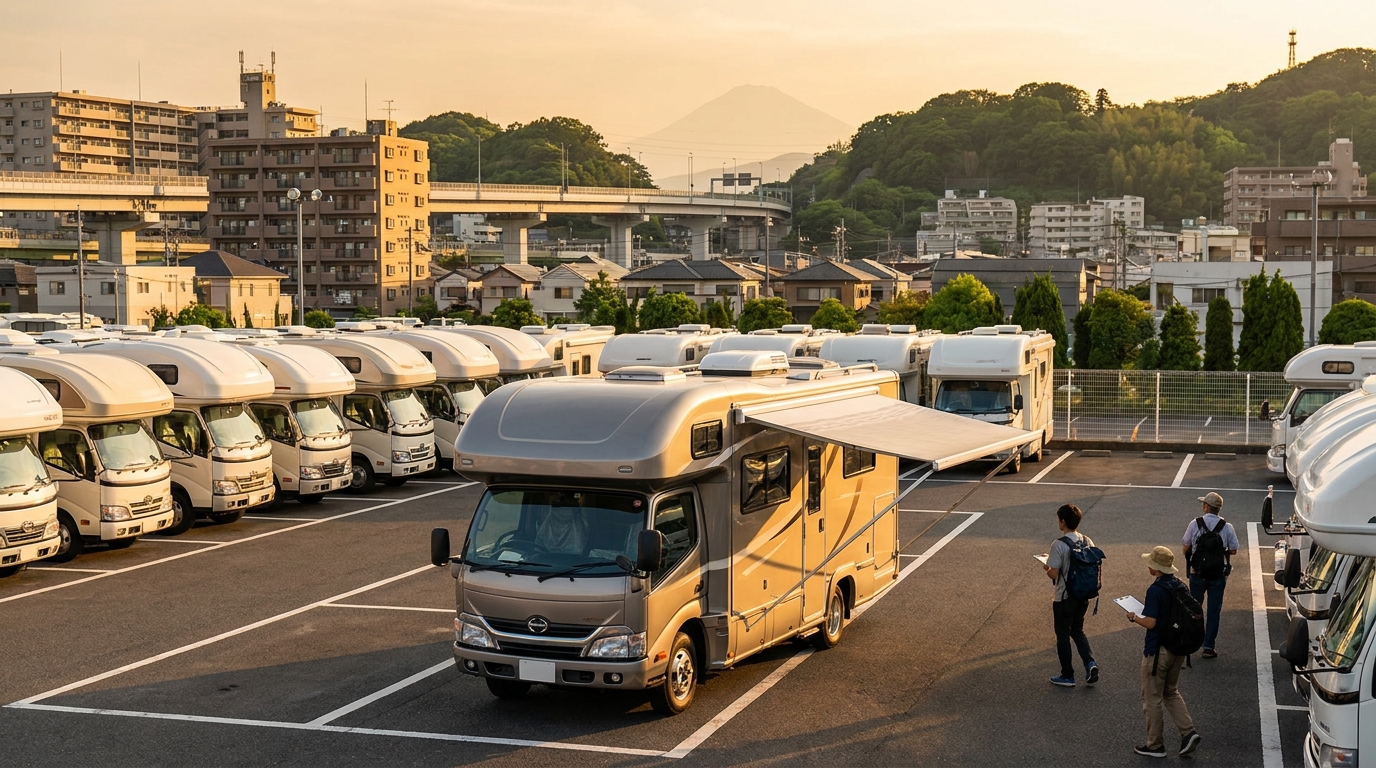
When selecting an RV park or campground close to Tokyo, focus on locations that offer clear and accessible routes for your rented motorhome, especially considering its size. Ample space for maneuverability within the park and convenient connections to public transportation are key factors for a stress-free experience. Prioritize sites that can comfortably accommodate an RV of approximately 5 meters in length, a common size for Japanese rentals. Before booking, always confirm winter operating hours and the availability of essential services, such as heating or snow clearing, to ensure a pleasant stay during the colder months. For a broader overview of what to expect, our RV Travel Guide to Tokyo - Tips and Top Spots 2026 video guide offers valuable visual insights.
Hookups & Amenities — What to Expect
Campgrounds accessible to Tokyo typically provide essential RV hookups, including 100V electricity and fresh water connections, along with convenient dump stations for waste disposal. Many are increasingly offering amenities like hot showers, laundry facilities, and Wi-Fi, enhancing comfort for travelers. It's important to note that Japan uses 100V electrical outlets, and while many Western appliances can operate on this, some might require a step-down transformer. Be prepared for Japanese Type A/B plugs when packing your electronics and adapters. For winter travel, always verify if the facilities are winterized or offer heated sites if you seek optimal comfort during colder periods. Understanding these details can make your RV rental experience smooth and enjoyable. On the routes offered through RV PLANET routes, you can itemize and track every expense along the way for easy budgeting.
Booking Windows & Reservations in Tokyo
For winter RV rentals and campground reservations in Tokyo, booking several months in advance is advisable, especially if your travel dates coincide with major holiday periods. This is particularly true for popular national park campgrounds, where only a portion of sites are typically released for reservations, with the rest operating on a first-come, first-served basis. While spontaneous travelers might find same-day availability at less popular sites, planning ahead ensures peace of mind. Always call ahead to confirm availability before driving to a campground, as winter services, hours, or even seasonal closures can vary. This proactive approach can save you significant time and effort on the road. If you're looking for the cheapest winter rv rental, consider exploring deals via our RV Rental Deals in Tokyo - Latest Offers 2026.
Nearby Supermarkets & Resupply Points
When planning your RV journey around Tokyo, strategically locating major supermarket chains like AEON, Ito-Yokado, or Life will be key for resupply. These are commonly found in suburban areas and often have suitable parking facilities for RVs. Don't overlook the Michi-no-Eki (roadside stations) as well; they serve as excellent cultural resupply points, offering unique local produce, specialty goods, and often regional delicacies. For quick essentials and snacks, convenience stores are ubiquitous and readily available. However, for full grocery runs and better value, dedicating time to visit a supermarket is highly recommended. For a more in-depth look at planning your trip expenses, check out our Cheap RV Rental in Tokyo - Budget Guide 2026.
Best RV Class for Camping in Tokyo
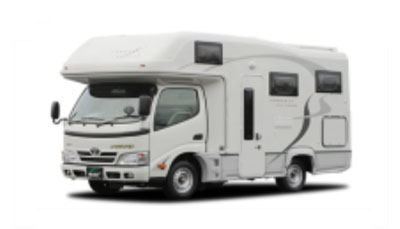
For winter RV camping in the Tokyo area, a Class C - Alcove RV is highly recommended. These motorhomes, typically around 5 meters in length, offer a great balance of maneuverability for Japan's narrower urban and suburban roads, while still providing essential amenities for a comfortable stay. Compared to larger Western RVs, their compact size makes navigating tight city streets and campground spaces significantly easier, directly addressing potential urban driving challenges. For example, a rental like the [example RV name] might offer an ideal combination of size and comfort, typically sleeping up to 6 people but comfortably accommodating 3 adults. These smaller footprints are crucial for overcoming Tokyo's unique driving conditions.
How to Save on Campgrounds in Tokyo
To minimize campground costs during your Tokyo RV adventure, several strategies can be employed. Inquire about any campground discount cards or memberships that may be available through your rental provider or affiliated programs. Opting for municipal or regional campgrounds, which are often less amenity-rich but significantly cheaper than private RV resorts, can lead to considerable savings. Consider booking during the winter shoulder season—avoiding major holidays—to take advantage of lower rates. Many campgrounds also offer weekly rates that provide significant savings for extended stays of three nights or more. By combining these approaches, you can make your RV trip around Tokyo more budget-friendly.
How much does it cost to rent an RV in Tokyo in winter?
The cost for a winter RV rental in Tokyo typically ranges from ¥15,000 to ¥30,000 per night for a Class C motorhome, but this is just one part of the overall budget. Significant additional expenses include Japan's extensive toll roads, for which an ETC card is highly recommended for convenience and potential discounts, as well as fuel costs comparable to Western countries. Parking in urban areas can also be challenging and expensive; factor in costs for suburban 'park & ride' facilities or dedicated RV parks. Remember to also budget for campground fees, insurance, and groceries. For a more detailed breakdown and to compare prices, consult our One-Way RV Rental in Tokyo - Price Guide 2026 for insights into potential one-way rental fees.
What driving permits do you need to rent an RV in Japan?
To legally drive an RV in Japan, foreign visitors are required to present either an International Driving Permit (IDP) issued under the 1949 Geneva Convention or an official Japanese translation of their domestic driver's license, accompanied by the original license. The specific requirement depends on your country of origin; while IDPs are common for many nationalities, others, such as those from Germany or France, may need to obtain an official translation through the Japan Automobile Federation (JAF) or their respective embassy. Ensure your permits are acquired before your arrival in Japan and are valid for your entire stay to avoid any legal complications with rentals or authorities.
Can you drive an RV in Tokyo city center?
Driving an RV in Tokyo's city center is generally not recommended due to the combination of narrow roads, potential height restrictions, limited and expensive parking, and heavy traffic. These factors make navigating the urban core with most RVs impractical and stressful. Many city streets and parking garages have height limits that can be unsuitable even for compact Japanese models, posing significant navigational challenges. It is far more efficient and less stressful to park your rented motorhome at a 'park & ride' facility on the city's outskirts and then utilize Tokyo's excellent and extensive public transportation network for your explorations within the city. This approach allows you to experience Tokyo's attractions without the hassle of city RV driving and parking.
What are the rules for overnight parking at Michi-no-Eki in Japan?
Michi-no-Eki, or roadside stations, in Japan are primarily designed for brief overnight parking for drivers needing rest, not for extended RV camping. They do not have designated campgrounds and prohibit activities like setting up outdoor gear such as awnings or chairs. It is crucial to be respectful of local customs: maintain quiet, keep the area clean, and do not treat these facilities as a base for multi-day stays. These stations typically offer restrooms and local goods but rarely provide RV hookups or waste disposal services, so plan your resupply and waste management accordingly. Always check individual Michi-no-Eki for their specific overnight parking policies.
Is RV camping in Tokyo good for families or pets?
RV camping in and around Tokyo can be a highly suitable and enjoyable option for families, providing a comfortable and flexible travel base with private amenities that are particularly beneficial for children. It is generally accommodating for pets as well, provided you select campgrounds that explicitly welcome them. However, pet owners must adhere strictly to Japanese pet etiquette, which includes keeping pets leashed at all times and diligently cleaning up after them. Always confirm pet policies with both the RV rental company and individual campgrounds to ensure compliance and a smooth experience for everyone.
How do Japanese RVs differ from Western RVs for urban driving?
Japanese RVs, particularly common rental models like the compact 5-meter Class C Alcove RVs, are significantly smaller and specifically engineered for superior maneuverability on Japan's narrower urban and rural roads when compared to larger Western RVs. These Japanese-designed vehicles prioritize compact footprints and ingenious, space-saving interior layouts, making them far better suited for navigating tight city streets and easily overcoming height restrictions common in urban areas. Drivers accustomed to larger Western RVs will readily notice the right-hand drive configuration and generally smaller engine sizes, which collectively contribute to easier urban handling and often better fuel efficiency.
How can you combine RV travel with Tokyo city exploration?
The most effective strategy for combining RV travel with exploring Tokyo involves parking your rented RV at a well-connected 'park & ride' facility on the city's outskirts or at a conveniently located campground. From there, you can seamlessly transition to Japan's incredibly efficient public transportation system. Identify large parking lots near major train stations on Tokyo's periphery that can accommodate RVs for daily excursions into the city. Tokyo's extensive train and subway network offers a stress-free and efficient way to access central attractions, allowing you to bypass the complexities and frustrations of driving and parking an RV within the busy city center. For more on planning your routes, explore RV Travel Guide to Tokyo - Tips and Top Spots 2026.
What are alternatives to RVing for visiting Tokyo in winter?
If an RV isn't your preferred mode of transport for exploring Tokyo, several excellent alternatives exist. Leveraging Japan's extensive and efficient rail network, including the Shinkansen bullet trains and local lines, combined with hotel stays, offers a convenient way to cover distances. A hybrid approach is also popular: rent a car for regional day trips outside the city to maintain flexibility, then rely on Tokyo’s superb public transport once you arrive in the metropolitan area. This strategy eliminates the urban driving and parking concerns associated with RVs while still allowing for scenic regional exploration. For those seeking a balance, a smaller rental car can provide the necessary flexibility for day trips, with a seamless transition to public transport upon entering Tokyo.
How to overcome language barriers when RVing in Japan?
Overcoming language barriers while RVing in Japan is quite manageable with a few practical tools and approaches. Utilizing translation apps, particularly those with offline capabilities and camera translation features for signs and menus, is invaluable for basic communication and understanding. Learning a few essential Japanese phrases, such as greetings and polite requests, can also significantly enhance interactions. Visual aids, like having key information (e.g., campground names, addresses) written clearly in Japanese, can be very helpful, especially when dealing with smaller, more remote facilities. Remember, the Japanese are generally known for their helpfulness towards visitors, so a polite demeanor and a willingness to try can go a long way.
What You Shouldn't Miss
- Explore the serene beauty of Mount Fuji from a distance by driving your RV to scenic spots in the Fuji Five Lakes region, accessible from Tokyo.
- Combine your RV adventure with a visit to Hakone, a mountain resort town known for its hot springs and stunning views of Lake Ashi, accessible via scenic routes from Tokyo.
- Venture to Nikko National Park, a UNESCO World Heritage site famed for its ornate shrines and natural beauty, offering a great winter RV escape from the city.
- Experience a traditional Japanese onsen (hot spring) near your chosen campground for a relaxing cultural immersion after a day of sightseeing.
- Take advantage of the winter's clear skies for incredible stargazing opportunities from your RV, especially if you venture to campgrounds away from major city lights.
- Visit the historic city of Kamakura, easily reachable by RV from Tokyo, known for its Great Buddha statue and numerous temples, offering a glimpse into Japan's past.
Final Thoughts
Renting an RV for your winter trip to Tokyo offers a unique way to experience Japan, blending the freedom of the open road with the convenience of mobile accommodation. While navigating the urban landscape requires careful planning, focusing on peripheral campgrounds and utilizing Tokyo's efficient public transport makes it entirely feasible and rewarding.
Embrace the adventure, soak in the winter scenery, and discover the joys of RV travel in Japan. Remember, Bandana Caravan is here to help you find the perfect rental for your needs, ensuring a smooth and memorable journey.
Find Motorhome Rentals in Tokyo