In This Guide
- Where to Camp in South America — Top Options
- Campground Types in South America (National, Private, Wild)
- Featured RV Park or Campground in South America
- Hookups & Amenities — What to Expect
- Booking Windows & Reservations in South America
- Nearby Supermarkets & Resupply Points
- Best RV Class for Camping in South America
- How to Save on Campgrounds in South America
- Navigating South American Border Crossings
- Roadside Assistance and Breakdown Protocols in South America
- Safe Overnight Parking and Boondocking Strategies in South America
- Long-Term RV Storage Options in South America
- Cultural Etiquette for RV Travelers in South America
- Can you RV in South America?
- Is winter a good time to go to South America?
- Where to spend winter in South America?
- Where do RV snowbirds go in the winter?
- Which countries are RV friendly?
- Which country in South America is considered the safest for backpacking?
- What is the 333 rule for RV travel?
- What is the 200 rule for camping?
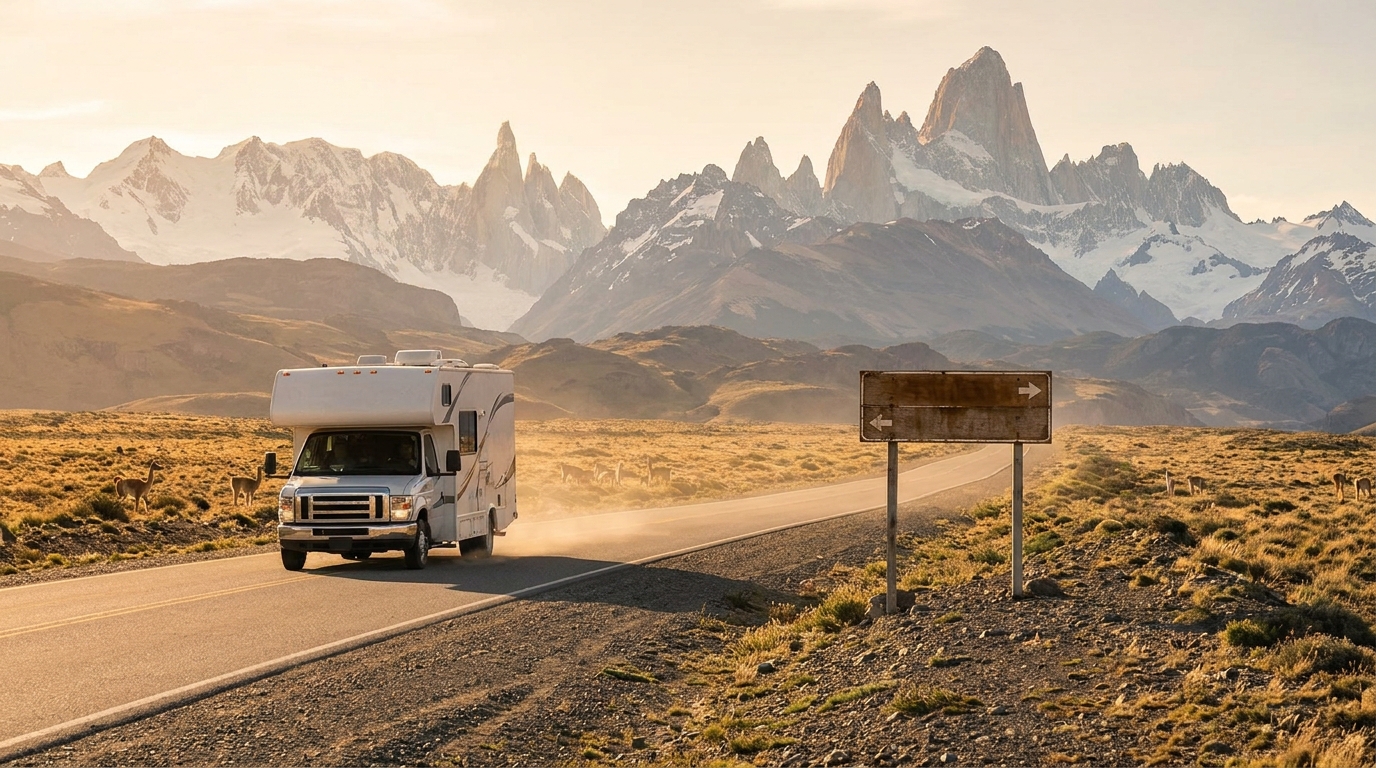
Imagine yourself traversing the dramatic landscapes of South America, from snow-capped Andes to sun-drenched coastal roads, all from the comfort of your rented motorhome. Winter RV camping in South America, roughly from June to August, unveils a unique side of this diverse continent, offering distinct advantages like fewer crowds and the chance to explore regions in their dry season. At Bandana RV, we’ve been helping tens of thousands of travelers explore the world by RV since 2001, making us true RV specialists, not just a travel agency side department. We love helping people discover incredible RV experiences like these. For live availability and current prices, start with our RV Rental South America - Complete Guide 2026 guide.
Where to Camp in South America — Top Options
Rugged, scenic national parks in Patagonia, such as Torres del Paine in Chile and Los Glaciares in Argentina, are ideal for experienced RVers seeking breathtaking winter vistas. The Atacama Desert in Chile presents unique dry camping opportunities amidst stunning lunar landscapes, offering clear night skies and mild daytime temperatures during the Southern Hemisphere winter. Meanwhile, coastal regions of Uruguay and Brazil provide milder winter climates and diverse camping experiences, from beachside relaxation to forested retreats, making them excellent choices for those looking to escape the extreme cold.
Campground Types in South America (National, Private, Wild)
National Park campgrounds in South America, like those in Argentina's Nahuel Huapi or Chile's Conguillío, typically offer basic facilities and stunning natural settings, often requiring advance booking or operating on a first-come, first-served basis. Private campgrounds provide more amenities such as hookups, showers, and sometimes even pools, catering to travelers seeking comfort and security, especially around major tourist hubs. Wild camping, also known as boondocking or freedom camping, is generally tolerated in many remote areas but requires discretion and adherence to local regulations, which vary significantly by country and region. We recommend always verifying local rules before choosing a spot.
Featured RV Park or Campground in South America
When selecting an RV park in South America, look for establishments that prioritize security, offer reliable utilities (water, electricity), and provide clear information on local attractions and services. Many highly-rated parks, particularly in popular tourist regions like Patagonia or the Lake District, feature amenities such as hot showers, communal cooking areas, and even Wi-Fi, enhancing the camping experience. Reading recent reviews from other international RV travelers can provide invaluable insights into the quality of facilities and overall guest experience at specific locations. For finding campsites and campgrounds during your trip, we recommend using RV PLANET (rvplan.net) - a great resource for locating available spots along your route.
Hookups & Amenities — What to Expect
RV campgrounds in South America can vary widely in amenities, with basic national park sites offering minimal hookups and private parks providing more comprehensive services. You should expect 220-240V electricity and Type C/L outlets in most South American countries, meaning travelers from North America will require an adapter. While water and dump stations are common in private campgrounds, they may be less frequent or primitive in remote national parks or wild camping spots, necessitating a greater degree of self-sufficiency. Always confirm available amenities when booking, or prepare to go off-grid if your adventure takes you to more remote areas. On the routes offered through RV PLANET routes, you can itemize and track every expense along the way for easy budgeting.
Booking Windows & Reservations in South America
For winter RV travel in South America, particularly to popular destinations, pre-planners should aim to book national park campgrounds several months in advance as demand can be high, especially during peak holiday periods like July. Spontaneous travelers often find success by booking private campgrounds a few days or even the same day, especially outside major tourist seasons. Many national park campgrounds only release a fraction (25%-30%) of their spots for online reservations, leaving the majority available on a first-come, first-served basis, meaning you will almost certainly find a place-if not at the first campground, then the next one. It's always a good idea to call ahead before driving there.
Nearby Supermarkets & Resupply Points
Resupply points for RV travelers in South America are generally found in towns and cities, with major supermarket chains such as Jumbo, Coto, Tottus, or Disco offering extensive selections. Beyond large supermarkets, look for smaller 'minimercados' or local markets in smaller towns for fresh produce and regional specialties, though selection may be limited. Always stock up on essentials like fuel, water, and non-perishables when passing through larger urban centers, as options can be sparse in more remote or rural areas. When planning meals in your rented motorhome, our RV-friendly recipes playlist offers great ideas for easy, delicious cooking on the go. For budgeting and tracking these ancillary costs, RV PLANET routes allow you to itemize and track every expense.
Best RV Class for Camping in South America
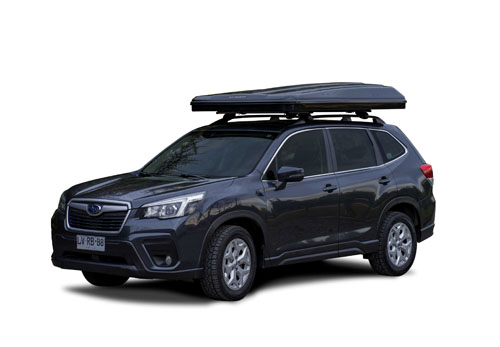
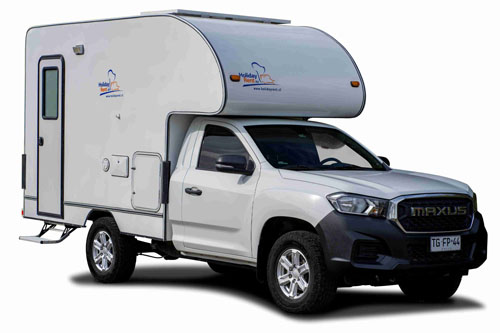
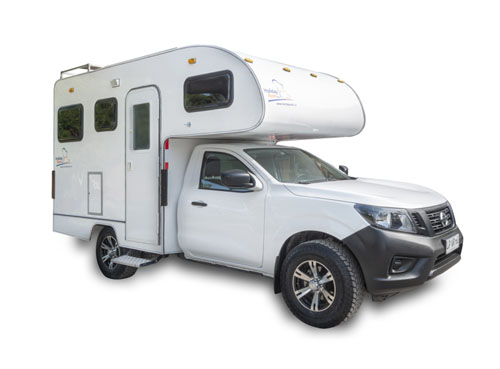
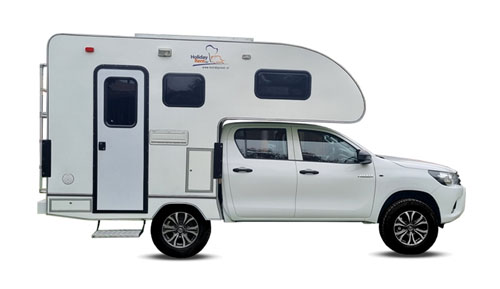
For winter RV camping in South America, particularly if exploring diverse terrains including unpaved roads and remote areas, a Class B Camper Van or Class TC Truck Camper is often recommended due to their maneuverability and potential for 4x4 capabilities. A popular choice among our customers is the "Patagonia Camper 4x4 double cab" which offers 4 Wheel Drive, is ideal for a couple, and is considered a small RV. Such vehicles are perfect for agile travel and self-sufficiency, often featuring front air conditioning and recent models. Conversely, Class SI Semi-integrated RVs, like a "2 Berth Rover" which is a medium RV with automatic transmission, offer more comfort and amenities for longer stays in established campgrounds, though their larger size can be a disadvantage on narrow or rough South American roads. Drive slowly and carefully, and you can drive almost anywhere without issues. No need to stress - just use common sense and pay attention. For instance, a Class B Camper Van might average around 5.8 meters in length, sleep 3.2 people, offer 37 kg load capacity, and consume approximately 8-10 Liters/100 km, making it efficient for extended journeys.
How to Save on Campgrounds in South America
Utilizing campground discount cards offered by certain providers can be an effective way to save significantly on overnight stays across South America, sometimes up to 15-20% off nightly rates. Choosing municipal or regional campgrounds over private resorts often results in lower nightly rates, though amenities might be more basic. Booking during the shoulder season (late autumn or early spring in the Southern Hemisphere) can yield reduced prices and fewer crowds. Additionally, staying for 3 or more nights frequently qualifies for weekly rates, offering further savings. Look for "Cheap RV Rental in South America - Budget Guide 2026" for more detailed advice on cost-effective travel.
Roadside Assistance and Breakdown Protocols in South America
In-depth planning for roadside assistance in South America involves securing comprehensive travel insurance that covers vehicle recovery and mechanical issues, especially when venturing into remote areas. Familiarize yourself with local emergency numbers and consider carrying a satellite phone or reliable communication device for regions with limited cell service. In case of a breakdown with your rented RV, prioritize safety by moving the vehicle to a secure location if possible, contacting your rental company or insurance provider immediately, and being prepared for potentially lengthy waits for assistance in less developed regions. Bandana ensures you have support before, during, and after your booking process, including pre-booking comparison and post-booking coordination with suppliers like El Monte and Apollo.
Safe Overnight Parking and Boondocking Strategies in South America
Specific strategies for safe overnight parking and boondocking in South America include utilizing vetted apps and communities (like iOverlander) for recommended spots, prioritizing well-lit and populated areas in towns, and seeking permission from landowners or local authorities when possible. Legal free camping is often found in designated areas within national forests or on public land, but specific rules vary greatly by country and region, so always check local regulations. When boondocking, it is crucial to remain discreet, leave no trace, and ensure your vehicle is secure, often by parking defensively and utilizing available security upgrades. Remember, always be respectful of local communities and the environment.
Long-Term RV Storage Options in South America
Specific and authoritative guidance on secure long-term RV storage in South American countries for international travelers needing to fly out is available through specialized storage facilities often found near major airports or large cities. Research reputable storage providers offering secure, alarmed premises with surveillance, and ensure they have experience with foreign-owned or rental RVs, providing clear terms and insurance coverage. Before storing your rented motorhome, thoroughly clean it, empty water tanks, disconnect batteries, and remove all valuables to deter theft and prepare the vehicle for extended dormancy. You might explore this option if you're planning an extended South American adventure and need to break it into several segments.
Cultural Etiquette for RV Travelers in South America
Understanding cultural nuances and specific etiquette is crucial for RV travelers in South America to foster positive interactions and avoid misunderstandings, starting with basic greetings ('Hola', 'Gracias') and respectful communication. Always ask for permission before taking photos of people, and be mindful of noise levels in rural communities, especially when wild camping near private residences. Engaging with locals by showing interest in their culture, purchasing goods from small vendors, and practicing patience and flexibility can significantly enhance the travel experience and ensure smoother interactions. Embracing slow travel, averaging max 100-150 km per day, allows you to truly feel the place, connect to the culture, the food, and the scenery.
Can you RV in South America?
Yes, RV travel in South America is entirely possible and offers an unparalleled way to explore the continent's diverse landscapes and cultures, albeit requiring more preparation and adaptability than in some other regions. The continent features an expanding network of roads, though quality varies significantly, along with a growing number of campgrounds and services tailored for RVers, especially in popular tourist routes. Challenges include navigating varied road conditions, securing specific vehicle insurance for multiple countries, and understanding local driving rules and cultural norms.
Is winter a good time to go to South America?
Winter (June to August in the Southern Hemisphere) can be an excellent time for an RV trip to South America, particularly for exploring regions that experience their dry season, such as the Atacama Desert or certain parts of the Andes. While Patagonia experiences colder temperatures and snow, it also offers stunning winter landscapes for those prepared for cold-weather camping, and other regions like northern Argentina, Brazil, and Uruguay enjoy milder conditions. This season often means fewer crowds in many areas, allowing for a more serene and authentic travel experience, provided you pack appropriate gear for varying climates. Consider our "Winter RV Camping in South America - Heated Sites 2026" for specific winter considerations.
Where to spend winter in South America?
Ideal winter RV destinations in South America include the mild coastal areas of Uruguay and southern Brazil, which offer comfortable temperatures and vibrant scenes. The high-altitude deserts of Northern Chile and Argentina (e.g., Atacama, Salta) also provide pleasant, dry conditions. For snow enthusiasts, Argentine and Chilean Patagonia, while challenging with winter conditions, provide unparalleled access to snow-capped peaks, glaciers, and winter sports opportunities. These regions contrast significantly with popular North American 'snowbird' locations, offering unique cultural experiences and vastly different natural landscapes, from arid deserts to alpine environments. For detailed plans, check out RV PLANET (rvplan.net).
Where do RV snowbirds go in the winter?
South American RV snowbirds often gravitate towards regions with milder winter climates, such as the coasts of Uruguay and Brazil, or the sun-drenched northern parts of Argentina and Chile, escaping the colder southern latitudes. These destinations offer comfortable temperatures, vibrant cultural scenes, and generally good infrastructure for RVs, making them attractive for long-term stays. Unlike the typical North American snowbird migration to Florida or Arizona, South American winter destinations provide a blend of European and indigenous cultures, unique culinary experiences, and diverse natural beauty. If you're considering a longer trip, our "Long-Term RV Rental in South America - Monthly Rates 2026" guide can be very helpful.
Which countries are RV friendly?
Argentina and Chile are widely considered the most RV-friendly countries in South America, boasting extensive road networks, numerous national parks with camping facilities, and a relatively developed tourist infrastructure. Uruguay and parts of Southern Brazil also offer good conditions for RV travel, particularly along their scenic coastlines, with a generally relaxed atmosphere and welcoming communities. Factors contributing to RV friendliness include road quality, availability of fuel and repair services, security, ease of border crossings, and the prevalence of dedicated RV campgrounds or tolerated wild camping spots. For specific information, look for our guides like "RV Rental in Argentina - Prices & Routes 2026" or "Campervan Hire in Chile - Explore Patagonia 2026".
Which country in South America is considered the safest for backpacking?
Uruguay and Chile are frequently cited as the safest countries for backpacking in South America, offering low crime rates, stable political environments, and well-established tourist routes, which extends to general safety for RV travelers as well. While safety perceptions are subjective and can vary by region within any country, these nations generally provide a secure environment, especially when travelers adhere to standard safety precautions. For RVers, 'safest' also implies better road infrastructure, reliable emergency services, and communities that are accustomed to and welcoming of international tourists, all of which are strong in these countries. Our guide to "RV Travel in Brazil - Coastal Adventures 2026" also highlights safe routes.
What is the 333 rule for RV travel?
The '3-3-3 rule' for RV travel, also sometimes referred to as the '3-3-3 rule for campervan' or '3-3-3 rule for RV camping,' is a widely adopted guideline advising RVers to travel no more than 300 kilometers (approx. 186 miles) a day, arrive by 3 PM, and stay for at least 3 nights. This rule is designed to promote a relaxed and enjoyable pace of travel, preventing driver fatigue, allowing ample time for campsite setup and exploration, and reducing the stress of constant movement. Adhering to the 3-3-3 rule in South America can be particularly beneficial given variable road conditions and the desire to fully experience diverse landscapes and cultures without feeling rushed. This aligns perfectly with our recommendation to travel slowly, max 100-150 km per day on average.
What is the 200 rule for camping?
The '2-2-2 rule for camping,' often mistakenly referred to as the '200 rule,' suggests that RVers should travel no more than 200 miles (approx. 320 km) a day, arrive by 2 PM, and stay for at least 2 nights. This rule is a slightly more conservative variation of the 3-3-3 rule, aimed at maximizing leisure time and minimizing driving stress, particularly beneficial for families or those preferring a slower pace. Adopting the 2-2-2 rule for winter RV trips in South America can be advantageous, especially when navigating mountainous regions or less-traveled routes where daylight hours might be shorter and road conditions more demanding. This approach will give you more time to savor the incredible scenery and local charm.
What You Shouldn't Miss
- **Patagonia's Glacial Wonders:** Explore the Perito Moreno Glacier in Argentina, where you can witness massive ice calvings. With a rented motorhome, you have the flexibility to stay at nearby El Calafate and take day trips into Los Glaciares National Park.
- **The Atacama Desert's Moon-like Valleys:** Drive through the Valle de la Luna in Chile, a unique desert landscape perfect for incredible stargazing thanks to its exceptionally clear skies.
- **Uruguayan Coastal Charm:** Experience the laid-back winter atmosphere of Punta del Este and Colonia del Sacramento, enjoying fresh seafood and historic architecture in your cozy camper.
- **Andean Mountain Passes:** Conquer breathtaking routes like the Paso Internacional Los Libertadores (Los Caracoles) between Chile and Argentina (check winter closures), offering dramatic switchbacks and unforgettable views.
- **The Salt Flats of Uyuni, Bolivia:** While challenging, the Salar de Uyuni is an unparalleled experience, driving across the world's largest salt flat. Ensure your rented RV is a robust 4x4, like the "Patagonia Camper 4x4 double cab", and hire a local guide.
🎬 Video coming soon
Looking for expert insights from Avi Bandana? Top 5 Adventures - recommendations from Avi Bandana.
Final Thoughts
A winter RV trip through South America is an adventure waiting to unfold, offering diverse landscapes, vibrant cultures, and fewer crowds. With a rented motorhome or campervan, you unlock the freedom to explore at your own pace, creating unforgettable memories along the way. Remember to embrace the local pace, enjoy the culinary delights, and immerse yourself in the incredible scenery.
At Bandana RV, we’re here to support you every step of the way, from comparing prices across top suppliers to helping you plan the perfect route. We believe that God is in the small details, and we take care of them, ensuring your journey is smooth and joyful. Get ready to embark on an extraordinary winter adventure!
Discover top destinations, planning tips, all in one place! Plan a trip itinerary in advance with minimal effort and maximum enjoyment.