In This Guide
- What are the best places to visit in South Africa in a motorhome during winter?
- Where to Camp in South Africa - Top Options
- Campground Types in South Africa (National, Private, Wild)
- Featured RV Park or Campground in South Africa
- Hookups & Amenities - What to Expect
- Booking Windows & Reservations in South Africa
- Nearby Supermarkets & Resupply Points
- Best RV Class for Camping in South Africa
- How to Save on Campgrounds in South Africa?
- What is the best way to plan an RV trip to South Africa?
- Is it safe to RV in South Africa?
- What are the rules for wild camping in South Africa?
- How much does it cost to rent an RV in South Africa?
- What are the road conditions like for RVs in South Africa?
- Where can I find RV infrastructure like dump stations and water refills in South Africa?
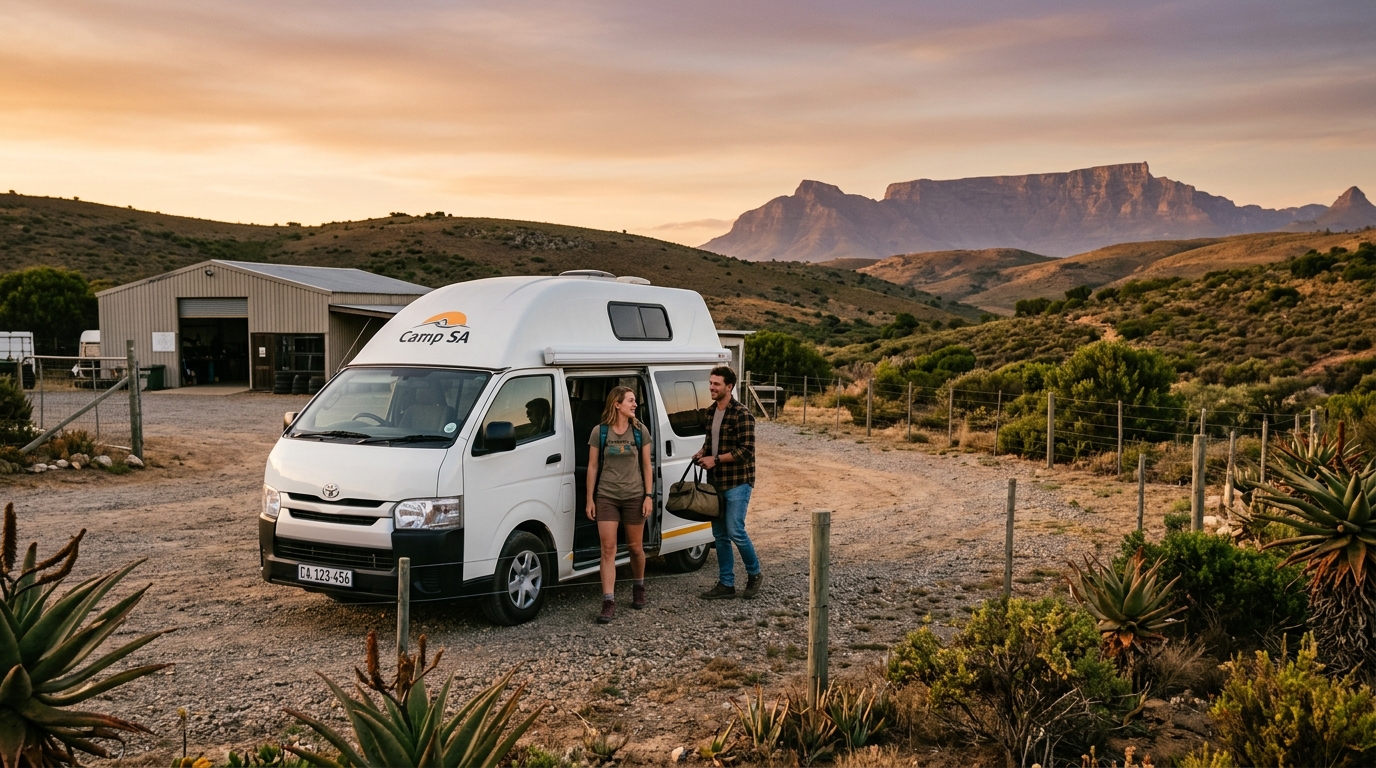
South Africa in winter (June to August) offers a captivating RV adventure, blending mild coastal escapes with thrilling wildlife safaris. Imagine waking up in your rented motorhome to the crisp morning air, brewing fresh coffee, and preparing breakfast with the sounds of nature surrounding you. This guide is designed to help you plan an unforgettable winter RV camping trip through South Africa's diverse landscapes, offering practical advice and expert insights. For live availability and current prices, start with our RV Rental South Africa - Complete Guide 2026 guide.
What are the best places to visit in South Africa in a motorhome during winter?
The best places to visit in South Africa in a motorhome during winter (June-August) include regions with milder climates and prime wildlife viewing opportunities, offering a diverse array of experiences for your rented caravan. The Kruger National Park area is exceptional in winter, with sparse vegetation and limited water sources drawing animals to waterholes, making game viewing significantly easier; several camps, like Skukuza or Lower Sabie, offer excellent powered sites for your motorhome. The Western Cape, including Cape Town and the scenic Garden Route, offers a relatively mild Mediterranean winter with less rainfall, making it ideal for coastal drives and wine country exploration, where you can explore charming towns like Stellenbosch or Knysna from your mobile home. For those seeking alternative itineraries and off-the-beaten-path destinations, consider the Karoo for its stark beauty and clear night skies, the Drakensberg Mountains for dramatic hiking (though prepare for cold, possibly snowy conditions), or even parts of the Wild Coast for rugged, untouched landscapes, providing less-explored regions perfectly suitable for a true RV adventure. For more in-depth pricing details for these routes, consult our "RV Rental in South Africa - Prices and Best Deals 2026" resource.
Where to Camp in South Africa - Top Options
South Africa offers diverse winter camping options for your rented RV, including warmer coastal regions and prime wildlife areas, catering to every travel style. Popular choices include Addo Elephant National Park, located near Gqeberha (Port Elizabeth), renowned for its dense elephant population and offering well-equipped campgrounds that are often less crowded during winter for excellent wildlife viewing. The Garden Route is another fantastic option, with numerous scenic drives and coastal parks like Storms River Mouth Rest Camp within Tsitsikamma National Park, providing breathtaking ocean views and direct access to hiking trails from your motorhome. The Drakensberg region, a UNESCO World Heritage site, provides stunning mountain landscapes for nature lovers, though it can be colder; however, parks like Giants Castle Camp offer comfortable facilities and access to incredible hiking in a majestic setting. For those looking for more luxurious experiences, private resorts along the Western Cape or in KwaZulu-Natal provide extensive amenities like heated pools and restaurants. Regardless of your choice, each location offers unique opportunities to connect with South Africa's vibrant culture and natural beauty from the comfort of your rented campervan.
Campground Types in South Africa (National, Private, Wild)
South Africa features a variety of campgrounds suitable for rented motorhomes, including national park campgrounds (such as those managed by SANParks), private resorts, and limited opportunities for wild camping. National park sites offer basic to moderate amenities, focusing on immersive nature experiences, and often require advance booking, especially for popular parks like Kruger National Park and its associated camps which have 150+ powered sites. Private campgrounds, often found along tourist routes or near popular destinations, generally provide a wider range of facilities, including swimming pools, restaurants, laundry facilities, and enhanced security, making them ideal for a comfortable RV experience. Wild camping, or freedom camping, is largely unregulated and generally not recommended or legally permitted in most areas of South Africa, especially within national parks or on private land, due to significant safety concerns and environmental protection regulations; always seek out designated campgrounds for a secure and responsible overnight stay in your rented mobile home. For comprehensive route plans that include designated campgrounds, explore RV PLANET routes, where you can itemize and track every expense along the way for easy budgeting. On the routes offered through RV PLANET routes, you can itemize and track every expense along the way for easy budgeting.
Featured RV Park or Campground in South Africa
When choosing an RV park in South Africa, prioritize establishments offering secure stands, reliable hookups, and proximity to key attractions. A highly recommended option for families is the ATKV Hartenbos Resort, located directly on the Garden Route, offering beachfront stands, a popular water park, and comprehensive facilities perfect for a family winter getaway with a rented motorhome. For wildlife enthusiasts, specific camps within Kruger National Park, such as the Lower Sabie Rest Camp, are exceptionally popular and provide basic amenities amidst prime game-viewing areas, offering 80+ powered sites with modern ablution blocks. Another excellent choice is Storms River Mouth Rest Camp within Tsitsikamma National Park, part of the Garden Route, which provides breathtaking oceanfront camping and direct access to the famous Otter Trail, ideal for couples or small groups in a rented camper. These locations consistently receive high ratings for their amenities, safety, and unique natural settings, making them top picks for winter RV camping in South Africa.
Hookups & Amenities - What to Expect
Most designated RV campgrounds in South Africa offer essential hookups for your rented mobile home, ensuring a comfortable stay. Electrical connections typically provide 220-240V electricity and require a standard South African 3-pin round plug (Type M), so ensure you bring the correct adapter. Water hookups for fresh water refills and grey/black water dump stations are widely available, usually included in your site fee. Amenities often include shared ablution blocks with hot showers and flush toilets, communal braai (BBQ) facilities perfect for cooking traditional South African meals (don't forget your RV-friendly recipes playlist!), and sometimes laundry facilities or basic convenience stores. Wi-Fi availability varies significantly: while many private resorts offer it, some national park camps may have limited or no internet access, and it can sometimes be a paid add-on. Always check specific campground details in advance to confirm the amenities and hookup types for your RV rental.
Booking Windows & Reservations in South Africa
For a winter RV rental in South Africa, savvy planners should book popular national park campgrounds and private resorts well in advance, especially for peak winter holiday periods (June-July). Many national park campgrounds, particularly those managed by SANParks, release a limited percentage (e.g., 25%-30%) of spots for reservations several months out, with the remainder often available on a first-come, first-served basis. Spontaneous travelers can often find a place, particularly during off-peak winter weeks (late May, early August), but it is highly recommended to call ahead to your desired campground before driving there to confirm availability. While you will almost certainly find a spot, if not at the first campground, then the next one, pre-booking secures your preferred location and avoids disappointment, especially in remote or highly sought-after areas. Consider also our "One-Way RV Rental in South Africa - Price Guide 2026" for flexible travel options between cities.
Nearby Supermarkets & Resupply Points
For an RV trip in South Africa, major towns and cities along your route will feature well-stocked supermarkets for convenient resupply. Look for national chains such as Shoprite, Checkers, Pick n Pay, and Woolworths Food, which offer a wide range of groceries, fresh produce, and essential RV items, including propane tanks or basic vehicle supplies. Smaller towns, particularly in rural areas like the Karoo, might have local stores or 'spaza shops,' but their selections will be more limited, so plan major stock-ups in larger centers like Johannesburg, Cape Town, or Durban. Always keep a close eye on your fuel gauge, as fuel stations can be sparse in very remote areas, and their operating hours might be restricted, especially during winter months. Planning ahead for food and fuel stops ensures a smooth and enjoyable RV rental experience.
Best RV Class for Camping in South Africa
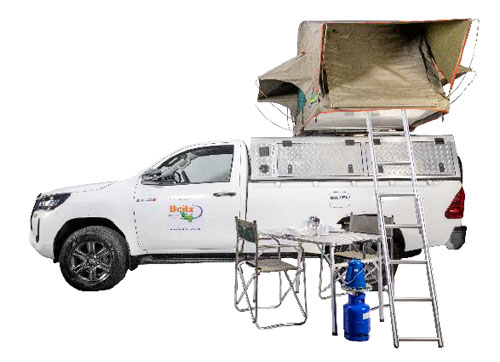
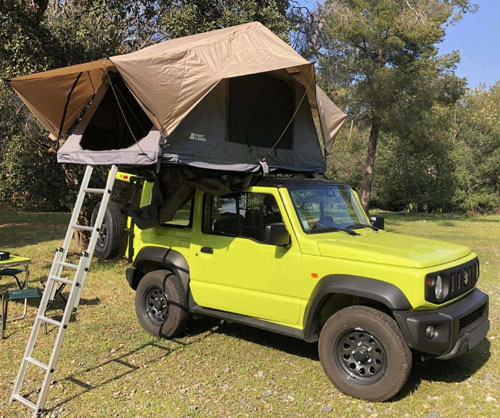
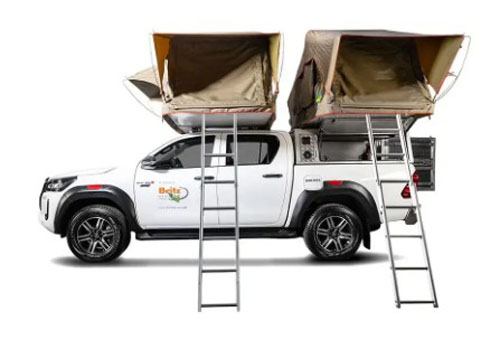
Choosing the best RV class for camping in South Africa hinges on your travel style, group size, and desired comfort level. Class SI - Semi-integrated RVs, with an average length of 6.9m and sleeping capacity for 3-4 people, are popular for their balance of maneuverability and comfort, offering good fuel efficiency (typically 10-11 Liters/100 km) suitable for most paved roads and accessible campsites. For instance, a 2 Berth Tamar offers automatic transmission, front air condition, and is winter-ready for a couple. Class C - Alcove RVs are ideal for families, averaging 7.5m in length and sleeping 4-6 people, providing ample space with a fuel consumption of 10-12 Liters/100 km; a 6 Berth Derwent, for example, features 3 double beds and roof air condition. For more adventurous or remote travel, especially on less-maintained gravel roads, a Class TC - Truck Camper (avg. 5.5m, 2-3 sleepers) might be considered for its compact size and 4x4 capabilities, although they typically have higher fuel consumption (12-17 Liters/100 km). A "4x4 Scout Adventure Truck Camper Gold" is a recent model with front air conditioning, perfect for a couple. Class B - Camper Vans (avg. 5.8m, 2-3 sleepers, 8-10 Liters/100 km), such as the "2 Berth Hi Top" campervan, offer excellent maneuverability and are great for couples or small groups who prefer boondocking or navigating smaller roads. Class A - Integrated RVs (avg. 7.5m, 4-6 sleepers, 8-12 Liters/100 km), like an "Active First" model, provide luxury and spaciousness, best suited for well-developed routes and longer stays.
How to Save on Campgrounds in South Africa
To effectively save on campground costs in South Africa, travelers should strategically plan their RV rental trip. Consider utilizing campground discount cards if available through your RV rental provider, which can offer significant savings; while Bandana doesn't offer these directly, some local suppliers might. Booking during the shoulder season (e.g., late May or early September, just outside peak winter holidays) often provides lower rates compared to mid-winter school breaks (June-July). Opt for municipal or regional campgrounds over private luxury resorts, as they typically offer more budget-friendly rates with essential, albeit fewer, amenities. Staying for longer durations, such as a week-long trip or more, can often qualify you for weekly rates, which are considerably cheaper per night than daily rates. If traveling with another RV rental, inquire about sharing hookups or group discounts, as some campgrounds offer reduced rates for multiple vehicles on a single site. Lastly, practicing some dry camping where permitted can cut down costs, but always ensure you have enough water and power.
What is the best way to plan an RV trip to South Africa?
The best way to plan an RV trip to South Africa involves meticulous preparation regarding permits, licenses, routes, and a comprehensive packing list, ensuring a seamless journey in your rented mobile home. Ensure all drivers possess a valid standard car driver's license, which is sufficient for all motorhome classes, and an International Driving Permit (IDP) is recommended for visitors from non-English-speaking countries, although not mandatory in most cases. Confirm any specific park permits or wild camping regulations before you depart, as many national parks like Kruger require pre-booked entry and specific conservation fees. Develop a detailed itinerary, incorporating the diverse climate variations of South Africa by packing layers, rain gear, and appropriate footwear for both mild coastal areas (e.g., Cape Town) and potentially cold, mountainous regions (e.g., Drakensberg Mountains). Your packing list should include essential emergency gear, South African specific electrical adapters (Type M), a local SIM card for navigation and communication, and sufficient provisions for remote stretches of your journey. Remember to drive slowly, averaging max 100-150 km per day, to truly immerse yourself in the culture, food, and scenery. For assistance with planning your routes, including finding campsites and budget tracking, RV PLANET (rvplan.net) offers 1,300+ pre-planned routes across 5 continents, including South Africa, with a 25% planning discount for Bandana customers.
Is it safe to RV in South Africa?
RVing in South Africa can be a safe and profoundly rewarding experience with proper planning, adherence to detailed safety and security protocols, and an awareness of local conditions, ensuring peace of mind for your rented campervan adventure. Always prioritize designated, secure campsites and ensure your vehicle is locked, and valuables are out of sight when parked, especially overnight; avoid night driving where possible, particularly in rural or unfamiliar areas, as visibility can be poor and livestock a hazard. Implement wildlife precautions specific to RV campers, particularly in game reserves: secure all food items inside your RV, never feed animals, and understand how to deter them from your campsite, especially in unfenced areas where animals might approach your RV or even a Class B Camper Van. Prepare for emergencies by understanding breakdown procedures: carry essential tools, know how to contact specific roadside assistance for RVers, and have medical emergency preparedness, including knowing local emergency numbers (10111 for police, 10177 for ambulance). Research specific areas to avoid using up-to-date travel advisories, and choose reputable RV rental companies like those partnered with Bandana Caravan that offer comprehensive support and detailed safety briefings. Travel with confidence, knowing you can upgrade to a top-level deductible for extra peace of mind.
What are the rules for wild camping in South Africa?
The rules for wild camping, or overnight parking outside designated campsites, for RVs in South Africa are generally restrictive and vary significantly by province and land ownership. While direct laws specifically prohibiting 'sleeping in your car' might be vague, it is generally illegal to wild camp on private land without explicit permission, or within national parks and reserves unless in designated, paid areas. Practical and safety-focused advice strongly suggests avoiding wild camping due to prevalent security risks, especially in isolated areas, and the high potential for dangerous wildlife encounters. If considering an alternative to formal campgrounds, thoroughly research the specific area for local regulations and always prioritize safety over convenience; look for established, secure overnight parking options like farm stays, paid rest stops, or truck stops if formal campgrounds are unavailable or fully booked. Always remember that Bandana RV focuses on providing reliable RV rental solutions and planning resources through rvplan.net, but does not provide direct assistance in finding campsites during your trip.
How much does it cost to rent an RV in South Africa?
The cost to rent an RV in South Africa varies significantly based on the RV class, rental duration, season, and included amenities, requiring an in-depth cost breakdown for accurate budgeting. Prices are dynamic, similar to flight tickets, changing daily based on availability, seasonality (winter is generally shoulder to peak, especially for wildlife), and supplier marketing decisions; the final price is set at the actual booking time. For a week-long rental, a smaller Class B Camper Van might cost around $90-$150 per day, while a spacious Class C Alcove for a family could range from $150-$250 per day. Beyond rental fees, meticulously budget for estimated fuel consumption, which for a Class C motorhome is typically 10-12 Liters/100 km on diesel, a significant cost given South Africa's vast distances. Factor in comprehensive park entry fees, such as SANParks conservation fees (e.g., around ZAR 460 per adult per day for Kruger), specific campsite costs (ranging from ZAR 200-800+ per night for a powered site), and daily expenses for food and activities. Also, consider potential additional costs like one-way rental fees (e.g., for "One-Way RV Rental in South Africa - Price Guide 2026"), extra mileage charges, insurance excess waivers (an optional upgrade for top-level deductible reimbursement), and any optional equipment such as GPS or outdoor furniture. A "Family RV Rental in South Africa - Pricing Guide 2026" can provide more specific family-focused estimates. Remember that Bandana Caravan ensures full price transparency with no hidden fees, giving you a clear picture of your trip expenses.
What are the road conditions like for RVs in South Africa?
Road conditions for RVs in South Africa are diverse, ranging from excellent national highways to challenging rural dirt roads, requiring specific navigation advice to ensure a smooth RV rental experience. Major national highways, such as the N1 or N2, are generally well-maintained and suitable for all motorhome classes, including larger Class A Integrated RVs. However, be prepared for potholes and occasional uneven surfaces on secondary and rural roads, which can cause significant damage if not navigated carefully; driving slowly and carefully is key. Encounters with mini-bus taxis are common, and they often drive aggressively, so maintain defensive driving practices and be aware of sudden stops or lane changes. Livestock, including cattle, goats, and donkeys, on rural roads are a frequent hazard, especially in unfenced communal areas, necessitating reduced speeds and constant vigilance. Mountain passes, particularly in regions like the Drakensberg or along the Panorama Route, can be steep and winding, requiring careful driving and possibly lower gears, especially for larger rented RVs like a Class C Alcove. A 4x4 RV, such as a Class TC - Truck Camper, is rarely necessary for popular tourist routes, but it becomes truly essential if you plan to explore remote game reserves with unmaintained tracks or very rugged, off-the-beaten-path destinations. Drive slowly and carefully, and you can drive almost anywhere without issues. No need to stress - just use common sense and pay attention.
Where can I find RV infrastructure like dump stations and water refills in South Africa?
Finding essential RV infrastructure like water refill stations, grey/black water dump stations, and LPG gas refills in South Africa is generally manageable within designated areas but requires planning, especially in remote regions. Most formal campgrounds and caravan parks offer convenient water refill points and dedicated grey/black water dump stations, which are typically included in your site fee when renting a motorhome. For LPG gas refills, larger towns and cities will have gas suppliers or specific service stations that can refill your bottle; it's advisable to refill when possible rather than waiting until completely empty, especially before venturing into remote areas. RV-specific mechanics or spare parts can be challenging to find in very remote areas, so it's prudent to carry essential spares (like a tire repair kit) and ensure your rental provider offers comprehensive roadside assistance for mechanical failures. Plan your route to include stops in larger towns where these services are more readily available, and always confirm availability with campsites or local information centers if you're venturing off the main routes. RV PLANET (rvplan.net) is a great resource for locating available spots and planning your route, including these essential service stops, ensuring your RV rental adventure is as smooth as possible.
What You Shouldn't Miss
- **Kruger National Park Safari:** Experience world-class wildlife viewing during winter, when sparse vegetation makes spotting the Big Five easier. Book a powered site for your rented motorhome at a camp like Skukuza or Satara and spend days exploring.
- **The Panoramic Garden Route:** Drive one of the world's most beautiful coastal roads from Mossel Bay to Storms River, stopping at charming towns like Knysna and Plettenberg Bay. Many excellent RV campgrounds offer stunning views along this 300 km stretch.
- **Cape Town & the Winelands:** Explore the vibrant city of Cape Town, then venture into the Stellenbosch and Franschhoek Winelands for wine tasting from your RV rental. Winter offers cooler temperatures perfect for exploring Table Mountain.
- **Drakensberg Mountains Hiking:** Discover breathtaking landscapes and ancient San rock art in the Drakensberg. While it can be chilly, the crisp air and clear skies make for invigorating hikes from your campsite.
- **Route 62 Wine Route:** Travel the world's longest wine route (over 850km) by campervan, enjoying unique scenery and countless opportunities to sample local wines, artisanal foods, and small-town charm.
Looking for expert insights from Avi Bandana? Top 5 Adventures - recommendations from Avi Bandana
Final Thoughts
Embarking on a winter RV camping trip in South Africa promises an unparalleled adventure, blending the thrill of safari with the tranquility of diverse landscapes. From the bustling streets of Johannesburg to the serene coastlines near Cape Town, your rented motorhome becomes your mobile sanctuary, offering flexibility and comfort. Remember to embrace slow travel, savoring each moment and allowing yourself to connect deeply with the rich culture and stunning natural beauty around every bend.
Whether you're planning a week-long journey or an extended exploration, South Africa in winter is truly special. With honest pricing, dedicated support, and resources like RV PLANET at your fingertips, planning your dream RV rental trip is simpler than you might imagine. We handle the details, you live the journey – that's our promise.
Ready to discover the magic of a winter RV camping in South Africa? Compare winter RV Rentals in South Africa now and start your adventure!