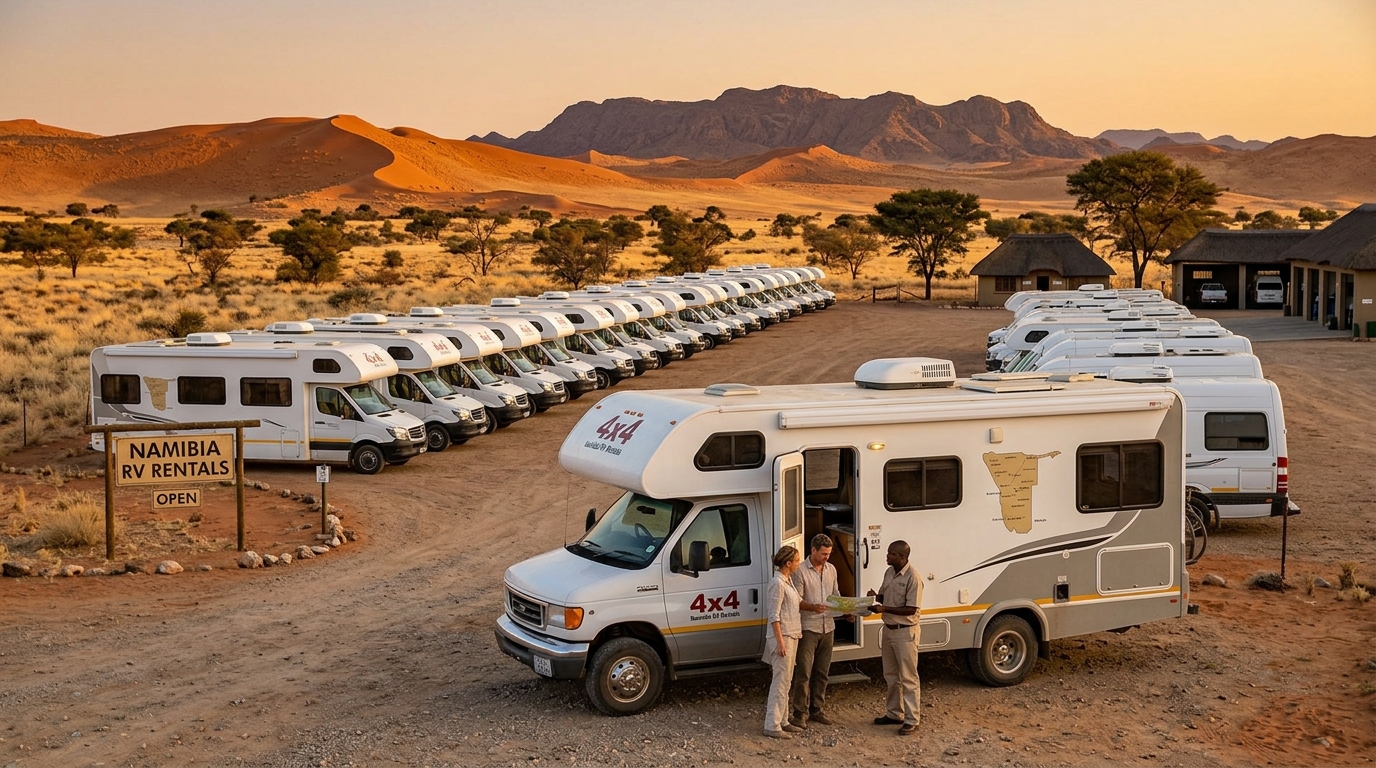
In This Guide
- Is winter a good time to visit Namibia?
- What are the best RV routes in Namibia for winter?
- How much does it cost to rent an RV in Namibia?
- Are there age restrictions for RV rental in Namibia?
- What insurance do I need for an RV rental in Namibia?
- What are the road conditions like in Namibia in winter?
- Where to Camp in Namibia — Top Options
- Campground Types in Namibia (National, Private, Wild)
- Featured RV Park or Campground in Namibia
- Hookups & Amenities — What to Expect
- Booking Windows & Reservations in Namibia
- Nearby Supermarkets & Resupply Points
- Best RV Class for Camping in Namibia
- How to Save on Campgrounds in Namibia
- What do I need to pack for an RV trip in Namibia in winter?
- Is it safe to RV in Namibia in winter?
- What are the driving rules for RVs in Namibia?
- Are there specific RVs recommended for Namibian terrain?
- How to prepare an RV for long-distance travel in Namibia's winter conditions?
- What kind of wildlife can I expect to see while RV camping?
- How to manage water and waste in an RV in Namibia's remote areas?
- What are the connectivity options for RV travelers in Namibia?
- What local etiquette should RV travelers know in Namibia?
- Where can I find fuel stations and re-supply points for RVs?
- Are pets allowed in RV rentals in Namibia?
- Can I do wild camping in Namibia?
Is winter a good time to visit Namibia?
Winter, spanning from May to September, is an excellent time for an RV adventure in Namibia. The climate during these months is characterized by pleasant daytime temperatures, averaging around 25°C (77°F), with significantly reduced rainfall and comfortable, cool evenings. This dry, mild weather is ideal for exploring the vast landscapes and engaging in outdoor activities. Furthermore, the cooler, dry conditions concentrate wildlife around waterholes, making it a prime period for exceptional wildlife viewing, particularly in renowned parks like Etosha. While nights can be chilly, especially in desert regions, the clear, unpolluted skies provide spectacular stargazing opportunities, and the sparser vegetation enhances visibility for spotting animals.
What are the best RV routes in Namibia for winter?
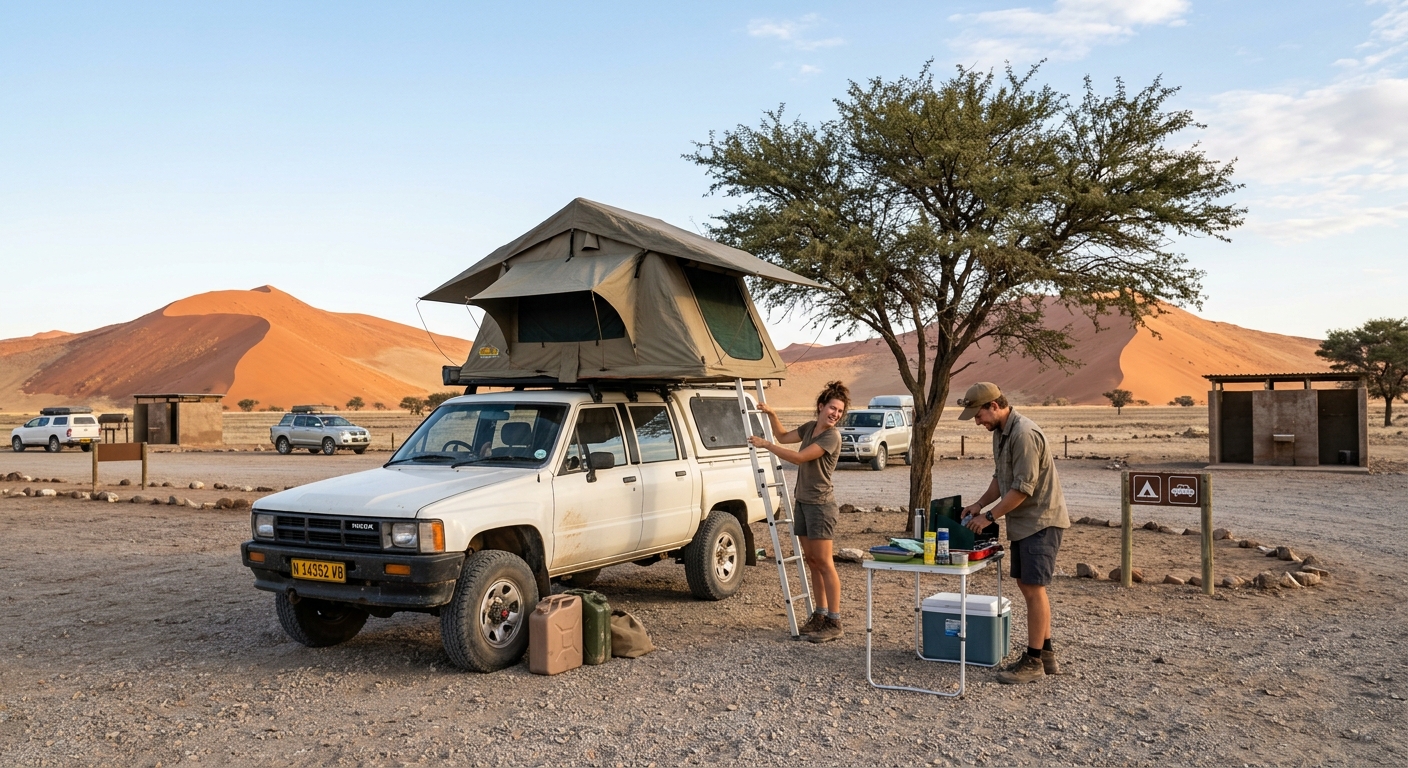
Namibia's winter season offers several rewarding RV routes, with the southern loop through Sossusvlei and the Namib-Naukluft Park being particularly popular. These areas are renowned for their iconic desert landscapes and cooler morning temperatures, perfect for climbing the towering dunes. The northern circuit, encompassing Etosha National Park and Damaraland, is another prime choice, especially during the dry winter months when wildlife congregates at waterholes, significantly improving spotting opportunities. For the more adventurous RVer, the Skeleton Coast or the rugged Kaokoveld present unique and remote experiences, though these routes often necessitate 4x4 capable RVs and meticulous planning for fuel, water, and emergency preparedness due to challenging gravel roads.
How much does it cost to rent an RV in Namibia?
The cost of renting an RV in Namibia varies considerably, influenced by the vehicle class, rental duration, time of year (winter is peak season), and included amenities. Typically, you can expect prices to range from $100 to over $300 USD per day. Beyond the daily rental fee, a crucial aspect of budgeting involves accounting for other significant expenses. Fuel consumption is a key factor; Bandana's fleet typically consumes 10-17 liters per 100 km, depending on the RV class. National park entrance fees are also considerable, usually around N$80-N$150 (approximately $4.50-$8.50 USD) per person per day, plus vehicle fees. Campsite rates can also add up, varying from basic to full-service facilities. For those venturing into remote areas, consider renting a satellite phone for essential communication, as cell service is often intermittent. Specialized permits for certain areas might also be required, so factor these into your overall trip budget for comprehensive financial planning. On the routes offered through RV PLANET routes, you can itemize and track every expense along the way for easy budgeting.
Are there age restrictions for RV rental in Namibia?
Yes, most RV rental companies in Namibia impose age restrictions for drivers, typically requiring them to be at least 21 or 23 years old. Additionally, most providers stipulate a minimum of two years of driving experience. While a valid national driver's license is mandatory, an International Driving Permit (IDP) is generally recommended and often required, especially if your national license is not in English. It's crucial to confirm the specific age and license requirements directly with your chosen rental provider well in advance of booking your winter RV adventure to ensure compliance and avoid any last-minute issues.
What insurance do I need for an RV rental in Namibia?
For an RV rental in Namibia, comprehensive insurance coverage is highly recommended to ensure peace of mind and protection. This typically includes a Collision Damage Waiver (CDW) or Loss Damage Waiver (LDW) to cover damages to the rental vehicle itself. It is also vital to ensure your policy includes third-party liability coverage, which protects against damages or injuries caused to other vehicles or individuals. Many renters opt for additional coverage for aspects like tire and windscreen damage, as these are often excluded from basic insurance policies. It is absolutely essential to review the rental agreement thoroughly to understand the excess amounts (deductibles) and any exclusions, particularly those related to off-road driving or travel in specific remote areas, to ensure you are adequately protected for your Namibian adventure.
What are the road conditions like in Namibia in winter?
Namibia's road conditions during winter are predominantly dry, which is a significant advantage for RV travel. While the main routes are paved and in excellent condition, the majority of secondary routes consist of gravel roads. These gravel roads can vary from well-maintained surfaces to those that are corrugated, sandy, or stony, requiring careful navigation and appropriate speed adjustments. Detailed route planning is crucial, especially for challenging routes through areas like Damaraland or the Kaokoveld, where maintaining optimal tire pressure for different surfaces is essential for traction and puncture prevention. Safe RV driving in these conditions necessitates reduced speeds on gravel, maintaining a safe following distance, and being constantly vigilant for wildlife and other road hazards. For enhanced safety and capability on more remote or challenging tracks, a 4x4 RV is often recommended.
Where to Camp in Namibia — Top Options
Namibia offers a diverse range of camping experiences, from the popular national parks like Etosha, known for its prolific wildlife, and Sossusvlei, with its iconic desert landscapes, to more remote wilderness sites. For those seeking well-serviced private campgrounds, consider the regional hubs such as Windhoek, Swakopmund, and Lüderitz. These locations typically provide better amenities and easier access. For a truly adventurous experience, exploring regions like Damaraland offers unique geological formations and less crowded spots, often requiring a 4x4 capable RV for optimal access to the most dramatic landscapes.
Campground Types in Namibia (National, Private, Wild)
Namibia's camping infrastructure includes national park campgrounds, primarily managed by Namibia Wildlife Resorts (NWR). These sites offer basic to moderate amenities and are situated within conservation areas, providing immersive nature experiences. Private campgrounds, often found near major towns or tourist attractions, typically provide more extensive facilities such as electricity, hot showers, swimming pools, and on-site restaurants. Regarding "wild camping" or freedom camping, it is generally not permitted within national parks, private game reserves, or on private land without explicit landowner permission. While very remote, unpatrolled areas outside designated conservation zones might tolerate discreet overnight stops, it is not officially sanctioned and carries significant risks related to personal security and wildlife encounters. For responsible, safe, and environmentally conscious RV travel, prioritizing established campgrounds and designated campsites is always the best approach.
Featured RV Park or Campground in Namibia
When selecting an RV park in Namibia, prioritize locations that offer secure parking, clean ablution blocks, and proximity to key attractions. Many top-rated campgrounds provide essential amenities such as braai (barbecue) facilities, power points, and often a small shop for convenience items. For an enhanced experience, look for locations offering good shade, especially during the warmer parts of the day, and those with a reputation for excellent wildlife spotting opportunities directly from your campsite, such as those found within or near national parks.
Hookups & Amenities — What to Expect
Most private and many national park campgrounds in Namibia offer electrical hookups, typically providing 220V power with European standard plugs (Type F or D). Water access is usually available, along with dedicated waste dump stations for RVs. However, expect variability: while major sites boast full hookups, more remote camps might only provide communal water taps and basic long-drop toilets. Wi-Fi is generally limited to private lodges or campgrounds within cities and should not be relied upon in remote regions. Laundry facilities are also common in larger private parks, alongside hot showers.
Booking Windows & Reservations in Namibia
For a winter RV rental in Namibia, it's advisable for planners to secure popular national park campsites and private lodges several months in advance, especially for the peak season typically occurring in July and August. While many national park campgrounds only release 25%–30% of their spots for advance reservations (the remainder being first-come, first-served), spontaneous travelers can often find a place by contacting the campground directly before driving there. Rest assured, you will likely find a spot; if not at your first choice, then at the next accessible one, particularly if venturing slightly off the most popular tourist trails.
Nearby Supermarkets & Resupply Points
Major towns across Namibia, including Windhoek, Swakopmund, and Outjo, are equipped with well-stocked supermarkets like Shoprite, Spar, and Pick n Pay, offering a comprehensive range of groceries and essential supplies. In smaller towns and more remote settlements, you'll typically find general dealers or fuel stations that offer a more limited selection of goods, so it's crucial to plan larger resupply stops in advance. Always ensure you stock up sufficiently on water, fuel, and non-perishable food items before venturing into remote regions, as the distances between supply points can be substantial.
Best RV Class for Camping in Namibia
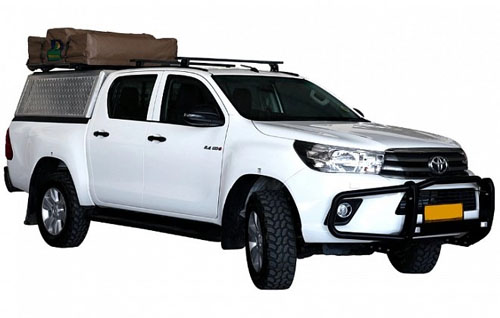
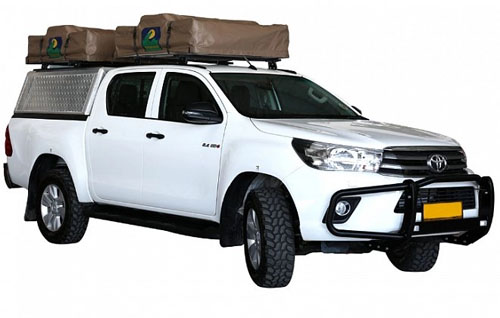
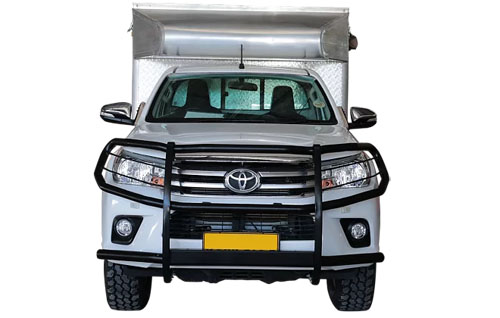
For camping in Namibia, particularly when venturing beyond well-maintained tarred roads, robust vehicles such as Class TC - Truck Campers or agile Class B - Camper Vans are highly recommended due to their maneuverability and often superior ground clearance. Bandana's Class TC - Truck Campers, averaging 5.5 meters in length, are well-suited for 2.1 adults and offer versatility for off-road tracks. Class B - Camper Vans (averaging 5.8 meters and suitable for 2.7 adults) provide a good balance of comfort and agility. While larger motorhomes like Class C - Alcove (avg. 7.5m), Class SI - Semi-integrated (avg. 6.9m), and Class A - Integrated (avg. 7.5m) offer more living space for larger groups (accommodating Bandana's fleet averages of 4.4, 3.4, and 4 adults respectively), they are generally best suited for maintained gravel roads and established campsites with hookups, rather than challenging off-grid routes.
How to Save on Campgrounds in Namibia
Utilizing campground discount cards, often provided by rental companies or specific camping associations, can be an effective strategy for reducing accommodation costs during your Namibian RV trip. Opting for municipal or regional campgrounds over private resorts, especially during the shoulder seasons (just outside peak winter), can lead to significant savings. Additionally, choosing longer stays—three or more nights at a single location—often unlocks advantageous weekly rates, and sharing hookups with fellow travelers at private sites can further split utility costs, making your journey more budget-friendly.
What do I need to pack for an RV trip in Namibia in winter?
For an RV trip in Namibia during winter, comprehensive packing should include layered clothing to accommodate warm days and cool desert nights, sturdy closed-toe shoes, and essential sun protection such as a hat and high-SPF sunscreen. Insect repellent is also advisable. Beyond personal items, a tailored RV-specific packing list for Namibia's unique environment should include a robust tire repair kit (complete with spare wheels and a compressor), ample water purification tablets or a reliable water filter, and consider a good quality solar setup for off-grid power needs. Essential gear for remote travel encompasses sand ladders or recovery boards, a comprehensive medical kit for emergencies, binoculars for optimal wildlife viewing, and a high-quality headlamp for navigating campsites after dark.
Is it safe to RV in Namibia in winter?
RVing in Namibia during winter is generally a safe and rewarding experience, provided proper planning and adherence to safety protocols are maintained. It's a popular and viable option for many travelers. Key safety considerations include strictly following wildlife encounter protocols—never approach animals, always secure food properly to avoid attracting them—and understanding vehicle breakdown procedures, especially on the often challenging gravel roads. For diverse traveler needs, including solo female travelers, families, and older adventurers, opting for secure, established campsites, communicating travel plans with someone, and considering a satellite phone for reliable communication in remote areas without cell service are highly recommended safety measures, alongside general personal security awareness.
What are the road conditions like in Namibia in winter?
Namibian road conditions during winter are primarily characterized by dryness, meaning that while paved roads are generally excellent, most secondary routes consist of gravel. These gravel roads can present various challenges, including corrugations, sandy patches, or stony sections, necessitating careful driving and appropriate speed adjustments. Detailed information on specific challenging routes, such as those through Damaraland or the Kaokoveld, is crucial for trip planning, and adjusting tire pressure for different surfaces is vital for maintaining traction and preventing punctures. Safe RV driving in these variable conditions requires reduced speeds on gravel surfaces, maintaining a safe following distance from other vehicles, and remaining vigilant for wildlife and other potential road hazards. A 4x4 RV is often recommended for those planning to explore the more remote or challenging tracks.
Are there specific RVs recommended for Namibian terrain?
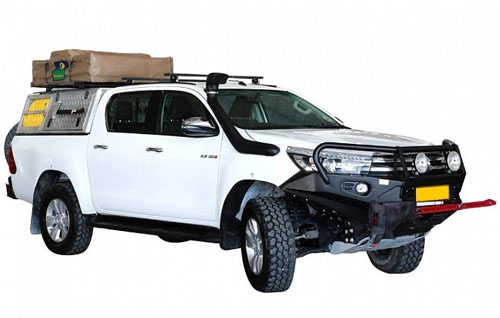
For navigating Namibia's diverse terrain, which often includes extensive gravel roads and occasional sandy tracks, RVs equipped with higher ground clearance, robust suspension, and preferably 4x4 capability are highly recommended. Vehicles like Bandana's Class TC - Truck Campers (averaging 5.5 meters in length) or specially adapted Class B - Camper Vans (averaging 5.8 meters) are frequently preferred for their excellent maneuverability and durability on challenging surfaces. While larger RVs such as Class C - Alcove (avg. 7.5m), Class SI - Semi-integrated (avg. 6.9m), and Class A - Integrated (avg. 7.5m) offer more amenities and living space, their suitability for remote, unmaintained roads is limited, making them better suited for main routes and established campsites.
How to prepare an RV for long-distance travel in Namibia's winter conditions?
Preparing an RV for long-distance travel in Namibia's winter conditions involves a thorough pre-trip vehicle inspection, focusing on critical components like tire condition (checking pressure, tread depth, and ensuring you have at least two spares), fluid levels, and brake functionality. Ensure your RV is equipped with sufficient water storage and reliable purification methods, extra fuel canisters, and a comprehensive spare parts kit specifically tailored to Namibia's remote environment (e.g., fan belts, fuses, specialized tire repair components). It's also crucial to test all onboard systems—water pump, refrigerator, solar charging—before departure, meticulously plan your route to identify essential fuel and resupply points, and strongly consider renting a satellite phone for reliable emergency communication in areas lacking cell service.
What kind of wildlife can I expect to see while RV camping?
RV camping in Namibia, particularly when visiting or staying near national parks like Etosha, provides incredible opportunities to observe a diverse array of wildlife. Expect to encounter elephants, lions, rhinos, giraffes, zebras, and various antelope species. Even at campsites located outside protected areas, it's common to see smaller animals such as jackals, warthogs, and a wide variety of birdlife; always ensure food is properly secured to prevent attracting wildlife. Adherence to strict safety guidelines is paramount: never approach wild animals on foot, maintain a respectful distance, and remain inside your RV or a designated safe area during nighttime hours to prevent potentially dangerous encounters.
How to manage water and waste in an RV in Namibia's remote areas?
Managing water and waste effectively in an RV within Namibia's remote areas necessitates strict conservation practices. Utilize water sparingly for washing and cooking, and always carry an ample supply of potable water for drinking. Responsible waste disposal is paramount; ensure you carry out all trash, including greywater and blackwater, to designated dump stations found at established campgrounds or approved facilities in towns. Never discharge any waste directly into the environment, especially in fragile desert ecosystems, to minimize your ecological footprint and uphold principles of sustainable RV travel. For ideas you can prep on the road, watch our RV-friendly recipes playlist on YouTube.
What are the connectivity options for RV travelers in Namibia?
Connectivity for RV travelers in Namibia is often limited outside the major towns, with cellular service (primarily from MTC, the main provider) being intermittent or completely unavailable in remote regions. While some private campgrounds and lodges offer Wi-Fi, it's generally unreliable and often too slow for consistent communication or heavy data usage. For essential communication and in case of emergencies in remote areas, renting a satellite phone is highly recommended, as it guarantees reliable two-way communication when traditional networks fail.
What local etiquette should RV travelers know in Namibia?
RV travelers in Namibia should practice respectful engagement with local communities by dressing modestly, particularly when visiting rural areas, and always ask for permission before taking photographs of people. Learning a few basic phrases in Afrikaans or a local language, such as "Dankie" (Thank you), can significantly enhance positive interactions and demonstrate respect for the local culture. Beyond wildlife safaris, consider unique cultural experiences like visiting Himba villages (always with a reputable guide) or sampling local cuisine at small eateries, always being mindful of and respectful towards local customs and traditions.
Where can I find fuel stations and re-supply points for RVs?
Fuel stations catering to RVs are readily available in all major Namibian towns, including Windhoek, Swakopmund, and Walvis Bay, and are generally found along the main tarred roads. However, they become significantly scarce once you venture into remote regions. It is therefore crucial to meticulously plan your route and refuel whenever the opportunity arises, as the distances between fuel stations can easily exceed hundreds of kilometers, particularly when exploring areas like the Kaokoveld or certain parts of the Namib Desert. Re-supply points for food and other essentials are also concentrated in the towns; for specialized RV parts or extensive grocery shopping, focus your efforts on the larger urban centers before heading into the more wilderness areas.
Are pets allowed in RV rentals in Namibia?
The allowance of pets in RV rentals in Namibia varies significantly by rental company, with most maintaining strict 'no pet' policies due to potential damage and complex cleaning requirements. Furthermore, even if a rental company permits pets, national parks and many private game reserves in Namibia enforce stringent regulations that prohibit pets to protect the indigenous wildlife and minimize ecological impact. Always confirm directly with your chosen RV rental provider regarding their specific pet policies and ensure that any permitted pets comply with all local regulations and park entry rules before finalizing your travel plans.
Can I do wild camping in Namibia?
Wild camping, or freedom camping, in Namibia is generally not legally permitted within national parks, private game reserves, or on private land without explicit prior permission from the landowner. These restrictions are primarily in place due to safety concerns, wildlife protection, and environmental considerations. While some very remote areas outside designated conservation zones might tolerate discreet overnight stops, it is not officially sanctioned, and travelers should be aware of the associated risks, including personal security and potential wildlife encounters. For a responsible and environmentally sustainable RV travel experience, it is always best to utilize established campgrounds and designated campsites, which minimizes your impact and ensures access to basic facilities while supporting local conservation efforts.
What You Shouldn't Miss
- Embark on an RV journey through Etosha National Park, renowned for its vast salt pan and abundant wildlife congregating at waterholes, making winter an ideal time for game viewing.
- Explore the surreal desert landscapes of Sossusvlei and Deadvlei, where iconic red dunes offer breathtaking photographic opportunities and cooler morning temperatures for climbing.
- Drive a section of the legendary Skeleton Coast, a starkly beautiful stretch of coastline where the desert meets the Atlantic Ocean, though ensure your rented RV is suitable for potential gravel tracks.
- Discover the ancient rock art sites in Twyfelfontein, a UNESCO World Heritage site that provides a fascinating glimpse into prehistoric Namibian life, accessible via well-maintained gravel roads.
- Experience the unique culture and adventure activities in Swakopmund, a coastal town that offers a blend of German colonial architecture and thrilling desert excursions like quad biking or sandboarding.
- Venture into the rugged beauty of Damaraland, known for its dramatic rock formations, desert-adapted elephants, and ancient Welwitschia plants, often requiring careful navigation on gravel roads.
Final Thoughts
Embarking on an RV adventure in Namibia during winter offers a unique blend of comfortable exploration and spectacular natural beauty. From the wildlife-rich plains of Etosha to the awe-inspiring dunes of Sossusvlei, a rented RV provides the perfect mobile base for discovering this incredible country.
Remember, thorough planning is key, from booking your vehicle and campsites well in advance to packing the right essentials for the varied climate. By leveraging resources like RV PLANET (rvplan.net) for route planning and campsite discovery, you can ensure a seamless and unforgettable journey. So, pack your sense of adventure and get ready to explore the wonders of Namibia by RV!