
In This Guide
- Where to Camp in Maine — Top Options
- Campground Types in Maine (National, Private, Wild)
- Featured RV Park or Campground in Maine
- Hookups & Amenities — What to Expect
- Booking Windows & Reservations in Maine
- Nearby Supermarkets & Resupply Points
- Best RV Class for Camping in Maine
- How to Save on Campgrounds in Maine
- Is RV camping year-round in Maine
- What is the coldest month in Maine
- What are the challenges of RVing in Maine
- Is it safe to drive an RV in Maine in winter
- How do I prepare an RV for winter camping
- Can you boondock in Maine in winter
- What are the best RV rentals for winter in Maine
- Is Acadia National Park open in winter for RVs
- What are some popular RV destinations in Maine
- How much does it cost to rent an RV in Maine
- What is the average gas mileage for an RV in Maine
- How far in advance should I book an RV in Maine
Where to Camp in Maine — Top Options
Selecting the right campsite is paramount for a successful winter RV adventure in Maine. During the colder months, the options narrow considerably, with private RV parks and a select few state parks remaining open and offering essential winterized services. When choosing a location, prioritize regions with guaranteed plowed access, such as popular southern Maine coastal towns like Wells or Ogunquit, or areas near larger, year-round service hubs like Bangor. These locations are more likely to maintain well-maintained roads and facilities, ensuring a smoother experience. Always verify that the campground explicitly advertises year-round availability and offers heated, winter-ready sites before making your booking.
Campground Types in Maine (National, Private, Wild)
When planning your winter RV trip in Maine, understanding the types of campgrounds available is key. Private RV parks are generally your best bet for winter camping, as they are equipped to handle cold weather and snow, typically offering full hookups and plowed access. State parks in Maine have very limited winter camping options, often restricted to primitive sites without running water or heated facilities. Dispersed camping, often referred to as 'wild camping' or boondocking, is permitted on some public lands in Maine, particularly within certain Public Reserved Lands or designated areas in the North Woods. However, this type of camping requires extreme self-sufficiency and a thorough understanding of local winter regulations, as deep snow can make many traditional boondocking spots inaccessible. Always research specific land use regulations thoroughly, as rules vary by agency and season.
Featured RV Park or Campground in Maine
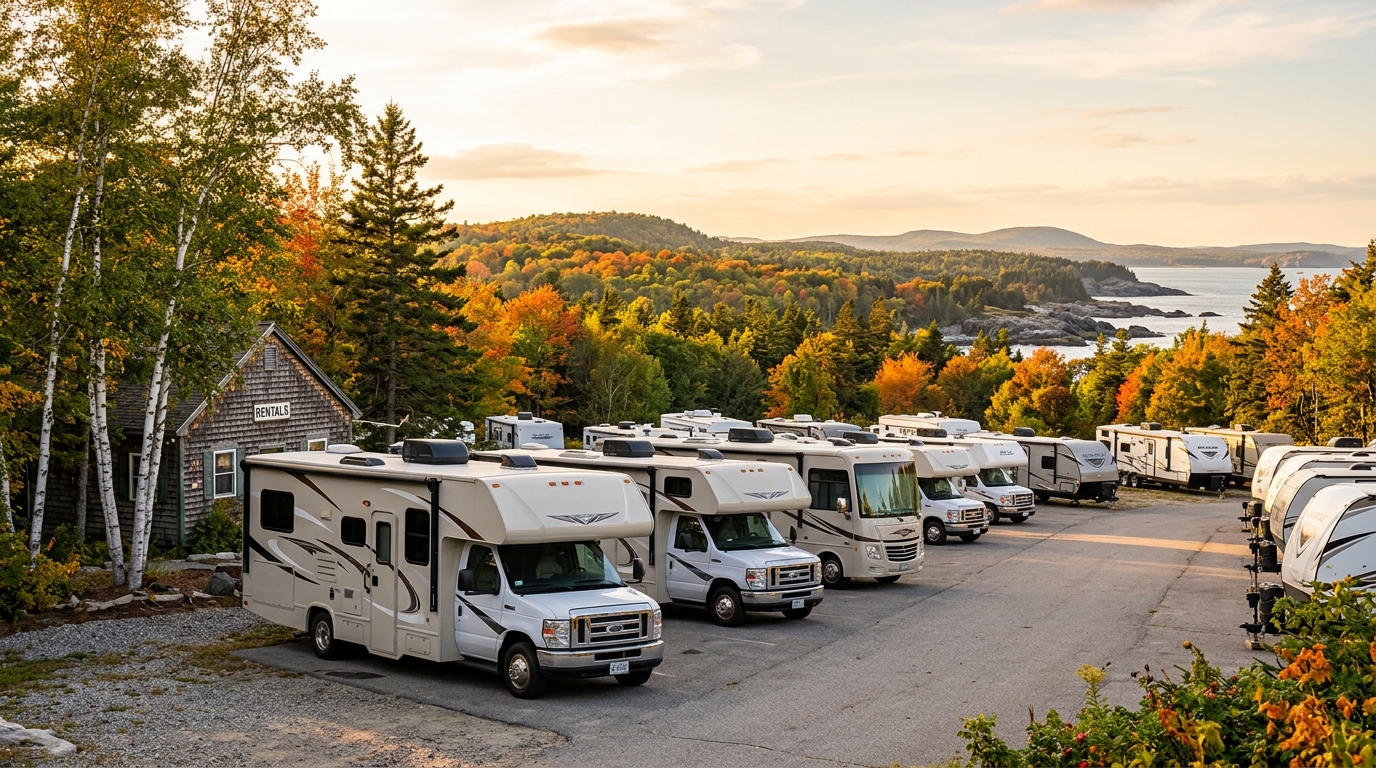
When selecting an RV park for winter camping in Maine, it's crucial to find establishments that cater to cold-weather travelers. Look for parks that explicitly advertise year-round operation and offer heated, winterized amenities. Prioritizing sites with reliable 50-amp electrical service is essential, as this capacity is vital for running multiple heaters and maintaining a comfortable interior temperature. Additionally, check for parks that ensure plowed roads, as navigating snow-covered park roads can be challenging for any RV. On-site staff availability is also a valuable consideration, as they can provide immediate assistance in case of emergencies. Consider the park's proximity to essential services like grocery stores and propane refill stations, and always check recent reviews to gauge other campers' winter experiences at the location. On the routes offered through RV PLANET routes, you can itemize and track every expense along the way for easy budgeting.
Hookups & Amenities — What to Expect
For winter RV camping in Maine, full hookups are not just a convenience; they are critical for maintaining a functional and comfortable living space. Reliable 30 or 50-amp electrical service is paramount, as it powers your RV's heating systems, which are indispensable in Maine's frigid temperatures. Water hookups can be variable in winter; some campgrounds might offer central spigots, while others may require you to bring your own water or use heated hoses to prevent freezing. Similarly, dump stations may have specific winter operating hours or even be closed altogether, so it’s always wise to confirm their availability and operating status with the campground in advance. Beyond essential utilities, look for valuable amenities like heated bathhouses, which offer a warm respite, and laundry facilities. Reliable Wi-Fi, though sometimes spotty in winter, can also be a welcome amenity for staying connected.
Booking Windows & Reservations in Maine
While winter generally sees lower demand for RV camping compared to peak seasons, it's still advisable to book your winter RV rental and campsites in Maine several weeks to a month in advance, especially if your travel dates coincide with holidays or if you have your heart set on a specific winterized RV model. Availability for truly winterized units may be more limited than during other times of the year. Many private campgrounds in Maine release 100% of their sites for reservation, unlike national or state parks where only a portion might be reservable. Always call campgrounds directly to confirm their winter operating hours and site availability, even if you're planning a same-day booking, as conditions can change rapidly due to weather. This direct confirmation ensures you have accurate, up-to-date information.
Nearby Supermarkets & Resupply Points
When planning your winter RV trip resupply in Maine, focus on major towns and cities where larger supermarket chains like Hannaford, Shaw's, and Walmart are typically open year-round and offer a full range of groceries and essential supplies. It’s crucial to stock up on necessities before heading into more remote areas, as many smaller, seasonal stores will likely be closed or operating with significantly reduced hours. Before departing from a larger town, always verify the availability of propane refills, often found at hardware stores or larger gas stations. Having a good supply of propane is essential for keeping your RV warm and your cooking facilities operational throughout your trip. For ideas you can prep on the road, watch our RV-friendly recipes playlist on YouTube.
Best RV Class for Camping in Maine
For winter camping in Maine, practical choices often come down to maneuverability and effective heating. Class B Camper Vans are highly recommended due to their compact size, making them easier to navigate on potentially snowy roads and simpler to keep warm, and they typically offer good fuel efficiency. For example, Bandana's global fleet averages Class B models at around 5.8 meters in length, suitable for 2-3 sleeping places, and consuming approximately 8-10 Liters/100 km. Class C Alcove RVs offer more living space and amenities, with Bandana's global fleet averaging 7.5 meters in length and accommodating 4-6 sleeping places, with fuel consumption around 10-12 Liters/100 km. However, when considering a Class C, it’s vital to ensure it has robust winterization features like heated tanks and superior insulation. Other options include Class SI Semi-integrated models, which offer a balance of space and maneuverability, or Class A Integrated models, though their larger size might pose challenges on winter roads. Truck Campers are also viable, providing a more compact solution, but space can be limited.
How to Save on Campgrounds in Maine
To make your winter RV trip in Maine more budget-friendly, consider utilizing discount cards or memberships offered by RV rental providers like Bandana. Many private campgrounds also offer more affordable rates during the off-season; it's always worth inquiring about potential weekly or monthly rates, especially for longer stays, as demand is typically lower. Look into municipal or regional parks if they are open year-round, as they often provide more budget-friendly options compared to private resorts. While national parks have limited winter operations, researching their specific winter camping policies might reveal cost-saving opportunities.
Is RV camping year-round in Maine
Yes, RV camping is indeed possible year-round in Maine, but it requires careful planning and a good understanding of seasonal limitations. The number of open campgrounds significantly decreases outside of the peak summer and fall foliage seasons. Most state parks close their RV facilities during the winter months, making private campgrounds with specific winterized sites your primary option. While winter camping offers a unique solitude and access to activities like skiing and snowshoeing, it’s crucial to confirm the current operating status of any campground before you travel, as conditions and services can vary greatly.
What is the coldest month in Maine
January is typically the coldest month in Maine, with average temperatures often ranging from -12°C to -4°C (10°F to 25°F), making robust RV winterization and proper planning absolutely essential for comfort and safety. February can also be extremely cold, presenting similar temperature challenges. While coastal areas tend to be slightly milder than inland regions, they still experience freezing temperatures, and you should be prepared for snow and ice from late November through March. Always ensure your rented RV is equipped for these conditions, particularly with regards to heating and insulation.
What are the challenges of RVing in Maine
RVing in Maine, especially during winter, presents unique challenges that require preparation. Road conditions can vary significantly, from narrow, winding coastal roads to potentially unpaved logging roads in more remote areas, some of which may have RV length restrictions or become impassable due to snow. Cellular service can be unreliable in wilderness areas like the North Woods or Downeast Maine, necessitating offline navigation and communication plans. Finding available propane refills and dump stations beyond major towns or designated winter campgrounds can be very limited, requiring careful resource management. Additionally, spring brings "mud season," which can create difficult off-pavement travel conditions due to thawing ground.
Is it safe to drive an RV in Maine in winter
Driving an RV in Maine during winter can be safe with the right preparation, an appropriate vehicle, and cautious driving habits, but it demands constant awareness of snow, ice, black ice, and reduced visibility. It's essential to choose an RV with good traction; inquire about winter tire availability for rentals. Always monitor weather forecasts closely and avoid driving during active storms or periods of heavy snowfall. Be mindful that some scenic routes or unpaved logging roads may be unmaintained or impassable in winter, and ferry access or restrictions to islands can change with weather. Always carry an emergency kit with essentials like blankets, food, water, and traction aids such as sand or kitty litter.
How do I prepare an RV for winter camping
Preparing an RV for winter camping in Maine involves ensuring the vehicle is properly winterized and packing cold-weather essentials. Verify that your rental RV has heated tanks, insulated water lines, and a robust furnace, ideally a 4-season package. Pack thermal clothing, extra blankets, and if your rental permits and has 50-amp service, consider a portable electric heater for supplemental warmth. Carry a shovel, ice scraper, and traction aids; if freshwater tanks aren't fully winterized, fill them only as needed to prevent freezing. It’s also wise to account for all essential items, including pet supplies, as services can be scarce in remote winter areas.
Can you boondock in Maine in winter
Boondocking, or dispersed camping, in Maine during winter is possible on some public lands, such as certain Public Reserved Lands or within specific regulations in the North Woods. However, it requires extreme self-sufficiency and a realistic understanding of deep snow and accessibility challenges. Research specific land use regulations thoroughly, as rules vary by agency and season, and remember that many traditional boondocking spots may be completely inaccessible due to unplowed roads. Prioritize locations with some form of plowed access or those easily reachable by a capable vehicle with good ground clearance. Ensure you have ample battery power, propane for heating, and a solid plan for waste management in freezing conditions.
What are the best RV rentals for winter in Maine
The best RV rentals for winter in Maine are typically Class B Camper Vans or Class C Alcove models specifically advertised as 'winterized.' These vehicles should feature heated tanks, robust insulation, and reliable heating systems to combat the cold. Look for rentals that offer 4-season packages, which often include enhancements like dual-pane windows for better insulation. Ensure the furnace is in excellent working order and inquire about additional heating options. Consider models with larger propane tanks for extended heating and always verify ground clearance for snow and ice, asking about tire types, such as all-season or dedicated winter tires.
Is Acadia National Park open in winter for RVs
Acadia National Park remains open to visitors in winter, but RV access and camping are significantly limited. Most park roads, including the scenic Loop Road, are closed to vehicles after the first snowfall and remain closed throughout the winter months. Blackwoods Campground, Acadia's only year-round option, converts to primitive camping with no running water and only vault toilets available. It’s always best to check the official Acadia National Park website for the most up-to-date information on winter access and camping, as conditions can change rapidly and affect accessibility.
What are some popular RV destinations in Maine
While many popular Maine RV destinations are seasonal, winter travel focuses on areas that offer year-round amenities. Consider destinations around major towns like Portland, Kennebunkport, or Bangor, which provide easier access to private campgrounds with plowed sites and are closer to winter activities. Coastal towns such as Wells or Ogunquit often have year-round RV parks, offering access to winter beach walks and charming, open shops. Inland, areas near ski resorts or extensive snowmobile trail networks may offer limited winter RV parking, providing excellent opportunities for outdoor recreation. Beyond the popular coastal attractions like Acadia, look for destinations that provide access to local cultural experiences, unique regional cuisine beyond lobster, and small-town festivals that can be easily integrated into your RV trip, even during the quieter winter months.
How much does it cost to rent an RV in Maine
The cost to rent an RV in Maine varies significantly based on the RV class, rental duration, and seasonality, with winter rentals potentially offering slightly lower daily rates but requiring careful consideration for increased fuel and propane expenses. Expect daily rental rates to range from approximately $100 to $300+, with Class B Camper Vans or Class C Alcove models typically falling in the middle of this spectrum. Beyond the daily rate, factor in additional costs such as insurance, mileage fees, preparation fees, and any specific winterization packages. Your overall budget should also include campground fees, which can be lower in winter, fuel costs (e.g., a Class C Alcove averages 10-12 Liters/100 km), activity expenses, and, importantly, the significant cost of propane for heating.
What is the average gas mileage for an RV in Maine
The average gas mileage for an RV in Maine is highly dependent on its class and driving conditions. Bandana's global fleet data indicates that Class B Camper Vans typically achieve around 8-10 Liters/100 km, while Class C Alcoves average closer to 10-12 Liters/100 km. It's important to note that winter driving conditions, including snowy roads, headwinds, and colder temperatures, can decrease overall fuel efficiency. Larger RVs, such as Class A Integrated models (averaging 11-12 Liters/100 km in our fleet), will naturally consume more fuel. Always budget extra for fuel, particularly if you plan to travel through varied terrain or remote areas where gas stations are less frequent and prices may be higher.
How far in advance should I book an RV in Maine
For a winter RV rental in Maine, booking approximately 2-4 weeks in advance is generally sufficient to secure a good selection of vehicles. However, if you have specific dates or a particular model in mind, especially around holidays, reserving 2-3 months out is recommended. While winter generally sees lower demand, the fleet of truly winterized RVs can be more limited, so early booking is still beneficial. Last-minute bookings can sometimes yield deals, but they often come with a reduced choice of vehicles. Always confirm the rental company's cancellation policy for peace of mind when planning your trip.
What You Shouldn't Miss
- Explore charming coastal towns like Portland or Kennebunkport, many of which have year-round private campgrounds offering easy access to winter activities and local culture.
- Experience the quiet beauty of Acadia National Park in winter, even with limited road access; hiking or snowshoeing offers a unique perspective on its dramatic landscapes.
- Visit local farmers' markets or small-town festivals if available, offering a taste of Maine's regional cuisine and community spirit beyond the usual tourist fare.
- If conditions allow, try some winter recreation such as cross-country skiing or snowshoeing, taking advantage of Maine's snowy terrain.
- Savor the local culinary scene; beyond lobster, explore unique regional dishes and consider visiting places known for their maple syrup products or craft breweries that may be open year-round.
- Enjoy the solitude and stark beauty of Maine's coastline or forests in winter, a stark contrast to the bustling summer months.
Final Thoughts
Winter RV camping in Maine offers a unique and serene travel experience, distinct from the bustling summer months. While it requires more diligent planning and preparation, the reward is access to stunning, snow-dusted landscapes and a peaceful solitude. By choosing the right RV, understanding the available amenities, and booking strategically, you can navigate the challenges and embrace the magic of a Maine winter.
Remember that flexibility is key when traveling in colder seasons. Embrace the slower pace, allow for unexpected weather changes, and always prioritize safety and comfort. Bandana Caravan is here to support you every step of the way, from comparing rental options to providing resources that help you plan the perfect winter escape.
So, pack your warmest gear, embrace the cozy interior of your rented RV, and get ready to discover the quiet charm of Maine in winter. It’s an adventure that promises breathtaking scenery and a truly unforgettable experience.
