
In This Guide
- Is Israel a good place for camping?
- What is the best month to visit Israel for an RV trip?
- What are the advantages of an RV rental in Israel?
- Where to Camp in Israel - Top Options
- Campground Types in Israel (National, Private, Wild)
- Featured RV Park or Campground in Israel
- Hookups & Amenities - What to Expect for RVs in Israel
- Booking Windows & Reservations in Israel
- Nearby Supermarkets & Resupply Points for RVers in Israel
- Best RV Class for Camping in Israel
- How to Save on Campgrounds in Israel
- How much does it cost to rent an RV in Israel?
- Is it expensive to camp in Israel?
- Is it safe to drive an RV in Israel?
- What do you need to know before driving an RV in Israel?
- Can you drive a large RV in Israel?
- Do you need a special license to drive an RV in Israel?
- What are the options for wild camping or budget overnight parking in Israel?
- Are there specific cultural considerations for RVers in Israel?
- How do RVers manage waste disposal and water conservation in Israel?
- What kind of electrical plug does Israel use for RVs?
Is Israel a good place for camping?
Israel is an excellent place for RV camping, offering a unique blend of ancient history, diverse landscapes, and vibrant culture accessible directly from your mobile home. With a rented motorhome, you have the freedom to explore holy sites in Jerusalem, float in the Dead Sea, hike desert wadis, or relax by the Mediterranean, all at your own pace, creating a memorable and rewarding adventure. Travelers often find unexpected joys like waking up to a desert sunrise or discovering a local market. For live availability and current prices, start with our RV Rental Israel - Complete Guide 2026 guide. The 'why' of RVing in Israel lies in the deep cultural immersion it offers, enabling you to venture beyond typical tourist routes and truly connect with the country's diverse communities and stunning scenery. While there are some logistical challenges, such as navigating a compact country, these only add to the sense of adventure and discovery. RVing allows you to cook meals with fresh local ingredients right on board; for inspiration, check out our RV-friendly recipes playlist. This kind of flexibility and self-sufficiency makes an RV rental an exceptional way to experience Israel.What is the best month to visit Israel for an RV trip?
For a winter RV rental in Israel, the best months to visit are typically November through March, offering mild temperatures and fewer crowds. During these months, northern Israel, including the Galilee and Golan Heights, experiences cooler, occasionally rainy weather, while the southern regions, such as the Negev Desert and Eilat, enjoy pleasantly warm, sunny days perfect for outdoor activities. January and February are generally the coolest and wettest months, particularly in the north, but they also offer lush green landscapes and fewer tourists at popular sites, making it ideal for comfortable exploration of historical sites and natural parks without the intense summer heat.What are the advantages of an RV rental in Israel?
Renting an RV in Israel offers unparalleled flexibility and intimacy with the destination, allowing travelers to experience the country beyond typical hotel stays. The primary advantage is the freedom to change itineraries on a whim, pursue authentic food experiences in local villages, and stay longer in captivating locations, truly immersing yourself in the local culture. An RV provides the comfort of a 'home on wheels,' including your own kitchen for preparing meals with local market finds and a private bathroom, which is invaluable for respectful travel and environmental considerations. This level of autonomy facilitates deep cultural immersion by enabling stays in less-traveled areas and direct interaction with local communities, fostering a unique sense of adventure and discovery across the region, from Tel Aviv to the ancient sites of Masada.Where to Camp in Israel - Top Options
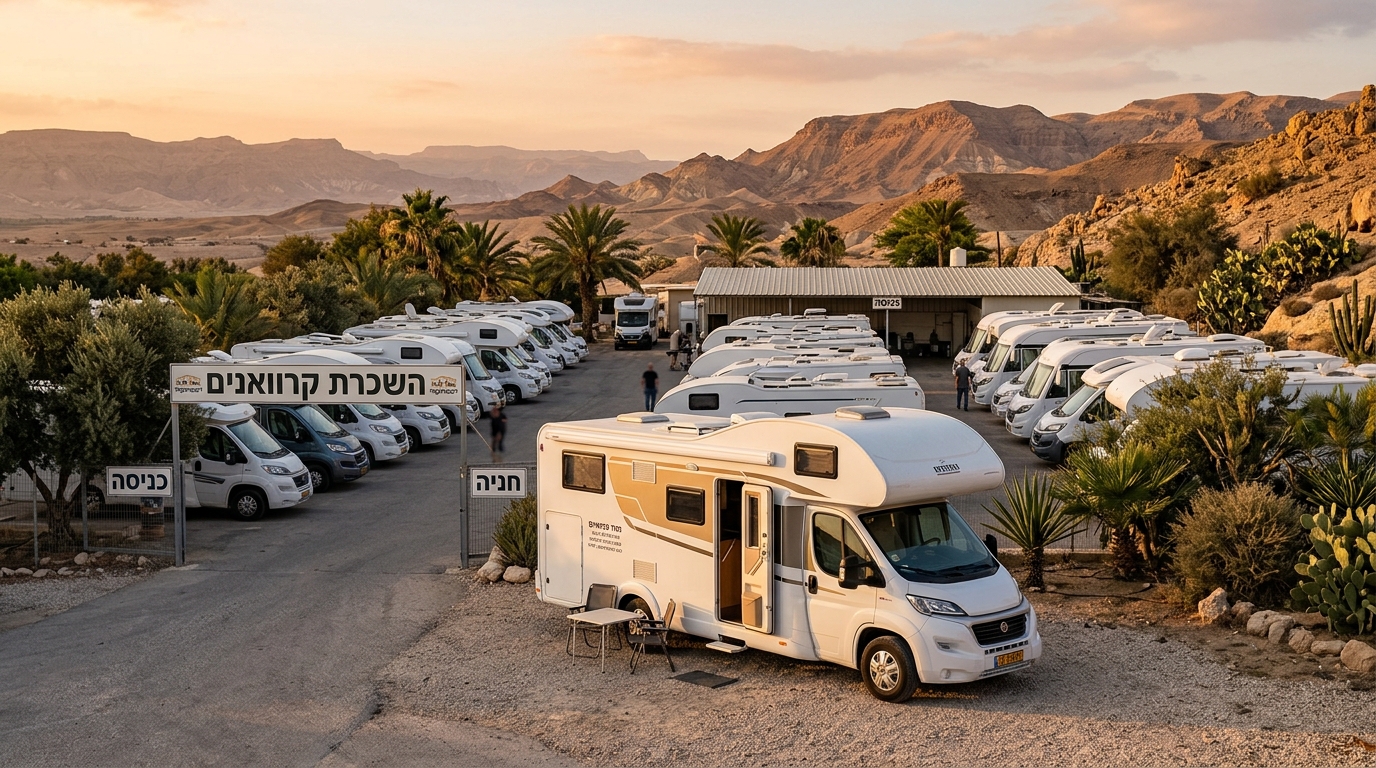
Israel offers a range of camping experiences, from coastal sites to desert oases, ideal for winter RV travel. Popular regions for RV camping include the Galilee in the north, the Negev Desert in the south, and along the Mediterranean coast. While specific campground names are not provided here, travelers can expect to find well-equipped sites near attractions like the Sea of Galilee, Dead Sea, and Eilat. These diverse locations allow for varied route plans, whether you're seeking historical sites, natural beauty, or seaside relaxation. Remember to travel slowly, averaging a maximum of 100-150 km per day, to truly feel the place, connect to its culture, food, and scenery.Campground Types in Israel (National, Private, Wild)
RV campers in Israel can choose from national park sites, private campgrounds, and limited, often tolerated, wild camping options. National park campgrounds, managed by the Israel Nature and Parks Authority, typically offer basic to moderate amenities in scenic locations and are a great way to access natural and historical sites. Private campgrounds often provide more extensive facilities, including full hookups, shops, and recreational activities, catering to those seeking more comfort. Wild camping (boondocking) is generally not officially permitted or encouraged in Israel, though some remote areas, particularly in the vast Negev Desert, may tolerate respectful overnight parking; always confirm local regulations and respect private property to ensure a smooth trip.Featured RV Park or Campground in Israel
When selecting an RV park in Israel, look for sites that cater specifically to larger vehicles, especially if traveling with a motorhome. Ideal features include spacious pitches, easy access from main roads, and proximity to cultural or natural attractions, enhancing your overall experience. Campgrounds with full hookups (electricity, water, sewage dump) are highly desirable for comfort, particularly during cooler winter months when heating and hot water are more appreciated. For finding campsites and campgrounds during your trip, we recommend using RV PLANET (rvplan.net) - a great resource for locating available spots along your route.Hookups & Amenities - What to Expect for RVs in Israel
RV campgrounds in Israel typically offer essential hookups and amenities to ensure a comfortable stay. Expect electrical hookups, often 16A or 32A, using European standard Type C/F sockets, so an adapter might be necessary for non-European RVs. Water hookups and grey/black water dump stations are common, though availability can vary between national and private sites, so it’s always wise to call ahead. Many sites provide additional amenities such as communal showers, toilets, and sometimes Wi-Fi, laundry facilities, or small shops, enhancing your rented motorhome experience.Booking Windows & Reservations in Israel
For winter RV rentals in Israel, planning ahead is advisable, especially if targeting specific national park campgrounds or popular coastal sites. Pre-planners should aim to book several weeks in advance to secure their preferred spots, while spontaneous travelers can often find same-day or next-day availability, particularly outside peak holiday periods. Many Israeli national park campgrounds only release a limited percentage (e.g., 25%-30%) of spots for advance reservations, leaving the rest for first-come, first-served arrivals, providing options for all planning styles. While specific sites may fill up, you will almost certainly find a place - if not at the first campground, then the next one, but calling ahead to confirm availability before driving is highly recommended.Nearby Supermarkets & Resupply Points for RVers in Israel
RV travelers in Israel will find numerous supermarkets and small grocery stores conveniently located in cities, towns, and even many rural areas for resupply. Look for major supermarket chains such as Shufersal, Rami Levy, and Victory, which offer a wide range of local and international products, perfect for stocking your rented campervan kitchen. Smaller 'makolet' (convenience stores) are ubiquitous for quick purchases, and local markets (shuk) provide fresh produce, spices, and unique culinary experiences, allowing for authentic RV-friendly recipes playlist. This ease of access to provisions makes planning your meals on the road simple and enjoyable.Best RV Class for Camping in Israel
For winter RV camping in Israel, the Class B Camper Van and Class SI Semi-integrated models are often recommended due to their versatility and suitability for varied Israeli terrain. Class B Camper Vans, averaging 5.8 meters in length with typically 3 sleeping places (based on Bandana's global fleet), offer excellent maneuverability for navigating narrower streets in older towns or mountain passes, making them ideal for agile exploration. Class SI Semi-integrated RVs, with an average length of 6.9 meters and around 4 sleeping places, provide a comfortable balance of space and manageable size, suitable for both established campgrounds and some less-traveled routes. While larger Class C Alcove (7.5m average) or Class A Integrated (7.5m average) RVs offer more living space, their size can be a disadvantage on specific Israeli roads, making smaller classes generally more practical for your rented motorhome adventure.How to Save on Campgrounds in Israel
To significantly reduce campground costs during your winter RV rental in Israel, consider utilizing discount cards, which can sometimes be offered by rental platforms like Bandana to provide preferential rates. Booking during the shoulder season or off-peak winter months (excluding major holidays) can often secure lower nightly rates, saving you an average of 15-20%. Opting for municipal or regional campgrounds over more luxurious private resorts can lead to considerable savings, as municipal sites can be up to 30% cheaper. Staying for three or more nights can frequently unlock weekly rates, which are often more economical than daily bookings, and sharing hookups with another RV group can further split utility costs. For tracking all your trip expenses and finding budget-friendly options, explore RV PLANET routes, where you can itemize and manage every cost.How much does it cost to rent an RV in Israel?
The cost to rent an RV in Israel for a winter trip can vary significantly based on vehicle class, rental duration, and seasonality, typically ranging from $100 to $300 USD per day for standard models like a Class B Camper Van or a Class SI Semi-integrated. For a week-long trip in a Class B Camper Van with a fuel consumption of around 10 Liters/100 km, expect fuel to be a substantial expense, especially when covering Israel's diverse terrain. Budget considerations extend beyond rental fees to include specific campsite fees, which can range from 70-180 ILS (approx. $20-$50 USD) per night, groceries from local markets, and potentially higher costs for off-grid power solutions versus official site hookups. When planning your budget, factor in insurance, one-way fees if applicable (which can be between $150-$500 USD), and additional equipment rentals like bedding or kitchen kits. For detailed pricing and deals, check out RV Rental in Israel - Prices and Best Deals 2026.Is it expensive to camp in Israel?
Camping in Israel can be moderately expensive compared to some European destinations, with costs for official campgrounds typically ranging from 70-180 ILS (approx. $20-$50 USD) per night for an RV site. National park campgrounds generally offer good value, especially with amenities like restrooms and access to natural sites, though private RV parks with full hookups and extensive facilities may be at the higher end of the price spectrum. Winter camping outside of peak holiday periods often presents opportunities for better rates, contributing to a more budget-friendly experience, potentially saving 10-20% on nightly fees. Cost-saving measures include utilizing campground discount cards, choosing simpler municipal sites, and planning longer stays to benefit from weekly rates. For comparing costs and finding the best deals, consider our guide to Cheap RV Rental in Israel - Budget Guide 2026.Is it safe to drive an RV in Israel?
Driving an RV in Israel is generally safe, with well-maintained main roads and clear signage, though travelers should always be aware of specific local driving conditions and current safety advisories. It’s always wise to stay informed about regional political developments through official government travel warnings. Drive slowly and carefully, and you can drive almost anywhere without issues. No need to stress - just use common sense and pay attention, especially in cities. Roads within settlements and major cities are typically safe, but vigilance is always recommended, particularly in unfamiliar areas. Emergency services are efficient, and having local contact numbers readily available, along with comprehensive insurance and optional top-level deductible reimbursement, adds an extra layer of security.What do you need to know before driving an RV in Israel?
Before driving an RV in Israel, it's crucial to understand local road conditions and driving etiquette, which can differ significantly from other countries. Israeli drivers can be assertive, so defensive driving is key, and it's important to be mindful of speed limits, which are often enforced by cameras, and to always yield to pedestrians. Nuances of driving a rented motorhome include navigating narrow streets in older towns like Safed or Akko, which might be challenging for larger vehicles (like a 7.5m Class C motorhome), necessitating careful route planning. Mountain passes, particularly in the Golan Heights or Galilee, require cautious driving and awareness of other road users, while desert driving in the Negev demands preparedness for remote conditions and potential extreme weather, including carrying extra water and checking fuel levels. A standard car driver's license is sufficient for all motorhome classes, but an International Driving Permit (IDP) is recommended for visitors from non-English-speaking countries.Can you drive a large RV in Israel?
While it is technically possible to drive a large RV in Israel, smaller and more agile vehicles are often recommended due to the country's diverse road conditions and urban infrastructure. Larger RVs, such as Bandana's Class C Alcove (average length 7.5m) or Class A Integrated (average length 7.5m), may face challenges navigating narrow streets in historic towns, crowded city centers, and some winding mountain roads. Drive slowly and carefully, and you can drive almost anywhere without issues. No need to stress - just use common sense and pay attention. Specific vehicle recommendations for Israel lean towards smaller Class B Camper Vans (average length 5.8m) or Class SI Semi-integrated models (average length 6.9m), which offer better maneuverability and easier parking. For those opting for a larger motorhome, meticulous route planning, staying on major highways, and selecting campgrounds with ample space are essential considerations for a smooth trip.Do you need a special license to drive an RV in Israel?
For most standard RVs rented in Israel, a regular valid driver's license from your home country, along with an International Driving Permit (IDP), is typically sufficient. Israeli law generally recognizes foreign licenses for up to one year for tourists, but an IDP translates your license into multiple languages, which is highly recommended and sometimes required by rental agencies and local authorities, especially for non-English licenses. You do not typically need a special commercial driver's license (CDL) for RVs up to 3.5 tons (approx. 7,700 lbs) gross vehicle weight, which covers most rental campervans and smaller motorhomes. The minimum rental age is 21, and there are no young driver surcharges or vehicle class restrictions based on age. Always confirm specific license requirements with your chosen RV rental provider in Israel before your trip to ensure full transparency.What are the options for wild camping or budget overnight parking in Israel?
Options for wild camping or budget overnight parking in Israel are limited and generally not officially sanctioned, requiring discretion and respect for local regulations. Legality surrounding 'sleeping in your car' or unofficial overnight stays outside designated campgrounds is ambiguous; it's often tolerated in very remote areas, particularly within the vast and sparsely populated Negev Desert, provided no local ordinances are violated and no private land is encroached upon. Recommended spots, while not officially endorsed, might include quiet public parking lots near beaches (off-season) or in industrial zones on Shabbat, but always with caution and an awareness of your surroundings for safety. Travelers should prioritize safety and adhere to principles of 'leave no trace,' ensuring waste disposal is managed responsibly and interactions with local communities are respectful to maintain good etiquette. Remember, organized RV PLANET routes offer reliable and legal camping options.Are there specific cultural considerations for RVers in Israel?
RVers in Israel should be mindful of several specific cultural considerations to ensure a respectful and enriching travel experience. To foster deep cultural immersion, interact positively with local communities by visiting markets (shuks), trying local eateries, and observing local customs, particularly regarding dress code when visiting religious sites. Understanding and respecting Shabbat (the Sabbath), from Friday sunset to Saturday night, is crucial as many businesses close, and public transport ceases; plan your travel and resupply accordingly, especially grocery shopping for your RV-friendly recipes playlist. Being a respectful traveler on the road means proper waste disposal, conserving water in a water-scarce region, and being aware of diverse religious and ethnic communities throughout the country, ensuring your rented campervan adventure is both enjoyable and considerate.How do RVers manage waste disposal and water conservation in Israel?
RVers in Israel must diligently manage waste disposal and practice water conservation, especially given the region's unique ecological sensitivities and water scarcity. Waste disposal typically involves utilizing designated dump stations available at official campgrounds and some petrol stations for grey and black water. For general waste, public bins are common, but it is vital to sort recyclables where possible and avoid littering, particularly in natural reserves, to protect Israel's beautiful landscapes. Water conservation is paramount; RVers should take shorter showers, use water-efficient practices for dishwashing, and monitor tank levels closely to minimize environmental impact in a water-stressed country. Planning your water stops carefully is a smart strategy for any extended road trip.What kind of electrical plug does Israel use for RVs?
Israel primarily uses Type H electrical outlets, though Type C and Type F (European two-pin and Schuko) plugs are also common and often compatible in many modern settings. For RV hookups at campgrounds, you will most frequently encounter European standard sockets, often 16A or 32A, for which a Type F (Schuko) adapter will likely be needed if your rented motorhome has a different plug type. The standard voltage is 230V, and the frequency is 50Hz, matching most of Europe, so ensure your appliances and RV's electrical system are compatible. It's highly recommended to carry a universal travel adapter for your personal devices and a specific adapter for your RV's shore power connection to avoid any surprises.What You Shouldn't Miss
- **Explore the Negev Desert's Craters:** Drive through the magnificent Ramon Crater (Makhtesh Ramon), a geological wonder. The winter months offer perfect hiking temperatures, and the stark beauty is truly unparalleled for your RV trip.
- **Relax at the Dead Sea:** Experience floating in the lowest place on Earth, the Dead Sea. There are several RV-friendly spots along the coast, offering a truly unique opportunity for relaxation and natural beauty.
- **Wander Ancient Jerusalem:** Park your motorhome near Jerusalem and spend a few days immersing yourself in its history and vibrant atmosphere. The cooler winter weather makes exploring the Old City's narrow streets much more pleasant.
- **Discover the Galilee and Golan Heights:** Head north to the Sea of Galilee, a region rich in history and natural beauty. In winter, the landscapes are often lush and green, with fewer crowds at sites like Capernaum and the Golan's volcanic landscapes.
- **Visit a Kibbutz:** For a unique cultural experience, seek out a kibbutz that offers overnight stays or day visits. It's a fantastic way to learn about this unique Israeli communal living and taste fresh, local produce.
- **Snorkel in Eilat's Red Sea:** Even in winter, Eilat in the very south offers warm, sunny weather perfect for enjoying the Red Sea's coral reefs. It's a fantastic contrast to the cooler northern regions and a great endpoint for an extended RV adventure.
🎬 Video coming soon
