In This Guide
- Where to Camp in Iceland - Top Options
- Campground Types in Iceland (National, Private, Wild)
- Featured RV Park or Campground in Iceland
- Hookups & Amenities - What to Expect
- Booking Windows & Reservations in Iceland
- Nearby Supermarkets & Resupply Points
- Best RV Class for Camping in Iceland
- How to Save on Campgrounds in Iceland
- What is the weather like for RV camping in Iceland in winter?
- Do I need a 4WD RV for winter in Iceland?
- How much does a winter RV rental in Iceland cost?
- Is RVing in Iceland safe in winter?
- What are the best winter RV itineraries in Iceland?
- What should I pack for a winter RV trip in Iceland?
- How to practice responsible RV tourism in Iceland?
- Is RV travel in Iceland better than car and hotel in winter?
Imagine yourself surrounded by Iceland's dramatic, snow-dusted landscapes, cozy inside your warm, rented motorhome, with the chance of the Northern Lights dancing overhead. Winter RV camping in Iceland is an adventure unlike any other, offering unparalleled freedom to explore the Land of Fire and Ice in its most magical season. While it presents unique challenges, the rewards are immense, from fewer crowds to breathtaking icy vistas and the elusive aurora. At Bandana RV, we specialize in helping travelers like you discover these incredible journeys with full transparency and dedicated support. For live availability and current prices, start with our RV Rental Iceland - Complete Guide 2026 guide.
Where to Camp in Iceland - Top Options
Camping in Iceland during winter is primarily restricted to designated campgrounds, with options commonly found near major towns or along popular tourist routes like the Golden Circle and the South Coast. Unlike summer, fewer sites remain open, but those that do are often equipped for colder weather, sometimes offering heated facilities and a welcoming community atmosphere. For a week-long or longer trip, these established sites provide safety and essential services.
Popular winter-open campgrounds include Reykjavík Campsite, known for its central location and robust facilities, and sites near iconic natural features like Skógar (close to Skógafoss waterfall) and Skaftafell (within Vatnajökull National Park), offering essential facilities even in the off-season. Always check the current opening status and available amenities for any Icelandic campground before driving, as these can vary significantly during the winter months. Many travelers find that comparing prices and deals for their campervan rental in Iceland beforehand helps allocate more budget to these quality campsites.
Campground Types in Iceland (National, Private, Wild)
Iceland's campground landscape primarily consists of private and municipal sites, with wild camping for RVs being largely illegal and subject to significant fines to protect its fragile ecosystem. For RVers, especially in winter, these designated private and municipal campgrounds, found near Reykjavík or strategically along the Ring Road, are the legal and most viable options, providing access to necessary services such as water and waste disposal. Understanding the strict rules around wild camping is crucial for responsible tourism in Iceland.
While fewer national park campgrounds remain open in winter, those that do provide structured facilities within scenic protected areas, such as Skaftafell. It's important to remember that all overnight stays with a rented motorhome or campervan must be in official campgrounds. Trying to wild camp with an RV is prohibited across most of Iceland; this rule is rigorously enforced to prevent damage to the delicate moss and vegetation, which can take decades to recover from off-road disturbances. Our commitment to full transparency means we encourage all renters to adhere to local regulations and avoid any hidden fees from fines.
Featured RV Park or Campground in Iceland
When selecting an RV park in Iceland for winter, prioritizing sites with heated facilities, electricity hookups, and a sheltered location is crucial for maximum comfort and safety. A prime example is Reykjavík Campsite, which operates year-round and offers excellent amenities for winter travelers, including heated showers and indoor cooking areas. Such sites become invaluable sanctuaries from the cold and wind, making your winter RV experience truly enjoyable.
Look for campgrounds that explicitly state "year-round operation" and confirm the availability of amenities like warm showers, indoor cooking areas, and laundry facilities, as some services may be limited or closed during the quieter winter season. Checking recent reviews for winter experiences can provide invaluable insight into road access, snow removal, and the overall functionality of amenities. A truly featured campground provides not just basic services but also a sense of security and community, often with staff on site to assist with any concerns, providing the kind of 24/7 support Bandana RV travelers appreciate from their chosen destinations.
Hookups & Amenities - What to Expect
RV campgrounds in Iceland typically offer standard European hookups, including 220-240V electricity, fresh water, and waste disposal (dump stations), which are absolutely essential for comfortable winter RV travel. Having reliable electricity is critical for running your RV's heating system and charging devices. Most sites feature shared amenities like showers, toilets, and often indoor cooking facilities; however, always verify availability as some services may be limited or closed during the quieter winter season. On the routes offered through RV PLANET routes, you can itemize and track every expense along the way for easy budgeting.
Many campgrounds also provide Wi-Fi, though coverage and speed can vary, and laundry facilities are common, allowing travelers to manage logistics effectively on the road during a longer trip. Winter RVers should specifically confirm heated water access for showers and sufficient heating within their rented RV, as exterior water spigots at campsites may be frozen. When cooking inside your RV, having a well-equipped kitchen makes a big difference, allowing you to prepare warm meals even in chilly weather. For some inspiration, check out our RV-friendly recipes playlist.
Booking Windows & Reservations in Iceland
While summer RV rentals and campgrounds in Iceland often require bookings 6-12 months in advance, winter offers significantly more flexibility for spontaneous travelers, though calling ahead is still highly recommended. Many national and state parks reserve only 25-30% of their spots, leaving the majority available on a first-come, first-serve basis. You'll find a spot; if not at the first campground, then the next one. Always call ahead before driving.
During the winter off-season, many Icelandic campgrounds operate on a first-come, first-served basis, and it's rare for them to be fully booked, unlike the peak summer months. Even when not strictly necessary, making a reservation or calling the campground directly ensures they are open, have the desired hookups, and are accessible given potential winter road conditions. For those who prefer to plan every detail, booking a few days or weeks in advance can secure a preferred spot, but generally, same-day or next-day bookings are feasible during the colder months, offering flexibility for those chasing weather windows or specific Northern Lights viewing opportunities. You can often find great RV Rental Deals in Iceland - Latest Offers 2026 if you are flexible.
Nearby Supermarkets & Resupply Points
Resupplying your winter RV adventure in Iceland is straightforward as major towns along the Ring Road offer access to supermarket chains like Bónus, Krónan, and Nettó, ensuring you can keep your rented campervan stocked with essentials. Bónus, recognized for its distinctive pink pig logo, generally offers the most budget-friendly prices, making it a popular choice for stocking up on groceries for a week-long trip. Planning your itinerary through RV PLANET routes can help itemize and track every expense, including groceries, along the way for easy budgeting.
Krónan typically provides a wider selection of fresh produce and specialty items, while Nettó often has convenient locations in smaller towns, ensuring resupply points are never too far off your route, even in winter. It's wise to plan your grocery stops, especially in winter, as smaller towns may have limited opening hours or selection, and some areas, particularly in the Westfjords or Highlands, have sparse options. This logistical planning is part of the detail that makes Bandana RV your true RV specialists.
Best RV Class for Camping in Iceland
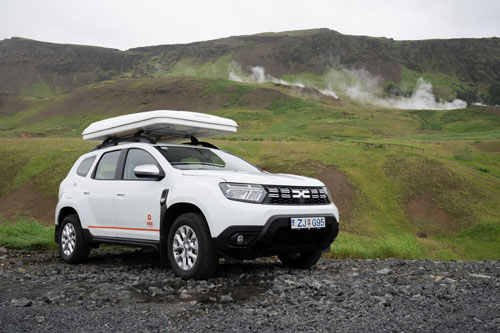
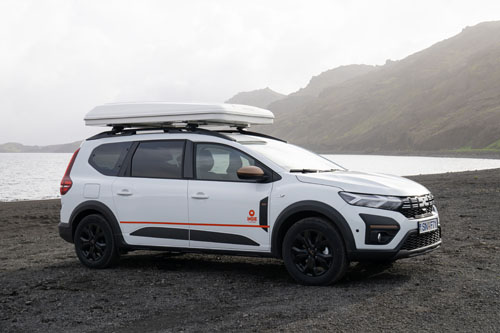
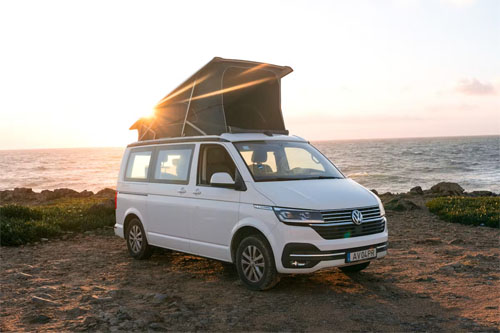
For winter camping in Iceland, Class B Camper Vans and Class SI Semi-integrated motorhomes are often the most recommended due to their maneuverability, heating capabilities, and suitability for varying road conditions. Class B Camper Vans, averaging around 5.8 meters in length with sleeping for 3-4 people, offer excellent fuel efficiency (around 10 Liters/100 km) and can often be found in 4WD variants in Iceland, which provides added traction on icy or snowy roads, although F-roads are typically closed in winter.
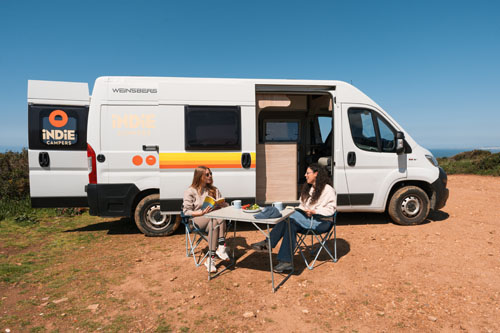
Class SI Semi-integrated RVs, at an average length of 6.9 meters for 3-4 sleepers, provide more interior space and comfort without being overly cumbersome, and Bandana's global fleet typically consumes 10-11 Liters/100 km. While some suppliers offer robust options like the "4x4 Camper B - THOR" with a 40 Liter fresh water tank and diesel heating system, or the spacious "MIA" Class C motorhome (6.48 meters long with a 100 Liter fresh water tank for 4 sleepers), the best choice depends on your group size and comfort preferences. The "V2L" Class B Camper Van, for example, is 5.99 meters long with a 100 Liter fresh water tank, ideal for 2 people looking for efficient travel. A standard car driver's license is sufficient for all motorhome classes, so you can choose confidently.
How to Save on Campgrounds in Iceland
To save on campground costs in Iceland during winter, utilizing discount cards, opting for municipal sites, and taking advantage of off-season rates are key strategies for budget-conscious RV travelers. Consider purchasing an Icelandic Camping Card, which offers a fixed price for up to 28 nights at participating campgrounds for one lump sum, covering two adults and up to four children. This can significantly reduce overall accommodation expenses on an extended road trip.
Winter provides the advantage of lower demand compared to peak summer prices, meaning many campgrounds offer reduced rates or are more amenable to longer stay discounts. Choosing simpler, municipal or regional campgrounds over private resorts can also significantly lower nightly fees, with some basic sites costing as little as $15-$25 USD per night. For those looking for a "Cheap RV Rental in Iceland - Budget Guide 2026", combining these camping strategies with our comparison platform can help optimize your total trip cost, ensuring no hidden fees surprise you.
What is the weather like for RV camping in Iceland in winter?
Winter weather in Iceland for RV camping is characterized by extreme winds, sudden changes, and cold temperatures, often accompanied by snow, ice, and limited daylight, alongside the magical opportunity for aurora viewing. Temperatures generally hover around freezing (0°C to -5°C), but wind chill can make it feel much colder, necessitating a well-insulated RV with robust heating systems. Drive slowly and carefully, and you can drive almost anywhere without issues. No need to stress - just use common sense and pay attention.
Sudden storms can bring blizzards and high winds, leading to rapid road closures, particularly in mountainous areas or isolated regions, making flexible travel plans and constant monitoring of weather forecasts crucial. The Icelandic Met Office (vedur.is) and Vegagerðin (road.is) are indispensable resources for real-time updates. Despite the challenges, winter offers a unique opportunity to witness the Northern Lights (Aurora Borealis) due to longer nights and often clear skies away from light pollution. For specific advice, our Winter RV Driving in Iceland - Safety Guide 2026 provides essential tips.
Do I need a 4WD RV for winter in Iceland?
While a 4WD RV is not strictly necessary for navigating Iceland's main Ring Road (Route 1) in winter, it offers significant advantages for safety and accessibility on secondary roads, although F-roads are generally closed. Most major roads are regularly plowed and gritted, making 2WD campervans and motorhomes viable for traveling popular routes like the Golden Circle or South Coast, but icy patches and unpaved sections can still pose challenges. For a general overview of options, consider RV Rental in Iceland - Prices and Best Deals 2026.
A 4WD vehicle provides better traction and control in snowy or icy conditions, enhancing safety and confidence, especially when encountering less-maintained roads or adverse weather. Vehicles like the "4x4 Camper B - THOR" are specifically designed for these conditions. However, F-roads, which typically require 4WD, are almost universally closed during winter months, so choosing a 4WD RV specifically for these routes is unnecessary. If your itinerary sticks to main roads and popular attractions, a well-maintained 2WD motorhome with proper winter tires is usually sufficient.
How much does a winter RV rental in Iceland cost?
The cost of a winter RV rental in Iceland typically ranges from $100-$300 USD per day for the rental itself, but a comprehensive budget must also account for fuel, food, activities, insurance, and potential hidden costs. Prices are dynamic, similar to flight tickets, changing daily based on availability, seasonality, and supplier marketing decisions. The final price is set at actual booking time, so early comparison is key to finding the best deals for your week-long or two-week adventure.
Fuel is a significant expense, as Bandana's global fleet average for Class B Camper Vans consumes around 10 Liters/100 km, and Icelandic fuel prices are generally higher than in many other countries. Insurance, including comprehensive coverage for various scenarios like sand and ash damage, gravel protection, and collision damage waivers, can add a substantial amount, often starting from $20-$50 USD per day. You can choose to upgrade to a top-level deductible for extra peace of mind, an optional but recommended addition. Hidden costs can include extra mileage fees, additional driver charges, charges for bedding or kitchen kits, propane refills, and the environmental fees associated with responsible waste disposal at campgrounds. For those interested in Luxury RV Rental in Iceland - Premium Prices 2026, these daily costs can naturally be higher.
For budgeting purposes, consider using RV PLANET routes, where you can itemize and track every expense along the way, ensuring full transparency with no hidden surprises. This allows you to plan effectively whether you're a pre-planner or a spontaneous traveler.
Is RVing in Iceland safe in winter?
RVing in Iceland during winter can be safe with thorough preparation, constant vigilance of weather and road conditions, and strict adherence to emergency preparedness protocols. Before departing on your rented motorhome adventure, consult the Icelandic Met Office (vedur.is) for the latest weather forecasts and Vegagerðin (road.is) for real-time road conditions, which are critical for avoiding hazardous routes or closures. This proactive approach is key to a successful winter journey, and part of the support we offer travelers from day one.
Always carry emergency supplies, including extra warm clothing, food, water, a first-aid kit, and a fully charged phone, and know the emergency number 112 for police, ambulance, and fire services. Be prepared for potential breakdowns by understanding your rental vehicle's features, knowing how to contact your rental company for roadside assistance, and being aware of limited cell service in remote areas. At Bandana RV, our pre-booking and booking support ensures you're well-informed, but local conditions require your active attention during the trip itself.
What are the best winter RV itineraries in Iceland?
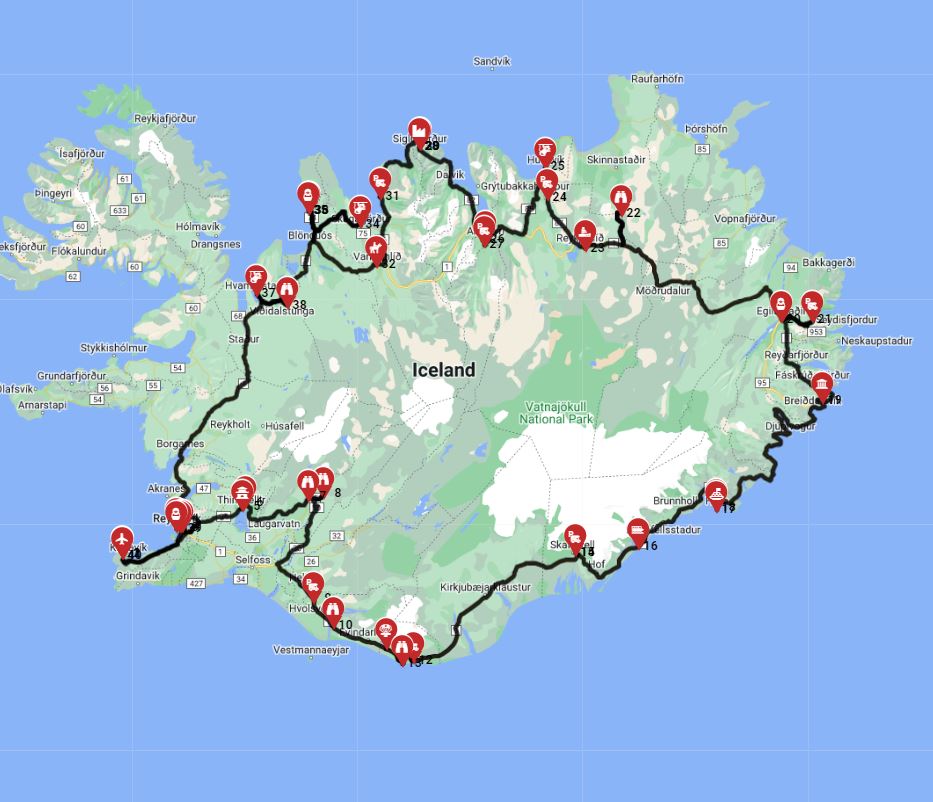
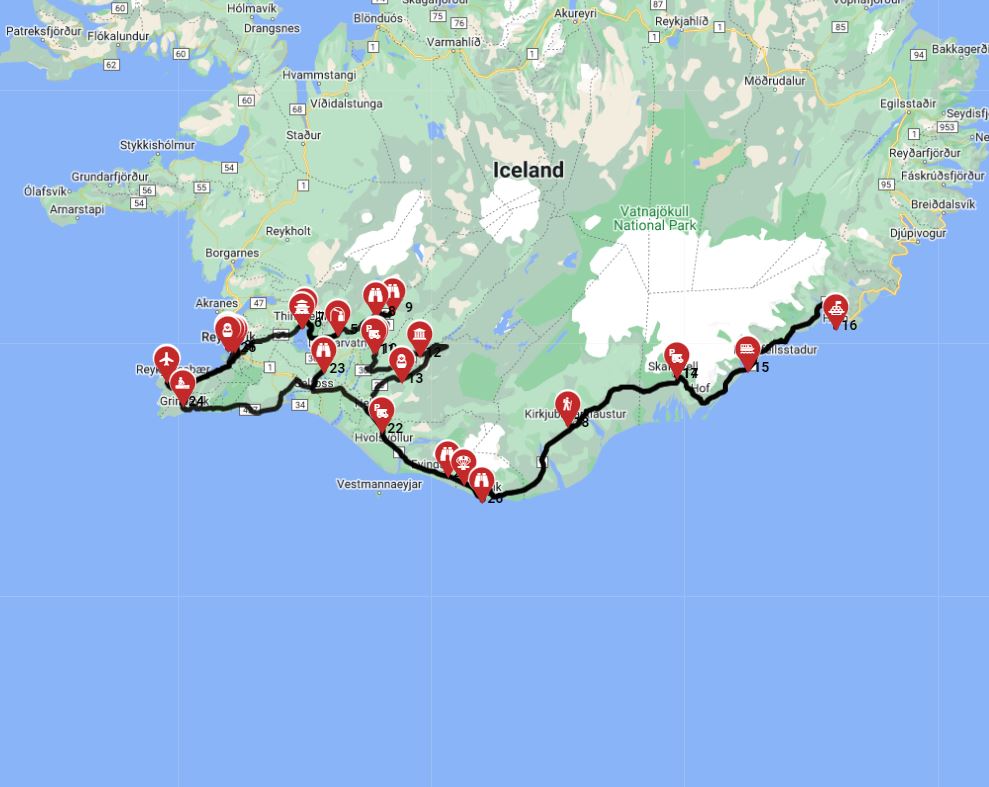
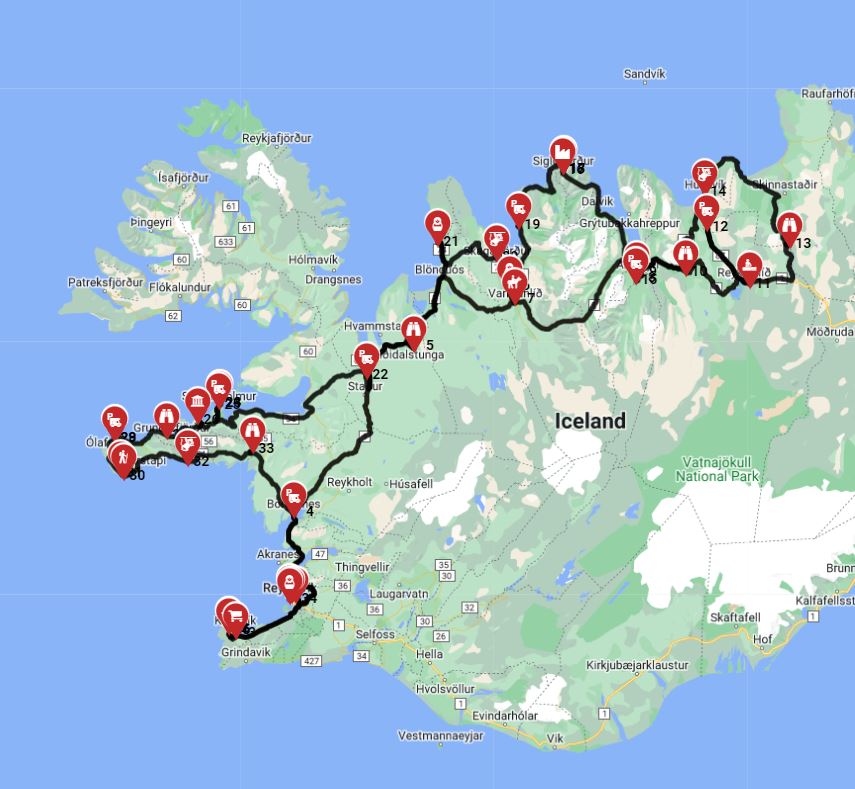
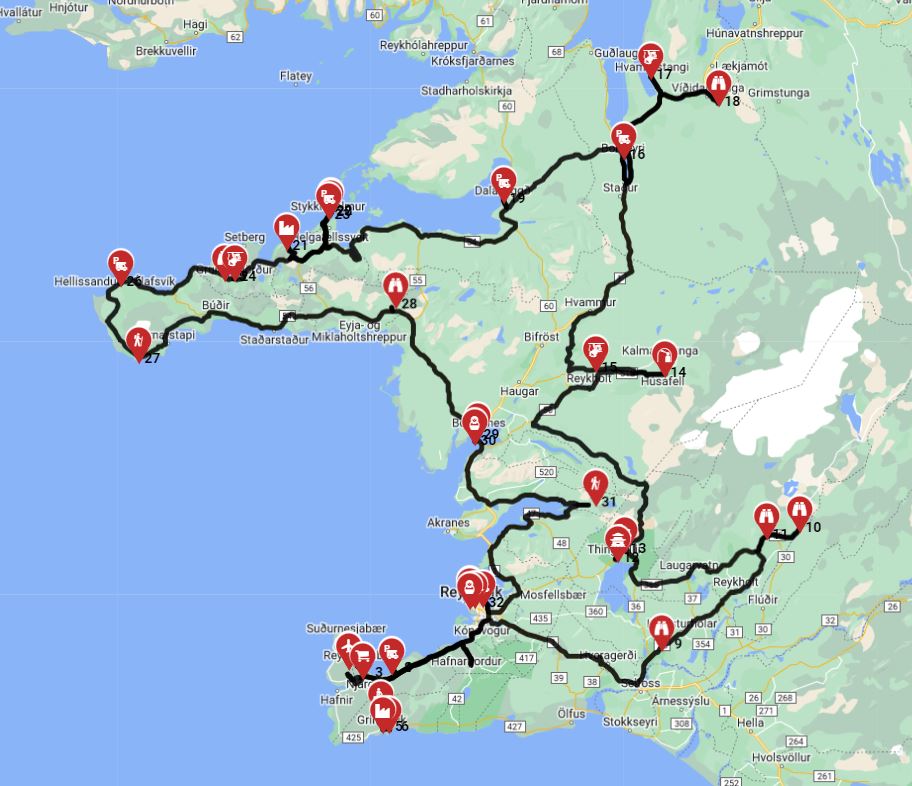
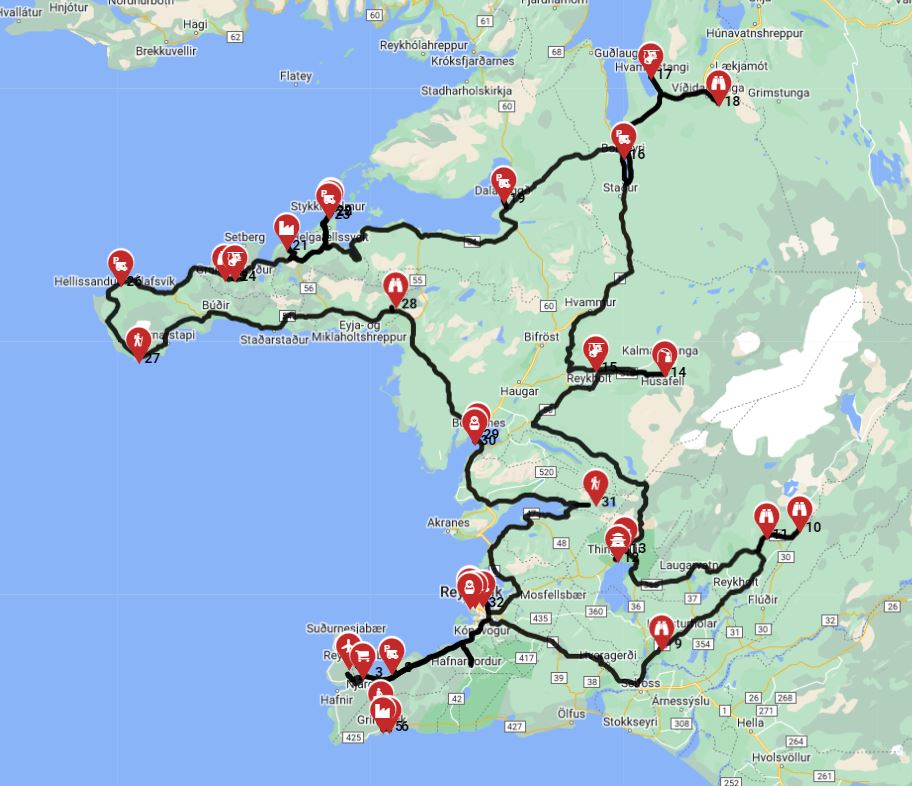
The best winter RV itineraries in Iceland typically focus on the accessible sections of the Ring Road (Route 1) and the Golden Circle, offering stunning snowy landscapes and abundant Northern Lights opportunities. A classic 7-day winter itinerary often covers the Golden Circle (Þingvellir National Park, Geysir geothermal area, Gullfoss waterfall) and then heads east along the South Coast to Jökulsárlón glacier lagoon, emphasizing popular, well-maintained routes with ample facilities. We always recommend slow travel, averaging a maximum of 100-150 km per day, to truly feel the place and connect with the culture, food, and scenery.
For a slightly longer trip, consider extending to the Eastfjords if road conditions permit, offering quieter coastal towns and dramatic mountain scenery, best suited for robust RVs like 4WD campervans, as mentioned in our One-Way RV Rental in Iceland - Price Guide 2026. Exploring less-known but accessible sights like the Reykjanes Peninsula's geothermal areas or the Snaefellsnes Peninsula provides diverse experiences without venturing into high-risk, unmaintained winter roads. Our Rent&Plan service includes pre-planned routes by professionals, helping you discover top destinations with minimal effort.
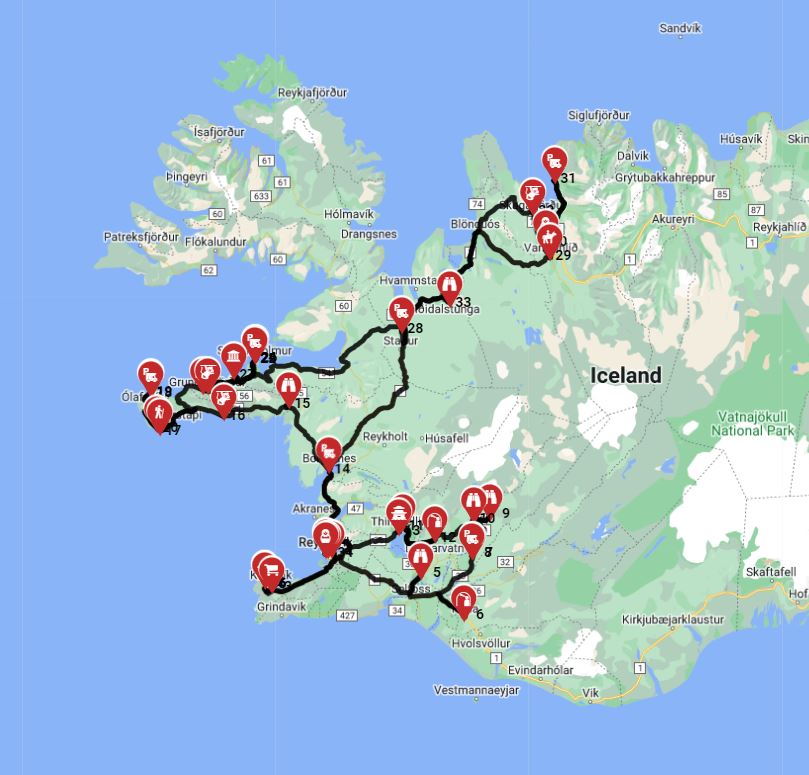
The "
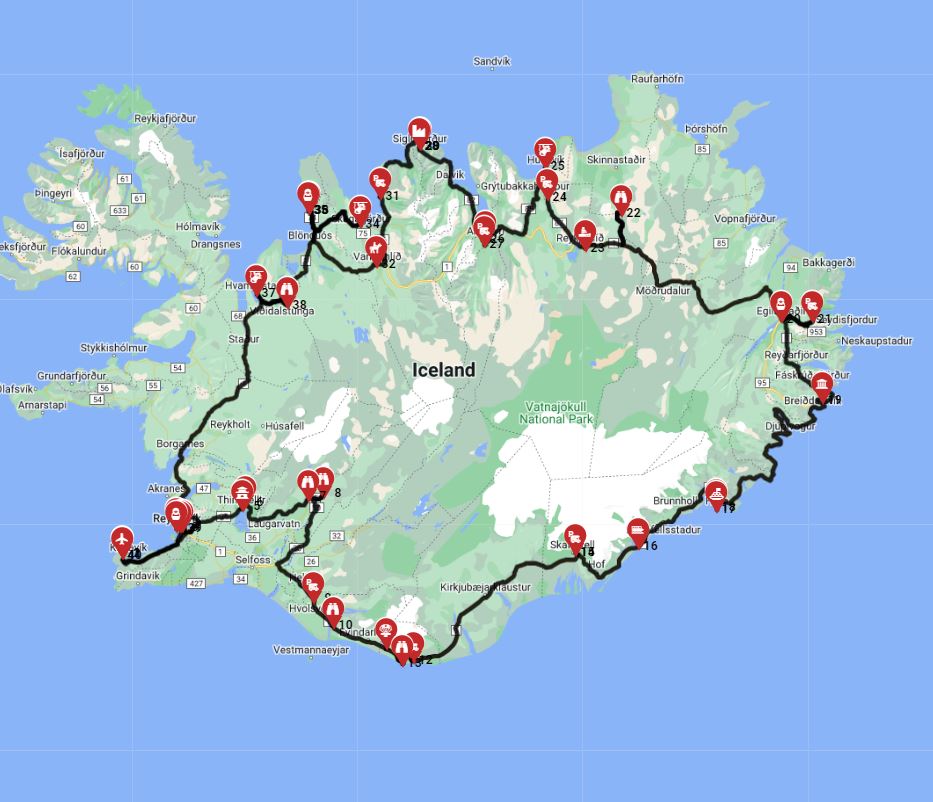
For a shorter 9-day trip, the "
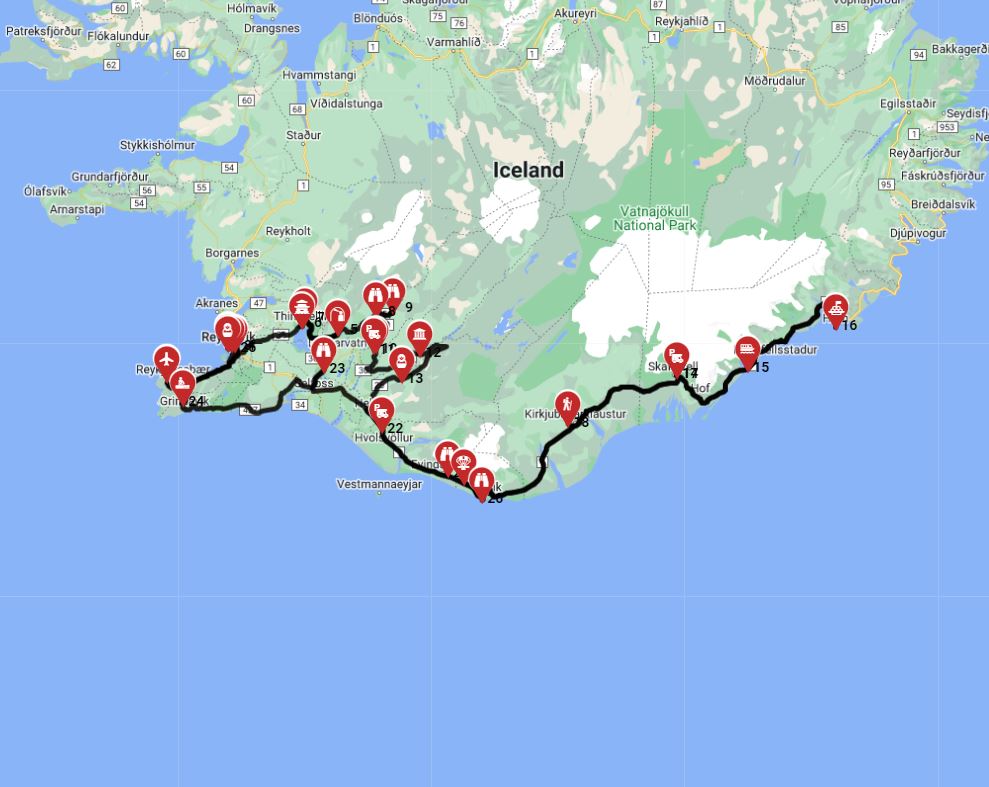
An 11-day "
What should I pack for a winter RV trip in Iceland?
Packing for a winter RV trip in Iceland requires multiple layers of warm, waterproof, and windproof clothing, suitable for extreme conditions, along with essential RV-specific items for comfort and functionality. Key clothing items include thermal base layers made of wool or synthetic materials, fleece mid-layers for insulation, and a heavy-duty waterproof and windproof outer jacket and pants. Don't forget warm hats that cover your ears, waterproof gloves or mittens, and sturdy, waterproof hiking boots to navigate icy and snowy terrains.
For RV living, consider a small, robust flashlight or headlamp (with extra batteries) for the long dark hours, a portable power bank for electronic devices, a thermos for hot drinks on the go, and sturdy, non-slip indoor footwear for comfort and safety within the vehicle. Essentials like a sleeping mask are surprisingly useful for aurora viewing when you want to sleep through residual light pollution, a quick-dry towel, and any necessary medications. Remember extra batteries for your camera to capture the stunning winter scenery and Northern Lights, as cold temperatures can quickly drain battery life. This thoughtful packing ensures your week-long adventure is as comfortable as it is memorable.
How to practice responsible RV tourism in Iceland?
Practicing responsible RV tourism in Iceland involves strict adherence to Leave No Trace principles, respecting fragile ecosystems, and understanding the severe consequences of illegal wild camping. Always dispose of waste properly at designated dump stations and recycling points; never leave trash, human waste, or greywater in the wilderness, as Iceland's environment is highly sensitive and takes an extremely long time to recover. Our partners, like El Monte and Apollo, provide detailed instructions on waste management.
Stay strictly on marked roads and trails, avoiding driving off-road entirely, and park only in designated areas to prevent damage to delicate moss and vegetation. Camping overnight in a rented RV is strictly permitted only in official campgrounds; illegal wild camping is subject to heavy fines (which can be thousands of dollars) and contributes significantly to environmental degradation, undermining sustainable tourism efforts. Embrace the spirit of slow travel, taking your time to appreciate the pristine beauty without leaving a trace.
Is RV travel in Iceland better than car and hotel in winter?
RV travel in Iceland during winter offers a unique blend of flexibility and immersion compared to car and hotel stays, suiting independent travelers who prioritize adventure and mobile accommodation. A rented RV provides the convenience of a mobile base camp, allowing travelers to adapt itineraries quickly based on changing weather conditions and chase the Northern Lights without needing to return to a fixed hotel every night. This flexibility is a key benefit, allowing you to optimize your experience, especially when navigating dynamic winter conditions.
While RVs offer accommodation convenience and potential cost savings on lodging for a group, they incur expenses for rental, fuel, and campground fees, which can sometimes rival mid-range hotel costs, especially if opting for luxurious models or if fuel prices are high, as discussed in "RV Rental in Iceland - Prices and Best Deals 2026". Car and hotel travel provides more comfort in terms of fixed heating and larger amenities, but it limits spontaneity for unique overnight locations and requires frequent packing and unpacking, potentially making it less convenient for certain traveler types. Ultimately, the "better" option depends on your travel style and priorities, but for families and adventurous couples seeking deep engagement with Iceland's winter beauty, a rented motorhome often offers an unparalleled experience.
What You Shouldn't Miss
- Golden Circle Wonders: Explore Þingvellir National Park, witness the Strokkur geyser erupt at Geysir, and marvel at the powerful Gullfoss waterfall, often surrounded by stunning ice formations in winter. This classic route is a must for any week-long trip.
- Chasing the Northern Lights: Drive away from city lights in your rented campervan to seek out the elusive Aurora Borealis. Winter's long nights offer the best chances to witness this celestial spectacle, a highlight of any Iceland RV adventure.
- South Coast Spectacles: Journey along the South Coast to see black sand beaches like Reynisfjara, the basalt columns, and the magnificent Jökulsárlón Glacier Lagoon with its floating icebergs.
- Geothermal Baths: Relax in one of Iceland's many geothermal pools, such as the Blue Lagoon or a smaller, more local hot spring. It's the perfect way to warm up after a day of winter exploration.
- Ice Cave Exploration: Join a guided tour to explore the mesmerizing crystal blue ice caves formed within Iceland's glaciers. This unique winter activity offers an unforgettable experience.
- Reykjavik's Charm: Take time to explore the capital city of Reykjavik. Drive slowly and carefully; you can drive almost anywhere without issues. Enjoy the vibrant culture, delicious food, and visit Hallgrímskirkja church for panoramic views.
Looking for expert insights from Avi Bandana? Top 5 Adventures - recommendations from Avi Bandana
🎬 Video coming soon
Final Thoughts
Winter RV camping in Iceland is truly an experience of a lifetime, offering breathtaking natural beauty and the magic of the Northern Lights without the summer crowds. While the weather demands respect and preparation, the freedom and intimacy of exploring Iceland in your own rented motorhome or campervan are unparalleled. Remember to embrace slow travel, allowing yourself to truly soak in the unique culture, stunning scenery, and delicious local food.
From navigating dynamic road conditions with common sense to finding cozy, heated campsites, every detail contributes to an authentic adventure. With Bandana RV, you have a partner who understands RV travel deeply, offering full transparency and support before, during, and after your booking. So, get inspired, pack your warmest layers, and prepare for an unforgettable journey through Iceland's winter wonderland.
Discover top destinations, planning tips, all in one place! Plan a trip itinerary in advance with minimal effort and maximum enjoyment. Your Icelandic winter RV adventure awaits!