In This Guide
- Where to Camp in East Europe - Top Options
- Campground Types in East Europe (National, Private, Wild)
- Featured RV Park or Campground in East Europe
- Hookups & Amenities - What to Expect
- Booking Windows & Reservations in East Europe
- Nearby Supermarkets & Resupply Points
- Best RV Class for Camping in East Europe
- How to Save on Campgrounds in East Europe
- What is the 3-3-3 rule for RV travel?
- Can you park a motorhome anywhere in Europe?
- Where is the warmest part of Europe in winter?
- What is the 4-4-4 rule for RV travel?
- Which European country has the best campsites?
- Is RVing a thing in Europe?
- What is the 333 rule for campervan?
- Is Europe RV friendly?
- What is the campground app in Europe?
- What is the 28 day rule regarding camping?
Imagine crisp winter air, snow-dusted landscapes, and the warmth of your rented motorhome as you embark on an unforgettable journey through East Europe. Winter RV camping in East Europe offers a unique blend of adventure, cultural immersion, and stunning scenery, often with fewer crowds and lower prices than during peak summer months. From the thermal baths of Hungary to the majestic Carpathian Mountains, traveling by a rented caravan gives you unparalleled flexibility to explore this captivating region at your own pace. For live availability and current prices, start with our RV Rental East Europe - Complete Guide 2026 guide.
Where to Camp in East Europe - Top Options
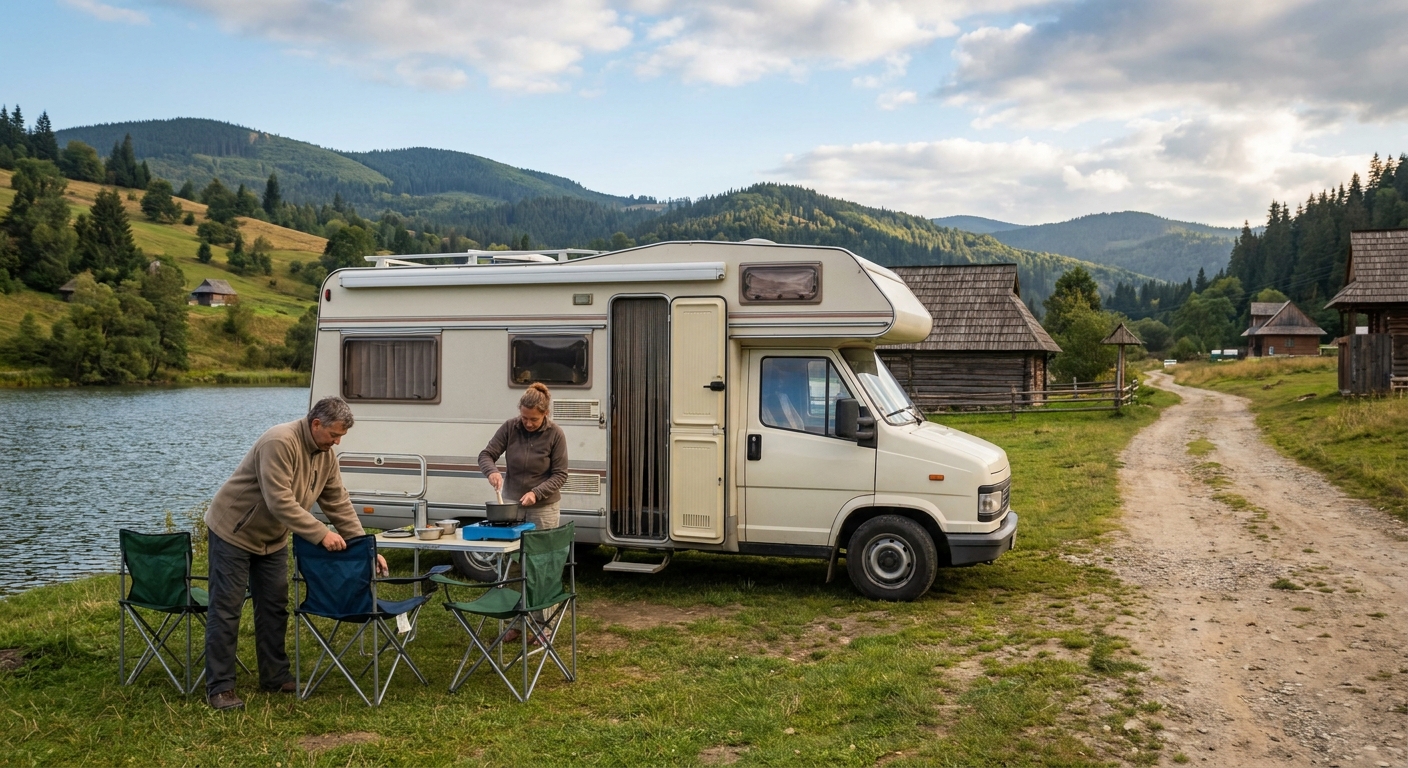
While East Europe experiences cold winters, several regions offer unique camping experiences, often with fewer crowds and lower prices than Western Europe. Consider destinations with thermal spas and ski resorts that often have adjacent RV parks, such as those near Lake Balaton in Hungary, which boasts over 1,300 thermal springs across the country, making it an excellent choice for a warm soak after a day of exploring. The Tatra Mountains in Slovakia and Poland, as well as the Julian Alps in Slovenia, provide access to world-class ski slopes alongside well-equipped RV campgrounds. Specific areas like the Dalmatian Coast in Croatia, though not strictly 'East Europe,' offer milder winter climates for RVers seeking warmth and seaside views, with average daytime temperatures around 8-12°C in December. Well-insulated campsites in areas like the Czech Republic, especially around picturesque Český Krumlov, embrace winter tourism, offering prepared pitches and essential services for cold weather, including electrical hookups and heated sanitary facilities.
Campground Types in East Europe (National, Private, Wild)
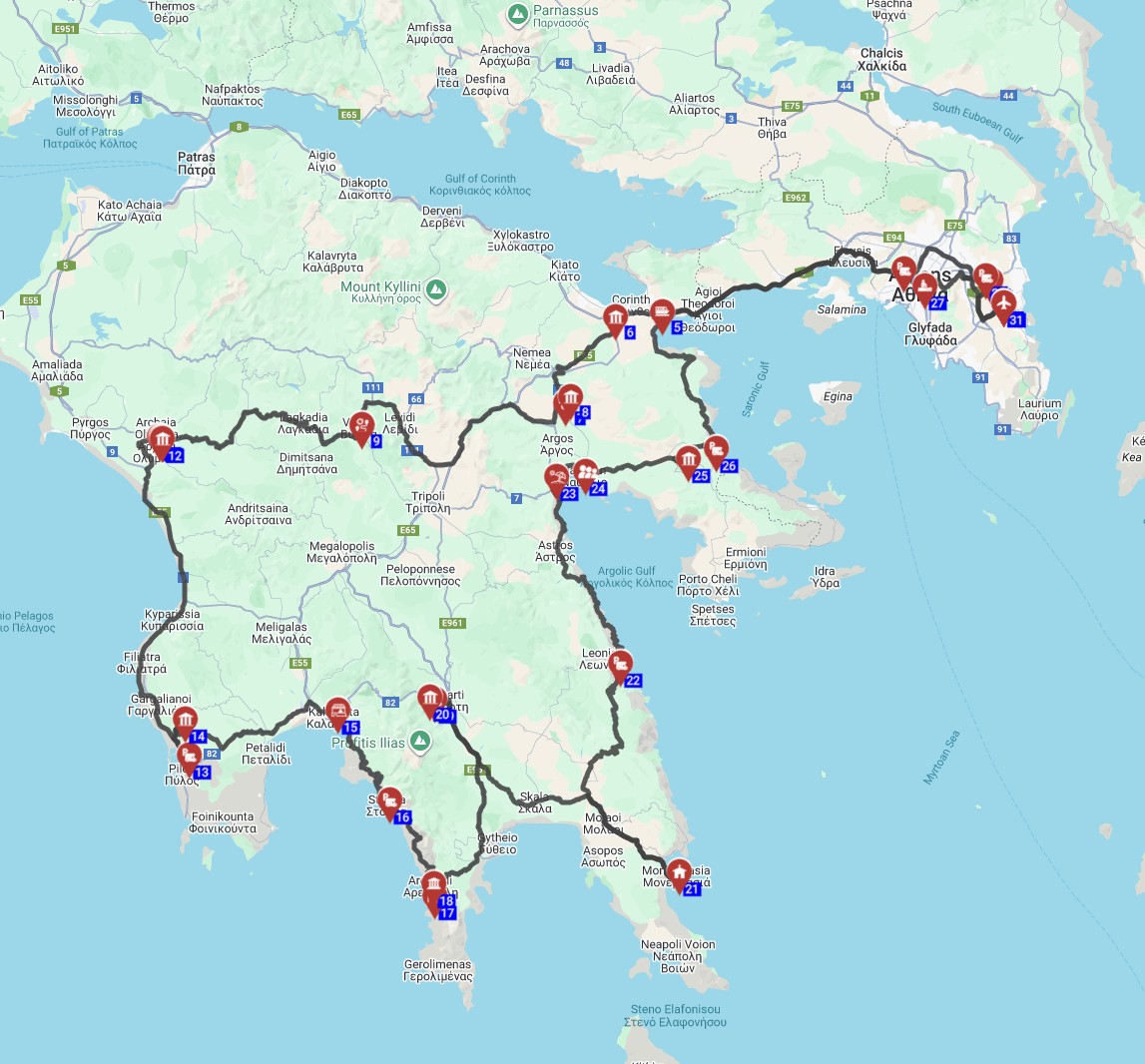
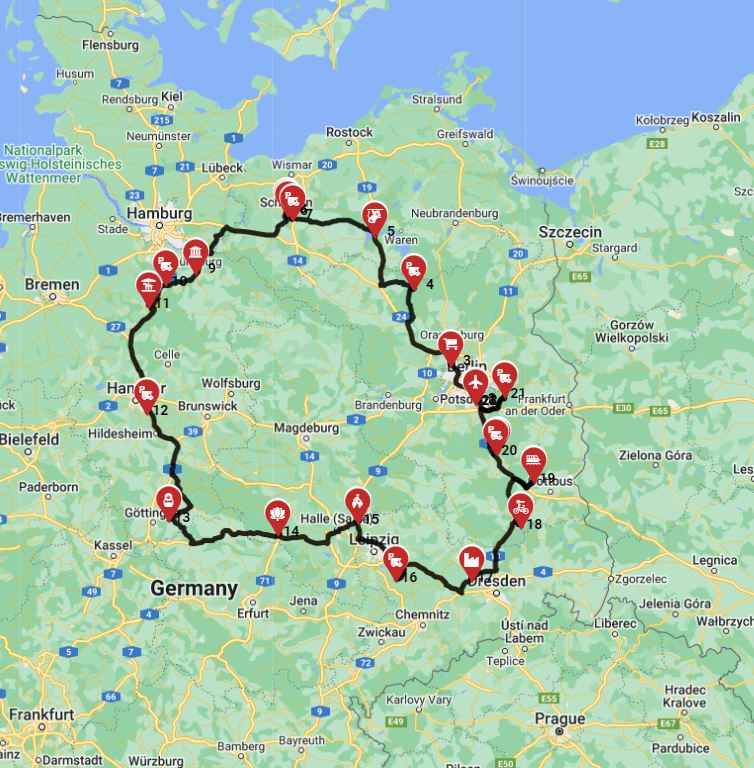
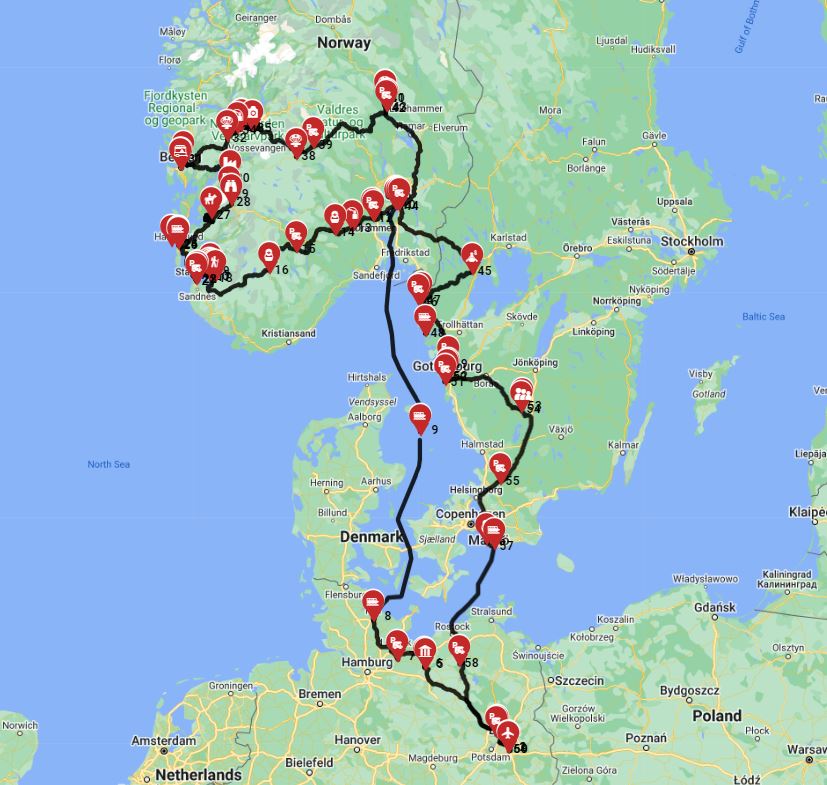
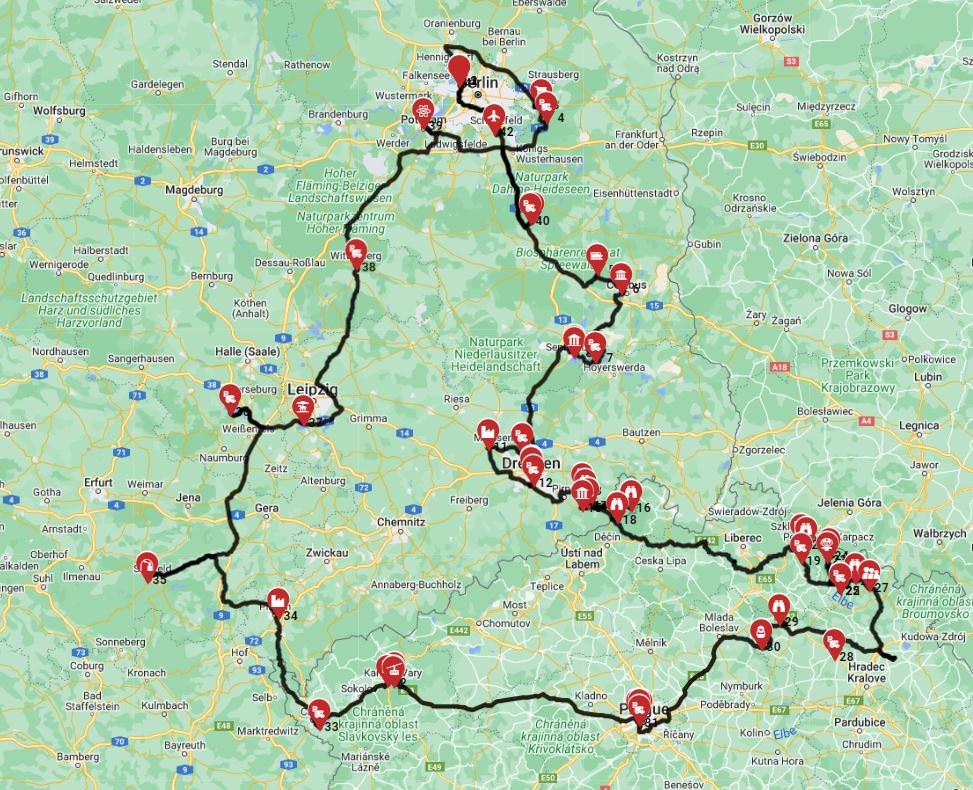
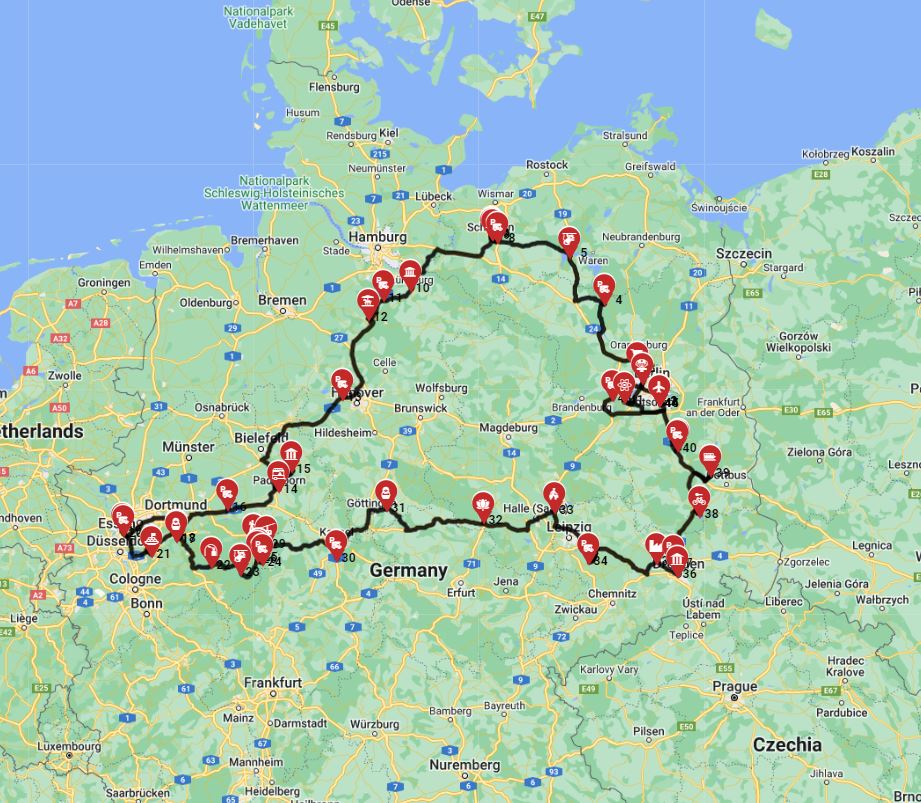
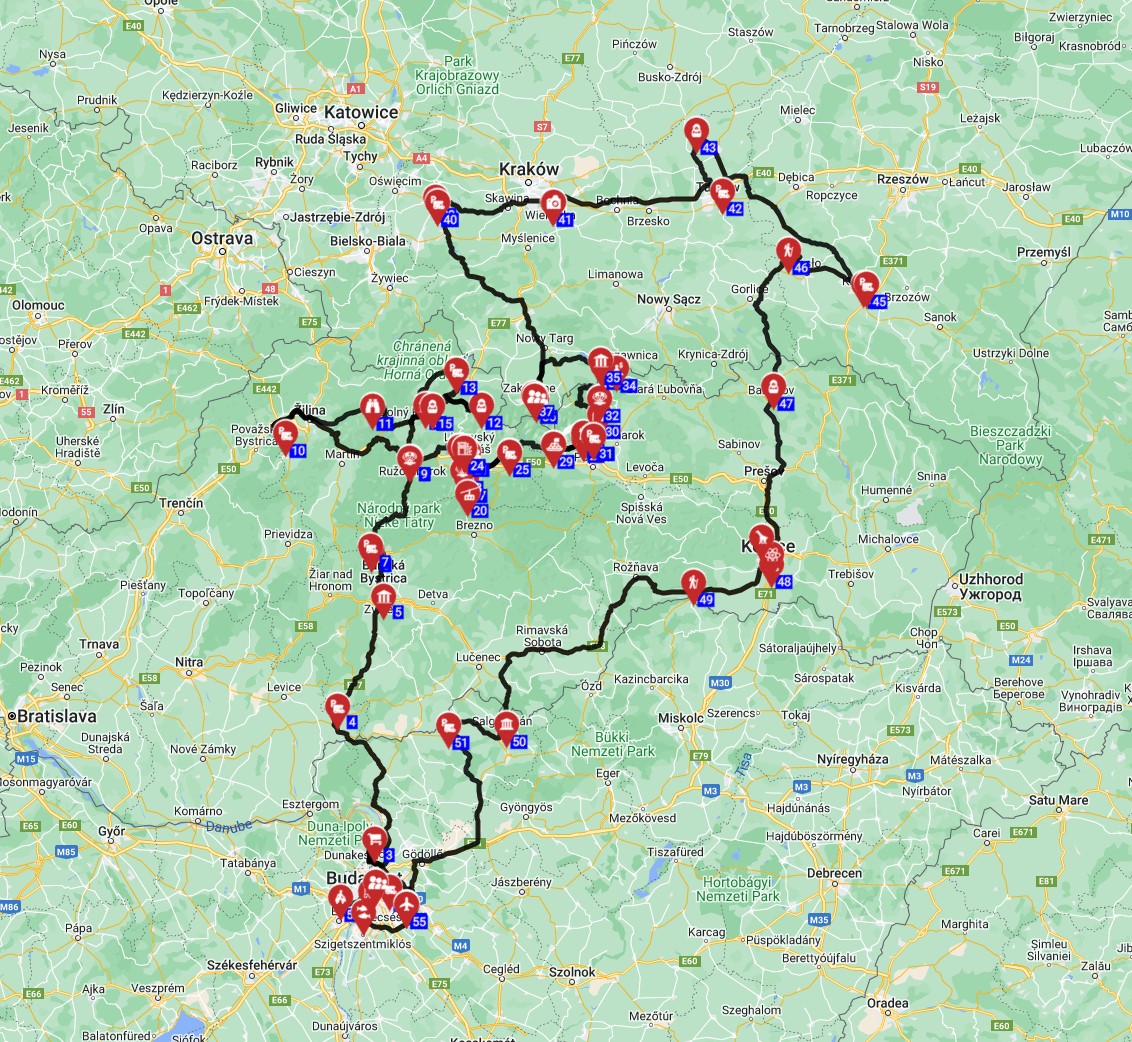
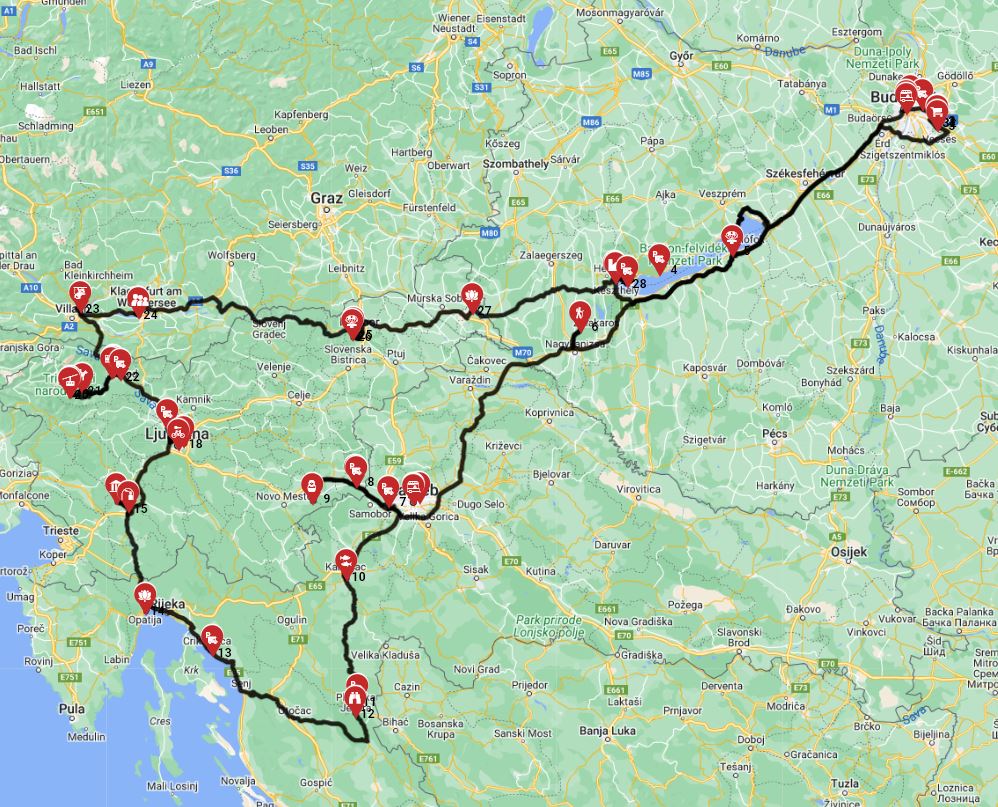
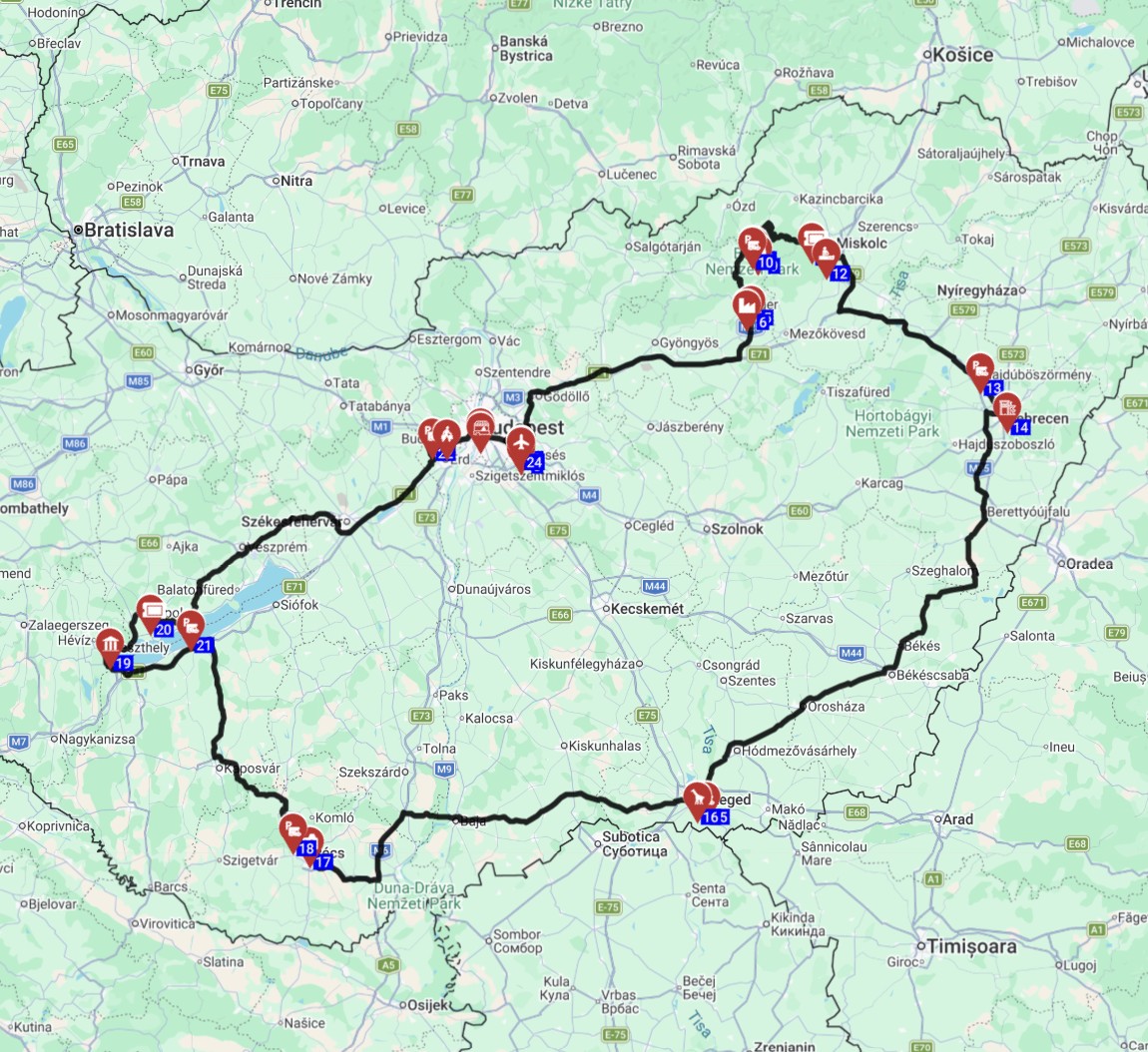
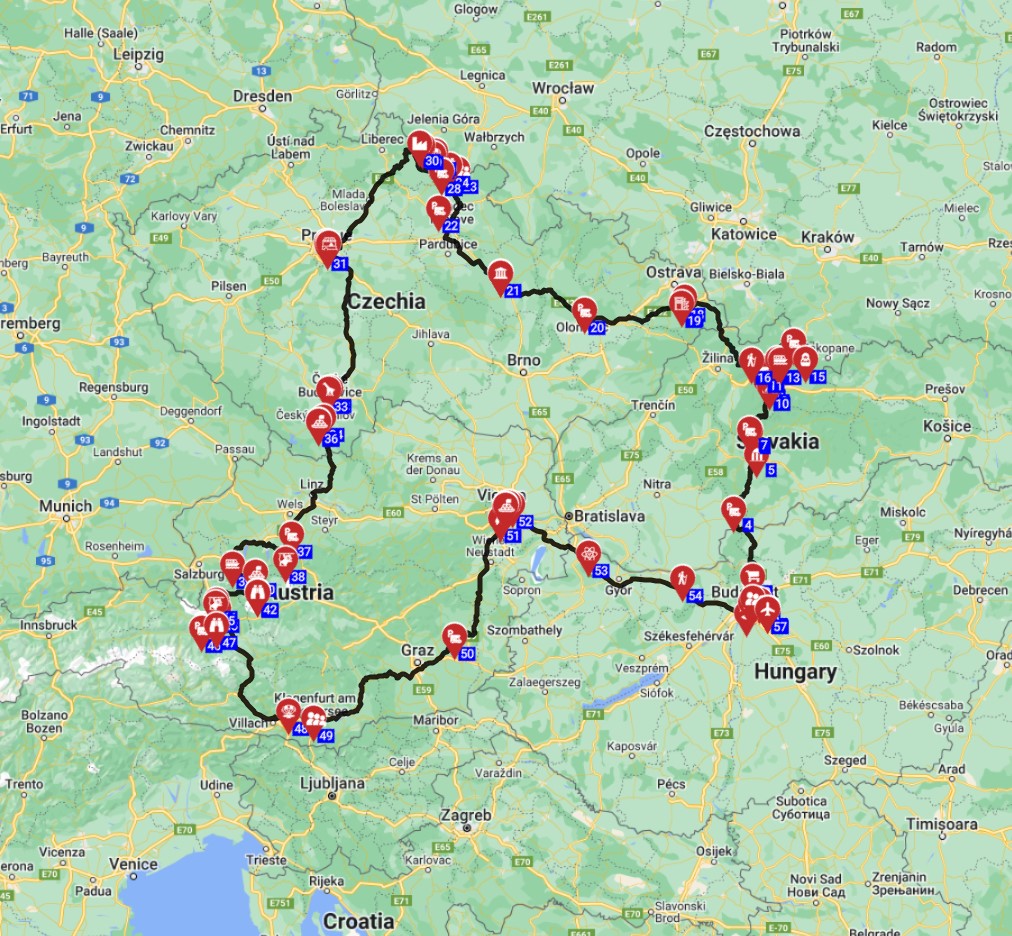
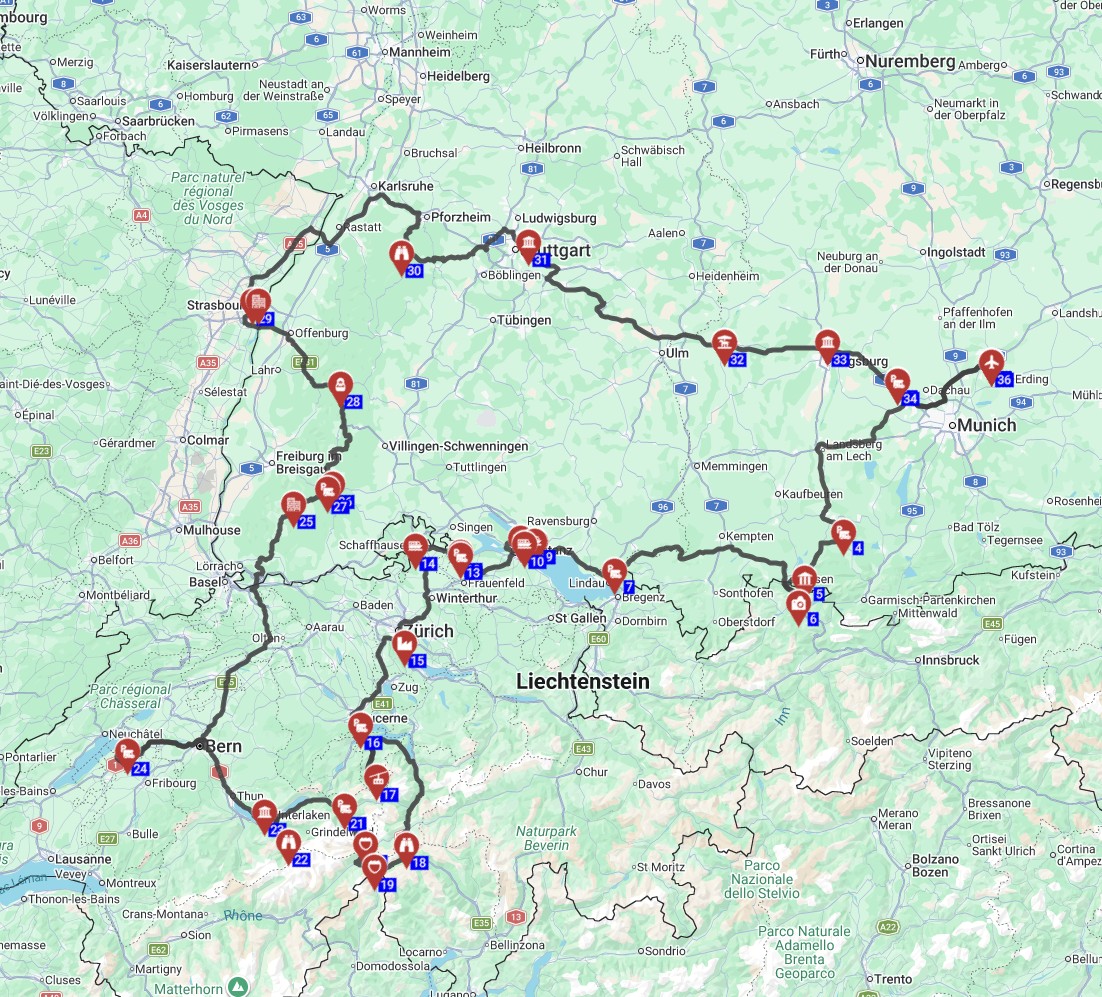
The types of RV campgrounds available in East Europe vary significantly, offering options from basic nature immersion to full-service comfort. National Parks often provide designated campgrounds, which are typically basic but offer stunning natural surroundings; however, during winter, access might be limited, and fewer facilities may be open, so always check specific park regulations and operating hours before your trip. Private Campgrounds are the most reliable option for winter RVing, offering a range of amenities like heated showers, electricity (standard 220-240V with CEE plugs), and sometimes even indoor common areas, and are more likely to be open year-round with better security and maintenance. When planning your route, consider using RV PLANET (rvplan.net) to find these facilities, as it allows you to itemize and track every expense along the way for easy budgeting. Wild Camping, also known as freedom camping, regulations vary significantly across East European countries; it is generally tolerated in some rural areas of the Baltics and parts of the Balkans, but often illegal or highly restricted in countries like Poland, Czech Republic, and Hungary, with potential fines up to several hundred Euros. Always research local laws for your specific destination, and remember that private land is always off-limits without explicit permission. For winter, wild camping is less advisable due to colder temperatures, reduced daylight, and safety concerns, making established sites with hookups preferable for a comfortable stay. On the routes offered through RV PLANET routes, you can itemize and track every expense along the way for easy budgeting.
Featured RV Park or Campground in East Europe
When selecting an RV park for winter in East Europe, prioritize sites that explicitly cater to cold-weather camping, offering robust infrastructure for comfort and safety. Look for campgrounds equipped with heated sanitary facilities, reliable snow removal services, and well-maintained, easily accessible pitches, even in snowy conditions. A prime example would be a highly-rated "Winter Alpine RV Resort" in the Polish Tatra Mountains, which provides heated cabins alongside RV pitches, full hookups (electric, water, grey/black waste disposal), and direct access to ski slopes and thermal baths, providing both utility and leisure opportunities. Essential features to seek out include secure, paved spots, reliable 220-240V electricity to power your rented motorhome’s heating and appliances, access to fresh water (even if winterized taps are needed), and on-site waste disposal, ensuring a comfortable and practical base for your winter adventures in East Europe.
Hookups & Amenities - What to Expect
In East Europe, modern campgrounds typically provide essential hookups, crucial for comfortable winter RV travel, though the availability and quality can vary. Electric Hookups of 220-240V with the standard blue CEE plug are vital for heating and powering appliances in your rented motorhome, so ensure your RV's electrical system is compatible. Fresh Water hookups are usually available, but in winter, some taps might be turned off or require insulated hoses to prevent freezing, necessitating proper RV water system winterization. Dump Stations for grey and black water are standard, though facilities might be less frequent in rural areas, so look for heated facilities in colder regions. Wi-Fi is increasingly common, often available at reception or common areas, and sometimes directly at pitches, though speeds can be variable. For entertainment, many RVs come equipped with a TV, and cooking inside your RV is a breeze with well-equipped kitchens, allowing you to prepare delicious meals and warm drinks. Check out our RV-friendly recipes playlist for inspiration. Laundry Facilities are also offered by many private campgrounds, particularly convenient for extended winter trips. Expect clean, well-maintained Showers & Toilets; in winter, heated shower blocks are a significant comfort factor, so prioritize campgrounds that explicitly advertise this feature for your winter RV rental in East Europe.
Booking Windows & Reservations in East Europe
For winter RV travel in East Europe, a balanced approach to booking is often best, as flexibility can be rewarded, but popular winter destinations still warrant planning. If you're targeting specific, popular ski resorts or thermal spa areas during peak winter holidays (e.g., Christmas, New Year, February school breaks), booking a rental campervan or motorhome several months in advance is highly recommended to secure your preferred vehicle and a good rate. This proactive planning can lead to significant savings, sometimes up to 20%. Spontaneous Travelers will find that during the quieter parts of winter, such as late November, early December, or March, many campgrounds, especially smaller or municipal ones, have ample availability for a rented mobile home. It's always advisable to call ahead an hour or two before arrival, especially to confirm winter operational status and pitch availability with appropriate hookups. While some national park campgrounds may only release a fraction (e.g., 25%-30%) of their spots for advance reservations, leaving the rest for first-come, first-served, this 'rule' is less impactful in the winter off-season for many regions outside of dedicated winter sport hubs, so you'll often find a spot. If not at the first campground, then the next one; just remember to call ahead before driving.
Nearby Supermarkets & Resupply Points
Access to supermarkets and resupply points is essential for any RV trip, and in East Europe, you'll find a range of options for stocking up on provisions. Major grocery chains like Lidl, Kaufland, Billa, Tesco, and Auchan are widely present across the region, especially in larger towns and cities, making it easy to find what you need for your rented camper. These stores offer competitive prices and a good selection of fresh produce, pantry staples, and local specialties, ensuring your kitchen in your motorhome is always well-stocked. For specific resupply points, if camping near a city, simply search for these prominent chains via a mapping app; for instance, a Lidl or Kaufland will likely be within a short drive of most established campgrounds, providing convenient access to groceries and other necessities. When planning your route, remember that RV PLANET routes allow you to itemize and track every expense along the way, including groceries, for easy budgeting and to avoid surprises.
Best RV Class for Camping in East Europe
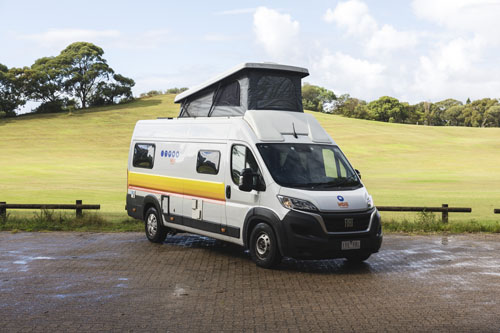
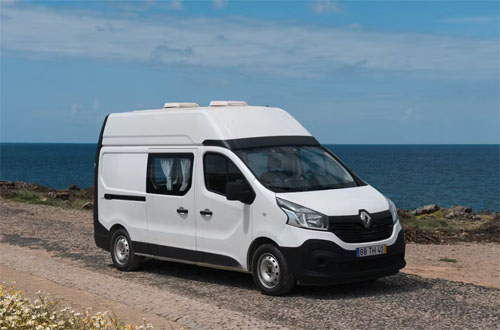
Choosing the right RV class for winter camping in East Europe involves balancing maneuverability, comfort, and winter capabilities. Class B Camper Vans are excellent for navigating narrower roads and historic town centers often found in East Europe. Bandana's fleet typically features Class B Camper Vans averaging 5.8 meters in length with 3.2 sleeping places, offering good fuel efficiency of 8-10 Liters/100 Km. Their compact size makes them suitable for permitted boondocking in more remote areas or fitting into smaller pitches, though interior space for bulky winter gear might be limited. For a bit more room and enhanced winter readiness, Class SI (Semi-integrated) motorhomes offer a great balance of size and comfort. These RVs, with Bandana's fleet averaging 6.9 meters in length and 3.8 sleeping places, provide more living space and better insulation than Class B models. They are ideal for hookup-dependent camping in established sites, ensuring warmth and ample facilities for winter conditions without being overly cumbersome on the road, and typically consume 10-11 Liters/100 km. While larger Class C (Alcove) or Class A (Integrated) RVs offer more space, averaging 7.5 meters in Bandana's fleet, their size can be a disadvantage on some Eastern European rural roads or in dense urban areas, making smaller models often more practical for a diverse winter itinerary across East Europe.
How to Save on Campgrounds in East Europe
Saving money on campgrounds in East Europe is achievable with strategic planning, especially during the winter season. Campground Discount Cards, such as international programs often supported by rental providers like Bandana, can provide significant savings. These cards typically offer reduced rates or special deals at participating campgrounds throughout Europe, sometimes saving 10-25% per night. Winter in many parts of East Europe, outside of dedicated ski resort areas, is considered shoulder or off-season, meaning campground prices are generally lower than during peak summer months, often by 15-30%. Opt for municipal or regional campgrounds over private luxury resorts; these sites are frequently more budget-friendly while still providing essential services like heated sanitary blocks and electricity. To maximize value, inquire about discounted rates for stays of three or more nights, as many campgrounds offer weekly rates that provide the best value, encouraging the slow travel approach of max 100-150 km per day. Finally, if traveling with another RV, inquire if campgrounds offer options to share hookups, which can sometimes lead to reduced costs per vehicle, enhancing your winter RV rental experience in East Europe.
What is the 3-3-3 rule for RV travel?
The 3-3-3 rule for RV travel is a widely recommended guideline for safe and enjoyable trips, particularly useful for managing driving fatigue and finding suitable overnight stops. It suggests driving no more than 300 miles (approximately 480 kilometers) in a day, arriving at your destination by 3 PM, and staying for at least 3 nights. This rule is especially beneficial for winter RVing in East Europe due to shorter daylight hours, potentially challenging road conditions (snow, ice), and the need for ample time to set up camp and ensure your rented mobile home is properly winterized. Adhering to this rule helps prevent overtiredness, allows time to truly explore and feel the place, and ensures you arrive at campsites before dark, making setup much easier and safer for your motorhome rental in East Europe.
Can you park a motorhome anywhere in Europe?
No, parking a motorhome anywhere in Europe is generally not permitted; specific regulations vary significantly by country and even by local municipality, with 'wild camping' or 'freedom camping' often restricted or illegal. While some countries, particularly in Scandinavia and parts of the Baltics like Estonia and Latvia, have 'right to roam' laws that permit overnight stays in certain natural areas, most Central and Eastern European nations are stricter, with wild camping largely prohibited. In many countries, you are generally allowed to park your rented RV in designated parking areas or service stations for a limited time, but 'camping behavior' (e.g., putting out awnings, chairs, cooking outside) is usually forbidden outside of official campgrounds or Stellplätze (motorhome parking spots). Always research the specific laws for each country and region you plan to visit, as fines for illegal wild camping can be substantial, often ranging from €50 to €500. For winter in East Europe, relying on established campgrounds with services is highly recommended for safety, warmth, and access to necessary facilities like electricity and dump stations.
Where is the warmest part of Europe in winter?
The warmest parts of Europe in winter are typically found in the southern regions, including the Canary Islands (average 18-20°C), southern Spain (Andalusia, average 10-15°C), Portugal (Algarve), southern Italy, Greece, and parts of Malta and Cyprus. These areas benefit from a Mediterranean or even subtropical climate, offering milder temperatures, more sunshine, and significantly less snow compared to Central and East Europe. While East Europe generally experiences cold, snowy winters that offer unique charm and winter sports opportunities, with average temperatures often below 0°C, it is not a destination for warm winter RV travel. Travelers seeking warmer winter destinations for their RV will need to consider Southern European countries, though even there, night-time temperatures can drop to near freezing, necessitating proper RV winterization and well-equipped rented campervans for comfort.
What is the 4-4-4 rule for RV travel?
The 4-4-4 rule for RV travel is a variation of safe driving guidelines, suggesting you drive no more than 400 kilometers (or approximately 250 miles) in a day, stop by 4 PM, and stay for at least 4 nights. Similar to the 3-3-3 rule, this guideline aims to promote a relaxed and enjoyable pace of travel, preventing driver fatigue and allowing ample time for setup and exploration. While offering slightly more flexibility in daily distance and arrival time, the 4-4-4 rule may be less practical for winter RV travel in East Europe due to even shorter daylight hours (often 8-9 hours in mid-winter) and the increased challenge of setting up camp in colder, potentially snowy conditions after 3 PM. It emphasizes longer stays at each location, which can be beneficial for deep cultural immersion and cost savings through weekly rates, aligning well with a desire to explore specific winter activities or towns more thoroughly in your rented mobile home.
Which European country has the best campsites?
Determining which European country has the 'best' campsites is subjective and depends heavily on traveler preferences, but countries like France, Germany, Italy, Croatia, and the Netherlands are consistently praised for their extensive and high-quality camping infrastructure, while Scandinavia offers excellent wild camping opportunities. For East Europe, countries like Slovenia, the Czech Republic, and Hungary are rapidly developing excellent facilities, often featuring modern amenities, good locations near natural attractions or thermal baths, and competitive pricing, with many offering heated facilities and electric hookups even in winter. France is renowned for its vast number and variety of sites, boasting over 8,000 campgrounds from rustic municipal options to luxurious resorts, while Germany is known for its efficiency and well-maintained facilities. Croatia's coastal campsites are highly popular in summer, and some remain open year-round, offering scenic views and good services, making it a growing option for winter RVing in a milder climate, often with daily rates starting from €25-€45.
Is RVing a thing in Europe?
Yes, RVing is a very popular and established way to travel across Europe, with a robust infrastructure of campsites, motorhome parking areas (Stellplätze/Aires de Service), and rental services, offering immense flexibility to explore diverse landscapes and cultures. Millions of Europeans own RVs, and the popularity of campervan and motorhome holidays continues to grow, attracting both domestic and international tourists, with annual RV sales exceeding 150,000 units in Europe. While Western European countries generally have a more extensive and long-established RV culture, East Europe is rapidly expanding its facilities and welcoming RV travelers, offering unique experiences and often lower costs, with daily campground fees typically 10-30% less than in Western Europe. The flexibility of a rented RV allows for unique cultural immersion, enabling travelers to visit off-the-beaten-path attractions, local festivals, and unique culinary experiences not easily accessible by other means of transport, particularly appealing during the quieter winter months, making it a rewarding way to see the continent.
What is the 333 rule for campervan?
The 333 rule for campervan travel is identical to the 3-3-3 rule for RVs, advising campervan drivers to travel no more than 300 miles (about 480 km), arrive at their destination by 3 PM, and stay for at least 3 nights to ensure a relaxed and safe journey. This rule is particularly well-suited for campervan users due to their typically smaller size (e.g., a Class B campervan averaging 5.8 meters in length) and greater maneuverability, making it easier to stick to shorter daily drives and find suitable parking. For winter campervan trips in East Europe, adhering to this rule is crucial for safety and comfort, as it accounts for reduced visibility, slower driving speeds on potentially icy roads, and the need for sufficient time to find and settle into a heated campsite before nightfall. It promotes a mindful travel pace, reducing stress and allowing travelers to truly experience the winter landscapes and local culture rather than constantly rushing between locations.
Is Europe RV friendly?
Yes, Europe is generally very RV-friendly, offering diverse landscapes, a vast network of dedicated campsites and Stellplätze (motorhome parking spots), and accessible services, although specific rules and infrastructure quality vary significantly between countries. Road networks are extensive and generally well-maintained, with over 70,000 km of highways across the continent, though some rural roads in East Europe can be narrower or less pristine, requiring careful driving and suitable vehicle choice. Europe's RV-friendly nature includes a wide range of facilities from basic pitches to luxury resorts, ample service points for water and waste, and readily available fuel. However, being RV-friendly also means understanding and adhering to varying national regulations regarding speed limits (e.g., 90 km/h on main roads, 130 km/h on highways), required safety equipment (e.g., reflective vests, first-aid kits are mandatory in many countries), road tax systems, and strict rules against wild camping in many regions, necessitating thorough pre-trip research, especially for multi-country Eastern European itineraries with a rented motorhome.
What is the campground app in Europe?
The most popular and comprehensive campground apps in Europe for finding and reviewing campsites and motorhome parking areas include Park4Night, Campercontact, and ACSI Campings Europa. Park4Night is widely used, offering a vast database of over 100,000 user-submitted spots including official campsites, designated motorhome parking areas (Stellplätze), service points, and even unofficial (often tolerated) wild camping spots, with user reviews and photos. Campercontact provides detailed information on over 30,000 motorhome sites across 58 countries, including facilities, pricing, and thousands of user reviews, making it excellent for planning your rented RV trip. ACSI Campings Europa, associated with the ACSI discount card, is a subscription-based app offering extensive details on thousands of inspected campsites, including specific information on winter opening hours and heated facilities, which is invaluable for winter RV travel in East Europe. These apps are invaluable for practical logistics, helping RVers locate water refills, dump stations, laundry facilities, and reliable internet or SIM card options, especially when navigating East Europe in winter, and many offer offline map functionality.
What is the 28 day rule regarding camping?
The '28-day rule' regarding camping is a regulation primarily found in the UK (specifically in England and Wales) that limits how long temporary structures, including RVs or caravans, can be stationed on certain types of land without requiring planning permission. This rule allows landowners to use their land for activities like camping or caravanning for up to 28 days in a calendar year without needing formal planning consent from local authorities, effectively permitting short-term camping on private land with the owner's permission. It is important to note that this is largely a UK-specific planning regulation and does not widely apply to mainland Europe, including East European countries, where local zoning laws and regulations regarding extended stays on non-designated sites differ greatly. While not a direct concern for most short-term RV rentals in East Europe, long-term travelers should always be aware of local zoning laws and regulations regarding extended stays on non-designated sites in any country they visit to avoid potential fines, which can range from €50 to €1,000 depending on the severity and location.
What You Shouldn't Miss
East Europe in winter is an enchanting destination for a motorhome adventure, offering unique experiences. Here are some of our top recommendations:
- Skiing in the Tatra Mountains: Head to resorts in Poland or Slovakia for excellent, affordable skiing with stunning alpine views. Many areas offer RV parking with heated facilities nearby, providing a cozy base after a day on the slopes.
- Thermal Spa Relaxation in Hungary: Immerse yourself in the healing waters of Hungary's famous thermal baths. Many RV parks are conveniently located near these spas, offering a truly unique winter wellness retreat.
- Explore Enchanting Christmas Markets: Wander through the festive Christmas markets in cities like Prague (Czech Republic), Krakow (Poland), or Budapest (Hungary), enjoying local crafts, traditional food, and mulled wine from your rented campervan.
- Visit Dracula's Castle (Bran Castle) in Romania: Experience the gothic beauty of Transylvania under a blanket of snow, a magical and mysterious backdrop for your RV journey.
- Discover the Julian Alps in Slovenia: Drive through breathtaking snow-covered valleys, visit Lake Bled, and enjoy the tranquil beauty of this often-overlooked alpine gem. You can find well-equipped campsites in these areas to rent a motorhome.
Looking for expert insights from Avi Bandana? Top 5 Adventures - recommendations from Avi Bandana
🎬 Video coming soon
Avi Bandana, the founder of Bandana Caravan, has extensively explored East Europe by RV, and his top recommendations include focusing on destinations that embrace winter tourism. He suggests prioritizing the vibrant Christmas markets in the Czech Republic and Hungary for cultural immersion, exploring thermal spa towns for a unique relaxation experience, and, for the adventurous, navigating the less-traveled, snow-covered roads of the Carpathian Mountains to witness Europe's rich wildlife. Avi always emphasizes slow travel, recommending a maximum of 100-150 km per day on average, to truly connect with the local culture, food, and scenery, advising travelers to take their time and savor each location.
Final Thoughts
Embracing a winter RV adventure in East Europe with a rented motorhome or campervan promises an experience unlike any other. From the festive cheer of city markets to the serene beauty of snow-capped mountains and the comforting warmth of thermal spas, this region truly shines in the colder months. Remember to plan thoughtfully, prioritize well-equipped campsites, and choose an RV that suits your comfort needs for the season. Drive slowly and carefully, and you can drive almost anywhere without issues. No need to stress - just use common sense and pay attention.
At Bandana, we believe in supporting your journey from the moment you dream of it until your booking is confirmed. We offer full transparency, dedicated support from true RV specialists, and access to hundreds of pre-planned routes through RV PLANET to make your winter RV camping in East Europe smooth and delightful. Don't let the colder weather deter you; instead, let it open up a world of unique exploration and cozy comfort.
Ready to discover the magic of East Europe in winter? Start planning your adventure today and compare winter RV rental deals in East Europe. Get inspired for your next trip! Find winter RV Rentals in East Europe now.